Car Wrap GuidePros, cons, and lifespan: 10 FAQs answered for a full car wrap!
If you've just bought a car, you'll want to protect it with a car wrap. But if this is your first car, you might be unsure how to choose a car wrap, what the prices are like, or what criteria to use when selecting a venue. Twosevenths has invited car wrap experts to answer 10 frequently asked questions about car wraps, addressing all your concerns in one go!
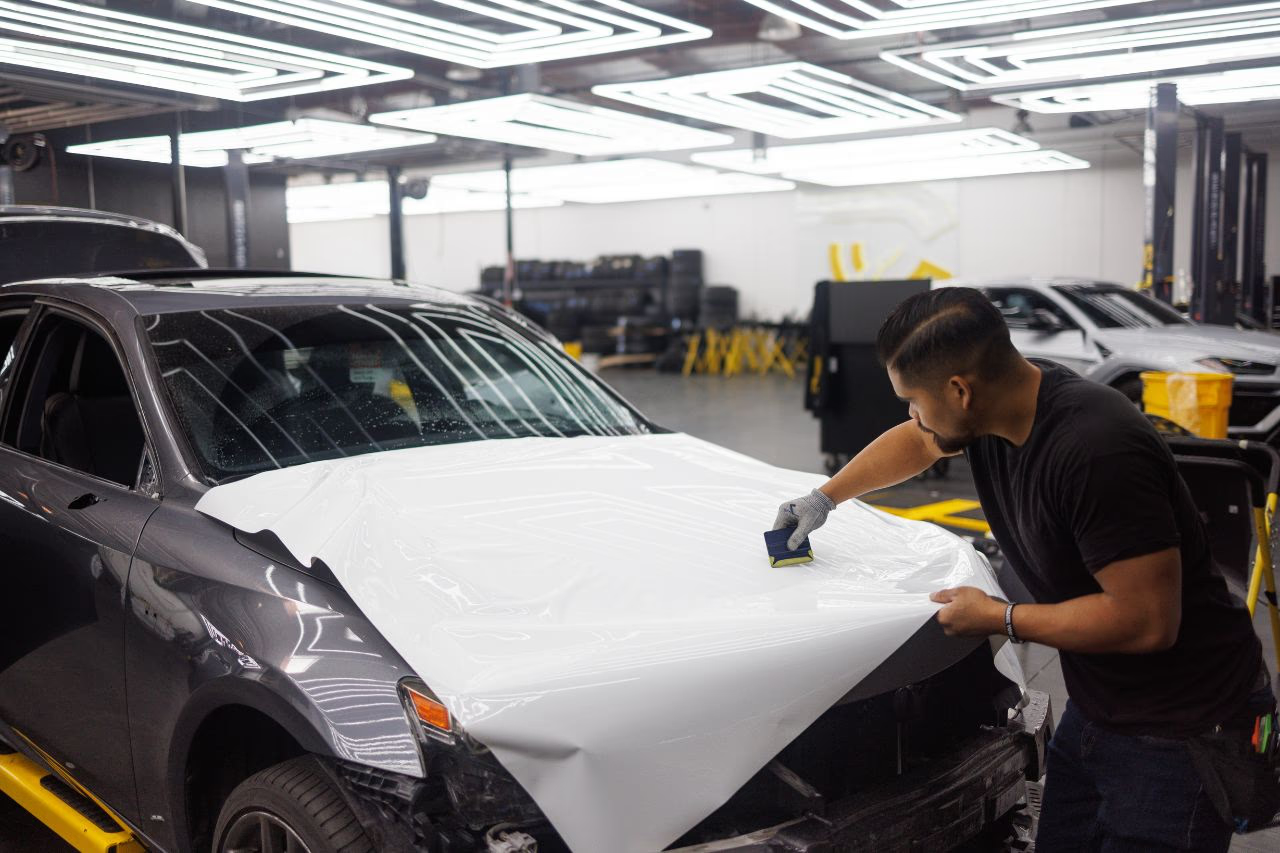
Automotive vinyl wrapping is a process that applies a protective film to a vehicle's exterior.
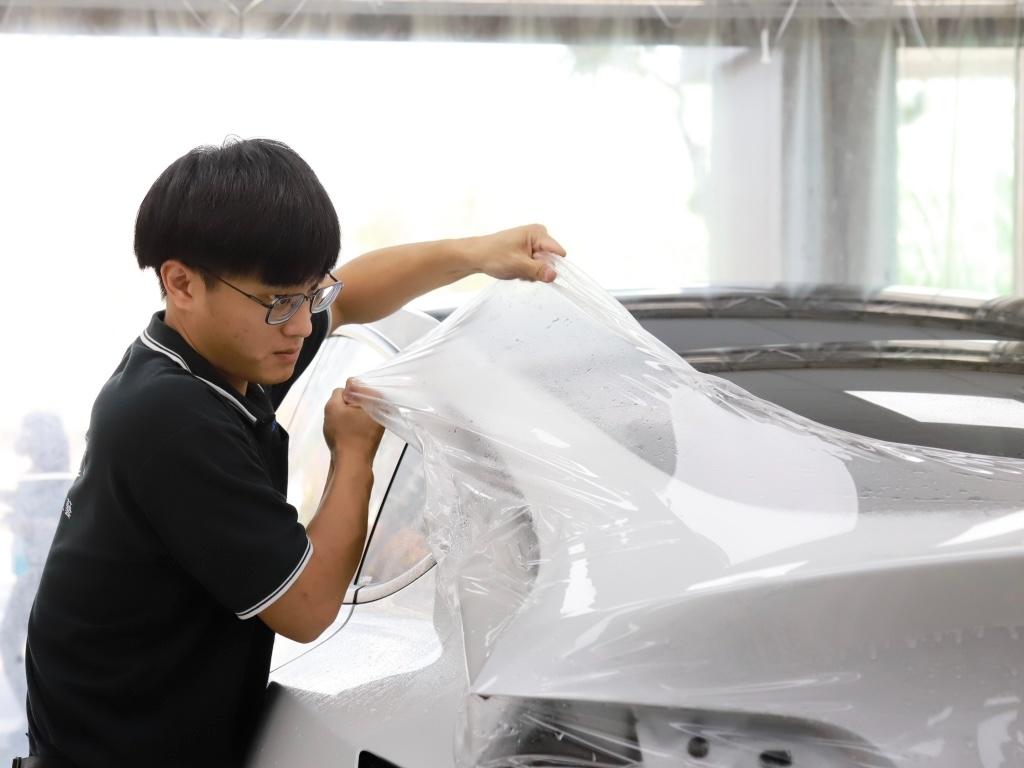
Automotive paint protection film (PPF) is a transparent, physical protective film applied to a vehicle's body panels. It's 50 to 70 times thicker than ceramic coating and provides a layer of UV and scratch resistance. This film is meticulously applied to partially or fully wrap the car's body. The term "rhino skin" is a common nickname for transparent automotive PPF.
✦Why you should consider car wraps
- Excellent ductility: Super elastic and highly resilient, it adheres tightly to the vehicle body.
- Diamond-grade high transparency: Enhances the vehicle's original paint luster by 20-30%.
- Strong resistance: Protects against acid rain, weak alkalis, gravel, bird droppings, keys, and other elements that can damage paint.
- Super flexibility and memory: Easily withstands general friction and scratches.
- UV protection: Shields original factory paint from sun damage.
- Good adhesion: No lifting or cracking, ensures a high-density fit.
- Premium adhesive: Removes cleanly without residue or damage to the vehicle body.
- Preserves value: Perfect protection and enhanced texture lead to a better resale price.
- Saves time and effort: No need for waxing or coating; car washing and polishing are easy.
- Long-term protection: One application provides lasting benefits, eliminating worries about paint damage.
The main difference between car wraps and ceramic coatings is their purpose and application.
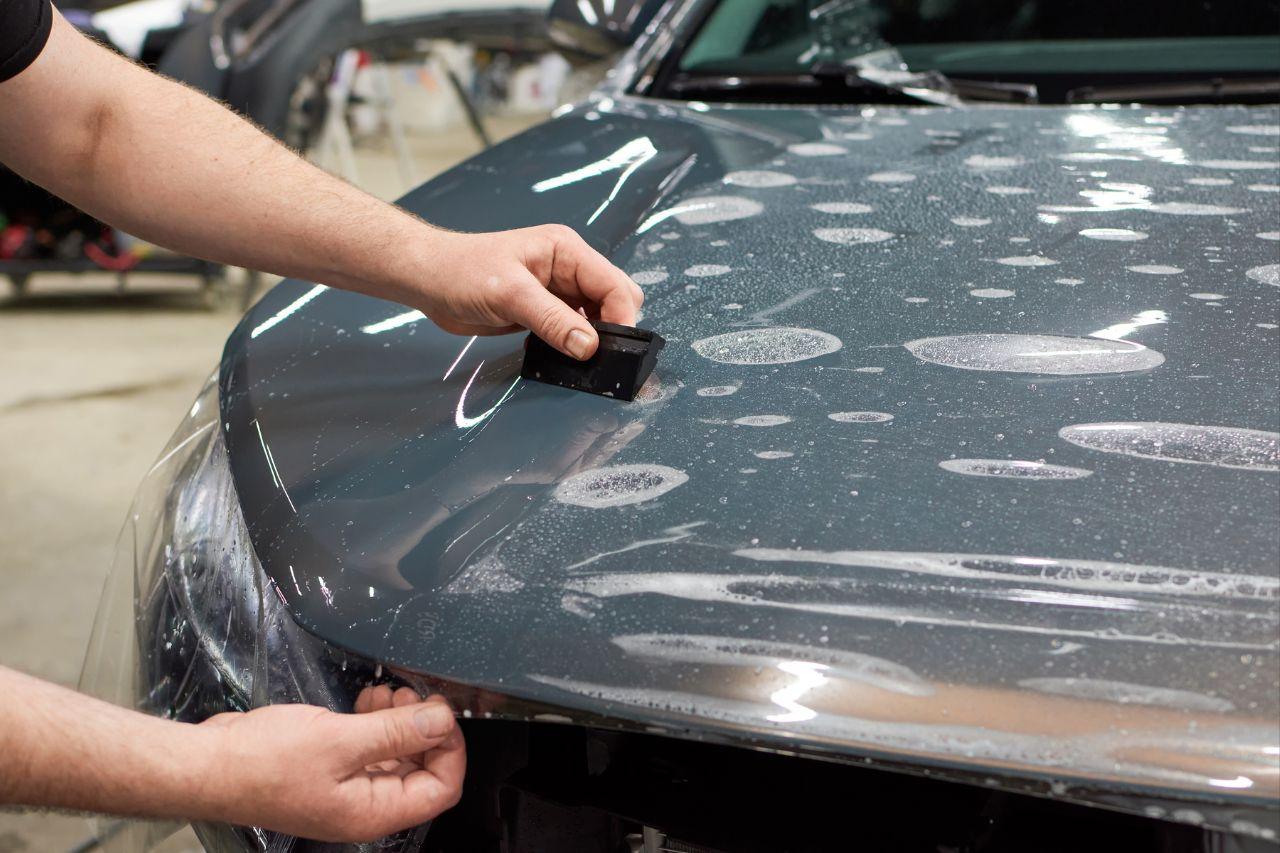
Car coating involves applying a liquid that bonds with the car's paint, enhancing its shine and stain resistance, and offering minor scratch protection.
Car wrapping, on the other hand, uses a solid film adhered to the paint surface. High-quality wraps also boost shine and stain resistance, but their thickness and durability provide significantly greater scratch protection than car coatings.
✦Car Wrapping vs. Other Car Care Options: A Comparison
| Car Maintenance | Car Wrapping | Ceramic Coating | Car Painting | Car Waxing |
| Function | Change appearance, protect paint | Deep protection and stain resistance | Repair and beautify car paint | Brighten paint, simple protection |
| Applicable Vehicles | New cars | New cars | Old cars | New and old cars |
| Pros | Diverse designs, comprehensive protection, corrosion resistance, stone chip protection, self-healing | Long-term protection, waterproof, stain-resistant | Scratch repair, long-lasting shine | Low cost, easy to apply |
| Cons | High price, wide price range, requires professional application | Expensive, requires professional application, no stone chip protection | Higher cost, long application time | Limited protection, requires frequent application |
| Lifespan | 3-10 years | 1-2 years | 2-5 years | 1-3 months |
| Price | $20,000-$160,000 | $20,000-$50,000 | $10,000-$30,000 | $500-$1,500 |
There are several options for car wrap materials.
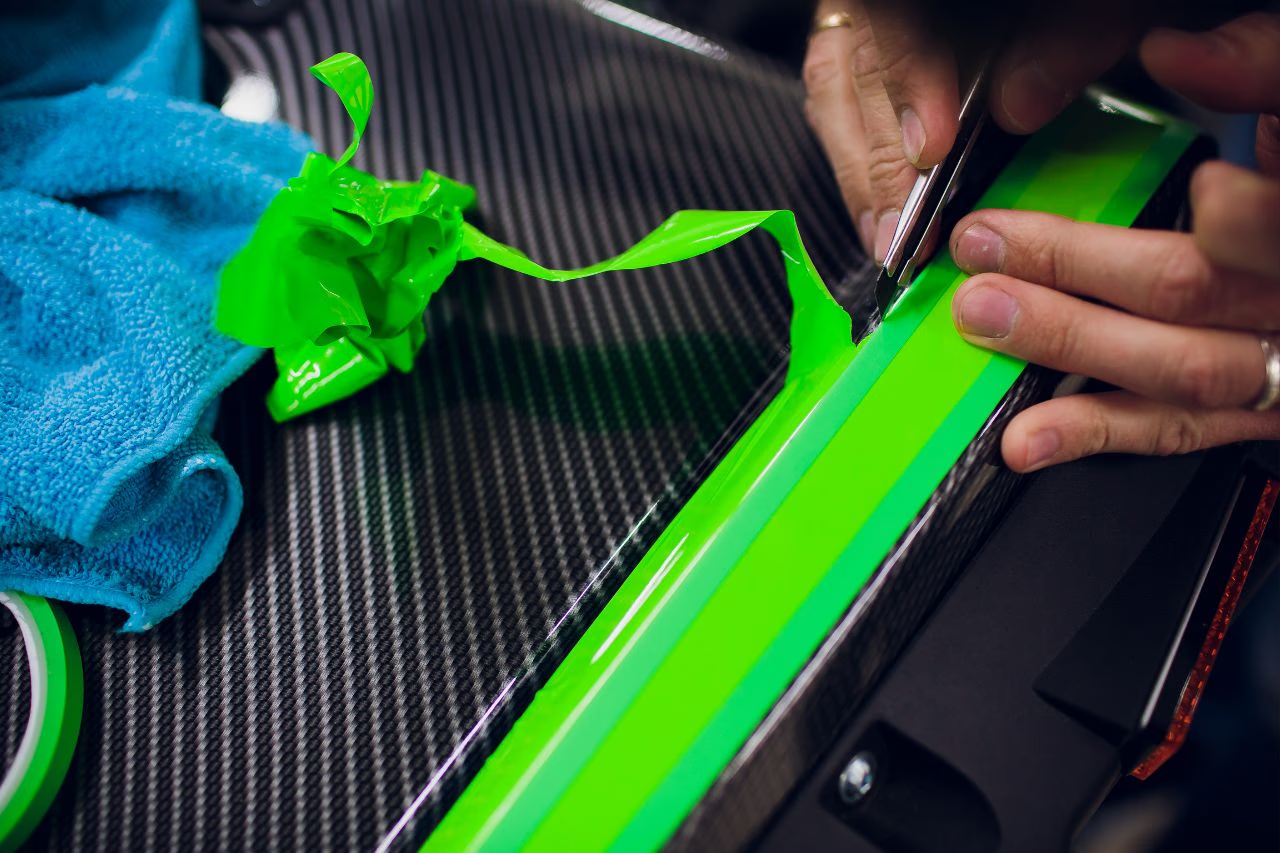
Car wraps typically use either PVC color-change film or eco-friendly TPU film. Here are the pros and cons of each:
✦Car Wrap Material: PVC
PVC, or polyvinyl chloride, is a common plastic found everywhere. It's typically inexpensive, with a harder, more brittle texture that doesn't stretch. PVC also has poor stability against light and heat, so this car wrap has a lifespan of about 1-2 years.
✦Automotive Paint Protection Film: TPU
TPU, or "thermoplastic polyurethane elastomer rubber," is a rubber material that offers excellent elasticity, toughness, scratch and abrasion resistance, and impact absorption. It also boasts self-healing properties and superior yellowing resistance compared to TPH and PVC, though it does come at a higher price point for car wraps.
✦Choosing between PVC and TPU depends on your needs.
TPU film is the top choice for car wraps recommended by most people today, especially if budget isn't a major concern. TPU film is soft, highly flexible, boasts self-healing properties, and is an eco-friendly material, making it ideal for car wrapping.
The price range for car wraps varies widely.
Car wraps are typically divided into full-car or partial wraps, so pricing is based on the extent of the work. Here's a breakdown of common car wrap price ranges:
✦Full Vehicle Wrap Pricing
Pricing varies by vehicle model and brand selected. First-tier brands range from NT$90,000 to NT$160,000, while second-tier brands are approximately NT$50,000 to NT$100,000.
✦Partial Car Wrap Pricing
Pricing is quoted per construction area, and some venues offer special discounts for windward-facing projects. Partial car wraps range from NT$20,000 to NT$70,000, depending on the brand chosen by the customer.
What are the pros and cons of car wraps?
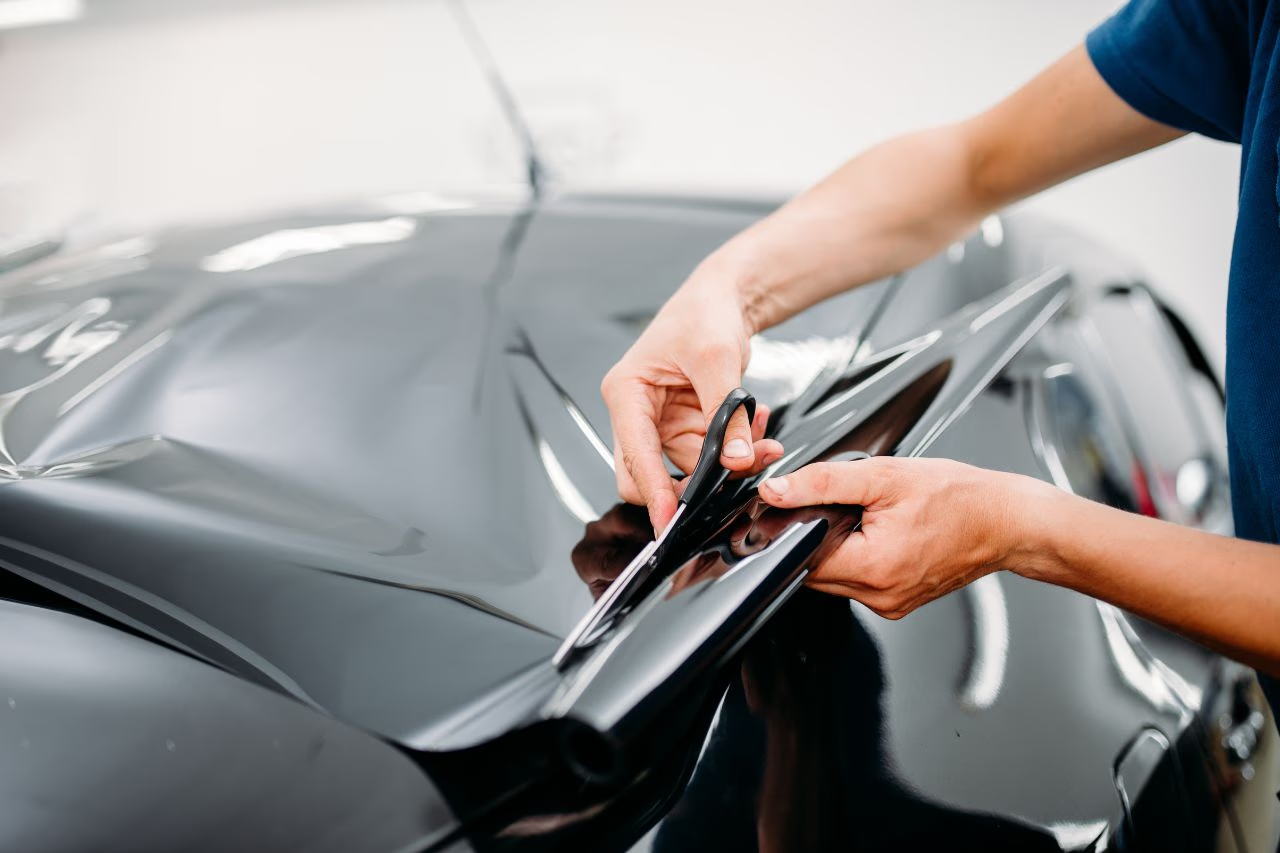
Car wraps typically last 3-7 years with normal use, offering a degree of scratch protection and eliminating concerns about damaging the paint during car washes. Here are the common pros and cons of car wraps:
✦Benefits of Car Wrapping
- Scratch-resistant
- Stain-resistant
- Corrosion-resistant
- Stone chip protection
- Self-healing
✦Disadvantages of Car Wraps
- Car wraps are not cheap.
- Poor-quality film or application can easily lead to yellowing.
You won't regret car wrapping if you choose a reputable venue and a wrap that suits your needs.
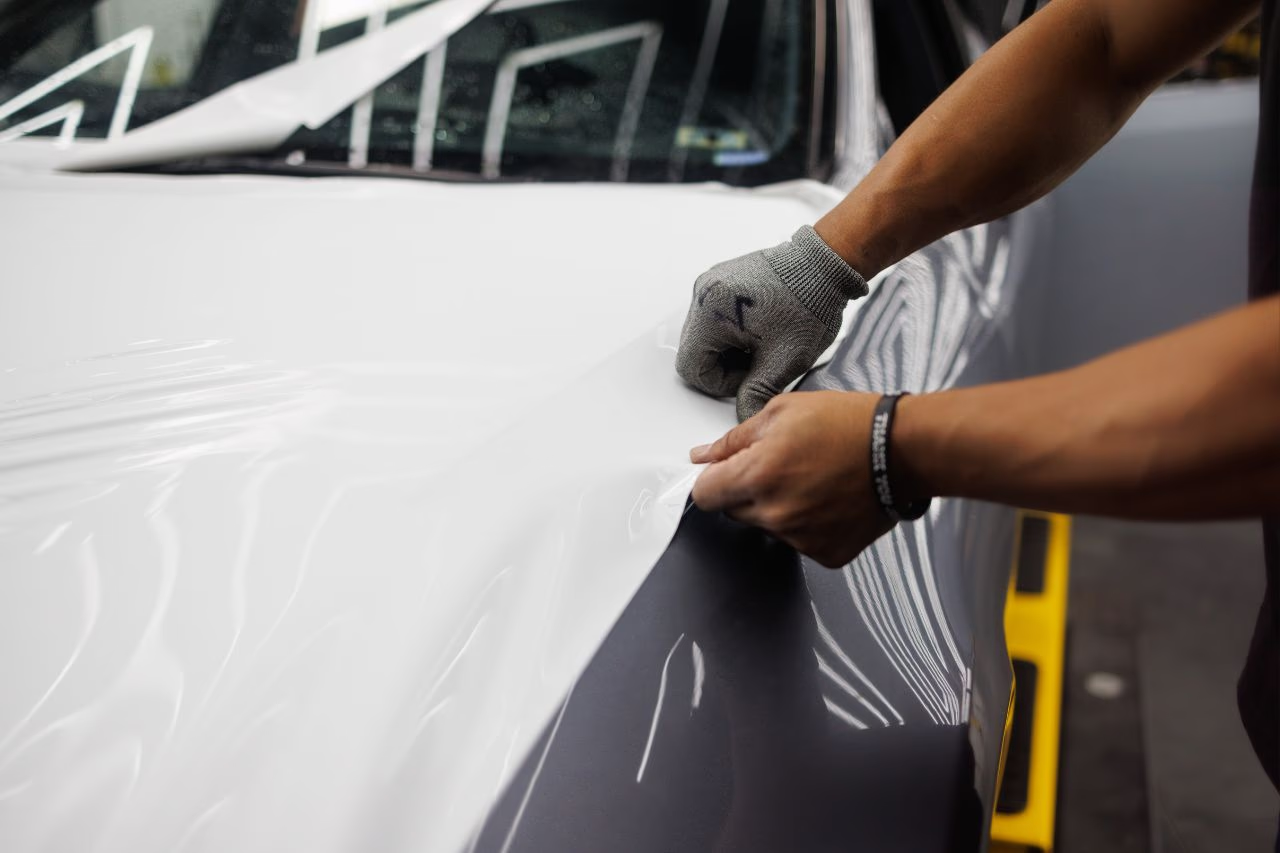
You’ll regret it if you don’t get a car wrap! Some people might say that for the price, you could get multiple paint jobs, but these are actually two very different things and can't be objectively compared.
A paint job is usually done after many scratches have accumulated, meaning you'd be driving a damaged car until then. A car wrap, however, can be applied when the car is brand new, allowing you to drive a beautiful car every day—a completely different experience.
Additionally, a paint job doesn't equate to the original factory paint, which can affect resale value if you plan to sell the car later. Most importantly, paint doesn't offer the same scratch resistance as a car wrap. A freshly painted car, if not meticulously protected and maintained, will quickly show fine scratches again, whereas a car wrap prevents these issues.
How to choose a car wrap color?
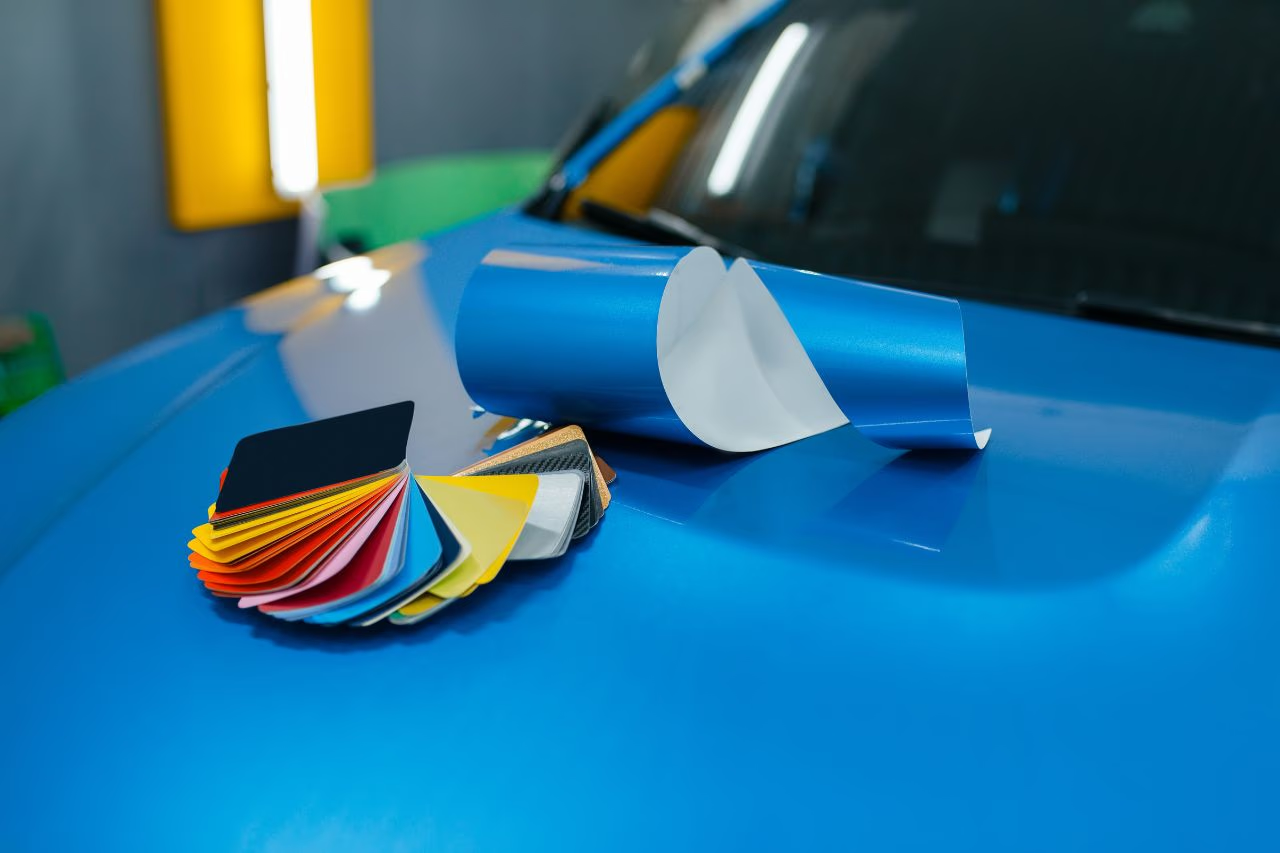
There are two main types of car wraps: color change films and paint protection films (PPF).
If you're looking to change your car's color, you can choose from a wide range of color change films based on the swatches provided by various manufacturers. We recommend viewing the colors in person for the most accurate representation. Alternatively, there's paint protection film (PPF), which is ideal for those who prefer a transparent or matte finish. Transparent PPF is the most popular choice, offering excellent protection for your original paintwork. However, if you want to protect your paint while also giving your car a distinct look, a matte finish PPF is an excellent option.
✦Different colors and materials of protective films offer varying levels of protection.
Paint protection film (PPF) is a transparent film made from a special chemical polymer, backed with an adhesive layer, that provides protective power when applied to a vehicle. In terms of protection, PPF is superior to color-change wraps.
The lifespan of car wraps varies.
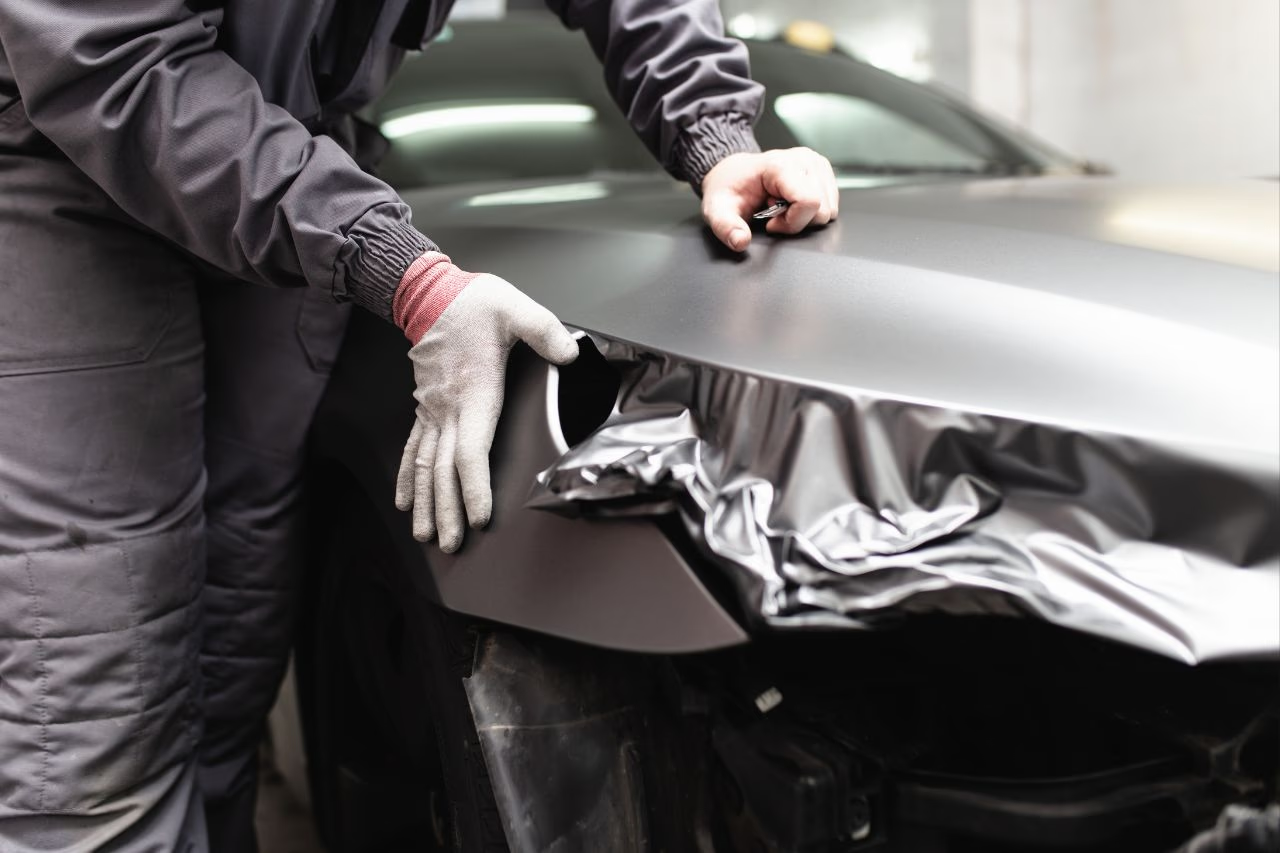
The lifespan of car wraps depends on the brand, but under normal use, premium brands typically last 5–10 years, while mid-range brands last about 3–7 years.
✦To extend the lifespan of your car wrap, consider these tips.
- Good parking environment
- Regular car washes: Only a general foam wash is needed; avoid waxing, as it may cause discoloration or deterioration.
- Regular maintenance at the original installation venue: It is recommended to return to the original installation venue every 3-6 months to check the film's condition and determine if "deep film cleaning" is needed.
Yes, car wraps can be repaired.
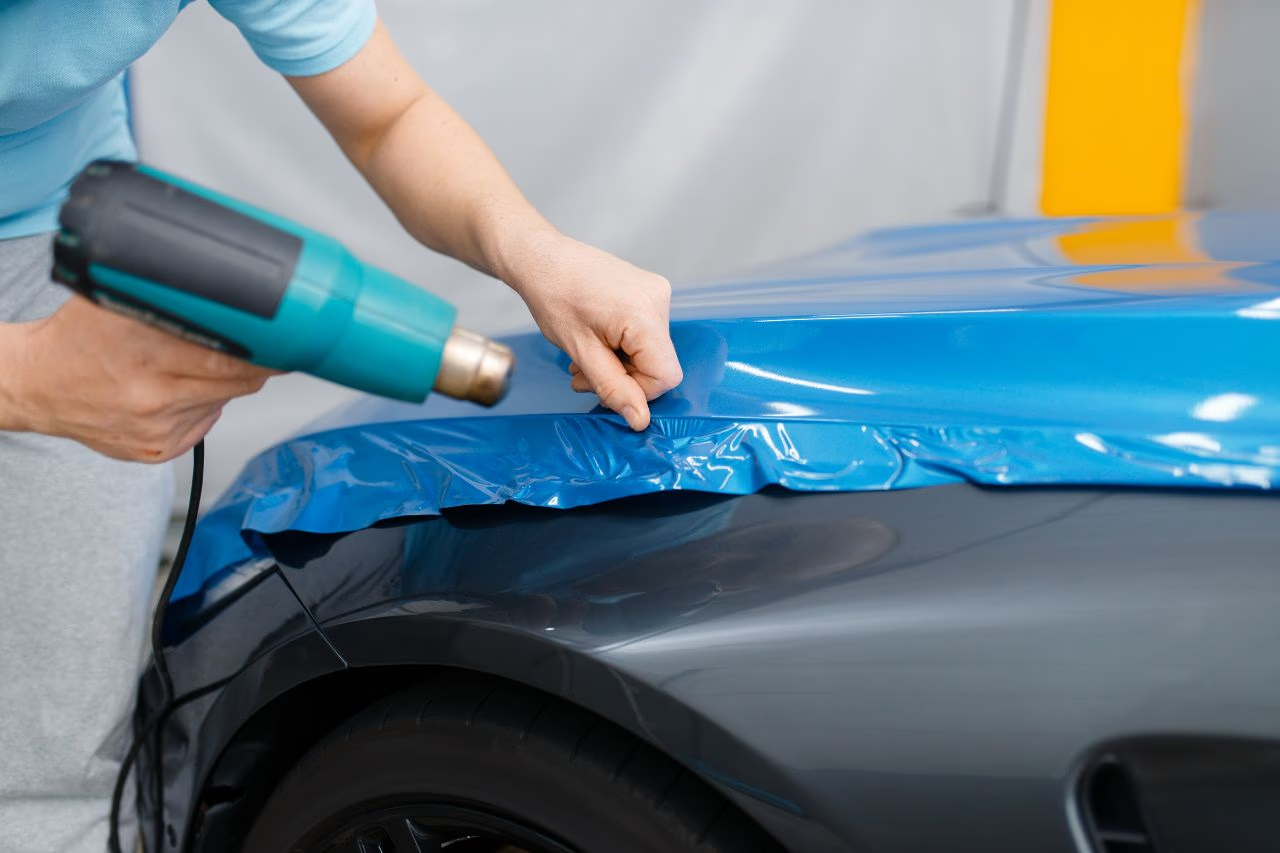
Some car wrapping venues offer free film removal during the warranty period. However, if the warranty has expired, the cost will vary depending on the difficulty of removing the film and the area to be removed, with full-car removal costing around $10,000.
To avoid adhesive residue after removal, ensure the venue uses a specialized isolation liquid for car wraps. This prevents residue and paint damage during subsequent film removal.
✦There will be no residual adhesive after car wrap removal.
It depends on the car wrap material you choose.
Imported wrap materials are more expensive because they use high-quality manufacturing materials and premium adhesives. Low-grade adhesives can severely damage your car's original paint or even be impossible to remove, so selecting the right material is crucial.
To choose a car wrapping venue, consider these factors.
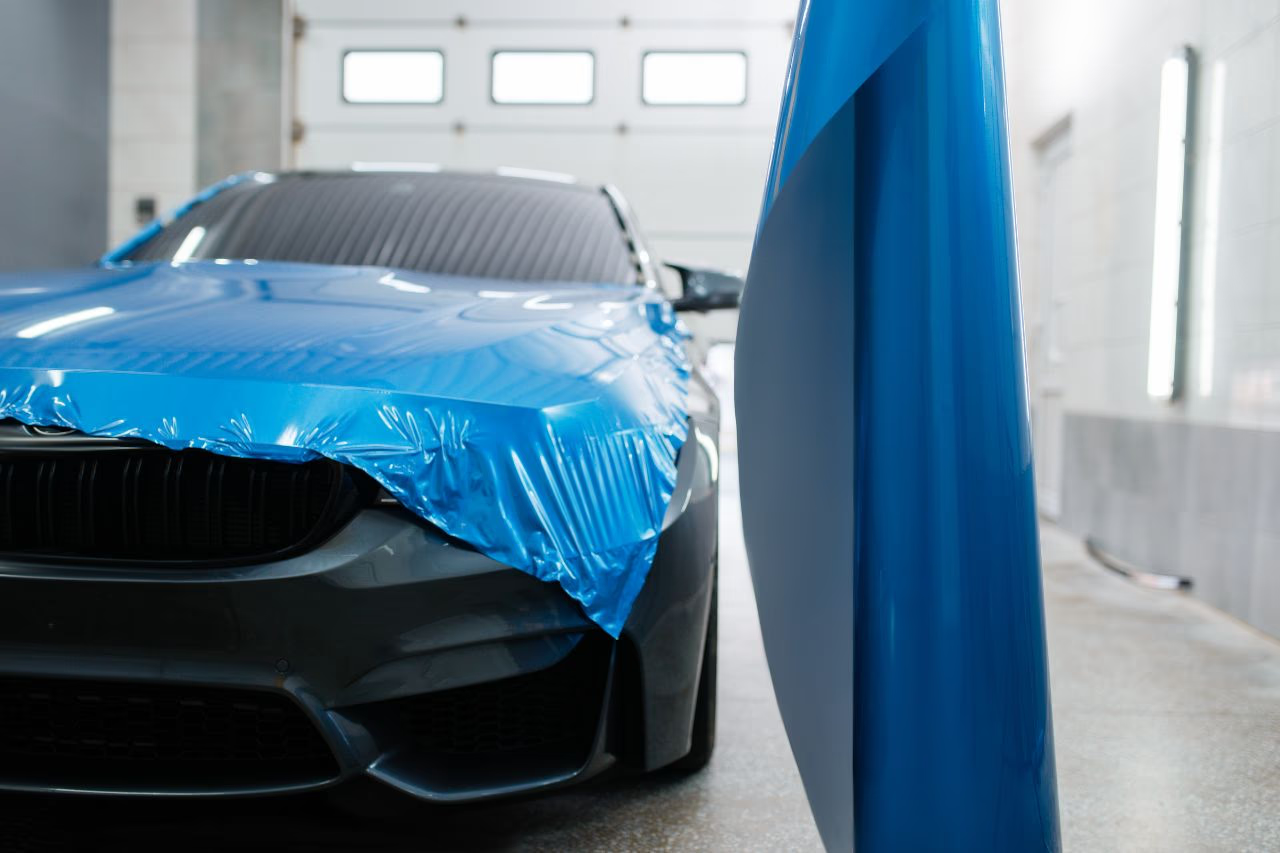
With so many recommended car wrap venues, how do you choose the right one? If time allows, we suggest observing the wrapping process in person. This will give you a better sense of the venue's technical proficiency, material usage, and the technicians' responsiveness, ensuring higher quality. When you visit, pay attention to these three points:
✦Experience
The value and quality offered by an experienced car wrap venue far outweigh the discounted prices from a venue with little experience or insufficient training.
Therefore, before choosing a car wrap venue, research their professional techniques on their website and social media, and review photos of their past work. Don't be swayed solely by promotional pricing.
Additionally, some venues offer diverse detailing services rather than specializing exclusively in car wraps. In such cases, it's even more crucial to understand how long the venue has been performing car wraps to ensure they have sufficient experience.
✦The Ambiance
A pristine, dust-free environment is essential for film installation. A clean venue not only prevents dust and debris from adhering to the film during application, which can cause an uneven surface, but also guards against larger particles that could tear or puncture the film.
Additionally, the ideal working temperature for film installation should be between 13 and 24 degrees Celsius. If the environment is too hot, the film can become overly soft, prone to deformation, and excessively sticky. Conversely, in a cold environment, the film becomes brittle and difficult to stretch.
✦Amenities
As technology advances, it's crucial to consider whether a venue's equipment is up-to-date, including material choices, cutting tools, cleaning agents, and solvents, as well as the professionalism and safety of their operation. These are all vital factors.
While you're here, check these out ↓
- 01Taichung Self-Service Car Wash Recommendations|24-Hour All-You-Can-Wash! 5 Taichung Self-Service Car Washes Reviewed→
- 02Alma Car Craft Review|Taichung's Top Choice for Tesla Wraps, Plus a Free Coating Upgrade for Total Protection→
- 03Taichung Car Wrap Recommendations|Protective Power and Price Comparison! Reviews of 2 Taichung Car Wrapping Venues→
Final Thoughts
This concludes our introduction to car wraps. Twosevenths has shared every detail with you, from the various characteristics and advantages of car wraps, covering material selection to practical application.
Car wraps not only provide armor-like protection for your beloved vehicle but also enhance its aesthetics and individuality. When choosing a venue, remember to verify the film brand's origin, understand the venue's professional installation methods, and review the after-sales warranty plan. Each step is crucial to ensure your car receives the most perfect care!
Don't miss these either

Taichung Sneaker Cleaning Recommendations|Read This Before You Drop Off Your Sneakers: 5 Taichung Sneaker Cleaning Services Reviewed
Taichung Bag Cleaning Recommendations|Worried about damaging your designer bag? Read this review of 3 Taichung bag cleaning venues first.
KIRA Hair Spa Review|The Imperial Treatment: 150 Minutes of Head-to-Toe Deep Relaxation That Hits All the Right Spots

Reader Comments
No comments yet — be the first to share your thoughts.