Hydrafacial GuideTop 10 Hydrafacial FAQs, Plus the Downsides You Should Know
Hydrafacial is a non-invasive cleansing treatment perfect for first-timers! Twosevenths has compiled 10 common questions about Hydrafacial, covering everything from what it is and how it differs from HydraFacial or traditional facials, to how long the results last, who it's suitable for, common side effects, and key post-treatment care tips. This guide will help you decide if this treatment is right for you.
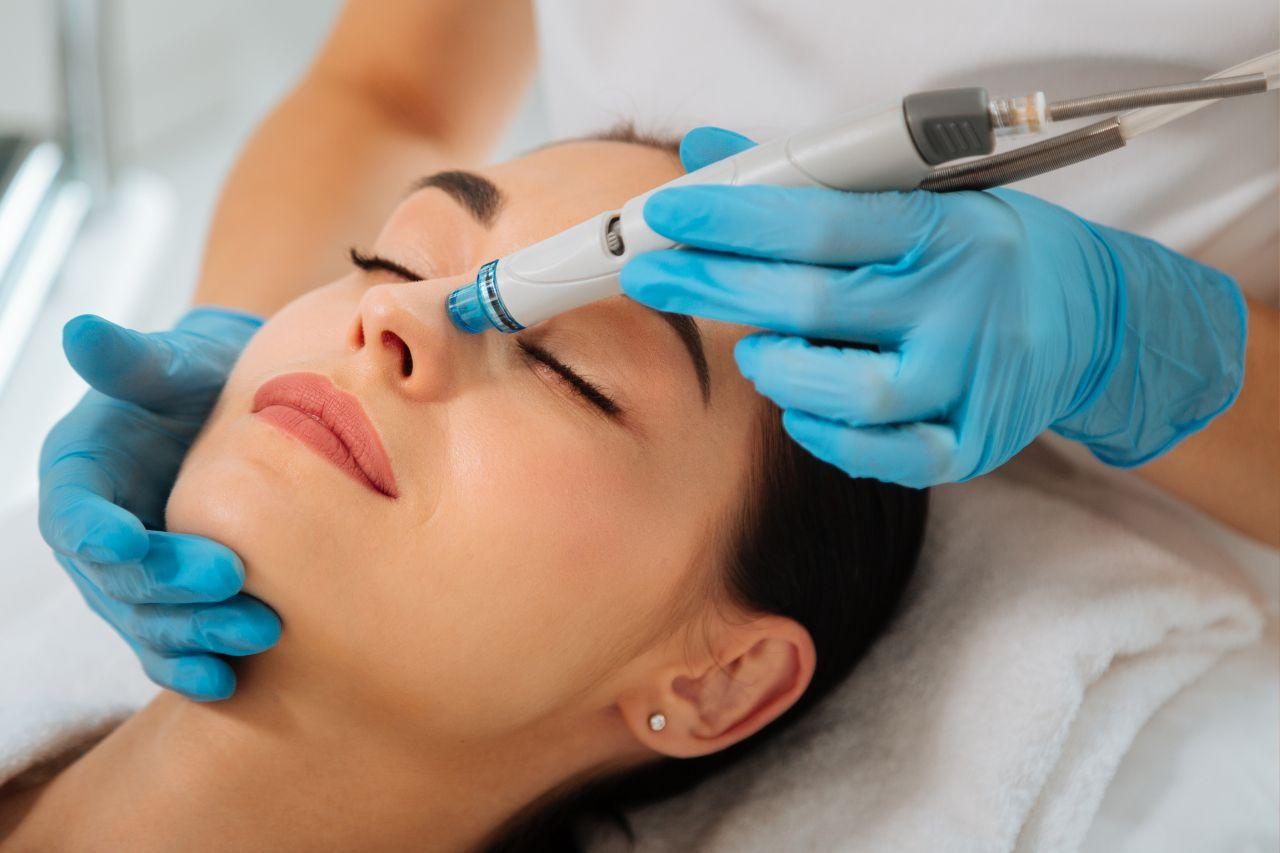
HydraFacial is a non-invasive skin treatment that uses patented vortex technology to cleanse, exfoliate, extract, and hydrate the skin.
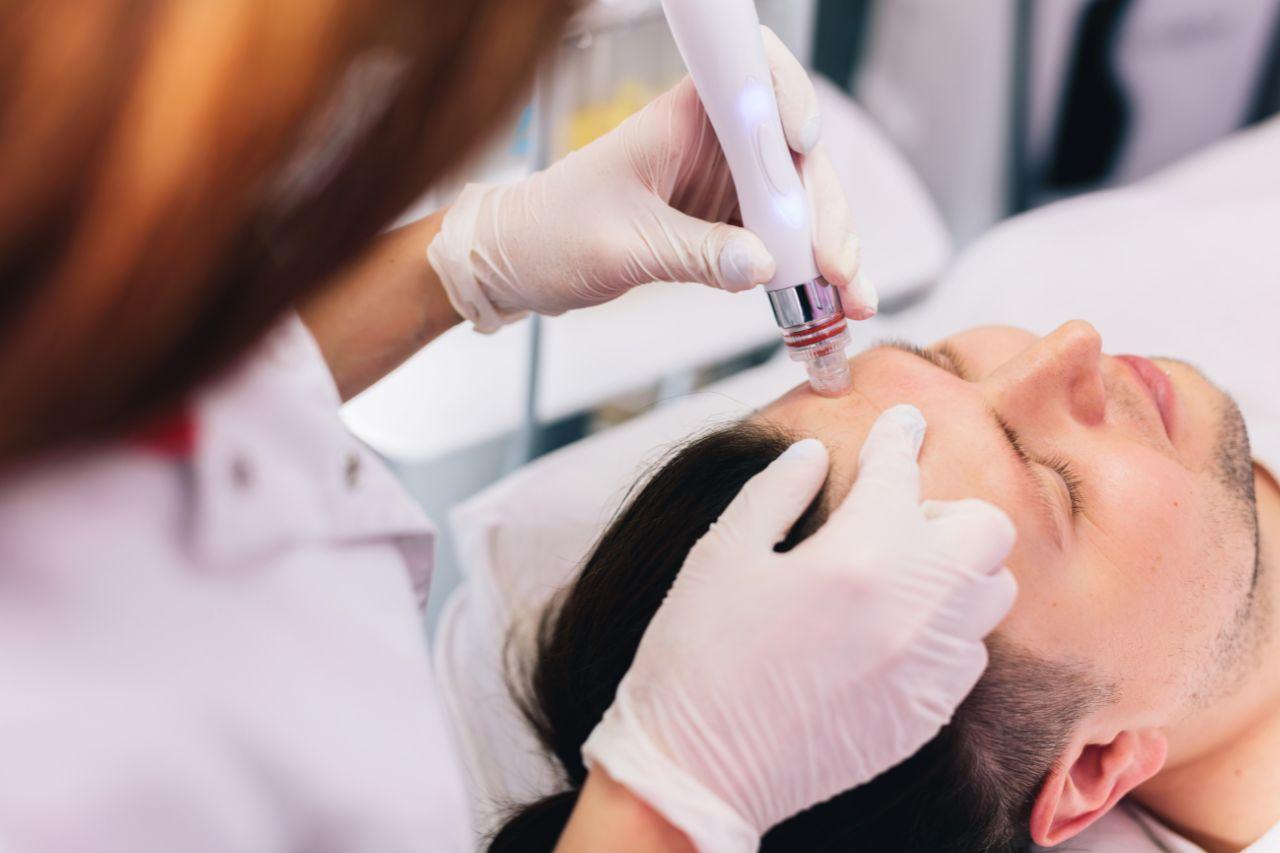
HydraFacial is an ultra-efficient machine that cleanses and nourishes your skin. This non-invasive aesthetic treatment uses "vacuum vortex technology" — a negative pressure suction — to deeply cleanse pores, extracting blackheads, dead skin cells, and excess oil. As it cleanses, it simultaneously infuses hydrating and repairing serums, making it a popular gentle skin purification treatment at many beauty clinics. The entire HydraFacial treatment is painless, requires no downtime, and leaves your skin feeling clean, radiant, and hydrated.
✦Is Hydrafacial effective?
Hydrafacial treatments are widely considered to deliver immediate, noticeable results that are both gentle and effective, particularly in improving acne, clogged pores, and dull skin. Because it combines exfoliation, cleansing, serum infusion, and repair in one comprehensive process, it's more than just a "facial wash"—it's a complete deep-skin treatment. Most people immediately feel their skin is cleaner, brighter, and their pores are refined after a session. Consistent treatments will lead to even more significant improvements in oil secretion, acne buildup, and rough skin texture.
✦Is HydraFacial good?
The HydraFacial treatment is painless, requires no recovery time, and delivers immediate results. It's an ideal choice if you're looking for deep facial cleansing and improved skin radiance but are sensitive to pain and can't tolerate the discomfort of manual blackhead extraction.
Hydrafacial offers a range of benefits.
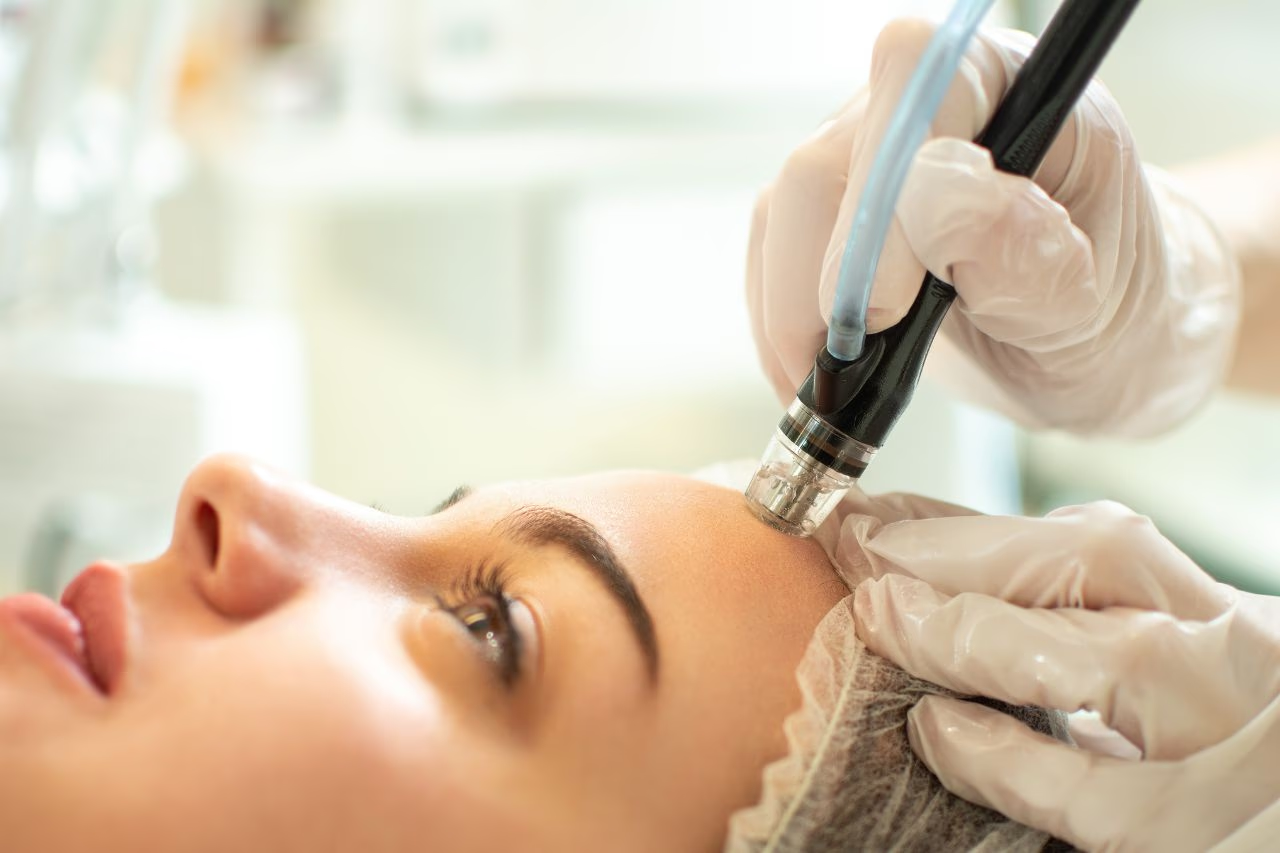
HydraFacial treatments primarily focus on deep cleansing and nourishing the facial skin, offering several benefits:
- Deep pore cleansing: Using vacuum suction, HydraFacial gently removes dead skin cells, sebum, and blackheads from the skin's surface and within pores, providing a gentler and safer alternative to manual extraction.
- Exfoliation and improved skin metabolism: Paired with exfoliating solutions like alpha hydroxy acids (AHAs) or salicylic acid, HydraFacial helps shed old skin cells, improving rough texture and dullness, and allowing subsequent skincare products to absorb better.
- Reduced blackheads and oil secretion: Regular HydraFacial treatments help minimize blackhead formation and control oiliness, making it particularly suitable for oily and combination skin types.
- Tightened pores and enhanced skin radiance: After cleansing, hydrating serums are infused, leaving the skin looking clearer, brighter, and visually refining pores.
- Soothing, repair, and skin balance: The final step of the treatment typically involves infusing antioxidant and soothing ingredients to help repair and stabilize the skin, making it a safe experience even for sensitive skin.
✦HydraFacial effectively clears blackheads and whiteheads by combining several steps.
The key to HydraFacial’s ability to clear blackheads and whiteheads lies in its dual action of acid exfoliation and vacuum suction. It’s not just a surface clean, but a deep pore treatment that gently metabolizes trapped sebum and impurities.
Typically, the treatment begins by applying a low concentration of alpha hydroxy acid (AHA) or salicylic acid to the skin. These ingredients dissolve dead skin cells and oil plugs, loosening whiteheads and blackheads so they’re no longer stuck in the pores. Then, a patented spiral-shaped tip uses a vortex-like suction to extract deep-seated impurities and blackheads from within the pores.
✦The effects of hydrafacial treatments typically last for about 4 to 6 weeks.
The cleansing and moisturizing effects of a single HydraFacial treatment typically last about 1–4 weeks, though this can vary depending on individual skin type and lifestyle habits.
For example, those with dry or normal skin often experience longer-lasting results, while oily skin types may find the effects diminish more quickly due to faster sebum production. Those who diligently remove makeup, cleanse thoroughly, and maintain a good moisturizing and sun protection routine will naturally enjoy more stable and prolonged results.
✦HydraFacial can help with brightening and reducing dark spots.
No, HydraFacial treatments do not contain ingredients that whiten or lighten dark spots, so their effect on improving skin tone and reducing hyperpigmentation is limited. The primary benefits of HydraFacial are "pore cleansing + gentle exfoliation + hydration," which can make skin appear brighter and cleaner. However, this brightening effect comes from the visual result of removing dead skin cells and impurities, rather than from fundamentally addressing melanin or dark spots.
✦It can promote collagen production and anti-aging.
No, Hydrafacial treatments do not promote collagen regeneration or anti-aging. The treatment works only on the skin's surface and does not penetrate the dermis to stimulate collagen production, so it offers no true deep firming or anti-aging repair effects.
✦HydraFacial treatments can help minimize the appearance of pores.
While HydraFacial can create the visual effect of smaller pores, it's not a deep-repair treatment, so it doesn't fundamentally shrink pores.
However, the treatment deeply cleanses clogged pores and sebum, preventing enlarged pores from being "stretched open." Combined with subsequent hydration serum infusions, it leaves skin smoother and more moisturized, temporarily tightening pores and making them less noticeable.
HydraFacial, Aqua Peel, and traditional facials differ in several key ways.
| Aqua Peel | HydraFacial | Traditional Facial | |
| Cleansing Method | Negative pressure suction + water flow to rinse pores | Patented vortex suction tip + serum for deep cleansing | Manual blackhead extraction + steaming to soften cuticles |
| Pain Level | Almost painless, gentle and comfortable | Almost painless, noticeably refreshing | Manual blackhead extraction is more painful and prone to redness/swelling |
| Suitable Skin Types | Suitable for all skin types, including sensitive skin | Highly adaptable, suitable for all skin types, including sensitive skin | May not be suitable for sensitive skin or inflamed acne-prone skin; prior assessment needed |
| Main Benefits | Deep cleansing + gentle exfoliation + improvement of blackheads and pores | Multi-step treatment: cleansing + infusion + repair | Blackhead removal, skin condition adjustment |
| Skincare Ingredient Infusion | Usually paired with basic hydrating serums | Infusion of patented serums, such as antioxidants, hydrating, or anti-aging ingredients | Depends on the aesthetician's choice, not mechanized |
| Degree of Instrument Intervention | High, instrument-operated, precise pressure control | Highest, fully instrument-managed, standardized process | Low, primarily aesthetician's manual technique |
| Recovery Period | Almost none; enhanced hydration and sun protection needed | Almost none; skin is radiant post-treatment | Recovery typically takes 1-5 days; localized redness usually resolves within 2 days; small breakouts may take about a week to clear up with proper care |
| Duration of Effects | Approximately 1–2 weeks | Approximately 2–4 weeks | Varies depending on skin condition and aftercare |
| Basic Treatment Price | Approx. NT$1,500–2,500/session | Approx. NT$3,000–5,000/session | Approx. NT$800–2,000/session |
While you're here, check these out ↓
- 01KWASH Korean Skincare Center Review|Taipei Dome Korean Skincare Recommended: Facial and Back Treatments for Men, Too→
- 02Soufflé Skin Management Center Review|Efficient Facial Cleansing in Songjiang Nanjing: A 2-Hour Deep Cleanse→
- 03Rever Ho Dream Forest SPA Hsinchu Review|Deep Relaxation with a Combination of Technology and Touch→
Yes, you can combine Hydrafacial with other aesthetic treatments.
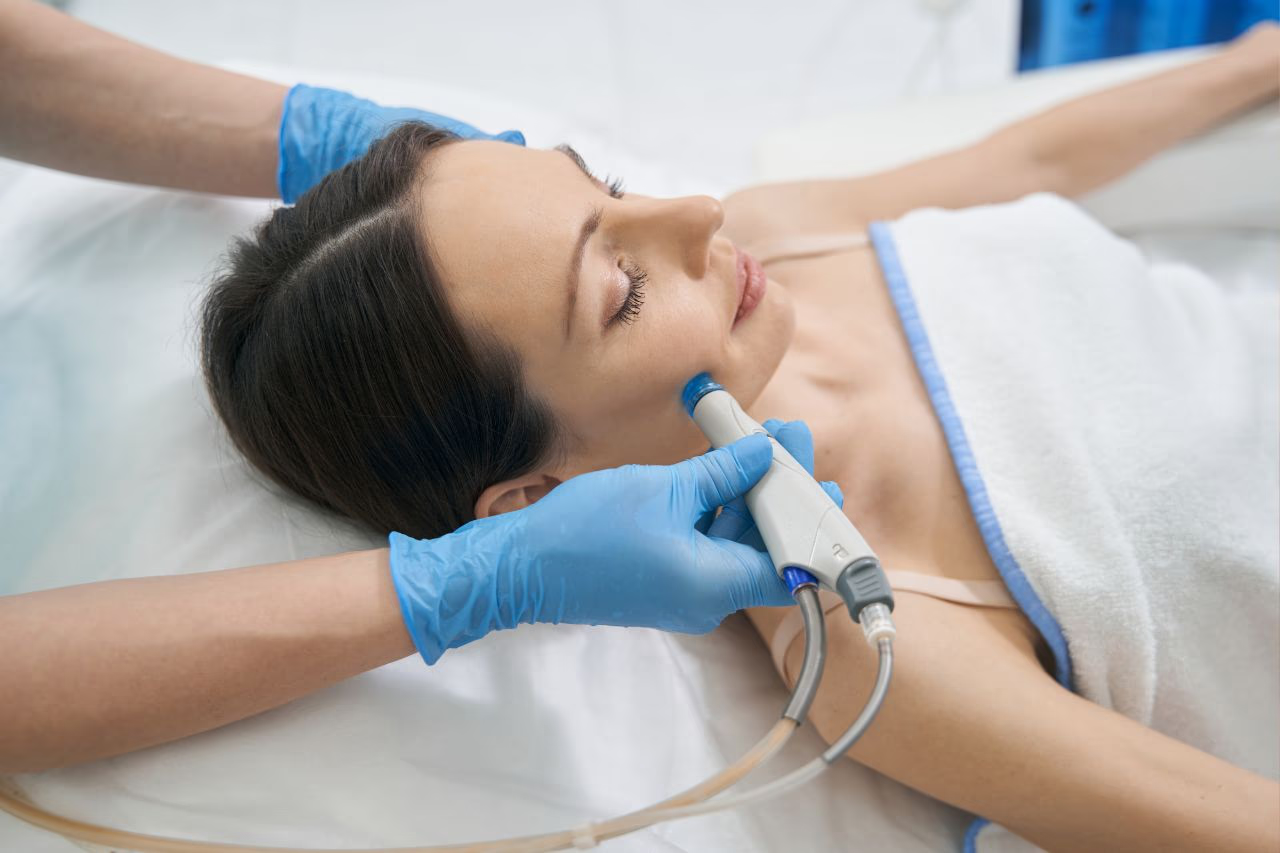
Yes, you can, and it's highly recommended to combine HydraFacial with other treatments! HydraFacial is a gentle skin care treatment that primarily cleanses pores, hydrates, and stabilizes skin condition. Because of this, it's often used as a "preparatory treatment" to lay a good foundation for subsequent aesthetic procedures. For example, performing HydraFacial before treatments like skin brightening or hyaluronic acid infusions can help the skin better absorb subsequent serums. While combining it with other treatments is recommended, it's best to discuss the sequence and intervals with your doctor or therapist to avoid over-stimulating your skin in a short period.
While you're here, check these out ↓
- 01Your skin will not get thinner from laser treatments. Here's a quick guide to laser skin resurfacing, answering six common questions about its effects, drawbacks, and post-treatment care.→
- 02Your guide to cosmetic laser treatments|Can you drink alcohol after a session? Effects, side effects, and recovery, all in one article.→
- 03Looking for the best PicoSure laser treatment in Kaohsiung?|Here's a comparison of three top PicoSure clinics in Kaohsiung.→
HydraFacial is suitable for anyone looking to improve their skin's health and appearance.
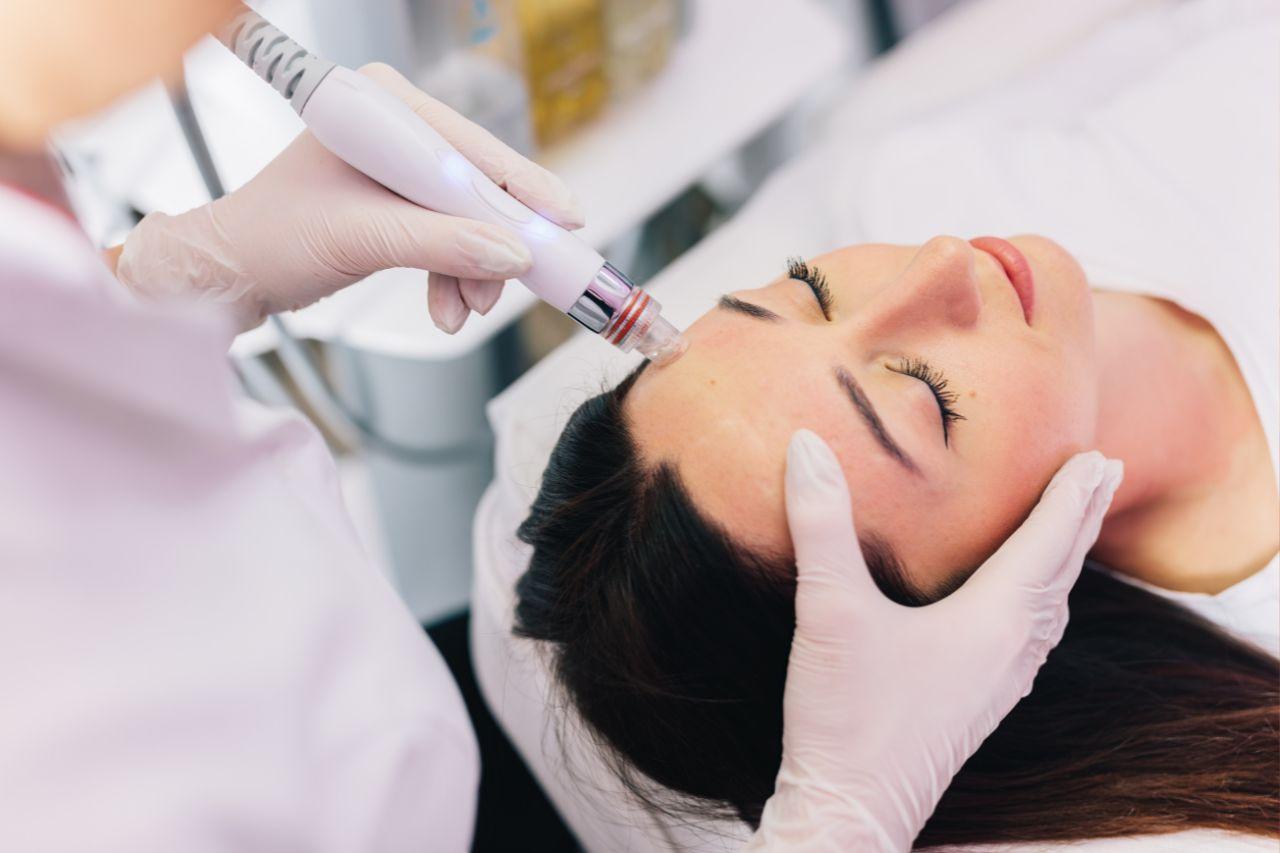
Hydrafacial is ideal for those looking to address acne, enlarged pores, dull skin tone, or rough skin texture, as well as anyone seeking a gentle treatment with minimal downtime.
✦Yes, people with sensitive skin can get a HydraFacial.
Yes, hydrafacials are non-invasive treatments that do not use needles or high heat. As long as your skin is stable and a professional assessment deems it suitable, you can have one. Some clinics use ampoules or serums specifically formulated for sensitive skin, providing a gentler and safer treatment.
✦Water facials are not suitable for people with certain skin conditions.
HydraFacial is not suitable for those with severe inflammatory acne, rosacea, open wounds, skin infections (such as eczema or ringworm), or unhealed skin during post-procedure recovery.
Individuals prone to allergies should also be cautious, as the serums or solutions used in HydraFacial may cause allergic reactions in some skin types.
✦Yes, people with acne can undergo HydraFacial treatments.
Yes, HydraFacial is suitable for mild to moderate acne-prone skin because it helps cleanse pores and regulate oil production. However, it is not recommended for severe acne, inflamed skin, or pustular acne, as it may irritate wounds and worsen sensitivity. The priority in such cases should be to treat the acne and inflammation first.
The main drawbacks and side effects of hydrafacials are temporary redness, irritation, and potential allergic reactions.
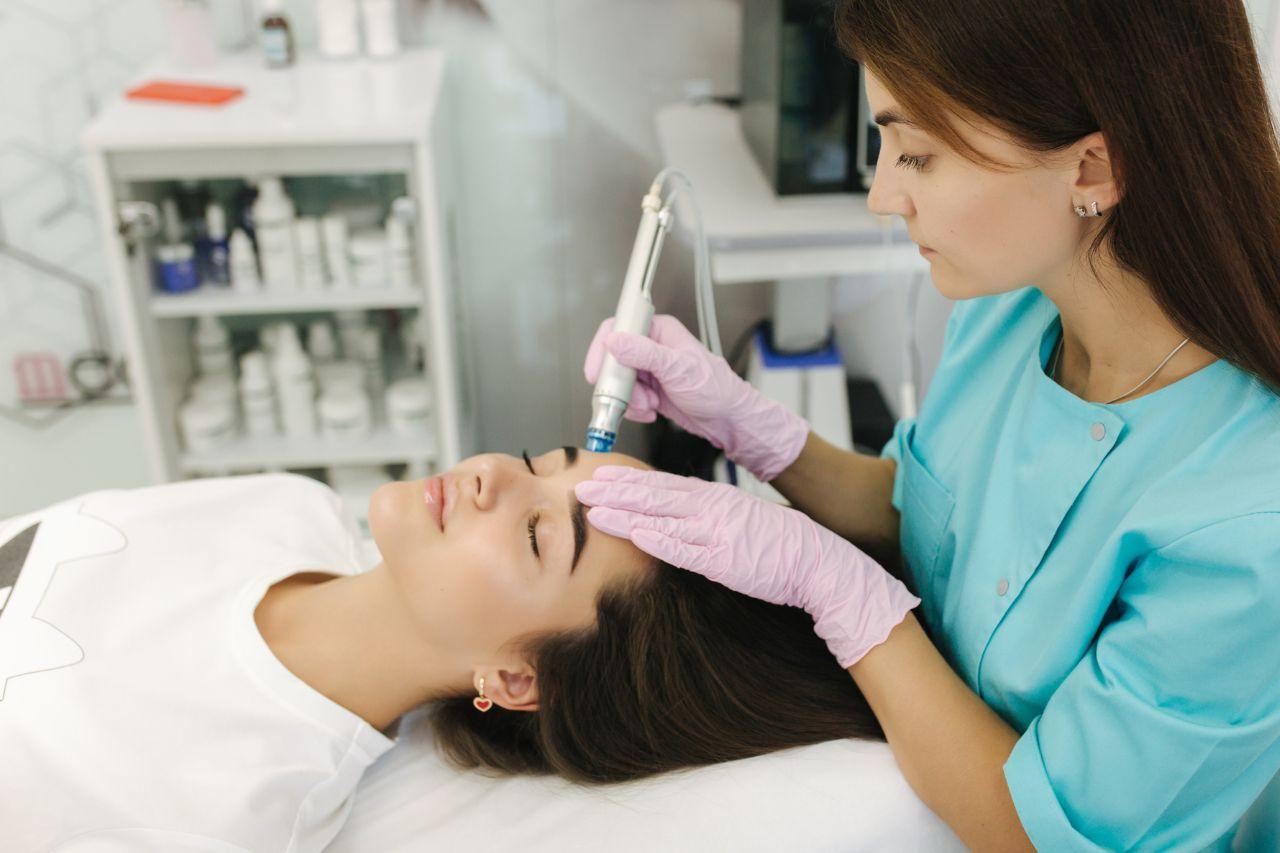
HydraFacial is a non-invasive, low-risk aesthetic treatment with very few side effects. Occasionally, you might experience mild flaking, itching, or dryness and tightness after the treatment, but these are common temporary reactions that usually subside within 1–2 days.
✦Yes, it's possible to experience breakouts after a HydraFacial.
It's possible to experience breakouts after a HydraFacial, but it doesn't happen to everyone. During the deep pore cleansing of a HydraFacial, deeply embedded blackheads can be brought to the surface. When this happens, a breakout is considered a "detoxification period" for the skin, which is a positive healing response. However, breakouts can also occur if the cleansing process irritates skin that already has mild inflammation or a tendency to acne, or if post-treatment care like moisturizing, sun protection, and cleansing aren't properly maintained, leading to clogged pores again. All of these situations can cause breakouts.
We recommend discussing your skin condition with a professional before the treatment to avoid undergoing the procedure during an inflammatory phase. After the treatment, focus on intense hydration and avoid heavy, unsuitable skincare products or irritating ingredients to significantly reduce the chance of breakouts.
After a HydraFacial, proper aftercare is essential.
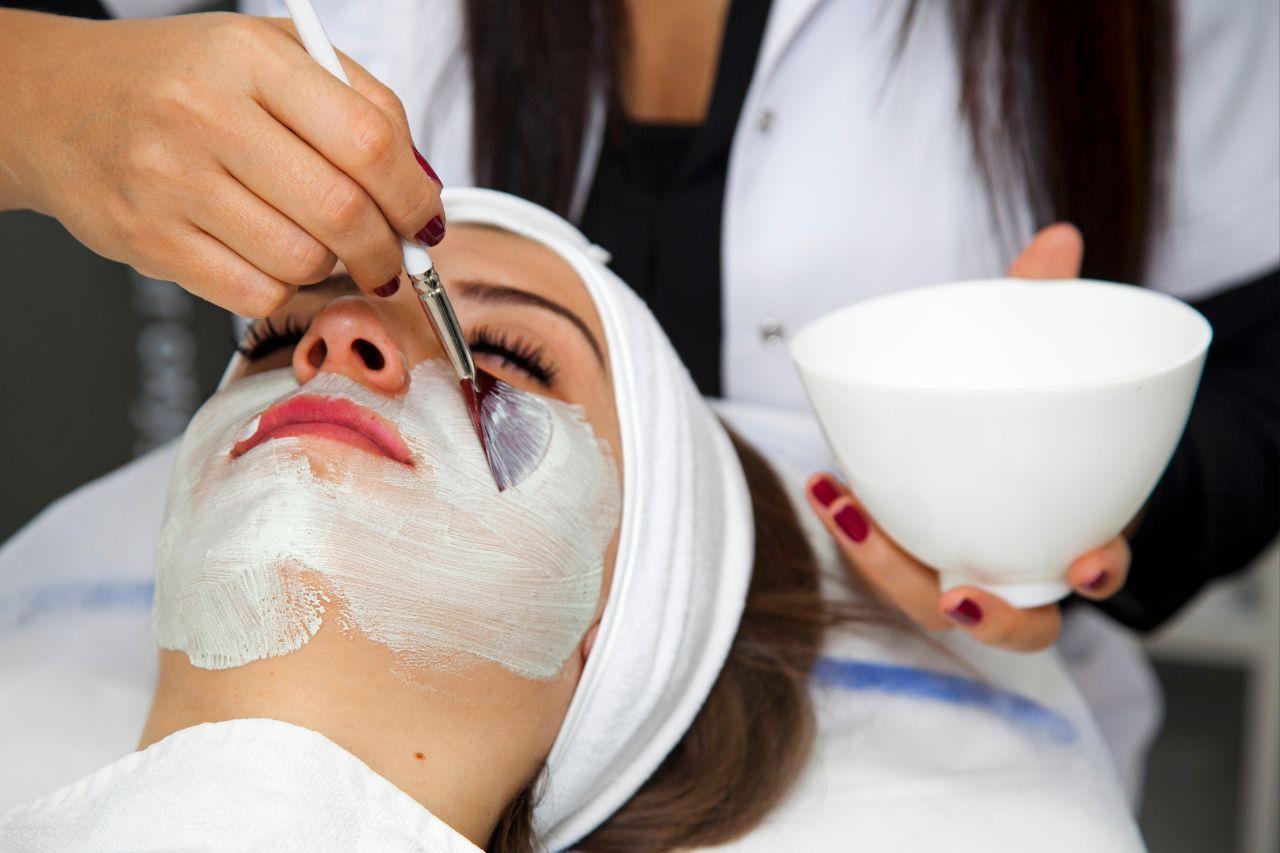
After a HydraFacial, which is a gentle deep-cleansing treatment, your skin will have no open wounds, but its barrier will be more sensitive. Therefore, the focus of your post-treatment skincare should be on enhanced hydration, diligent sun protection, avoiding irritating products, and gentle cleansing.
Use a mild hydrating serum and a rich face cream to lock in moisture, and avoid sunscreens that contain alcohol. Also, refrain from over-cleansing or scrubbing your face. It's also recommended to temporarily discontinue the use of products containing ingredients like tretinoin, salicylic acid, alpha hydroxy acids (AHAs), and any whitening products.
✦It's normal for your face to appear slightly red after a HydraFacial, but this typically subsides within a few hours.
Temporary redness is a normal reaction and usually subsides within 1–3 hours.
✦After a HydraFacial, you can expose your skin to the sun.
We do not recommend it! After a treatment, your skin barrier will be temporarily weakened, making it more susceptible to hyperpigmentation or dryness and flaking from UV exposure. Be sure to apply sunscreen, avoiding any products with alcohol, and consider wearing a hat for physical sun protection. Also, avoid prolonged sun exposure.
✦You can generally undergo laser treatments two weeks after a HydraFacial.
It's best to wait at least 5–7 days between HydraFacial and laser treatments. Although HydraFacial is a non-invasive treatment, it is still a deep cleansing and exfoliating method that can leave the skin temporarily sensitive. If followed too quickly by laser treatments (such as picosecond, fractional, or toning lasers), it could intensify skin redness, increase sensitivity, or raise the risk of post-inflammatory hyperpigmentation.
✦You can apply makeup after a HydraFacial.
After a HydraFacial, your pores are cleaner and your stratum corneum is thinner, so applying makeup immediately afterward could clog pores or cause irritation and inflammation. To prevent breakouts, blackhead recurrence, or makeup looking cakey and flaky, we recommend letting your skin rest on the day of treatment, sticking to basic moisturizing and sun protection. If your skin is stable the next day, you can resume your normal makeup routine!
You can get a HydraFacial once a month.
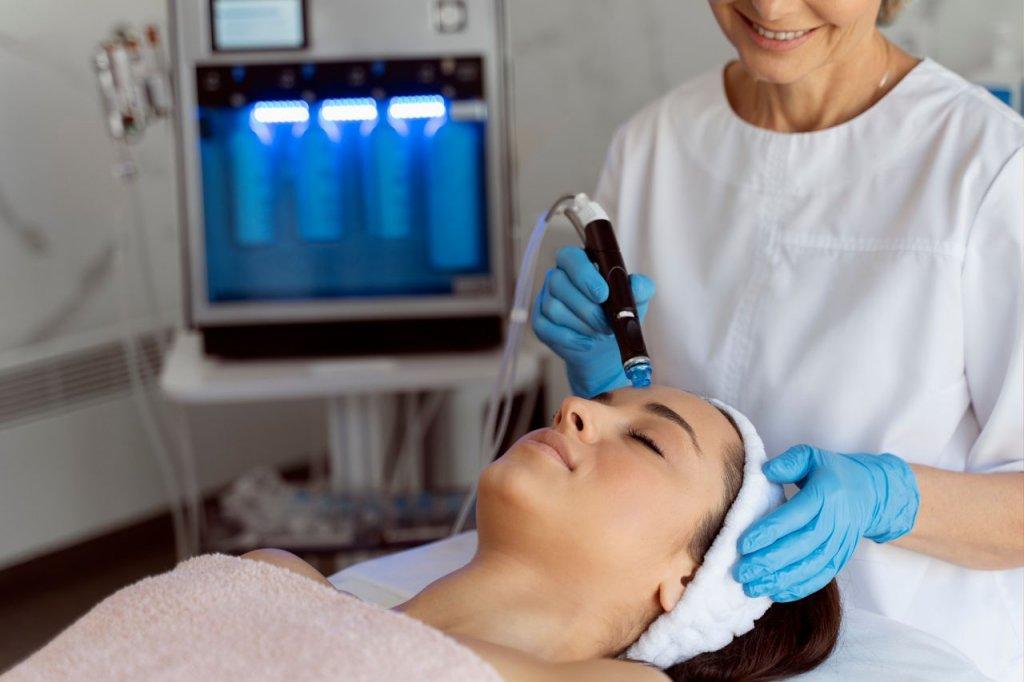
HydraFacial treatments are generally recommended every 2-5 weeks, with the frequency adjusted based on individual skin conditions. For example, those with oily skin, enlarged pores, or many blackheads may benefit from a treatment every 2-3 weeks, while those with dry or sensitive skin, or less pronounced skin issues, can opt for a session every 4-5 weeks.
If you are combining HydraFacial with other aesthetic medical treatments, you should adjust the frequency and timing according to your doctor's recommendations. It is not advisable to have treatments more than once a week, as frequent cleansing can damage the stratum corneum and lead to sensitivity.
✦A single HydraFacial session takes about 30 to 45 minutes.
Treatments typically last 30 to 60 minutes, varying slightly depending on the specific service. A basic skincare routine takes about 30 minutes, while treatments that include infusions, hydration, or calming sessions can extend to approximately 60 minutes.
The price of a HydraFacial treatment varies.
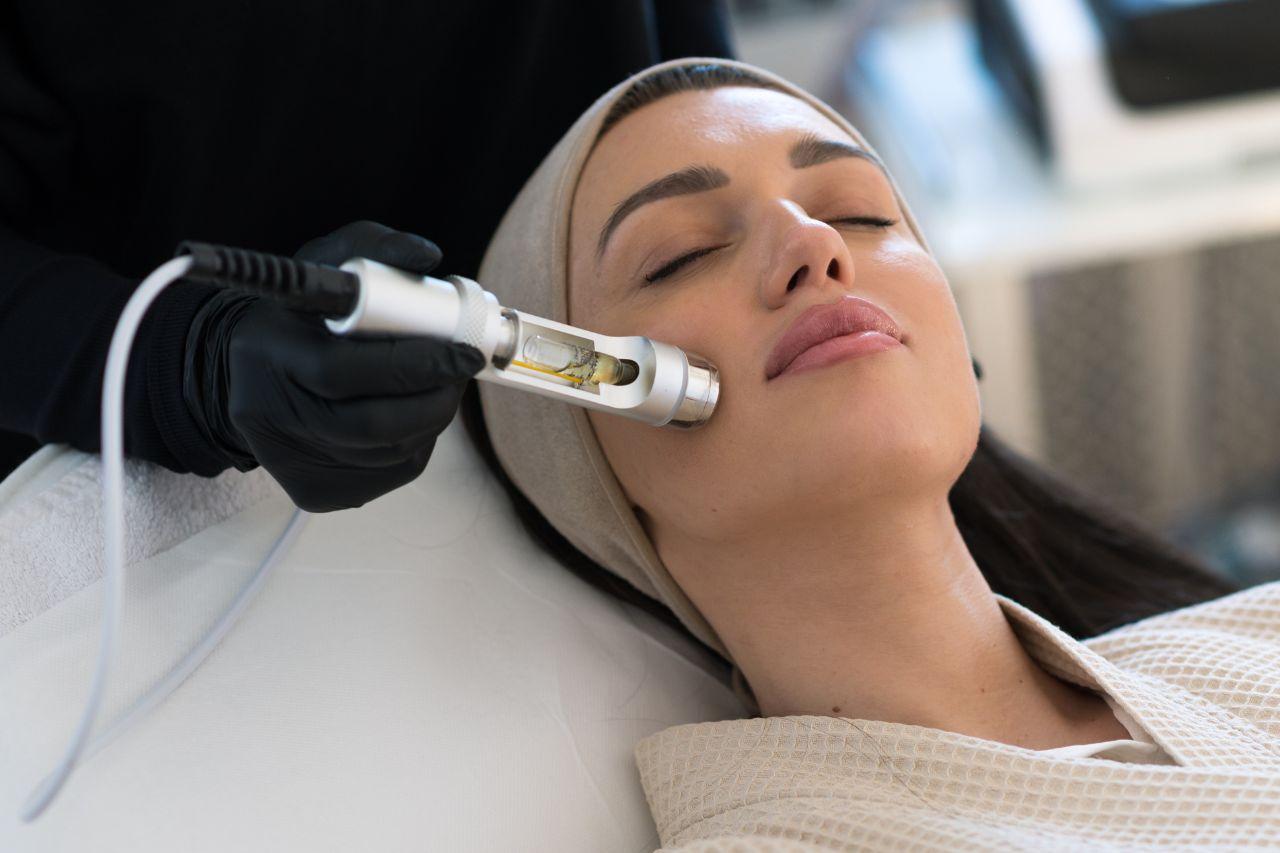
Hydrafacial treatments typically range from NT$2,500 to NT$6,000 per session. Prices between NT$2,500–4,000 usually cover cleansing, exfoliation, and basic hydration, while treatments in the NT$4,000–6,000 range may include advanced hydration, brightening, or restorative ingredients.
✦The price of a HydraFacial treatment is approximately NT$3,000 to NT$6,000.
A single HydraFacial session typically costs between NT$3,500 and NT$5,000. Advanced treatments, such as those including specialized ampoules, can exceed NT$8,000, and clinics often offer package deals for multiple sessions.
You can get HydraFacial treatments at medical aesthetic clinics.
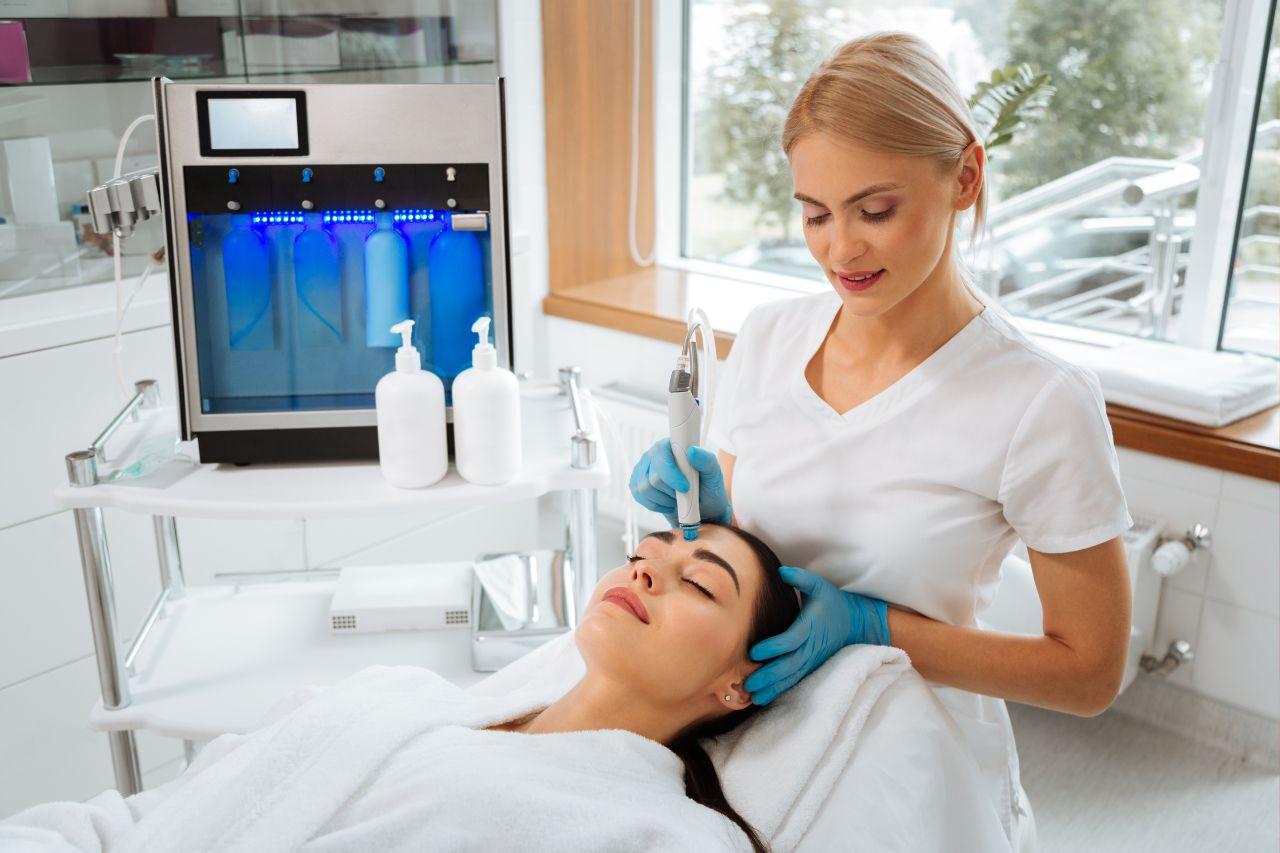
Many aesthetic clinics offer HydraFacial treatments, and if you're still weighing your options, check out our mystery shopper's honest reviews!
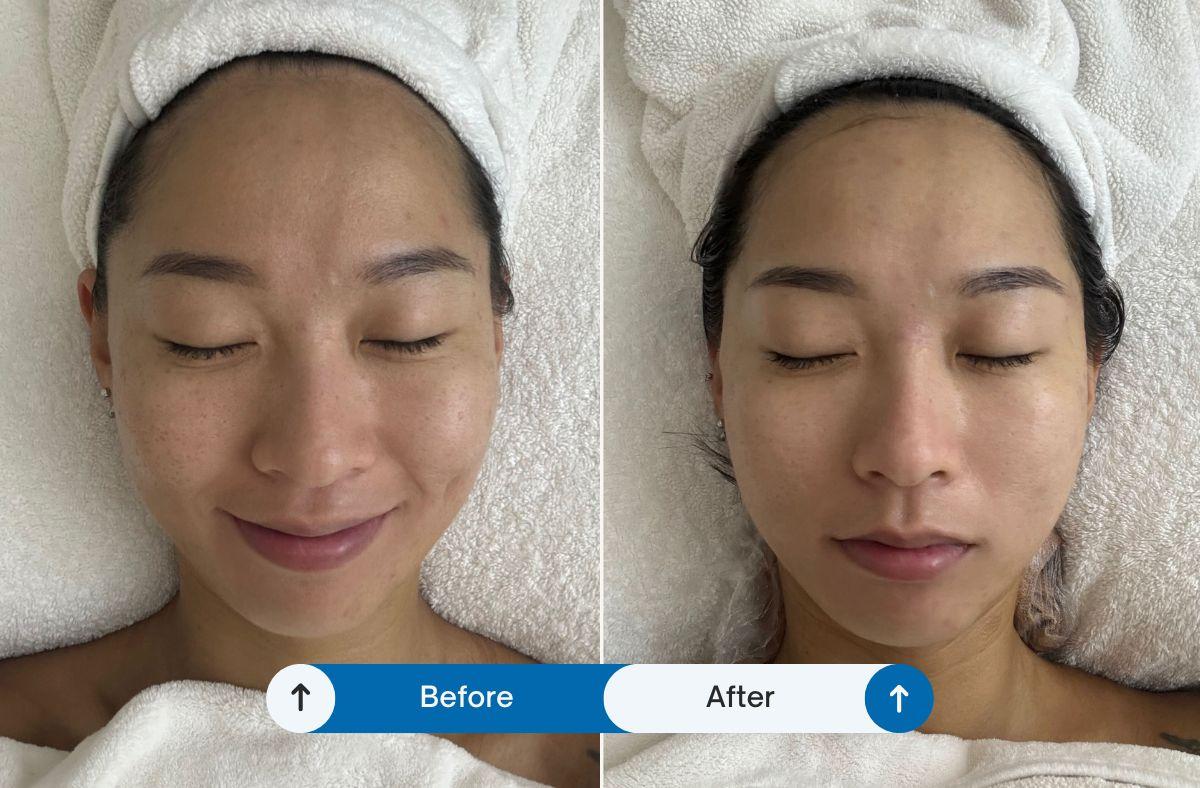
Yueyan SPA, located near Taipei City Hall MRT Station, offers convenient skin care options in Xinyi …
Eden Leia Aesthetics SPA
1F, No. 5-1, Lane 87, Yitong Street, Zhongshan District, Taipei City
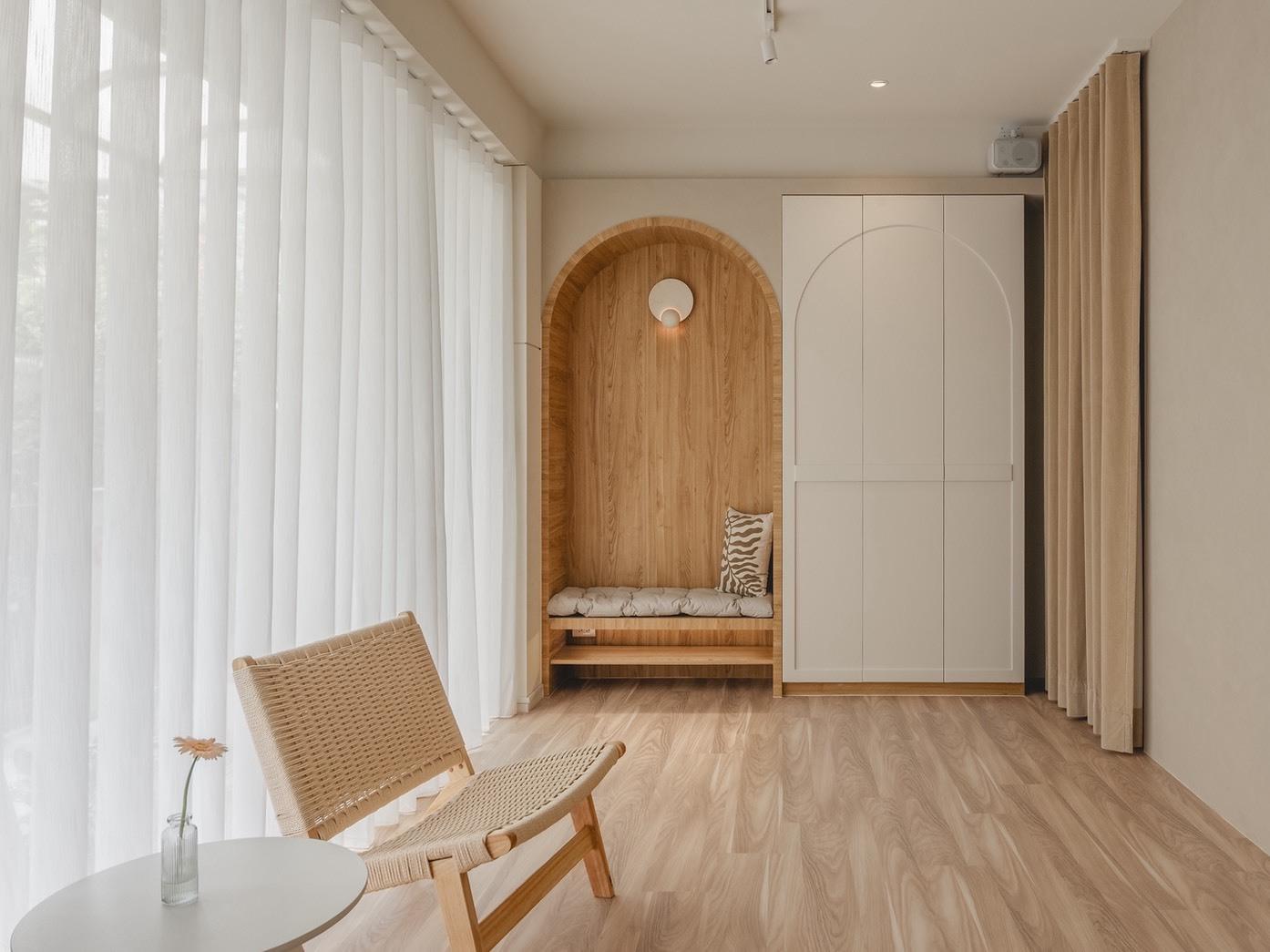
Edenria is a venue located near Taipei's Songjiang Nanjing MRT Station, just a three-minute walk awa…
While you're here, check these out ↓
- 01Thermage FLX Explained|How it Works, Results, and Recovery for Facial Sagging→
- 02Radiofrequency vs. Ultrasound: The Ultimate Guide|What’s the difference between RF and ultrasound treatments? A complete comparison of effects, pain levels, and ideal candidates→
- 03Taipei Facial Acupuncture Recommendations|Facial Acupuncture for a Slimmer Face: 3 Taipei Beauty Acupuncture Clinics Reviewed→
Final Thoughts
This is Twosevenths’ ultimate guide to Hydrafacial, covering 10 frequently asked questions.
Hydrafacial is a gentle aesthetic treatment that combines deep cleansing with hydrating serum infusion, effectively improving issues like blackheads, enlarged pores, and rough skin texture. It’s suitable for almost everyone, including those with sensitive skin who are prone to pain or redness. If you’re looking for a skincare method that quickly enhances skin condition, delivers noticeable cleansing results, and requires no downtime, Hydrafacial is definitely worth trying.
We’ve also reviewed Hydrafacial treatments at various venues by region. Feel free to check out our recommendations for Taipei Hydrafacial and Taichung Hydrafacial. Here’s to everyone achieving smooth, radiant skin!
Don't miss these either
Thai Massage in Taoyuan: Authentic Techniques Without Flying to Thailand! | Top 5 Venues Reviewed

Taichung Sneaker Cleaning Recommendations|Read This Before You Drop Off Your Sneakers: 5 Taichung Sneaker Cleaning Services Reviewed
Thermage FLX Explained|How it Works, Results, and Recovery for Facial Sagging

Reader Comments
No comments yet — be the first to share your thoughts.