Seborrheic Dermatitis GuideTreatment, Care, and Common FAQs Answered
If your hair is showing oily, yellowish flakes, you might have seborrheic dermatitis. Twosevenths invited scalp care expert "Dr.gaga" to explain how to treat and care for this scalp condition, and whether it will resolve on its own. This article provides clear, easy-to-understand answers, so you can confidently address seborrheic dermatitis.
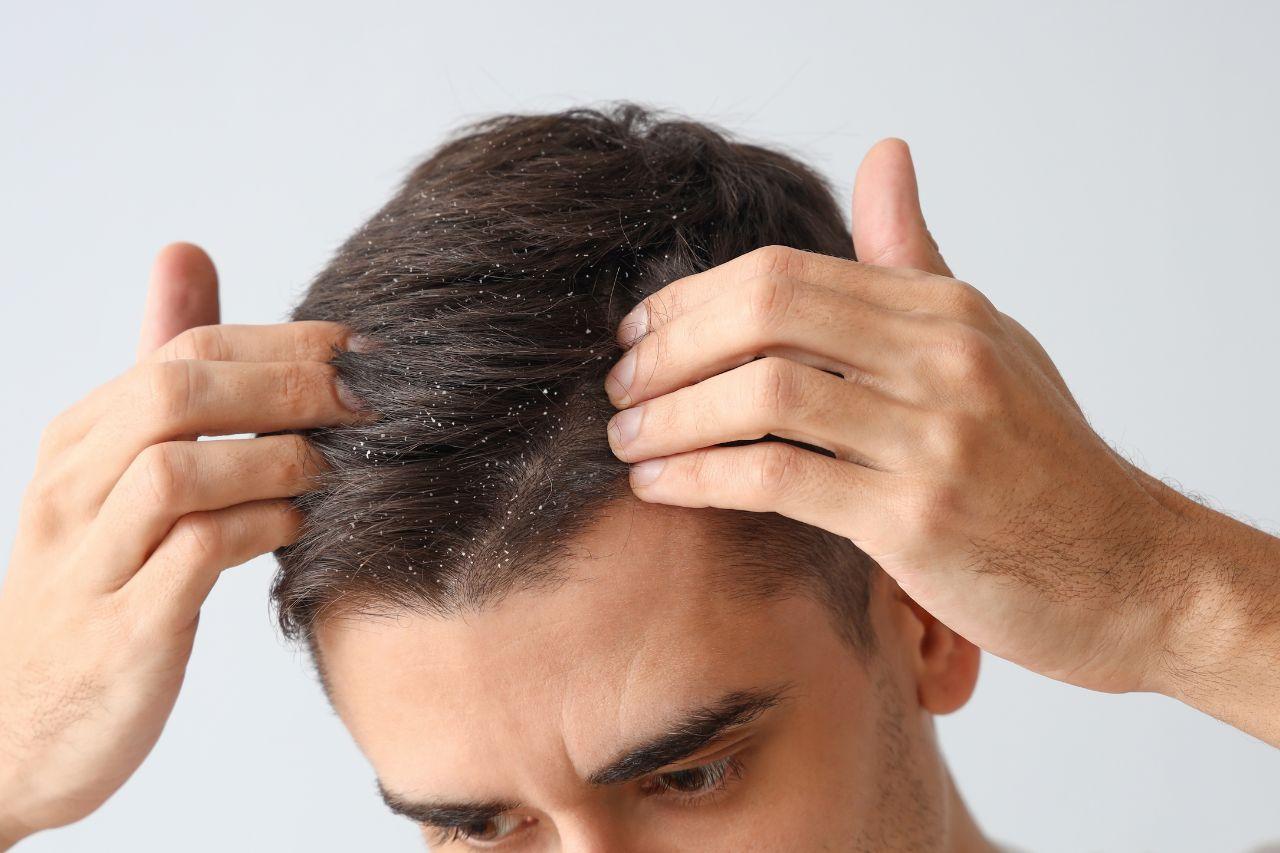
What are the symptoms of seborrheic dermatitis?
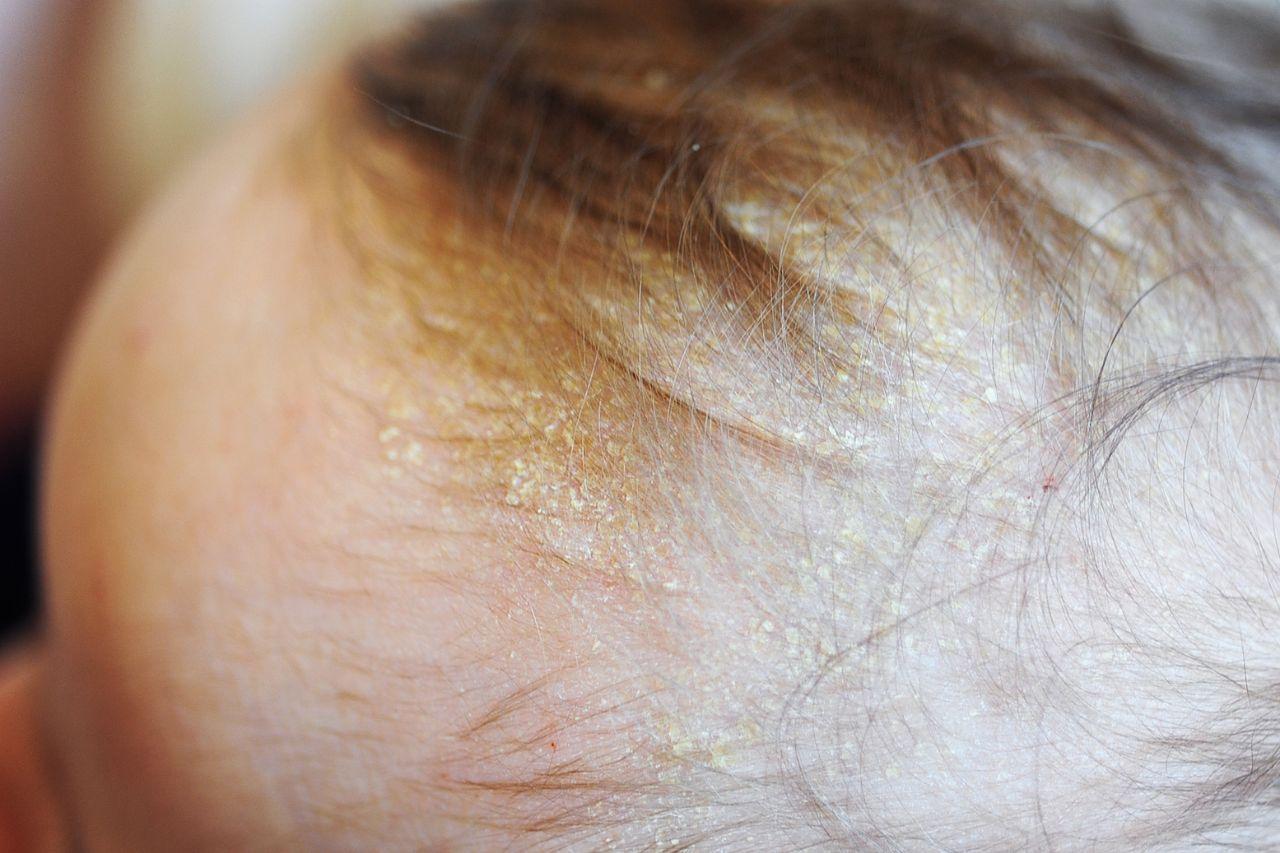
Seborrheic dermatitis is an eczematous skin condition of unknown cause that commonly occurs in areas rich in sebaceous glands, such as the scalp, sides of the nose, eyebrows, eyelids, behind the ears, and the center of the chest. Common symptoms of seborrheic dermatitis include rashes that may also appear in the armpits and groin. The rashes are characterized by redness and yellowish scales, sometimes with thick, yellowish-brown crusts and a tendency to be moist, but not necessarily accompanied by itching. (Quote: Taipei Hospital, Ministry of Health and Welfare)
✦Seborrheic dermatitis and atopic dermatitis differ in several key ways.
| Seborrheic Dermatitis | Atopic Dermatitis | |
| Symptoms | Red, oily, flaky skin with mild itching | Very dry, itchy skin; severe cases may have small blisters |
| Scale Characteristics | Large, yellowish, oily flakes | Dry, small, silvery-white flakes |
| Common Areas | Areas with high oil secretion, such as the scalp, face (T-zone), and chest | Dry areas, such as the inner elbows and behind the knees |
| Causes | Malassezia yeast, hormones, excessive oil secretion | Genetics, constitution, allergen exposure, overly dry skin, leading to recurrent allergic reactions |
| Treatment | Antifungal medications, steroid medications | For mild cases, apply lotion to the rash; severe cases require topical medicated creams or even switching to hydrolyzed formula to reduce allergens. |
✦Seborrheic dermatitis and psoriasis differ in several key ways.
| Seborrheic Dermatitis | Psoriasis | |
| Symptoms | Red, greasy, flaky skin with mild itching | Silvery-white scales with noticeable red patches, especially at the hairline |
| Scale Characteristics | Large, yellowish, oily flakes | Thick, dry, silvery-white scales |
| Common Areas | Areas with high oil secretion, such as the scalp, face (T-zone), and chest | Any part of the body, especially elbows, knees, and scalp |
| Causes | Related to genetics, immune system abnormalities, fungal infections, and oil secretion | Immune system abnormalities leading to excessive skin cell proliferation |
| Treatments | Antifungal medications, steroid medications | Oral immunomodulators, phototherapy, steroid creams, retinoids |
For more details: Psoriasis vs. Seborrheic Dermatitis: Symptoms, Causes, and Treatments Explained!
✦Seborrheic dermatitis does not typically resolve on its own.
While infant seborrheic dermatitis typically resolves on its own, adult-onset scalp seborrheic dermatitis does not self-heal. It requires a combination of medical treatment and daily care to control the condition and prevent recurrence.
For more details, see: What are the symptoms of seborrheic dermatitis? Dandruff, greasy yellow scales, oiliness, and itching—what should you do if you experience them?
✦Seborrheic dermatitis cannot be completely cured, but it can be managed with proper treatment and care.
Seborrheic dermatitis is essentially incurable.
The primary causes of scalp seborrheic dermatitis are linked to individual physiological and genetic factors, which are difficult to alter completely, making a full cure impossible.
Additionally, external factors such as stress, environment, diet, and personal care habits can exacerbate seborrheic scalp conditions. While measures can be taken to mitigate the impact of these factors, they cannot always be entirely eliminated.
For more details: Can seborrheic dermatitis be completely cured? It's highly unlikely unless you live in a sterile environment.
✦Seborrheic dermatitis is not contagious.
Seborrheic dermatitis is not contagious.
This chronic skin condition is associated with excessive oil production, an imbalance of skin microorganisms, and abnormal immune system responses. It typically appears in areas with higher oil secretion, such as the scalp, face, chest, and back, and can cause redness, flaking, and itching.
Because it is not caused by viruses or bacteria, seborrheic dermatitis cannot be transmitted to others through contact or other means.
For more details: Is seborrheic dermatitis contagious? Experts answer transmission concerns and reveal the truth!
✦Seborrheic dermatitis of the scalp does not directly cause baldness.
Seborrheic dermatitis won't directly cause baldness, but if left untreated, it can affect hair growth. Think of it like a plant: if the soil (your scalp) isn't healthy, the plant (your hair) won't grow well. That's why timely treatment is crucial to prevent ongoing inflammation and ensure healthy hair growth.
For more details: Will Seborrheic Dermatitis Cause Baldness? An In-Depth Look at Hair Loss Causes and Solutions
Seborrheic dermatitis can be treated in several ways.

Seborrheic dermatitis treatment varies depending on the affected area, which commonly includes the face, skin folds, and scalp.
- Face: Topical steroids and antifungal medications are generally recommended to alleviate symptoms, but these should not be used long-term to avoid stressing the skin.
- Skin folds: Since the skin in these areas is thicker, slightly stronger topical steroids and antifungal medications, combined with local immunosuppressants, may be considered for better results.
Treatment approaches also differ for adult and infant seborrheic dermatitis:
- Infant scalp seborrheic dermatitis: Start with a mild shampoo. If ineffective, switch to a shampoo containing Polytar or a 2% ketoconazole antifungal shampoo for more effective treatment of scalp seborrhea.
- Adult scalp seborrheic dermatitis: In addition to the methods above, consult a doctor about using anti-dandruff shampoos containing ingredients like pine tar, ketoconazole, selenium sulfide, ciclopirox olamine, Climbazole, or sertaconazole, all of which are effective in reducing dandruff and relieving scalp inflammation.
✦Facial seborrheic dermatitis is treated differently from scalp seborrheic dermatitis.
The treatment principles for seborrheic dermatitis on the face and scalp are similar, but the specific methods are adjusted. Think of it like cooking: while both are stir-fries, the heat and seasoning differ between stir-fried vegetables and stir-fried meat.
Facial skin is more delicate, so medication concentrations are typically lower than for the scalp, and there may be a greater emphasis on moisturizing.
✦Seborrheic dermatitis ointments can have side effects.
Just like oral medications, topical creams can have side effects. This is especially true for steroid-containing creams, which can thin the skin and make it more fragile with prolonged use. However, when used as directed by a doctor, they are generally safe. It's like driving: as long as you follow traffic rules, accidents are unlikely.
✦Yes, Traditional Chinese Medicine (TCM) can help manage seborrheic dermatitis.
Yes, Traditional Chinese Medicine (TCM) offers effective treatments for seborrheic dermatitis. TCM views seborrheic dermatitis as stemming from internal factors such as damp-heat, blood-heat, and an overactive liver, and treatment typically focuses on rebalancing the body's constitution.
TCM practitioners will examine your tongue and pulse to diagnose your specific condition, then prescribe herbal teas or topical remedies. This approach provides comprehensive care, nurturing your body from the inside out.
Seborrheic dermatitis requires a consistent skincare routine.
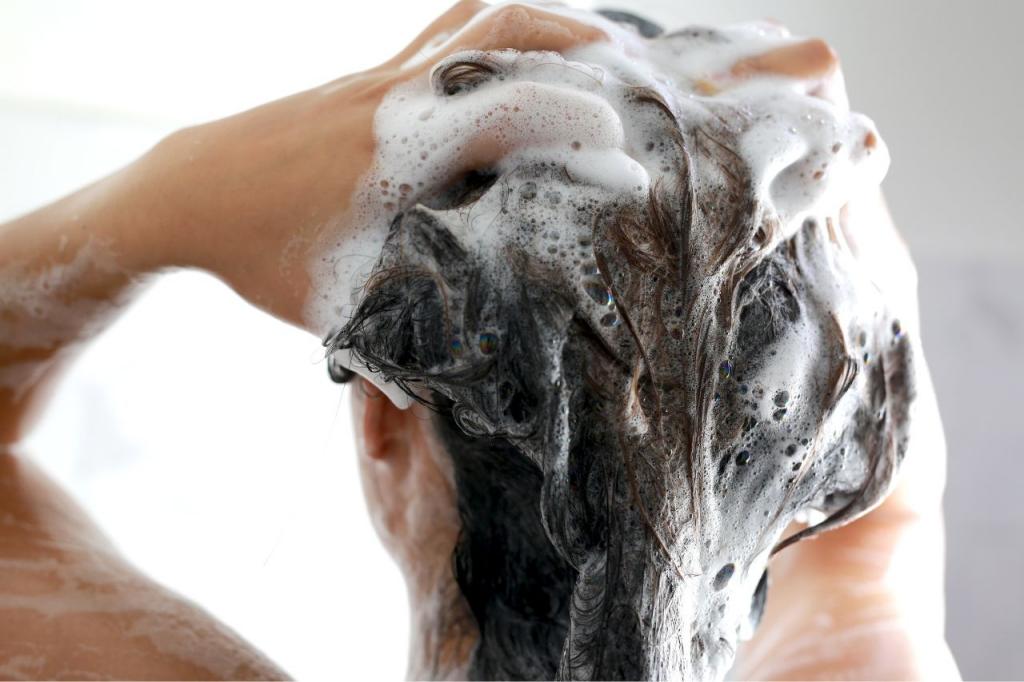
| Care Method | Moderate Cleansing | Avoid Irritation | Choose Suitable Cleansing Products |
| Care Method 1 | Use your fingertips to clean; avoid excessive scratching with nails to prevent scalp injury. | Avoid using water that is too hot for washing hair; keep it below 37 degrees Celsius to prevent scalp irritation. | Choose a gentle, anti-fungal shampoo for seborrheic dermatitis. |
| Care Method 2 | Cleanse the scalp moderately; do not over-wash (e.g., washing hair 2-3 times a day) to avoid stripping the scalp's natural protective barrier. | Immediately blow-dry the scalp after washing to prevent it from remaining damp and stuffy for extended periods. | Use shampoo specifically for seborrheic dermatitis 2-3 times a week. |
| Care Method 3 | Pillows and towels can easily accumulate dandruff and scalp oils, which may affect scalp health. It is recommended to change pillowcases and hair towels weekly. | Avoid using sharp combs and tying hair too tightly. | Hair pH is typically between 4.5 and 5.5. It is recommended to choose scalp products that are mildly acidic, with a pH value below 5.5. |
For more details, see: 2024 Scalp Seborrheic Dermatitis Guide|Expert Analysis of Symptoms, Causes, and Treatment
To choose a shampoo for seborrheic dermatitis, focus on ingredients that address the condition.
If you have severe seborrheic dermatitis symptoms, you can use medicated shampoos under a doctor's guidance. For daily care and symptom management, choose a seborrheic dermatitis shampoo with appropriate cleansing power that is soothing, moisturizing, low-irritation, mildly acidic, and ideally contains ingredients that protect the skin's lipid barrier.
✦Which medicated shampoos are recommended for seborrheic dermatitis?
| Ingredient | Properties | Recommended Shampoo | Notes |
| Selenium sulfide | Antifungal, anti-inflammatory, promotes normal keratinization, slows epidermal keratinization | Zuoyanyouse, Shusheng Shampoo | Can make the scalp oily; more suitable for those with a lot of dandruff and less oily scalp |
| Azole-Ketoconazole | Antifungal, anti-inflammatory, inhibits oil production | Nizoral | Avoid conditioner |
| Piroctone olamine | Antifungal | Sebamed Anti-Dandruff Shampoo | None |
| Ciclopirox olamine | Antifungal, anti-inflammatory | Efacin Shampoo | None |
| Salicylic acid | Exfoliating, anti-dandruff | La Roche-Posay Kerium DS Anti-Dandruff Shampoo | None |
| Tar | Anti-inflammatory, anti-dandruff | Pine Tar Soothing Cleansing Gel, Polytar Liquid, 4Starlings Tar Shampoo Bar | Recommended for use under medical supervision |
| Azole-Climbazole | Antifungal | Gubao Ancient Method Anti-Dandruff Oil Control, CLEAR, Dr's Formula | None |
| Azole-Sertaconazole | Antifungal | Darlac Topical Gel Cleanser | Requires prescription, not recommended for children |
| Steroid | Anti-inflammatory, anti-dandruff | Robes Shampoo | Recommended for use under medical supervision, potential side effects |
| Glycyrrhetinic acid | Anti-inflammatory | Juliart Glycyrrhetinic Acid Scalp Purifying Liquid | None |
| Zinc pyrithione (ZP) | Anti-dandruff, oil control, antifungal | Head & Shoulders Sensitive Scalp Care, Sesedior | Currently banned in the EU |
| Piroctone Olamine | Anti-inflammatory | Lion OCTO Anti-Dandruff & Itch Relief Shampoo (Japan) | None |
✦For non-medicated seborrheic dermatitis shampoos, we recommend these options.
For Sensitive Scalps:
- Contains licorice extract: GAGA Watery Shampoo - Sensitive Scalp Formula
- Contains chamomile: JOHNRAY, Gubao Chamomile Shampoo
- Contains calendula: Canbran Calendula Shampoo
For Hydration:
- Contains squalane and centella asiatica: GAGA Watery Shampoo - Purifying & Balancing Formula, GAGA Watery Shampoo - Sensitive Scalp Formula
- Contains copper peptides: GAGA Watery Shampoo - Purifying & Balancing Formula
- Contains hyaluronic acid: L'Oréal Paris Hyaluron Plump Shampoo, Rill Hyaluronic Acid Color-Protecting Shampoo
- Contains glycerin: Schwarzkopf BC Bonacure Hyaluronic Moisture Kick Shampoo
For seborrheic dermatitis, diet plays a key role in managing symptoms.
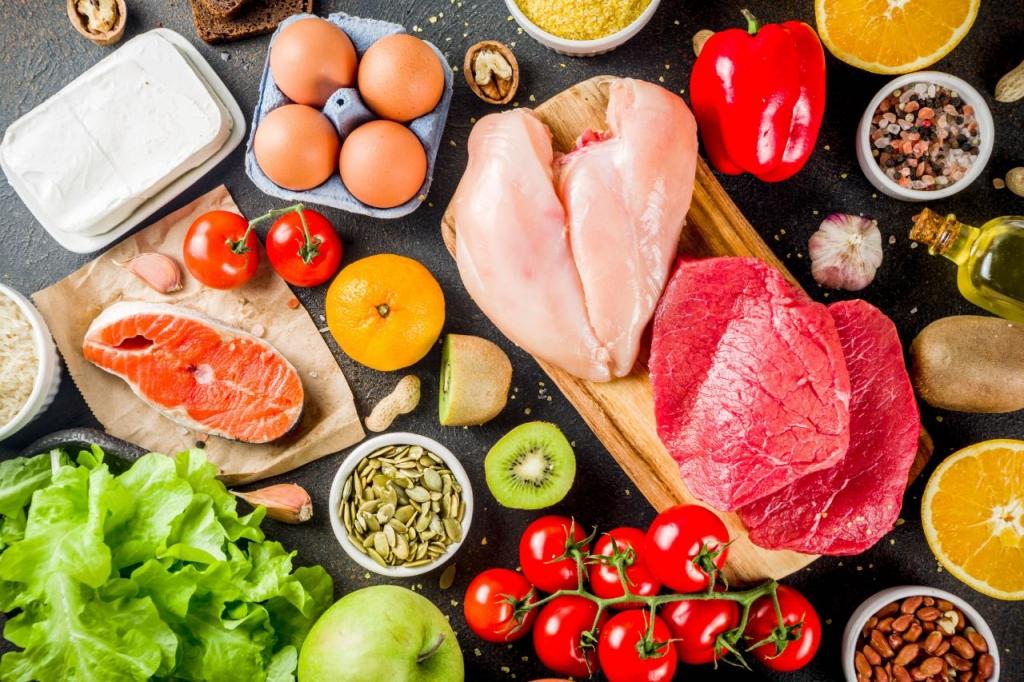
Seborrheic dermatitis is linked to inflammation in the body, so it's recommended to avoid foods that cause inflammation and instead focus on those rich in antioxidants and immunity-boosting properties:
- Reduce intake of: Sugar, oil, gluten, caffeine, alcohol
- Consume in moderation: Fruits, vegetables, citric acid-containing foods, vinegar, milk
For more details: Seborrheic Dermatitis Diet|What Not to Eat, Probiotic Intake, and Expert Advice
Final Thoughts
This has been our quick guide to seborrheic dermatitis. Twosevenths invited scalp care expert Dr.gaga to share insights on symptoms, treatments, maintenance, shampoo selection, and dietary considerations for seborrheic dermatitis, so you can better understand the condition.
If you'd like more information on seborrheic dermatitis, feel free to contact Dr.gaga. For those in northern Taiwan, you can also join their LINE to book an in-person scalp health check!
For dedicated scalp care, consider these recommendations: Taipei Scalp Care Recommendations, Taoyuan Scalp Care Recommendations, Hsinchu Scalp Care Recommendations, Taichung Scalp Care Recommendations, and Kaohsiung Scalp Care Recommendations.
Don't miss these either
Thai Massage in Taoyuan: Authentic Techniques Without Flying to Thailand! | Top 5 Venues Reviewed

Taichung Sneaker Cleaning Recommendations|Read This Before You Drop Off Your Sneakers: 5 Taichung Sneaker Cleaning Services Reviewed
Thermage FLX Explained|How it Works, Results, and Recovery for Facial Sagging

Reader Comments
No comments yet — be the first to share your thoughts.