Your serum routine, simplifiedCan you use serum every day? Can you use two serums at once? We answer 10 common questions about how to use serum.
Serums are packed with a variety of nourishing essences. Their hydrating, easy-to-spread, and fast-absorbing texture makes them an indispensable part of any daily skincare routine. But with so many types of serums on the market, each with different ingredients and benefits, how do you choose the right one? And what's the correct order for applying lotion, toner, and serum? This time, Twosevenths addresses 10 common questions about serum usage, detailing serum characteristics, how to apply serum, and recommending products suitable for different skin types to help you achieve hydrated, supple skin with ease!
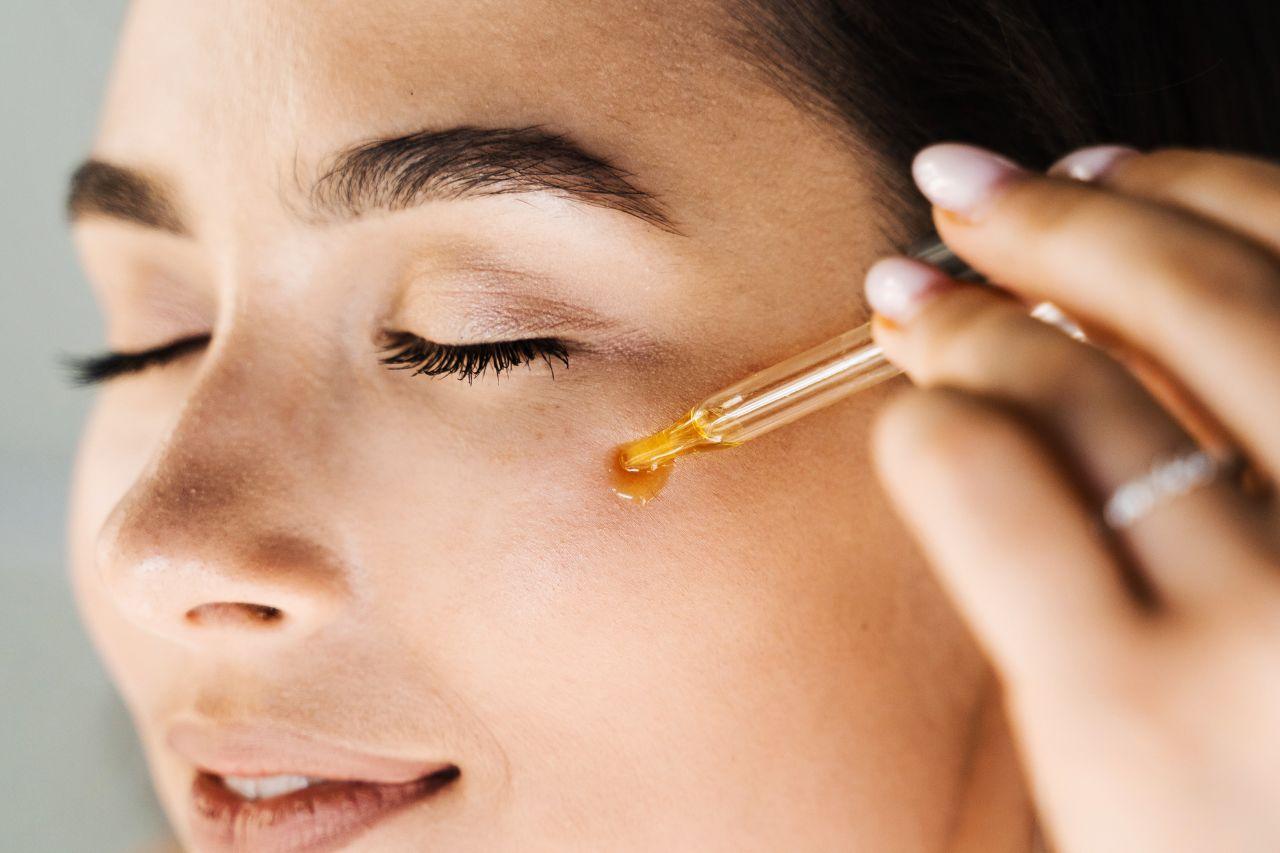
A serum is a highly concentrated skincare product.
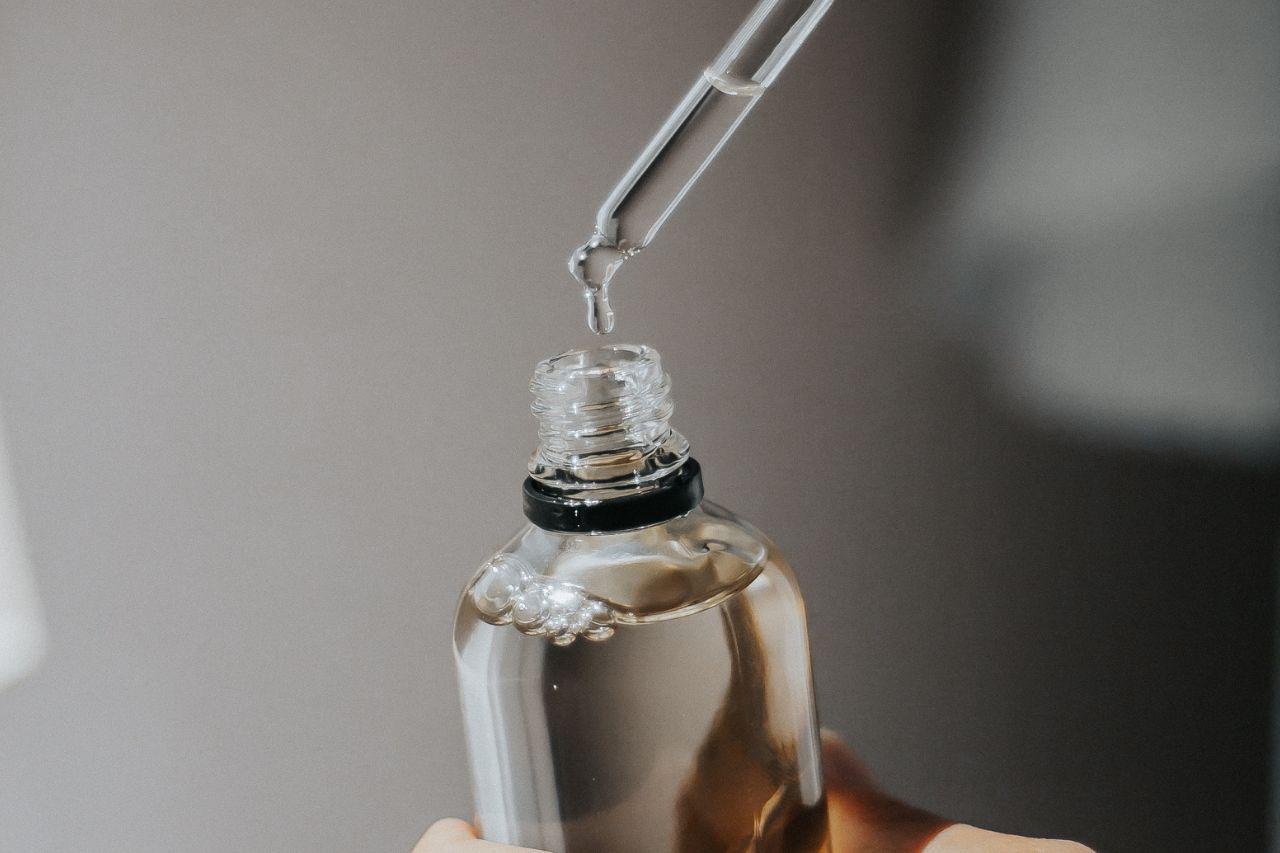
Serums are skincare products with a high concentration of active ingredients, typically rich in various beneficial compounds like vitamins, hyaluronic acid, peptides, ceramides, and botanical extracts.
Serums are designed for rapid absorption, featuring refined ingredients that quickly replenish the skin's nutrients and enhance the absorption of subsequent skincare products. Their texture is more hydrating than toner but lighter than lotions or creams. While their primary function is to nourish the skin, serums can also target specific concerns like brightening or reducing dark spots, with different formulations available for various skin needs.
✦Yes, you should use a serum.
No, not necessarily. If your skin is already healthy and well-nourished, you don't need a serum. Too many nutrients can overload your skin and cause counterproductive issues like clogged pores, inflammation, or breakouts.
However, if you have specific skin concerns such as dryness, dullness, fine lines, acne, blackheads, or hyperpigmentation that you want to target, adding a serum to your daily routine can significantly boost your skincare results.
What are the ingredients in this serum?
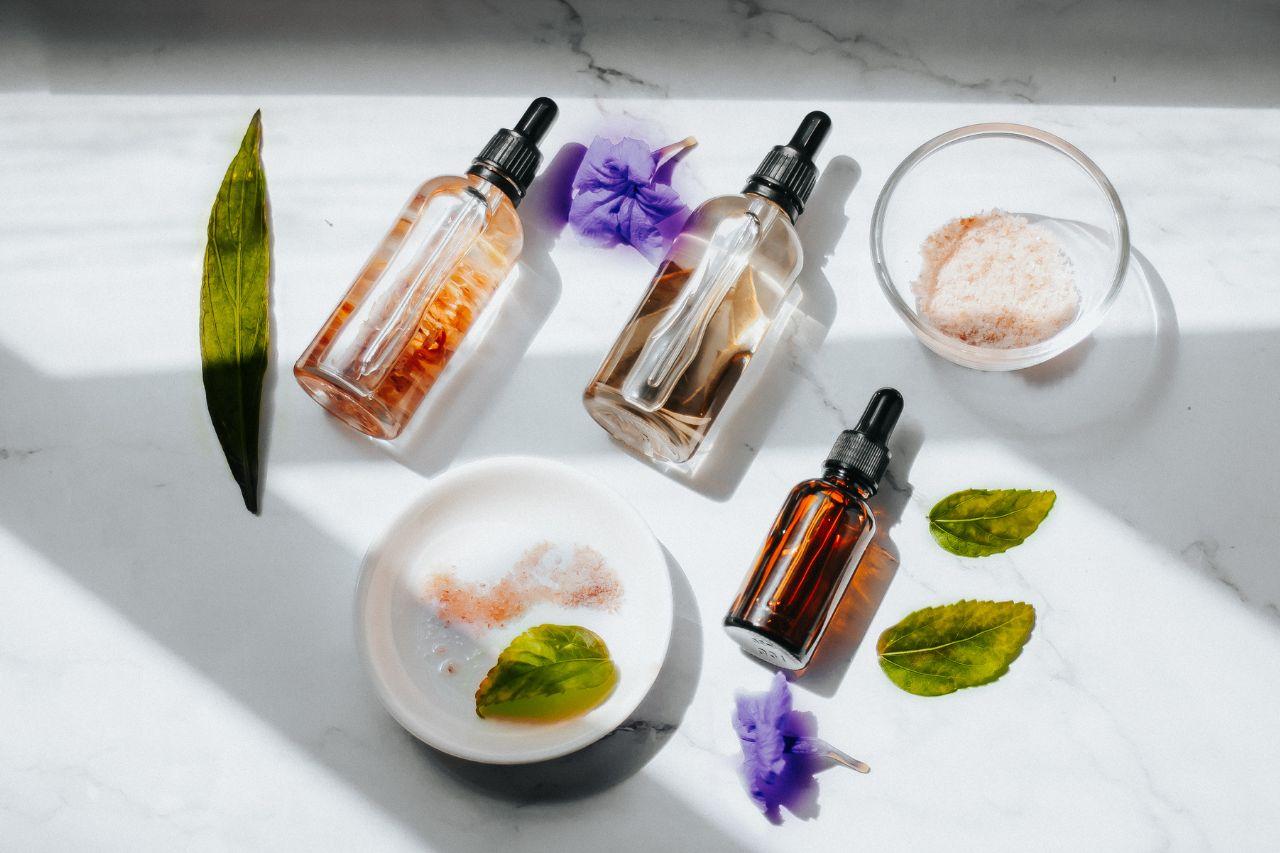
Serums contain different ingredients depending on their intended function, generally categorized into anti-acne, brightening, hydrating, and anti-aging serums. Below is a breakdown of the key ingredients for each function:
| Serum Type | Anti-Acne Serum | Brightening Serum | Hydrating Serum | Anti-Aging Serum |
| Serum Benefits |
|
|
|
|
| Common Ingredients |
|
|
|
|
How to apply serum in the correct order?
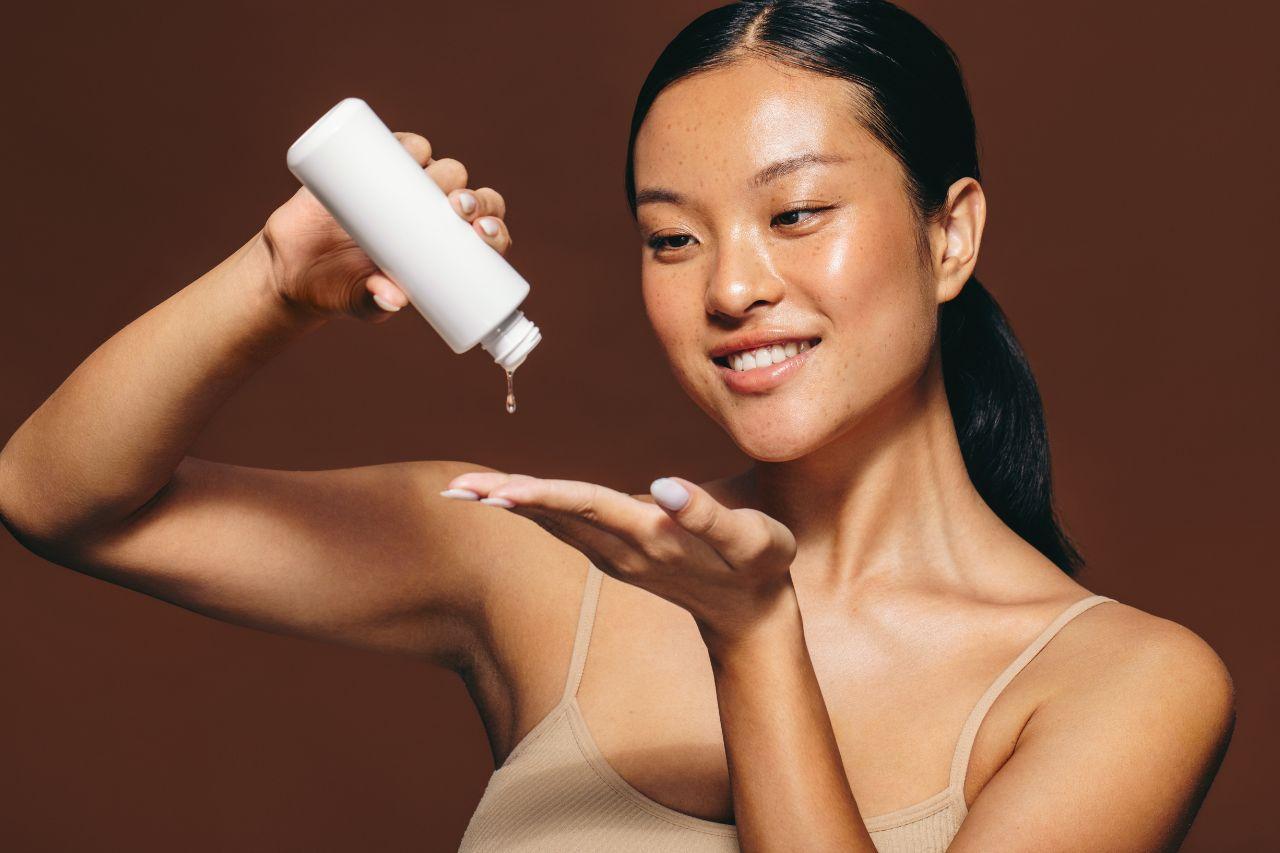
To maximize the effects of your facial skincare products and ensure your skin properly absorbs nutrients, it's essential to understand the correct order of application for serums and other treatments.
It's actually quite simple: once you understand the textures of your products, you'll never get the serum order wrong. The general rule is to apply the lightest textures first. So, the overall facial skincare routine is: toner ⮕ mask ⮕ serum / ampoule ⮕ lotion / cream.
✦Facial Skincare Routine Step 1: Toner
After thoroughly removing makeup and cleansing your face, gently pat your skin with toner. Toners are typically lightweight and watery, designed to soften the stratum corneum and provide initial hydration. You can also use a cotton pad to ensure your skin is completely clean.
✦Facial Skincare Routine Step 2: Face Masks
If you occasionally want to use a face mask, apply it after your toner. Mask essences are typically thicker than toners and contain more hydrating ingredients, leaving your skin more moisturized and better able to absorb nutrients. This is why masks are used before serums.
Quick tip: Leave the mask on for 10-15 minutes, then rinse off any excess essence, reapply toner, and continue with your next skincare step!
✦Facial Skincare Routine Step 3: Serum / Ampoule
While the preceding steps focus on hydration, this is where your skincare truly begins, providing your skin with more nourishment. Serums come in watery, milky, or gel textures; apply a few drops to your face, then gently massage to promote absorption. You don't need to use a lot—2-3 drops per application is usually sufficient for your skin to absorb. Using too much not only wastes product but can also affect pore health. Since both serums and ampoules are highly concentrated skincare products (ampoules even more so), you only need to use one or the other.
A quick tip: Ampoules are for "deep treatment" and shouldn't be used too frequently. We recommend using them 1-2 times a week for one month, then taking a 2-3 month break to let your skin rest. During your break from ampoules, you can simply use a serum for your regular skincare routine.
✦Facial Skincare Routine Step 4: Lotion / Cream
If your skin still feels tight and dry after applying serum, you can use a lotion or cream. If only certain areas are dry, apply it there. Lotions and creams contain more oil than the previous three steps, forming a protective layer on the skin's surface to prevent the loss of toner and serum ingredients, effectively "locking" them into the skin.
Applying lotion first would hinder the serum's penetration and absorption, significantly reducing its effectiveness. Therefore, the order of serum and lotion is crucial!
✦Skincare Routine Recommendations for Oily Skin
If you have oily or acne-prone skin, adjust your routine to: lotion/cream ⮕ toner ⮕ serum/ampoule. This means locking in moisture first, then replenishing it. For those with oily skin, the biggest concern is excess oil on the face. Applying toner, ampoules, and similar products at the end of your routine can help remove excess oil, leaving your skin feeling more comfortable!
Yes, you can apply serum around your eyes.
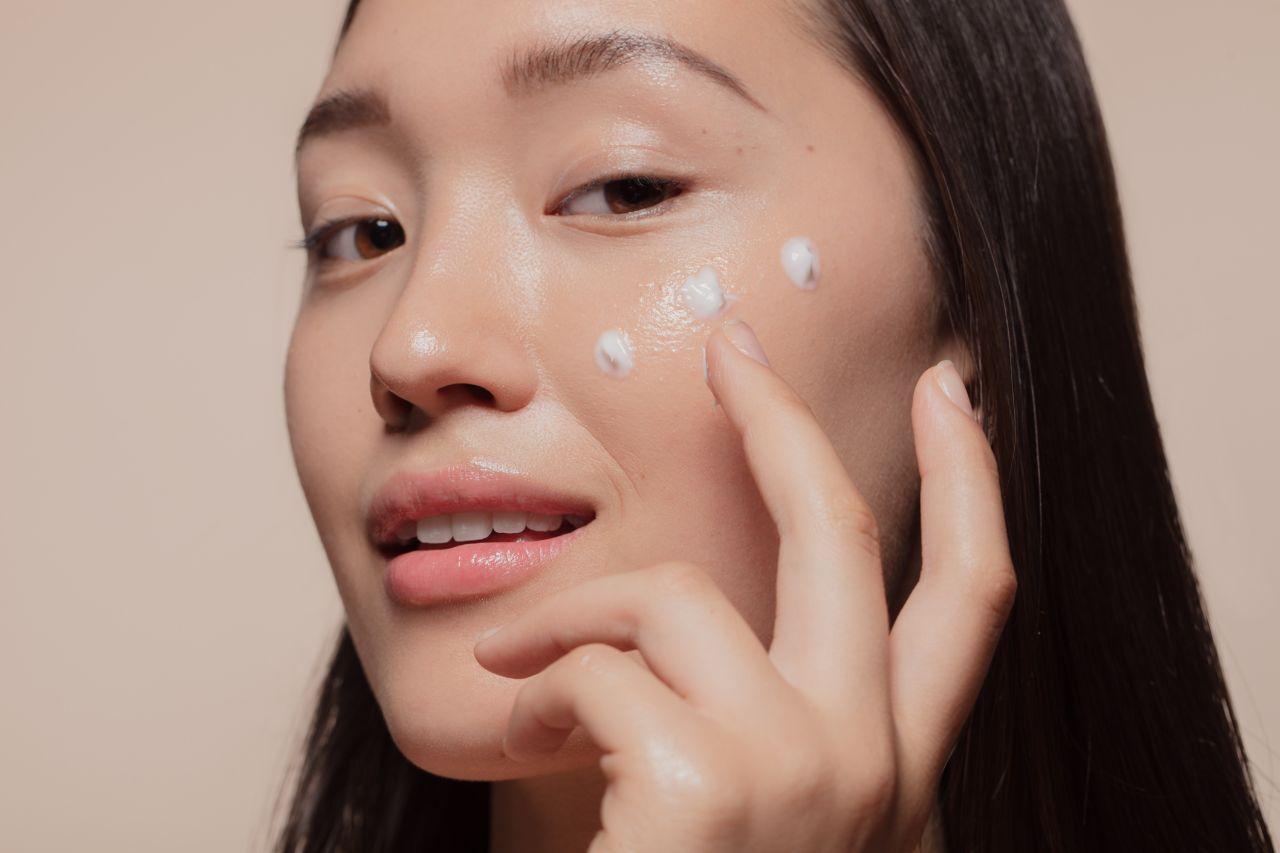
You should not apply serum around your eyes.
Serums are typically formulated for facial skin, but the skin around the eyes is much more delicate and sensitive than other areas. Applying serum there can over-moisturize the skin, potentially leading to milia or fat granules. For this reason, it's not recommended to apply serum directly to the skin around your eyes.
If you want to use a serum-like skincare product around your eyes, we recommend choosing an eye serum or eye cream specifically designed for eye care. These products have gentler formulas and lower concentrations, effectively moisturizing and addressing concerns like dark circles, fine lines, and under-eye bags without burdening or irritating the delicate skin around your eyes.
✦Recommended Eye Care Routine
If you're using eye care products, we recommend applying them right after your toner, before your facial serum and moisturizer. When applying facial products, be sure to avoid the delicate skin around your eyes. This area is thinner and has different nutritional needs than the rest of your face; applying too many products can overload the skin around your eyes and even lead to milia.
You can use more than one serum.
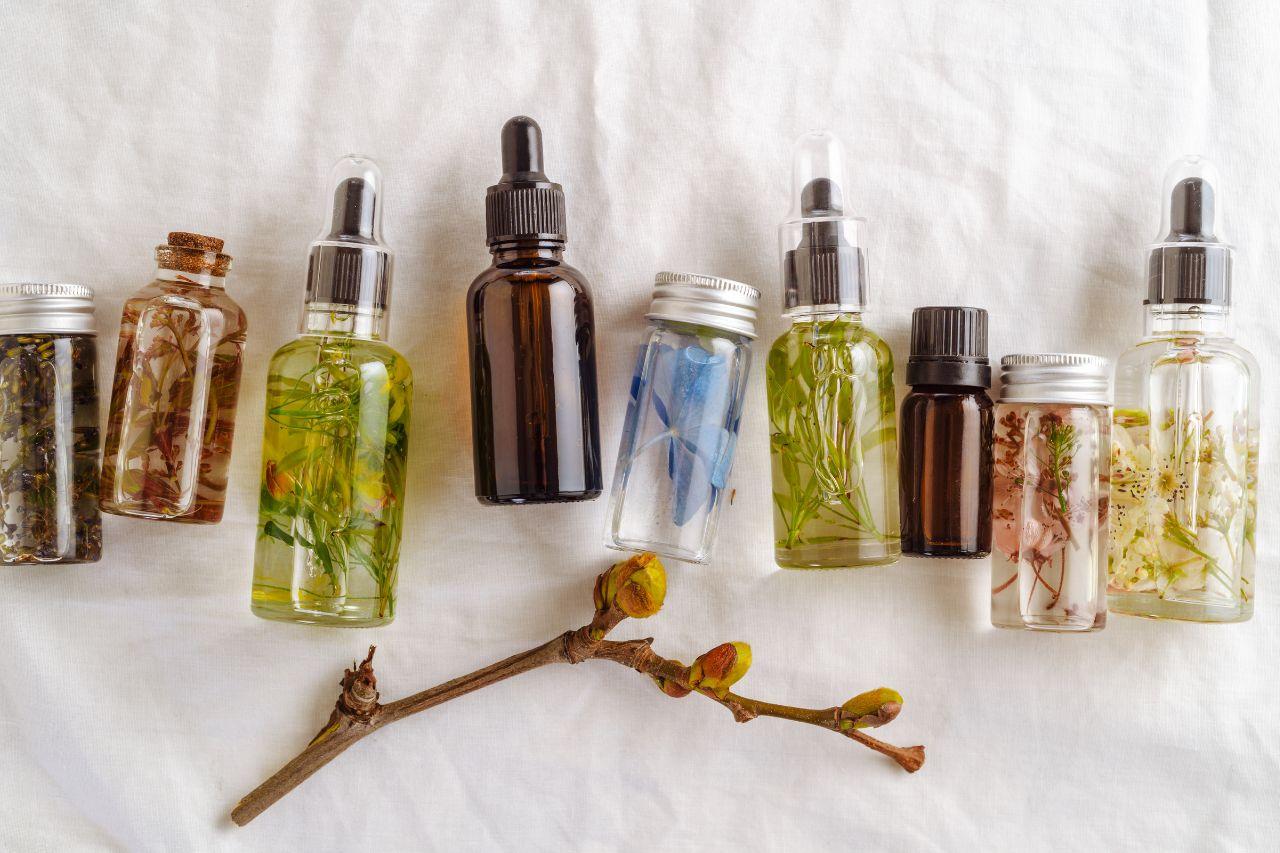
You can layer up to two different serums. Sometimes you want to address more than one skin concern: use a hydrating serum if your skin is dry, a brightening serum for a radiant complexion, or an anti-aging serum for fine lines and wrinkles. If one serum isn't enough, you can use different types of serums simultaneously. As long as your skin tolerates it, layering multiple serums is perfectly fine!
However, we don't recommend using three or more serums at once. After applying two serums, your skin has likely absorbed all the nutrients it can, and any additional products won't be absorbed. Therefore, it's best to stick to a maximum of two serums per application. If you have many concerns you want to address, consider using different serums in the morning and evening.
✦How to layer different serums
The general rule for applying serums is to go from thinnest to thickest. Serums with a lighter, more fluid texture contain fewer thickening agents or film-forming ingredients, so applying them first won't hinder the absorption of other skincare products.
Another approach is to apply serums from the inside out, based on where their active ingredients target the skin. Anti-aging and anti-inflammatory ingredients work in the dermis (inner layer), brightening and repairing ingredients act on the epidermal basal layer (middle layer), and hydrating ingredients function on the outermost layer of the skin.
Therefore, when layering serums, adjust the order based on which skin layer each serum's benefits target. The recommended order would be: anti-aging serum ⮕ brightening serum ⮕ hydrating serum.
You should apply serum after cleansing and toning, but before moisturizing.
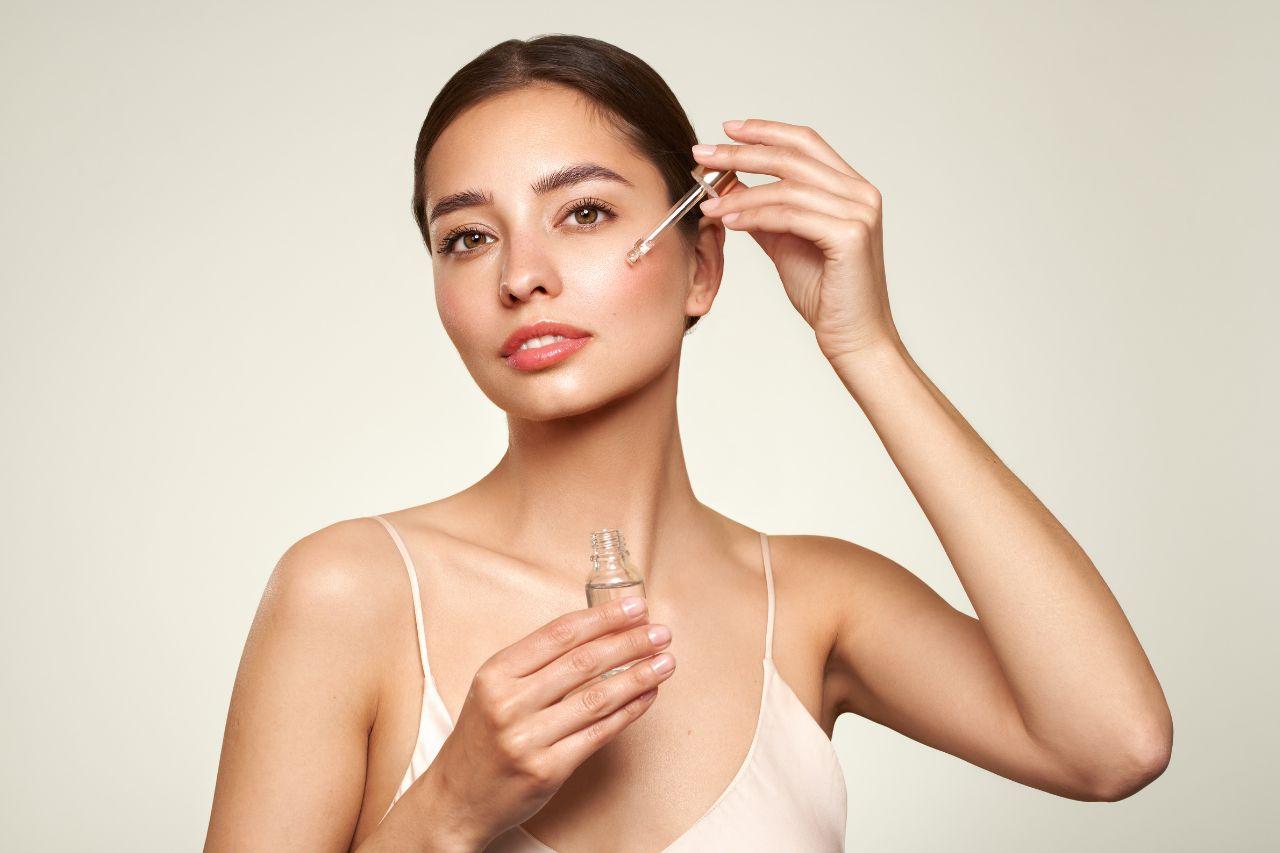
Most serums can be used both morning and night as part of your daily skincare routine, but some functional serums are prone to oxidation when exposed to sunlight, which can reduce their effectiveness. So, it's important to pay extra attention to the ingredients in any serum you apply during the day.
Generally, 11 PM to 3 AM is considered the skin's golden repair window, when metabolic functions are most active. Therefore, applying serum in the evening is relatively more suitable. If possible, completing your skincare routine before 11 PM helps your skin fully absorb the serum for optimal results.
✦Yes, you should apply serum both morning and night.
While serums are often more effective when used at night, you can certainly use them during the day as well. Depending on the serum's function, you might choose an antioxidant or anti-inflammatory product in the morning to combat sun exposure and pollution encountered during daily activities. In the evening, opt for anti-aging, brightening, or restorative serums to nourish skin that has been exposed to the day's elements.
Yes, you can use serum daily.
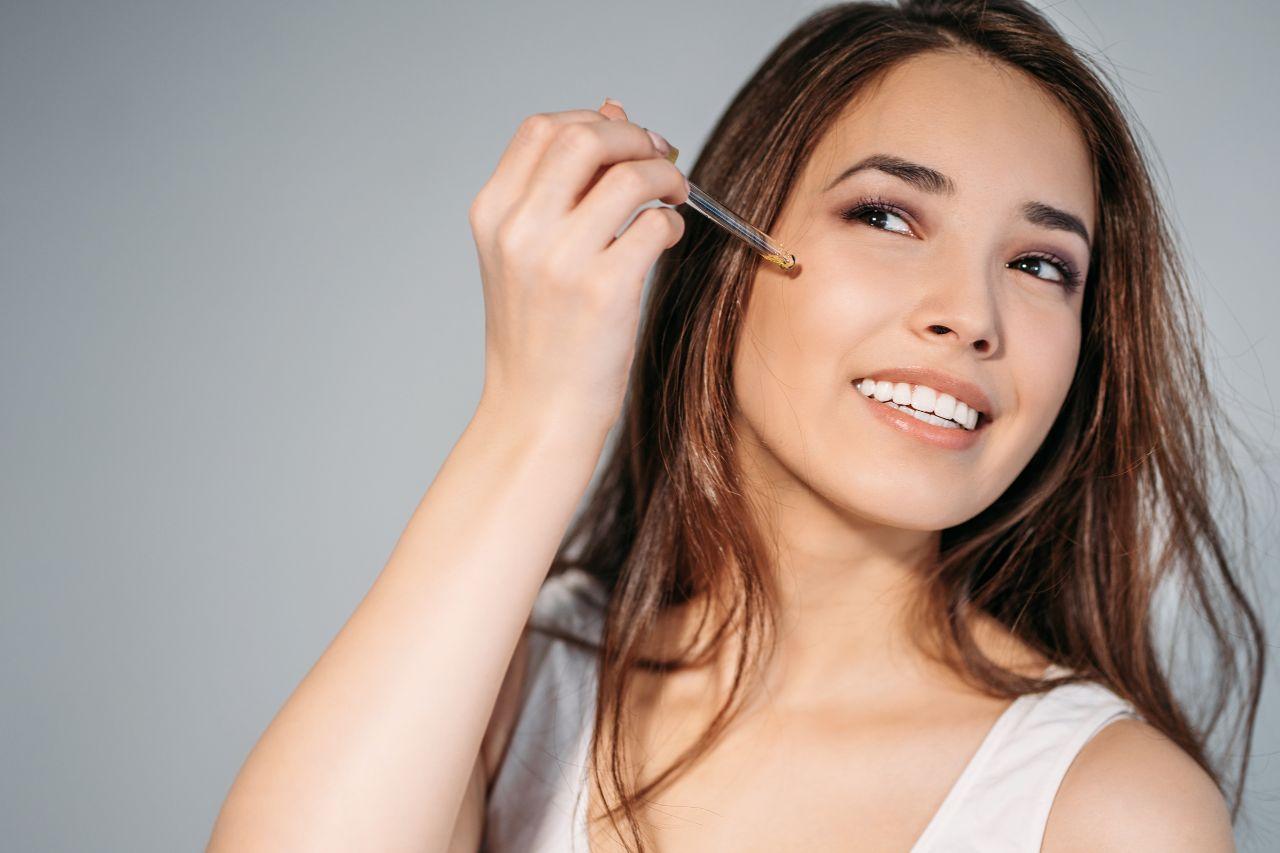
Generally, you can use serum daily, but if you're using a serum that contains acids or irritating ingredients, it's best to use it only 3-4 times a week. Don't use too much at once, and observe your skin daily to adjust as needed. If your skin tolerates it, you can alternate between acid-based and non-acid-based serums.
✦How much serum should I use?
Serums are packed with nutrients, so you don't need much for each application—about 2-3 drops is enough for your entire face. If your skin still feels dry after applying, you can layer on a bit more, giving your skin time to absorb it. For best results, we recommend dispensing the serum into your palm, spreading it evenly, and then applying it to your face. This ensures even coverage and prevents over-application on certain areas.
Ampoules and serums differ in their concentration and intended use.
Ampoules and serums are both skincare products containing highly concentrated beauty ingredients, with ampoules having a higher concentration than serums. If you use an ampoule on a given day, you can skip your serum to avoid over-burdening your skin.
To illustrate the relationship between ampoules and serums, think of hair care: ampoules are like salon hair treatments, while serums are like daily hair conditioning. While regular salon treatments are important, this kind of "deep conditioning" doesn't need to be too frequent; too many nutrients can overwhelm the skin. We recommend adjusting usage based on your skin's condition. For example, during seasonal changes, periods of stress, or when your skin looks tired or dull, you can use ampoules as needed to improve your skin's condition.
✦Serum Highlights
- Lower concentration
- Smaller molecular size
- For daily maintenance
- Suitable for everyday use
✦Ampoule Highlights
- Higher concentration of ingredients
- Larger ingredient molecules
- Provides targeted skincare
- Not suitable for daily use
There are several ways to use serum.
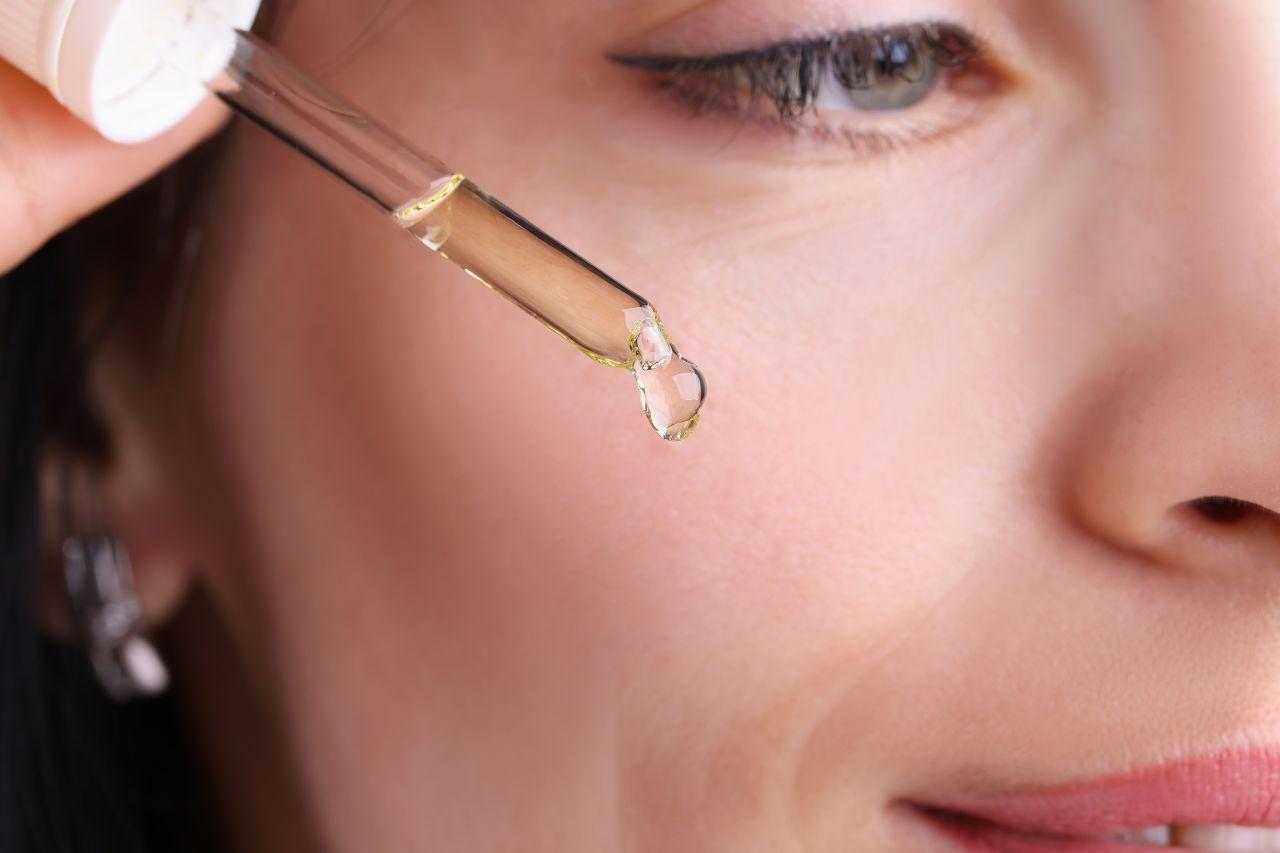
Beyond daily skincare, serums offer even more uses to boost your routine and ensure no drop goes to waste. Twosevenths has compiled two practical serum application tips recommended by skincare experts:
✦Serum Application 1: Toner + Serum Wet Compress
Running low on face masks at home? Try a DIY sheet mask with toner and serum! This "customized mask" is ready in an instant. Serums are packed with beneficial skincare ingredients, so simply mix your toner and serum, soak a cotton pad, and apply it to your face for 5 minutes for easy skin maintenance. Some masks can feel sticky, but using a serum blend results in a much lighter, fresher feel. Plus, you can tailor which serum to use based on your skin's specific needs, which is incredibly convenient.
For urgent situations, like when your skin isn't at its best but you need to apply makeup, you can also use a toner + serum mask to boost your pre-makeup routine. It provides immediate hydration, ensuring your makeup applies smoothly and doesn't look cakey!
✦Serum Use 2: Serum + Foundation
If your makeup often cakes, fades, or dulls, your skin might be too dry. Beyond focusing on your pre-makeup skincare routine, try adding a few drops of serum to your liquid foundation. This makes the foundation more hydrating, allowing you to moisturize your skin while applying makeup—a true win-win.
Choosing the right serum for your skin type is essential.
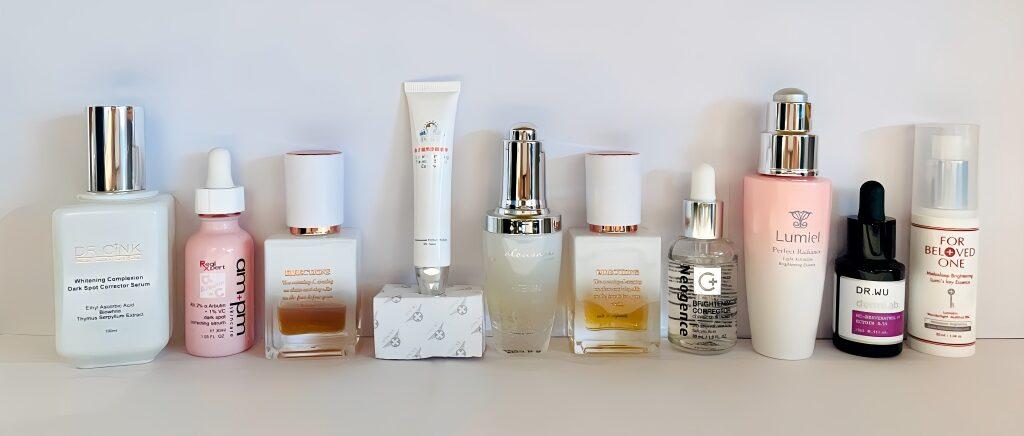
Knowing how to properly use and choose the right serum is key to an effective skincare routine. You can select a serum based on your skin type and current condition to find the perfect product for you. Let's explore how to choose serums for oily, acne-prone, dry, combination, sensitive, aging, and hyperpigmented skin!
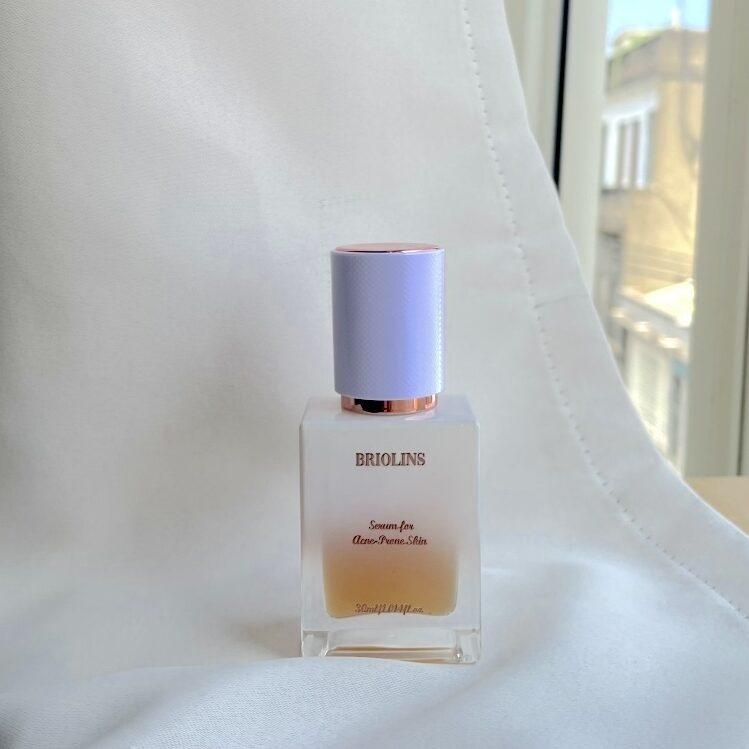
✦Serums for Oily and Acne-Prone Skin
Oily skin is characterized by excessive sebum production, which can lead to enlarged pores and acne, potentially developing into acne-prone skin. Therefore, the primary focus of skincare should be oil control, followed by maintaining a healthy oil-water balance. Insufficient skin hydration can trigger even more oil secretion, resulting in a shiny complexion.
For those with oily or acne-prone skin, we recommend choosing products that are lightweight and oil-free, contain oil-controlling ingredients, include anti-acne or anti-blemish components, and offer high levels of hydration.
✦Serums for Dry Skin
Dry skin is characterized by a lack of moisture, leading to dryness and tightness. Compared to other skin types, dry skin is more prone to wrinkles, flaking, peeling, sagging, and sensitivity. We recommend choosing a serum with moisturizing ingredients like hyaluronic acid and a richer texture.
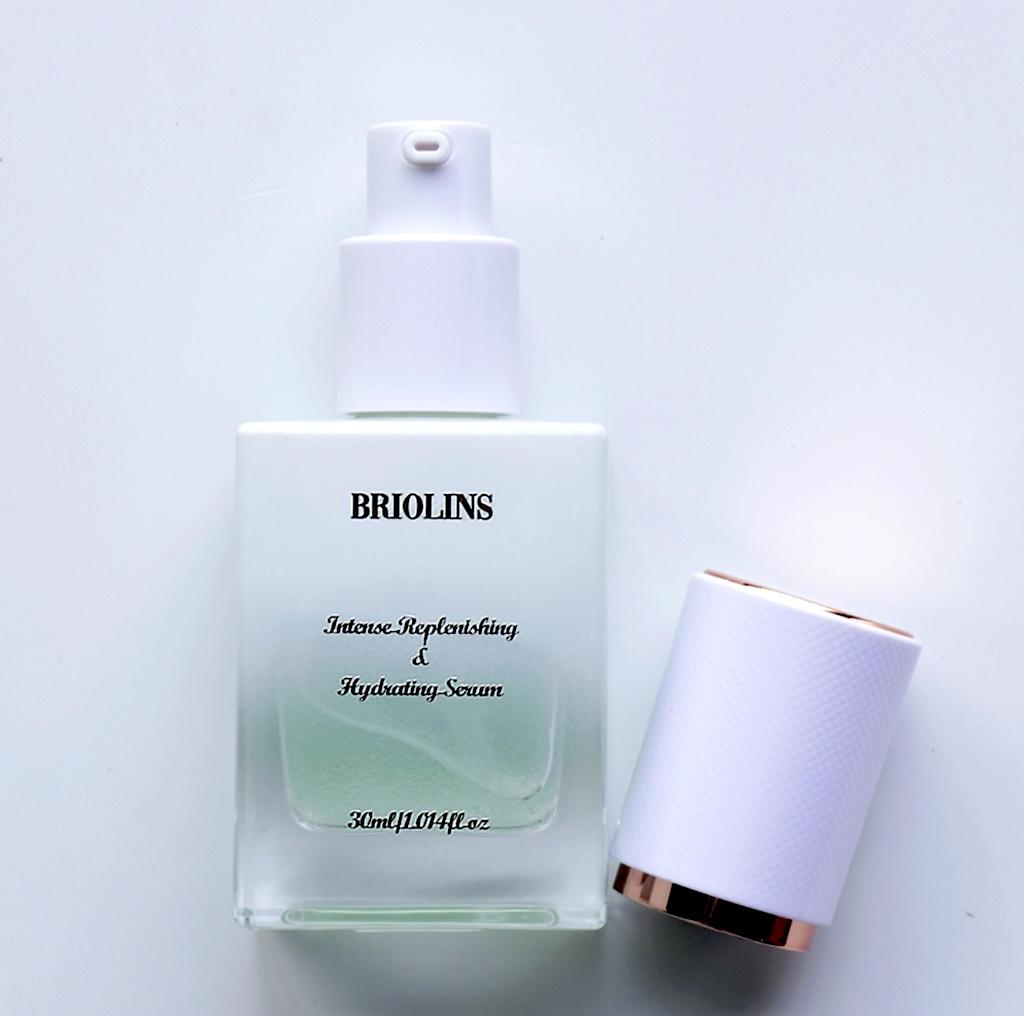
✦Serums for Combination Skin
If you have combination skin, you can use different skincare products on different areas of your face, applying lightweight hydrators to oily zones and richer, more nourishing moisturizers to dry patches. This targeted approach ensures every part of your face gets the care it needs!
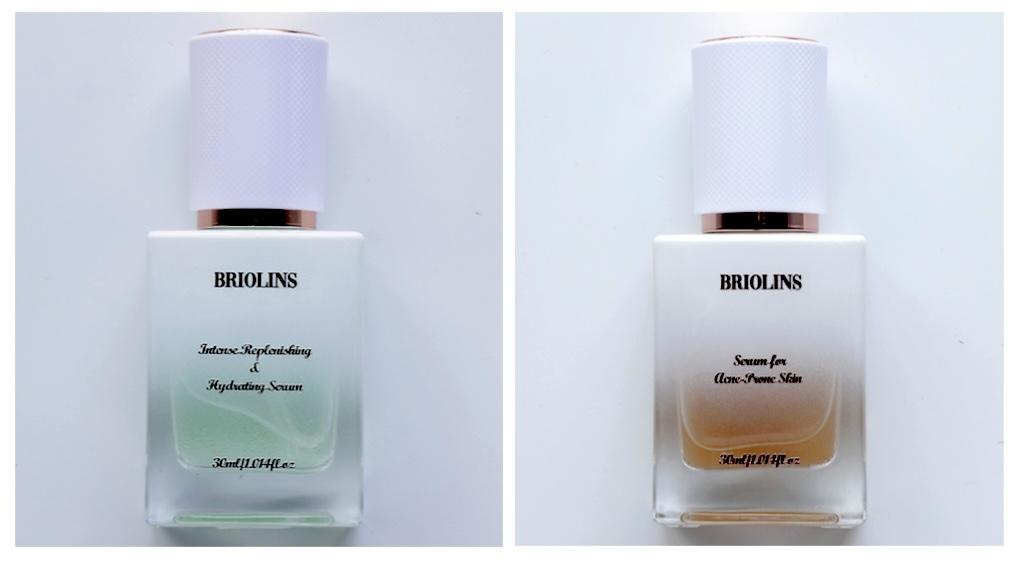
✦Sensitive Skin Serum Recommendations
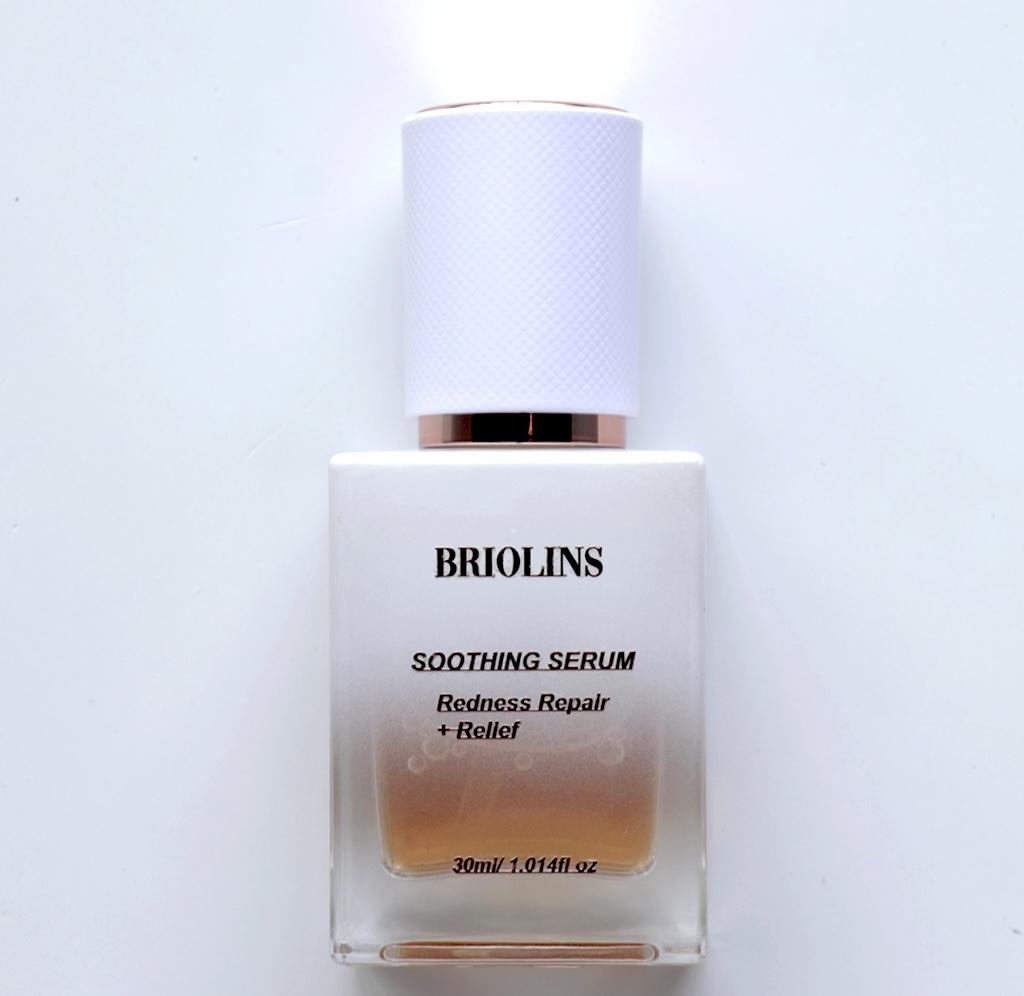
If you have sensitive skin, your skincare routine needs to go beyond basic beauty ingredients to include soothing, anti-inflammatory, and calming components. These are essential for nurturing easily irritated skin and reducing redness and discomfort.
✦Anti-Aging Serum Recommendations
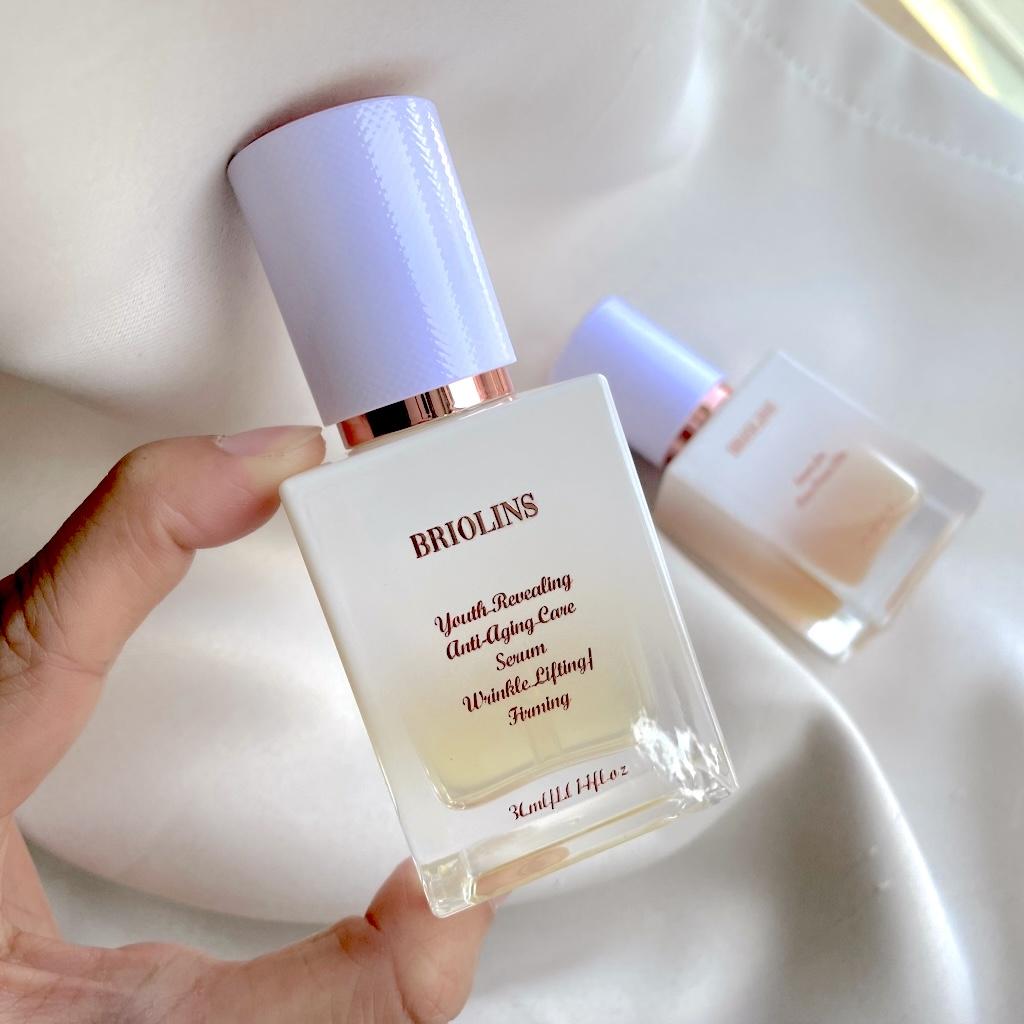
As we age, our skin loses collagen, affecting skin tissue and leading to signs of aging such as fine lines, wrinkles, sagging skin, enlarged pores, and hyperpigmentation.
Anti-aging serums typically contain multiple ingredients to address these concerns. These often include patented peptides (hydrolyzed collagen, dipeptide-2, Euglena gracilis polysaccharide) to firm skin and reduce fine lines, or special edelweiss acid to slow down the aging process.
✦Recommended Serums for Brighter, Spot-Free Skin
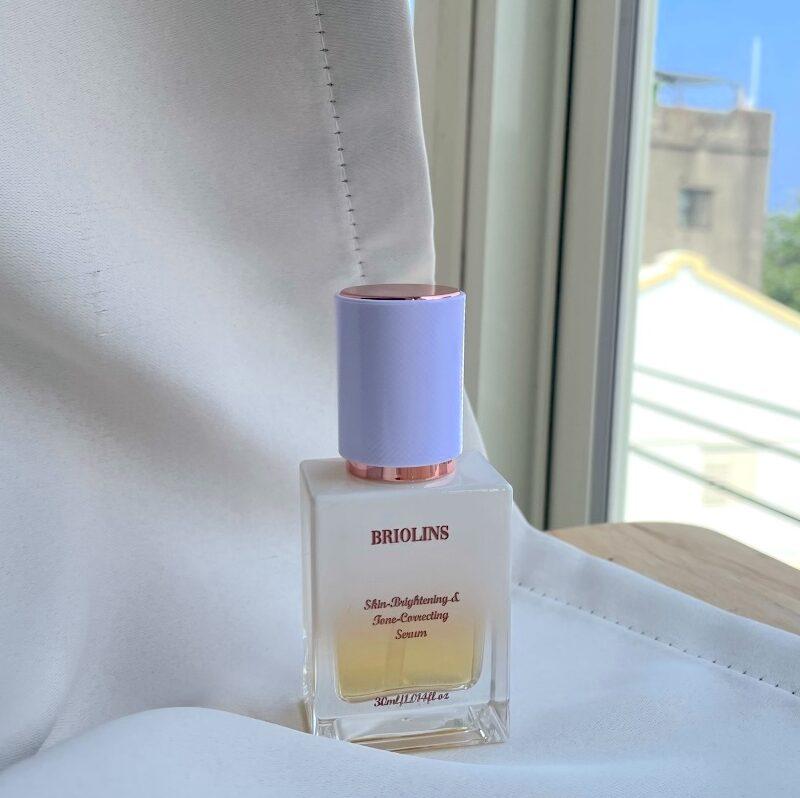
Dark spot correctors and brightening serums operate on the same principle: they both lighten existing spots and prevent new melanin formation. The key difference is that dark spot correctors typically have a higher concentration of active ingredients.
To effectively fade sunspots, age spots, freckles, and other hyperpigmentation, look for products that contain highly moisturizing ingredients like French green algae or Lo Fei extract. Alternatively, choose ingredients known for their spot-fading and skin-brightening properties, such as niacinamide or tranexamic acid, which can also enhance the skin's blue light resistance and reduce irritation from light exposure.
Final Thoughts
This has been Twosevenths' beginner's guide to using facial serums, covering the 10 most common questions about serum application. We hope this comprehensive article has deepened your understanding of serums, enabling you to use them effectively to nourish your skin and achieve a supple, radiant complexion. For further recommendations, you can check out our review of 10 whitening and dark spot serums, personally tested by our mystery shoppers.
If you're interested in facial skincare and occasionally want professional service, you can also refer to our articles on recommended facial treatments in Taipei, Taoyuan, Hsinchu, Taichung, Tainan, and Kaohsiung to find reliable venues.
Don't miss these either
Jiaoxi Hot Spring Private Baths: Relax and Recharge! A Review of 3 Top Venues

Taichung Dragon Tendon Massage: Privacy and cleanliness combine for a truly relaxing, stress-free experience! We review one top venue.

Handsome Guy Beauty Review|Gentle care from head to face! An affordable and therapeutic botanical essential oil massage experience

Reader Comments
No comments yet — be the first to share your thoughts.