Acne Scar Savior! Microneedling Pen: Principle, Sessions, and Post-Treatment Care Guide
Acne clears, but the scars remain — a common frustration for many who diligently apply repair serums and face masks, only to sigh at their reflection. The truth is, pitted acne scars aren't a sign of insufficient skincare; the problem lies at a depth that topical products simply can't reach.
In this guide, Twosevenths will first help you understand the true causes of pitted acne scars. Then, we'll explain step-by-step why microneedling pens are effective for this issue, how they work, and what details to consider when choosing a clinic. Finally, we've compiled answers to frequently asked questions to help you form a clear understanding before your consultation, so you don't walk into the clinic with a head full of doubts.
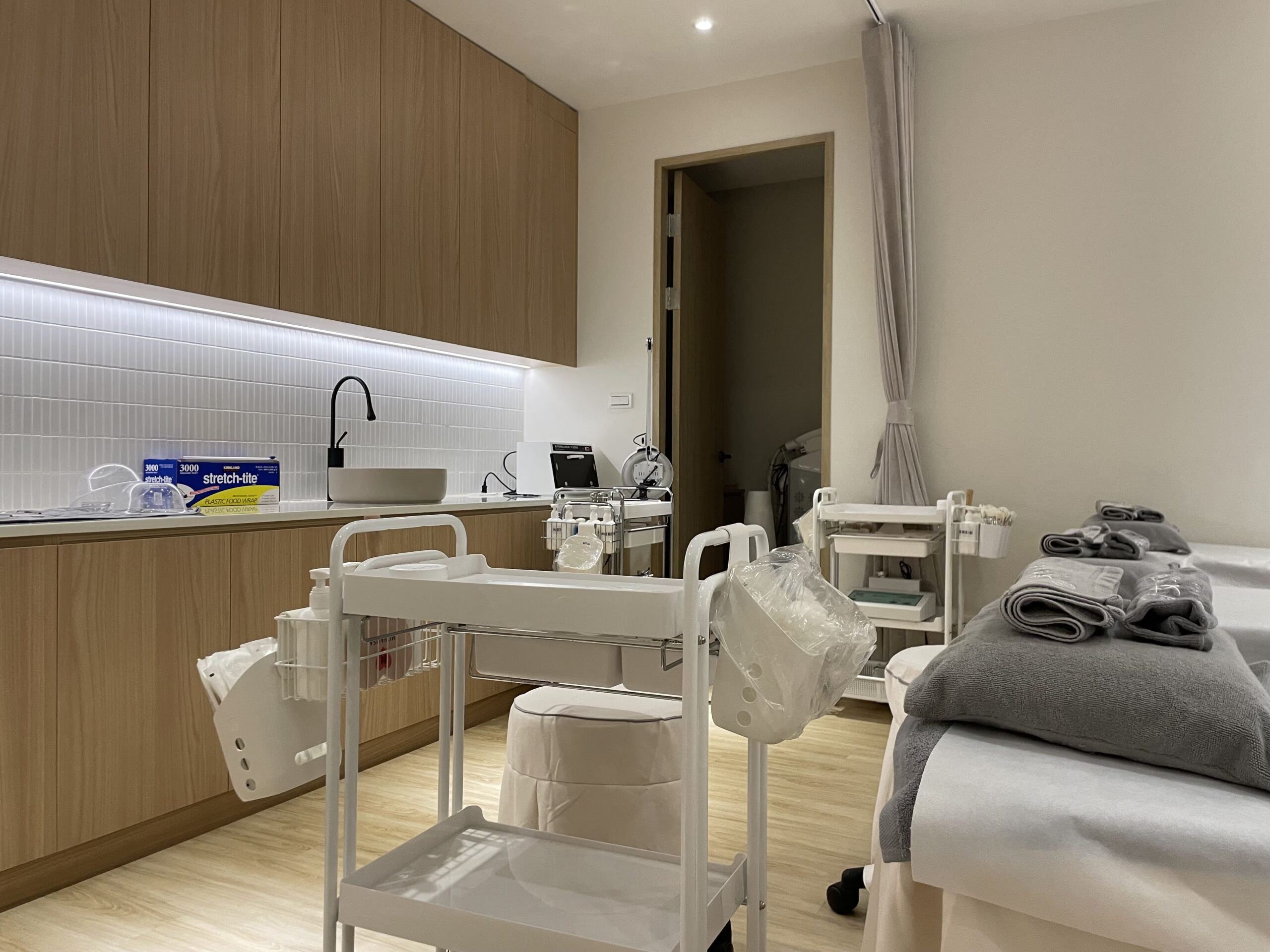
Why do skincare products fail to improve acne scars and pitted skin? First, understand the causes of dermal damage.

Microneedling pens create tiny, controlled micro-injuries in the skin, stimulating its natural repair mechanisms and promoting collagen production. This makes them a popular method for improving depressed acne scars. However, before diving into microneedling, it's crucial to understand why countless skincare products often fail to smooth out pitted acne scars.
The answer lies in the depth of the skin. Even the most potent and concentrated active ingredients in skincare products primarily penetrate only the epidermis, at most reaching the superficial dermis. Pitted acne scars, however, have a different origin. When severe acne inflammation damages collagen and elastic fibers in the dermis, it leads to a breakdown of tissue structure and loss of support, resulting in depressed areas on the skin's surface.
This means pitted acne scars are a "structural defect," not a superficial issue like dryness or dullness that skincare products can address. No matter how diligently you apply skincare, it's difficult for products to reach the dermis, making it challenging to see significant improvement in scar depth or texture. Therefore, to improve these scars, you need methods that can act directly on the dermal layer.
How to Choose a Microneedling Clinic: Our 4 Key Evaluation Standards
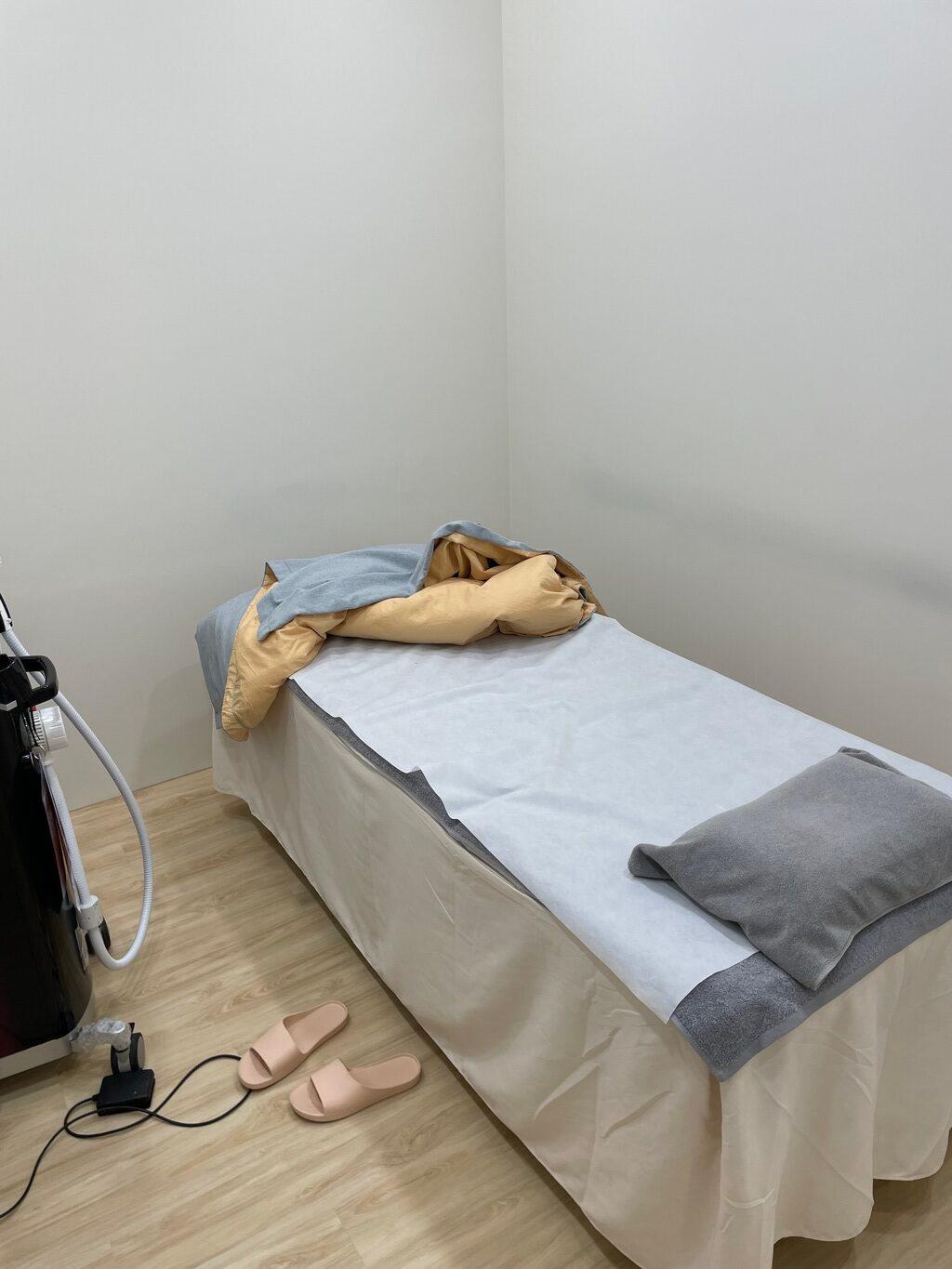
Microneedling pens use tiny, invisible needles to create controlled, temporary micro-injuries on the skin's surface. When the body detects these minuscule wounds, it triggers a self-repair mechanism, stimulating collagen regeneration in the dermis to replenish lost structure. Because the treatment reaches the dermal layer, microneedling pens can address acne scars and indentations that skincare products cannot. However, even with the same microneedling treatment, differences in a clinic's doctor experience, equipment quality, and operating techniques can lead to significant variations in results. Therefore, before committing to a treatment, we recommend using the following four criteria to evaluate whether a clinic is trustworthy, ensuring your time and money yield the desired outcome.
✦The doctor's experience level and ability to accurately diagnose my acne scar type are key concerns.
While the operating principle of microneedling pens is not complex, the depth and type of acne scars vary for each individual, requiring a physician with sufficient clinical experience to determine the appropriate needle depth, accompanying active ingredients, and whether other treatments need to be combined. When consulting, it's advisable to directly ask the physician about their number of acne scar treatment cases and past experience. Observe whether they can specifically explain what type of acne scars you have and the corresponding treatment logic, rather than giving vague, general answers. If the physician can clearly indicate which areas need more intensive treatment and which areas require a lighter touch, it usually means they have a solid clinical background in diagnosing acne scars.
✦Yes, there is a clear fee schedule. You can confirm the cost structure before starting any treatment.
When evaluating a clinic, always check if they clearly list their treatment items and fees, rather than waiting until you're in the consultation room for a last-minute quote or vague explanation. Comprehensive pricing information allows you to mentally and financially prepare before treatment, and it reduces the chance of misunderstandings or unexpected add-ons later. We recommend proactively asking the clinic for written or publicly available fee schedules during your consultation. Also, confirm the number of sessions in any treatment package, the intervals between them, and whether follow-up care or return visits are included, to avoid discovering discrepancies halfway through your treatment.
✦You should ask if the equipment is factory-authorized and clarify the hygiene standards for probes and consumables.
Beyond the doctor's experience, it's also crucial to assess whether the equipment itself is genuine and authorized by the original manufacturer. Not all microneedling devices have the same safety certifications, and unknown or parallel-imported models may have inconsistencies in energy stability and safety mechanisms, potentially affecting the long-term stability and safety of treatments. Furthermore, whether the probes and needle consumables that directly contact the skin are individually packaged and replaced after each treatment directly impacts hygiene and infection risk during treatment. We recommend directly asking the clinic about the source of consumables and replacement procedures during your consultation, rather than relying solely on verbal assurances.
✦Yes, the microneedling depth will be customized to your acne scars, and pairing it with an essence infusion offers added benefits.
When performing microneedling, the appropriate depth varies depending on the severity of the indentation and the type of scar. If a clinic uses a fixed depth for everyone, regardless of individual conditions, the results may be compromised or even cause unnecessary stress to the skin. We recommend asking the doctor if they adjust the treatment depth for each area based on your skin condition and acne scar type, and if they can explain their adjustment logic before the treatment. Additionally, incorporating medical-grade serum infusions can enhance the repair effect, and this is a bonus service you can inquire about and compare among different clinics.
What Is a Microneedling Pen? How It Works to Activate Your Skin's Self-Healing

Acne scars and pitted indentations are caused by collagen loss and structural damage in the dermis, which is why topical skincare products rarely show significant improvement—they simply can't penetrate deep enough. Microneedling, however, addresses these issues by creating precise, controlled micro-injuries that reach directly into the dermis, not just the skin's surface.
When these tiny needle punctures signal damage, the skin initiates a cascade of self-repair processes: new microvessels form, fibroblasts activate, and collagen and elastin regenerate. This process essentially harnesses the body's natural healing capabilities, gradually replenishing lost collagen and allowing depressed scar tissue to smooth out over time, potentially refining skin texture.
The ability to reach the dermis is the core difference between microneedling and conventional skincare. While skincare products only hydrate and repair the superficial layers, microneedling directly activates repair mechanisms at the root of the skin damage. This is why many depressed scars that don't respond to skincare alone require medical treatments like microneedling.
✦Microneedling pens are most effective for atrophic acne scars, including boxcar and rolling scars.
Acne scars can be broadly categorized into three types: rolling, boxcar, and icepick. Each type varies in depth and edge sharpness, and thus responds best to different treatments. Rolling scars have gentler edges and are shallower, often responding well and quickly to microneedling. By stimulating collagen production, you can gradually see the skin's texture become smoother. Boxcar scars have more defined edges and are of moderate depth, usually requiring multiple treatment sessions to see a noticeable change. Icepick scars, however, are deep and narrow with a high degree of tissue fibrosis, so microneedling alone typically offers limited improvement. In practice, combining microneedling with other methods is often recommended for more significant results. Therefore, microneedling is best suited for shallow to medium-depth, broader indented scars. For deeper scars, it's advisable to discuss the possibility of combination therapies with your doctor before deciding on a treatment plan.
✦When treating acne scars, choose between a microneedling pen and fractional laser based on your specific scar type and desired downtime.
Microneedling pens and fractional lasers are both common treatments for acne scars, but they work differently. Microneedling pens use physical micro-needles to directly stimulate the dermis, triggering self-repair and collagen production. This method typically has a shorter recovery period and is more effective for shallow to medium-depth, broader indented scars. It's also more suitable for individuals with sensitive skin or those who cannot tolerate a long recovery time. Fractional lasers, on the other hand, use photothermal energy to create tiny thermal damage points on the skin, also stimulating collagen regeneration. Due to the different range of thermal action, fractional lasers may offer a stronger treatment for deeper or more fibrotic scars. However, the recovery period is usually longer, and there's a higher chance of post-treatment redness and peeling. Neither treatment completely replaces the other; the best choice depends on the depth of your scars, skin sensitivity, and acceptable recovery time. It's recommended to discuss these factors with your doctor before deciding, and many people opt for alternating or combining both treatments for more comprehensive improvement.
✦You'll typically see results from microneedling pens after 3 to 6 sessions, with each session spaced 4 to 6 weeks apart.
Collagen regeneration is a gradual process that takes time, so you typically won't see a significant difference after just one session. This is a common misconception that leads many people to give up after a single treatment. Most experts recommend scheduling treatments every 4 to 6 weeks to allow the skin sufficient time for repair and collagen remodeling before the next stimulation. Generally, 3 to 6 consecutive sessions are advised, though the actual number varies depending on the depth and area of acne scars, as well as individual skin recovery speed. Changes may be less noticeable in the early stages of treatment; most people only begin to feel their skin becoming smoother around the third session. Therefore, it's recommended to patiently follow the treatment schedule. Too short an interval between sessions can burden the skin, won't accelerate results, and may even prolong the overall recovery time.
✦Microneedling Aftercare: Recovery and Key Maintenance Tips
After a microneedling treatment, your skin will have numerous tiny channels on its surface, and it's normal to experience redness, slight itching, or tightness for about 1 to 3 days as part of the healing process. While there's no need to worry excessively, it's crucial to follow the post-treatment care instructions provided by your clinic. During this period, focus on intense hydration and repair, and avoid using irritating skincare products such as acids or whitening agents. It's also advisable to temporarily stop wearing makeup and exfoliating to allow your skin's barrier to properly recover. When outdoors, be sure to apply extra sun protection, as skin in the recovery phase is more sensitive to UV rays, and sun exposure can increase the risk of hyperpigmentation. Overall, the first week post-treatment is a critical recovery period; diligent care according to medical advice will help maximize collagen regeneration and minimize potential post-treatment issues.
✦Micro-needling pens are not suitable for everyone; here are common contraindications and risks to be aware of.
While microneedling is a minimally invasive treatment, it is not suitable for everyone, and a thorough pre-treatment evaluation and disclosure of medical history are crucial. You should avoid microneedling if your skin is currently inflamed with acne (especially pustular acne), cellulitis, or other inflammatory skin conditions like eczema or psoriasis, as this could lead to infection or spread the inflammation. Individuals with a history of keloids, abnormal blood clotting, or those taking anticoagulant medications must also inform their doctor in advance to assess suitability; treatment methods may need adjustment or postponement if necessary. Additionally, pregnant or breastfeeding individuals, or those who have recently undergone other invasive treatments (such as chemical peels or laser therapy), should discuss appropriate waiting periods with their doctor before scheduling a session. Since everyone's skin condition and medical history are unique, a face-toto-face consultation with a doctor is required to confirm whether the treatment is suitable for you.
Microneedling Pen FAQ

Here are the most frequently asked questions about microneedling pens, covering common concerns like pain, treatment schedules, costs, post-treatment care, and side effects. This straightforward guide provides basic information to help you understand the process before your consultation, bridging any knowledge gaps.
✦Microneedling pens can cause some discomfort, so a topical anesthetic is typically applied beforehand.
The pain experienced during the procedure varies from person to person, primarily depending on individual pain sensitivity, the depth of the treatment, and the current condition of the skin. Most clinics apply a topical anesthetic cream before the treatment and use vibration or cooling methods to reduce discomfort. The actual sensation is usually similar to a slight prickling or itching, not to an unbearable degree. If you are particularly sensitive to pain, you can inform your doctor in advance to adjust the application time of the anesthetic cream or the treatment depth, making the entire process more comfortable. You can also inquire about other auxiliary methods to reduce discomfort.
✦Microneedling is best done once every 4-6 weeks.
It is generally recommended to schedule treatments 4 to 6 weeks apart, allowing the skin sufficient time for repair and collagen remodeling before the next stimulation. This interval is based on the skin's natural repair cycle. Too short an interval may overstress the skin, and it won't necessarily speed up the results; it could even prolong the overall recovery time. The actual interval should be adjusted according to individual skin recovery speed, the depth of acne scars, and your doctor's assessment. It is not a fixed schedule, so it's advisable to confirm your next appointment with your doctor at each follow-up visit.
✦The cost of a microneedling pen varies.
The cost of microneedling varies depending on the treatment area, depth, accompanying serums, and the clinic's tier. Single session prices can differ significantly, and package deals will also vary based on the number of sessions. Different body parts will also affect the total cost. We recommend consulting clinics directly for their fee schedules to clarify what each session includes, whether serums are part of the package, and if there are any additional hidden costs. Evaluate options based on your budget and needs, rather than comparing only single-session prices and overlooking the overall treatment plan.
✦After microneedling, you should avoid makeup for at least 24 hours and direct sun exposure for at least 72 hours.
After the procedure, tiny needle channels will be present on the skin's surface. Applying makeup too soon can increase the risk of infection or irritation due to powders and cosmetic ingredients. It's generally recommended to wait at least 1 to 2 days for the epidermis to begin its initial repair before considering makeup. When you do apply makeup, choose products with simple textures and ingredients, and avoid those containing alcohol or fragrances. Sun exposure requires even greater caution; skin in the recovery phase is particularly sensitive to UV rays, and exposure can easily increase the chance of hyperpigmentation. It's advisable to intensify sun protection and minimize unnecessary sun exposure. When outdoors, consider wearing a hat or using an umbrella for added protection.
✦Yes, microneedling pens can improve the appearance of enlarged pores and fine lines.
Microneedling stimulates collagen production, which not only helps improve acne scars and pitted skin, but can also significantly reduce enlarged pores and fine lines caused by collagen loss. The treatment works by stimulating the dermis to strengthen the skin's support structure. However, individual skin conditions and the underlying causes of issues vary, so the degree of improvement will differ from person to person, and not everyone will achieve the same results. If you have multiple skin concerns, it's best to inform your doctor during the consultation to discuss a suitable treatment plan and depth settings, ensuring that a single session addresses as many needs as possible.
✦Microneedling pens do not have side effects like hyperpigmentation or inflammation.
Microneedling is a minimally invasive treatment, and common post-procedure reactions include temporary redness, mild swelling, or a feeling of tightness, which typically subside within a few days as part of the body's normal healing process. If post-treatment care is not followed correctly—such as neglecting sun protection or prematurely using irritating products—there is indeed a chance of hyperpigmentation or darkening, especially since Asian skin types are relatively more prone to post-inflammatory hyperpigmentation, which can take longer to fade. In very rare cases, poor hygiene can also lead to infection. Therefore, it is crucial to choose a clinic with thorough sterilization procedures and patient education, and to diligently follow all post-treatment care instructions to minimize risks.
✦Microneedling pens, hydrafacials, and picosecond lasers differ in cost.
The cost differences among these three treatments primarily stem from variations in equipment costs, treatment depth, and mechanisms of action, so you cannot simply judge which is better based on price alone. Hydrafacial focuses mainly on cleansing, moisturizing, and superficial exfoliation; a single session is usually more affordable, but its effectiveness for deeper dermal issues like acne scars is limited, making it more suitable as an adjunct to daily skincare. Microneedling pens can reach the dermis, with costs varying based on the treatment area and the ingredients introduced. Picosecond lasers, on the other hand, primarily use optical energy to address pigmentation, acne scars, and skin tightening; their equipment costs are higher, and a single session is typically more expensive. We recommend identifying your primary treatment goals based on the specific skin concerns you wish to resolve, as this will make the cost differences meaningful for comparison.
Recommended Venue: Taichung Areskin Clinic
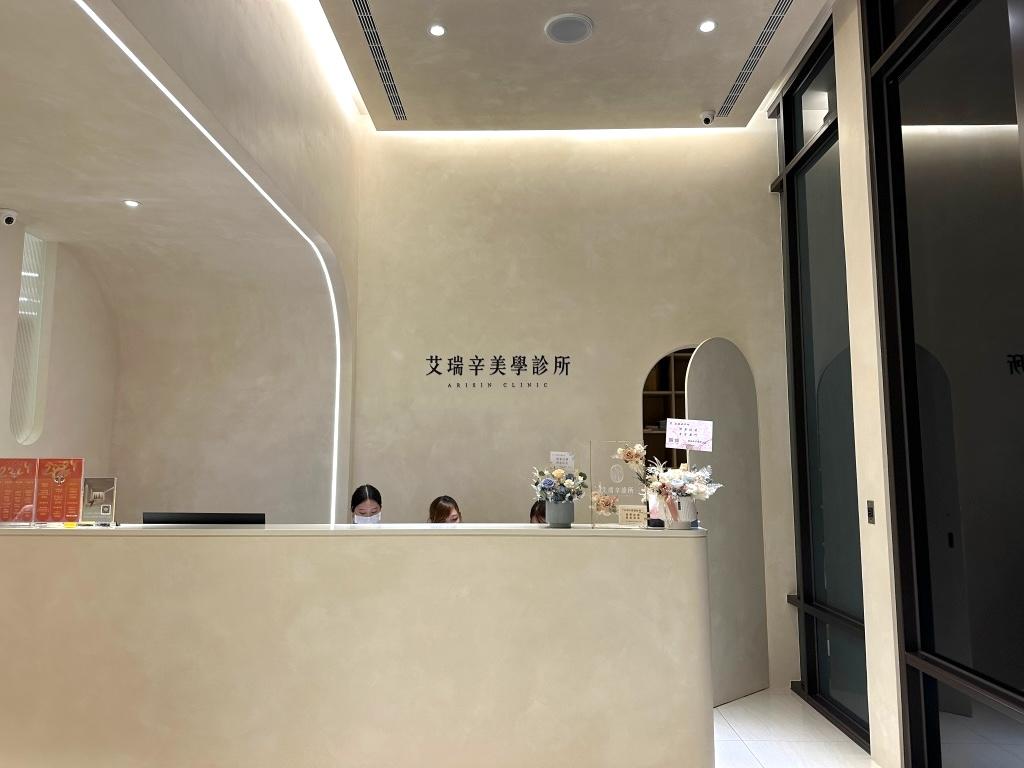
If you're looking for microneedling treatments in Central Taiwan, Taichung's Irisin Clinic offers extensive clinical experience in treating acne scars. They use only authorized, original equipment and individually packaged consumables. Before any procedure, they provide a customized assessment based on the depth and type of your acne scars, along with clear pricing information, ensuring every treatment plan is built on thorough communication. Whether you have rolling or boxcar scars, or are also concerned about enlarged pores or fine lines, you can discuss these during your consultation. The doctor will then assess the appropriate treatment depth and number of sessions to create a personalized plan that meets your needs.
Final Thoughts
The information above is for reference only. Actual treatment methods, frequency, and results will vary depending on individual skin condition, acne scar type, and professional medical assessment. We recommend visiting the clinic for a personal consultation, where a doctor can determine the most suitable treatment plan for you.
Beyond acne scars and indentations, many people are also concerned about their overall facial contours and proportions. If you often find yourself scrutinizing your face in the mirror, wondering if you have a "round face," and want to know how to improve a square or round face through daily habits, massage, or cosmetic procedures, you can refer to our guide, Don't Worry About a Big Face! 7 Slimming Methods + Home Tools Revealed, to find the best facial adjustment method for you.

Reader Comments
No comments yet — be the first to share your thoughts.