Cat Boarding ChecklistFirst-Time Pet Parents: What to Know Before Boarding Your Cat
Preparing for your cat's first boarding stay can be daunting, but this guide will help you avoid common pitfalls. This comprehensive guide for first-time cat owners covers everything from a pre-boarding checklist and essential criteria for choosing a venue, to key points for on-site visits, care reminders during the stay, and observation tips for after your cat returns home, ensuring peace of mind for both you and your feline friend.
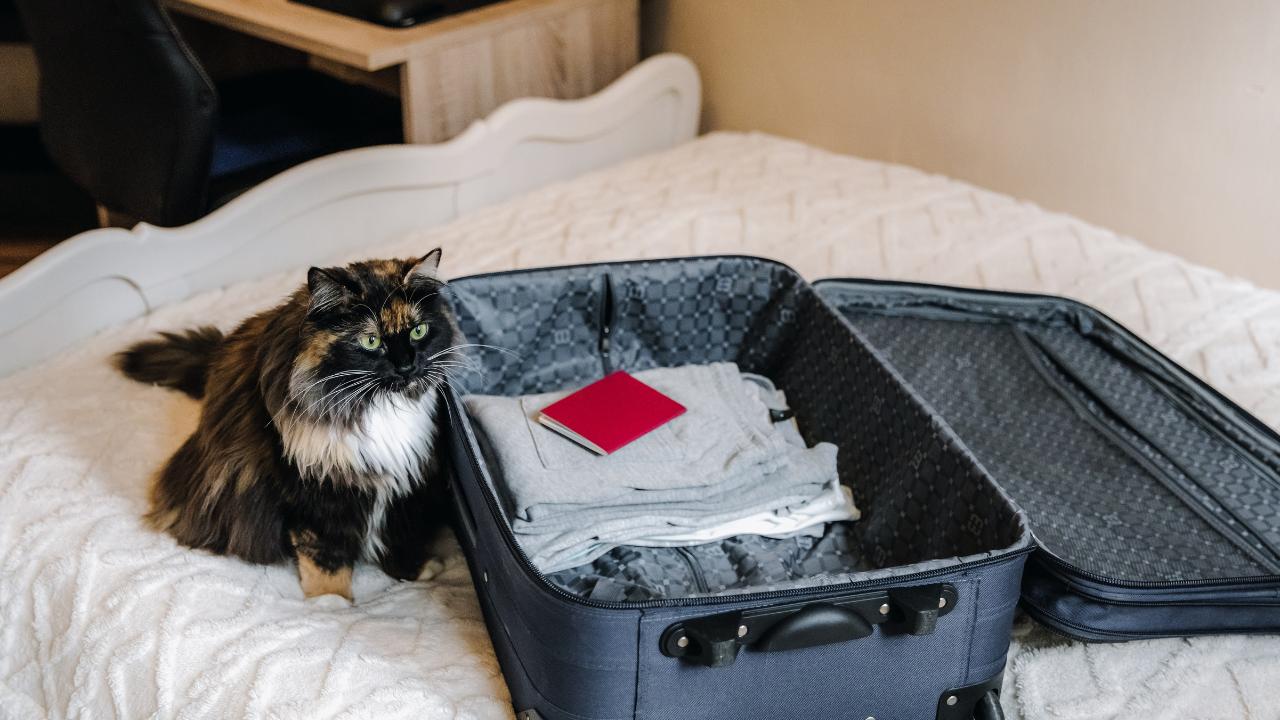
Your Pre-Stay Checklist
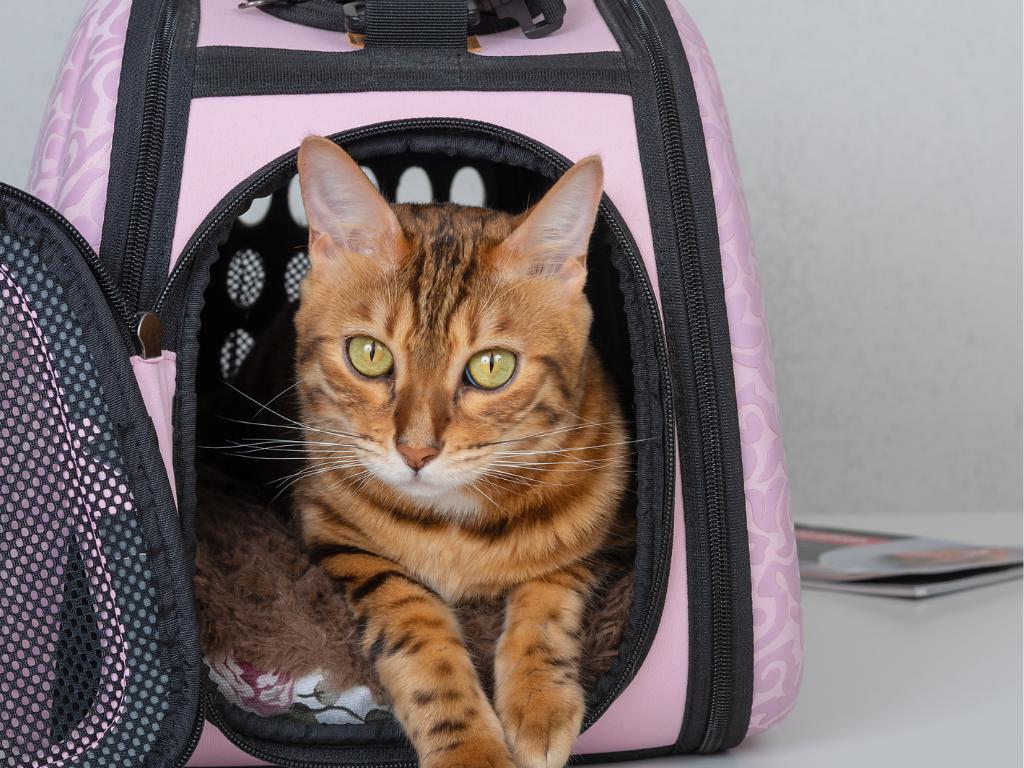
Many cat owners assume that finding a well-reviewed cat hotel and booking a date is all it takes to prepare for their cat's stay, but in reality, a cat's ability to adapt to a new environment largely depends on thorough preparation before departure!
For cats, the biggest challenge of boarding isn't just sleeping in a different place; it's the sudden loss of familiar scents, routines, and a sense of security. Therefore, in the weeks leading up to their stay at a cat hotel, owners should start organizing relevant documents, confirming health status, preparing daily necessities, and compiling their cat's daily habits to ensure a smooth handover to the care staff. This significantly reduces stress for your feline friend during the adjustment period. First-time boarders, in particular, need familiar food, items, and a consistent routine to build a sense of security in the new environment. So, instead of rushing around on check-in day, it's better to prepare early and confirm all the details that could affect the quality of their stay.
The following items are a preparation checklist that most cat hotels recommend owners complete in advance.
✦Health certificate and deworming records
Most licensed cat hotels require proof of vaccination and deworming records before check-in. This isn't just a venue rule; it's a crucial measure to protect the health of all feline guests.
Commonly required documents include records of a 3-in-1 or 5-in-1 vaccine and recent internal and external deworming certificates. Some venues require vaccinations to have been completed within the past year, and deworming within one to three months prior to check-in. Therefore, it's advisable to check at least two to four weeks in advance to ensure all relevant timelines are still valid.
Many pet owners only discover their cat's vaccinations have expired or deworming schedules don't meet requirements just days before check-in, leading to last-minute vet appointments or even forced cancellations. The first thing to do after booking a cat hotel is to confirm their health management policies!
It's important to note that regulations vary between cat hotels. Some may require a complete vaccination history, while others might additionally inquire about recent vet visits or chronic medical conditions. Always clarify these details when booking to avoid unnecessary trouble on check-in day.
✦How to Pack Your Luggage
When boarding your cat for the first time, many owners are unsure how to pack their cat's luggage, often asking, "What should I bring?" Instead of packing a lot of new toys or treats, prioritize items that will make your cat feel familiar and comfortable.
Essential items include your cat's regular food and wet food, their usual litter, and a blanket, sleeping mat, or old clothing that carries the scent of home. Especially for food, it's not recommended to suddenly change brands or flavors during their stay. Doing so can make an already anxious cat, stressed by a new environment, more likely to refuse food or experience digestive upset.
Recommended items include your cat's favorite toys, scratching pads, supplements, and any chronic medication. If your cat takes regular medication, you should clearly label the dosage and administration times in advance to assist the boarding staff.
The most easily overlooked, yet most important, item is actually "scent items"! Cats largely understand the world through scent. When they suddenly enter an unfamiliar environment, familiar smells can help reduce their wariness and anxiety. For example, what might just be an old shirt to a human could be the most direct source of security for a cat.
✦Clearly explain cat habits
Even the most professional cat hotel can't fully understand your cat on the first day, so instead of a quick verbal explanation, prepare a comprehensive check-in form in advance. This allows caregivers to quickly grasp your cat's personality and daily habits.
We recommend including details such as daily feeding times and portions, whether your cat needs extra water or encouragement to drink, preferred litter box type, usual sleeping habits, and any special illnesses, allergies, or medications.
Beyond diet, personality information is often even more crucial. For example, does your cat fear hairdryer sounds? Does it dislike strangers approaching? What makes it anxious? Where does it enjoy being petted, and what areas are off-limits? This information helps caregivers avoid upsetting your cat.
Some cats will actively seek affection from strangers, while others need a few days to observe before they're willing to interact. Providing this information upfront not only ensures smoother care but also reduces your cat's stress during the adjustment period. For a cat, being understood is a source of security in itself.
✦For anxious cats, take an extra step before heading out.
Not all cats are suitable for boarding, as it can be a significant source of stress for highly sensitive or anxious felines.
Cats that have never left home, those with a history of straying or shelter stays, cats that react strongly to strangers, or those that hide for hours when guests visit are all more prone to stress during boarding.
If your cat fits any of these descriptions, it's advisable to consult with your veterinarian 1 to 2 weeks before boarding. Your vet may recommend pheromone diffusers, pheromone sprays, or other short-term anxiety management methods based on your cat's individual needs. In some cases, they might even evaluate the suitability of short-term auxiliary medication to help reduce discomfort during the adjustment period.
However, it's important to note that pheromones are not effective for all cats, nor do they guarantee a stress-free experience. Every cat's personality and reactions differ, so the decision to use such products should always be made after a veterinary assessment.
Rather than discovering your cat has difficulty adjusting after check-in, it's better to prepare in advance, allowing them to approach their boarding stay in a more relaxed state!
While you're here, check these out ↓
- 01Catgrila Review|Independent Rooms and 24-Hour Companionship for Peace of Mind at This East District Cat Hotel→
- 02Kijimiao Review|Xinyi District's Cat-Exclusive Accommodation: Taiwan's First Green-Certified Cat Hotel→
- 03Taipei Cat Cafes: Our Top 4 Picks for a Purrfect Cafe Experience|Get surrounded by feline friends! We review four Taipei Cat Cafes.→
Before choosing a cat hotel, confirm these two baseline requirements.

Online reviews, beautiful decor, and cute photos don't necessarily mean a cat hotel is right for your feline friend! Before comparing prices, room types, or services, we recommend checking two fundamental conditions. If these aren't met, you can immediately cross the venue off your list, saving time on further comparisons.
These two factors aren't about comfort; they're about safety and health risks. If issues arise, they often can't be resolved by simply spending a little more money. So, instead of just looking at shared photos, taking a few minutes to confirm these two baseline conditions is often more valuable and efficient!
✦License Verification
When choosing a cat hotel, the first thing to do is not to look at the decor, but to confirm that it is legally operated.
In Taiwan, venues offering pet boarding services are legally required to obtain a "Special Pet Business Permit" issued by the competent authority and are subject to relevant management and inspections. This means that the premises, care regulations, fire safety, and hardware facilities must all meet basic standards.
Many hotels will display their permit number publicly on their official website, Facebook page, or in a prominent location within the venue. If you don't see it, you can directly ask the venue, or pet owners can check the relevant information themselves on the Ministry of Agriculture's Pet Registration and Management Information System.
Why is this a baseline requirement and not a bonus?
Because without a legal license, there is no way to confirm whether the venue meets basic safety regulations, and it is more difficult to obtain protection in the event of an escape, accidental injury, or care dispute.
✦Separate Areas for Dogs and Cats
Many pet owners assume that as long as cats and dogs don't have direct contact, everything is fine. In reality, simply hearing dogs bark continuously or smelling unfamiliar dogs can keep some cats in a prolonged state of alert.
Cats are naturally very sensitive to environmental changes. If they are exposed to a high-stress environment for a long time, it can not only reduce their appetite but also affect their immunity and overall health. Therefore, when choosing a boarding venue, it's crucial to confirm that cats and dogs are genuinely separated.
True cat-dog separation means more than just putting cats on the second floor and dogs on the first. It requires ensuring that the air conditioning system, activity spaces, and care routes are properly segregated. Some venues claim to have separate areas for cats and dogs, but in practice, dog barking or scents are still noticeable, which can still be a source of stress for some cats.
If you're considering a mixed-animal venue, we recommend visiting in person to observe whether the isolation is truly effective. Genuinely effective isolation should minimize the impact of smells and sounds, not just provide visual separation.
Jijumiao Japanese Cat Inn
5F, No. 401, Section 4, Xinyi Road, Xinyi District, Taipei City
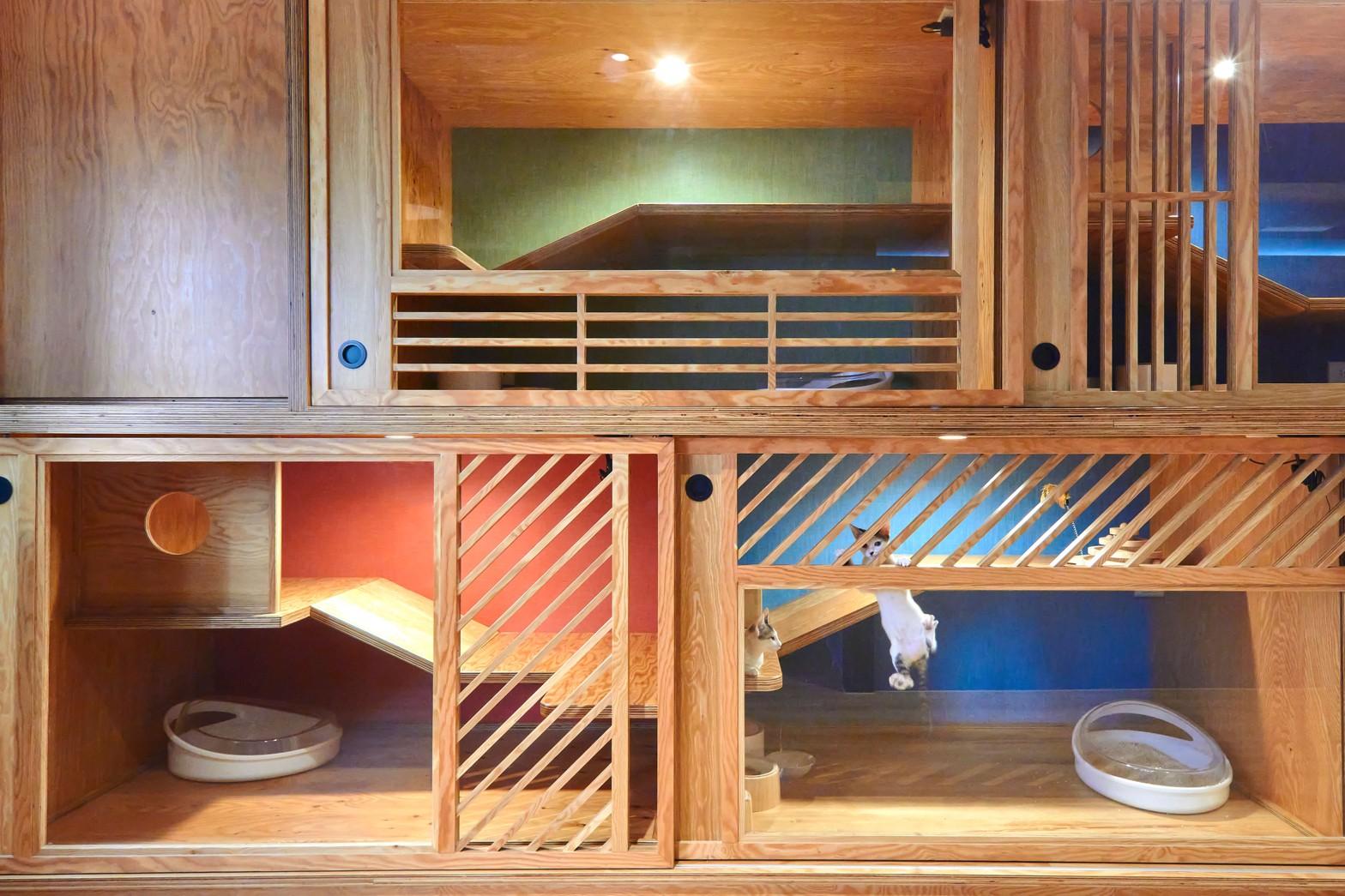
HermiCat is a Japanese-style cat hotel located near the Taipei International Convention Center, abou…
We evaluate venues based on these four criteria during our on-site visits
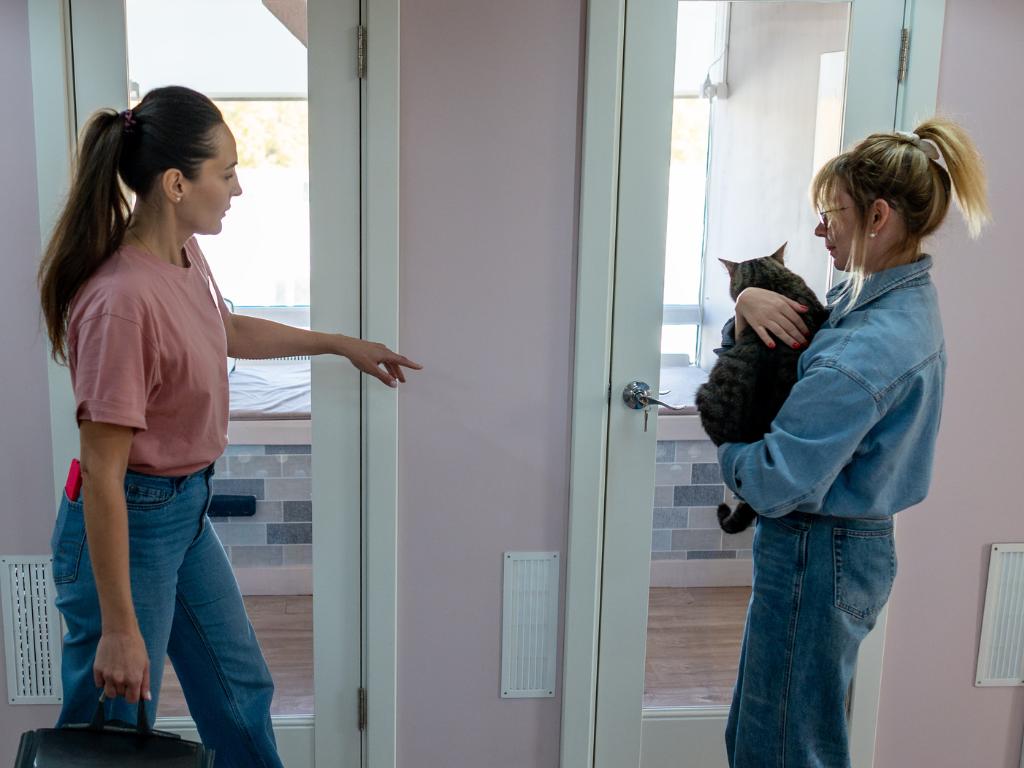
Once you've confirmed a cat hotel has all the proper licenses and separate cat-dog facilities, the real differences between venues begin to emerge.
The quality of a cat's stay often isn't just about room size or decor; it's hidden in countless care details. Some hotels look luxurious in photos but reveal many issues upon an actual visit, while others appear modest but excel in their care procedures and environmental design.
Therefore, don't rely solely on official websites or social media photos, and certainly don't decide based only on online reviews. Instead, visit in person: observe the environment, ask about the details, and gauge how staff interact with the cats. This is often the only way to truly see if a hotel is right for your feline friend.
Here are four key aspects to pay attention to during your on-site visit.
✦Space Design and Environmental Quality
When you first step into a cat hotel, here are four key areas to observe.
1. Vertical Space
Cats naturally love to perch high up and survey their surroundings. Rooms with cat trees, cat walks, or shelves help cats feel more secure and encourage activity.
2. Hiding Spots
For new feline guests, having a place to hide is more important than being forced to stay in an open space! Each room should ideally have a cat bed, cardboard box, or a secluded area where cats can retreat from external stimuli when they feel anxious.
3. Ventilation and Temperature
If you notice a strong smell of disinfectant, cat urine, or a stuffy odor upon entering, it could indicate issues with cleanliness or ventilation. As for indoor temperature, a comfortable range is generally between 22 and 26°C.
4. Escape Prevention Design
Many cat escapes happen the moment a door is opened, so it’s wise to check if the hotel has a double-door (airlock) system! This means you must close the first door before opening the second to enter the boarding area. This seemingly minor detail can significantly reduce the risk of a cat escaping.
✦How to inquire about care service details
Many aspects of care quality aren't visible at a glance; you need to ask questions to understand them.
First, you can ask staff if they've received relevant training and if they understand basic cat body language. For example, what do signals like a puffed-up tail, flattened ears, or continuous growling mean? This knowledge might seem basic, but it directly impacts the quality of care.
Next, it's especially important to inquire about playtime arrangements. Some venues provide communal play areas, but be aware that cats from different households sharing a space can lead to two problems: the risk of infectious diseases and territorial conflicts. Even if there's no direct fighting, the stress caused by unfamiliar cats confronting each other can affect their appetite and mood. The ideal approach is usually one-on-one, rotating playtime.
Finally, consider the ability to provide customized care. It's advisable to confirm if they can arrange feeding times according to your cat's usual habits, accept your own food and wet treats, assist with medication, and handle special dietary needs. For cats with chronic illnesses or specific care requirements, these details are more important than the size of the room.
✦Communication and Reporting
For many cat owners, the most important thing after dropping off their feline friend is knowing, "Is my cat doing well today?"
Therefore, a robust reporting system is a crucial indicator when evaluating a cat hotel. An ideal cat hotel will proactively provide regular updates, rather than waiting for the owner to inquire. Beyond photos or videos, the most important aspects of the report are the cat's eating habits, litter box use, and observations of their mood and behavior for the day.
When you visit, you can directly ask: How many times a day will I receive updates? What method do you use for reporting? How will you notify me if an unusual situation arises? Do you have a partnership with a veterinary hospital or an emergency transport procedure?
Owners shouldn't immediately worry if their cat eats a little less on the first or second day after receiving an update. For most cats, a decreased appetite, hiding, or reluctance to interact are normal parts of the adjustment process when first checking in.
Typically, by around the third day, most cats will start to become familiar with their surroundings. If a cat still isn't eating at all after three days, then it's time to discuss further steps with the hotel.
When visiting, pay special attention to whether the hotel provides regular photo, video, and text updates, as well as a notification system for unusual situations. Some professional cat hotels even adjust their interaction methods according to each cat's personality and maintain comprehensive care records, allowing owners to stay informed about their cat's well-being even when they're not around!
✦Here's what to keep in mind for your visit.
No matter how beautiful a venue's official website photos are, they can never replace an actual visit.
Photos can be taken from flattering angles, and reviews can be subjective. But the on-site smells, sounds, cleanliness, and how staff interact with cats are difficult to disguise during an actual visit.
When you visit, pay close attention to whether staff approach cats gently and avoid startling them. Also, observe if the boarding cats relax and approach staff, curiously observe them, or visibly shrink into a corner, afraid to move.
Additionally, check if litter boxes are cleaned regularly, if the water is fresh, and if the environment is tidy.
If possible, ask directly, "May I see the rooms where cats are currently boarding?" Venues willing to show you the actual boarding areas usually have more confidence in their environmental management. If they consistently decline your request with various excuses, it's wise to take more time to observe and decide.
Here's what pet owners can do during their pet's stay.
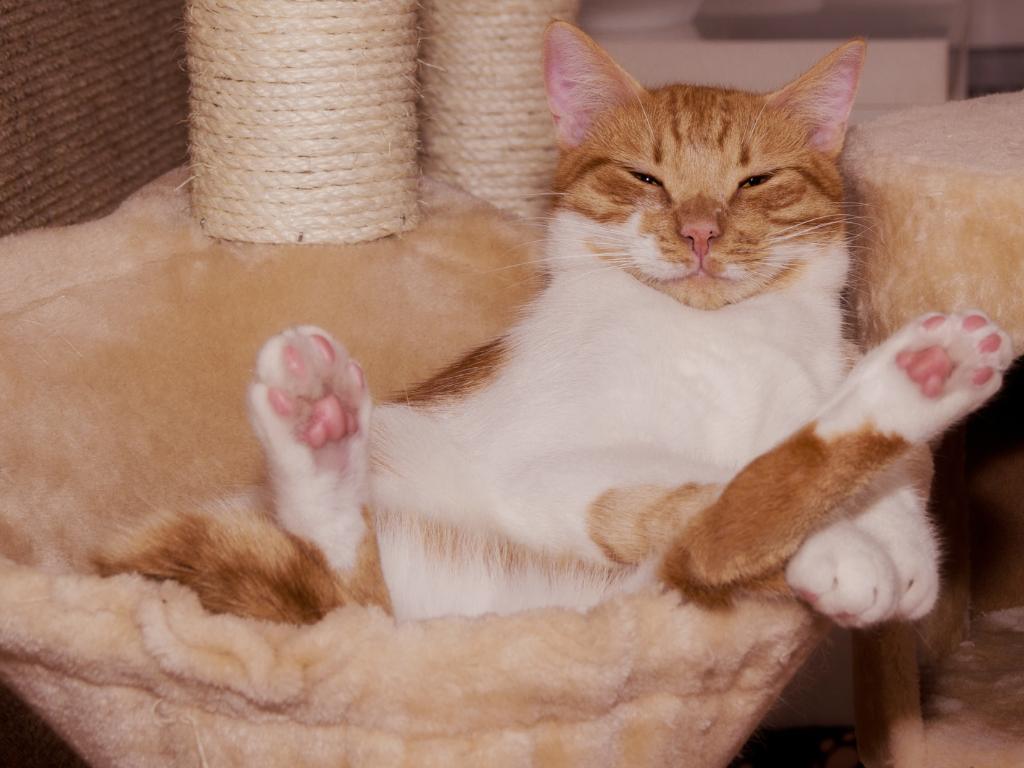
After dropping off their cats at a boarding venue, many owners find their biggest challenge isn't worrying about their cat, but rather resisting the urge to constantly check their phone for updates. This feeling is understandable, but sending too many messages can sometimes increase the caregivers' workload and affect their efficiency. A better approach is to set a fixed time each day to check the venue's reports—for example, reviewing photos and updates before bed, rather than asking every few hours.
Of course, if any of the following situations occur, it's advisable to proactively contact the venue for further confirmation:
• The cat hasn't eaten or drunk anything for over 24 hours.
• There's abnormal discharge from the eyes or nose.
• The cat is continuously trembling, panting, or completely inactive and huddled in a corner.
• There are clear symptoms of vomiting or diarrhea.
Other than these, most cats showing reduced appetite, hiding, or less interaction during the first one to two days are simply undergoing normal adaptation and do not indicate a problem with the venue's care. Give your cat some time to adjust, and give yourself some time to relax—things usually go much more smoothly than expected!
Observations and Care After Bringing Your Cat Home
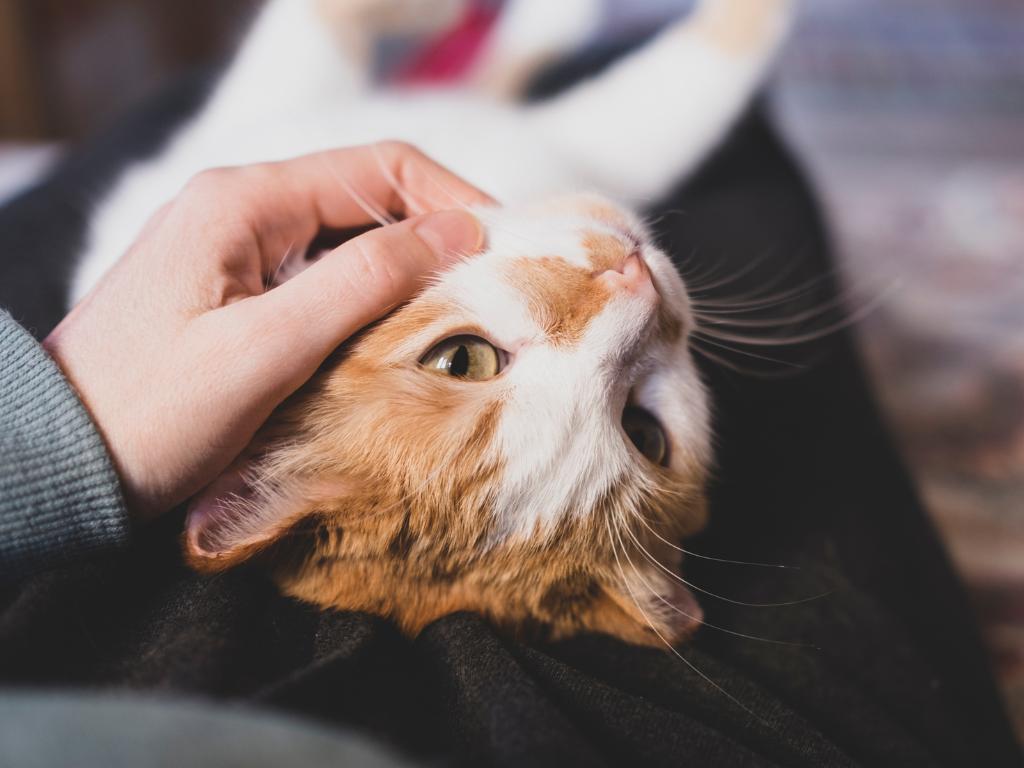
After their stay, the adjustment period isn't quite over! For cats, returning home from a boarding venue is also a change of environment, so it's important to continue observing their physical and emotional state for a few days to ensure they smoothly return to their normal routine.
Some cats bounce back immediately, while others need a few days to regain their sense of familiarity. Understanding which reactions are part of a normal adjustment process and which situations might require further attention can help you avoid unnecessary worry.
✦Common Reactions After Returning Home
Many cat owners find their feline friends act like completely different animals after returning home from boarding. Some cats immediately hide away to catch up on sleep, while others become extra clingy. Some might even temporarily ignore their owners or seem a bit "angry."
Most of these reactions are normal. Hiding, excessive grooming, or becoming more aloof or more affectionate are all signs of a cat readjusting to its home environment after boarding, and these behaviors usually resolve within two to three days.
However, if you observe any of the following, it's advisable to seek veterinary attention promptly:
• Not eating for more than 48 hours
• Persistent discharge from the eyes or nose
• Respiratory symptoms such as sneezing or coughing
• Oral ulcers, abnormal skin redness/swelling, or hair loss
Early detection of any issues is key to preventing minor concerns from escalating into serious health problems.
✦Helping your cat readjust to a new environment requires patience and a structured approach.
When your cat returns home, what it usually needs most isn't an enthusiastic welcome, but rather a chance to regain its sense of familiarity. It's best not to immediately pick it up, chase it for interaction, or constantly check if it misses you. Allowing your cat to decide when to approach will often help it feel secure more quickly.
You can also place any blankets, sleeping pads, or toys brought during its stay back in their original spots. Familiar scents help your cat quickly re-establish environmental recognition.
Additionally, try to maintain its original feeding times, playtime, and daily routine. Don't suddenly increase treats or change its habits just because you feel it had a tough time.
For cats, routine itself provides a sense of security; the sooner they return to a familiar rhythm, the sooner they typically return to their normal state!
First-time mystery shoppers should follow these tips.
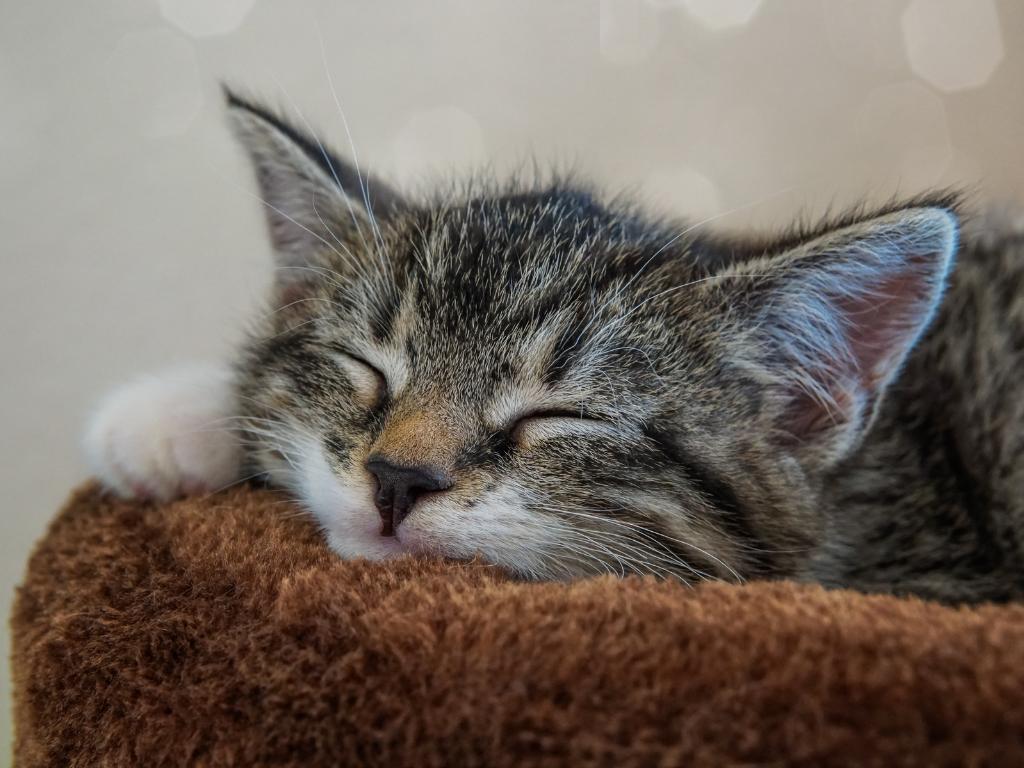
If this is your first time arranging cat boarding, you don't necessarily need to jump straight into five, seven, or even longer stays. The recommended approach is to first arrange a trial weekend stay, about two nights should suffice. This short stay allows you to observe how your cat adapts to the cattery and their physical and emotional reactions upon returning home.
If your cat's appetite is normal, their spirits are stable, and they return to their usual routine within a few days, it indicates that the cattery and care approach are generally suitable for them, giving you more peace of mind for future longer stays! However, if after the trial stay your cat hides continuously for more than three days, refuses to eat, seems lethargic, or repeatedly experiences health issues, you might consider opting for in-home pet-sitting services instead.
Ultimately, every cat has a different personality. Some cats thrive in boarding environments, while others are better suited to receiving care in their familiar surroundings. Finding the method that best suits your own cat is more important than simply following others' experiences!
Final Thoughts
It's natural to feel anxious the first time your cat stays at a boarding venue, but with early preparation, most issues can be avoided. Remember these three principles: early preparation brings more peace of mind than last-minute scrambling; choosing a venue carefully is more important than simply comparing prices; and giving your cat time to adjust after returning home is more important than rushing to cuddle them.
If you're planning an overseas trip, returning home, or a long business trip, and you're looking for a Taipei cat hotel that offers daily updates, separate dog and cat environments, and customized care services, consider arranging an in-person visit in advance. This allows you to personally assess the environment and care procedures. Venues like [A1]寄居喵[/A1], which specialize in cat boarding, provide regular updates, independent accommodation spaces, and comprehensive care records to help owners feel more at ease when arranging their cat's stay.
Save this article and review it two weeks before your next trip. We believe both you and your cat will approach the first boarding experience with greater ease!
Don't miss these either


Reader Comments
No comments yet — be the first to share your thoughts.