PADI Dive Instructor Certification: Your Complete Guide to Qualifications, Courses, Exams, and Costs
If you're looking to become a PADI diving instructor, this guide covers everything you need to know about the certification process, including eligibility requirements, IDC courses, IE exam content, and costs.
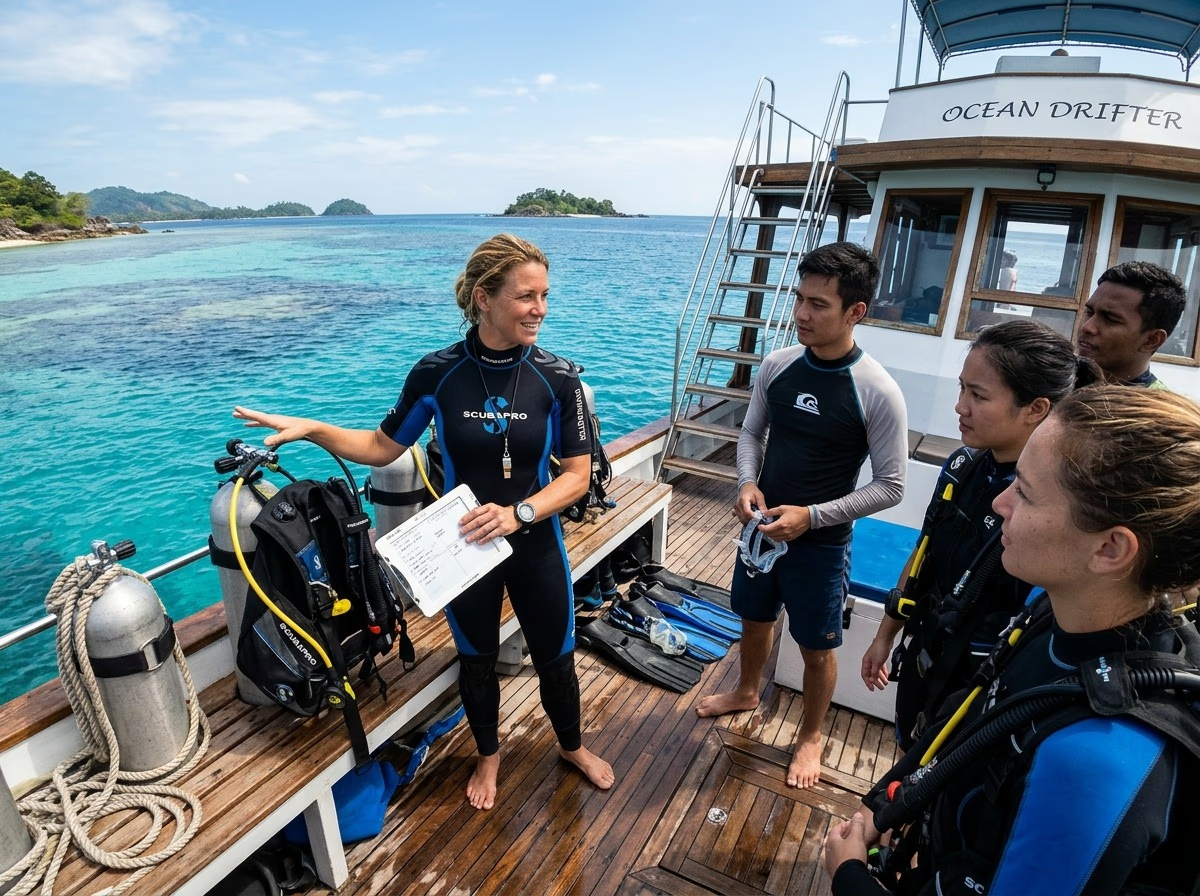
PADI Dive Instructor Certification: Your Complete Guide to Qualifications, Courses, Exams, and Costs
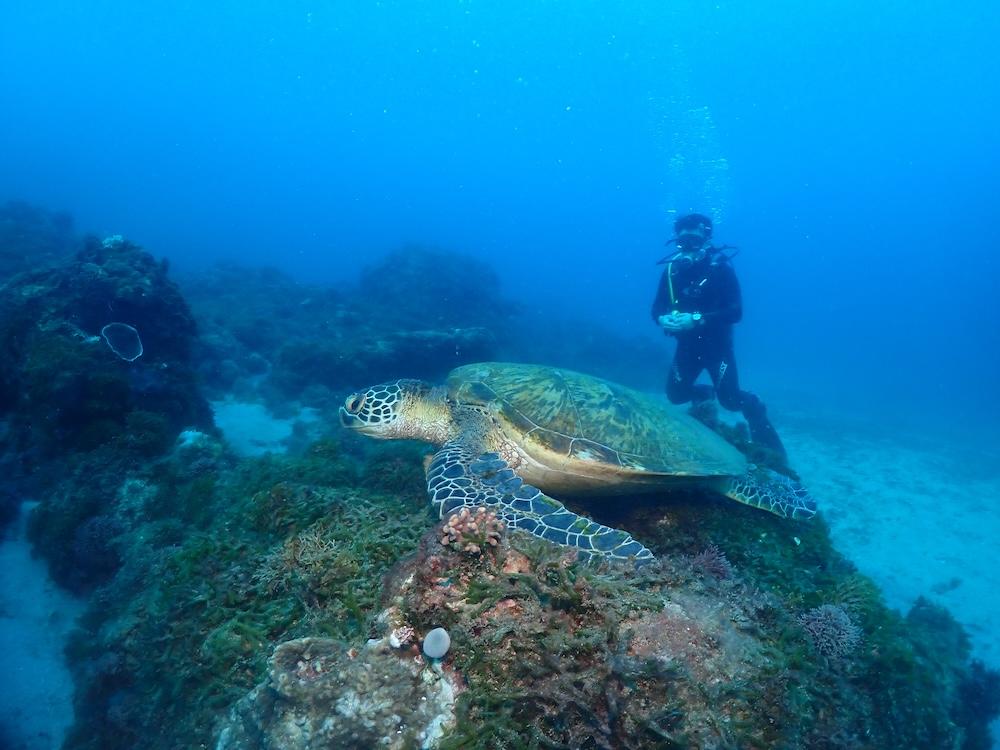
To become a PADI Scuba Instructor, you must first earn your PADI Divemaster certification, then complete at least 60 logged dives before enrolling in the Instructor Development Course (IDC). After completing the IDC and reaching 100 logged dives, you can take the Instructor Examination (IE), assessed by a PADI-appointed examiner. Passing the IE grants you Open Water Scuba Instructor (OWSI) qualification.
For those aspiring to become a scuba instructor, this path involves not just mastering diving techniques but also learning how to teach others effectively. As a result, the time commitment, prerequisites, and budget required are often more extensive than anticipated. Twosevenths has compiled a comprehensive guide to the certification process, primarily based on official PADI guidelines. Please note that actual regulations and associated fees are subject to the latest announcements at the time of enrollment.
| Item | Key Summary |
| Minimum Age | 18 years old |
| Minimum Dives for IDC | 60 logged dives (must include night, deep, and underwater navigation dives) |
| Dives for IE | 100 logged dives |
| Required Qualifications | PADI Divemaster (or equivalent from another organization with completed Divemaster rescue assessment), Open Water certification for at least 6 months, EFR first aid training within 24 months, medical statement signed by a physician within 12 months |
| Training Duration | IDC typically 10–14 days, IE usually 2-3 days, plus time to accumulate required dives |
| Cost Breakdown | Dive venue training fees, educational materials, PADI application and examination fees, EFRI-related costs, personal transportation, accommodation, and equipment expenses |
PADI Dive Instructors are certified professionals who teach scuba diving courses and certify new divers. They differ from Divemasters in that Instructors can independently conduct and certify a wide range of PADI courses, whereas Divemasters assist Instructors and lead certified divers on guided tours.
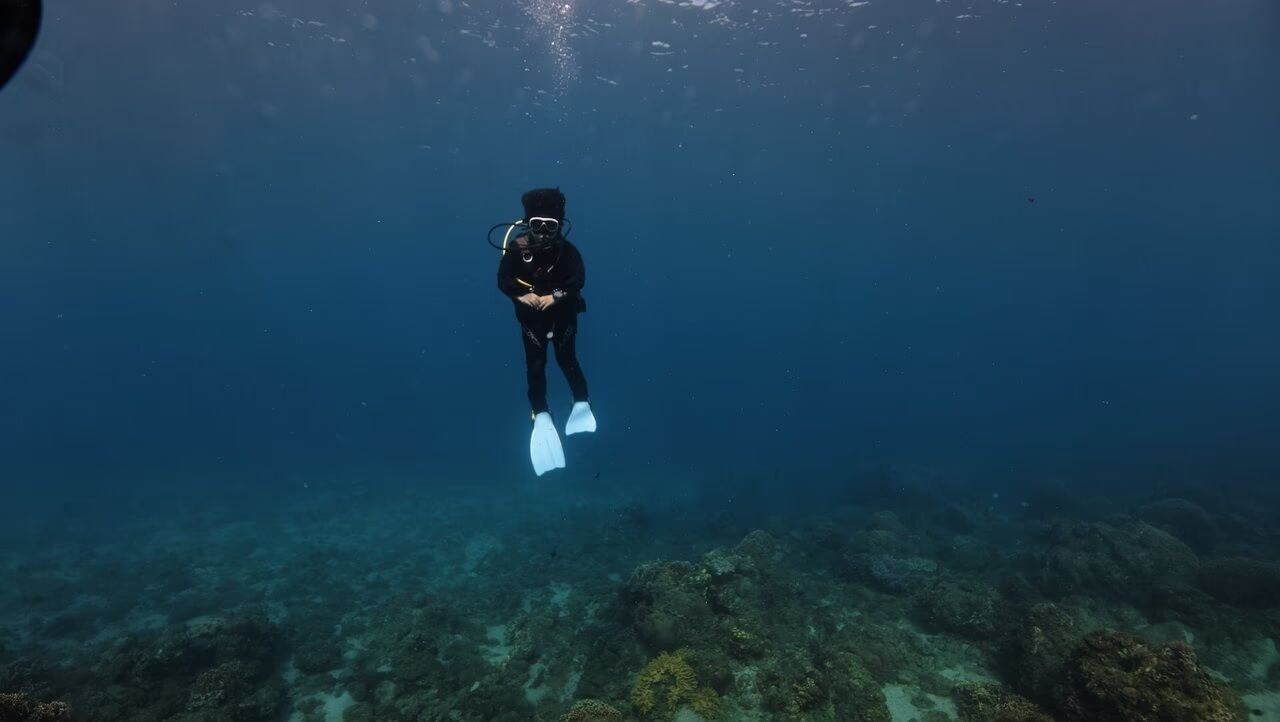
To put it simply, a divemaster guides certified divers, while an instructor teaches beginners and is qualified to issue certifications. Their responsibilities and training are vastly different.
✦PADI Dive Instructor: Job and Teaching Responsibilities
The PADI Instructor Examination (IE) typically refers to obtaining the Open Water Scuba Instructor (OWSI) qualification, which allows you to teach Open Water Diver, Advanced Open Water Diver, Rescue Diver, and Divemaster courses, as well as specialty courses like Peak Performance Buoyancy, AWARE, and Coral Reef Conservation.
The daily work of an instructor goes beyond simply leading people underwater. From classroom presentations and confined water skill instruction to open water supervision and assessment, instructors must also manage risks, confirm equipment, constantly observe student conditions, and provide appropriate guidance and feedback. Work environments include dive centers, resorts, and liveaboards. Some instructors also work part-time on weekends or introduce friends and family to diving. In contrast, a Divemaster primarily leads certified divers, assists instructors, and manages dive activities. While both roles require team care, the focus of a Divemaster's work differs from planning and executing comprehensive instructional courses.
However, an OWSI certification doesn't cover everything. Most specialty courses require additional specialty instructor qualifications, technical diving has a separate certification system, and first aid courses require EFR Instructor certification (which can be obtained during the instructor development course).
Additionally, dive instruction is influenced by weather, peak/off-peak seasons, and physical stamina. It's advisable to speak with active instructors to understand their experiences before assessing if this lifestyle aligns with your aspirations.
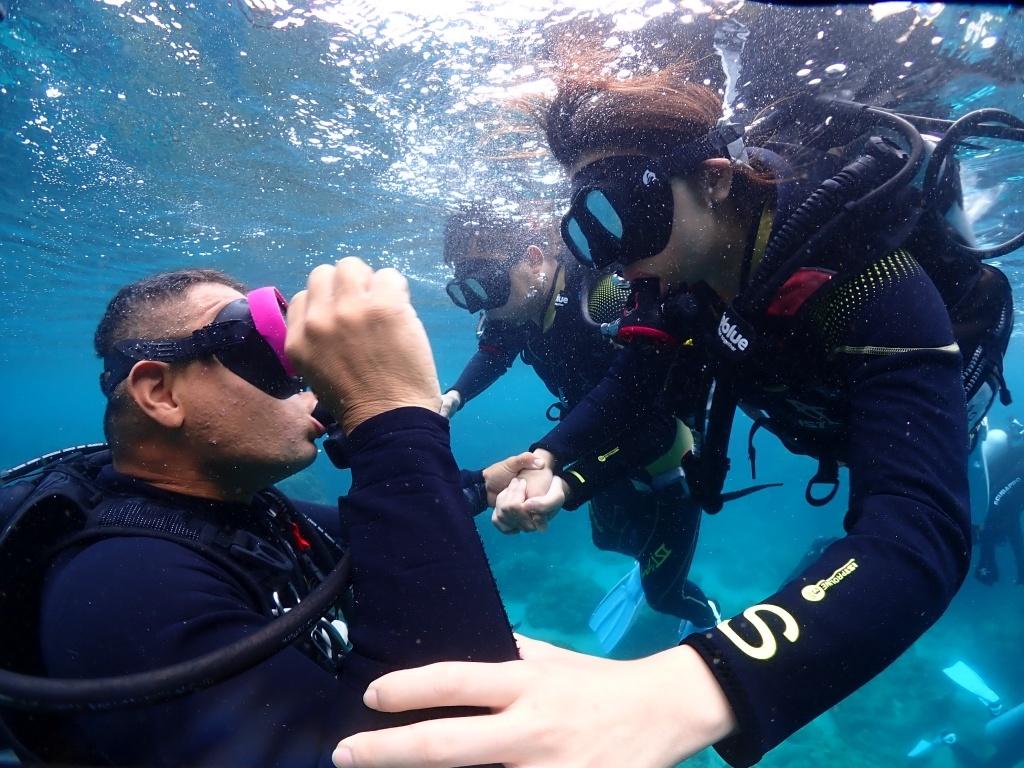
✦DM, AI, OWSI Certification Differences Comparison Chart
The key differences between a Divemaster (DM), Assistant Instructor (AI), and Open Water Scuba Instructor (OWSI) lie in the teaching responsibilities they can undertake and the level of supervision they require.
Many people mistakenly believe that becoming a Divemaster allows them to teach courses independently. In reality, a Divemaster's role is to "assist with teaching." The only certification that truly allows someone to independently teach courses and issue certifications is the Open Water Scuba Instructor, obtained by passing the instructor exam. The Assistant Instructor is a transitional stage, comprising the first half of the instructor course: AIs can participate in teaching under instructor supervision and can independently teach some conservation-focused specialty courses.
| Qualification | How to Obtain | What You Can Do | What You Cannot Do | Next Step |
| Divemaster (DM) | Complete Divemaster course, 18+ years old, hold Rescue Diver, EFR within 24 months, 40 dives to start training, 60 dives for certification | Lead certified divers on guided dives, plan and supervise dive activities, assist instructors in class, conduct ReActivate and Discover Local Diving programs | Cannot independently teach courses or issue Open Water and other certifications | Assistant Instructor (AI), Instructor Course |
| Assistant Instructor (AI) | First half of IDC, must hold Divemaster, 60 logged dives | Demonstrate initial skills in confined water under direct instructor supervision; conduct surface skill assessments for open water courses under indirect instructor supervision; independently teach AWARE and Coral Reef Conservation specialties | Cannot independently lead courses or issue Open Water, Advanced Open Water, or other certifications | Open Water Scuba Instructor (OWSI) |
| Open Water Scuba Instructor (OWSI) | Complete IDC and pass IE; requires 100 logged dives, EFR Instructor qualification | Independently teach and issue certifications for Open Water, Advanced, Rescue, Divemaster, and other courses | Most specialty courses require additional specialty instructor qualifications; technical diving requires separate qualifications | Specialty Instructor, Master Scuba Diver Trainer (MSDT), IDC Staff Instructor, then Course Director |
To become a PADI diving instructor, you must meet specific requirements.
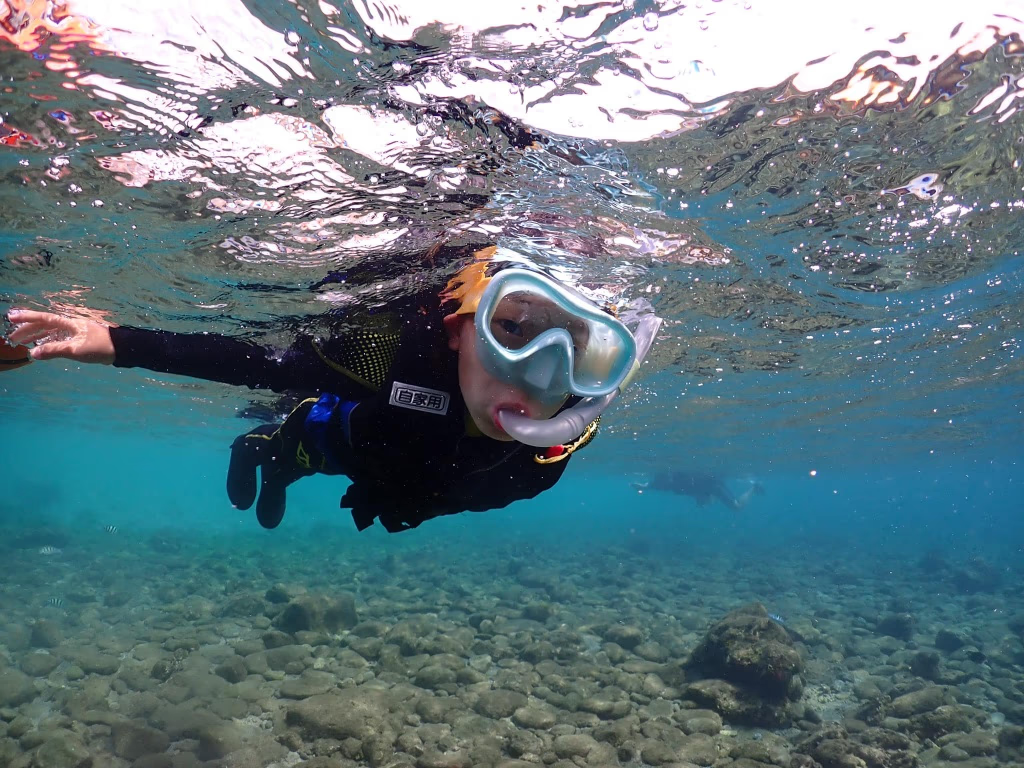
Many aspiring coaches get stuck not because they lack teaching skills, but because they miss one or two prerequisites before applying. These conditions may seem basic, but failing to meet even one means delaying your application, which in turn affects accommodation and leave arrangements. Therefore, before committing to a coaching course, it's advisable to review all six prerequisites one by one and confirm the validity of each certificate to avoid discovering a missing document halfway through the application process.
✦IDC Registration Eligibility and Document Checklist
Before enrolling in the IDC, gather your certifications, dive log, first aid certificate, and medical documents for the Course Director to review and arrange a suitable class schedule.
| Condition | Requirement | Documents to Prepare |
| Age | 18 years or older | ID card |
| Certification | Hold PADI Divemaster certification (if Divemaster from another system, complete the PADI Divemaster course's diver rescue assessment) | Certification card or e-certification |
| Dive Experience | Certified diver (starting from Open Water) for at least 6 months | Open Water certification date |
| Dive Log | At least 60 dives, including night, deep, and underwater navigation dives | Signed dive log |
| First Aid Training | Completed EFR Primary and Secondary Care (or equivalent training) within 24 months | EFR certificate |
| Medical Statement | Diver medical statement signed by a physician within 12 months | PADI Medical Statement Form |
A special reminder: your dive log must be signed by an instructor or dive venue, and clearly show records of night, deep, and underwater navigation dives. Incomplete signatures can significantly delay the process.
✦You must complete the following dive logs and training before registering.
The prerequisite for IDC enrollment is 60 logged dives, while the IE requires 100. The 40-dive difference will be partially covered by practical training during the instructor course, but most of the remaining dives must be completed independently before or after the course, so remember to factor this into your schedule.
Your dive log must include proof of night dives, deep dives, and underwater navigation. If you're missing any of these, you can make them up through dive trips, boat dives, or by taking the corresponding specialty courses. Additionally, your EFR certification is valid for 24 months and your medical statement for 12 months; these two are most likely to expire before you apply, so it's advisable to check their validity before deciding which course session to book.
If you've been a Divemaster for more than a year or two, PADI also recommends informing your Course Director. Some centers offer IDC preparation courses or can advise you on how to review beforehand.
The Path from Zero to PADI Dive Instructor
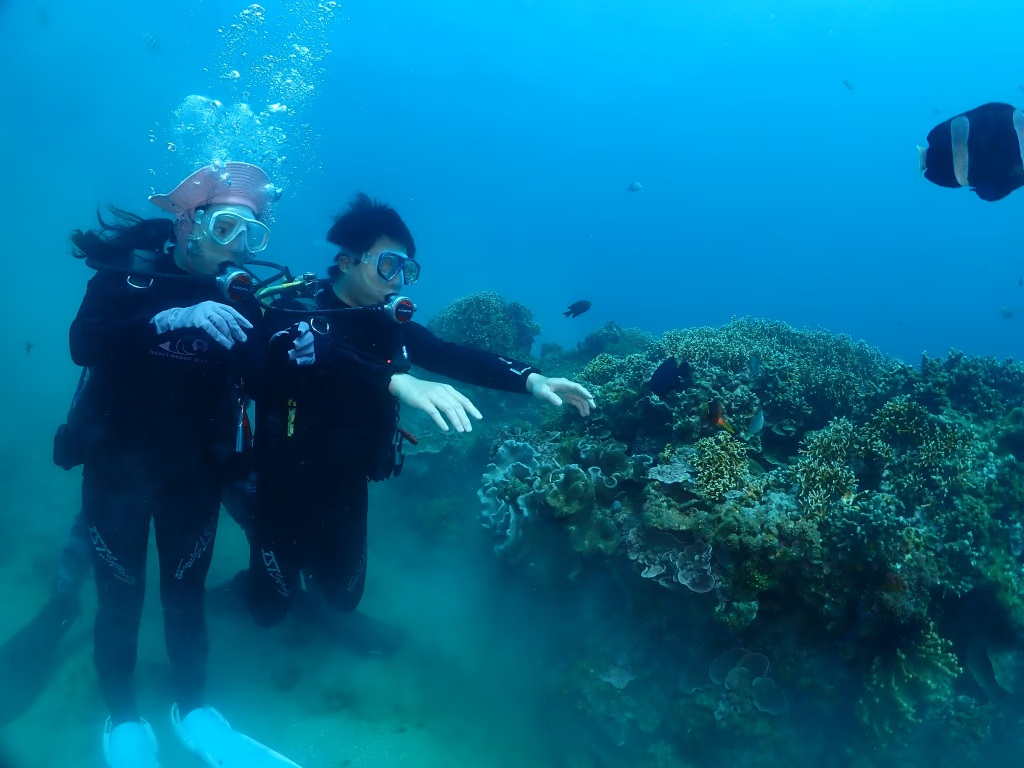
Becoming an instructor is one step on the PADI professional ladder, with several more to go. If you don't even have your Open Water Diver certification yet, don't worry—just review the requirements for each level, and you can plan your schedule accordingly.
✦OW → AOW → Rescue → DM → IDC → IE: The Complete Journey
While there are many stages, the purpose of each is clear: Open Water allows you to dive independently, Advanced Open Water expands your depth and skills, Rescue Diver trains you to be responsible for the safety of others, Divemaster is the first professional level, and the Instructor Development Course (IDC) shifts focus to "how to teach."
The table below lists the prerequisites and key objectives for each stage. You can use it to see where you currently stand, or if you're unsure where to begin, simply ask the dive center to assess your certifications and dive log to help determine the best starting point.
| Stage | Prerequisites | Content |
| Open Water (OW) | Minimum 10 years old, basic swimming ability | Qualify for independent diving, up to 18 meters, approx. 3-4 days |
| Advanced Open Water (AOW) | Hold OW certification | Complete five adventure dives (deep dive, underwater navigation mandatory), up to 30 meters, approx. 2-3 days |
| Rescue Diver | Hold AOW (or equivalent), EFR within 24 months | Learn to prevent and manage dive emergencies, take responsibility for others' safety |
| Divemaster (DM) | Minimum 18 years old, hold Rescue, EFR within 24 months, 40 logged dives to start (60 for certification) | Learn to lead and supervise dive activities, master basic skills to demonstration level |
| Instructor Development Course (IDC) | Hold Divemaster, 60 logged dives, OW certified for 6 months | Learn "how to teach," composed of AI and OWSI components |
| Instructor Examination (IE) | Complete IDC, 100 logged dives | Assessed by an independent PADI examiner; gain instructor qualification upon passing |
✦To go from OW, Rescue, or DM, you'll need to complete these additional steps.
When planning your next steps, you can assess your progress based on your current certifications, logged dives, and document dates.
If you have an Open Water Diver (OW) certification, you can start by arranging Advanced Open Water (AOW) and Rescue Diver training to gain experience. If you already have Rescue Diver certification, you'll need to confirm if you also hold AOW certification, and then review the required number of logged dives and document validity for Divemaster (DM) training. If you are already a DM, your focus shifts to preparing for the Instructor Development Course (IDC) and Instructor Examination (IE), while also reviewing fundamental theory and underwater skills. When consulting with Xin Hai, it's best to bring your organized information and available training dates; this will make it easier to receive a customized plan than simply asking "how quickly can I get certified?"
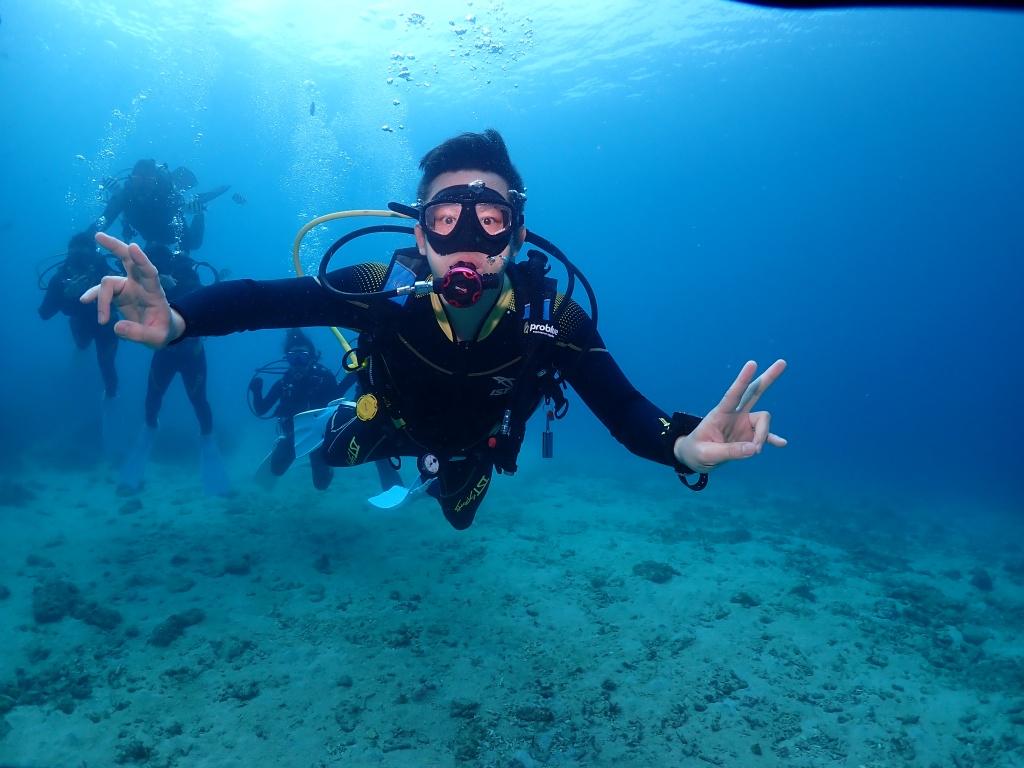
✦How long does it take to get certified from scratch? What factors affect the certification timeline?
Becoming a dive instructor typically takes several months or more, and you can't simply add up the course days. IDC regulations require a minimum of six months of diving experience (calculated from your initial certification date) and a cumulative total of 100 logged dives. Even with intensive full-time training, you must meet these time thresholds. Additionally, the rate at which you accumulate dives can be affected by weather, sea conditions, and personal vacation schedules. When planning, we recommend first identifying weekends or long holidays when you can consistently attend classes, and then building in flexibility to adjust for changes in climate.
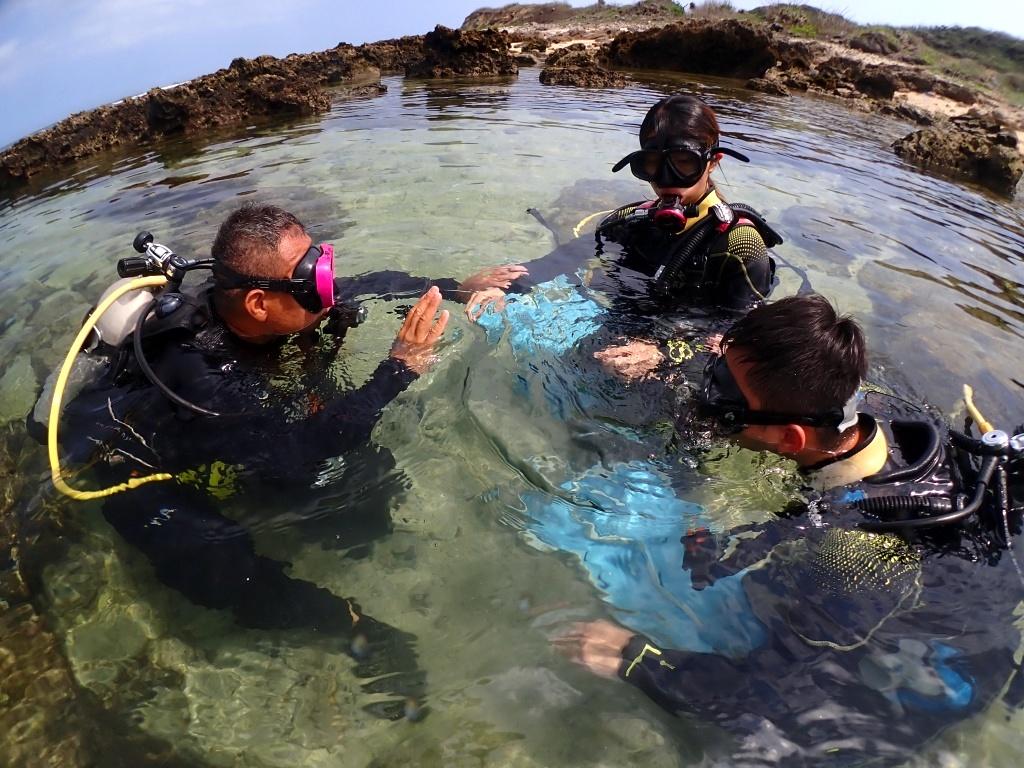
PADI Instructor Development Course (IDC) and Instructor Examination (IE)
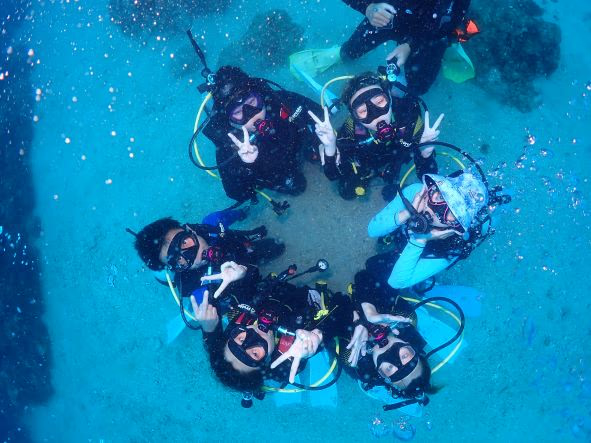
This guide will explain the IDC's structure and key components, outline the course duration, and detail the IE exam content and scoring. After reading it, you'll have a clear overview to assess your readiness, without needing to memorize every detail upfront.
✦IDC's two components: AI + OWSI
The PADI Instructor Development Course (IDC) consists of two parts: Assistant Instructor (AI) and Open Water Scuba Instructor (OWSI).
These two parts can be completed separately or together. Most aspiring instructors choose to complete both at once, allowing for continuous practice of teaching skills and easier planning of course fees and accommodation.
Alternatively, you can complete only the AI portion first to gain experience as an Assistant Instructor, or to accommodate work schedules and budget constraints. Regardless of your choice, you must pass the Instructor Examination (IE) to earn your instructor certification. Before enrolling, it's a good idea to discuss your situation with the Course Director to determine the best arrangement for you.
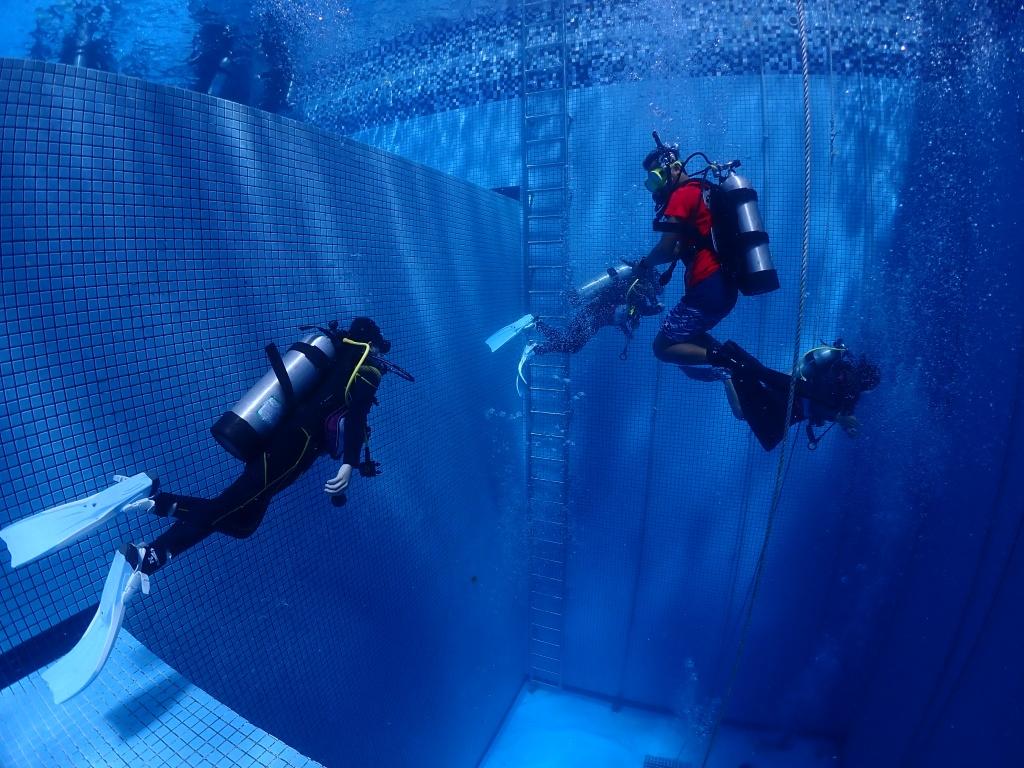
✦Course Focus: The instructor course teaches "how to teach."
PADI's IDC (Instructor Development Course) is clearly positioned: the focus is on learning how to teach, not on improving your personal diving skills. Before starting the IDC, you should already possess solid diving abilities and expert knowledge of diving equipment, physics, and physiology, as these will be treated as "content you will teach others" during the course.
What you will actually learn includes: how to deliver classroom presentations, how to lead students in confined and open water, PADI's 4E teaching philosophy, risk management, and how instructors can market and promote their own courses.
The course director at Sincere Ocean aptly described it: the instructor course isn't about training you; it's about training your future students. So, the first day isn't spent sitting in a classroom listening to lectures, but rather diving directly into scenarios. For example, someone might pretend to be afraid of water or panic when their mask floods, and you have to figure out on the spot how to get them to put their face back in the water. Transforming "I can do it" into "I can teach others to do it" is precisely what this course accomplishes.
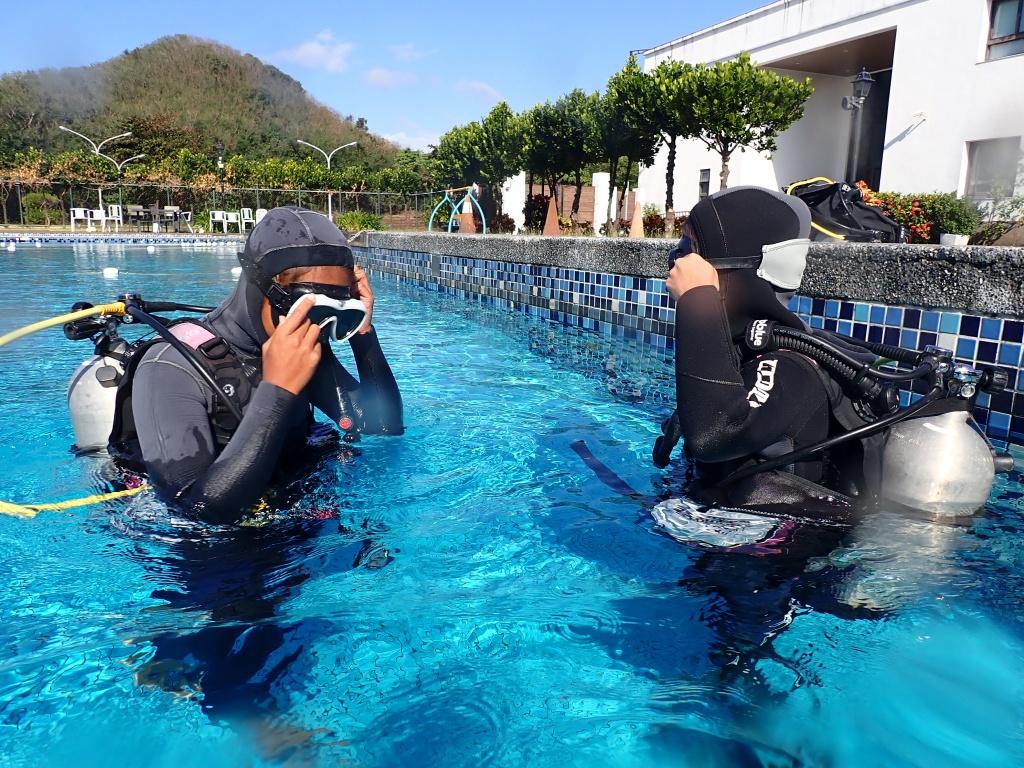
✦IDC runs for a total of 11 days, with a schedule that includes both classroom sessions and in-water practicals.
Typically, the IDC can be completed in 10 to 14 days, with the instructor exam usually scheduled separately for about 2 additional days.
At Heart Ocean, for example, they offer both full-time continuous courses and part-time segmented courses. The standard schedule is 11 days, spread over two weeks, with approximately half a day for workshops and half a day for in-water practice each day. The initial phase focuses on building teaching foundations, followed by integrating practice teaching and rescue drills. The final day is dedicated to emergency first response instructor training.
Heart Ocean also advises against rushing into the IE immediately after training. Instead, they recommend taking one to three months for internships and leading groups to gain experience, which often leads to more stable results. Additionally, they suggest that working professionals first assess their available vacation days, then cross-reference them with exam dates for more efficient planning.
✦What does the PADI IE exam cover? Exam content and scoring
The Instructor Examination (IE) is evaluated by independent examiners appointed by PADI, using a globally standardized system. These examiners have no affiliation with your training center, a design that ensures every instructor possesses the knowledge and skills for safe and effective teaching. Ocean Heart also emphasizes that the instructor course director does not preside over the IE or evaluate candidates, which further guarantees the credibility of the exam results.
The examination is divided into five sections:
- Standards and Procedures Written Exam: 50 questions, open-book, with a passing threshold of 75%.
- Five Dive Theory Subjects: Physics, Physiology, Equipment, Decompression Theory and Dive Tables, and Skills and Environment. A score of 75% or higher is required for each subject.
- Knowledge Development Classroom Presentation: A classroom presentation to the examiner on a specified topic.
- Confined Water Teaching Presentation: A teaching demonstration in a confined water environment.
- Open Water Teaching Presentation and Rescue Assessment: A teaching demonstration in open water, followed by a rescue-related assessment.
The three teaching presentations are scored by the examiner according to PADI's assessment rubric. Passing all five sections is required to pass the IE. If a section is not passed, most sections can be re-taken individually at the next scheduled IE, without needing to retake the entire instructor course. However, specific regulations apply if two or more theory subjects are not passed, or if the Standards and Procedures exam is not passed; these are subject to PADI's current annual standards.
PADI Dive Instructor Fees|IDC, IE, and Total Budget Breakdown
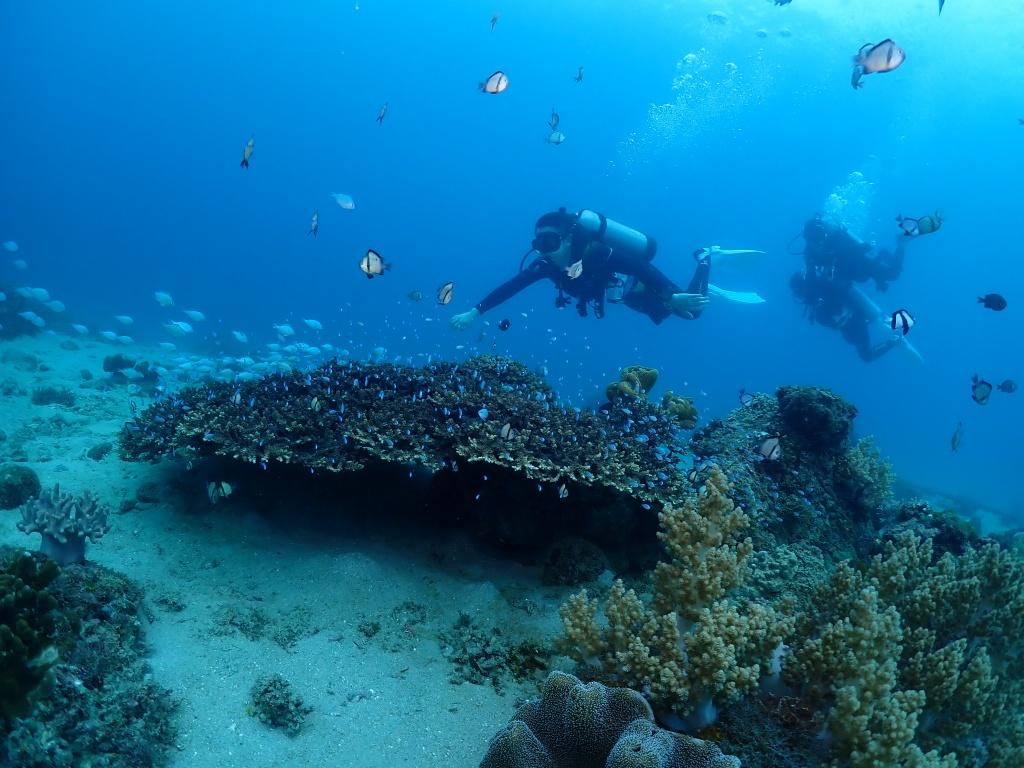
The fees for instructor courses are more complex because the payments are split among several entities: a portion goes to the dive center for training, another to PADI for regulatory fees and materials, and some costs only arise under specific circumstances, such as re-examinations, translation services, accommodation, or making up dive quotas. If you only look at a single advertised total price, it's easy to sign up and later discover additional unexpected expenses.
✦The total cost to become a PADI diving instructor is approximately NT$100,000 to NT$150,000.
The total cost can be divided into three main categories: dive venue training fees, PADI fees and materials, and other expenses that may vary. Below is an example using Xin Hai's publicly available pricing (actual prices are subject to inquiry at the time of registration):
| Item | Details | NT$ Amount |
| Dive Venue Training Fees | Course training fees (includes training and air tanks); NT$5,000 discount per person for two people registering together | Approx. NT$60,000 |
| PADI Fees and Materials | IDC application fee + Instructor Exam registration fee, IDC crewpak, EFR Instructor Guide, EFR Instructor application fee | Approx. NT$63,616 |
| Variable and Annual Expenses | Translation fees, specialty instructor application fees, re-examination fees, annual fees, equipment rental, etc. | Varies by actual situation |
✦Taiwan's IDC training fees typically include a range of items.
Based on publicly available information from several dive venues in Taiwan, IDC training fees typically hover around NT$60,000. This usually covers training and air tanks, with some packages also including pool access. Other centers offer comprehensive packages that bundle textbooks, backpacker accommodation, 100 air tanks, mock exams, and exam support, bringing the total cost to about NT$100,000. However, PADI fees and EFR instructor-related costs are usually separate.
Therefore, when comparing prices, don't just look at the total. We recommend asking for a detailed breakdown of each item:
- Is the IDC package textbook included?
- How are air tanks, pool access, and mock exams charged?
- Does it include accommodation, meals, and internships?
- Is exam support provided during the actual exam?
- Are PADI fees and EFR costs paid separately or collected on your behalf?
A package priced at NT$60,000 and one at NT$100,000 might end up costing roughly the same, with the difference lying in what's included.
We suggest identifying the services you genuinely need and asking the venue to provide a revised quote based on your current qualifications. This ensures your cost comparison is based on identical requirements.
✦PADI official fees, course materials, and EFRI fees
PADI fees are charged in Australian dollars and announced annually, so they fluctuate with exchange rates and yearly adjustments, leading to slight variations in the converted NT dollar amounts across different centers.
One common point of confusion is the distinction between course materials and official fees. The IDC package materials and EFR Instructor Manual are teaching supplies ordered through your center, while the IDC application fee, Instructor Examination fee, and EFR Instructor application fee are paid directly to PADI, typically via credit card when you register for the IE.
EFR Instructor certification is a prerequisite for teaching, and while the cost isn't high, it's a mandatory expense that must be factored into your budget. Specialty Instructor application fees, annual instructor fees, and re-examination fees are optional and depend on individual circumstances.
| Item | Amount | Notes |
| IDC Application Fee + Instructor Examination Fee | Approx. NT$33,634 | Paid directly to PADI via credit card |
| IDC Package Materials (Teaching Guides, Slates, Quizzes, etc.) | Approx. NT$21,000 | Mandatory materials, ordered through the center |
| EFR Instructor Manual | Approx. NT$3,900 | Mandatory materials, ordered through the center |
| EFR Instructor Application Fee | Approx. NT$5,082 | Paid directly to PADI via credit card |
| Specialty Instructor Application Fee | Approx. NT$4,000 / specialty | Optional |
| Annual Instructor Membership Fee | Approx. A$503 / year | Adjusts with exchange rates, renewed annually |
| Re-examination Fee | Approx. NT$10,395 | For re-examining a single section |
| Instructor Examination Translation Fee | Approx. NT$5,000 | Optional, if an English-speaking examiner is present |
✦Additional expenses such as accommodation, transportation, equipment, and re-examinations
The 11-day IDC program means accommodation is the biggest expense after tuition. Also, if you don't have enough dives, you'll need to purchase additional diving activities (for example, at Xinhai Coast, each dive costs approximately NT900 to NT1,800, depending on the number of participants).
For equipment, it's best to have the center check if your existing gear is suitable before deciding whether to rent or buy. If you need to retake any exams, remember to factor in the retake fees along with any additional transportation, food, and accommodation costs.
✦Budget Comparison: Zero, Rescue, and DM
The courses you need and the total budget will vary depending on your starting point. Here's an estimated cost breakdown based on Xin Hai's publicly available pricing for your reference:
| Starting Point | Remaining Courses | Estimated Cost (Approx.) |
| Already a Divemaster (DM) | IDC + IE | Approx. NT$124,000 |
| Already Rescue Certified | Divemaster + IDC + IE | Approx. NT$167,000 |
| Already Open Water (OW) Certified | Advanced + Rescue + EFR + Divemaster + IDC + IE | Approx. NT$199,000 |
| Starting from Scratch | Open Water + All Stages Above | Approx. NT$215,000 |
The actual cost will differ based on your individual certifications and chosen options. We recommend contacting the center directly before enrollment to get a precise quote tailored to your current certifications and dive experience.
How to Choose a Dive Certification Center: 5 Key Factors
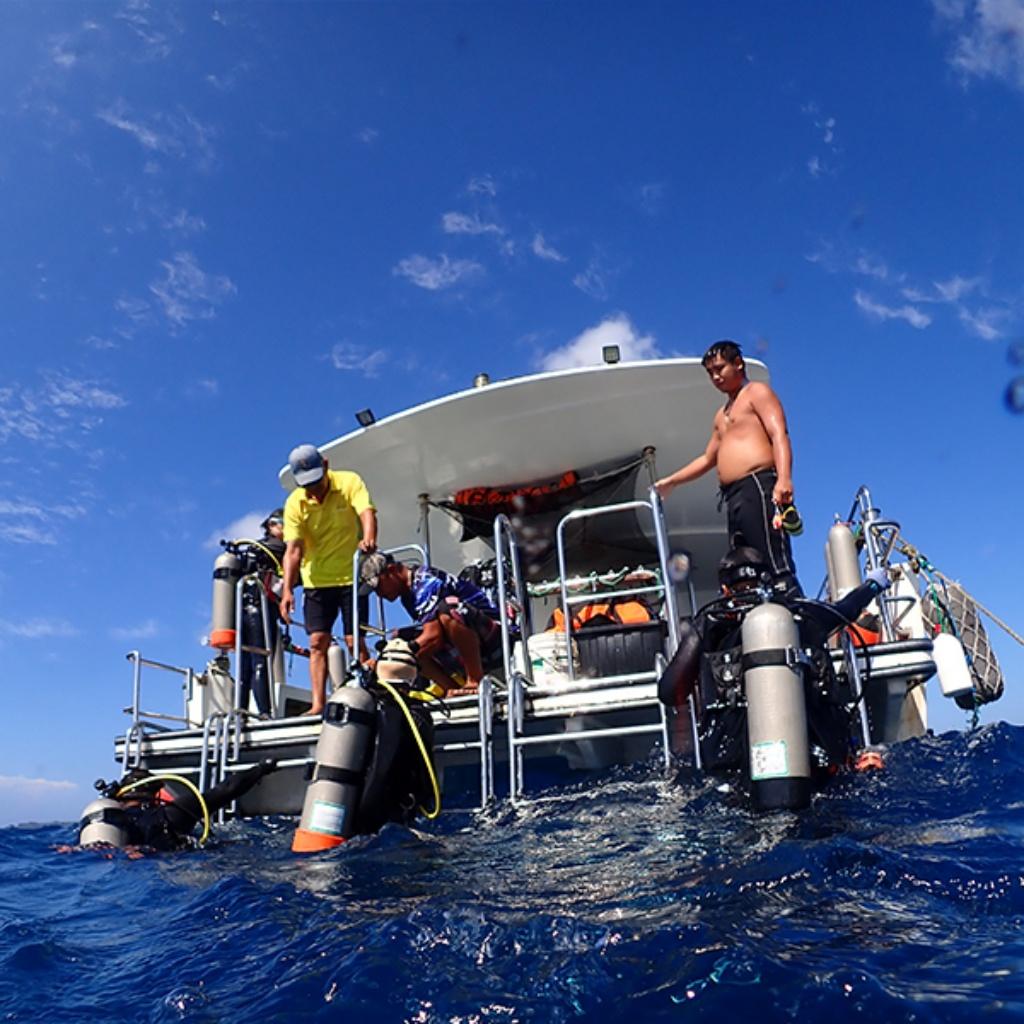
Instructor courses are a significant investment of both money and time, so choosing the right center is more important than just comparing prices. Here are 5 key evaluation points, compiled from PADI's IDC center requirements and common issues students face when choosing a course. You can use these to ask specific questions during your consultation and to compare different centers.
✦PADI Center Qualification and Course Director Teaching Experience
Instructor training must be led by a PADI Course Director, so the first step is to confirm if the dive center has a resident Course Director and what the center's PADI rating is. You can check the center's details on the PADI official website and directly ask the Course Director about their teaching experience and how many instructor candidates they've trained. If they provide specific answers, it usually indicates that the center is serious about instructor training. Don't forget to check student reviews to understand their actual class experience.
✦Class size, training days, and practical experience opportunities
Coach training is about "leading people," so the number of teaching drills and the quality of feedback are more important than the length of classroom time. You should ask how many students are in each session, how the director and staff coaches are assigned, and how many times each person actually practices on stage. Also confirm whether the course is continuous or segmented, and if there are internship opportunities after completion.
✦The total cost is transparent, and all additional charges are clearly itemized.
Course fees are often spread across several categories, so we recommend asking the center for an itemized breakdown, clearly indicating which fees go to the center and which go to PADI. The most commonly overlooked items are materials, EFR, translation, retakes, annual fees, accommodation, and equipment, so clarify these upfront to avoid unexpected budget discrepancies.
✦Venue, Transportation, Accommodation, and Weather Contingency Plans
Scuba diving courses are highly dependent on weather conditions, and instructor training requires over ten consecutive days, so it's crucial to confirm the center's facilities, transportation, and accommodation arrangements.
Even more importantly, ask about backup plans for typhoons or poor wave conditions, such as rescheduling, changing venues, or refund policies. The sooner you clarify these details, the less likely you'll be scrambling mid-course.
✦Pre-exam prep, post-exam support, and continuing education opportunities
The end of a coaching course doesn't mean the end of your journey; you still have your IE to prepare for and your hours to accumulate. It's worth asking if the center offers assistance with identifying weaknesses and conducting mock drills before the exam, and if they provide internship, employment information, or advanced training directions (such as specialty coach or master coach certifications) after the exam. A center that supports you through your entire career path is generally more reassuring than one that only sells individual courses.
Kenting PADI Dive Instructor Recommendations|Heart Sea Divers
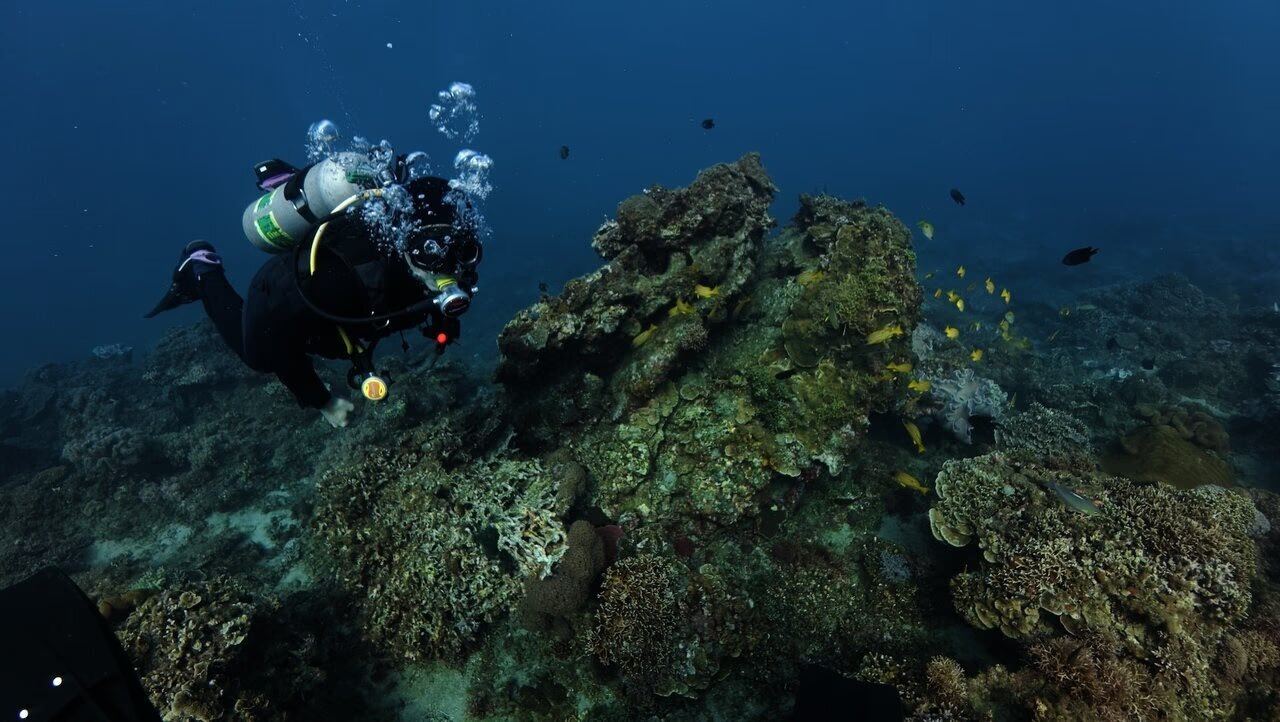
Applying the evaluation criteria mentioned earlier to a real-world venue, [A1]Heart Sea Diving[/A1] on Hengchun's Shawei Road is an excellent choice for anyone planning dive instructor training in Kenting.
✦Here are five key points to consider when evaluating Heart Ocean Diving.
| Key Evaluation Points | Xinhai Public Information |
| Center Qualifications & Course Director | PADI 5-Star Dive Center; training led by PADI Course Director Chang Tzu-Yun (Director Octopus, ID 385493). |
| Class Size & Practice Opportunities | Committed to small-group instruction; instructor courses are 11 days, with approximately half-day workshops and half-day in-water drills daily. |
| Fee Transparency | Official website lists training fees and PADI fees item by item, indicating who receives payment. Mandatory total is approximately NT$123,616; other items are additional. |
| Venue, Transportation, Accommodation & Weather Contingency | Kenting dive sites like Houbihu and Wanlitong, about a 10-minute drive from Hengchun Transfer Station. Shuttle service provided; accommodation can be arranged with student discounts. In case of typhoon or rough seas, they proactively contact students to reschedule or refund according to policy. |
| Pre-Exam Reinforcement & Post-Exam Support | Assistance with calculating remaining dives and how to complete them; recommends 1 to 3 months of internship after training before taking the exam. Also offers Divemaster courses and advanced training towards Master Instructor and Course Director. |
✦Heart Sea IDC Instructor Course Fees and Overview
Here's a summary of key information for the Heart Sea PADI Instructor Course (IDC → OWSI). To enroll, you must be at least 18 years old, have held an Open Water Diver certification for at least 6 months, and possess a PADI Divemaster qualification. If you hold a Divemaster certification from another system, you will need to complete an additional Diver Rescue Assessment.
Regarding diving experience, you must have accumulated 60 logged dives before entering the Instructor Development Course (IDC), and 100 dives before taking the Instructor Examination (IE). Your logbook must include night dives, deep dives, and underwater navigation. Additionally, before enrolling, remember to prepare a medical statement from a physician issued within the last 12 months, and proof of EFR first aid training completed within the last 24 months.
For course scheduling, the standard curriculum is 11 days, typically divided into two weeks. You can choose between full-time continuous attendance or part-time segmented scheduling, depending on your availability. Actual course start dates are arranged based on enrollment.
The entire instructor course is taught in Chinese, with Chinese-language reference materials provided, ensuring seamless communication and learning.
For the budget, which is often a primary concern, Heart Sea's training fee is NT$60,000, which includes training and tank fees. If two friends enroll together, each receives a NT$5,000 discount. In addition to the tuition paid to the venue, there are PADI fees and materials costs: approximately NT$33,634 for the IDC application and exam registration, about NT$21,000 for the IDC package materials, around NT$3,900 for the EFR Instructor Manual, and approximately NT$5,082 for the EFR Instructor application fee. Adding the training fee and these official items, the total mandatory cost is approximately NT$123,616.
Beyond these basic expenses, there may be some flexible expenditures depending on your certification status and future plans, such as specialty instructor application fees (approx. NT$4,000), re-examination fees (approx. NT$10,395), and future annual instructor fees after certification (approx. AUD$503). For equipment rental fees, please consult the venue directly based on your individual needs.
If your current qualifications do not yet meet the instructor course prerequisites, Heart Sea also offers a Divemaster course, with a training fee of NT$38,000, plus a PADI certification application fee of NT$5,600. The quickest way to find out what conditions you still need to meet is to join the venue's official LINE account directly. Provide the instructors with your logged dive count, initial certification year, and the validity periods of your EFR and medical statement, and they will help you plan the most suitable certification timeline and budget.
PADI Dive Instructor Certification: FAQ
✦You can become a PADI instructor even if your English isn't perfect.
Yes, you can, but be prepared. While instructor courses in Taiwan are typically taught in Chinese with Chinese materials, your IE examiner might be a foreigner. If you encounter an English-speaking examiner, you can request a translator. However, PADI's specialized terminology and standards are English-based, so we recommend familiarizing yourself with common terms.
✦Your PADI instructor certification does not expire, but you do need to pay an annual membership fee to maintain your active teaching status.
Your PADI instructor certification itself does not expire, but PADI professional membership requires annual renewal, with fees charged in Australian dollars. If you don't renew your membership, you won't be an active member and cannot teach as a PADI instructor, so consider the annual fee a long-term fixed expense.
✦Yes, SSI and other system coaches can transfer to PADI.
It's not a simple certification exchange. Based on current information, instructors from other systems typically need to complete the OWSI portion of the PADI IDC and then pass the PADI Instructor Examination (IE) to obtain PADI instructor certification. For detailed procedures and required supplemental content, we recommend consulting a PADI Course Director directly to assess your qualifications.
✦Whether it's more cost-effective to take the exam in Taiwan or abroad depends on several factors.
You shouldn't just look at the training fees. While some overseas training fees might seem lower, you also need to factor in airfare, visas, accommodation, and a longer stay, plus language and weather can be variables. The advantage of training in Taiwan is that you can learn in your native language, arrange your schedule in segments, and easily get additional dives or last-minute coaching before your exam. We recommend comparing the "total cost," which includes training fees, regulatory fees, transportation, accommodation, and time costs.
✦Yes, a PADI instructor certification obtained in Taiwan is valid for use internationally.
PADI is an internationally recognized system, and PADI instructor certifications are valid at PADI centers worldwide. However, working locally also depends on the visa and labor regulations of that country, and employers may require additional certifications or experience. We recommend confirming the specific requirements with the employer before applying.
✦You do not need to buy a full set of diving equipment to become an instructor.
No, you don't necessarily need your own gear. Most centers offer equipment for rent, and at Xinhai, rental fees are determined by your specific needs, so it's best to inquire directly. However, for those in the instructor training program who are in the water daily, some prefer to bring their own personal items like masks, dive computers, and wetsuits for a more familiar and comfortable experience.
✦If you fail the IE, you can retake it.
Yes, you can. For most sections, you only need to retake the specific failed portion in the next session, without having to repeat the entire course. The retake fee for a single section is approximately NT$10,395. However, different rules apply if you fail two or more theory sections or do not pass the standard procedures; all standards are subject to PADI's current regulations.
✦There is no age limit for PADI Instructor certification.
The minimum age for PADI certification is 18, with no stated upper age limit in the current public requirements. The key factors are a dive medical statement signed by a physician within the last 12 months, and the physical stamina required for the course. If you have any concerns about your condition, it's advisable to consult a physician and the course center first.
Final Thoughts
Becoming a PADI diving instructor is a long journey that demands time, physical stamina, and a significant budget; it's not a path you can simply sign up for and expect to sail through. If you still have one or two requirements to fulfill, there's no need to rush. First, verify the validity of your certifications, dive count, and supporting documents, then gradually plan a schedule that suits you.
Finally, remember that instructor training focuses on "how to teach," so the director you encounter and the way you're mentored will directly impact how smoothly and confidently you navigate this journey. If you want to understand how Heart Ocean typically guides students underwater, you can read our previous experience review, Heart Ocean Diving Review|Houpihu's Most Welcoming Dive Venue: A Passionate Family Guides You Through Kenting's Ocean. It details the instructor's teaching style, the pace of small-group classes, and the home-cooked meals prepared by Octopus Mom. After reading it, you can better assess whether this venue is a good fit for you.
If you're still comparing other dive venues in Kenting, you can refer to Kenting Diving Certification Recommendations|Experience the Thrill of Scuba Diving: 6 Kenting Scuba Dive Venue Reviews. If you prefer to start your ocean journey with freediving, you can also check out Penghu Freediving Recommendations|Professional and Meticulous Instructors Ensure Safety! 3 Penghu Freedive Venue Reviews.
Don't miss these either


Reader Comments
No comments yet — be the first to share your thoughts.