Your guide to a lifted lookSagging skin: Ultherapy or Thermage? Effects, pain, and price explained
When you scroll through aesthetic treatment reviews, you'll often see discussions about "Ultherapy" and "Thermage" for skin lifting, but many people struggle to differentiate between these two aesthetic procedures and wonder which one is right for them. If you're looking to understand the differences between Ultherapy and Thermage, this comprehensive guide will answer all your questions, giving you a solid foundation before your consultation!
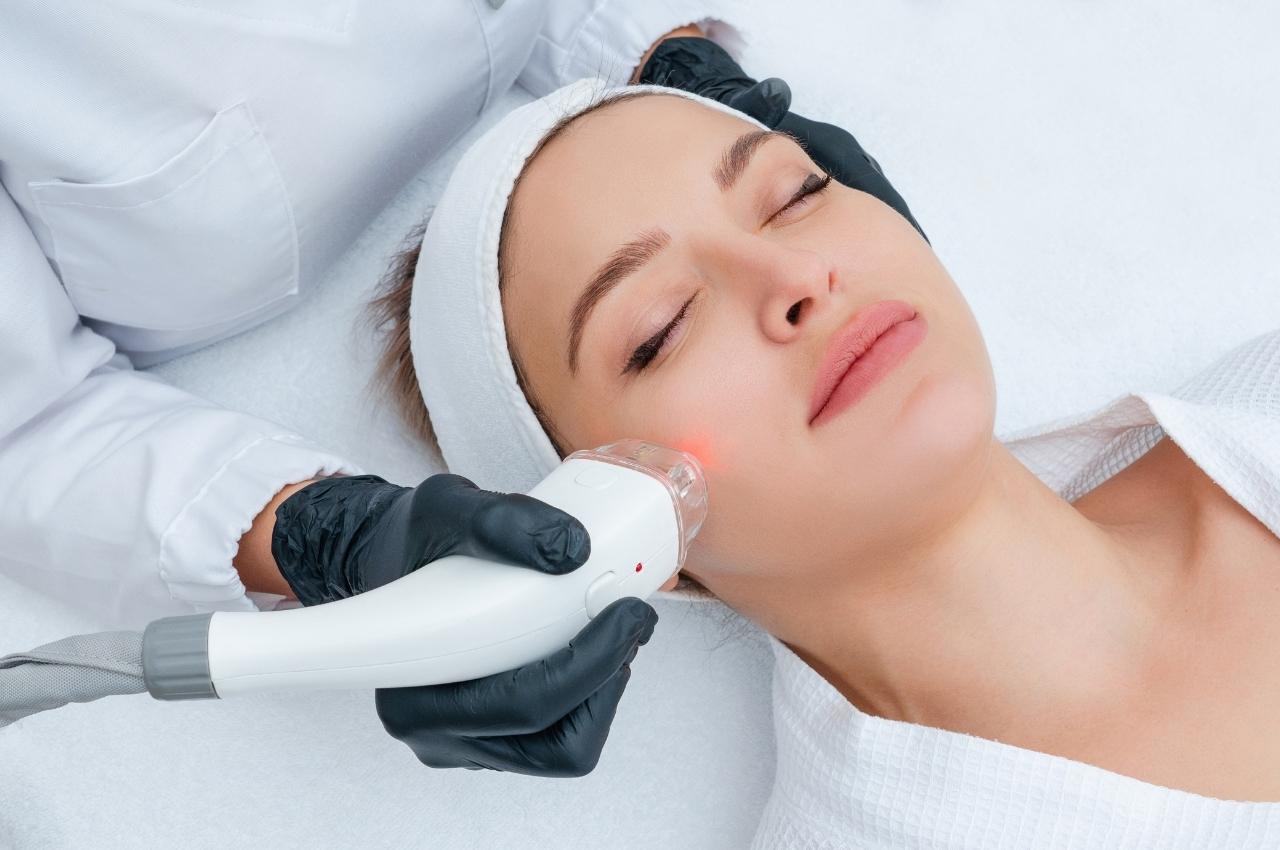
What's the difference between Ultherapy and Thermage? First, understand how they work.
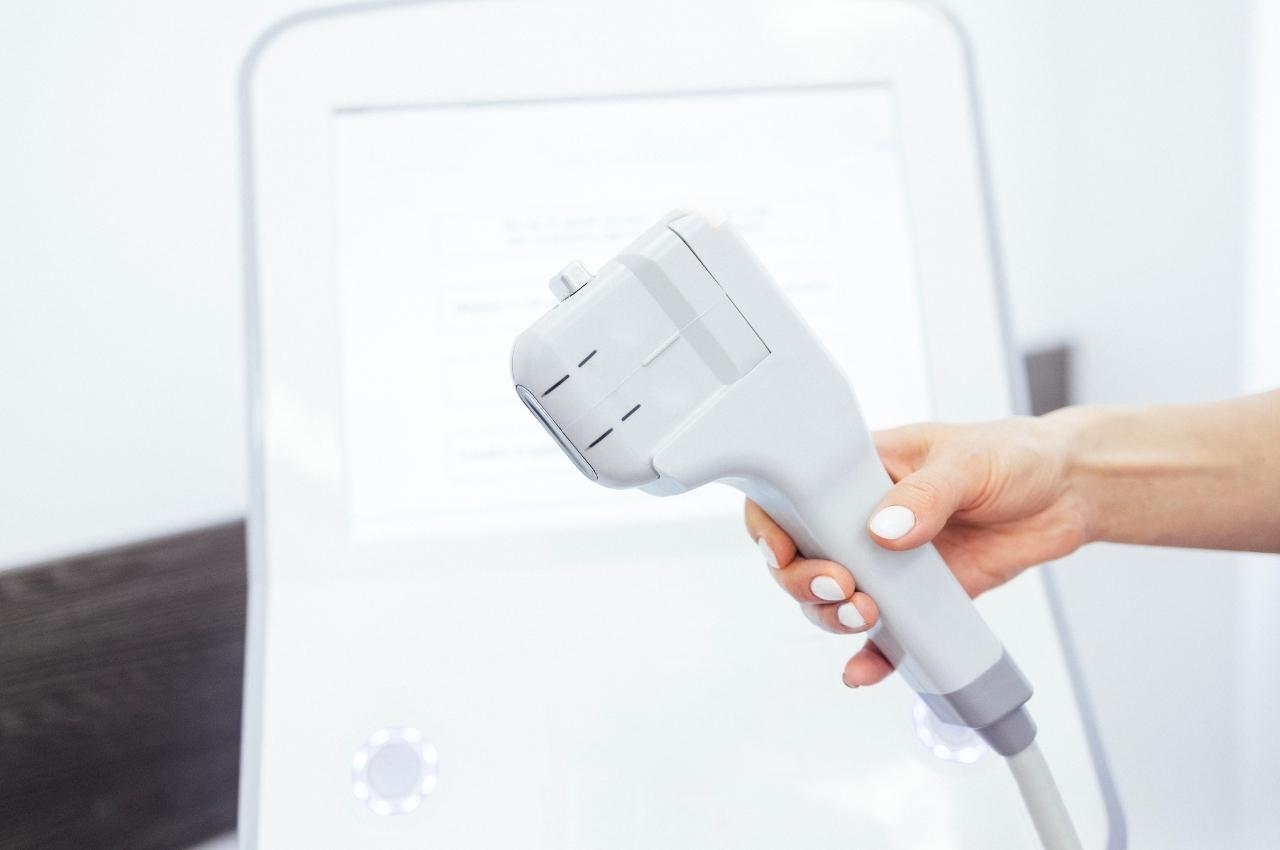
When you search for facial lifting treatments, you'll find many recommendations for "Ultherapy" and "Thermage." While many people think these two treatments are the same, they actually work on completely different skin layers. Here's a breakdown of how Ultherapy and Thermage work:
✦Ultherapy works by focusing energy on the SMAS fascia layer.
Ultherapy uses high-intensity focused ultrasound (HIFU) to precisely deliver energy to the SMAS fascia layer (superficial musculoaponeurotic system), which is the same layer surgeons target during a facelift. This energy creates thermal coagulation points deep within the skin, stimulating collagen contraction and reorganization. This process lifts sagging tissues, much like an invisible thread stitching the skin from within.
✦Radiofrequency skin tightening works by heating the dermis to stimulate new collagen production.
Radiofrequency (RF) energy in Thermage treatments heats the dermis to approximately 40–60°C, promoting collagen remodeling and new collagen production for tighter, brighter skin. The energy is distributed across the superficial and middle layers of the skin, creating a sustained warming sensation, much like a deep ironing for your skin.
✦Ultrasound vs. Radiofrequency: A Comparison
| Ultrasound Lifting | Radiofrequency Lifting | |
| Energy Principle | High-Intensity Focused Ultrasound (HIFU) | Radio Frequency (RF) Energy |
| Target Layer | SMAS Fascia Layer (approx. 4.5mm deep) | Dermis (approx. 2–3mm deep) |
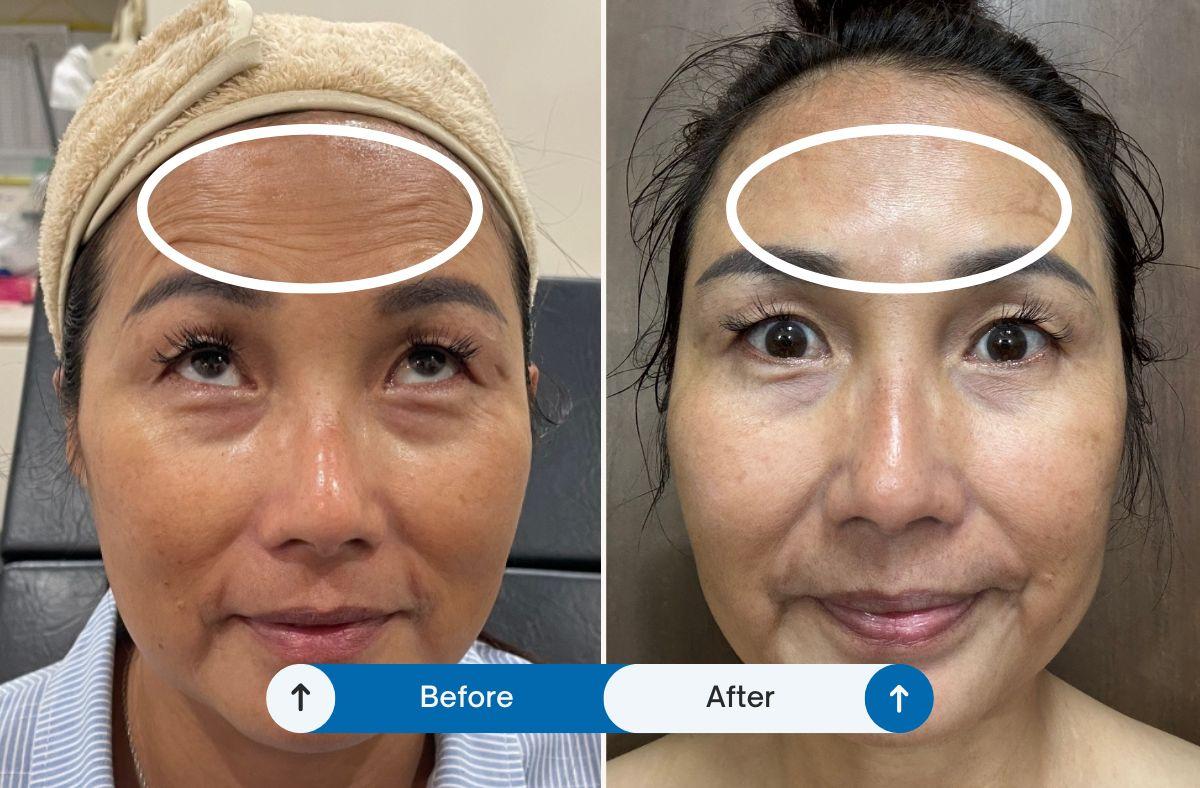
| Key Improvements | Deep lifting, contour tightening | Surface tightening, fine line and skin texture improvement |
| Effect Characteristics | Non-surgical, natural results, short recovery period | Even heating, enhanced firmness and radiance |
Ultrasound vs. Radiofrequency: Which facial lift is more effective?
There's no single right answer to this question, as Ultherapy and Thermage target different skin layers. Ultherapy focuses on deep-layer lifting and contouring, while Thermage primarily addresses superficial tightening and skin texture improvement. The key is to determine whether you want to improve sagging contours or fine lines and skin quality. Here's a detailed explanation:
✦For tighter contours: Ultrasound delivers more noticeable results
If you're noticing a less defined jawline or sagging jowls, Ultherapy is a more impactful choice. Its ultrasound energy penetrates deep into the SMAS layer, stimulating collagen remodeling from within to "lift" slack tissues, much like an invisible support system beneath the skin. After treatment, your contours will be more sculpted, your jawline sharper, and your overall appearance tighter and more vibrant.
Ultherapy is ideal for:
- Individuals with facial sagging or prominent jowls
- Those looking to improve a double chin or undefined jawline
- Anyone seeking natural-looking results without surgery
✦For fine lines and skin texture, radiofrequency treatments deliver more noticeable results.
Radiofrequency (RF) skin tightening focuses on firming and repairing the dermis by using radiofrequency energy to uniformly heat the skin, promoting collagen regeneration for smoother, more refined skin. After treatment, fine lines are diminished, pores are tightened, and skin tone brightens, as if the skin has undergone a deep ironing. It is particularly effective for those with early signs of aging or who wish to improve rough skin texture.
RF Skin Tightening is suitable for:
- Those looking to improve fine lines, pores, and rough skin texture
- Those concerned about skin radiance and firmness
- Those hoping to delay aging and maintain stable skin condition
The best choice between Ultherapy and Thermage depends on your individual needs.
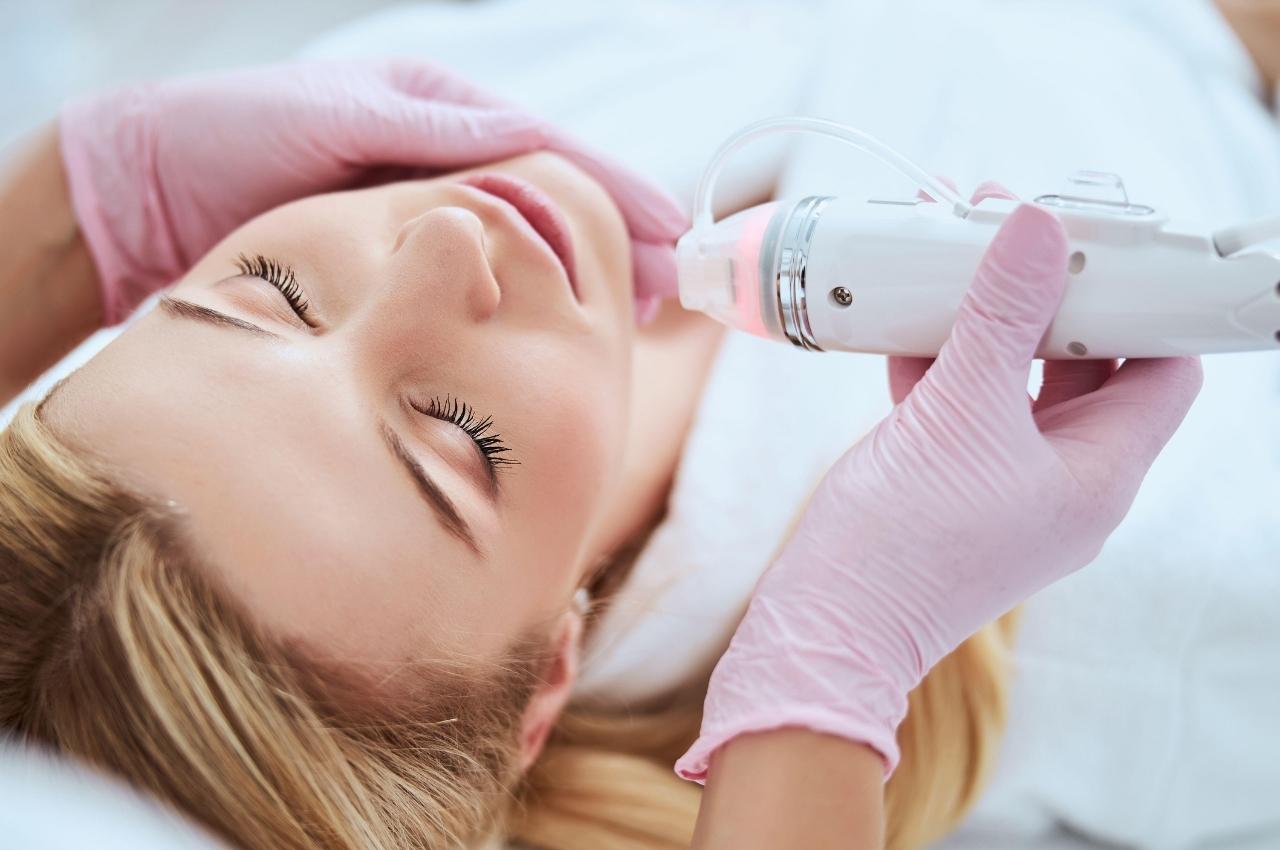
Choosing between Ultherapy and Thermage depends on your skin condition, age, and budget. Different age groups experience varying degrees of skin laxity and collagen loss, which means the most suitable treatment will differ. To find the most effective and cost-efficient approach, consider these three factors:
✦Ages 30+: Radiofrequency for firmness and skin tightening
After age 30, collagen production begins to decline, but most people haven't yet experienced significant sagging. This is the ideal time to use radiofrequency (RF) treatments to "build a foundation." RF treatments work by heating the dermis, which stimulates new collagen production, refines skin texture, and maintains a firm, lifted contour. It's like laying an anti-aging groundwork for your skin, helping to slow down the aging process.
✦For ages 40 and up, Ultherapy delivers the most noticeable contouring.
After age 40, jowls, jawline laxity, and nasolabial folds can become more pronounced, which is when Ultherapy delivers noticeable results. Its ultrasound energy penetrates deep into the SMAS layer, lifting sagging tissue from within and redefining facial contours. Post-treatment, your profile will appear more sculpted, your jawline sharper, and your entire face firmer and more vibrant, all without any unnatural stiffness.
✦For those over 50, a combination of Ultherapy and Thermage delivers the best results.
After age 50, common skin concerns include accelerated collagen loss and more complex levels of skin laxity, which a single treatment often can't fully address. This is where combining ultrasound and radiofrequency (RF) treatments offers more comprehensive lifting. Ultrasound works on deep-layer lifting, while RF strengthens surface tightening. Together, they lift the face from the deepest layers to the surface. For mature skin, this "dual-effect synergy" is most effective at stabilizing the facial contours and simultaneously brightening skin texture.
✦A quick heads-up
The actual treatment plan, including the optimal energy settings and number of transducers, must be determined by a physician based on an assessment of your skin type, age, and degree of laxity to ensure both safety and effectiveness.
The cost of Ultherapy and Thermage treatments is determined by the number of lines or areas treated.
Ultherapy treatments range from NT$30,000 to NT$100,000 per session, while Thermage treatments typically cost between NT$50,000 and NT$150,000. Prices vary based on the type of treatment, areas targeted, machine brand, and number of shots. For a basic understanding of pricing, refer to the average price ranges below:
✦Ultherapy Price Range
- Face: approximately NT$30,000 – $80,000
- Full face + neck: approximately NT$60,000 – $100,000
- Eye lift: approximately NT$15,000 – $30,000
✦Radiofrequency lift price range
- Full face: approx. NT$60,000 – $150,000
- Eyes: approx. NT$30,000 – $50,000
- Neck: approx. NT$40,000 – $80,000
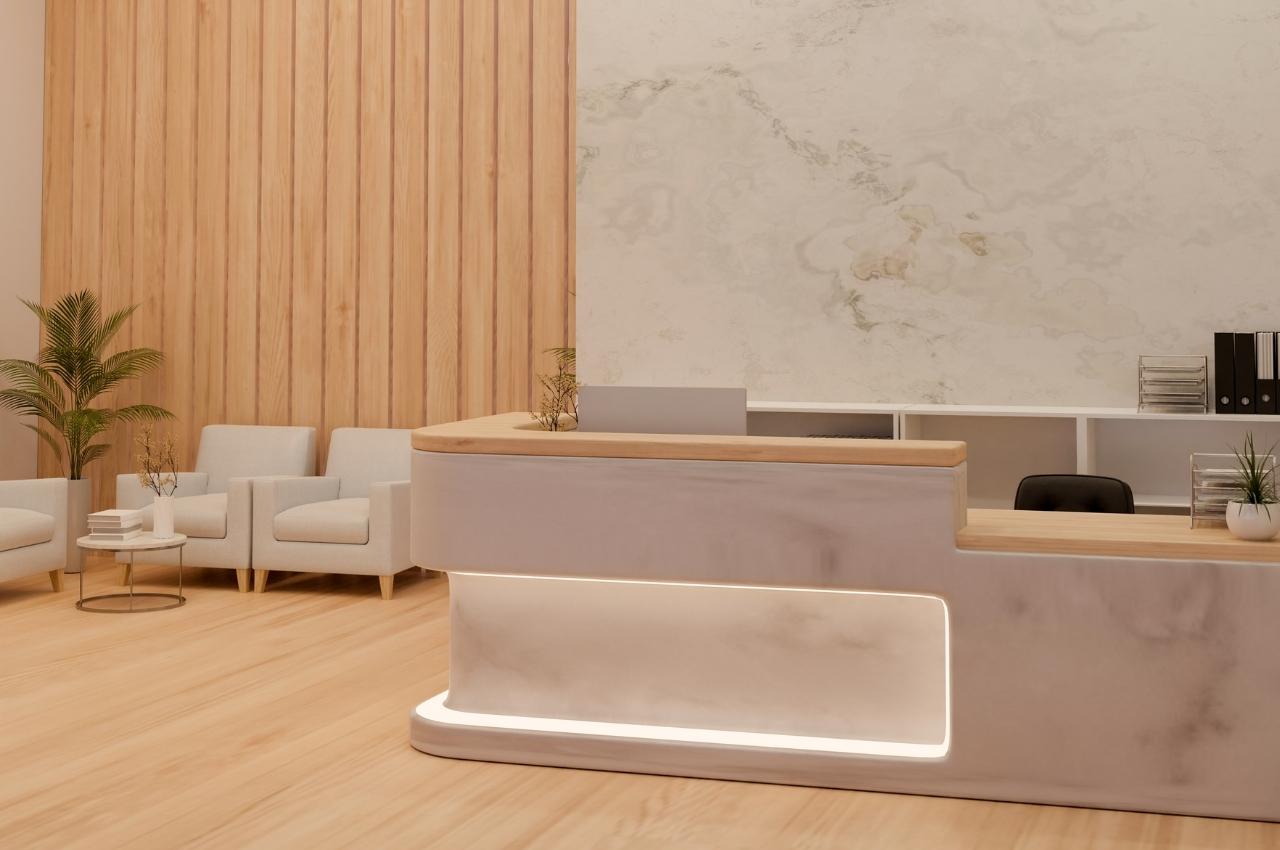
Yuezhen Medical Aesthetics Clinic
1F, No. 159, Meishuguan Road, Gushan District, Kaohsiung City
Yue Zhen Aesthetic Clinic is conveniently located next to the Kaohsiung Museum of Fine Arts, just a …
While you're here, check these out ↓
- 01Thermage FLX Explained|How it Works, Results, and Recovery for Facial Sagging→
- 02Microneedling Pen Guide | How to treat acne scars and pitted skin, how often to do it, and post-treatment care at a glance→
- 03Radiofrequency vs. Ultrasound: The Ultimate Guide|What’s the difference between RF and ultrasound treatments? A complete comparison of effects, pain levels, and ideal candidates→
Which is more painful, Ultherapy or Thermage? Here's a straightforward look at the real experience.
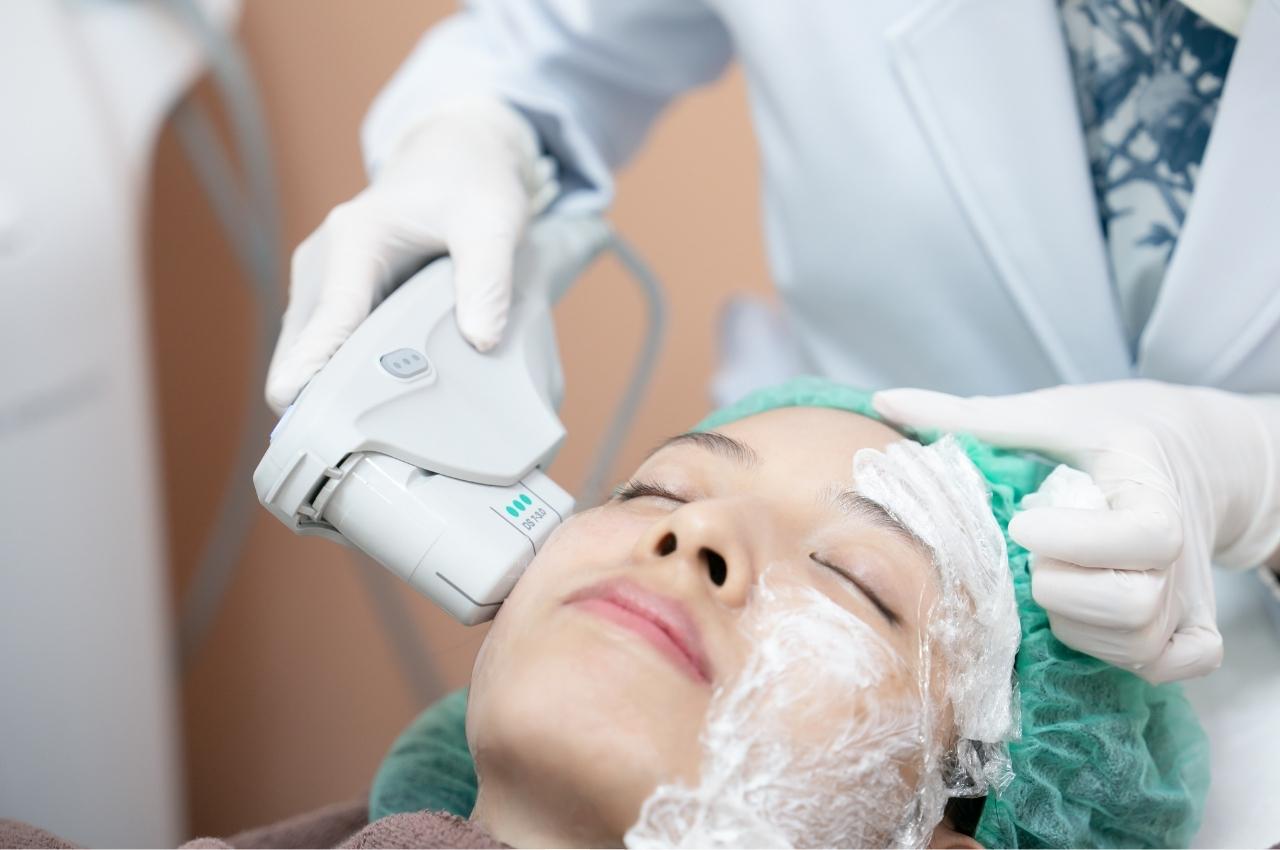
Many people want to try Ultherapy or Thermage, but their biggest concern is always, "Will it hurt?" The truth is, the pain from Ultherapy and Thermage comes from different sources: Ultherapy causes a deep, instantaneous stinging sensation, while Thermage creates a superficial warmth and tightness. Here's a further explanation of what most clients experience during treatment:
✦Ultrasound: The pain is mostly felt at the moment it hits the fascia layer.
The pain from Ultherapy comes mainly from the momentary stimulation as the energy penetrates the SMAS layer. Many people describe it as feeling like a rubber band snap—a sharp, hot sensation that passes quickly, with only occasional "snaps." If you're sensitive to pain, a topical anesthetic can be applied before treatment to effectively reduce discomfort. After treatment, most people only feel a slight tightness or soreness in their face, which typically resolves within a day or two and has little to no impact on work or daily activities.
✦Radiofrequency: Most people can tolerate the "warm, tightening sensation."
Radiofrequency (RF) lifting feels like a warm compress on your face. Throughout the process, your skin will feel warm and slightly taut, but most people find it causes little to no pain. The energy works by evenly heating the dermis, so it's a gradual warming sensation rather than an electrical shock. Most people complete the treatment comfortably without needing pain relief. If the heat feels too intense, the doctor will adjust the energy in real-time to ensure a comfortable and safe experience. After treatment, your skin might be slightly red and warm, but this subsides within an hour or two, with no special downtime required.
You can combine Ultherapy and Thermage treatments. It's generally recommended to perform Ultherapy first.
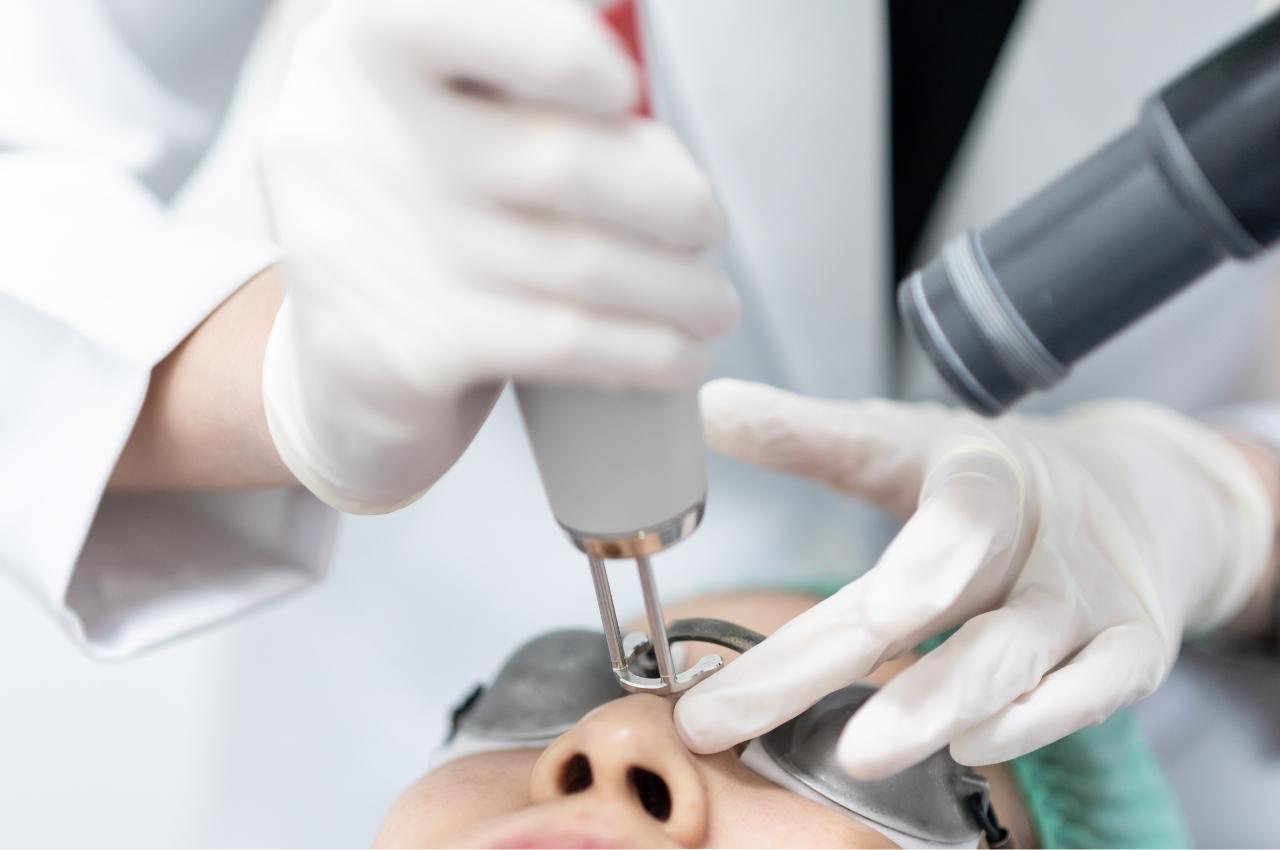
Yes, but the order matters. It's generally recommended to do Ultherapy first, then Thermage. The reason is that Ultherapy's energy targets the deep fascial layer to lift sagging structures, while Thermage then heats the dermis to tighten the surface skin and boost elasticity. This complementary approach ensures a more complete lifting effect across both layers. It's best to space the two treatments two to four weeks apart to allow the skin time to recover. Simply put, Ultherapy lifts, and Thermage tightens; following this sequence will achieve more natural results.
To maintain the effects of your Ultherapy or Thermage treatment, proper aftercare is essential for lasting results.

The longevity of your ultrasound and radiofrequency treatment results hinges on proper post-procedure care. With good care, collagen production remains stable, and the tightening effects last longer. Here are three key post-procedure care tips:
✦Avoid sun exposure and high-temperature activities for one week.
After a session of Ultherapy or Thermage, your skin is still in recovery, and heat is its biggest enemy. For about a week, it's best to avoid sun exposure, high-temperature environments, or strenuous exercise—that means no hot springs, saunas, or running. Sun protection is also crucial: always apply sunscreen, use an umbrella, or wear a hat when outdoors. This helps stabilize collagen restructuring and ensures you get the full benefits of your treatment.
✦Hydrate frequently and use restorative skincare products.
After treatment, your skin may feel drier and tighter, so it's essential to rehydrate it. Use a gentle hydrating serum or a restorative cream to minimize flaking and dryness. Since your skin barrier is still rebuilding after ultrasound or radiofrequency treatments, it's best to avoid acids, whitening products, or exfoliants for about a week to allow your skin to stabilize.
✦Keep up with sun protection and daily skincare.
Collagen takes time to regenerate, so consistent daily care is key to maintaining lasting results. We recommend daily sun protection, a regular routine, and incorporating anti-aging serums or collagen supplements to prolong skin firmness. Ultherapy and Thermage aren't one-and-done treatments; your post-treatment lifestyle habits determine how many months the effects will last. The more stable your skincare routine, the more natural and long-lasting the results will be.
Final Thoughts
This concludes our guide to non-surgical face lifts. Twosevenths invited Yue Zhen Aesthetic Clinic to answer common questions about Ultherapy and Thermage and share essential aftercare tips. Whether you choose Ultherapy or Thermage, the key is finding the right treatment for you and following proper post-procedure care. Consistent sun protection, hydration, and a stable routine are crucial for continuous collagen production and to extend the lifting and tightening effects.
If you're still unsure which treatment to choose, we recommend consulting a professional physician who can assess your skin condition and recommend the most suitable energy settings and treatment combination. Yue Zhen Aesthetic Clinic offers original Ultherapy and Thermage treatments, emphasizing safety, natural results, and avoiding overtreatment, making it a reliable choice for maintaining skin firmness and delaying aging. For more aesthetic medicine knowledge, you can refer to our Aesthetic Laser Guide, Botox Guide, and Laser Hair Removal Guide.
Don't miss these either
Jiaoxi Hot Spring Private Baths: Relax and Recharge! A Review of 3 Top Venues
Taichung Dragon Tendon Massage: Privacy and cleanliness combine for a truly relaxing, stress-free experience! We review one top venue.
Handsome Guy Beauty Review|Gentle care from head to face! An affordable and therapeutic botanical essential oil massage experience

Reader Comments
No comments yet — be the first to share your thoughts.