


Botox Quick Guide | What to Do If You've Had Too Much Botox? 10 Essential Precautions to Avoid Side Effects
Botox Lazybones Catalog
- How does Botox work?
- What Areas Are Suitable for Botulinum Toxin Treatment?
- How long does it take for Botox to work?
- What are the effects of Botox?
- What happens if I have too much Botox?
- What to do if Botox fails?
- Which brand of Botox do you recommend?
- How much does Botox cost?
- What are the precautions after Botox injection?
- Where can I get Botox?
How does Botox work?
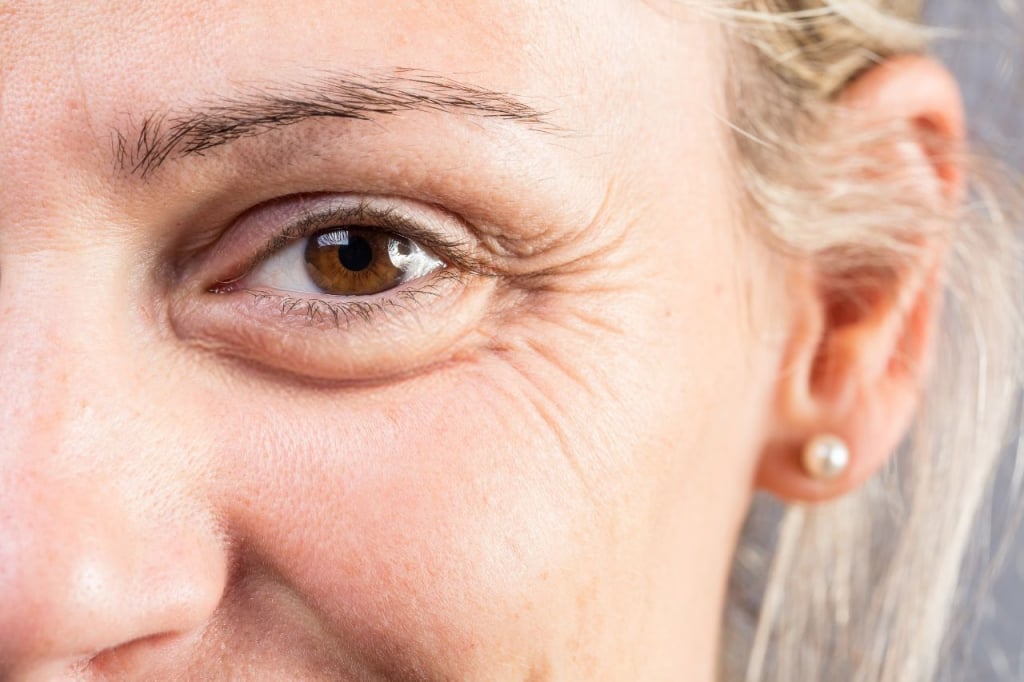
Yuet Jin Medical ClinicPhysician's Explanation:Botulinum toxinWhen injected into specific muscle areas beneath the skin, it interferes with nerve endings releasing acetylcholine. This chemical acts as a crucial mediator in transmitting signals for muscle contraction.
When the release of acetylcholine is inhibited, the muscles are unable to contract normally and are in a relaxed state. When the muscles no longer contract and pull on the skin, existing wrinkles (especially shallow ones) will be gradually smoothed out by the relaxation of the skin, resulting in a wrinkle-free state.
Are Botox injections risky?
Botox injections are a relatively low-risk, non-invasive aesthetic procedure:
- Currently approved by medical organizations worldwide (e.g. FDA) and clinically proven safe for decades, it is not only used for cosmetic purposes, but also for the treatment of a variety of medical problems (e.g. migraines, blepharospasm).
- Compared with surgery, Botox injections require no incision, less trauma to the body, and shorter recovery time.
- The effects of Botox usually wear off in 3-6 months, and even if there are unsatisfactory effects, they are only temporary.
Are Botox injections painful?
The needle used for Botox injections is very small (much smaller than that used for blood draws), and there is still a slight pain when the needle is inserted into the skin.
butYuet Jin Medical ClinicWhen Botox is administered, a "vibrator" is used on the client's head to divert attention and minimize pain.
What Areas Are Suitable for Botulinum Toxin Treatment?
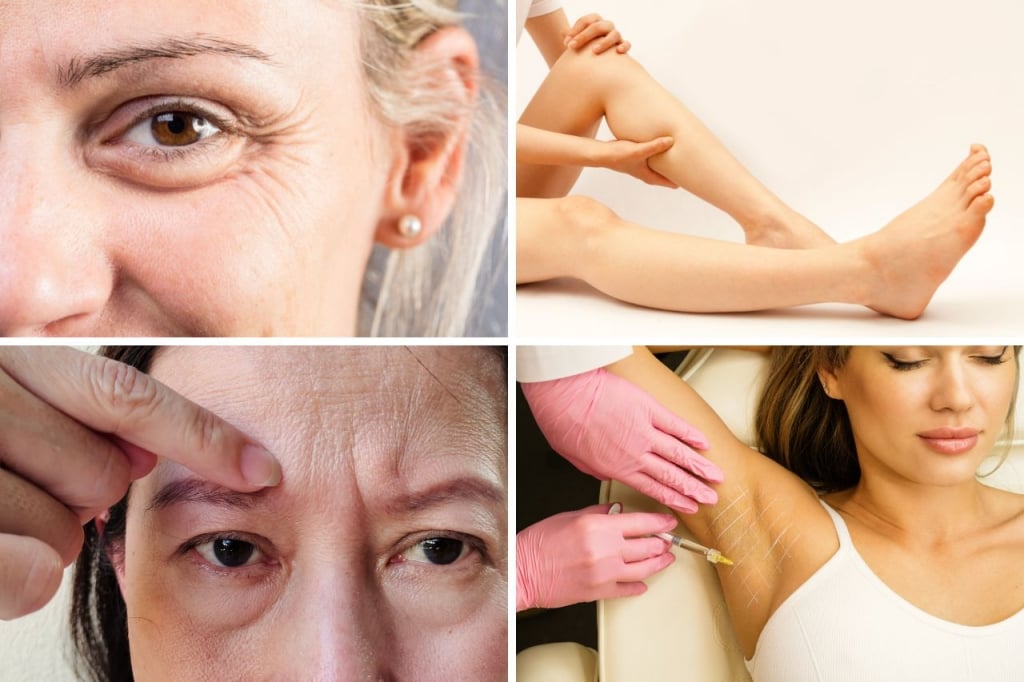
Whether you are looking for facial wrinkles, face shape, chewing muscles, excessive sweating or deodorization, please feel free to contact us.Yuet Jin Medical ClinicYo!
Facial Wrinkle Removal
- Headline: forehead wrinkles, fine lines and dynamic wrinkles caused by facial expressions.
- Frown lines: Vertical lines between the two eyebrows for a more calm and natural look.
- Crow's feet: fine lines at the corners of the eyes, softens wrinkles when smiling
- Wrinkles: Improvement of wrinkles caused by nose contraction
- Perioral Lines: Removal of radial fine lines around the upper lip
Improvement of face shape
- Chewing muscle reduction (face slimming): targeting the lower face that appears wider due to the development of the chewing muscles, resulting in a softer face shape.
- Jaw lines (cellulite): relaxes the jaw muscles and smoothes the surface lines.
Facial Contour Lifting
- Eyebrow Lift: Improve droopy eyebrows and create a more refreshed brow shape
- Lift up the corners of the mouth: Improve the "bitter face" or sad expression caused by drooping corners of the mouth.
Improve excessive sweating
- Improve hyperhidrosis: Botox injections can inhibit sweat gland secretion and improve excessive sweating in the underarms, palms, feet, etc.
Where should I inject Botox into my shoulders? What is the effect?
Botox shoulders, primarily target the trapezius muscle, which is often overly developed or tight resulting in a broad appearance of the shoulder.
After Botox injection, the trapezius muscle will be relaxed, visually there will be a slimming effect, the shoulders will become smoother and slimmer, reducing the impression of "bulky feeling" or "tiger's back and waist", suitable for those who pursue elegant shoulder and neck lines.
Where to get Botox for calves? What is the effect?
Botox injections in the calf mainly target the gastrocnemius muscle (the muscle in the calf's belly), which is divided into the medial and lateral heads.
After Botox is injected into the gastrocnemius muscle, it will inhibit its over-contraction, allowing the muscle to gradually shrink and reduce its size. The curve of the calf will be softer, improving the "muscle mass" and presenting a long and slim visual effect.
Botulinum toxin underarms, how effective is it for hyperhidrosis?
Botox injections in the underarms have been shown to be very effective in improving hyperhidrosis and bad breath!
Botulinum toxin acts on the sweat glands in the armpits and reduces sweat secretion by inhibiting the release of acetylcholine from nerve endings and interrupting the nerve signals that control sweat secretion.
The main source of the odor is the odor produced by the decomposition of underarm sweat and skin bacteria. After Botulinum toxin bacteria underarms, sweat secretion is reduced, bacteria reproduction environment changes, odor naturally reduced or even disappeared.
How long does it take for Botox to work?
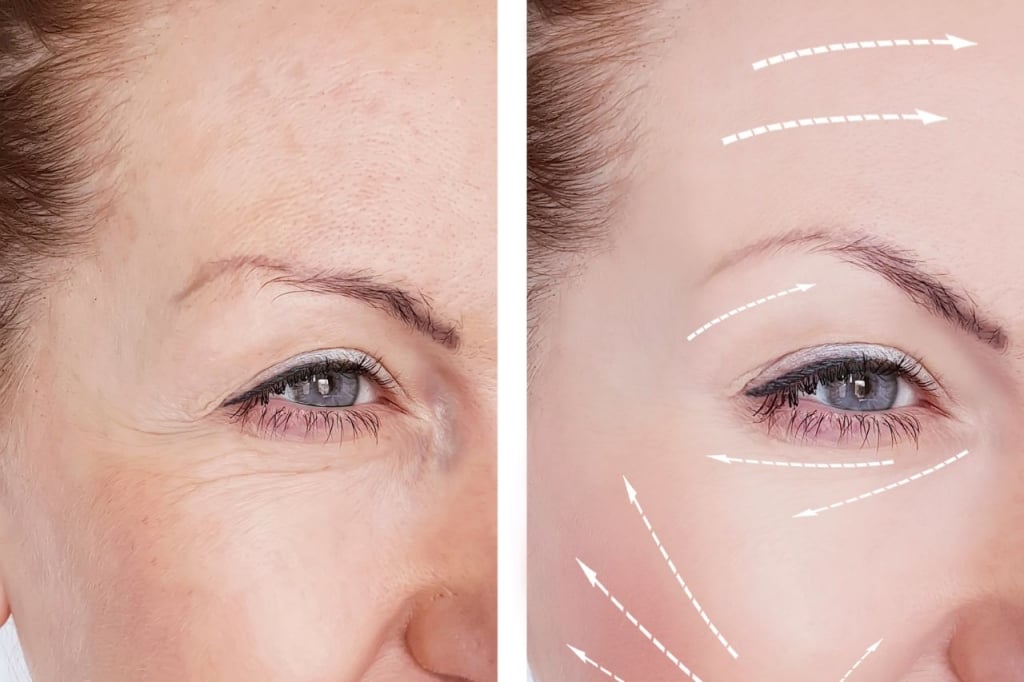
Generally speaking, the effect of Botox will begin to take effect in about 3 days after the application of Botox, and the wrinkles will be significantly improved in 7-10 days on average. If Botox is used to reduce the size of the face or other areas where the muscles are larger, it will take 3-4 weeks to see the effect of the treatment.
Does Botox cause stiffness in the face or unnatural expressions?
Yuet Jin Medical ClinicReminder: As long as the dosage and the area of application are correct, you can still have a natural expression without causing stiffness in the face.
However, because the muscles are weaker, the intensity of the expression will be reduced (and therefore the wrinkles will be less), and those who like very rich expression changes may not be accustomed to such changes after the Botox injection.
How soon after Botox can I have a massage?
Avoid strenuous exercise within 24 hours of Botox injection to avoid affecting the efficacy of the treatment. Avoid facial massage and excessive force for 7 days after injection to prevent the spread of Botox to other parts of the muscle.
If you really want to have a massage, it is recommended to go back 10 days after the Botox application.
What are the effects of Botox?
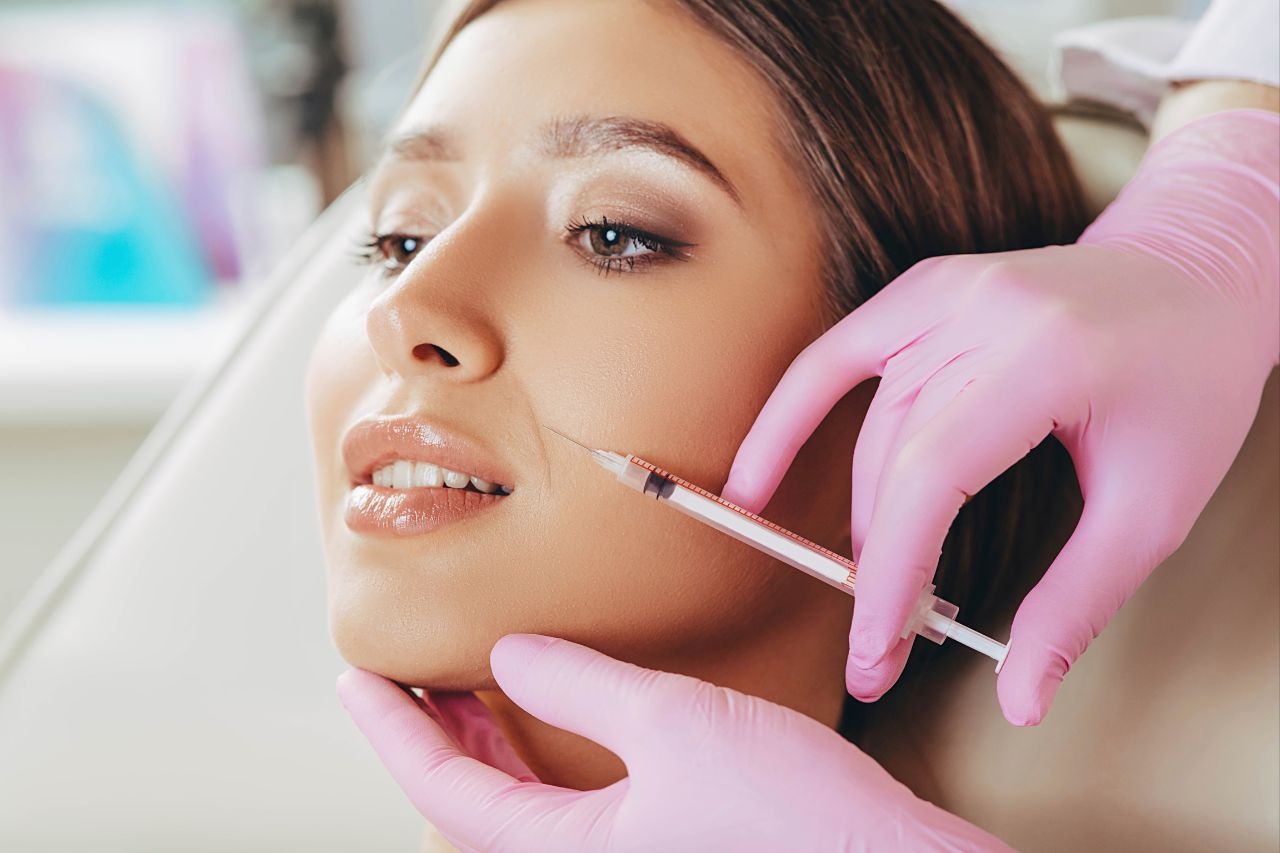
Botulinum toxin injections are a safe and non-invasive aesthetic procedure, but certain after-effects or side effects may still occur, and some of them are often heard of, such as "facial paralysis", "severe drooping of eyelids", "high and low eyebrows", and "large and small eyes".
Basically, with today's advanced technology, there is a low chance of botulinum toxin after-effects. Even if they do occur, these conditions are only transient and "completely reversible", generally speaking, they will be back to normal in about two weeks to one month, so you don't have to worry too much.
What is the aftermath of a botoxed shoulder?
Short-term effects of Botox shoulder
- Weakness in the shoulder muscles: This is especially noticeable when lifting heavy objects or carrying the shoulders for long periods of time. This is because the trapezius muscles are relaxed, but other muscles need to readjust.
- Local discomfort: temporary redness, swelling, bruising or mild pain may occur at the injection site
- Decreased shoulder mobility: Shoulder mobility may be decreased for a short period of time due to relaxation of the trapezius muscle.
Botulinum toxin shoulder is less common
- If the injection dose is uneven, it may result in an asymmetrical appearance of the shoulder, especially on the side of the shoulder line where there is a significant drooping of the shoulder.
- Postural changes: After the trapezius muscles are relaxed, the dynamic balance of the shoulders and neck may change, resulting in a slight forward tilt of the head or shoulders.
- Increased shoulder and neck pain: Excessive relaxation of the trapezius muscles may lead to inadequate support in the shoulder and neck area, further triggering soreness.
What are the consequences of Botox?
Short-term effects of Botox
- Weakness in chewing: Because of the relaxation of the chewing muscles, you may find it difficult to chew hard foods for a short period of time, but this feeling usually improves within a few weeks.
- Local discomfort: redness, swelling, bruising or slight pressure at the injection site.
- Stiffness in the face: You may feel a slight stiffness in your face when you smile or make facial expressions, as the neighboring muscles may be temporarily affected.
Botox for Face is less common.
- Asymmetry of the face: If the injection dose is uneven or not in the right place, it may result in asymmetry of the size or expression of the two sides of the face.
- Functional Impact on Adjacent Muscles: Botox spreads to non-targeted muscles and may affect function elsewhere, such as drooping corners of the mouth or an unnatural smile.
- Excessive depression: Excessive atrophy of the masticatory muscles may make the face appear too thin or unnatural.
What are the consequences of Botox Calf?
Short-term after-effects of Botox Calf
- Local discomfort: redness, swelling, bruising or mild pain may occur at the injection site.
- Muscle weakness: The calf muscles may feel weak or fatigued, especially during strenuous exercise, walking up and down stairs, or jumping.
- Muscle Tightness or Soreness: Muscles may experience temporary tightness or even sporadic cramping as they adjust to a new state.
- Unnatural standing or walking: Some people may initially feel less stable when walking or standing.
Botulinum toxin calf is less common:
- Compensatory muscle fatigue: When the gastrocnemius muscle is weakened, other muscles (e.g., the anterior tibialis or quadriceps) may need to be compensated for, resulting in fatigue or discomfort in these areas.
- Localized asymmetry: If the injection dosage is uneven on both sides of the calf, it may lead to asymmetry in the appearance of the calf, affecting the overall line.
- Dissemination of the drug: If Botox spreads to neighboring non-target muscles, it may affect the function of other muscles, but this is very rare and usually reversible.
What are the consequences of Botox underarms?
Short-term after-effects of Botox underarms
- Local discomfort: Slight redness, swelling, bruising or pain at the injection site.
- Temporary increase in sweating: Very few people may feel an increase in sweating in other areas (e.g. palms, back) for a few days after the injection.
- Abnormal skin sensation: Some people may feel a slight numbness or sensitivity of the skin in the armpits.
Botulinum toxin underarms are less common.
- Localized muscle weakness: If Botox spreads to the muscles near the armpits, it may result in a slight limitation of upper arm movement.
- Compensatory sweating: In order to balance the decrease of sweat glands in the armpits, sweating in other parts of the body (e.g., back, abdomen) may increase for a short period of time.
- Uneven effect: If the injected dose is uneven or does not cover all the sweat gland areas, it may cause some areas to still have sweating problems
What are the consequences of Botox?
Short-term effects of Botox on headlines
- Temporary stiffness: Some people may feel that their forehead is not as flexible as it used to be, especially when making large facial expressions (e.g., raising eyebrows or frowning).
- Headache or pressure: A mild headache or pressure on the forehead may be experienced for a short period of time, mostly related to the muscles adapting to a relaxed state, and usually resolves within a few days.
Botulinum toxin headline is less common.
- Droopy eyebrows or eyelids: If Botox spreads to muscles outside the forehead, it may cause eyebrows or eyelids to droop slightly, giving the impression of tiredness or depression.
- Asymmetric forehead expression: Injections given at uneven doses or in imprecise positions may result in asymmetric forehead movement or expression on both sides of the forehead.
What happens if I have too much Botox?
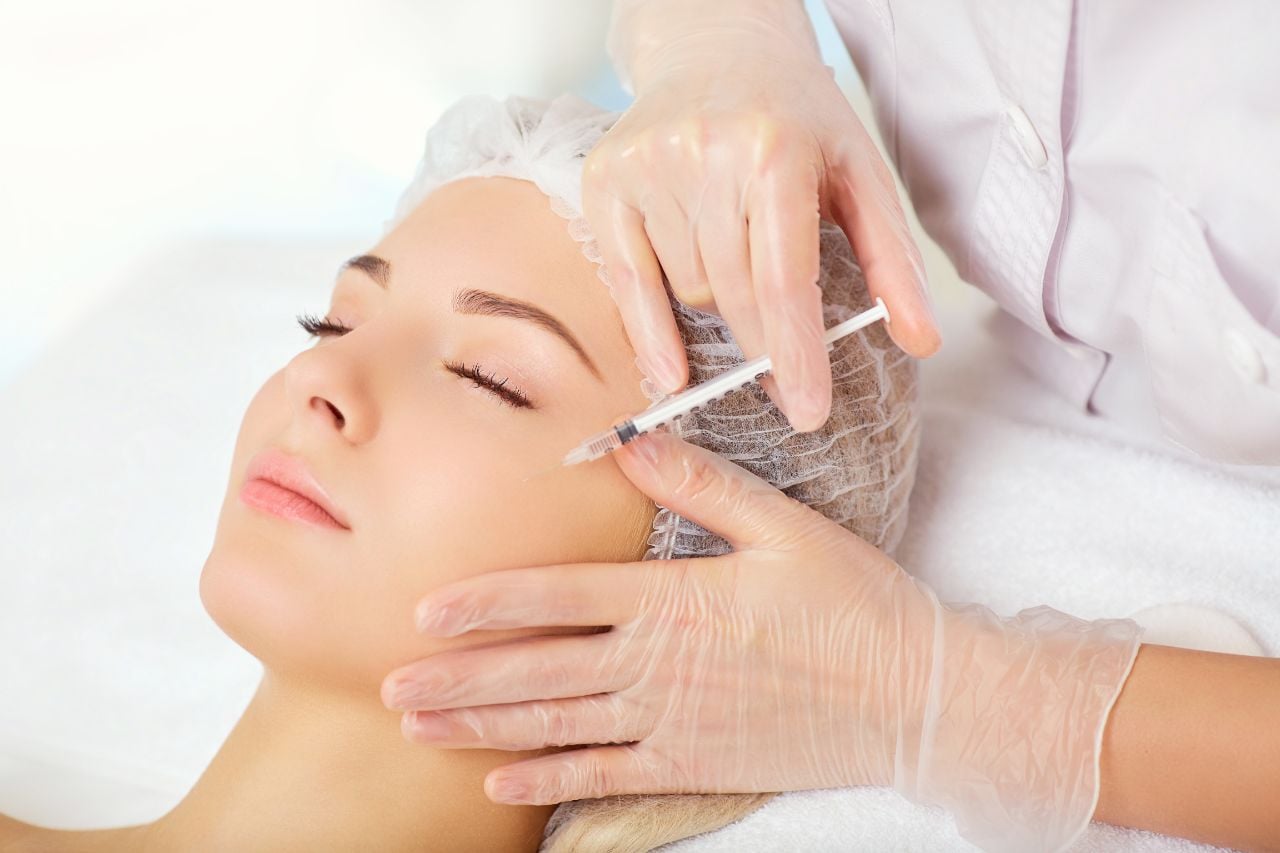
Over administration of Botox may result in the following adverse reactions and consequences:
- Muscle weakness: Botulinum toxin inhibits the transmission of signals between nerves and muscles, and if the dose is too high, it may lead to impairment of muscle function, e.g., inability to make normal facial expressions (e.g., lowered eyebrows, drooping eyelids), and weakness of other parts of the muscles (e.g., affecting swallowing or speech).
- Unnatural Appearance: Too much Botox may result in an excessively stiff face that lacks a natural expression, especially a smile or frown. There may also be asymmetry, where muscles in certain areas are over-suppressed, resulting in a disjointed expression.
- Neighboring areas affected: too many injections may affect neighboring non-target areas, such as the upper or lower eyelid muscles when injected around the eye.
- Toxic reaction (very rare): Botulinum toxin overdose may result in systemic botulism with the following symptoms: respiratory distress, severe swallowing problems, generalized muscle paralysis (very rare, but requires immediate medical attention)
- Immune Tolerance: Repeated overdoses may cause the body to develop antibodies to Botox, reducing its effectiveness and potentially rendering the treatment ineffective in the future.
What if I have too much Botox?
Yuet Jin Medical ClinicIn practice, the dosage of Botox is usually correct and it is rare that too much Botox is administered.
If this happens, it is recommended to consult a physician and apply appropriate warm compresses to the injected area to accelerate the metabolism of the Botox bacteria and shorten the recovery time.
How can I avoid having too much Botox?
If you want to avoid getting too much Botox, you can pay more attention to the following points:
- Have an experienced and qualified physician evaluate and administer the drug to ensure safe dosage.
- Strictly follow injection intervals (usually at least 3-6 months)
- Communicate in detail with your doctor about your expectations and needs prior to treatment to avoid over-pursuing results.
If concerns or side effects arise, it is recommended that you contact your physician immediately to evaluate management.
What to do if Botox fails?
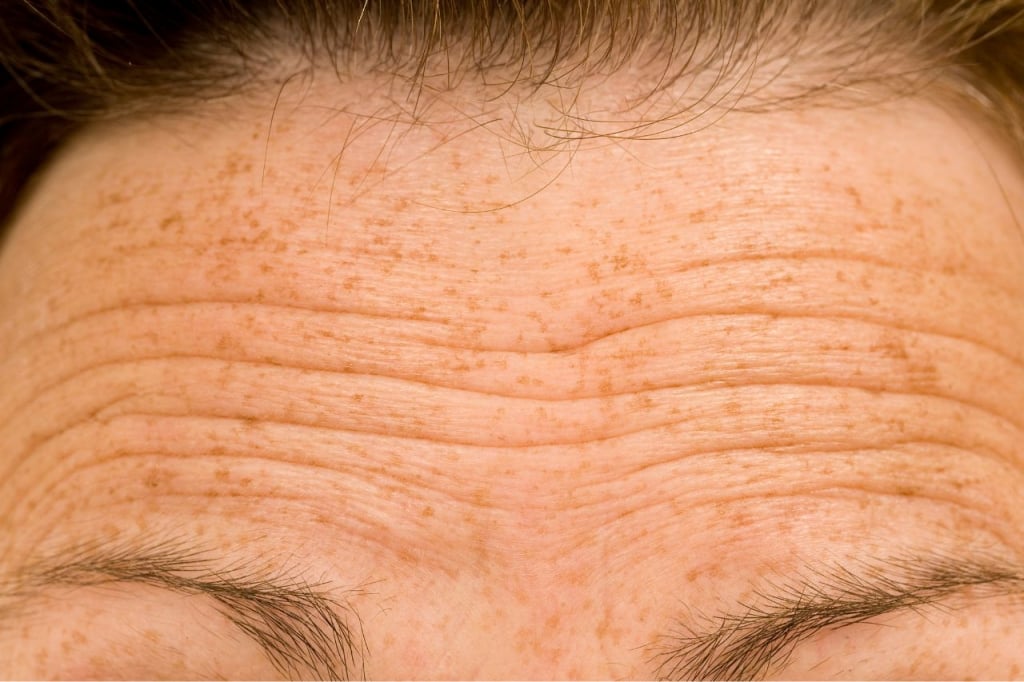
Failed Botox injections are rare, but they can happen, and are usually characterized by poor results, an unnatural appearance, or side effects. If it does happen, aesthetic clinics have strategies to deal with it, so if you are really worried and want to change clinics, you can come to us atYuet Jin Medical Clinic.
What can I do about sagging eyelids with Botox? How to Improve Botox Eyebrow Pressure?
Droopy eyelids or brow pressure after Botox injections are usually caused by diffusion of the botulinum toxin or improper distribution of the dosage.
If this happens, it is recommended:
- Watch and wait: As the effect of Botox is temporary, the problem of droopy eyelids or crossed eyes will gradually improve as the effect of the drug wears off (usually within 3-6 months).
- Medication: Use of eye drops: Aplos Eye Drops, an eye drop that promotes contraction of the levator palpebral muscle, may provide short-term relief of droopy eyelids. Consult your physician before use.
- Enhancement of expression muscle activity: Trying to consciously exercise the frontalis muscle (e.g., repeated eyebrow raises) may help to restore local muscle function
- Avoid aggravating the problem: Do not rub or press around the eyes to prevent further spreading of the drug.
What should I do if the results of Botox are not as expected?
If the result is not as expected after Botox injection, it may be caused by a number of reasons, including insufficient dosage, technical problems or differences in the effect of individual body types and brands.
If you are in this situation, you can take action:
- Waiting for the effect of Botox to take effect: If the time after injection is relatively short, it is recommended to wait for 1-2 weeks for the Botox to take full effect before conducting the evaluation.
- Communicate with your doctor when you return to the clinic: if the results are still not obvious, contact your doctor and explain the situation in detail, and your doctor can provide a solution based on the evaluation results.
- Remedial injections: if it is determined that the dose is insufficient or the effect is uneven, remedial injections can be given, especially if the target area needs further reinforcement
What should I do if I develop resistance to Botox?
If Botox is injected too much or too frequently, it may lead to the development of resistance to the drug, and the following are specific ways and suggestions to deal with it:
- Discontinue Botox: Suspend all related injections for at least 6 months to 1 year to allow the body's immune response to diminish or disappear.
- Alternate between different brands: Because the ingredients and effects of each brand are not the same, if resistance occurs, you can consider switching to another brand.
Which brand of Botox do you recommend?
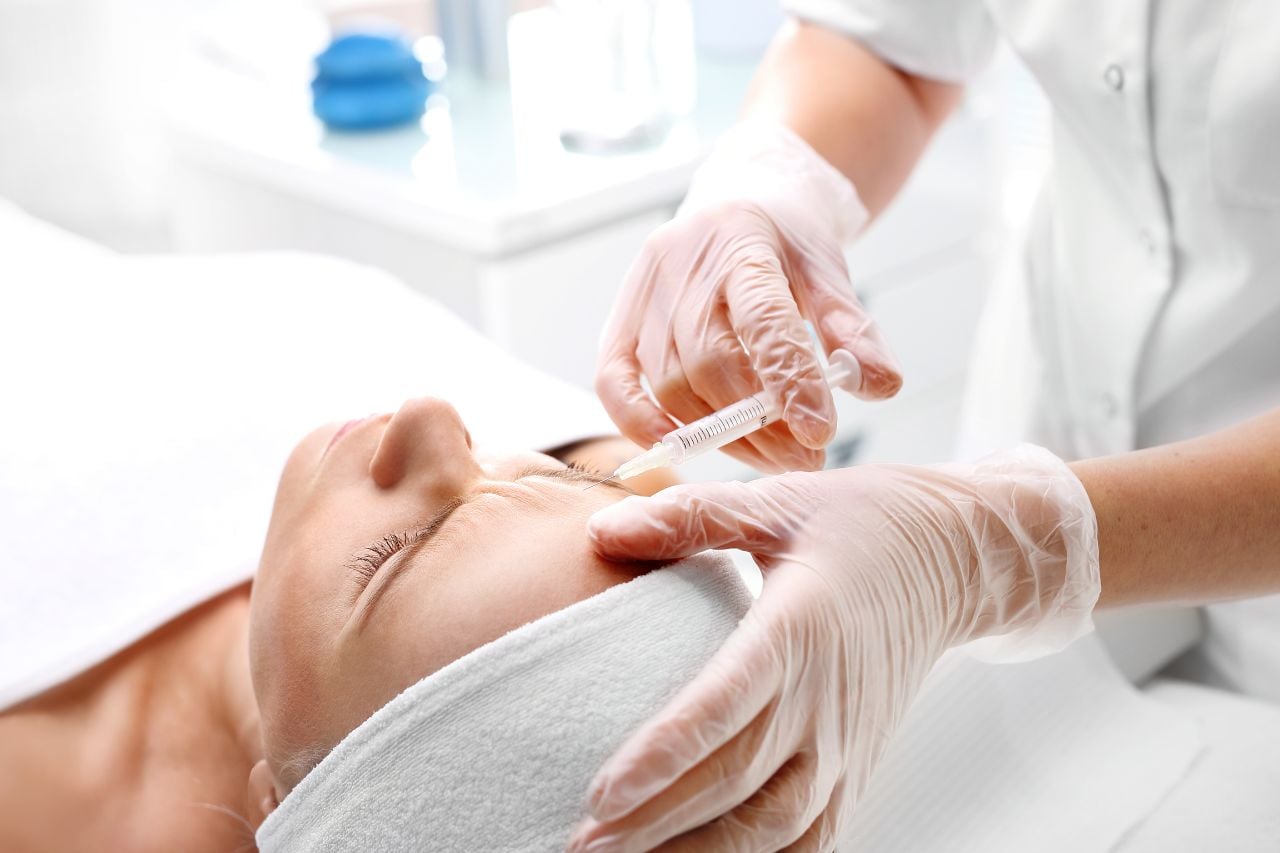
The most common botulinum toxin on the market are American and Korean brands, among which Korean botulinum is cheaper. As for the detailed comparison of various botulinum toxin brands, please refer to the following table:
| Brand Name | Botox | Dysport | Xeomin | Nabota | Botulax |
| Country of Origin | United States of America | United Kingdom of Great Britain and Northern Ireland | Germany | Korea | Korea |
| manufacturer | Allergan | Ipsen | Merz | Daewoong Pharmaceutical | Hugel |
| feature | - Long history and stable effect - Low side effects and low diffusion - Ideal for fine-tuning small muscle areas | - Highly scalable, suitable for wide range of muscle relaxation - Fast-acting, suitable for immediate needs - Small molecular structure | - High purity, reducing the risk of drug resistance - Low dispersion, precise effect - Suitable for long-term application | - Cost-effective, suitable for those with limited budget - Fast-acting, starts working in 3-5 days - Stable results | - Affordable, suitable for a wide range of muscles - Highly scalable, suitable for slimming legs and shoulders. |
| Duration | 4-6 months | 3-5 months | 4-6 months | 3-5 months | 3-4 months |
| Suitable for | - First-time injectors - Areas that require delicate adjustments (e.g., crow's feet, head lift) | - Relaxation of large muscles (e.g. calves, chewing muscles) - Those who need quick results | - Long-term injections or other brands with diminished results - Sensitive areas (e.g. around the eyes, between the eyebrows) | - Those with limited budgets but in pursuit of quality - Those who focus on immediate results | - First-time Botox users - Those who need extensive muscle relaxation |
| price | your (honorific) | mid-to-low | be on the high side of normal | center | lower (one's head) |
How much does Botox cost?
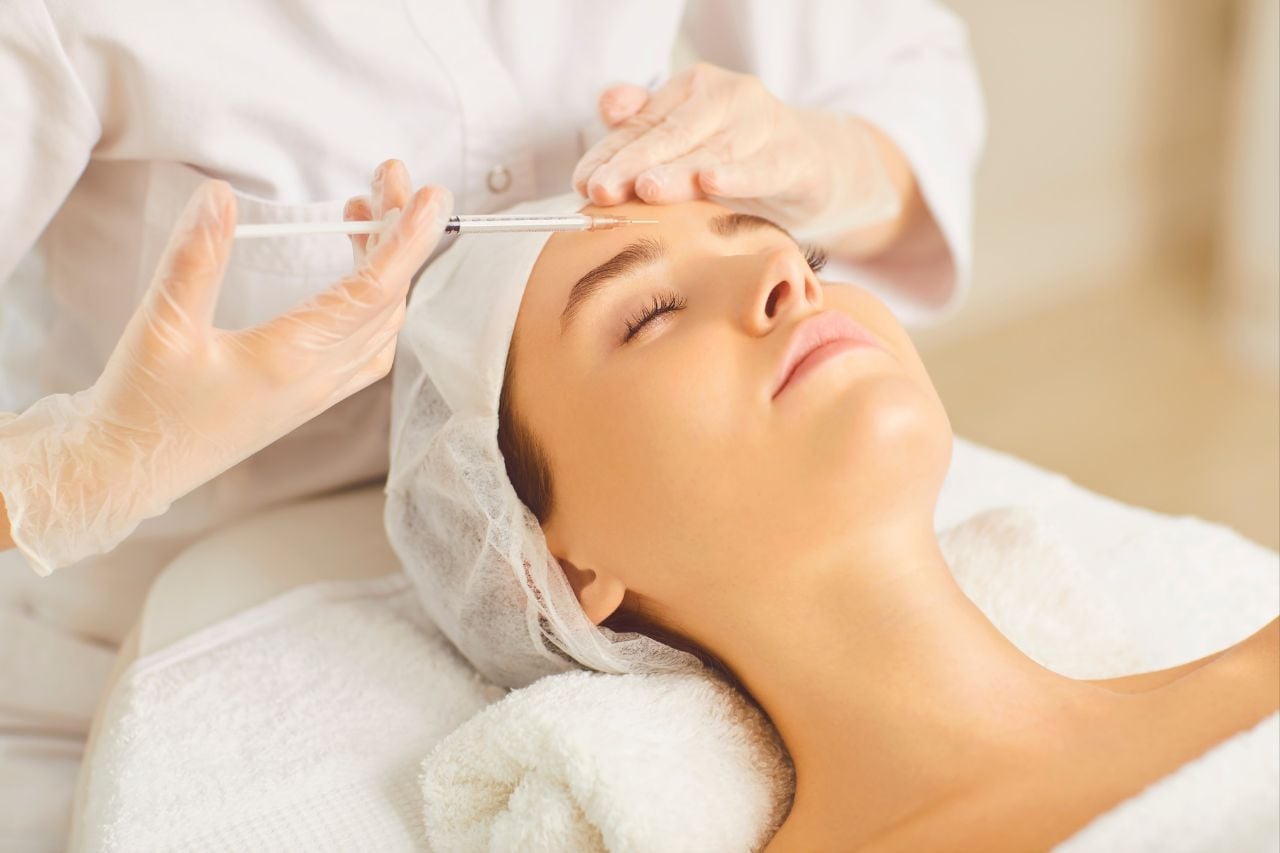
Botulinum toxin prices may vary depending on the brand and dosage used. To get a better idea of the dosage you need and to get a quote, please visit our Botulinum toxin center atYuet Jin Medical ClinicConsultation. Currently, YUE ZHEN MEDICAL AESTHETICS is offering 12u, $999 for a single site only!
| injection site | Botulinum toxin U | Estimated Cost |
| Dynamic Wrinkle Reduction | One part 6-12 U | 600~2,000 yuan |
| masticatory muscles | Total 32-50U on both sides | 3,200-8,000 |
| Botox Lift | Total 40-50U on both sides | 4,000-8,000 |
| Botox shoulder | Total 80-100U on both sides | 8,000-15,000 |
| Botox Calf | Total 180-200U for both legs | 18,000-30,000 |
| Botox Underarm Antiperspirant | Total 80-100U on both sides | 8,000-15,000 |
What does Botox 1U mean?
The 1U of Botox refers to 1 Unit (U) of Botulinum toxin, which is the standard unit of measurement for injectable dosage. However, different brands of Botox (e.g. Botox, Dysport, Xeomin, etc.) do not have exactly the same definition of a unit, so their doses are not directly equivalent.
Example:
Botox 1U ≠ Dysport 1U, Dysport has a slightly lower bioefficacy than Botox, usually it takes about 2.5-3U of Dysport to equal 1U of Botox.
What are the precautions after Botox injection?
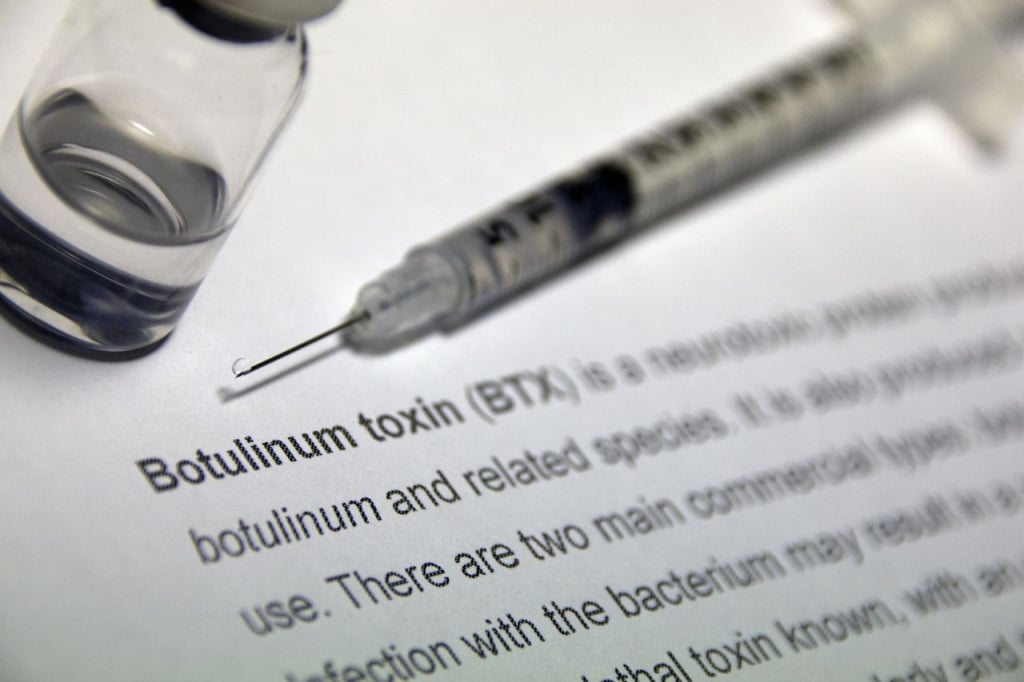
After Botox, the clinic will provide you with a list of precautions to take, the most common of which are listed below:
- Do not lie down, massage the treated area or exercise strenuously for 4 hours after Botox injection to avoid side effects caused by the spread of the drug.
- After the application of facial wrinkle treatment, you can make more facial expressions to help the average absorption of the medicine, which will help to achieve a better treatment effect.
- Generally speaking, the effect of Botox will begin to take effect in about 3 days after the application of Botox to remove wrinkles, and the wrinkles will be significantly improved in 7-10 days on average. Because of the larger muscle of the effect of Botox, it will take about 3-4 weeks to see the effect of the treatment.
How long does the effect of Botox last?
Generally speaking, the effect is maintained for about 3-6 months, and everyone's lifestyle and physical condition are different, which will affect the effect of Botox and the appearance of the effect after the injection.
How often should I get Botox?
Generally, it is recommended to give the injection once every six months. After a few injections, the muscles become smaller, and the dosage and frequency of the injection will be reduced, thus prolonging the effect of the treatment!
Where can I get Botox?

If you want to have Botox, it is highly recommended.Yuet Jin Medical Clinic"The clinic is located next to the Kaohsiung Museum of Fine Arts, with a sophisticated and stylish environment, a friendly reception, and nursing staff accompanying the clinic when Botox is officially administered, making it a safe and secure place to be!
Want to improve your frown lines, crow's feet, or kokomoi face? Yee Tsin Clinic offers Botox, Dysport Royal Botox and Korean Botox, which can be applied alternately and the effect lasts for 4-6 months.
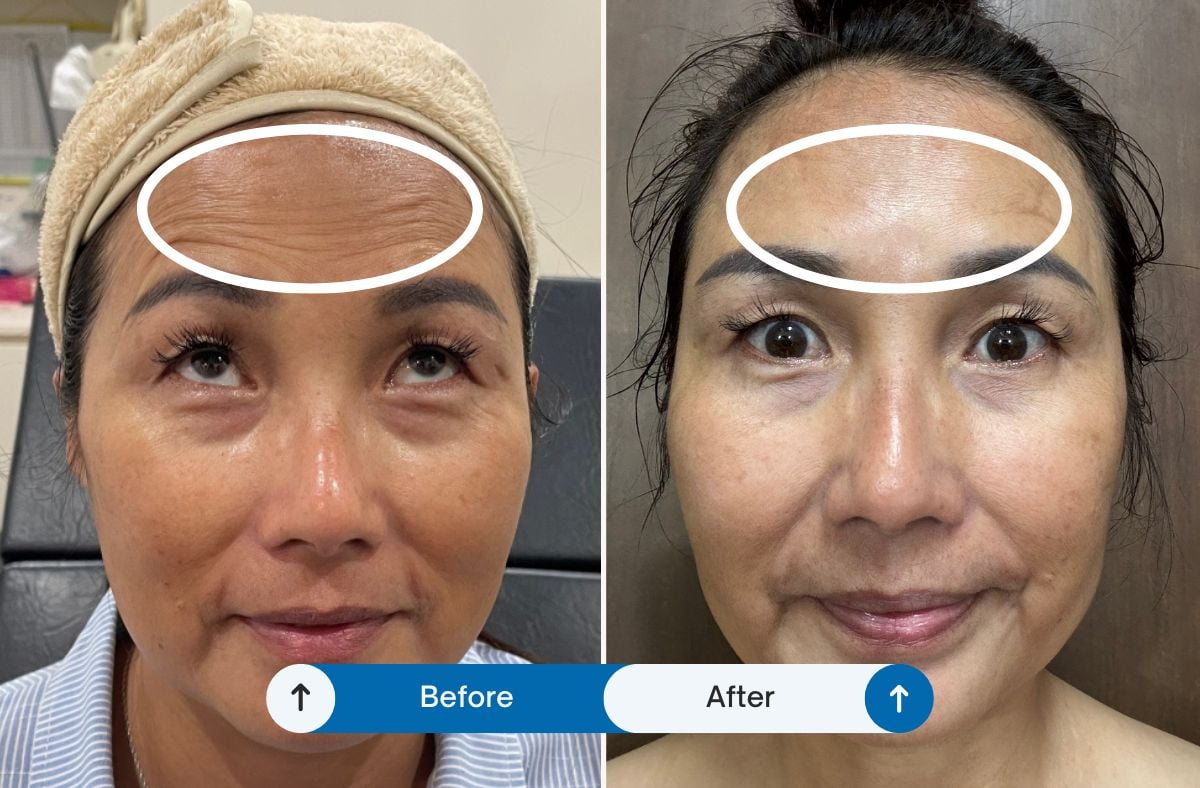
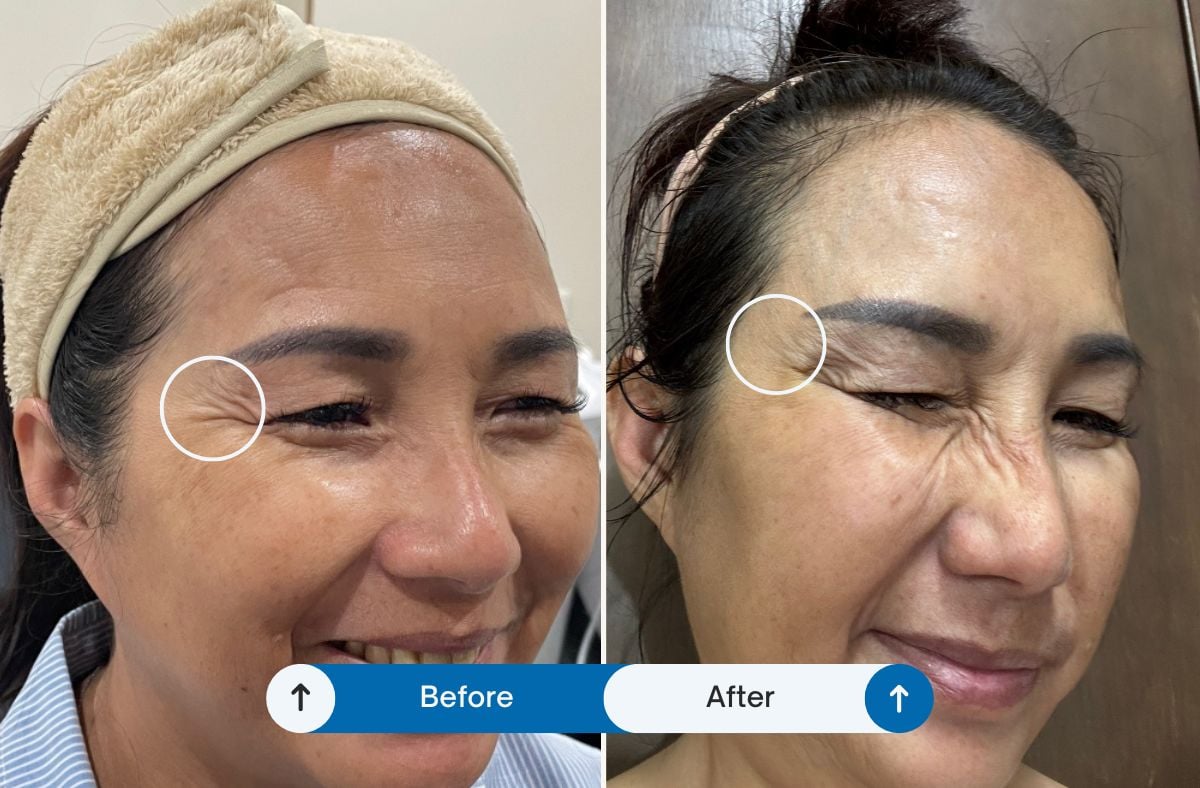
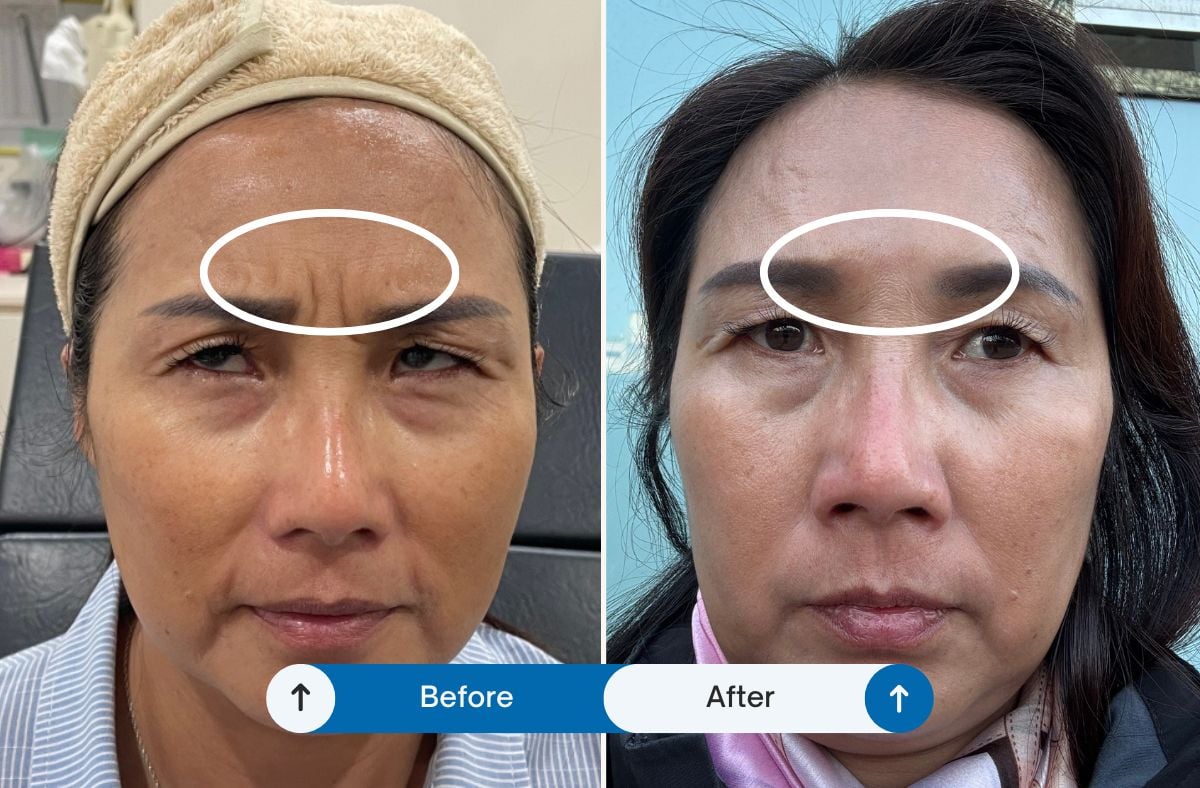
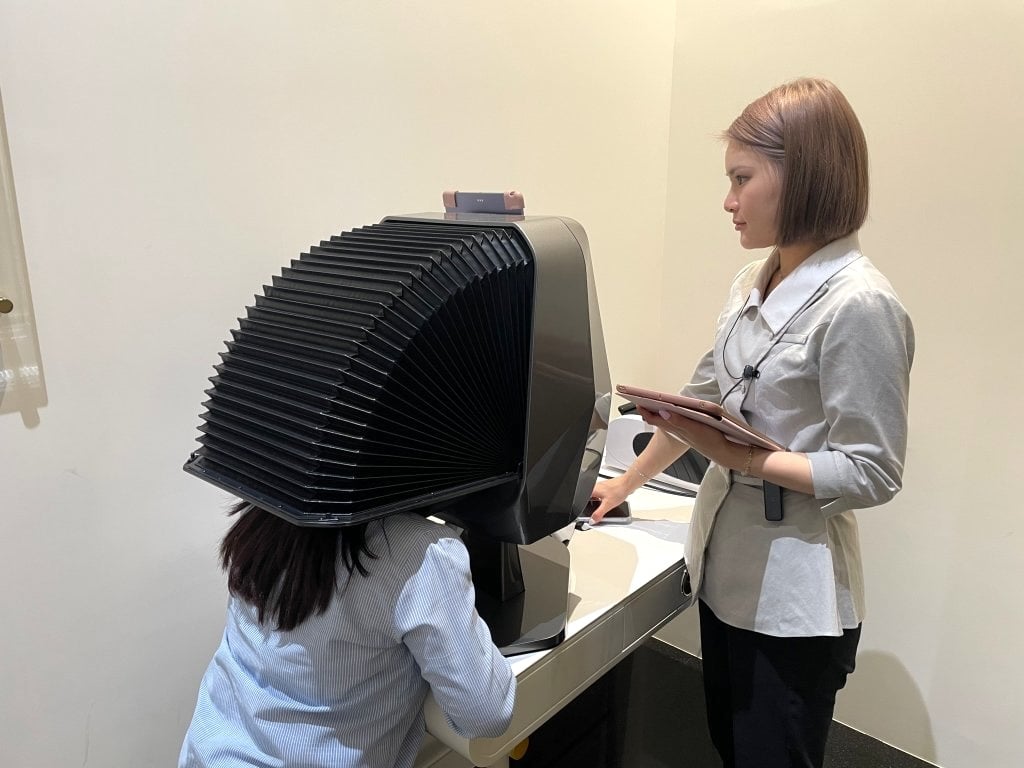
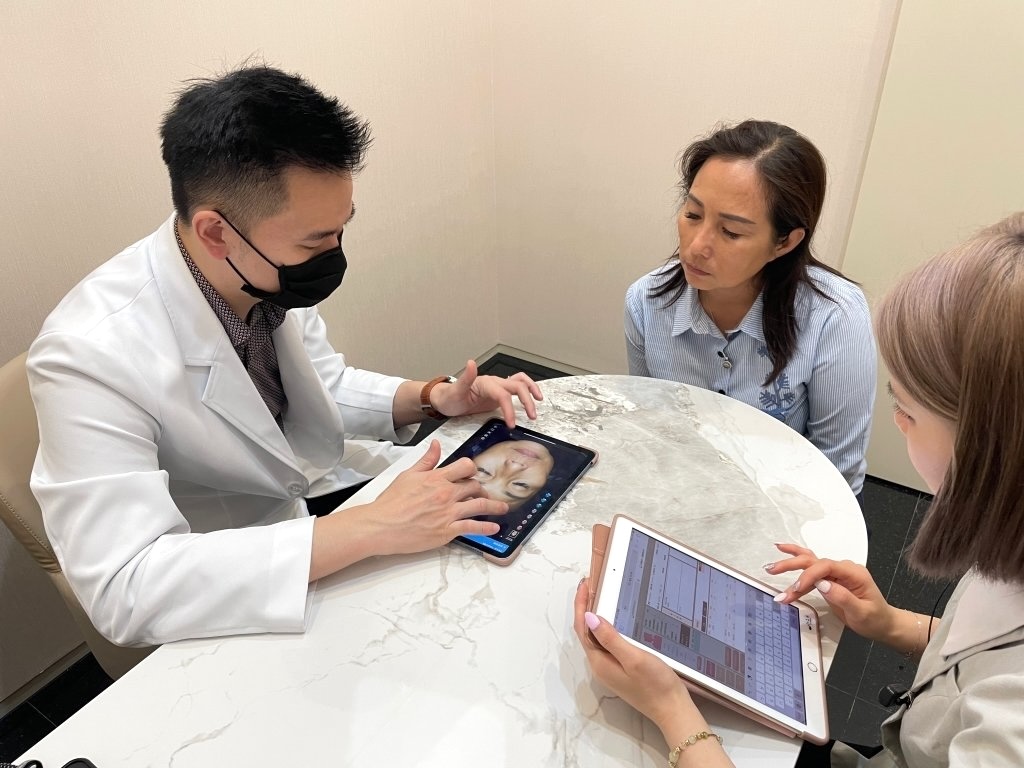
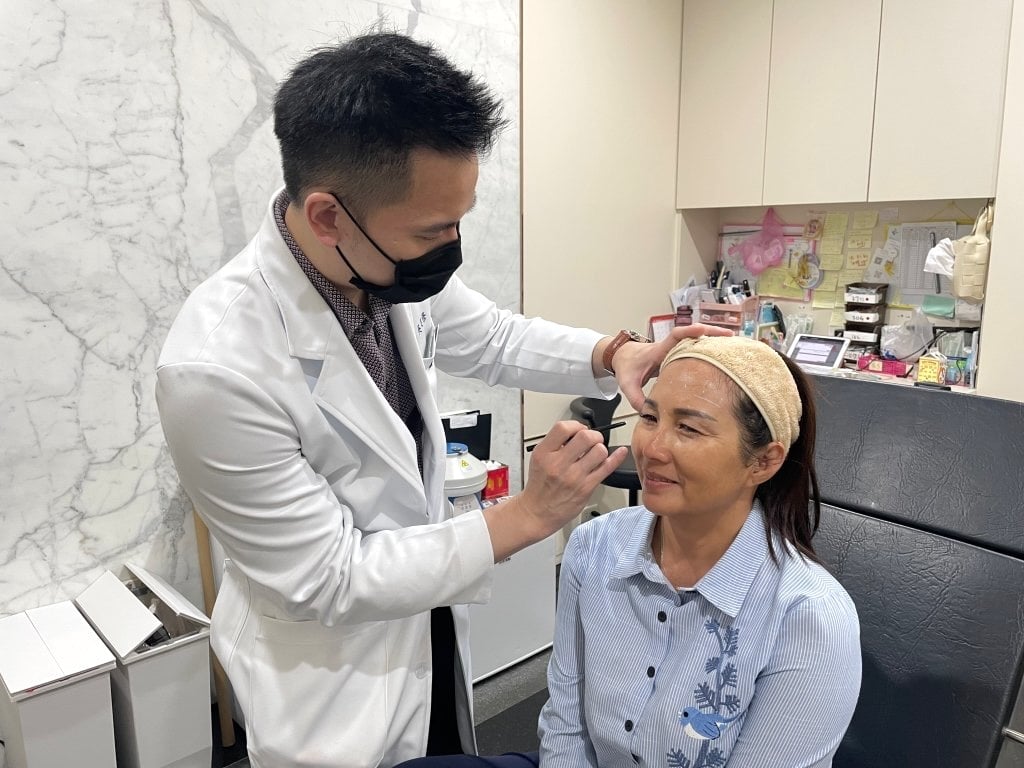
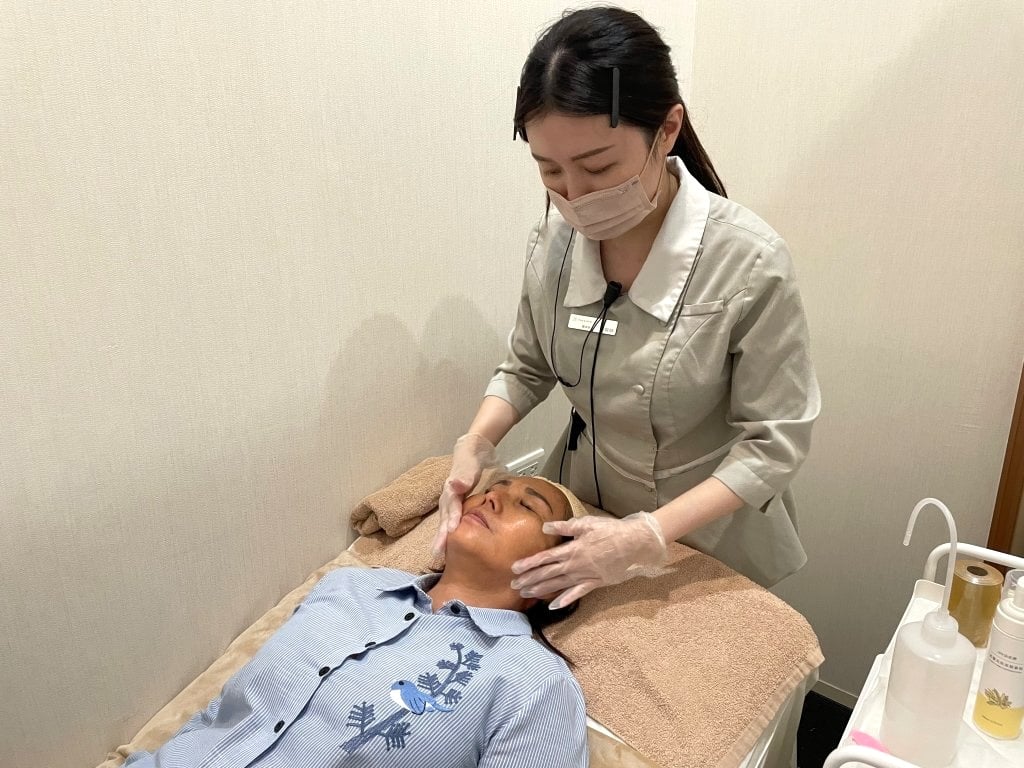
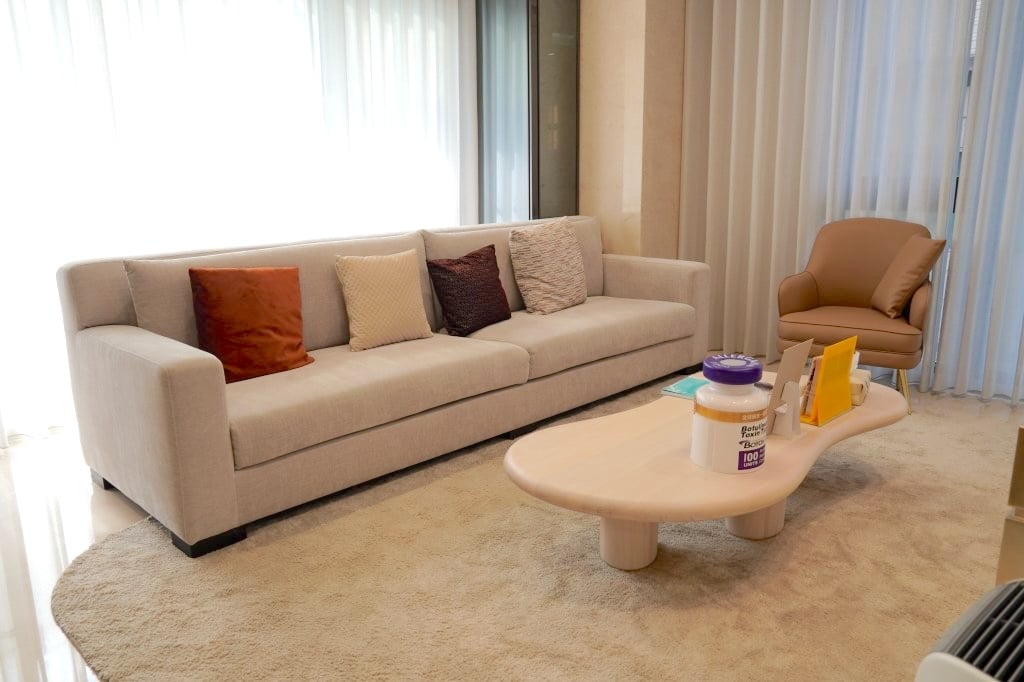

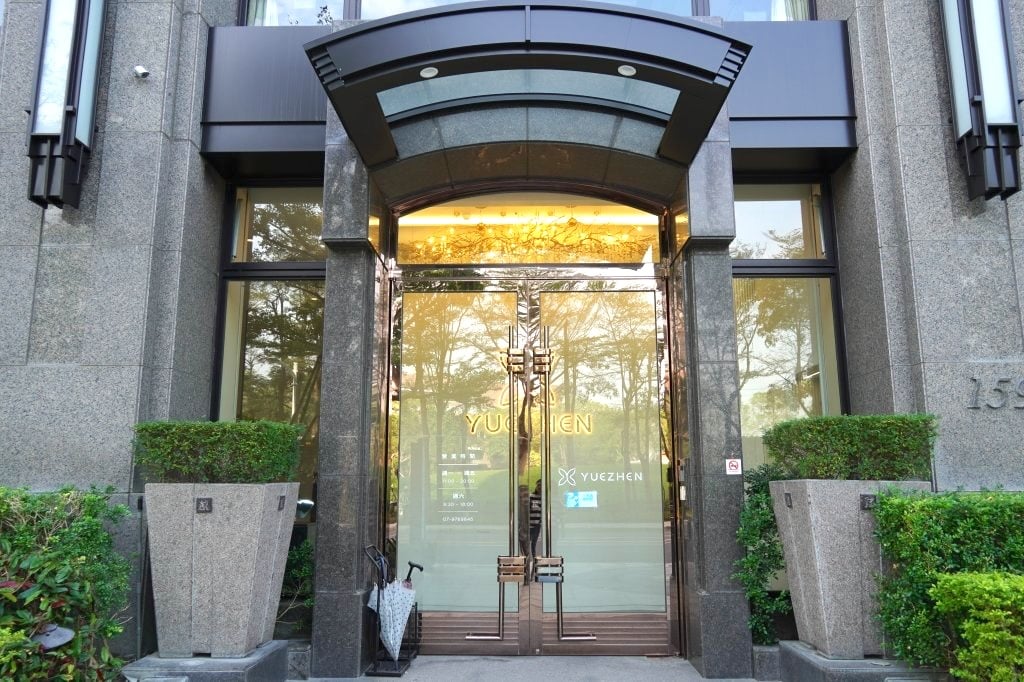
Yuet Tsin Medical Clinic is located next to the Museum of Fine Arts, just a 3-minute walk from the Light Rail Museum of Fine Arts Station and a 10-minute walk from the Taiwan Railway Museum of Fine Arts Station. Parking is also very convenient, and there are 2 parking lots on the Museum of Fine Arts Road near the clinic ...
Conclusion
Above is the Botox Lazybones Pack, a two-sevenths exploration featuring Botox experts "Yuet Jin Medical Clinic", to help answer the questions related to Botox.
Botox wrinkle principle, Botox can hit where, Botox after-effects, Botox price, Botox brand and other issues, many people often have questions before Botox, hope that this article to answer the common questions of medical Botox, can help you to play Botox before the more peace of mind and rest assured that hold a happy mood to make themselves more and more beautiful!
In addition to Botox introduced in this article, picoseconds and skin purifying lasers are also very popular medical aesthetic options, if you want to know more about medical lasers, you can refer to this article.Medical Laser Lazybones Bag.