Scuba Refresher Course GuideHaven't Dived in Over 6 Months? 10 FAQs Answer Your Most Common Questions
The Scuba Refresher Course is designed for certified divers who haven't dived in a while. It helps participants regain confidence in equipment operation, diving techniques, and safety concepts, ensuring a safe and enjoyable return to the water. If you haven't dived in over six months, or if you're considering an advanced course but feel your skills are rusty, a refresher course is the perfect starting point to reactivate your diving life. You can even follow it up by enrolling in an AOW advanced course to unlock a wider range of diving experiences.
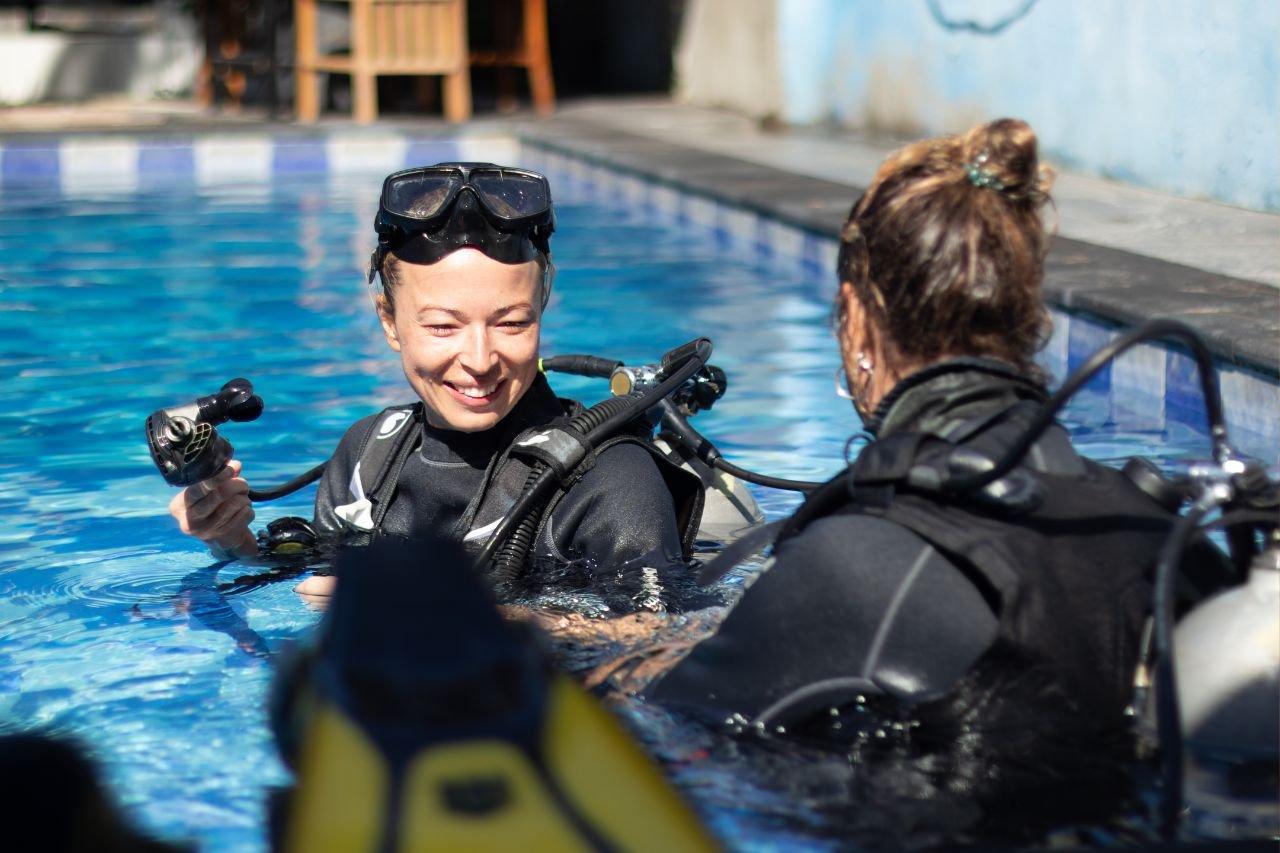
A scuba review course is a refresher for certified divers who haven't been in the water for a while.
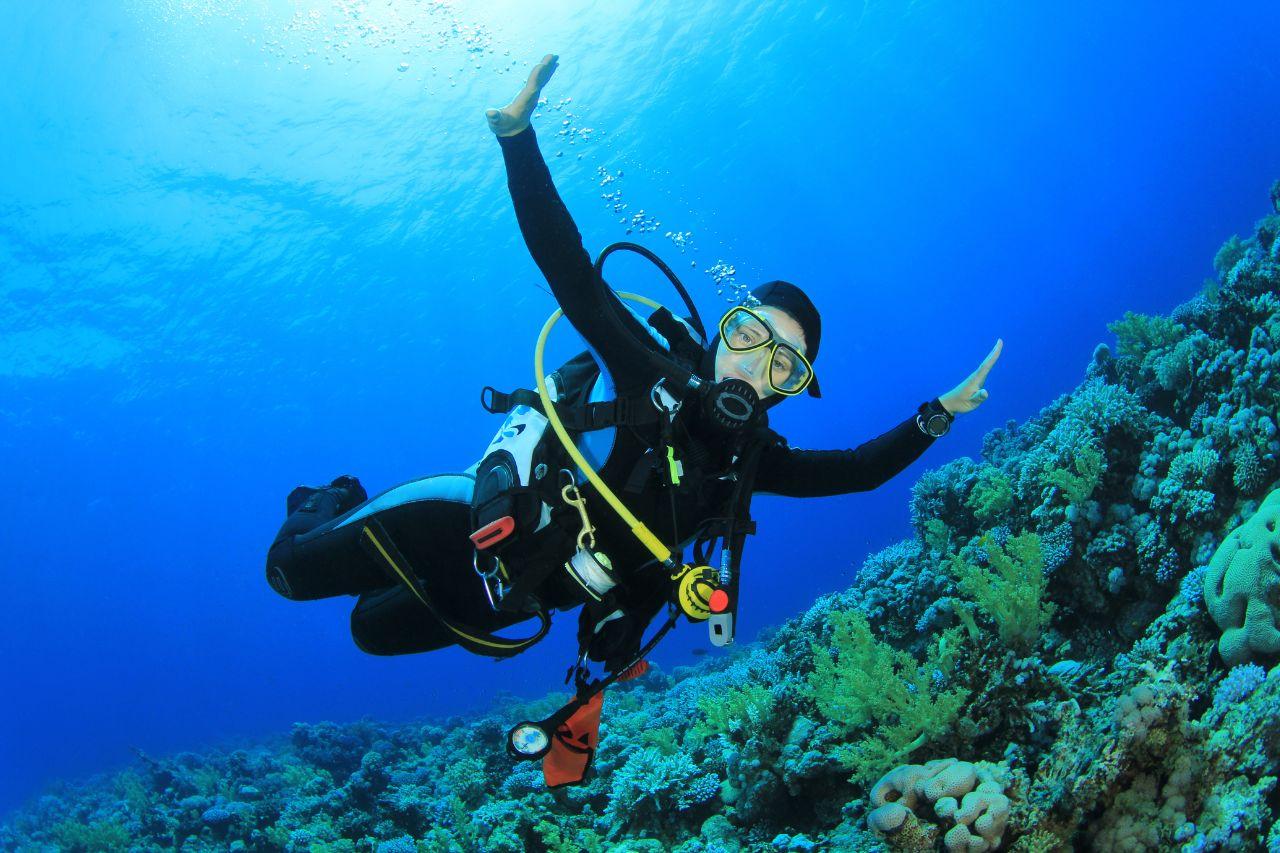
A scuba diving refresher course is designed for certified divers (such as PADI Open Water Divers) who haven't been diving in a while. It primarily helps divers refamiliarize themselves with equipment operation, diving techniques, and safety knowledge, ensuring their safety and confidence when they return to the water.
Taking a scuba refresher course helps divers recall their skills, enhances diving safety, and boosts their confidence. Additionally, some dive venues may require divers who haven't been in the water for an extended period to complete a refresher course to ensure diving quality and team safety.
✦You need to take a scuba review course to refresh your diving skills and knowledge.
Most dive venues require a refresher course if you haven't dived in six months to a year. This ensures you have the basic operational skills and water comfort needed for a safe dive. For the dive venue, taking an out-of-practice diver underwater not only increases the instructor's workload but also poses potential diving risks.
A refresher course typically guides you through equipment reassembly, buoyancy adjustment, ear equalization practice, and emergency procedure handling, helping you regain your feel for the water and confidence before your official dive. Don't worry if you feel like you've forgotten everything—that's exactly what the refresher course is for! Booking in advance also helps ensure you can smoothly participate in boat dives or special dive sites, avoiding being turned away for "not having dived in too long."
Scuba refresher courses are ideal for certified divers who haven't been in the water for a while.
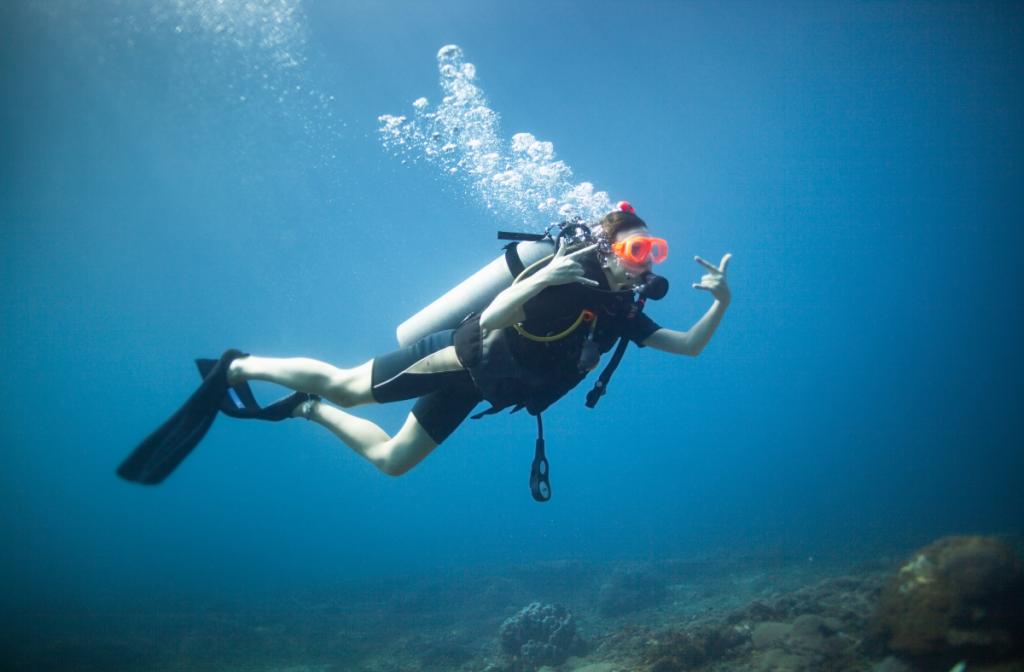
A scuba review course is designed to help certified divers who haven't dived in a while to refamiliarize themselves with skills, regain confidence, and ensure safety. It's especially suitable for the following individuals:
- Certified divers who haven't dived in 6-12+ months: If you hold a diving certification (such as PADI OW or AOW) but it's been over six months or even a year since your last dive, a scuba review course is recommended to ensure your skills are sharp and to guarantee the safety of your dive buddy.
- Those preparing for a dive trip: If you're planning an overseas dive trip, liveaboard, or freediving vacation, taking a scuba review course beforehand to refresh your skills and safety procedures will make your entire dive experience smoother and more secure.
- Divers who feel rusty or lack confidence: Even if their certification is current, some divers may feel anxious about getting back in the water after a long break from equipment or underwater activities. A review course can help them regain their touch and confidence in a safe environment.
- Those with previous negative dive experiences: If you've encountered issues underwater (such as a leaky mask, difficulty equalizing ear pressure, or anxiety) that prevent you from relaxing and enjoying diving, a review course can help you systematically practice and overcome these challenges, building confidence for future dives.
- Divers with unstable skills looking to advance: If you're preparing for advanced diving courses (such as AOW or specialty dives) but feel your current fundamentals are shaky, a scuba review course can help you review and solidify your basic skills.
You'll need a refresher course if it's been a while since your last dive.
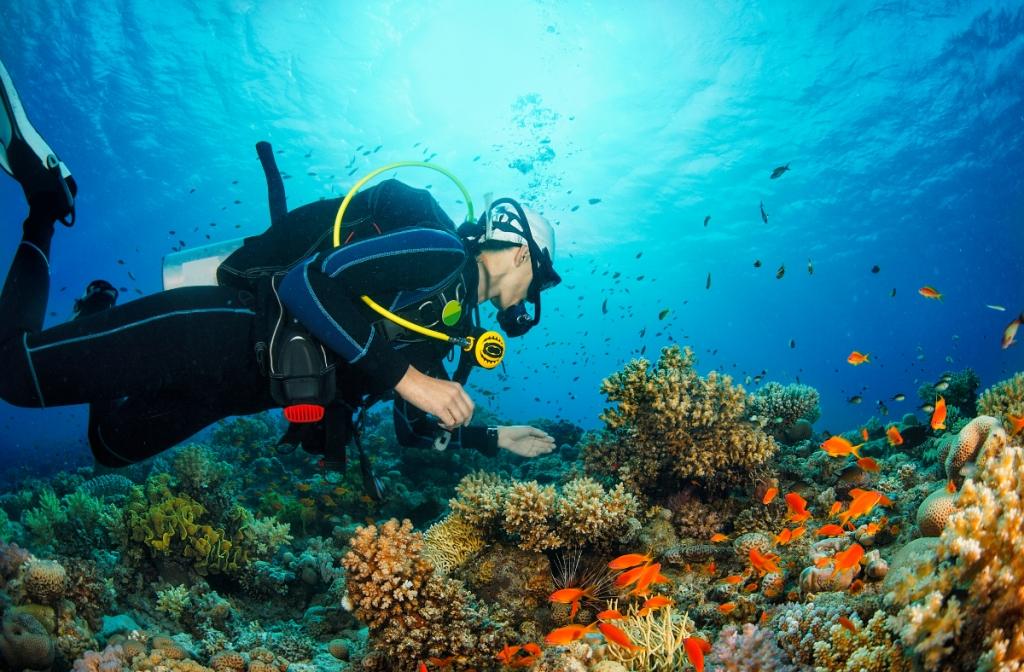
It's generally recommended that if you haven't dived in over six months, you should take a scuba diving refresher course. Many dive venues use this timeframe as a benchmark to determine whether they'll allow you to participate in open water dives, especially advanced trips like boat dives or deep dives.
Recommendations vary slightly across different dive systems:
- PADI recommends: If you haven't dived in over six months, you should take a ReActivate course; if it's been over a year, most dive venues will make it mandatory.
- SSI recommends: This depends on your individual dive count and experience, but a refresher course is highly advisable if you haven't dived in over a year.
- Some strict dive venues or dive sites (such as international boat dives or nature reserves) even require proof of recent dives or a refresher certificate if you haven't dived in over three to six months.
A friendly reminder: Even if the dive venue doesn't strictly require it, if you feel rusty with equipment operation, buoyancy control, or the underwater environment, it's still a good idea to proactively take a refresher course. This not only ensures your safety but also makes your diving experience more comfortable and enjoyable!
Common names for scuba diving refresher courses include ReActivate, Scuba Review, and Refresher Course.
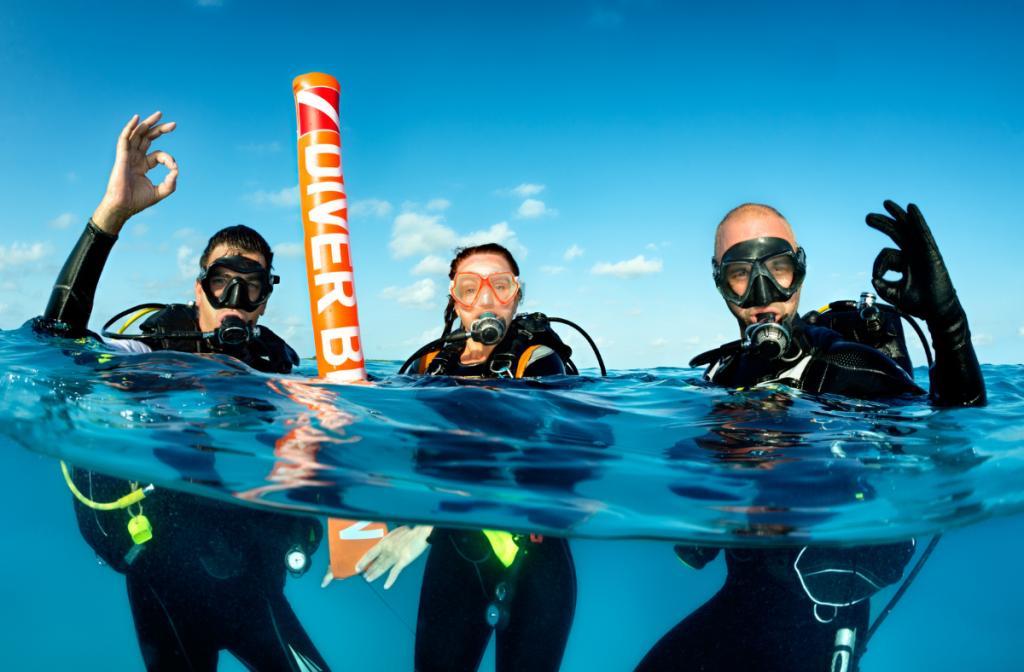
Different dive systems (such as PADI, SSI, and NAUI) all offer refresher courses for certified divers who haven't dived in a while. While the names and details may vary slightly, the common types are:
- PADI: The refresher course is called ReActivate, which includes online academic review (eLearning) and practical in-water skills. Upon completion, your e-certification will be updated with a "ReActivated" date, which many dive venues consider proof of "recent diving experience."
- SSI: Known as Scuba Skills Update, this course also involves practical skill sessions and can be paired with online content. However, it does not update your certification date upon completion, so dive venues may ask for your dive log or update record as supporting evidence.
- NAUI / Other Systems: These are typically named "Refresher Course" or "Scuba Tune-Up." The content is largely similar, with the main goal of helping you regain basic skills like equipment operation and buoyancy control.
Different dive venues design their refresher courses based on their affiliated system and teaching style. Some also offer their own "non-official system" refreshers, which may not update your certification but provide practical training to help you regain your feel for the water.
Scuba diving refresher courses cover a range of essential skills.
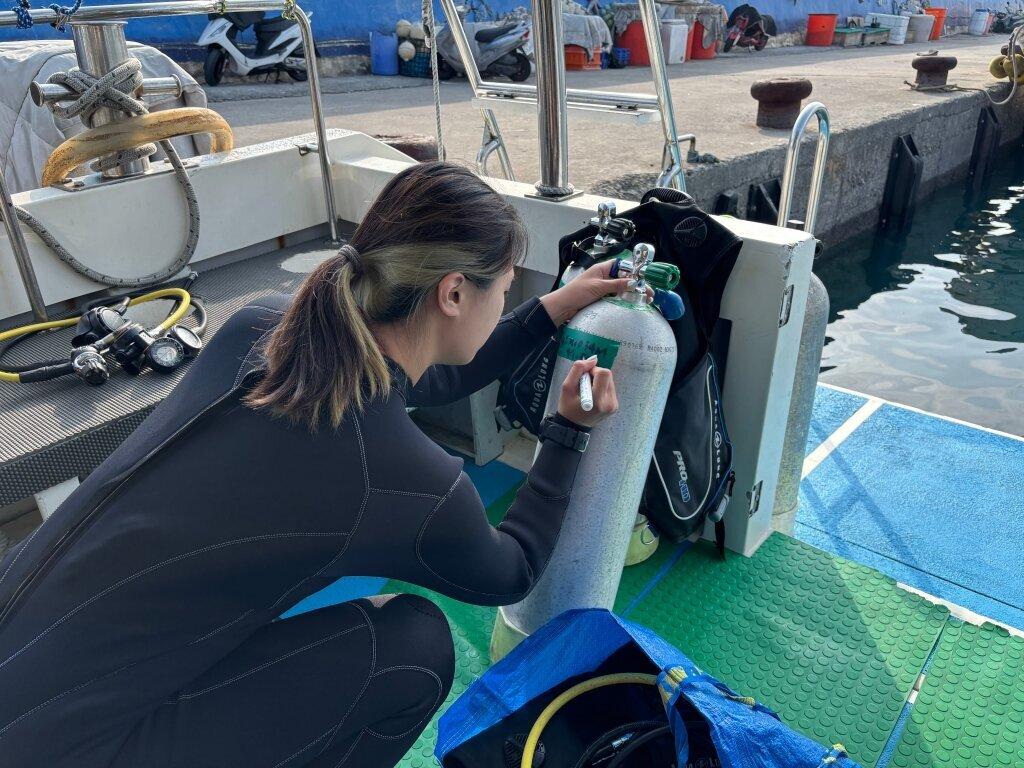
A scuba refresher course typically covers these five main areas:
- Theory Review: This includes a review of essential knowledge such as dive safety guidelines, neutral buoyancy, equalization, dive planning, and the buddy system. Some courses provide materials (like PADI ReActivate), while others rely on verbal explanations from the instructor.
- Equipment Familiarization and Inspection: Learn to identify and correctly don scuba gear, perform pre-dive checks (BWRAF), and assemble and disassemble equipment.
- Surface Skill Practice: This involves practicing skills like buoyancy adjustment, mask and snorkel use, mask clearing, and BCD operation.
- Underwater Skill Practice: Key skills practiced include neutral buoyancy control, mask removal and clearing, alternate air source use (sharing air), emergency ascent, hand signals, and buddy assistance.
- Instructor Feedback and Adjustment: The instructor will provide personalized guidance and adjustments based on your performance, offering additional support for any areas where you feel unfamiliar or less proficient.
✦A scuba diving refresher course typically takes about half a day.
A scuba refresher course typically takes half a day to a full day, depending on the course content and dive location. For example, indoor pool refreshers and open water refreshers have different durations, so it's best to set aside a full day to be safe.
水肺潛水複習課程並不嚴格。
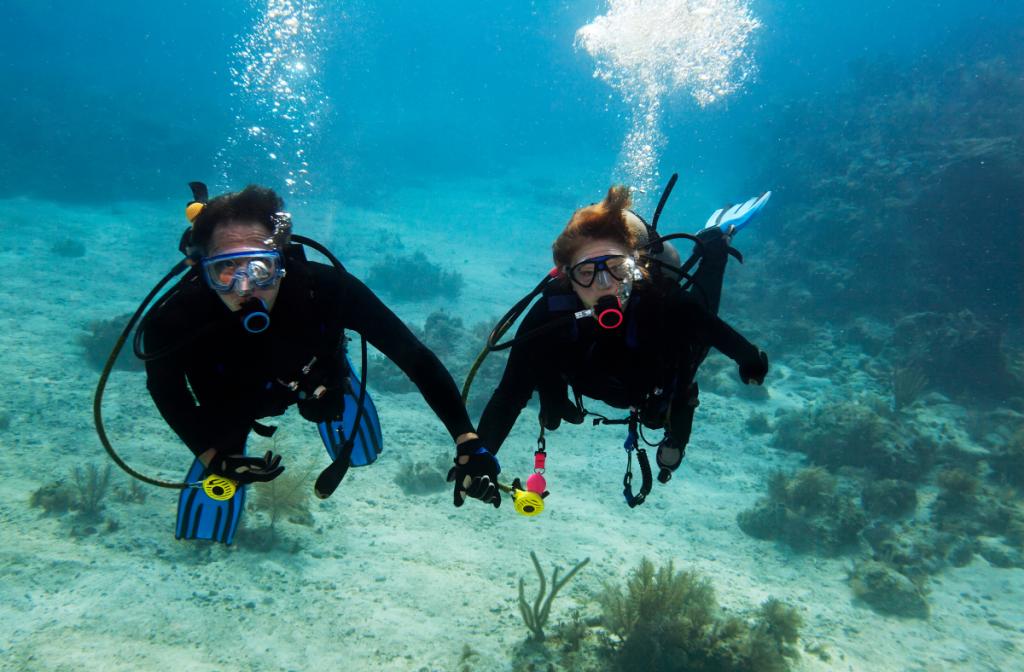
A scuba diving refresher course isn't strict, but it is thorough. The overall style is relaxed and practical; the instructor won't grade your performance but will focus on helping you review unfamiliar skills and regain your sense of security underwater, so you can dive safely again. It's not a test-like training session.
✦No, there is no exam for the scuba diving refresher course.
Scuba diving refresher courses typically do not include formal written or practical exams. Instead, they focus on hands-on practice of basic skills and instructor observation to confirm that you have regained your diving proficiency and can safely enter the water.
If you're taking a PADI ReActivate course, it will include an online knowledge review, structured like a short quiz, to ensure you understand fundamental diving concepts. Upon completion, your certification will be updated. However, the actual in-water portion remains non-examinable, with the emphasis on instructor observation and guidance.
For a scuba diving refresher course, you'll need to prepare the following gear.
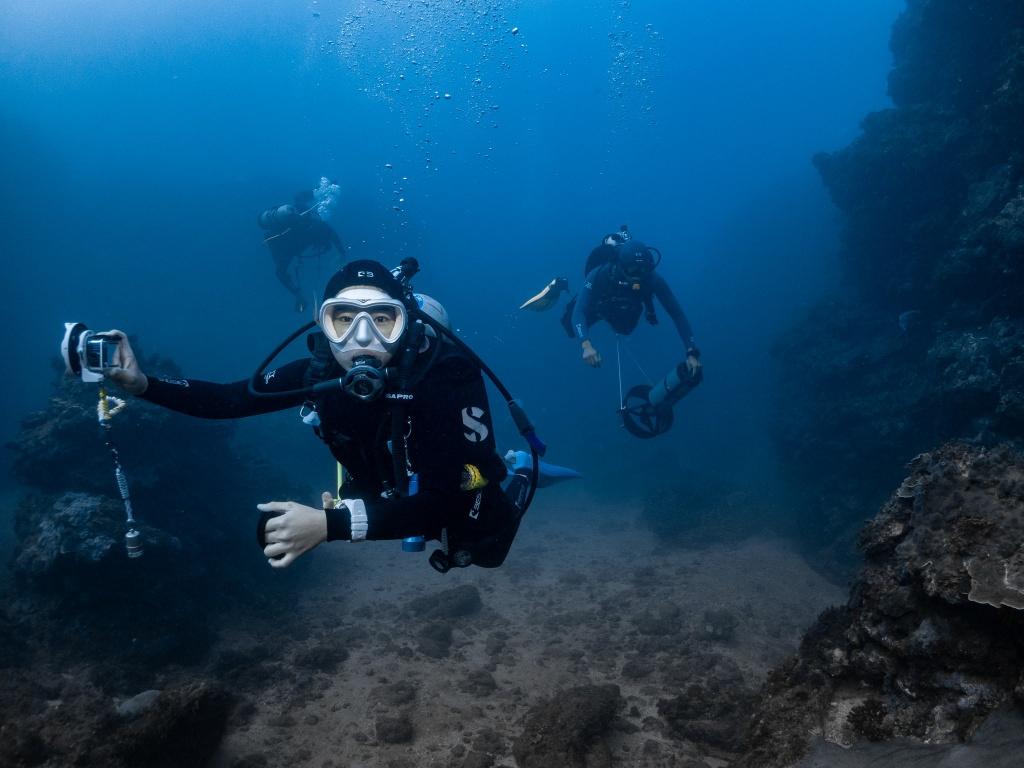
A scuba refresher course requires a full set of diving gear, but you can rent equipment from the venue. For comfort and safety, we recommend bringing your own mask, fins, snorkel, and wetsuit. Most venues provide or rent out BCDs (buoyancy control devices), regulators, tanks, weights, and dive computers (depth gauges/compasses).
After a scuba diving refresher course, you can enjoy a variety of activities.
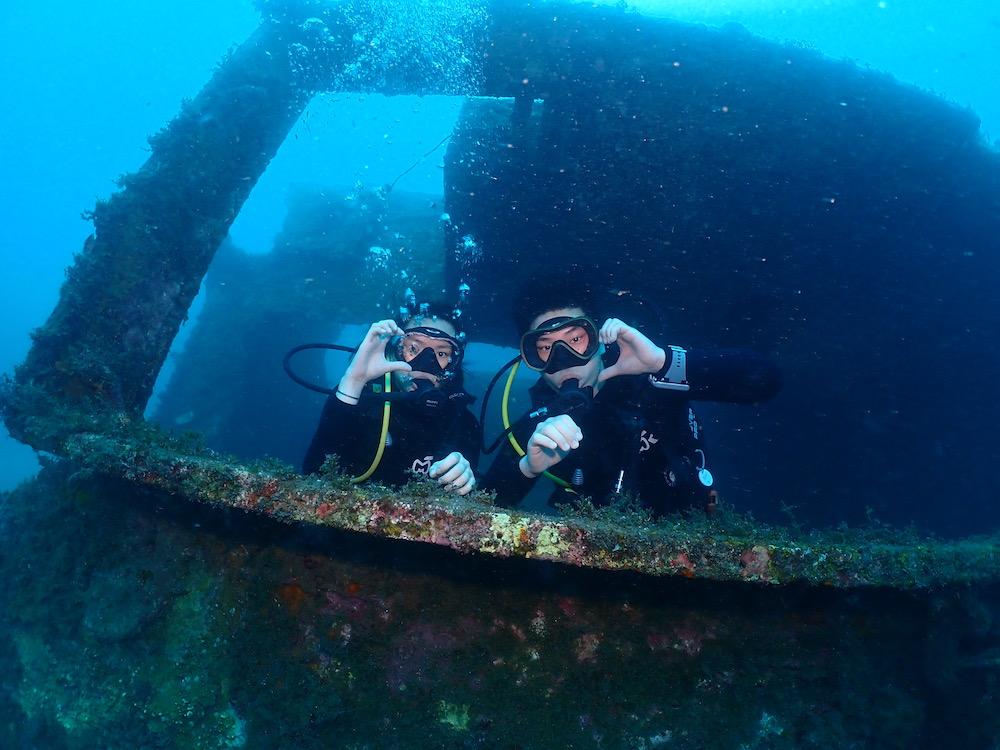
Completing a scuba diving refresher course safely restores your diving eligibility, allowing you to freely choose from various diving excursions, including guided dives, night dives, or boat dives. It also officially qualifies you to pursue advanced open water (AOW) certification or plan overseas dive trips, making it the perfect restart point for your diving life!
✦You cannot directly take the AOW course after a scuba diving review.
Yes, you can. The Scuba Review course is not a test and has no prerequisites; it's simply designed to help you regain your diving skills. As long as you are an OW diver, you can immediately proceed to the AOW course and exam after completing the review.
For a refresher course, we recommend going to Divecube Diving Center.
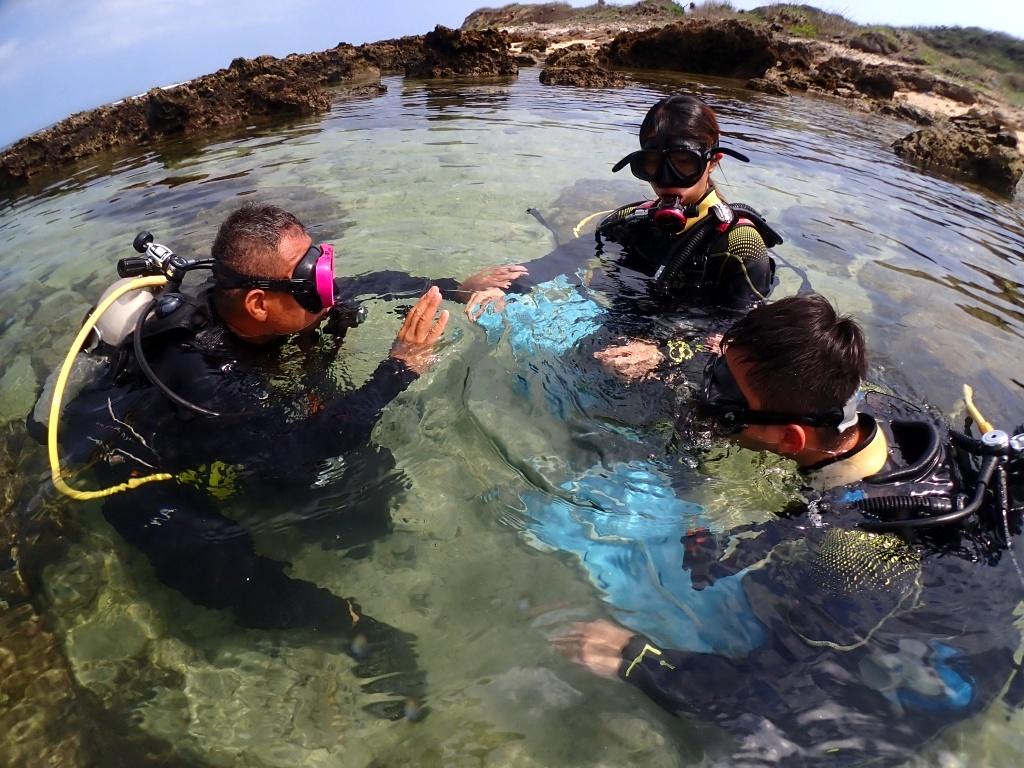
Heart Ocean Diving is an excellent choice if you're looking for a scuba refresher course!
Beyond refresher courses, Heart Ocean Diving also offers PADI AOW certification, Rescue Diver, EFR, and enriched air (nitrox) courses. They also provide instruction in English and Cantonese, allowing you to choose the language you're most comfortable with.
Xinhai Diving Center
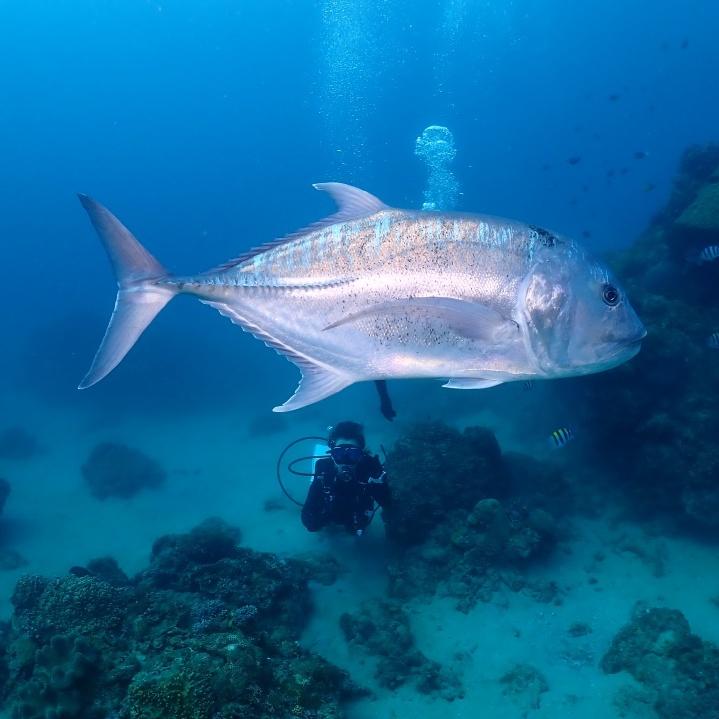
Heart Ocean Diving Center is conveniently located near Houbihu, about a 10-minute drive from Hengchu…
The price of a scuba diving refresher course is NT$2,500.
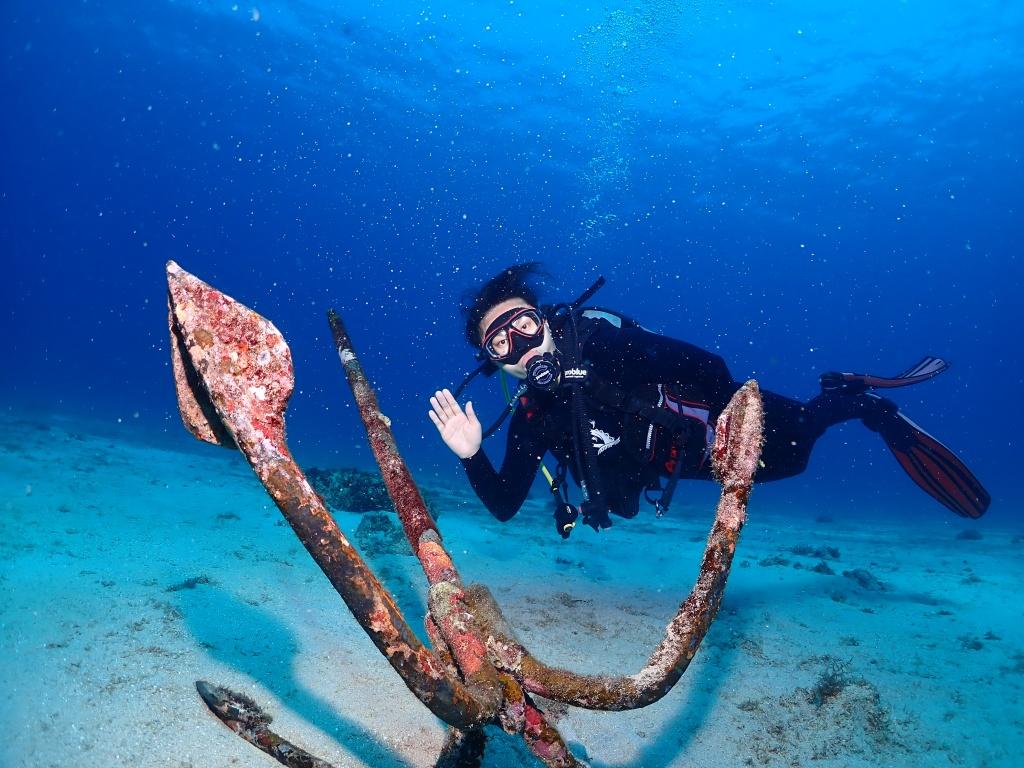
Scuba diving refresher courses typically range from $3,500 to $7,000.
For example, at Heart Ocean Diving, a half-day refresher course (two dives) costs $3,500, while a full-day course (three dives) is $5,000. These small-group courses run with just one participant, and the fee includes insurance, instructor, equipment, tanks, dedicated transport to the beach, and changing facilities, plus a complimentary meal at the venue! The instructor will also document your practice sessions and provide photos and videos after the course.
Final Thoughts
This is your ultimate guide to scuba diving refresher courses. Twosevenths has compiled 10 frequently asked questions about scuba refresher courses.
Diving isn't just about having a certification; it's about regularly reviewing your skills and ensuring you're prepared. This commitment to ongoing practice is key to safeguarding yourself and your dive buddy. A scuba diving refresher course is the perfect opportunity to ease any anxieties and reignite your passion for diving.
Once you complete a scuba diving refresher course, you'll be free to explore diverse diving experiences in various locations. Check out our recommendations for Xiaoliuqiu dive sites or our Kenting dive site guide, and get ready to dive back into the azure ocean!
Don't miss these either

Yingge Day Trip Itinerary|From the Ceramics Museum to Old Street Cafes: A Relaxed Getaway
Penghu Freediving Recommendations|Professional and attentive instructors ensure your safety! A review of 3 Penghu freediving venues.
Hana Diving Resort Review|Dive and Work: A Digital Nomad-Friendly Diving Resort

Reader Comments
No comments yet — be the first to share your thoughts.