Your ultimate guide to wild hot spring camping10 essential tips for beginners: routes, gear, and everything you need to know
This article is for you if you're planning your first wild hot spring camping trip and are full of questions and uncertainty! Twosevenths has compiled 10 key points, from route planning and essential gear to practical tips and safety precautions, to answer your potential questions and help you master your first wild hot spring experience!
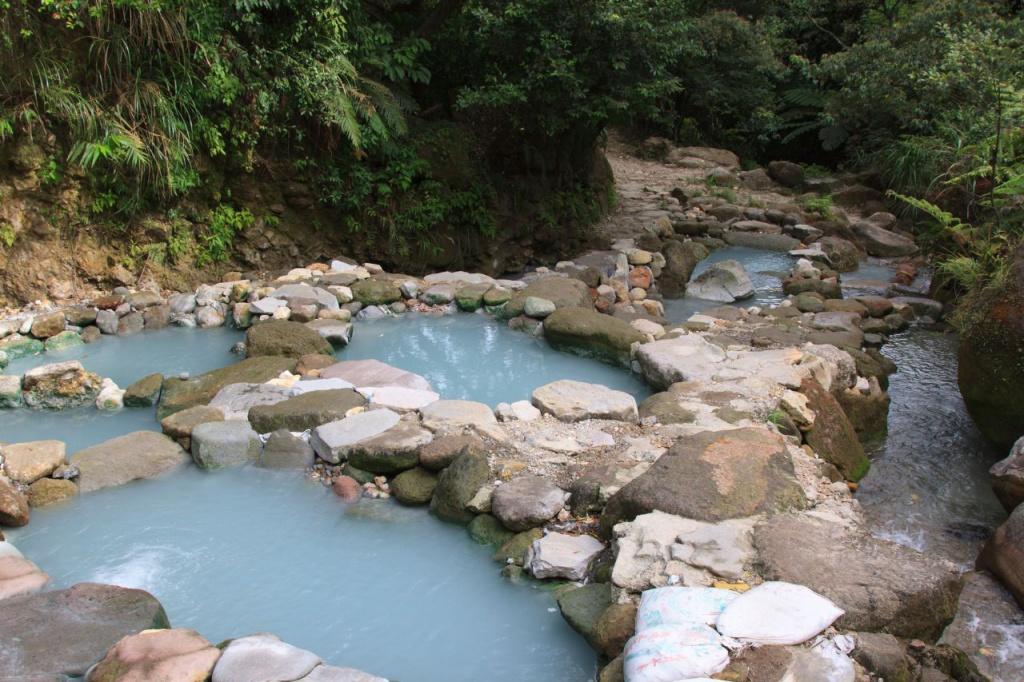
Wild hot spring camping combines the best of both worlds: the thrill of camping in nature with the luxury of soaking in a natural hot spring.
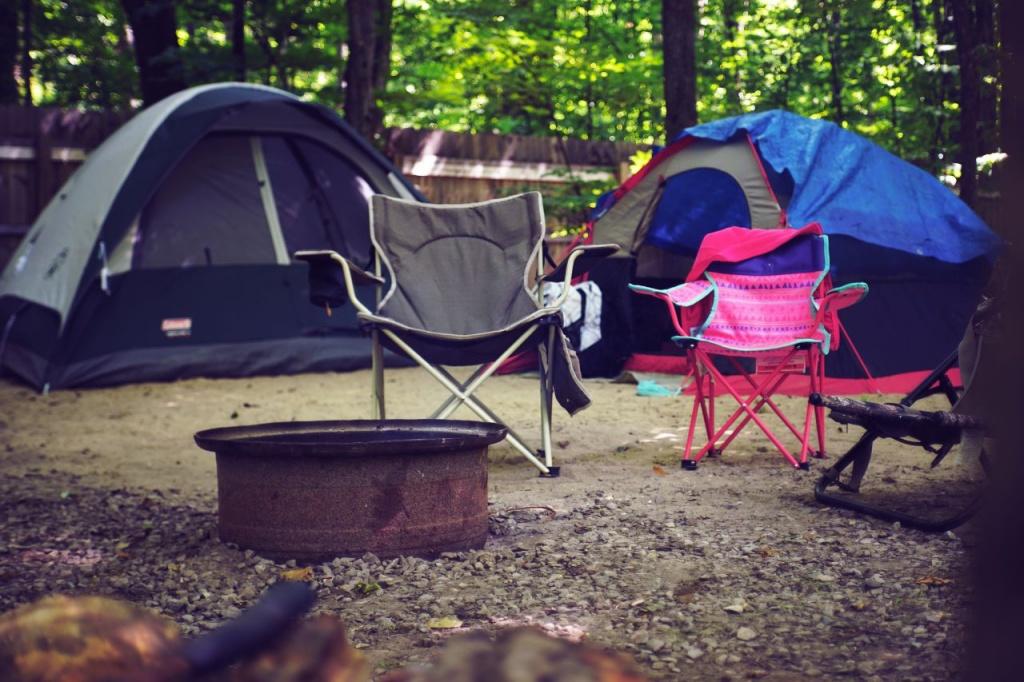
Wild hot spring camping combines the thrill of outdoor camping with the unique experience of discovering and enjoying undeveloped hot springs in their natural environment. These wild hot springs are typically found deep in the mountains, alongside streams, or in remote areas, untouched by commercial development and retaining their pristine natural beauty. Campers bring tents, sleeping bags, cooking gear, and other essentials to set up camp near the wild hot springs, allowing them to soak in the therapeutic waters while immersing themselves in the tranquility and splendor of nature.
However, the locations of wild hot springs can change or even be buried due to natural disasters such as typhoons, heavy rains, or earthquakes. Therefore, thorough research and repeated verification of road conditions and locations are essential before embarking on such a trip. Some wild hot springs require extensive trekking and river tracing to reach, making climbing and river-crossing skills indispensable. Given the inherent risks of wild hot spring camping, it is crucial to ensure you possess sufficient wilderness survival skills and a comprehensive understanding of the terrain and weather conditions to avoid potential dangers.
The best time for wild hot spring camping is from November to April.
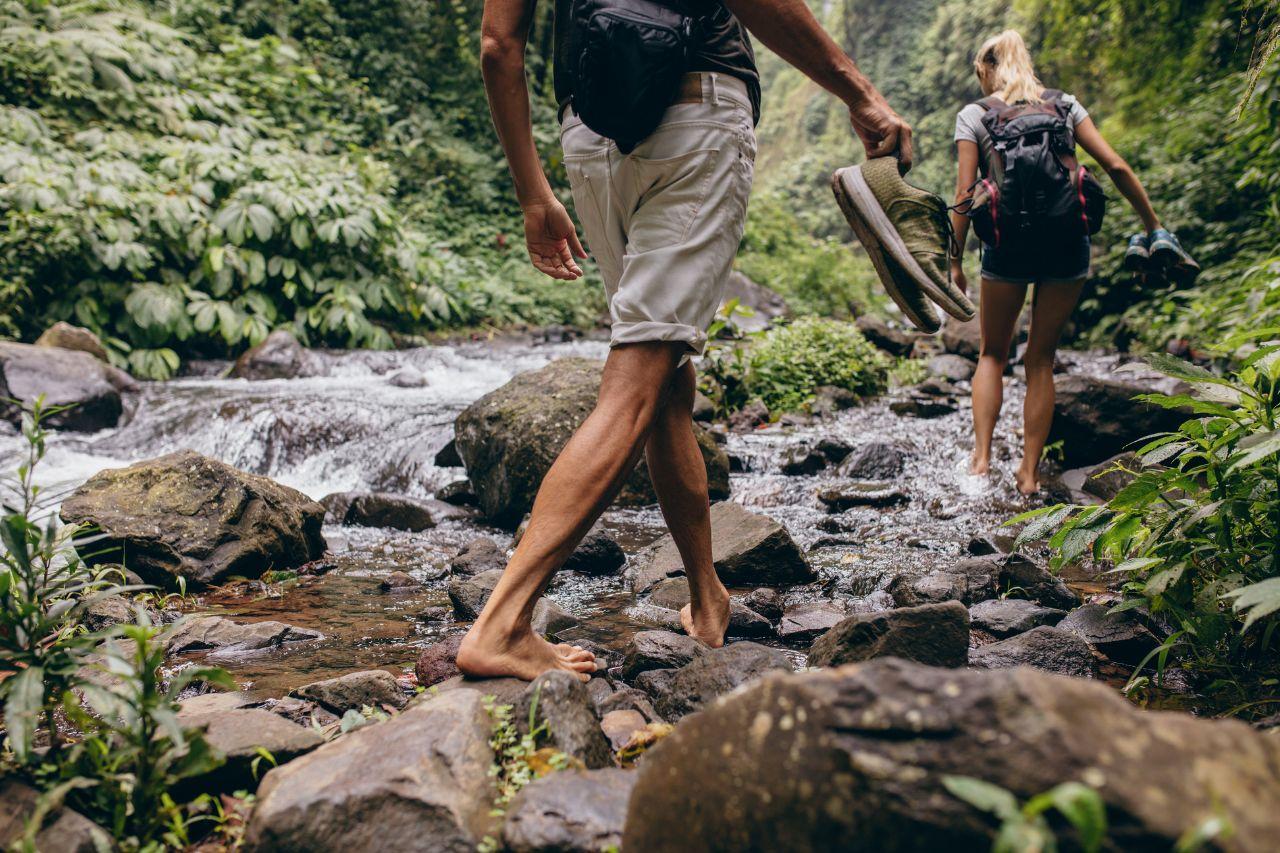
The best time for wild hot spring camping is during the dry season, from November to April. This is because outside of the dry season, these wild hot springs are often submerged by the river, and the currents are too strong to enjoy a soak. Furthermore, the autumn and winter months are free from typhoons and plum rains, making it the ideal time of year to experience wild hot springs.
Wild hot spring camping is safe if you follow a few key precautions.
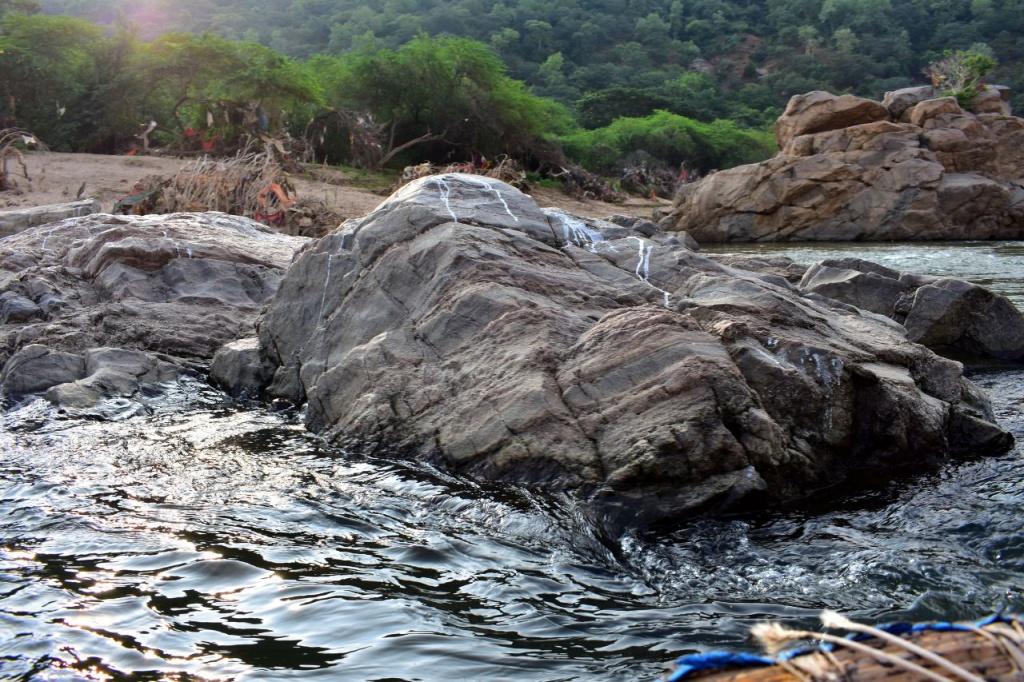
Wild hot spring camping combines the relaxation of soaking in hot springs with the fun of camping, attracting many to experience it. However, this activity carries significant safety risks that should never be underestimated. Here are several important considerations for wild hot spring camping that you should evaluate.
Advice for beginners: If you're new to wild hot spring camping, we recommend going with experienced individuals or joining a guided tour. Let an experienced guide lead the way, or choose wild hot springs that are easier to access. Do not attempt routes that are too difficult. Before you go, be sure to consult with relevant local authorities or experienced individuals to get the latest information and reduce the risk of accidents.
✦Unpredictable Weather
Mountain weather can change rapidly, with afternoon thunderstorms and typhoons potentially causing flash floods and creating dangerous conditions.
✦Complex Terrain
Wild hot springs are typically found in rugged mountainous terrain, and if the geological conditions in the area are unstable, there is a risk of hazards such as falling rocks and landslides.
✦Wildlife
The mountains are home to many wild animals, so please be careful when out at night and avoid conflicts with wildlife.
✦Risk of getting lost
Wild hot spring trails are often unmarked, and without experience or proper preparation, it's easy to get lost.
✦Poor cell reception
Poor signal in the mountains makes it difficult to call for help in an emergency, so bringing a radio to stay in touch with the outside world is also crucial.
How do you choose a wild hot spring camping spot?
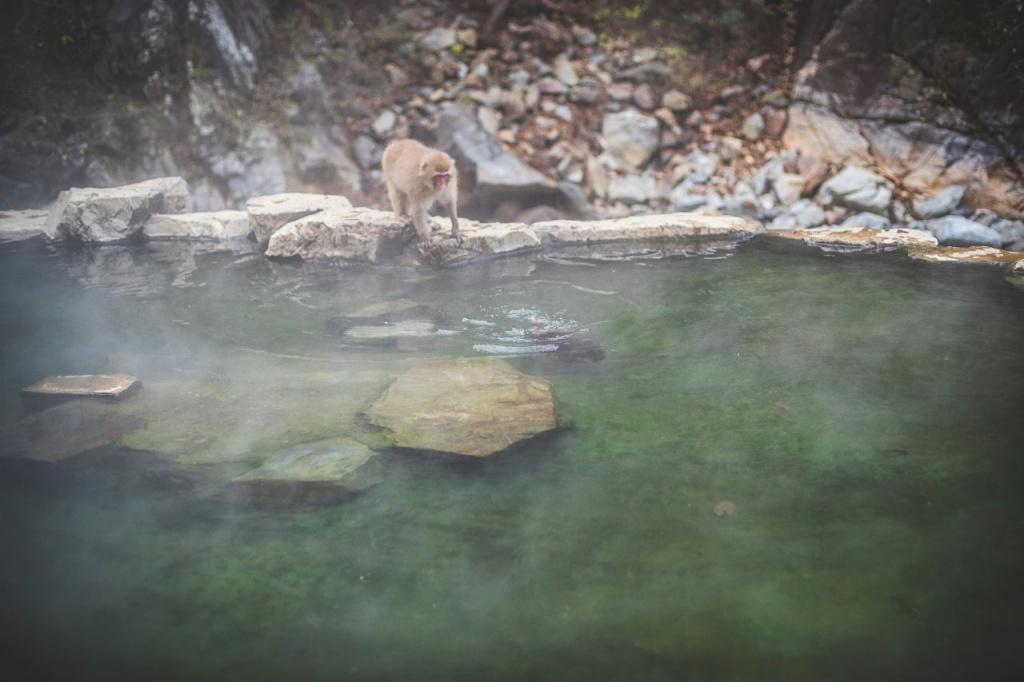
When choosing a wild hot spring camping spot, you need to consider several factors, including physical fitness, location safety, accessibility, ease of reach, avoiding fragile ecological zones, recent water levels, hot spring temperature, and the current condition of the hot spring.
* Physical Fitness: When planning your trip, consider the fitness levels of everyone in your group to ensure they can handle the physical demands of river tracing, rock climbing, or hiking. Wild hot spring camping also requires carrying heavy equipment, food, and water, so inadequate fitness could lead to exhaustion.
* Location Safety: Choose an area with relatively stable geology. Avoid camping in places prone to landslides or rockfalls (or areas where they have recently occurred). You can check local geological data to select lower-risk areas.
* Transportation Convenience: Especially for beginners, it's ideal to choose a wild hot spring where the walking distance from parking to the actual hot spring is short, allowing for quick evacuation in case of an emergency.
* Accessibility: Ensure there is a clear path or navigation to reach the hot spring. Beginners are not advised to choose hot springs that require long-distance treks or crossing difficult terrain.
* Avoiding Fragile Ecological Zones: Camp in areas that can withstand human activity. Do not camp in ecologically sensitive or protected areas. It's recommended to choose areas where wild hot spring camping is legally permitted.
* Wild Hot Spring Temperature: Choose a hot spring with a suitable temperature. Water that is too hot can cause burns, while water that is too cold will result in a poor soaking experience and affect your mood.
* Recent Water Levels and Hot Spring Conditions: Wild hot spring camping often involves river tracing, so river water levels and conditions will also impact your trip.
* Difficulty: Wild hot springs can change location or even be buried due to earthquakes, heavy rains, etc. The water depth and conditions vary each year, so it's recommended to check relevant wild hot spring camping Facebook communities (such as 臺灣瀑布和野溪溫泉 and 戶外玩美冒險隊) before your trip.
✦Difficulty Ratings for Popular Wild Hot Spring Routes
| Difficulty | Duration | Trail Conditions | Suitable For |
| ★☆☆☆☆ | Under 20 minutes | Clear, flat, well-maintained trail | Beginners, children, seniors |
| ★★☆☆☆ | 30-60 minutes | May encounter challenging terrain, requiring river tracing, rope climbing, or log bridges | Recommended with a professional guide |
| ★★★☆☆ | 1.5-2.5 hours | Longer route, often exposed to sun | Those with some experience in weighted hiking |
| ★★★★☆ | 3 hours | Complex terrain, requiring multiple river crossings and climbs | Those familiar with river tracing, in good physical condition, and regularly train |
| ★★★★★ | 4.5-9 hours | Complex and diverse terrain, including river tracing, rock climbing, deep pools, and canyoning | Typically a 2-day, heavy-pack trip suitable for those with excellent stamina, endurance, extensive experience in mountaineering, river tracing, and rock climbing. Also requires familiarity with trip planning, route design, and risk management |
What to wear for wild hot spring camping?
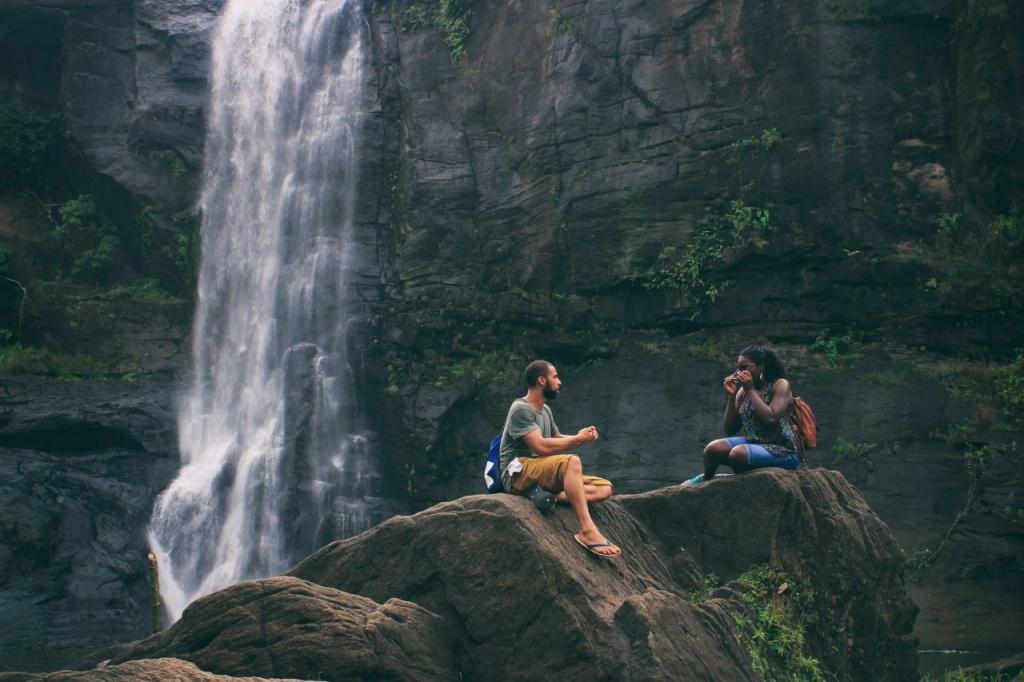
What to wear for wild hot spring camping depends on the season, location, and planned activities. You need to ensure comfort while being prepared for changing weather and outdoor demands. Twosevenths breaks it down into: Basic Dressing Principles, Upper Body Attire, Lower Body Attire, Footwear, Hot Spring Attire, Nighttime Warmth, and Other Accessories.
✦Basic Dress Code
- Layering: Temperatures in the wild can fluctuate significantly, especially in mountainous or river valley areas where day-night temperature differences are pronounced. Therefore, dress in layers so you can easily add or remove clothing to adapt to changing temperatures.
- Breathable and Quick-Drying: Since outdoor activities often lead to sweating, it's crucial to choose clothing that is breathable, wicks moisture effectively, and dries quickly. Avoid wearing 100% cotton, as it absorbs water and dries slowly, leaving you feeling damp and cold.
✦Upper body wear
- Base Layer (Wicking): Choose close-fitting, moisture-wicking clothing like quick-dry underwear or breathable athletic wear to keep your body dry.
- Mid-Layer (Insulation): Select an appropriate mid-layer based on the weather, such as a fleece jacket or a lightweight down jacket, for warmth without bulk. This layer should trap heat while also allowing body moisture to escape.
- Outer Layer (Windproof, Waterproof Jacket): To prepare for changing weather, bring a windproof and waterproof jacket or coat to protect against wind and rain.
✦Bottoms
- Quick-dry pants: Choose quick-drying athletic or outdoor pants, and avoid non-breathable, water-absorbent materials like jeans. If local temperatures are low, pair them with moisture-wicking long underwear for added warmth.
- Thermal leggings: Wear thermal leggings at night or in cold weather to keep your legs warm.
✦Footwear
- Waterproof hiking boots/non-slip shoes: What shoes should you wear for a wild hot spring camping trip? We recommend waterproof, non-slip hiking boots or outdoor shoes, suitable for walking on muddy or slippery terrain. If your itinerary involves a lot of river tracing, you can wear river tracing shoes for better grip on slippery riverbanks.
- Thick outdoor socks: Wear thick but comfortable socks to protect your feet, keep them warm, and prevent blisters from friction. Choosing quick-drying socks helps keep your feet dry.
✦What to Wear for Hot Springs
- Swimsuit: Bring a suitable swimsuit for the hot springs. Quick-drying materials are best for easy changing.
✦Warm clothing for evenings
- Thermal underwear: Temperatures drop at night when camping, so we recommend wearing thermal underwear to maintain your body temperature.
- Hats and gloves: When it's cold, a warm hat and a pair of gloves will protect your head and hands, preventing discomfort from the cold.
✦Other Apparel and Accessories
- Hats: Hats are essential regardless of the season. Choose a sun hat for summer and a warm hat for winter to prevent heat loss.
- Sunglasses: When active during the day, sunglasses protect your eyes from UV damage, especially in high-altitude or brightly lit areas.
- Insect-repellent clothing: If you're heading to areas with many mosquitoes, choose long-sleeved, insect-repellent clothing to reduce the chance of bites.
What gear do you need for a wild hot spring camping trip?
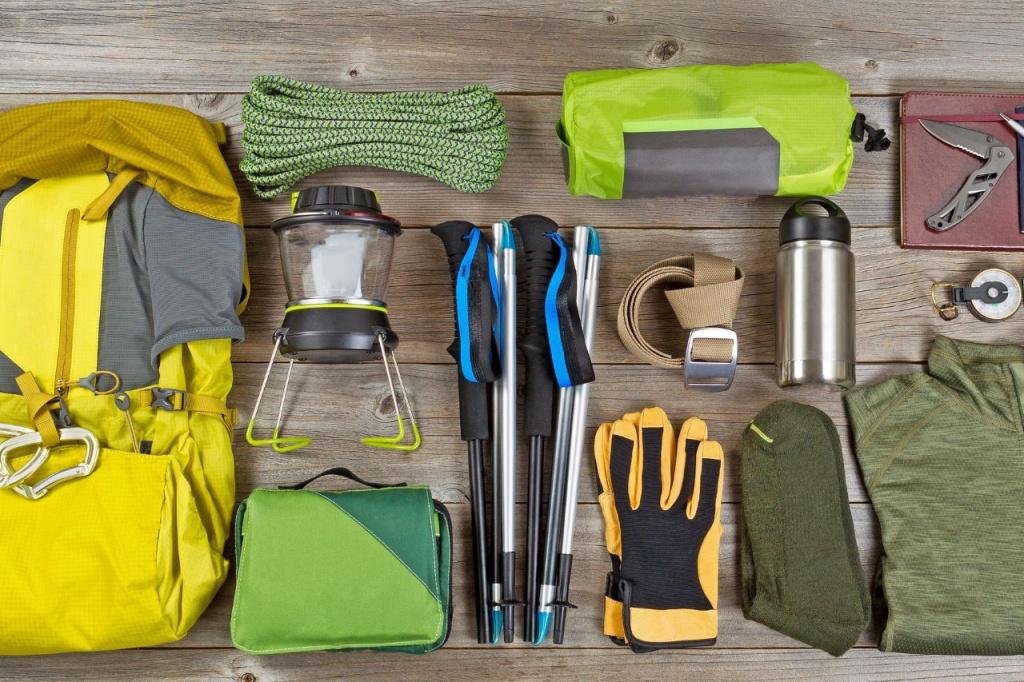
When planning your attire for a wild hot spring camping trip, consider the season, location, and planned activities. Your clothing needs to be comfortable while also accommodating weather changes and the demands of outdoor activities. This includes camping gear, cooking and food supplies, toiletries, safety and first-aid equipment, climbing gear, and other practical tools.
✦Essential Camping Gear
- Tent: Choose a windproof, waterproof outdoor tent that's sized appropriately for your group. Wild riverbeds have uneven terrain, so tent stability is crucial; we recommend a tent with sturdy stakes.
- Sleeping bag: Bring a sleeping bag suited to the local climate. For cold weather, choose a warm sleeping bag to prevent getting chilled at night.
- Sleeping pad/air mattress: Opt for a lightweight, insulating sleeping pad or air mattress. This will enhance comfort and insulate you from the cold ground.
- Lighting: Carry a rechargeable camping lantern or headlamp to ensure safe and convenient nighttime activities. Reliable light sources are essential for moving around at night or illuminating your tent.
- Tarp: A tarp is a common outdoor shelter, typically made from waterproof, durable fabric, providing shade, rain protection, and wind resistance.
✦Cooking and Food Storage Gear
- Stove: A small outdoor gas stove or camping stove is convenient for cooking and boiling water. Bring enough fuel for multi-day camping.
- Fire pit: If you want a campfire, bring a fire pit for warmth.
- Cookware and utensils: Lightweight cookware (such as pots, frying pans), utensils (forks, knives, spoons), and a kettle. Choose lightweight, easy-to-clean materials like stainless steel or aluminum.
- Food and water: Bring enough dry goods, instant meals, and snacks, and store enough drinking water. Depending on local conditions, consider bringing a filter or water purification equipment for emergencies.
✦Canyoning and Climbing Gear
- Helmet: Most wild hot spring areas are located in river valleys, where falling rocks are common. We recommend wearing a helmet to protect your head while moving around.
- Climbing Rope: Choose an abrasion-resistant, waterproof climbing rope with sufficient strength to support weight during climbing. The length and type of rope should be selected based on the route's length and technical difficulty.
- Harness: Ensures you are securely fastened during climbing or river tracing, guaranteeing personal safety.
- D-ring Carabiner: Used to secure ropes, climbing points, or as part of a safety system to prevent accidental detachment.
✦Safety and First Aid Equipment
- First-aid kit: Carry basic first-aid supplies, including bandages, pain relievers, disinfectant, adhesive bandages, and snakebite emergency items, to handle unexpected situations in the wilderness.
- GPS/compass: In remote areas, a GPS or compass can help you avoid getting lost, ensuring you can correctly find hot springs and campsites.
- Multi-tool knife: A multi-tool knife can be used for cutting ropes, repairing equipment, preparing food, and more, making it an essential camping tool.
✦Other Useful Tools
- Power bank: A dead phone is a serious problem, so bring a power bank with enough juice to charge your phone or camera.
- Waterproof backpack: Choose a backpack with waterproof features. Most bags are only "splash-proof," so if you're going to a stream, you'll need an extra layer of waterproofing. Line the inside of your bag with a mushroom bag or use waterproof storage bags. Without proper protection, your sleeping bag or warm clothes could get wet when crossing streams.
- Waterproof phone strap: Use this on the trail to keep your phone safe from water.
- Insect repellent: There are more insects in the wild, so bring mosquito repellent spray or patches. You can also bring mosquito coils to place around the campsite to avoid bites.
- Rain gear: Even if the forecast is clear, it's essential to bring a raincoat when hiking in the mountains, in case of sudden rain.
- Camping chair: Sit and relax at the campsite instead of always sitting cross-legged on the ground.
- Picnic mat: Lay this on the ground for temporary breaks or cooking to keep things off the dirt.
- Toilet paper, tissues: For cleaning and wiping items.
- Trash bags: Bring enough trash bags to ensure you take all your trash with you, leaving no trace behind.
You do not need to apply for a permit to camp at a wild hot spring.
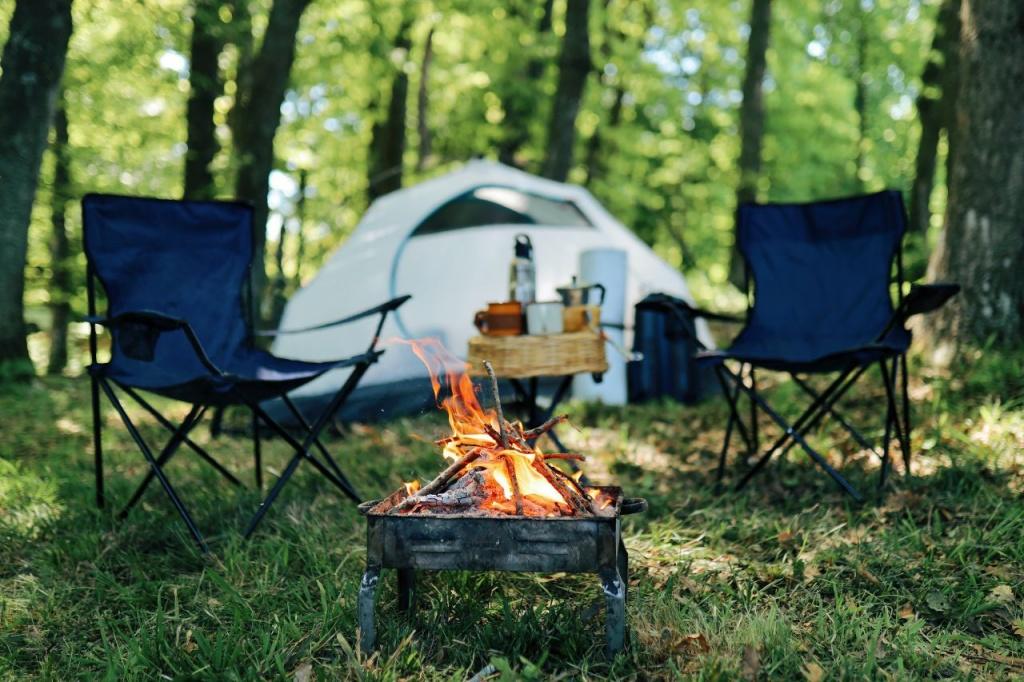
[icon color=”accent-color” size=”small” icon_size=”” image=”fa-exclamation”] Some Wild Hot Spring Camping Requires a Mountain Entry Permit
Before you go wild hot spring camping, always confirm the nature of your chosen location and check the relevant regulations. If a permit is required, complete the application process in advance. If no permit is needed, you should still follow basic wilderness etiquette to protect the natural environment and ensure your safety.
When wild hot springs are located within national parks, nature reserves, or other protected areas, you typically need to apply for a mountain entry permit beforehand. Some areas have strict rules regarding camping, cooking, and hot spring use, and may require an entrance fee or camping fee. A small number of areas that don't require permits might be illegal camping zones. We recommend doing your research before visiting any hot spring to confirm if it's permissible to go. If you still choose to proceed, you could face penalties, so assess the risks yourself.
✦Here's how to apply for a mountain entry permit.
You can typically apply for permits through the official websites of national parks or managing agencies; some areas may require booking several weeks to months in advance. When applying, you'll need to provide your camping dates, the number of campers, and other relevant information.
1. Find the application portal
Log in to the National Police Agency, Ministry of the Interior.
Click "Mountain Entry Permit Application System."
2. Enter personal information
Enter your ID or ARC number and verification code to access the "Mountain Entry Application Data Entry" page.
3. Fill in team leader information
Fill in the team leader's basic information.
At the bottom of the form, select your stay period and search for the hot spring you plan to visit.
4. Select route and write a plan
Select the hiking route map.
Briefly fill out the hiking plan, for example: "D1: XX Hot Spring — same-day round trip."
5. Fill in the mountain entry roster
After completing the team leader form, click "Mountain Entry Roster."
Enter the details for the team leader and all members.
6. Submit application
After filling in all information, submit the application.
7. Await review
The application status will show "Not Reviewed."
Check your email for a "Mountain Entry Permit Application Notification."
8. Application approved
You will receive the "Mountain Entry Permit" and "Mountain Entry Personnel Roster" in your email.
9. Print and submit
Print the paper permit and roster before your departure.
On the day of departure, submit the paper documents to the mountain entry inspection unit.
Planning your first wild hot spring camping trip is easier than you think.
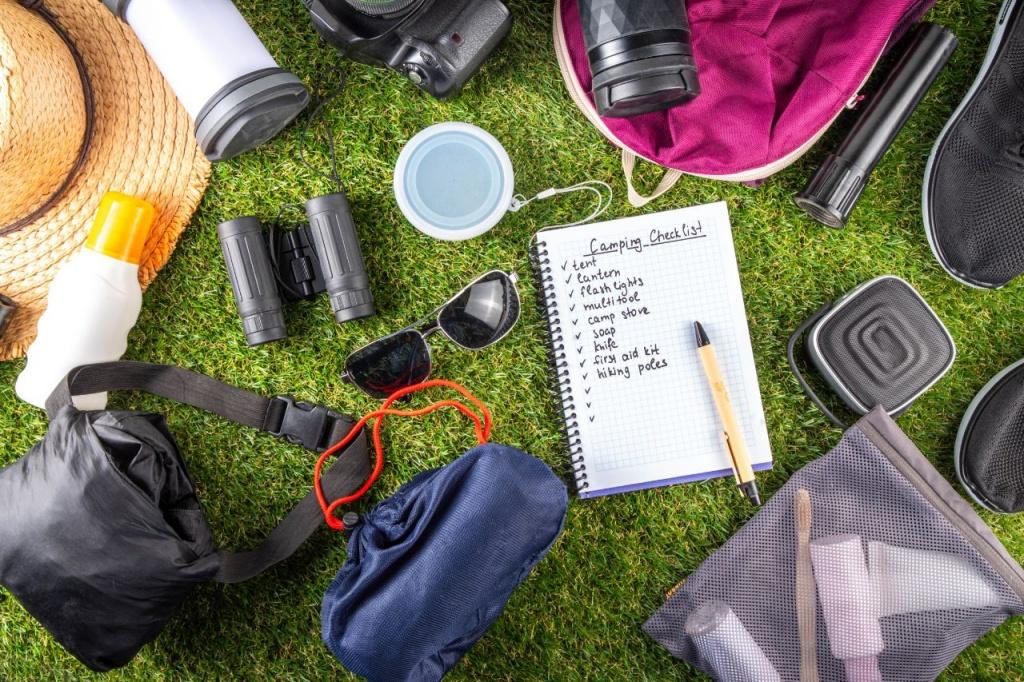
Wild hot spring camping takes place in mountainous areas, so it's best to avoid traveling during the afternoon when fog is common, which can be dangerous. Wild hot spring camping is quite similar to regular camping, with the added bonus of hot springs. If you have time, you can enjoy multiple soaks, just be sure not to stay in too long at once.
For beginners, planning a wild hot spring trip involves many considerations. Twosevenths offers a two-day, one-night wild hot spring camping itinerary that you can adapt and adjust based on your preferences.
✦Two-Day, One-Night Wild Stream Camping Itinerary
| Day | Time | Activity | Details |
| Day 1 | Morning | Departure | Wake up early to prepare and double-check all your gear, ensuring you have essential safety equipment and waterproof items. Drive or take transport to the trailhead, depending on the location. |
| Noon/Afternoon | Arrival | Hike or do some light climbing, depending on the trail conditions, making sure to reach the wild hot spring campsite before noon. Hiking in the afternoon can be dangerous due to fog, so it's best to avoid it. | |
| Set up camp | Upon arrival, first choose a flat, safe spot to pitch your tent, away from water sources, cliff edges, and other hazardous areas. Ensure the tent is stable and set up your sleeping bag and mat. | ||
| Soak in the hot springs | Change into your swimsuit and head to the wild hot springs for a soak. Be sure to test the water temperature before entering to avoid scalding. | ||
| Evening | Dinner | Use your portable stove to cook and enjoy a simple outdoor dinner. If conditions allow, you can barbecue or have a picnic. Remember to pack out all trash to keep the environment clean and avoid attracting insects. | |
| Bedtime | As temperatures drop in the evening, change into warm clothing and get into your sleeping bag to rest. Keep your headlamp or camp light handy in case of emergencies. | ||
| Day 2 | Morning/Noon | Hot spring soak | Wake up early and enjoy the hot springs again, stretching your muscles in the fresh morning air. |
| Breakfast | Enjoy a simple breakfast, such as bread, coffee, or a light cooked meal. | ||
| Pack up gear | Pack up your camping gear, ensuring all trash is bagged and taken with you. | ||
| Afternoon | Return journey | Be mindful of the time needed for the return journey; it's recommended to start heading back along the original path around 2 PM. Maintain a steady pace and don't rush to ensure safety. | |
| Dining | After descending, you can dine at a restaurant and enjoy a hot meal. In summer, you might also visit an ice cream shop for a cool treat. |
Here are some wild hot spring campsites suitable for beginners.
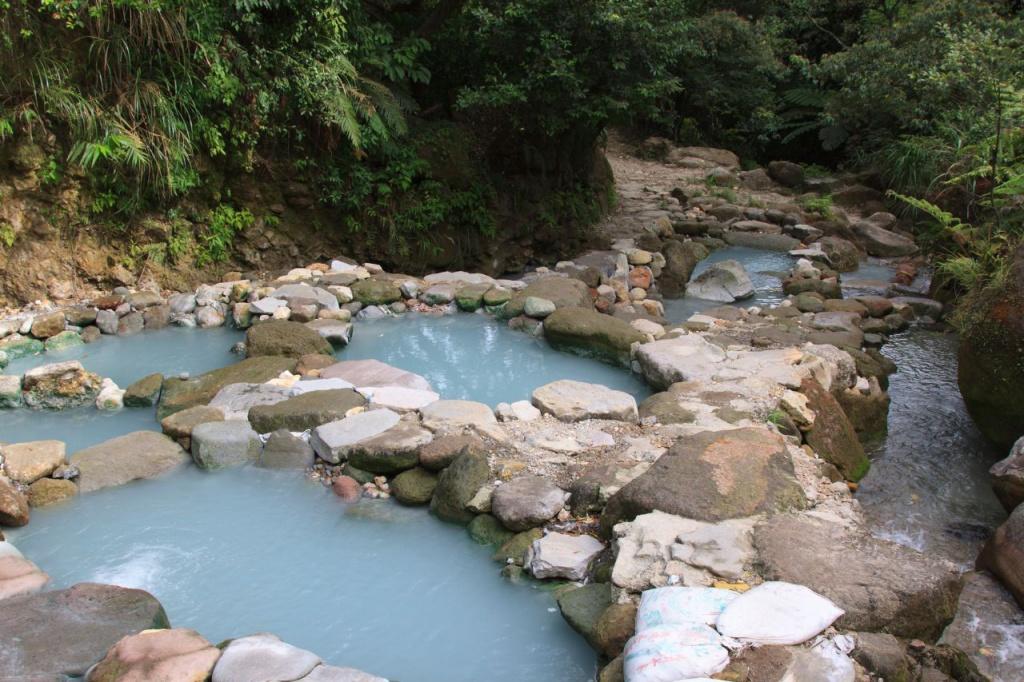
For those new to wild hot springs, Twosevenths has curated a selection of 1-star wild hot springs across various counties. These are mostly short walks from the trailhead to the spring, with lower risk. For 2-star difficulty springs, please consider carefully, and we recommend going with a professional guide for safety.
✦Popular Wild Hot Spring Camping Spots Comparison Chart
| City / County | Wild Hot Spring Name | Trailhead | Driving Time | Difficulty | Walking Time | Notes |
| Hsinchu | Xiaojinping Hot Spring | County Road 61 Parking Area | 2 hours from Taoyuan City | ★☆☆☆☆ | 10 minutes | Beautiful surroundings, many hot spring pools, waterfall |
| Taoyuan | Galahe Wild Hot Spring | Galahe Hot Spring Parking Lot | 2 hours from Zhudong Township | ★★☆☆☆ | 40 minutes | Steep and challenging trail, waterfall |
| Yilan | Pengpeng Hot Spring | Siji Elementary School, YingShi Branch | Approx. 40 minutes drive from Yilan City | ★☆☆☆☆ | 10 minutes | Crowded, high safety, stable hot spring, many pools |
| Kaohsiung | Qikeng Hot Spring | Xiaoguanshan Forest Road | Approx. 1.5 hours drive from Zuoying HSR Station | ★☆☆☆☆ | 10 minutes | Entry permit required |
| Kaohsiung | Shidong Hot Spring | Liugui District Baolai Creek Bridge | Approx. 2 hours drive from Zuoying HSR Station | ★★☆☆☆ | 60 minutes | Clear water, can dig your own hot spring pool |
| Taitung | Hongye Hot Spring | Hongyegu Green Energy Hot Spring Park | Approx. 40 minutes drive from Chishang | ★☆☆☆☆ | 10 minutes | Easy to find location |
| Taitung | Liusong Hot Spring | Motian Fude Temple | Approx. 1 hour drive from Chishang | ★★☆☆☆ | 40 minutes | Well-known, beautiful scenery, entry permit required, steep route requires ropes, waterfall hot spring |
The right mindset for wild hot spring camping is to be prepared for the unexpected.
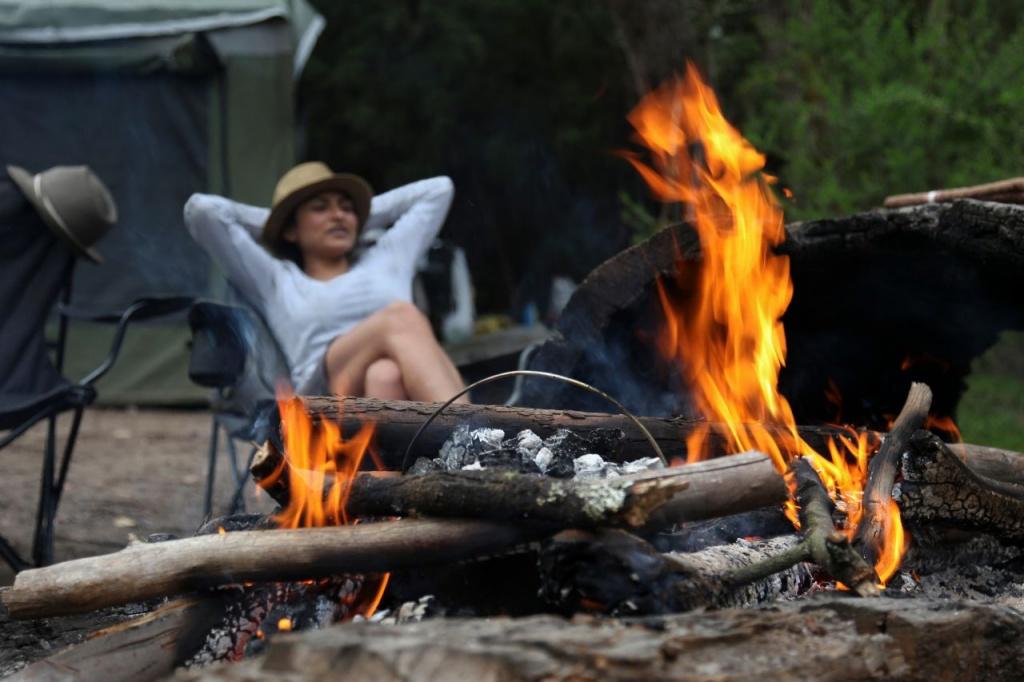
Camping at a wild hot spring is more than just an adventure and a chance to connect with nature; it's also about respecting and cherishing the environment. We should approach nature with humility, avoiding damage to local ecosystems and preserving the hot spring area's pristine beauty. From not picking plants or making noise to always packing out our trash, every detail reflects our reverence for nature. When you step onto this pure land, remember that environmental protection is not just a personal responsibility, but a shared commitment to safeguarding this beautiful place. Here are some essential mindsets and considerations for wild hot spring camping, compiled by Twosevenths:
✦Respect for the Natural Environment
- Do not pick plants.
- Do not damage the terrain.
- Do not make noise.
- Do not damage surrounding plants; maintain the natural landscape of the hot spring area.
- Avoid disturbing wildlife.
- Do not bring chemical substances like soap or shampoo into the wild hot springs, to avoid damaging the spring water's ecosystem.
- Take all trash with you to avoid polluting the environment. Remember to use reusable containers to reduce single-use waste.
✦Safety Notes
- Wild hot springs are often remote, so choose a location that's relatively flat and easy to access.
- Avoid hot springs located next to rapids.
- Outdoor environments can change rapidly, so always check weather conditions before you go.
- Avoid visiting during bad weather or rain to prevent dangers from rising water levels or landslides.
- Temperatures by the stream can vary greatly between day and night, so stay warm to avoid catching a cold.
- Do not set up camp too close to the stream (avoid the riverbed) to prevent danger from flash floods washing away your tent.
Final Thoughts
This has been Twosevenths' ultimate guide to wild hot spring camping, covering 10 key points for an unforgettable experience.
Whether you're a first-timer or a seasoned adventurer, thorough preparation, basic skills, and constant safety awareness are paramount. We hope this guide helps you create wonderful memories on your journey, bravely exploring the magic and charm of nature. Get your gear ready and embark on a wild hot spring camping trip for an intimate encounter with the great outdoors!
Don't miss these either
Yingge Day Trip Itinerary|From the Ceramics Museum to Old Street Cafes: A Relaxed Getaway
Penghu Freediving Recommendations|Professional and attentive instructors ensure your safety! A review of 3 Penghu freediving venues.
Hana Diving Resort Review|Dive and Work: A Digital Nomad-Friendly Diving Resort

Reader Comments
No comments yet — be the first to share your thoughts.