Your ultimate guide to facialsHow often should you get a facial? Your top 10 questions answered
Since the dawn of civilization, humanity's quest for youthful skin and effective skincare has been relentless, evolving into a vast array of facial treatments available today. But how do you find the right venue for you? Do facials really work? What do facial treatments typically include? Twosevenths has compiled answers to 10 common questions from facial newcomers, hoping to help those who want to deeply nourish their skin but lack experience find the perfect facial treatment!
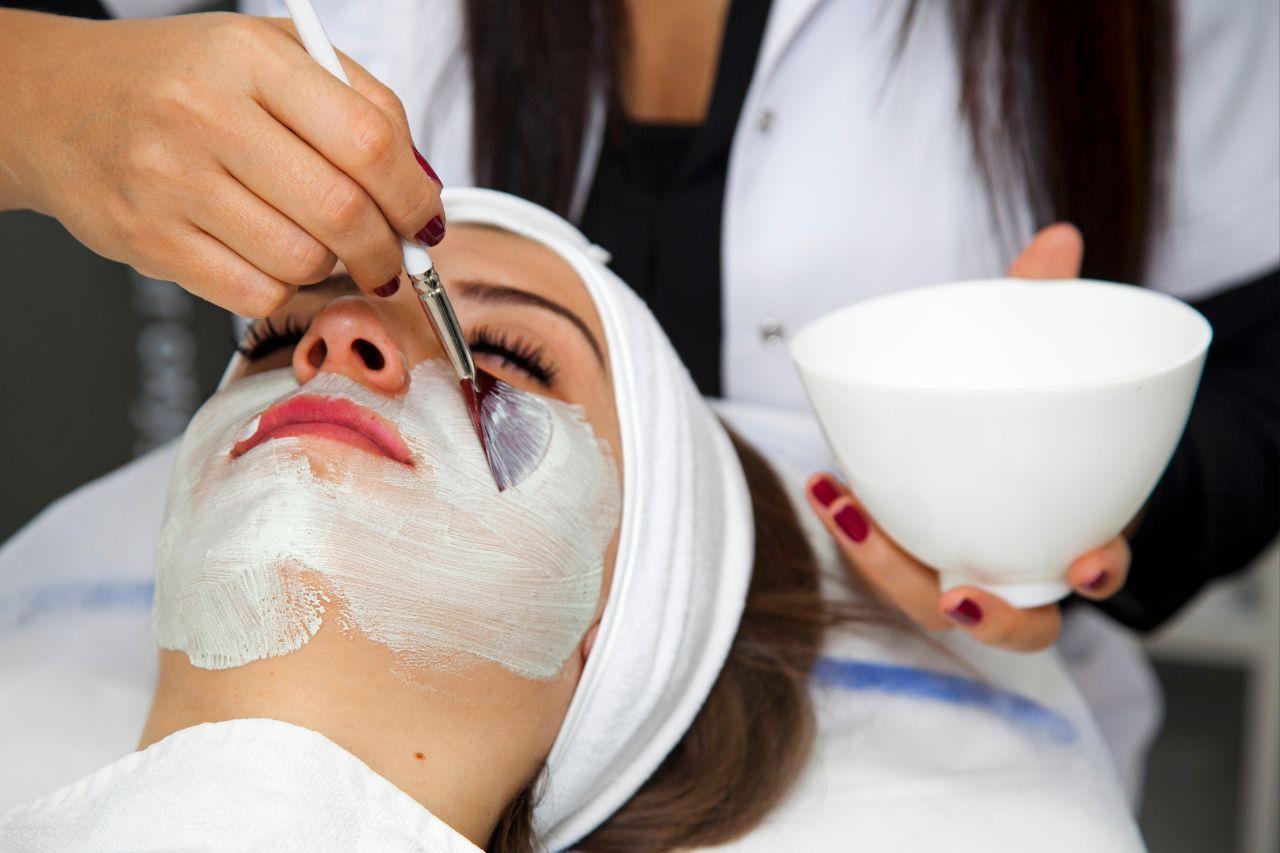
Facials are a comprehensive skincare treatment.
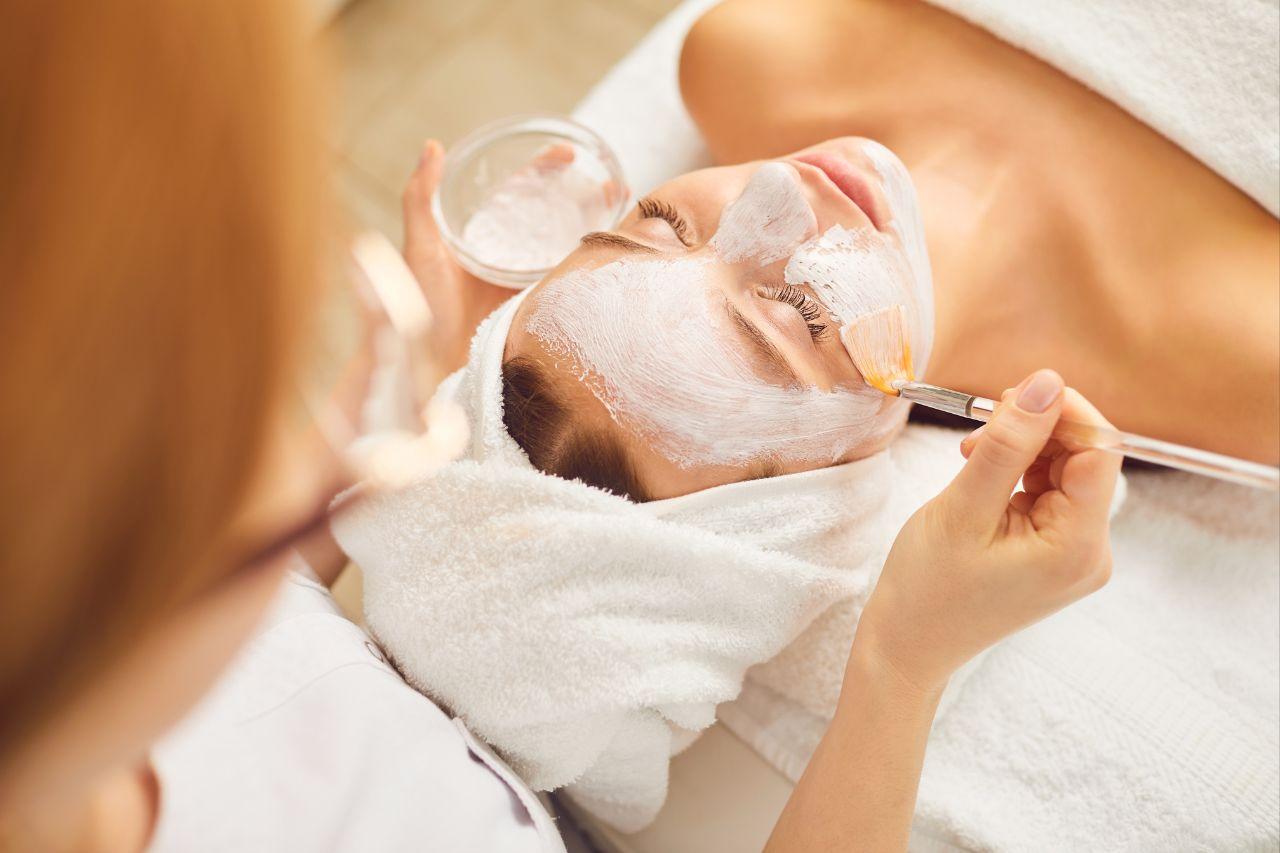
Facials are professional skincare treatments performed by aestheticians to improve the condition of your facial skin. A basic facial typically involves three steps: cleansing, blackhead and acne treatment, and post-treatment soothing. The goal is to enhance skin hydration, repair the skin barrier, brighten dullness, treat acne, refine skin texture, slow skin aging, reduce wrinkles, prevent blemishes, and maintain overall skin health.
✦Cleanse the Skin
Cleansing is a crucial step in any facial treatment because it removes accumulated dirt, oil, makeup residue, and airborne pollutants from the skin, preventing clogged pores and allowing subsequent skincare products to absorb more effectively.
✦Acne Treatment
Pimples are caused by clogged pores from oil and dead skin cells, and the main purpose of a facial for pimple treatment is to improve the appearance of blackheads and whiteheads. By treating pimples, your skin can become smoother and more refined, enhancing its overall look.
✦Post-Procedure Soothing
The purpose of post-facial calming and soothing is to help the skin recover and reduce any discomfort or inflammation that might occur during blackhead and acne extraction. Calming products rich in hydrating ingredients are typically used to help restore the skin's moisture balance and minimize dryness and peeling.
While you're here, check these out ↓
The main difference between facials and medical aesthetics is the depth of treatment and the professionals who perform them.
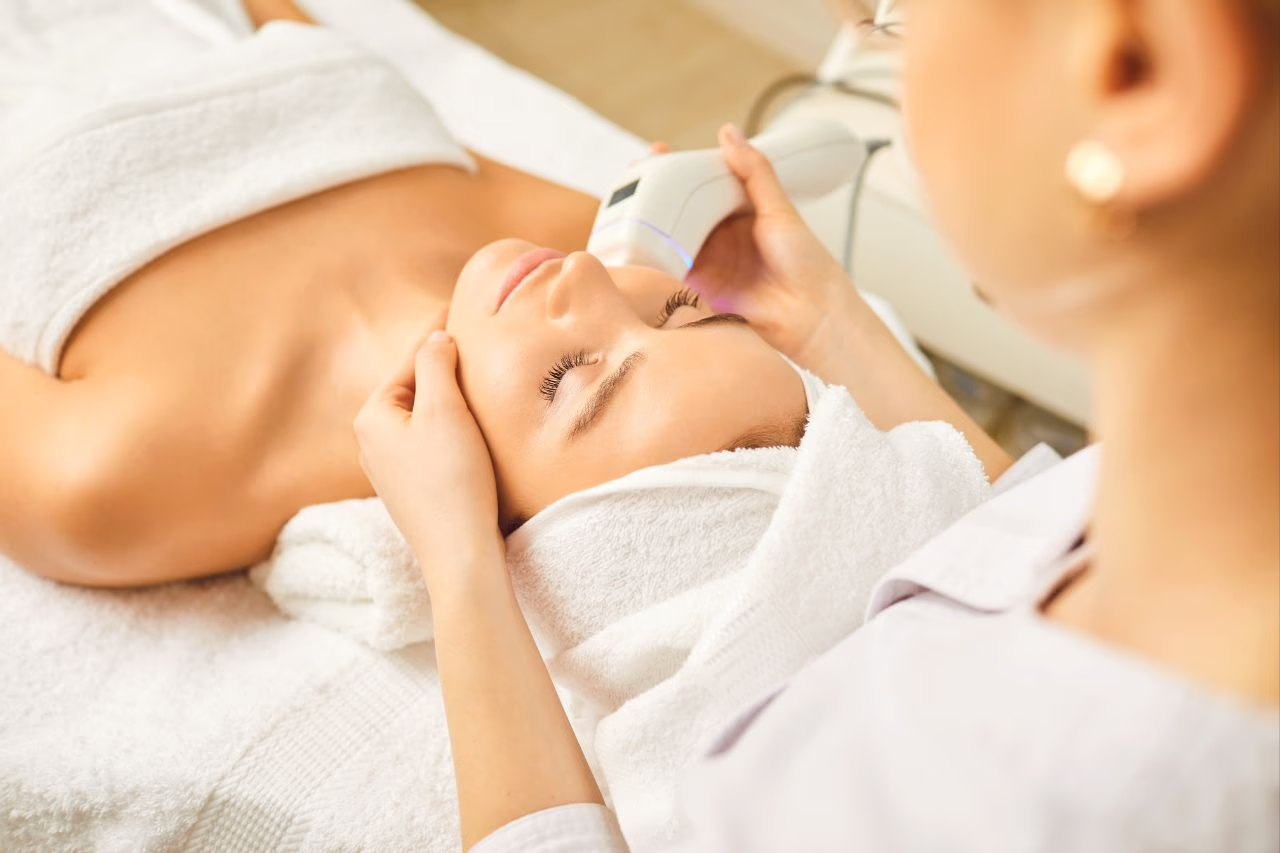
While aesthetic medicine is popular and highly effective for improving facial skin, facials and aesthetic medicine differ in their invasiveness and purpose of improvement.
Facials primarily focus on daily and intensive skin care, using non-invasive methods and products for cleansing, moisturizing, massage, and blackhead treatment. They require long-term conditioning to stabilize the skin, maintaining it in its best current state. Aesthetic medicine, on the other hand, focuses on deeper treatments and procedures. These are medical procedures, which can be traumatic, invasive, or non-invasive, using medical techniques such as injectables, laser treatments, and micro-sculpting, and must be performed by a qualified physician.
✦Facial Treatment Highlights
- Focuses on daily skin maintenance
- Uses non-invasive methods
- Requires long-term care
✦Aesthetic Medicine Features
- It is a medical procedure.
- It is traumatic, invasive, or non-invasive in nature.
- It must be performed by a qualified physician.
Everyone can benefit from a facial.
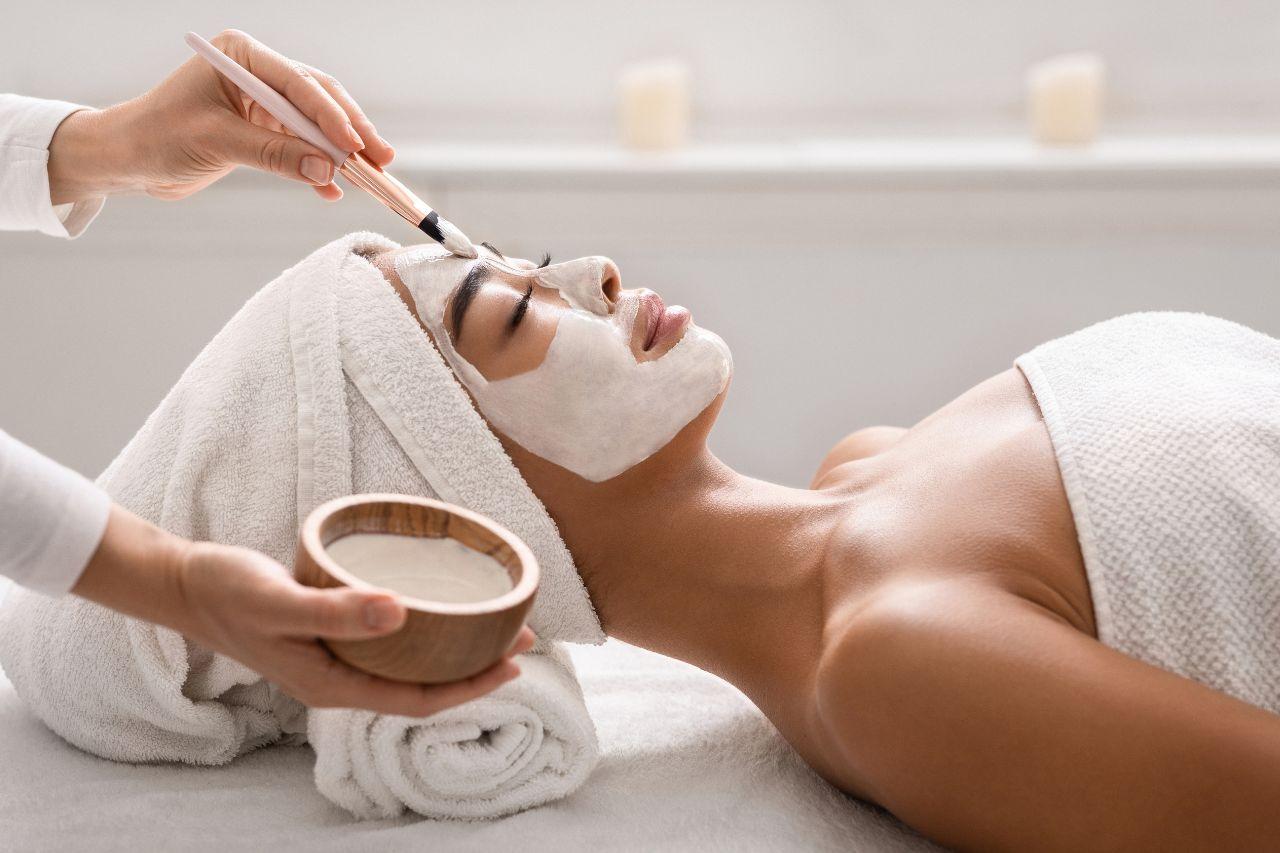
In today's image-conscious society, regular facials are essential. A clean, fresh face significantly boosts your image and contributes to a more youthful, vibrant appearance. Therefore, consistent facial care is necessary for everyone, regardless of gender.
✦You should start your facial skincare routine in your early 20s.
When it comes to skincare, the earlier you start, the better. In your younger years, simple daily routines like cleansing and moisturizing are sufficient; over-treating your skin or using incorrect methods can actually be counterproductive. As you get older and your budget allows, regular visits to a professional aesthetician can yield even better results.
The ideal frequency for facials depends on your skin type and concerns.
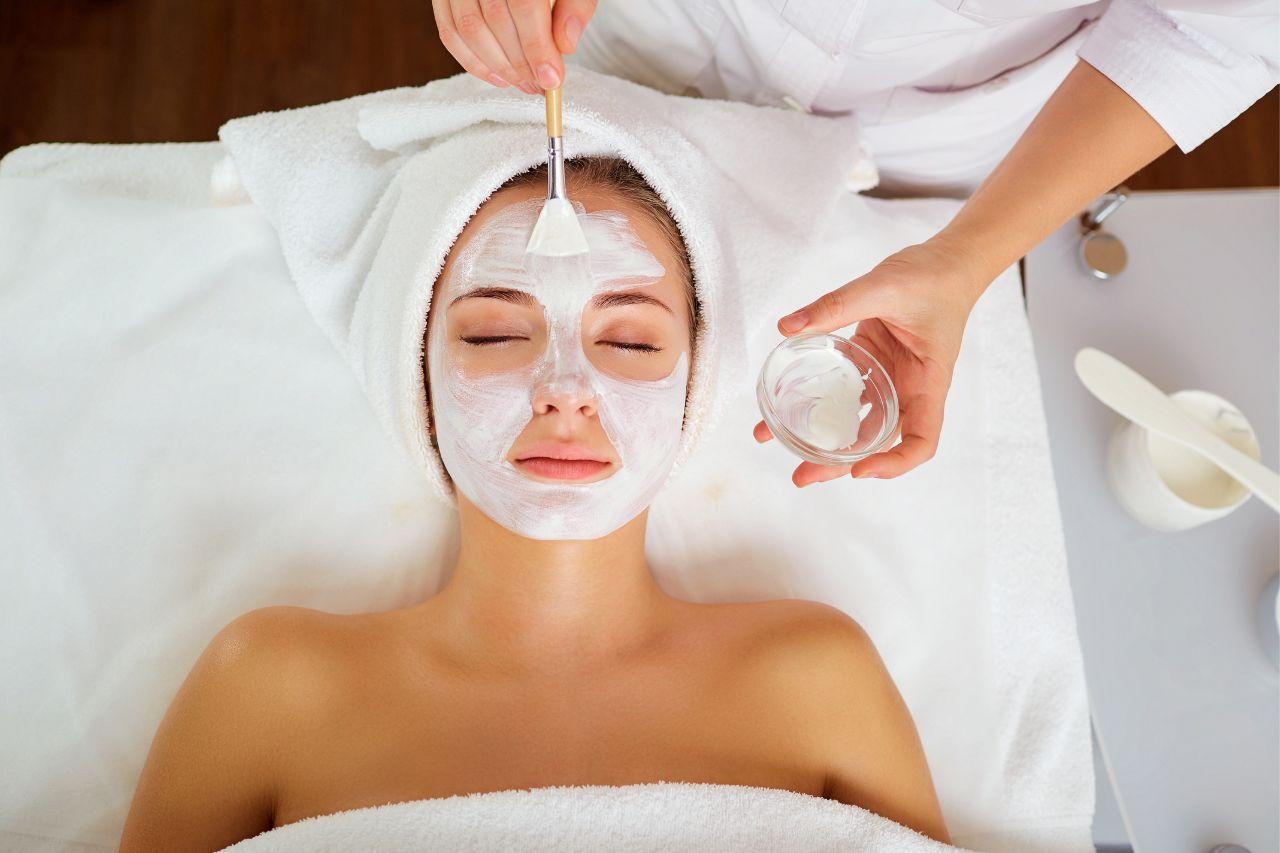
How often you get a facial depends on your individual skin condition, budget, and time. Generally, it's recommended to visit a venue for a facial 1-2 times a month. If you have more acne or blackheads, or if your skin is in an unstable condition, it's advisable to get a facial every two weeks. Once your skin stabilizes, a deep facial once a month should suffice. Even if your budget and time allow, it's not recommended to get facials too frequently, as this can make your skin overly sensitive. For a detailed frequency tailored to your needs, consult a trusted aesthetician based on the common assessment points below.
✦Skin Type
Different skin types—oily, dry, combination, sensitive—require specific skincare methods, products, and treatment frequencies.
| Skin Type | Frequency |
| Normal Skin | 3-4 Weeks |
| Dry Skin | 3 Weeks |
| Oily Skin | 2-3 Weeks |
| Sensitive Skin | 5-6 Weeks |
| Combination Skin | 2-3 Weeks |
| Acne-Prone Skin | 2 Weeks |
✦Skin Issues
Specific treatments are required for individual skin concerns such as acne, blackheads, wrinkles, and hyperpigmentation.
✦Age
As we age, our skin's needs and concerns evolve, meaning skincare routines often differ between younger and older individuals.
✦Lifestyle Habits
Lifestyle factors such as diet, exercise, sleep, and stress can all affect skin health.
A facial treatment typically includes the following steps.
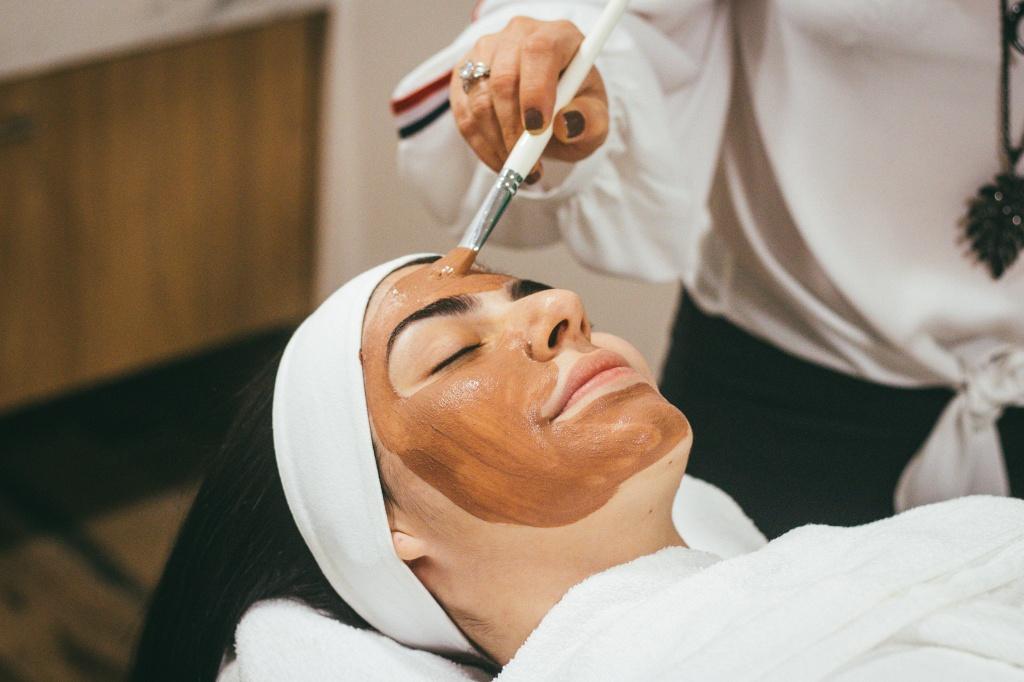
Facials typically include cleansing, blackhead extraction, exfoliation, massage, and masks, but each venue's process and desired results vary. We recommend checking the venue's social media for details.
For example, there are many methods for blackhead removal, such as instrument suction, painless extraction, manual extraction, and traditional beauty treatments. Generally, methods involving picking and squeezing will achieve a deeper clean but are more prone to side effects like pain or redness, which largely depend on the aesthetician's skill. Therefore, we suggest trying 1-3 different facial venues to objectively understand which technique works best for you!
Common facial treatments include basic cleansing, hydrating, brightening, anti-aging, and acne care.
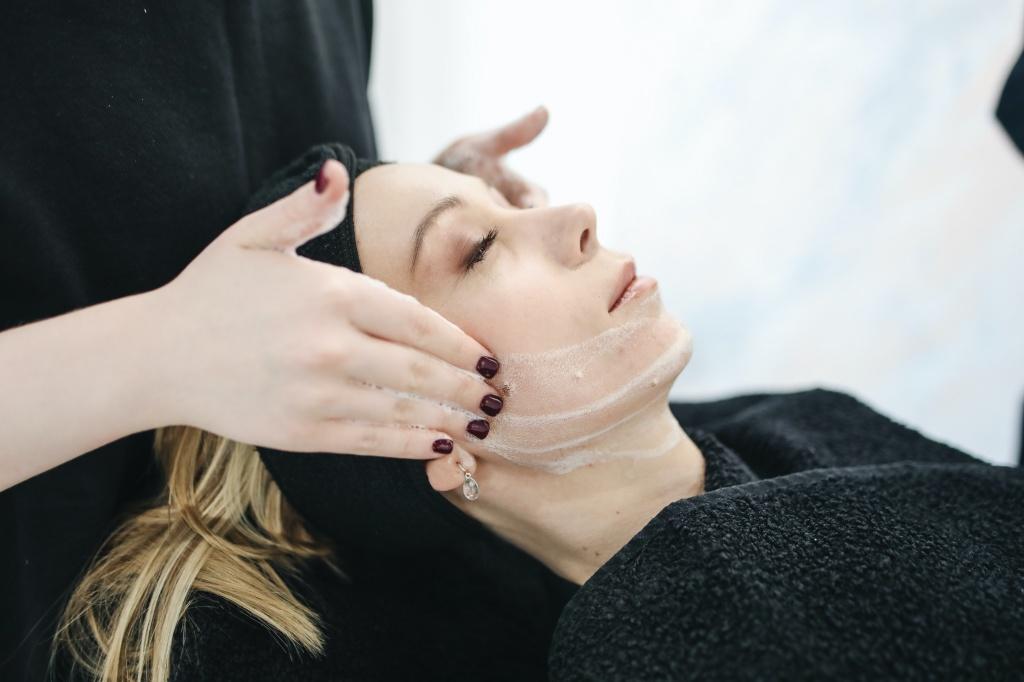
Skin types vary—oily, dry, combination—and can change with age. Common facial treatments include whitening, hydration, alpha-hydroxy acid (AHA) peels, lifting and firming, and even algae needle resurfacing. Here are two popular facial treatment options you'll often find at beauty venues:
✦AHA Treatment
Glycolic acid peels use the acid's ability to corrode and exfoliate dead skin, accelerating epidermal cell metabolism. This process sheds old keratin, unclogs pores, and reduces sebum secretion, which in turn removes pigmentation, improves fine lines and dry lines, and can also diminish acne marks and scars.
The common "percentage" of glycolic acid refers to its concentration, which dictates its effects. Low concentrations (under 10%) can dissolve blackheads, brighten skin tone, and improve texture. Medium concentrations (10-30%) penetrate to the dermis, improving acne, fading dark spots, and smoothing wrinkles. High concentrations (30-70%) offer a more intensive peel to remove pigmentation, improve fine lines and dry lines, and simultaneously reduce acne marks and scars.
✦Algae Peel
Algae microneedling is a beauty treatment that uses a specific freshwater sponge extract containing silica spicules, scleroproteins, calcium carbonate, and diatoms. While it appears as a powder, it actually contains numerous tiny needle-like structures. The stimulation from these micro-needles promotes the skin's self-repair, boosting collagen production, improving skin texture, reducing wrinkles, fading scars, and enhancing the stratum corneum and overall elasticity.
However, the most common concern with algae microneedling is the potential for pain during the process. It's advisable to consult with a beautician before deciding to proceed, and those who are particularly sensitive to pain may wish to avoid it.
To choose a facial venue, consider these factors.
When choosing a facial venue, you should consider a variety of factors, including equipment hygiene, service techniques, service attitude, ambiance, professional skill, and a good reputation. Typically, the most basic approach is to search forums or Google Maps reviews. However, because venues now often use small incentives to encourage customers to leave Google Maps reviews, the reliability of these reviews is limited. Beyond that, here are a few tips for newcomers:
✦Venue established
It's generally recommended to choose facial care venues that have been in business for at least three years, as they often offer more assurance. While some newer venues are also highly skilled, this is just a guideline. We suggest you still try out any venue that catches your eye.
✦Number of Reviews
If a personal studio has been established for less than a year, be wary of an excessively high number of reviews or overwhelmingly positive reviews, as these can easily be manipulated.
✦Is the information transparent?
This includes pricing, facial treatment steps, photos of the venue, and links to social media for reference.
✦We do not publish negative reviews.
It's impossible to please everyone, so negative reviews are a good indicator of a venue's authenticity. Just as people have flaws and can be misunderstood, so too can venues, so you can judge a venue by how objective its negative reviews are.
Facial prices are typically calculated by the session.
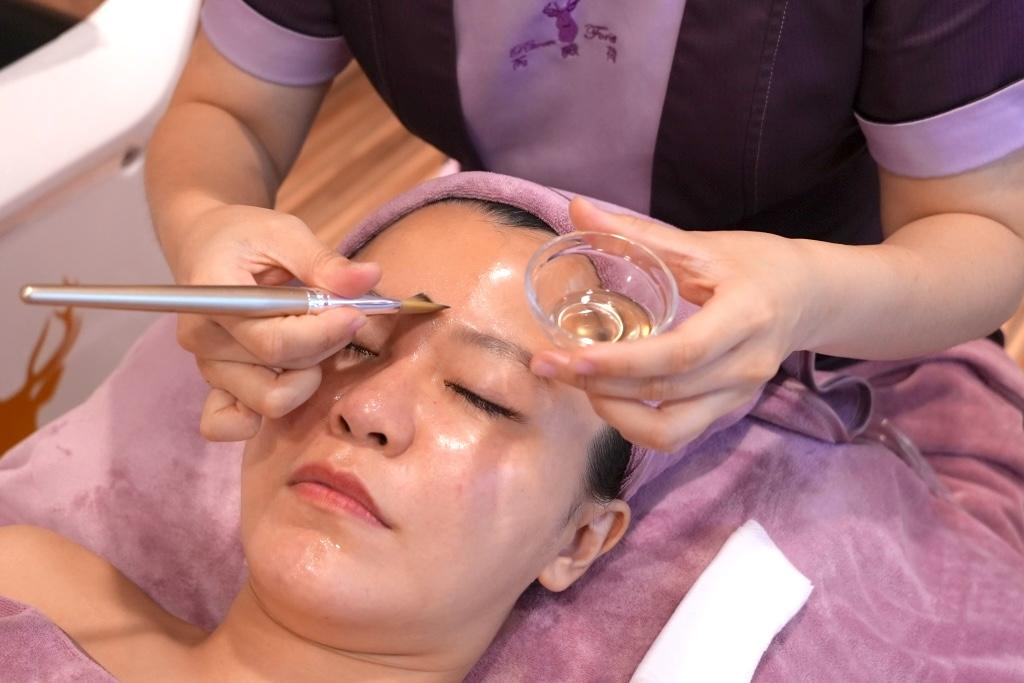
Facial prices typically vary based on the services offered, products used, techniques, venue decor, and service quality. Prices range from basic facials at $500 to comprehensive treatments exceeding $2,500. Basic facials usually cost between $500 and $1,000, blackhead extraction between $1,000 and $1,500, and facial exfoliation between $1,000 and $1,500, while comprehensive treatments are priced from $2,500 to $5,000.
However, facial price should not be the sole criterion when choosing a venue. Other factors should be considered, as a cheap facial with poor results or inadequate technique could damage your skin, leading to higher costs for corrective treatments later. Below, we've listed popular facial venues in Taipei, Taichung, Tainan, and Kaohsiung, providing details on their treatment methods and pricing for your reference.
Pure Skin Management Center
B1, No. 6, Lane 141, Section 1, Anhe Road, Da'an District, Taipei City
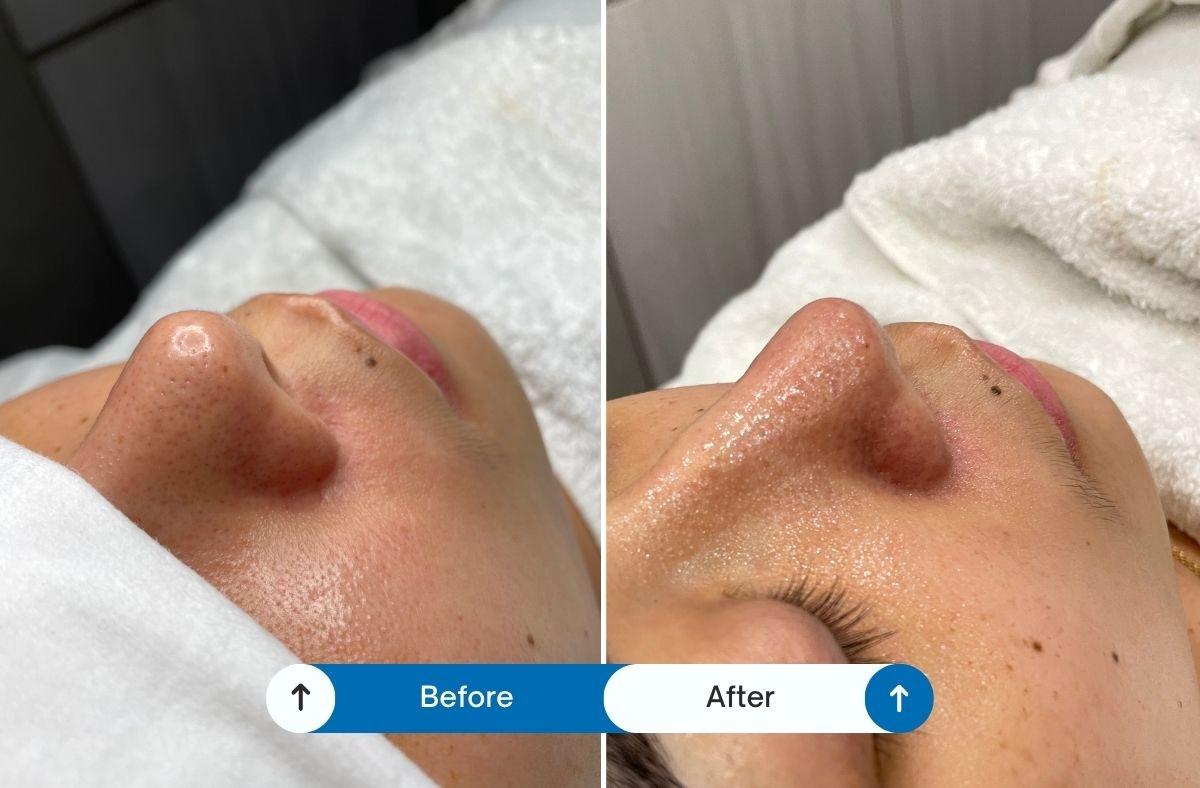
璞 Pure 皮膚管理中心, located in Taipei's Daan District, offers a range of facial treatments including Hydr…
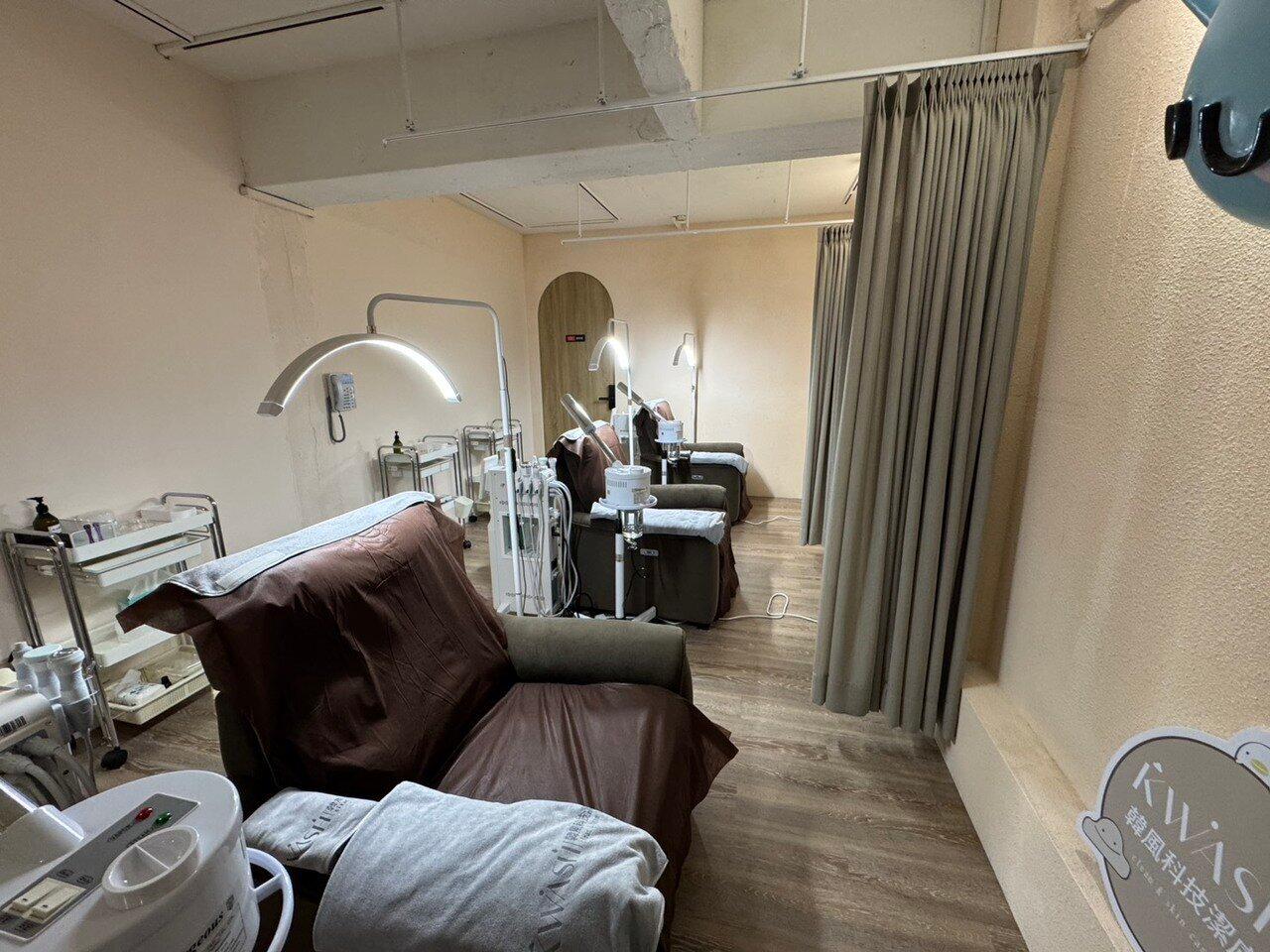
KWASH Korean Skincare Center's Taipei venue, located near Exit 2 of Sun Yat-sen Memorial Hall Statio…
While you're here, check these out ↓
- 01KWASH Korean Skincare Center Review|Taipei Dome Korean Skincare Recommended: Facial and Back Treatments for Men, Too→
- 02Soufflé Skin Management Center Review|Efficient Facial Cleansing in Songjiang Nanjing: A 2-Hour Deep Cleanse→
- 03Rever Ho Dream Forest SPA Hsinchu Review|Deep Relaxation with a Combination of Technology and Touch→
After a facial, your at-home skincare routine should focus on gentle care and hydration to maintain the results.
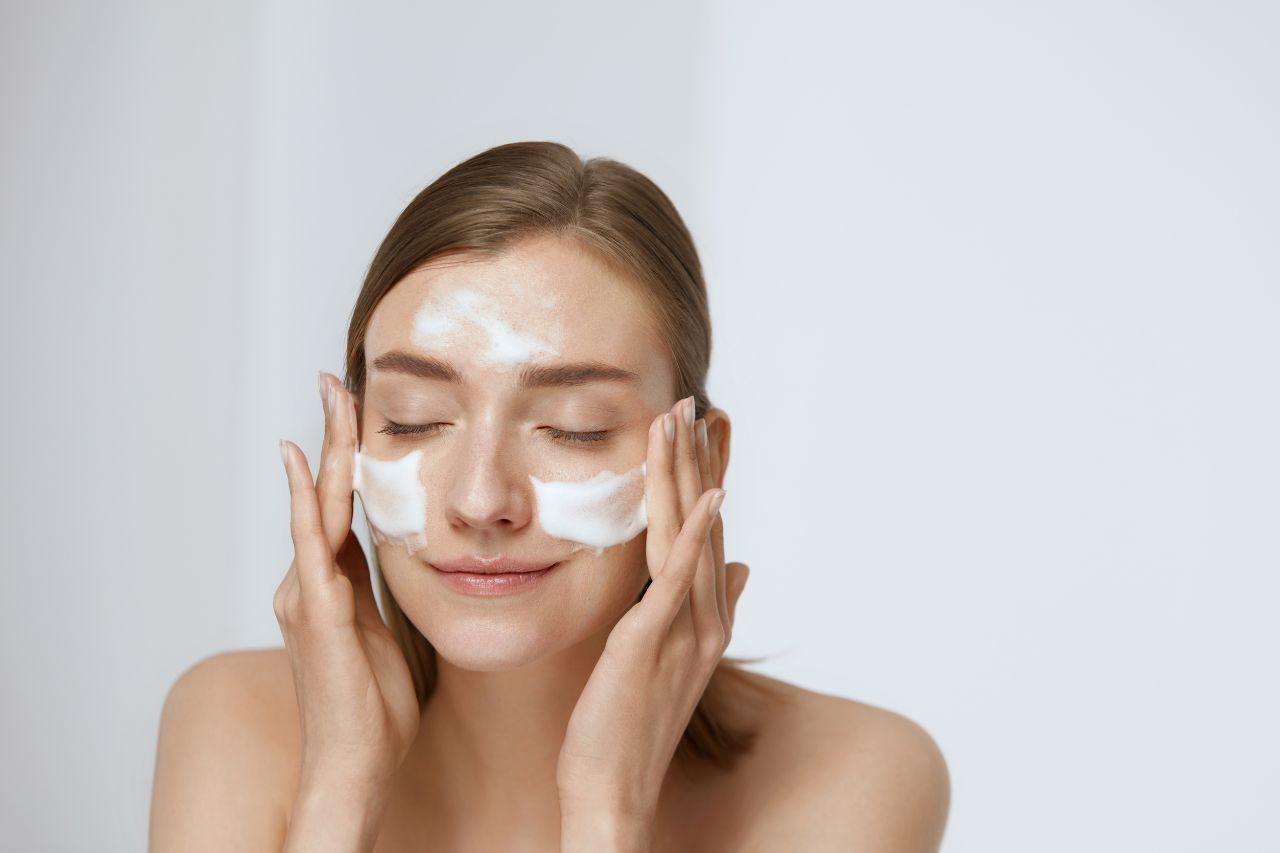
Don't assume you can relax your skincare routine after a professional facial. Post-facial daily care is crucial.
Facial treatments often include pore extraction, which can leave minor wounds or redness. For three days to a week after your facial, avoid irritating products such as alpha hydroxy acids, retinoids, or exfoliants. Opt for gentle, non-irritating, and hydrating products that suit your skin type. And don't forget sun protection — it's essential to maintain the benefits of your facial.
Facials generally have no side effects, but some people may experience temporary redness, dryness, or breakouts after treatment.
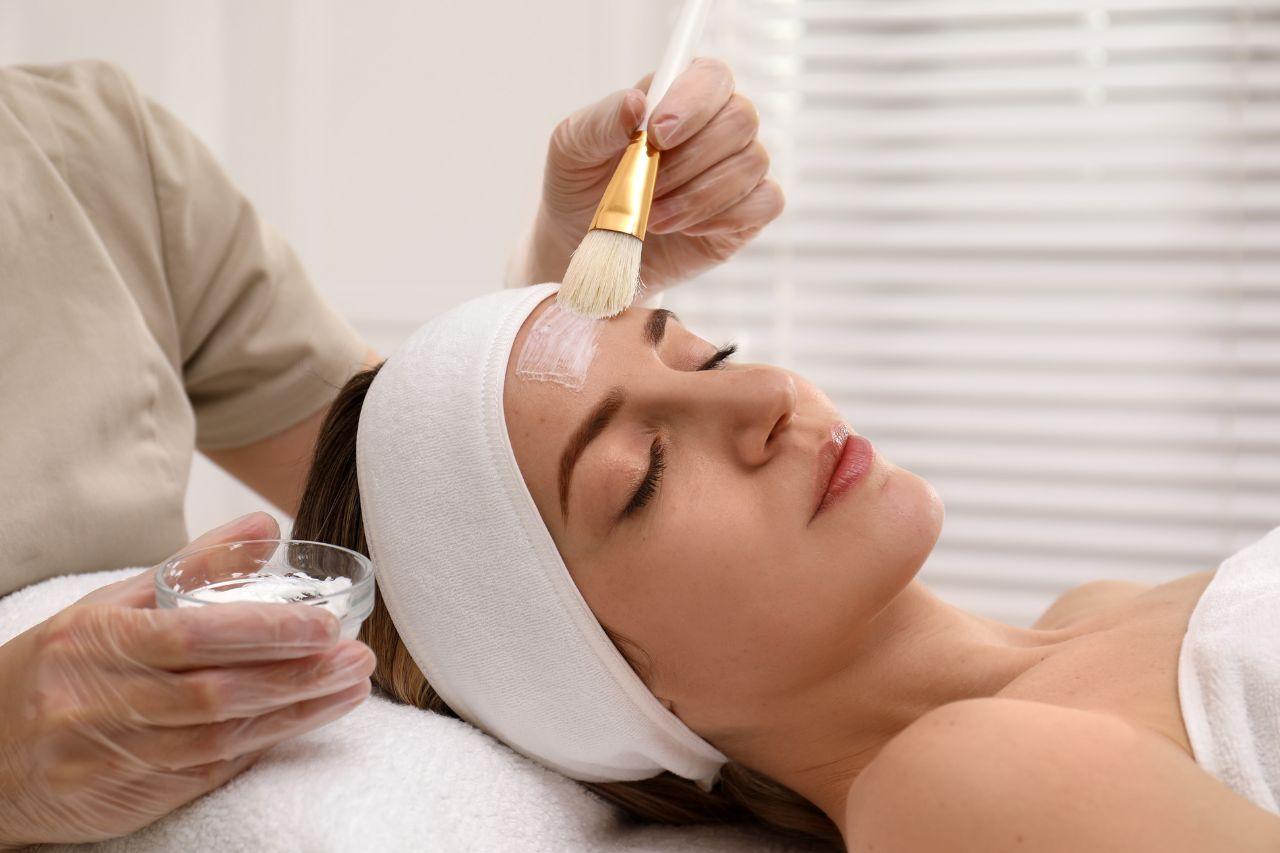
The risk of side effects from a facial is minimized with the correct procedure and a professional aesthetician. However, everyone's skin is different and may react differently to facial treatments or products, with potential issues like redness or inflammation. Therefore, it's always recommended to discuss your skin condition with your aesthetician before a facial, and to inform them in advance of any skincare products or ingredients you should avoid, to prevent adverse reactions.
Final Thoughts
This concludes our beginner's guide to facials. Twosevenths invited a facial venue manager to answer common questions, and we hope these 10 points have clarified the necessity of regular facials.
There's no single "best" facial treatment or venue; only what's most suitable for you. With consistent facials, you can effectively improve your skin's condition, maintain its health and beauty, and minimize the visible signs of aging. However, while facials enhance skin quality, daily skincare is equally vital. Lifestyle adjustments like drinking plenty of water, reducing fried foods, and avoiding late nights are also crucial for skin improvement!
Beyond facials, we know beauty enthusiasts are interested in other treatments too! We recommend exploring our mystery shopper-curated articles on body spas, nail care, eyelash extensions, scalp care, and teeth whitening to help you look and feel your best.
Don't miss these either
Jiaoxi Hot Spring Private Baths: Relax and Recharge! A Review of 3 Top Venues
Taichung Dragon Tendon Massage: Privacy and cleanliness combine for a truly relaxing, stress-free experience! We review one top venue.

Handsome Guy Beauty Review|Gentle care from head to face! An affordable and therapeutic botanical essential oil massage experience

Reader Comments
No comments yet — be the first to share your thoughts.