Blackhead Removal GuideWhat to Apply After Extraction? Post-Treatment Care? 20+ Things to Know About Blackhead Care
Blackheads are a common skin concern for many, and improper blackhead removal methods or frequency can actually damage your skin. This time, Twosevenths has invited a facial expert to answer all your questions about blackhead removal and provide professional advice on subsequent skincare, so you can care for your skin safely and effectively.
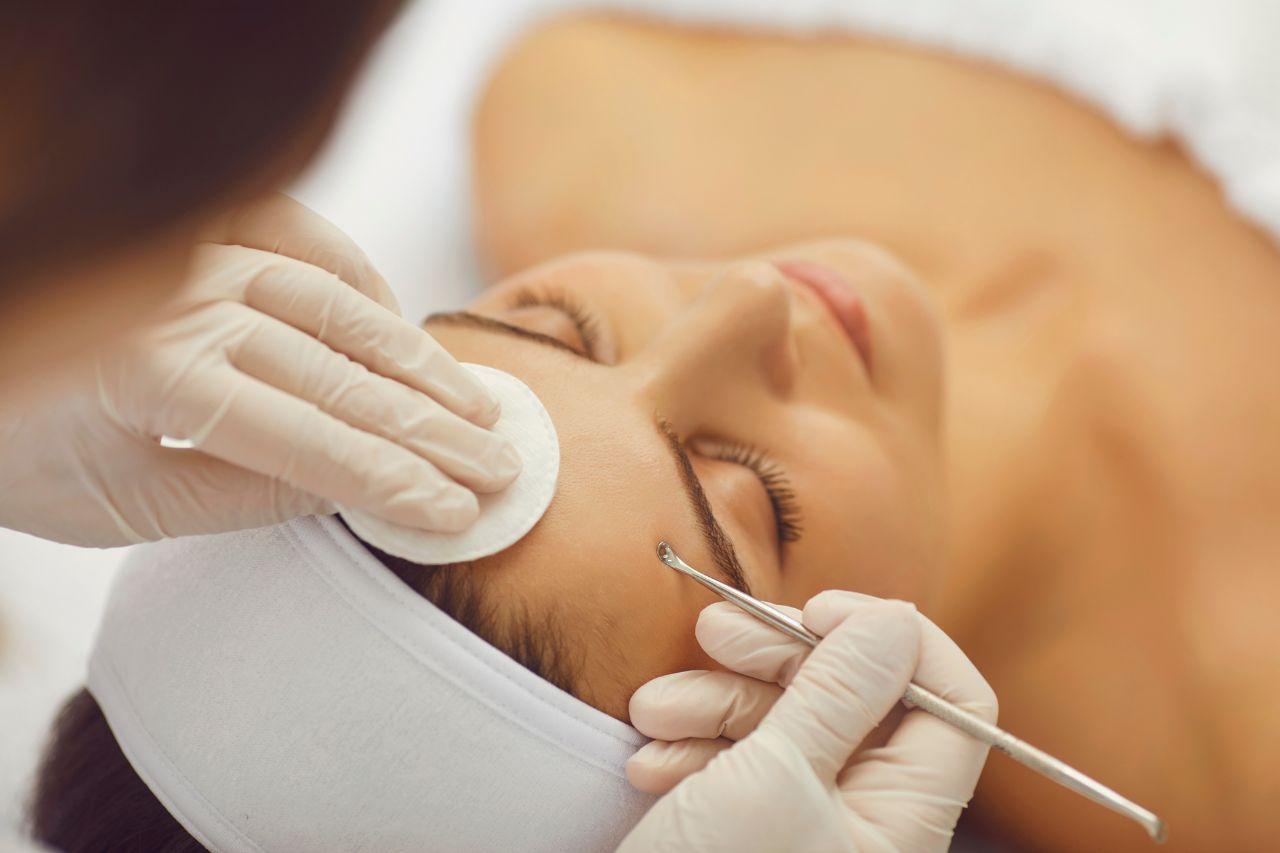
What are blackheads?
Acne is a common pore-clogging phenomenon, primarily caused by excessive sebum secretion and incomplete exfoliation of dead skin cells, which mix in the pores to form blockages. Depending on whether the pore is open, acne can be divided into open comedones (blackheads) and closed comedones (whiteheads): blackheads appear dark due to oxidation from air exposure, while whiteheads appear as small white or flesh-colored bumps because the pore is covered by keratin. Acne itself is an early stage of pimples; if combined with bacterial infection, it can develop into red, inflamed breakouts.
✦There are several types of acne.
Comedones are generally divided into two main types, depending on whether the pore is open or closed:
- Blackheads (open comedones)
- The pore opening is exposed, and accumulated oil and dead skin cells oxidize upon contact with air, turning black.
- They appear as tiny black dots, commonly found on the T-zone (nose, forehead).
- Whiteheads (closed comedones)
- The pore is covered by dead skin cells, trapping oil and dead skin inside without exposure to air.
- They appear as small white or flesh-colored bumps, feeling rough to the touch.
In addition to these two main categories, some dermatologists further distinguish:
- Comedonal acne (early-stage acne): If comedones become infected by bacteria, they can develop into red, inflamed pimples.
- Invisible comedones (subclinical closed comedones): No visible black dots or whiteheads, but the skin surface has small bumps, feeling rough to the touch.
✦Blackheads form when pores become clogged with excess sebum, dead skin cells, and other impurities.
Blackheads primarily stem from excessive sebum production, abnormal keratin metabolism, and clogged pores. When oil and dead skin cells mix within the pores and cannot be properly expelled, they accumulate at the pore opening, gradually forming blackheads. External environmental factors and lifestyle habits can exacerbate the problem. Common causes include:
- Overactive sebum secretion: Puberty or hormonal changes (such as menstruation or stress) can increase oil production, making pores more prone to becoming filled with oil.
- Abnormal keratin metabolism: Dead skin cells accumulate and do not shed easily, mixing with oil to further clog pores.
- Improper pore cleansing: Incomplete makeup removal, insufficient cleansing, or using overly comedogenic cosmetics can all lead to blocked pore openings.
- Lifestyle habits: Late nights, stress, and a diet high in oil and sugar can stimulate sebum production, increasing the likelihood of blackhead formation.
- External environmental factors: Air pollution, dust, and accumulated sweat can also make pores more susceptible to clogging.
Simply put, blackheads are an accumulation of "oil, keratin, and dirt" at the pore opening, and if not managed properly, they can further develop into acne.
✦Why do blackheads smell?
The main reason blackheads and whiteheads can have an odor is due to the accumulated oil, dead skin cells, and bacteria within them:
- Sebum and dead skin cell buildup: Blackheads and whiteheads are essentially pores clogged with excess sebum (oil) and dead skin cells. When these accumulations remain in the pores for extended periods without being expelled, they can oxidize or degrade, producing a distinct odor.
- Bacterial decomposition: Propionibacterium acnes, a common bacterium on the skin, breaks down the sebum in blackheads and whiteheads, generating fatty acids and volatile compounds. These substances can have a slightly foul or rancid odor.
- Inflammation and pus: If a blackhead or whitehead worsens into an inflamed pimple, it will contain not only oil and bacteria but also a mixture of white blood cells and pus. Pus itself has a putrid smell, which makes "popped" pimples particularly odorous.
- Individual body chemistry and diet: Some individuals have particularly active sebaceous glands, or frequently consume greasy or spicy foods, which can make their sebum more prone to breaking down and producing an odor.
In simple terms, blackheads and whiteheads smell because the oil trapped in the pores for extended periods, combined with bacterial decomposition, creates a "rancid oil" or "sour" odor.
Yes, blackhead extraction is effective. It's necessary because blackheads are a common skin concern that can lead to further issues if left unaddressed.
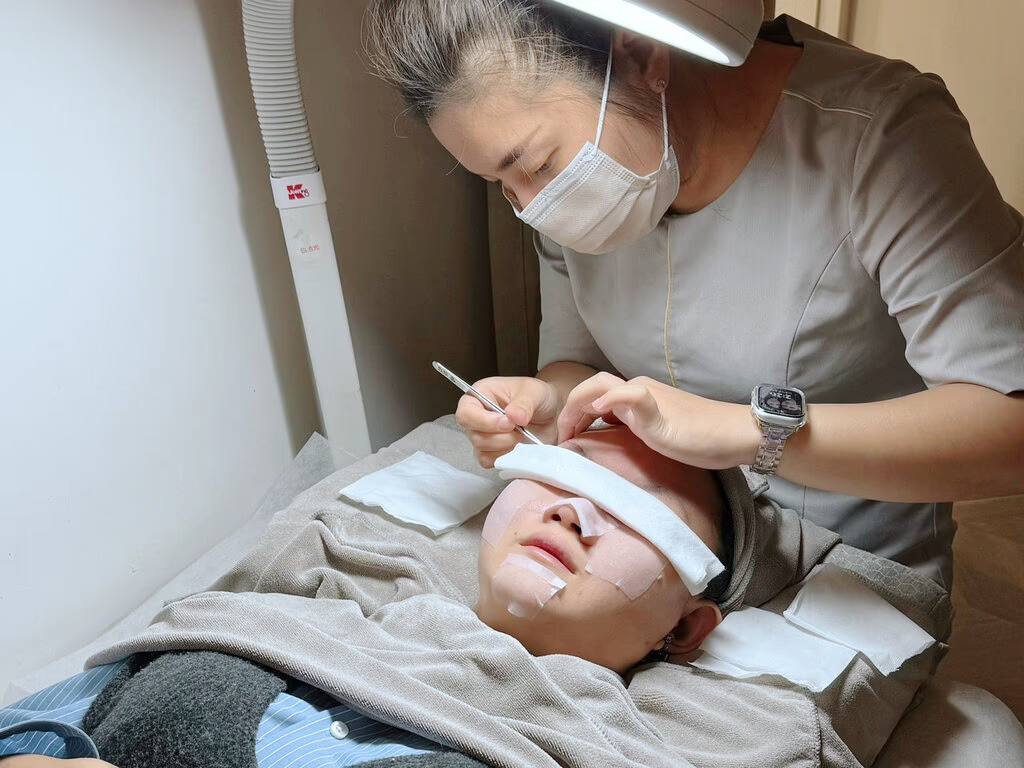
Pore cleansing is effective, but its success depends on the method and frequency. Blackheads (open comedones) and whiteheads (closed comedones) form when pores become clogged with sebum, dead skin cells, or dirt.
Clearing pores can prevent inflammation and acne, improve skin texture and pore appearance, and enhance the absorption of skincare products. However, excessive or improper pore cleansing can damage the skin. Forceful squeezing, frequent treatments, or inadequate sterilization can lead to inflamed pores, hyperpigmentation, or scarring.
✦How often should you get a blackhead extraction?
The frequency of blackhead and whitehead extraction depends on your skin type, the type of comedones, and the extraction method used; there's no fixed schedule, but you can follow these general guidelines:
- For general daily care (at-home cleansing): We recommend deep cleansing or exfoliation 1-2 times per week to prevent excessive sebum and dead skin cell buildup in your pores.
- For mild blackheads and whiteheads: You can have professional extractions at a beauty salon or dermatologist every 2-4 weeks, adjusting based on your skin's tolerance.
✦Not clearing blackheads can lead to several issues.
If blackheads are left untreated for too long, they can worsen clogged pores (leading to more blackheads), trigger inflamed acne, and even cause acne scars if not properly managed. This can affect overall skin smoothness and texture, making skincare more challenging. We recommend regular, gentle clearing combined with oil control and hydration to maintain healthy skin.
✦Blackheads do not go away on their own.
Blackheads can be naturally metabolized by the skin, but the process is slow and influenced by your skin condition. Factors like excessive sebum production, keratin buildup, and lifestyle habits all affect this metabolism. Therefore, if you want clean pores and smooth skin, we recommend combining gentle cleansing with a daily skincare routine to effectively prevent blackhead accumulation.
While you're here, check these out ↓
There are several ways to clear blackheads.
You can choose a blackhead removal method based on your skin type, the type of blackheads, and your needs. Methods are generally divided into two main categories: at-home care and professional treatments. If you're unsure about your skin condition or the best removal method, it's recommended to seek professional treatment to avoid worsening the blackheads.
- At-Home Daily Care
- Vaseline Treatment: Apply a thin layer of Vaseline to the blackhead area. This softens keratin and oil, allowing blackheads to naturally emerge, then use a blackhead removal tool for cleaning. This method is suitable for mild whiteheads, but requires thorough cleansing afterward to prevent clogged pores.
- Professional Treatments
- Manual Blackhead Extraction at a Beauty Salon: A professional aesthetician uses a blackhead extractor or other tools to safely remove blackheads, followed by anti-inflammatory, astringent, and moisturizing steps. This is suitable for blackheads, closed comedones, or stubborn blackheads, reducing the risk of pore damage.
- Acid Peels (AHA / BHA / Fruit Acid): Chemical exfoliation softens keratin in the pores and accelerates blackhead metabolism. This can improve clogged pores and rough skin, usually requiring professional application or physician guidance.
- HydraFacial: This treatment combines high-pressure water jets with suction to deeply cleanse pore oils and blackheads while simultaneously hydrating the skin. It's suitable for oily skin and those with multiple blackhead concerns, offering immediate and gentle results with virtually no downtime.
✦How to clear blackheads yourself?
Clearing your own blackheads and whiteheads is an effective way to reduce clogged pores, especially for mild or occasional breakouts. However, it's crucial to prioritize hygiene and proper technique to prevent infection or skin damage. The general approach involves softening the skin and sebum to allow the comedones to emerge naturally, then carefully removing them.
Steps for DIY Blackhead/Whitehead Removal:
- Cleanse your face: Use a gentle cleanser to thoroughly wash your skin, removing surface oil and impurities.
- Steam or hot compress: Steam your face with a facial steamer or apply a hot towel for 5-10 minutes to open pores and soften sebum and dead skin cells.
- Soften comedones: Apply a thin layer of petroleum jelly or a blackhead-softening cream, waiting a few minutes to help the comedones emerge more easily.
- Use a blackhead extractor: Gently press around the blackhead with a clean, sterilized extractor tool, allowing the whitehead to emerge naturally. Avoid forceful squeezing, which can damage pores or cause infection.
- Cleanse and disinfect: After removal, wipe the area with a cotton pad soaked in disinfectant or a gentle toner to prevent bacterial infection.
- Moisturize and repair: Protect your skin barrier with a lightweight moisturizer or gel to reduce dryness and irritation.
✦Manual facial extractions are effective for clearing clogged pores.
Manual blackhead extraction facials are performed by professional aestheticians who use specialized techniques and tools to clear pores. Compared to self-extraction, professional treatment is safer and reduces the risk of pore damage, infection, and acne scars. The treatment also includes cleansing, exfoliation, hydration, and soothing steps to maintain skin health. When choosing a beauty venue, pay attention to hygiene and the aesthetician's experience to avoid cross-contamination or improper procedures.
Steps for a Manual Blackhead Extraction Facial:
- Skin Analysis and Consultation: The aesthetician first assesses your skin condition, identifying blackhead types and skin sensitivity.
- Deep Cleansing: Professional cleansers are used to remove facial oil and impurities, preparing the skin.
- Steaming or Hot Compress: Steam or hot towels open pores, softening blackheads and dead skin cells for easier extraction.
- Manual Blackhead Extraction: The aesthetician uses professional blackhead extractors or techniques to gently press around pores and fully remove blackheads.
- Toning and Disinfection: After extraction, a toning lotion or disinfectant is applied to soothe pores and reduce infection and redness.
- Hydration and Repair: Finally, a hydrating serum or mask is applied to help repair the skin barrier and maintain healthy, soft skin.
✦You cannot use Vaseline to clear blackheads.
Vaseline itself cannot directly remove blackheads, as blackheads are blockages formed by oil and dead skin cells accumulating in pores. Simply applying Vaseline and squeezing them yourself can still lead to pore infections or leave acne scars, so it's recommended to use proper techniques or professional assistance.
✦It's not a good idea to extract blackheads yourself.
While clearing blackheads yourself is convenient and saves money, it carries higher risks. Incorrect techniques can easily damage pores, leading to acne scars or hyperpigmentation. Additionally, using unclean tools or fingers can introduce bacteria into pores, worsening blackheads or causing pustules. Therefore, DIY blackhead removal is best suited for small, superficial blackheads, and requires proper technique and hygiene.
Using products like Thai aloe vera blackhead gel, peel-off nose strips, or masks can easily damage the skin's surface due to direct tearing. Clearing blackheads daily or over-cleaning too frequently can also disrupt the skin's lipid barrier, stimulating more oil production and actually promoting blackhead formation.
There are several tools available for blackhead removal.
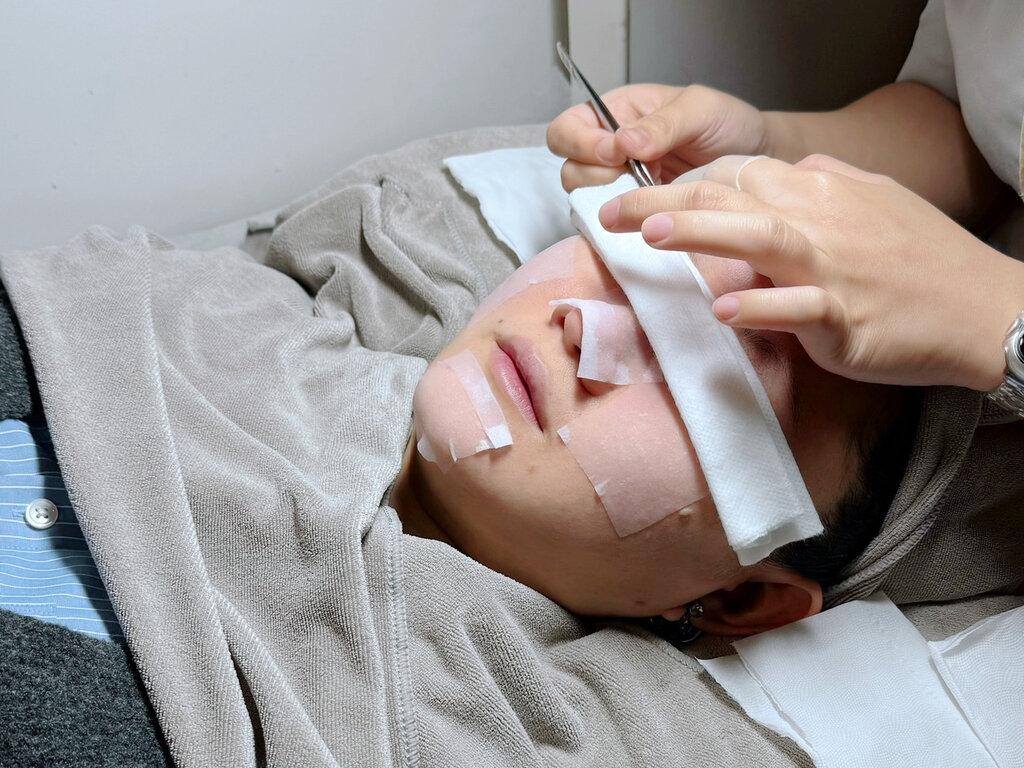
Common tools for at-home blackhead removal include comedone extractors (loops or tweezers), metal or stainless steel tools, pore brushes, cleansing brushes, facial steamers, AHA or BHA products, and medicated nose strips.
✦How do I remove blackheads without tools?
You can gently clear blackheads without professional tools like extractors or other beauty instruments, but the key is to avoid forceful squeezing, which can damage or inflame your skin. The main goal is to soften the oil and keratin in your pores, allowing blackheads to naturally release or be cleared with subsequent skincare products. Here are some gentle methods for clearing blackheads, even without specialized tools:
- Steam or hot compress: Apply a hot towel to your face for 3-5 minutes, or use a facial steamer to soften pores.
- Gentle cleansing: Choose a cleanser with salicylic acid or alpha hydroxy acids (AHAs) and gently cleanse your skin.
- Use skincare products: Apply a blackhead serum containing tea tree oil, AHAs, or salicylic acid to promote exfoliation.
- Apply a mask: Use a clay or absorbent mask to help draw out oil and temporarily soften blackheads.
- Maintain clean and hydrated skin: Prevent excessive oil production and clogged pores, allowing blackheads to naturally clear.
To choose a venue for blackhead removal, look for these key factors.
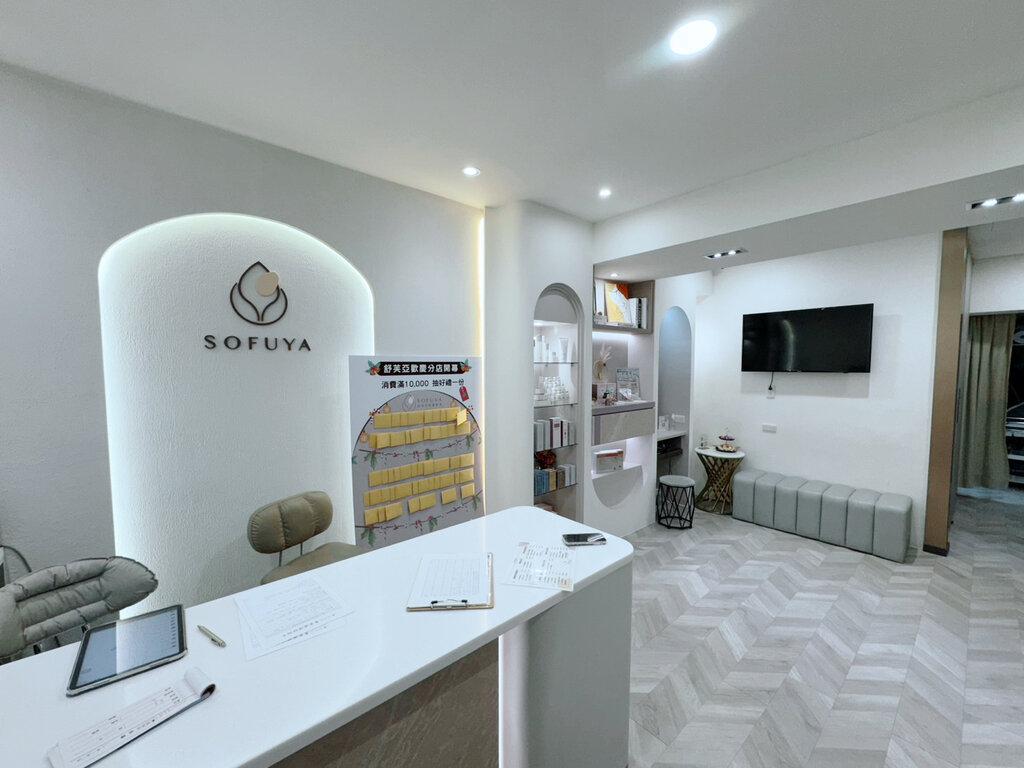
To clear blackheads and whiteheads effectively without damaging your skin, choosing the right venue is crucial. Here are key factors to consider when selecting a blackhead extraction venue:
- Skill and Experience: Opt for venues with certified aestheticians or skincare professionals, or look for those with comprehensive training programs and shared success stories.
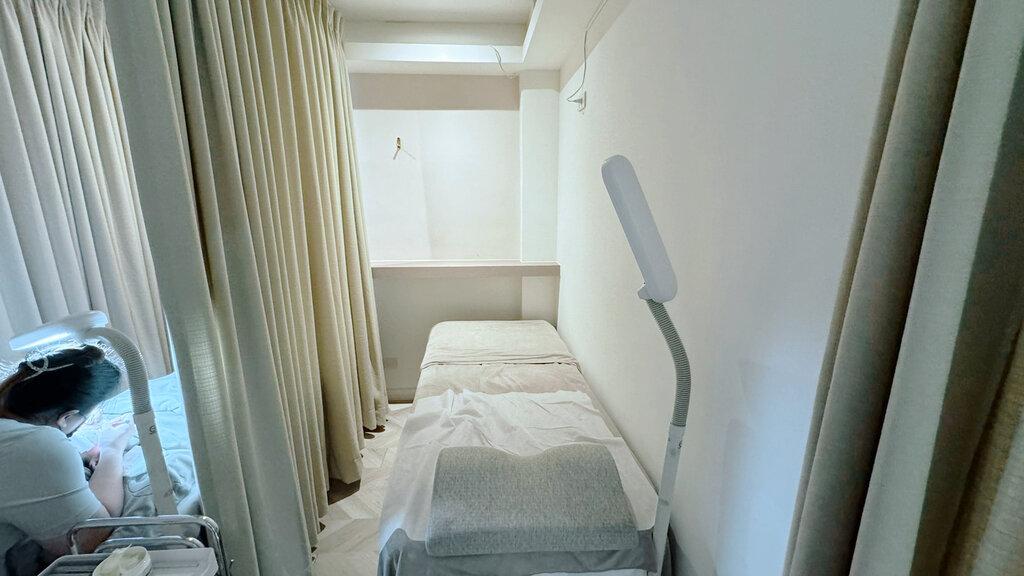
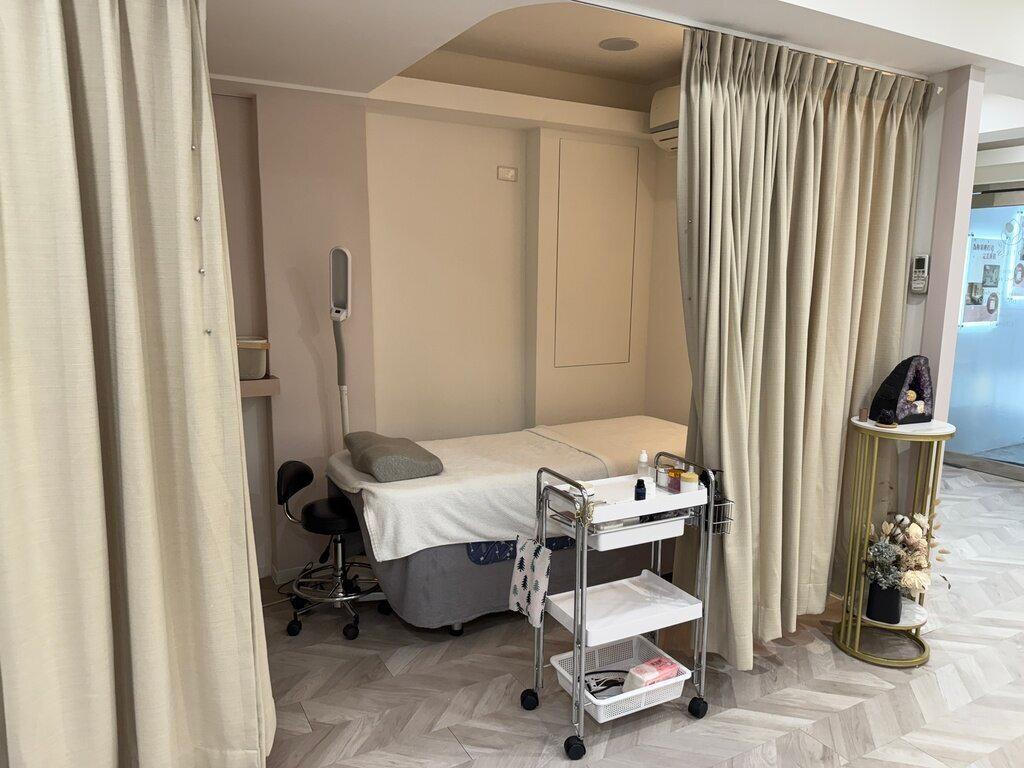
- Environmental Hygiene: The treatment room must be spotless, and all tools should be sterilized or single-use. Observe the cleanliness of the workstation, towels, and mask bowls.
- Service Approach and Consultation: The venue should offer an initial skin assessment and adjust the extraction method based on your skin condition. Inquire about the process, precautions, and pricing transparency beforehand.
- Products and Equipment Used: Prioritize products with gentle, safe ingredients that are minimally irritating to the skin. Ask detailed questions about the operation and risks of treatments like acid peels or hydrafacials.
- Reputation and Reviews: Check online reviews, social media pages, or friend recommendations to gauge the venue's service quality and effectiveness.
Manual extraction covers both open comedones and deep, closed whiteheads. After extraction, a cooling mask, cryotherapy device, and soft mask are applied to soothe any post-cleansing redness. This method is ideal for those seeking efficient and deep cleansing. There are no elaborate rituals here—just straightforward professional technique and perfectly balanced soothing care to restore your skin to its cleanest state.
While you're here, check these out ↓
- 01Microneedling Pen Guide|Your Solution for Acne Scars and Pitted Skin: How It Works, Treatment Frequency, and Post-Procedure Care→
- 02Closa Aesthetic Review|A one-stop beauty salon for busy urban women! Lashes, nails, and waxing all done in one day→
- 03KWASH Korean Skincare Center Review|Taipei Dome Korean Skincare Recommended: Facial and Back Treatments for Men, Too→
The cost of a single blackhead extraction session varies.
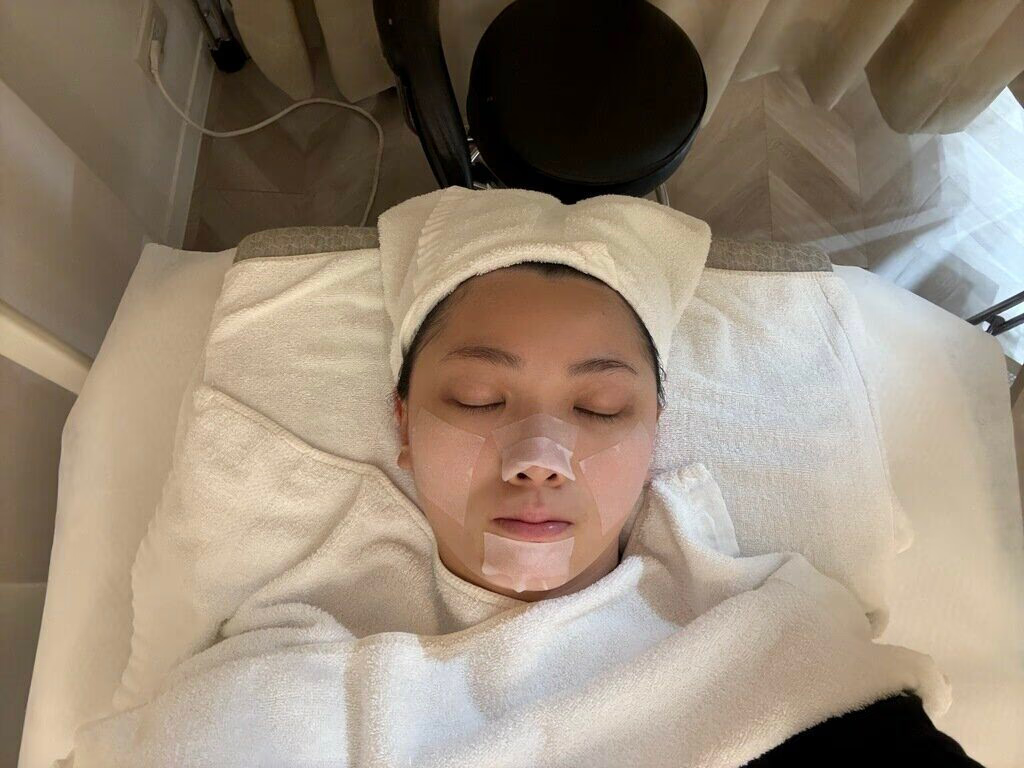
| DIY Blackhead Extraction | Facial at a Beauty Salon (Manual Blackhead Extraction) | Acid Peel (Glycolic Acid, Salicylic Acid, etc.) | HydraFacial, HydroFacial | |
| Price Range | 0–50 (Vaseline, tool costs) | 1000–1500/session | 1500–3000/session | 2500–5000/session |
| Features | Can be done anytime, low cost | Performed by a beautician, more professional technique, soothing for skin with complementary care products | Exfoliates, softens blackheads, improves skin texture | Deep cleans pores using water flow and vacuum technology, combined with hydrating serums, excellent blackhead removal results |
| Recommended Venues | 舒芙亞肌膚管理中心 | 舒芙亞肌膚管理中心 |
After a facial extraction, proper aftercare is essential.
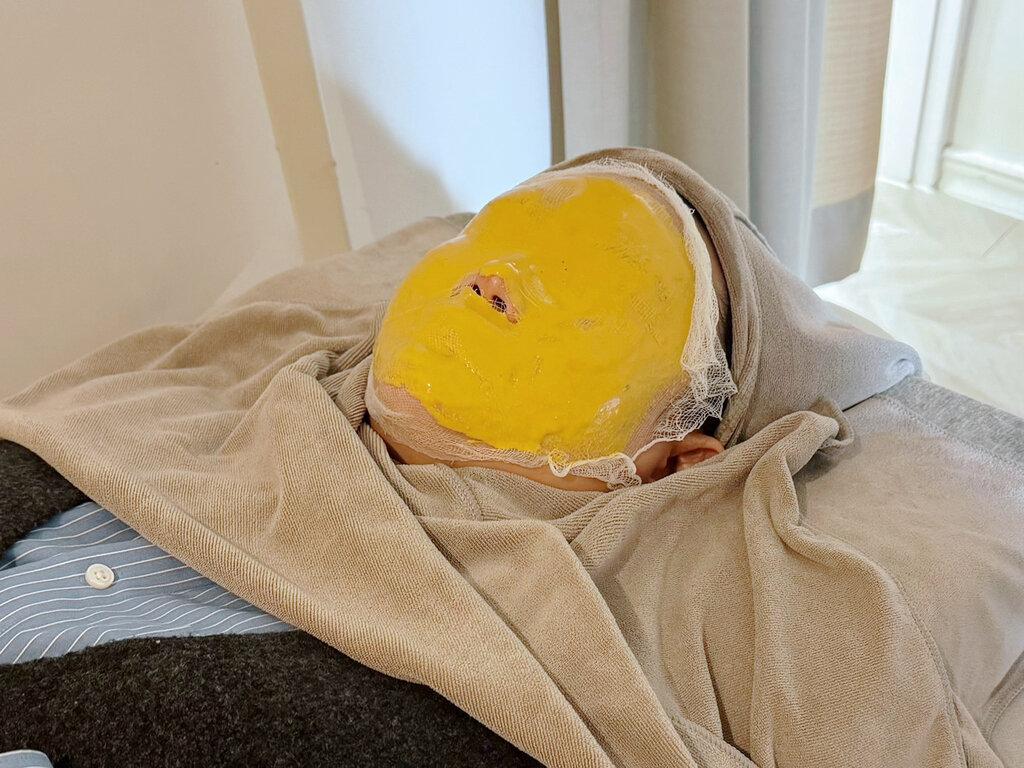
After a facial extraction, your skin is in a delicate state, making proper aftercare essential to prevent redness, inflammation, or new breakouts. The three key steps for post-extraction skin care are soothing, moisturizing, and sun protection.
- Immediate Soothing and Anti-Inflammation: Use a gentle toner, aloe vera gel, or soothing products containing witch hazel or glycyrrhizic acid. Avoid cosmetics with alcohol, strong acids, or harsh irritants.
- Intensive Hydration: After extractions, pores are open and skin can easily lose moisture. Apply a lightweight, non-occlusive moisturizing lotion or gel.
- Sun Protection: Skin with open pores is more sensitive to UV rays. Always apply sunscreen before going out during the day to prevent sunburn and hyperpigmentation.
- Avoid Over-Cleansing or Friction: Do not over-cleanse, as this can re-irritate pores. Wash your face with lukewarm water and gently pat dry; do not rub vigorously.
- Moderate Repair and Oil Control: If your skin is oily, choose products that control oil and tighten pores, but be careful not to over-dry. Use a gentle exfoliant 1-2 times a week to prevent pores from re-clogging.
- Lifestyle Habits: Maintain a consistent sleep schedule, reduce late nights, and eat a light diet, avoiding excessive fried foods and sweets.
✦Yes, you can apply a face mask after extracting blackheads.
After clearing blackheads, you can apply a face mask, but the key to this step is choosing the right product at the right time.
Because the blackhead extraction process irritates the skin, making the area around the pores more sensitive and red, subsequent skincare should focus on "calming and soothing" and "accelerating repair." We recommend choosing a gentle hydrating mask with ingredients like aloe vera, chamomile, or centella asiatica. These masks effectively alleviate skin discomfort, reduce inflammation, and replenish moisture to damaged skin, helping tissues heal faster and minimizing the risk of acne scars.
Remember to avoid highly irritating products such as acids (glycolic acid, salicylic acid), high-concentration whitening masks, or peel-off masks, as these can cause secondary irritation to delicate wounds and even trigger more severe inflammation.
Before applying a mask, we suggest gently patting or wet-compressing the cleared area with a mild astringent toner to help pores begin to contract. Proper mask application and subsequent skincare are crucial for helping your skin quickly recover from the stress of blackhead extraction and maintain a smooth, refined complexion.
✦You can apply makeup after a facial extraction.
After a facial extraction, it's best to avoid applying makeup immediately. Your pores are open and sensitive, making them vulnerable to irritation from cosmetic ingredients like foundation, concealer, and powder. This can lead to redness, inflammation, increased risk of bacterial infection, and can also hinder skin repair and product absorption, ultimately prolonging your recovery.
✦After a facial extraction, you should not wash your face immediately.
After a pore extraction, avoid immediately using a strong facial cleanser. Your skin barrier is more vulnerable at this stage, and over-cleansing can strip its natural protective layer, potentially leading to increased oiliness or redness. Additionally, if a beautician or aesthetician has applied soothing serums after the extraction, washing your face immediately will rinse them off, compromising their restorative effects.
It's best to wait until your skin has stabilized (approximately 2–4 hours) before cleansing with a mild facial wash. After cleansing, remember to apply hydrating and calming products to help restore your skin's barrier.
✦After a facial extraction, you should apply soothing and hydrating skincare products.
After a facial extraction, your pores are clear and your skin is more sensitive, so choose gentle, hydrating, and soothing skincare products. Avoid irritating ingredients like alcohol, AHAs, or high concentrations of acids. We recommend the following types of products:
- Soothing serums or ampoules: Look for ingredients like centella asiatica, chamomile, or aloe vera to reduce redness and calm sensitivity.
- Hydrating lotions or gels: Choose lightweight, non-comedogenic moisturizers to help your skin quickly repair its barrier.
- Repairing face creams (for dry skin): If your skin feels dry, apply a thin layer of cream containing ceramides or hyaluronic acid to boost moisture retention.
- Sunscreen (essential during the day): Post-extraction skin is more susceptible to UV damage. Use a low-irritation, oil-free sunscreen to protect freshly cleared pores.
While you're here, check these out ↓
- 01Skincare Ingredient Cheat Sheet|How to Read Skincare Ingredient Labels: A Guide to 39 Common Ingredients and Their Benefits→
- 02Whitening Serum Recommendations|8 Taiwanese Whitening and Dark Spot Serums with Medical-Grade Ingredients, Reviewed→
- 03Your serum routine, simplified|Can you use serum every day? Can you use two serums at once? We answer 10 common questions about how to use serum.→
Final Thoughts
This is Twosevenths' guide to blackhead removal, with answers to common questions from a facial expert.
Choosing the right blackhead removal technique and subsequent aftercare are equally important. Proper skincare helps the skin repair its barrier, reduces redness and irritation, and prevents secondary blackhead formation. Additionally, be sure to apply sunscreen during the day and temporarily avoid using face masks, makeup, and high-concentration acid products. Combined with healthy lifestyle habits, a stable routine, and a balanced diet, you can not only reduce blackhead issues but also maintain smooth, clear skin. This ensures long-lasting and stable results from blackhead removal, achieving true skin health management.
You can also refer to our HydraFacial guide and toning laser guide to choose the best skin maintenance and cleansing methods for you. By following up with proper skincare and a stable routine, you are sure to achieve your ideal skin condition!
Don't miss these either
Thai Massage in Taoyuan: Authentic Techniques Without Flying to Thailand! | Top 5 Venues Reviewed

Taichung Sneaker Cleaning Recommendations|Read This Before You Drop Off Your Sneakers: 5 Taichung Sneaker Cleaning Services Reviewed
Thermage FLX Explained|How it Works, Results, and Recovery for Facial Sagging

Reader Comments
No comments yet — be the first to share your thoughts.