Chiropractic Massage GuideFeeling Unwell or Tired After Chiropractic Adjustment? 10 Common Questions Answered
Many people wonder if bone setting is effective, how often they should get a session, and what to do if they feel uncomfortable afterward. To answer these common questions about this body care method, Twosevenths invited traditional bone setting expert "Dewei Traditional Bone Setting and Massage" to share insights on frequently asked questions and important considerations. We believe this will resolve most of your concerns about bone setting.
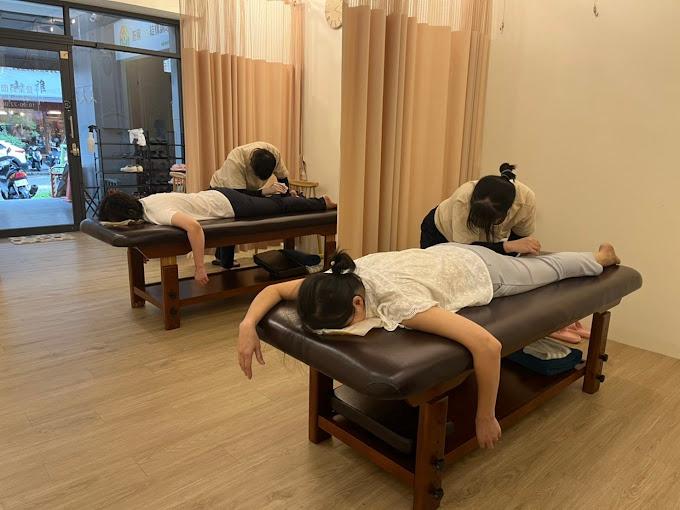
Chiropractic adjustment is a form of manual therapy.
Zhengfu is the common term for "bone setting," "spinal adjustment," "tendon manipulation," and "Tui Na massage." Zhengfu is a traditional Chinese medicine therapy that specifically addresses issues with bones, joints, and muscles. Treatment methods for Zhengfu include manual techniques, physical therapy, and exercise therapy. However, the correct medical term to use is always "Zhengfu."
Zhengfu can be divided into two types: one is "Zhengfu therapy" which falls under "Chinese medicine traumatology," a medical procedure performed by a Chinese medicine practitioner in a Chinese medicine clinic after diagnosis. The other is "traditional Zhengfu Tui Na," which is a non-medical practice aimed at relieving muscle stiffness and fatigue, categorized as "folk conditioning."
| Zhengfu Therapy | Traditional Zhengfu Tui Na | |
| Definition | Medical treatment. Treats musculoskeletal issues based on TCM meridians and anatomy. | Folk conditioning. Conditions musculoskeletal issues based on TCM meridians and folk remedies. |
| Method | Tui Na manipulation, spinal and bone adjustment | Meridian conditioning |
| Purpose | Treat illness, correct deformities | Relieve stiffness, restore energy |
| Risk | Musculoskeletal injury | Musculoskeletal injury |
| Recovery Period | Short | Slightly longer |
| Professional Requirement | Moderate | Moderate |
| Lasting Effect | Moderate | Long-term |
No, "整復," "推拿," and "按摩" are not the same thing.
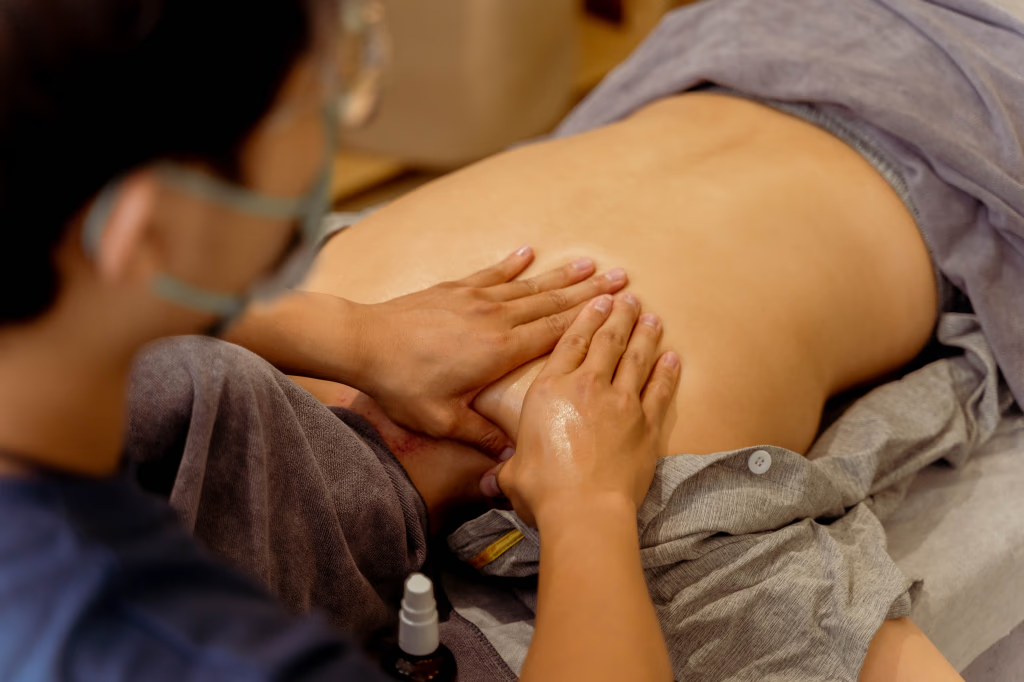
Many people may not clearly distinguish between zhengfu (repositioning), tuina (push-pull massage), and anmo (massage). While all three therapies are related to traditional Chinese medicine and the body's meridians, their definitions and goals differ. The table below provides a breakdown and analysis.
| Zhengfu | Tuina | Anmo | |
| Definition | A broad term encompassing "bone setting," "spinal adjustment," "tuina," and "tendon manipulation." It is a traditional Chinese medicine therapy that addresses meridians, bones, and muscles. | A technique based on traditional Chinese medicine meridian theory, used to relieve musculoskeletal tension, relax, and balance muscles. | A therapy that uses techniques such as pressing, rubbing, kneading, pinching, pushing, and grasping to relax muscles, relieve pain, and promote circulation. |
| Purpose | Muscle conditioning, bone and joint repositioning | Clearing meridians, adjusting muscles and bones | Muscle relaxation |
| Goal | Relax muscles or restore bones to their correct positions, allowing the musculoskeletal system to function normally, and even improve posture. | Stimulate acupoints and regulate the body's meridians, muscles, and qi and blood circulation. | Reduce physical tension and stress, help relax the mind, and alleviate muscle stiffness or soreness. |
There are no after-effects from chiropractic treatment.
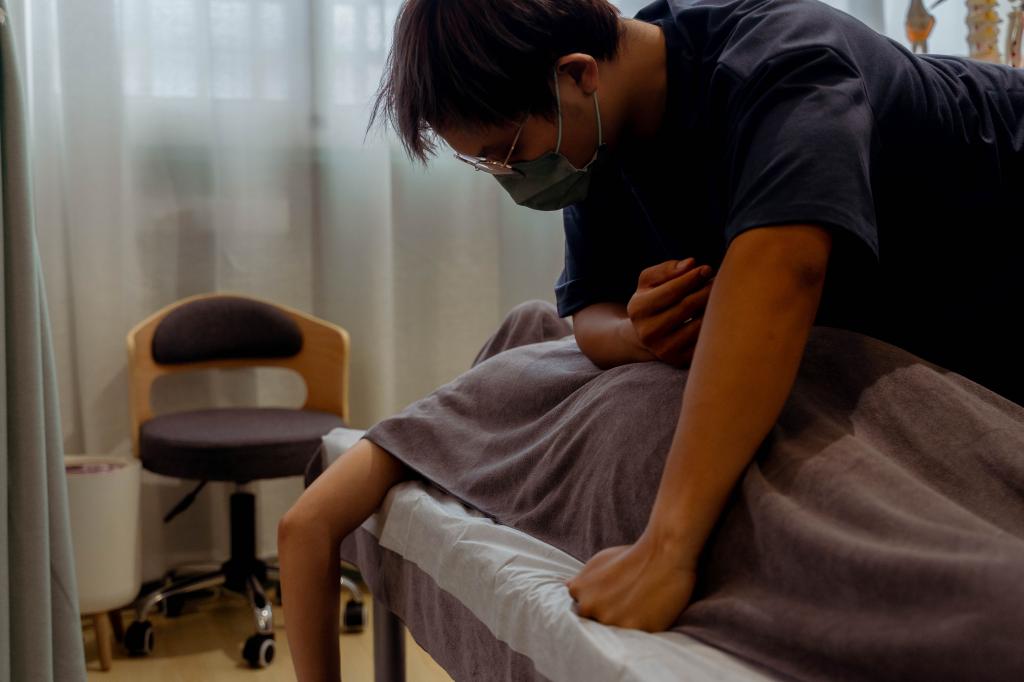
When performed by a professional, experienced massage therapist, chiropractic massage is generally safe and does not lead to severe post-adjustment complications. However, improper technique or a mismatch with an individual's physical condition can result in short-term discomfort or potential risks.
✦What are the risks of chiropractic adjustments?
- Pain and Discomfort: You may experience temporary pain or discomfort during or after the session due to the pressure and traction applied to soft tissues.
- Physical Injury: Improper technique or excessive force can cause damage to joints, ligaments, or muscles, leading to bruising or hematomas, and potentially even bone or nerve damage.
- Worsening Symptoms: Some individuals may find their symptoms worsen or do not improve as expected after a session.
Before undergoing traditional manipulative therapy, it is highly recommended to seek out a qualified and experienced practitioner. Provide them with your complete medical history and current health status to help minimize any potential risks.
For example, The Way of Fascia Traditional Manipulative Therapy assesses each customer's physical condition before proceeding with any adjustments.
✦Does chiropractic adjustment hurt?
The level of soreness during a chiropractic adjustment varies depending on the technique, the practitioner's skill, and your individual health and pain tolerance. Here's what you might experience:
- Mild soreness: Many people feel a slight discomfort or pressure during an adjustment. This is caused by the manipulation and pressure applied to soft tissues or joints. This discomfort is usually brief and subsides after the adjustment.
- Moderate soreness: When addressing areas of chronic pain, this type of soreness can result from tissues being moved or realigned. If the pain is strong or lasts for an extended period, you should immediately inform your practitioner.
- Severe soreness: When treating acute or swollen areas, intense soreness can occur with any manipulation because internal tissues may be severely inflamed, or the inflamed tissue may be pressing on nerves. If the soreness is too intense or unbearable, seek medical attention immediately.
- Post-adjustment soreness: You might experience soreness or discomfort for 1-2 days after an adjustment. This is due to minor inflammatory reactions as your body enters a repair state. Post-adjustment soreness typically resolves on its own within 1-3 days.
You will experience some degree of soreness during an adjustment, but a professional practitioner will strive to keep it within a reasonable and acceptable range to ensure safety and comfort throughout the process.
If you experience any discomfort during an adjustment, communicate with your practitioner immediately so they can make adjustments.
Does chiropractic adjustment work?
Yes, bone setting is effective for many people seeking body care. If you visit a traditional Chinese medicine orthopedics clinic, a Chinese medicine practitioner will diagnose your condition and provide treatment. If you go to a traditional bone setting venue, a master will use techniques to relax your muscles and bones to alleviate your symptoms. Bone setting is generally suitable for the following conditions.
✦Dowager's Hump
Years of poor posture caused my C7, T1, and T2 vertebrae to shift backward, leading to swelling and thickening of the soft tissues around my neck.
✦Mommy thumb
De Quervain’s tenosynovitis, commonly known as "mommy thumb" or "mother's wrist," is a condition where overuse of hand tendons and muscles leads to frequent irritation and swelling in the tendon sheath, causing significant pain and restricting hand movement, which can impact daily life.
Statistically, women are six times more likely than men to develop this condition. It's often linked to improper hand use in daily activities, such as repetitive motions like washing clothes or wringing out towels. For new mothers, hormonal changes in late pregnancy make their wrists more susceptible to inflammation. This, combined with excessive wrist flexion or thumb abduction while holding a baby, makes them particularly prone to developing "mommy thumb."
✦Frozen Shoulder
Also known as adhesive capsulitis, this condition involves inflammation of the connective tissue and surrounding tissues within the shoulder joint capsule, leading to shoulder pain and restricted mobility.
✦Mouse Hand Syndrome
Carpal tunnel syndrome, also known as "mouse hand," is a condition caused by overuse of the wrist. Common symptoms include tingling, numbness, and soreness, and in severe cases, it can lead to weakness in both hands and muscle atrophy.
It frequently affects individuals who use a mouse and computer for extended periods in incorrect postures.
✦Trigger Finger
Trigger finger, also known as stenosing tenosynovitis, occurs when the tendons and tendon sheaths in the fingers become inflamed and swollen due to repetitive finger movements, leading to pain and stiffness.
Trigger finger is most common in middle-aged women, teachers, writers, artisans, and those who frequently use keyboards. The thumb is most often affected due to its frequent use, followed by the middle and ring fingers.
How often should I get chiropractic adjustments?
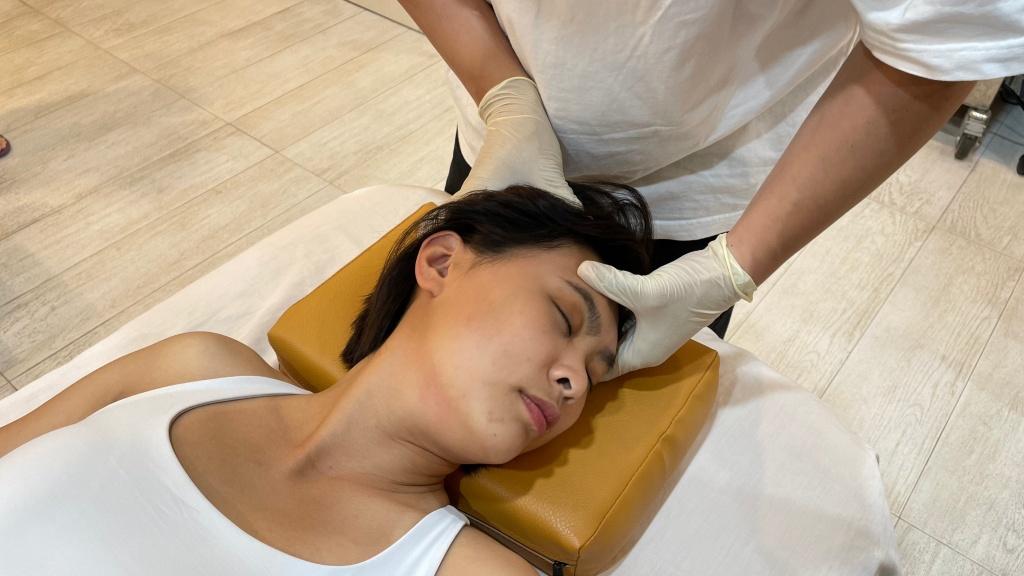
The frequency of remedial massage depends on your specific physical condition, the severity of any issues, your recovery goals, and your overall health. Here are the main factors that influence how often you should receive treatment:
- Acute symptoms: We recommend 1-2 sessions per week for rapid relief of discomfort.
- Chronic problems: We recommend 1 session per week or 1 session every two weeks, depending on your progress.
- Maintenance and prevention: We recommend 1 session every 3-4 weeks or once a month to maintain good physical condition.
You can discuss the ideal frequency of remedial massage with a professional therapist, who will help you create and adjust a plan based on your individual needs and circumstances.
✦Each session lasts about 30 to 45 minutes.
Typical adjustment sessions last approximately 30-90 minutes, varying based on individual needs, the scope of the adjustment, and the chosen plan. Generally, sessions are categorized as:
- Joint Adjustment: 10-30 minutes
- Partial Adjustment: 30 minutes
- Half-Body Adjustment: 40-60 minutes
- Full-Body Adjustment: 60-90 minutes
You can select the venue's plan and duration according to your specific requirements.
How much does a single session cost?
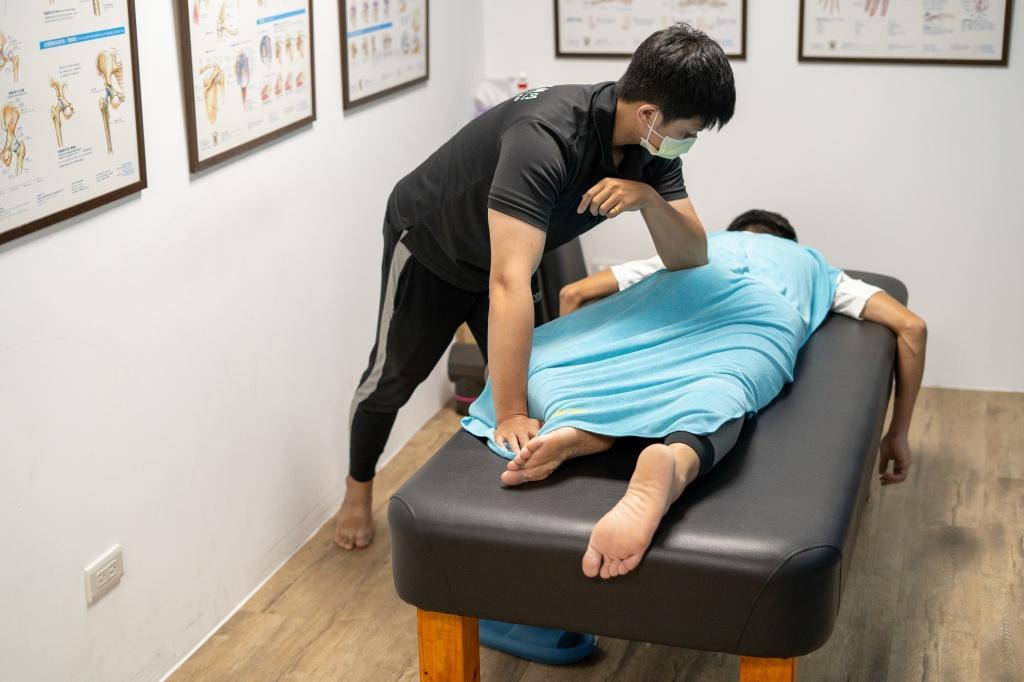
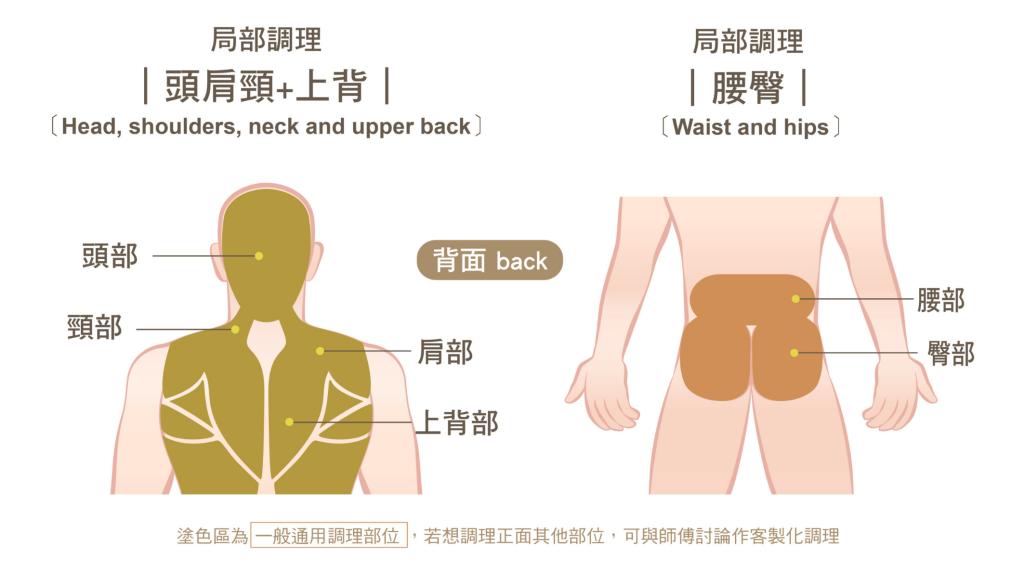
Prices range from $400 to $3000, depending on the specific area or treatment plan. Factors like whether it's an independent studio or a chain, the venue's location, the number of practitioners, and the services offered all influence the cost. For example, here are the prices for various treatment plans at 德威傳統整復推拿:
- Joint Adjustment: $450 / 10-15 minutes
- Local Adjustment: $800 / 25 minutes (head, neck, shoulders, or lower back, hips)
- Half-Body Adjustment: $1300 / 50 minutes (upper or lower body)
- Full-Body Adjustment: $1600 / 80 minutes
Jinhua Manual Physical Therapy
1F, No. 94, Sec. 3, Roosevelt Rd., Zhongzheng Dist., Taipei City

Evolution Physical Therapy Banqiao, located a three-minute walk from Banqiao MRT Station on the Circ…
Kangyu Zhuti Body Care Classroom
9F-8, No. 6, Sec. 6, Zhongxiao E. Rd., Nangang Dist., Taipei City
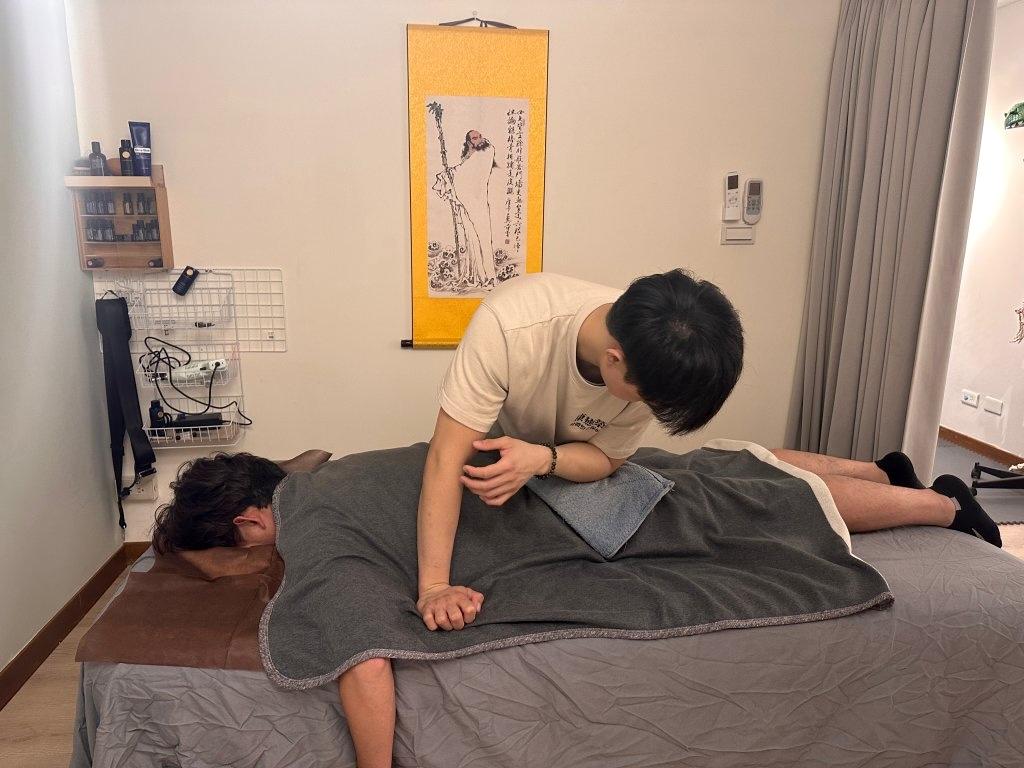
康癒築體身體保健教室 is conveniently located on Yucheng Street, right next to MRT Houshanpi Station Exit 3. If…
While you're here, check these out ↓
- 01Baiching Traditional Rehabilitation and Tui Na Clinic Review|Lingya District Rehabilitation Recommendation: Scientific Concepts for Safer Adjustments→
- 02Wanshengheng Spinal Adjustment & Rehabilitation Review|Shilin one-on-one deep conditioning: perfect for desk workers and athletes→
- 03Banchiao Chiropractic Recommendations|10 Top-Rated Banchiao Chiropractic and Massage Venues for Tension and Pain Relief→
整復適合所有族群。

Chiropractic adjustments are suitable for most people experiencing physical fatigue and discomfort, but there are some groups for whom they are not recommended. Consumers should assess their current condition to determine if an adjustment is right for them. The following groups are typically good candidates for chiropractic care:
- Chronic pain sufferers: Including those with lower back pain, neck pain, shoulder pain, or headaches. Adjustments can relieve muscle tension and improve joint mobility.
- Individuals with poor posture: Such as hunchback, uneven shoulders, or anterior pelvic tilt. Adjustments can help realign the skeletal structure and maintain proper body posture.
- Sports injury patients: Including sprains, strains, and contusions. Adjustments can accelerate recovery and reduce pain.
- Those who sit or stand for long periods: These individuals often experience muscle stiffness and joint pain. Adjustments can soothe muscles and promote circulation.
✦Chiropractic adjustments are not suitable for everyone.
- Osteoporosis patients: Those with osteoporosis have fragile bones, making intense manipulation unsuitable.
- Acute fracture or dislocation patients: Acute injuries require initial stabilization and rest; immediate manipulation is not appropriate.
- Tumor patients: Patients with tumors may have bone or soft tissue lesions, making manipulation unsuitable.
- Individuals with clotting disorders or those taking anticoagulants: These patients are prone to bleeding, making manipulation unsuitable.
- Women in early or late pregnancy: Fetal instability in early pregnancy and excessive abdominal pressure in late pregnancy both make manipulation unsuitable.
- Cardiovascular disease patients: Those with a history of severe heart disease, severe high blood pressure, or stroke are not suitable for manipulation.
- Patients with severe chronic illnesses: Individuals with severe asthma, mid-to-late stage diabetes, or cancer are not suitable for manipulation.
If you are unsure whether your current condition is suitable for manipulation, you can discuss it with the practitioner beforehand to confirm before proceeding.
Before your chiropractic adjustment, make sure to wear comfortable, loose-fitting clothing.
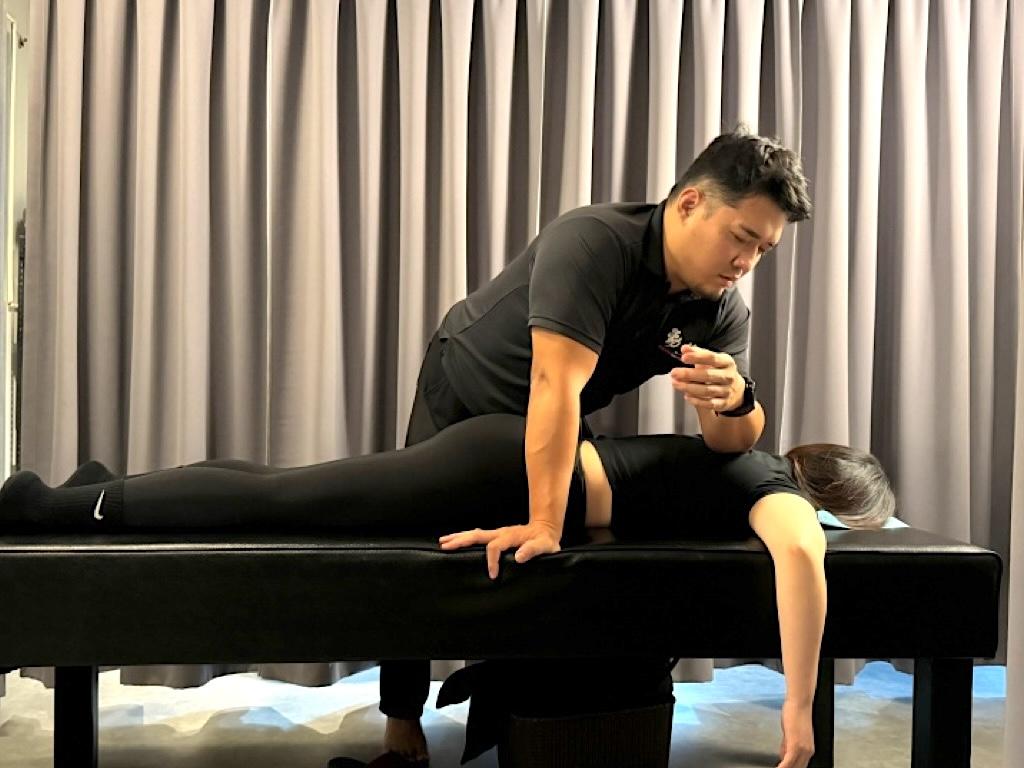
Before your session, avoid strenuous activity, overeating, going hungry, or drinking alcohol. Wear comfortable clothing, relax, and inform your practitioner of any special health conditions you may have so you can proceed with confidence. To ensure the safety of your session, consider the following:
✦Special Circumstances
If you have any special health conditions, such as a major illness, history of surgery, pregnancy, cardiovascular disease, or osteoporosis, you should inform the therapist in advance.
✦Avoid overexertion
Before your chiropractic adjustment, avoid strenuous physical activity or exercise, as this could worsen any discomfort during the session.
✦Relax and Recharge
Stay relaxed and avoid anxiety or tension. The adjustment process isn't scary, so there's no need to worry too much.
✦Comfortable Attire
Wear loose, comfortable clothing, and avoid anything too tight.
✦Dietary Considerations
Before your treatment, avoid eating too much, being too hungry, or drinking alcohol, as these can cause discomfort during the pressing and adjusting of your session.
Here's what to keep in mind after your adjustment.

Some people feel uncomfortable after bone manipulation because the treated area needs time to recover. You should avoid overuse or applying too much pressure, especially when lifting heavy objects or performing repetitive motions. Allow your body ample rest and avoid strenuous exercise or overexertion. If you undergo bone manipulation for posture correction, pay attention to your posture afterward, maintaining good sitting and standing habits and avoiding prolonged static positions to prevent muscles from stiffening or bones from returning to their pre-treatment alignment.
✦You can exercise after your treatment.
After a chiropractic adjustment, there's typically a 1-3 day recovery period. You can adjust your exercise type and intensity based on the treated area and your individual recovery speed:
- Joint or Bone Adjustments: After treatment, it's crucial to avoid excessive force to prevent the adjusted joints or bones from shifting again. Light exercise, such as walking, is recommended.
- Muscle or Soft Tissue Adjustments: Soft tissue has a longer recovery period and requires more rest. Avoid overexertion during this time. Light exercise, such as stretching, is recommended.
It's advisable to rest for 1-3 days after an adjustment. If you wish to exercise, opt for light activities like walking or stretching, and avoid moderate to high-intensity workouts to prevent re-injury.
✦You can get a massage after your chiropractic adjustment.
Whether you can get a massage after a chiropractic adjustment depends on the type of adjustment you received:
- Joint or bone adjustments: Since these primarily focus on realigning joints or bones, it's generally fine to get a massage afterward. Just be sure to inform your massage therapist about your recent adjustment so they can avoid applying heavy pressure to the newly adjusted areas.
- Muscle or soft tissue adjustments: After this type of adjustment, your muscles and soft tissues may feel a bit sore or swollen. Since massage also works on muscles and soft tissues, it's not recommended to get a massage immediately afterward. If you do want a massage, opt for gentle techniques like oil massage and avoid overly intense methods that could injure the muscles or soft tissues.
In summary, while gentle massage techniques may be an option after a chiropractic adjustment, it's generally best to prioritize rest.
✦If you feel dizzy after a chiropractic adjustment, it's important to understand why and what to do.
If you experience dizziness after a body adjustment, it may be due to dehydration or low blood sugar, especially if the adjustment involved intense or vigorous techniques, or if you hadn't eaten or drunk for a long time beforehand. Here's how to address post-adjustment dizziness:
- Rest immediately: If you feel dizzy, sit or lie down right away. Avoid standing or making sudden movements. This helps stabilize blood pressure and ease the dizziness.
- Rehydrate and refuel: Drink water or have a small snack before and after your adjustment.
- Breathe deeply: Deep breathing can help alleviate dizziness caused by tension during the adjustment. Try to stay calm and relax your body and mind during the session.
Overall, dizziness after a body adjustment can be relieved with rest, hydration, and deep breathing. If dizziness persists or is accompanied by other severe symptoms, seek medical attention promptly to ensure your safety.
✦If your muscles feel sorer after a chiropractic adjustment, it's a common reaction.
After a chiropractic adjustment or massage, your muscles will enter a 1-3 day recovery period, and soreness is a natural part of the healing process. If you find the post-adjustment soreness uncomfortable, you can try the following methods to alleviate it:
- Rest and Relaxation: Allow your muscles sufficient time to rest and recover. Avoid overuse or placing additional strain on them.
- Ice or Heat Packs: Within 24 hours after your adjustment, if you experience swelling or acute discomfort, use an ice pack to reduce inflammation and soothe pain. Apply ice for 15-20 minutes at a time. After the acute phase, you can use a heat pack to relax muscles and promote blood circulation. Apply heat for 15-20 minutes at a time.
- Gentle Stretching: Engage in some light stretching exercises, which can help promote blood circulation and reduce muscle soreness.
Muscle soreness after a chiropractic adjustment or massage is usually temporary and can be relieved through rest, relaxation, gentle stretching, and ice or heat packs. If the soreness persists or worsens, or if you experience any other uncomfortable symptoms, you should promptly communicate with your practitioner or seek medical attention.
We recommend the following physical therapy clinics.
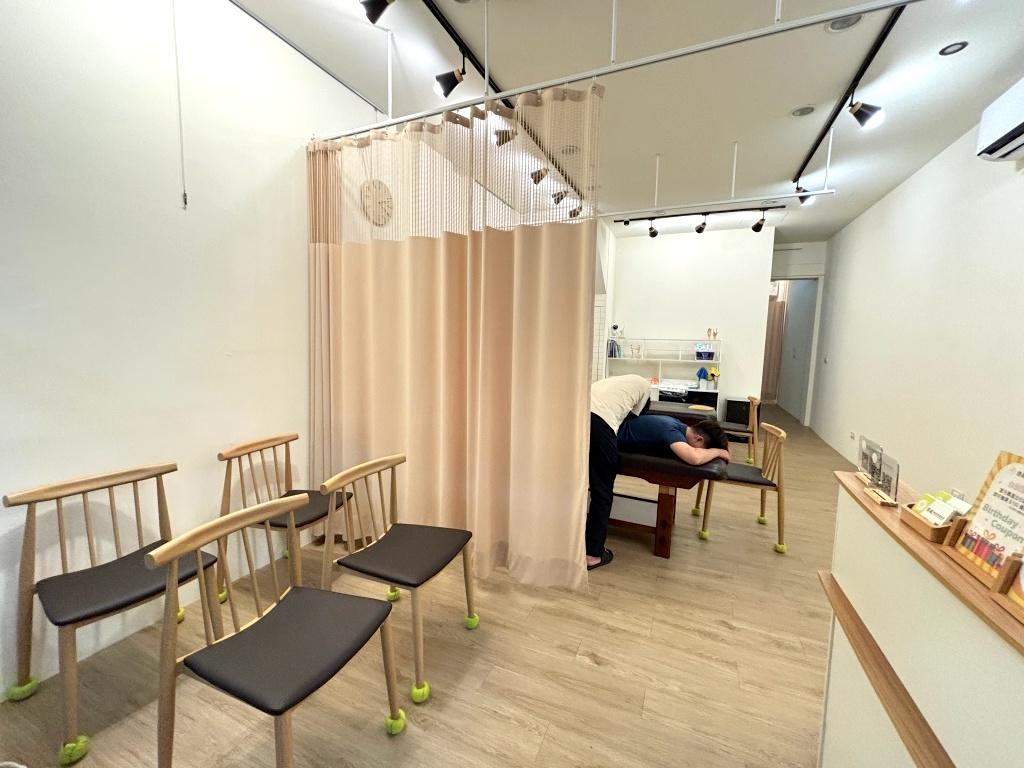
Yes, there is! We recommend The Way of Fascia, where all practitioners have extensive experience in traditional manipulative therapy and hold certified technician licenses. They also continue to pursue advanced training in their spare time, all to help more people regain a healthy physique.
The Way of Fascia is located on the bustling Jingming 1st Street, with the convenient Dongxing Parking Lot nearby. Open from 10 AM to 10 PM, you can also book appointments online via LINE. It's truly the best choice for busy office workers and laborers to relieve muscle tension and recover from fatigue.
Dewei Traditional Massage
Dewei Traditional Massage and Manipulation is located in the Jingming 1st Street commercial district…
Tangliudian Traditional Massage
No. 9, Lane 84, Shang'an Road, Xitun District, Taichung City
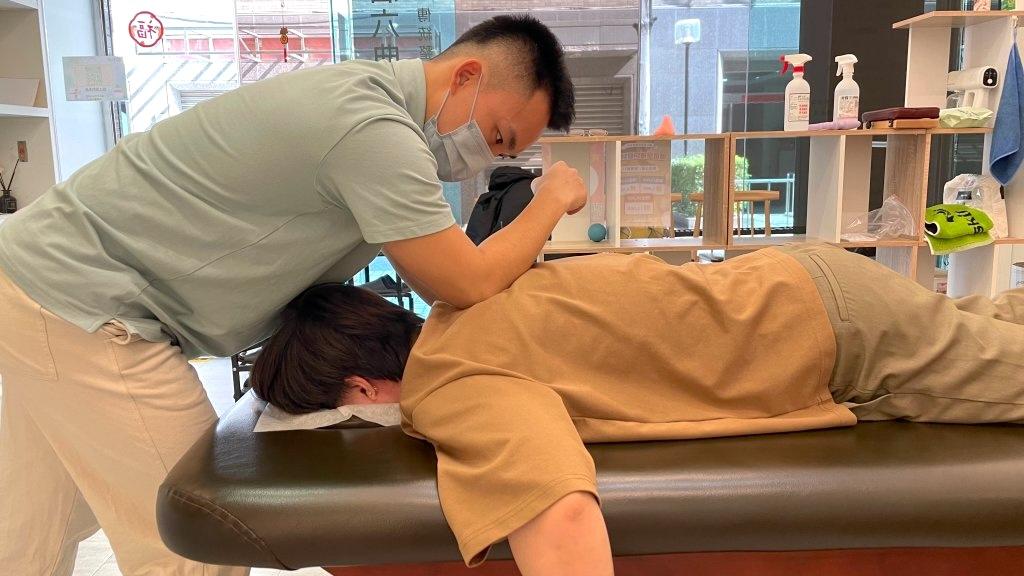
Tang Liudian Traditional Massage has two branches, Zhongqing and Xitun Shang'an. This review covers …
While you're here, check these out ↓
- 01Baiching Traditional Rehabilitation and Tui Na Clinic Review|Lingya District Rehabilitation Recommendation: Scientific Concepts for Safer Adjustments→
- 02Wanshengheng Spinal Adjustment & Rehabilitation Review|Shilin one-on-one deep conditioning: perfect for desk workers and athletes→
- 03Banchiao Chiropractic Recommendations|10 Top-Rated Banchiao Chiropractic and Massage Venues for Tension and Pain Relief→
Final Thoughts
This is your comprehensive guide to traditional osteopathy, with Twosevenths inviting traditional osteopathy expert Dewei Traditional Osteopathy and Tui Na to share answers to common questions about osteopathy and tui na. This guide covers the definition of osteopathy, the differences between osteopathy, tui na, and massage, pricing, effectiveness, frequency of sessions, potential side effects and risks, and pre- and post-treatment considerations. We believe it will answer most of your questions about osteopathy.
If you're experiencing back pain, rounded shoulders, "mommy thumb," tennis elbow, or a "dowager's hump," let a professional osteopath help you adjust and find relief for a more comfortable life! If you're looking for an osteopathy venue, Twosevenths has compiled recommendations for various cities: Taipei Osteopathy Recommendations, Tainan Osteopathy Recommendations, Hsinchu Osteopathy Recommendations, Kaohsiung Osteopathy Recommendations, and Taichung Osteopathy Recommendations.
For pelvic adjustments, you can refer to: Taichung Pelvic Adjustment Recommendations and Kaohsiung Pelvic Adjustment Recommendations.
Don't miss these either
Jiaoxi Hot Spring Private Baths: Relax and Recharge! A Review of 3 Top Venues
Taichung Dragon Tendon Massage: Privacy and cleanliness combine for a truly relaxing, stress-free experience! We review one top venue.

Handsome Guy Beauty Review|Gentle care from head to face! An affordable and therapeutic botanical essential oil massage experience

Reader Comments
No comments yet — be the first to share your thoughts.