Your ultimate guide to choosing a wedding ringWedding ring materials: your complete guide to making the right choice
Choosing wedding rings may seem like simply buying a pair of rings, but it's actually the first "significant expense" a couple faces together. How much to budget, whether to buy a diamond ring, and which material to choose often cause more stress for newlyweds than picking the style. Twosevenths has compiled a "Wedding Ring Material Selection Guide" to share with all couples, covering everything from how to choose a wedding ring to the intricate details of various materials!
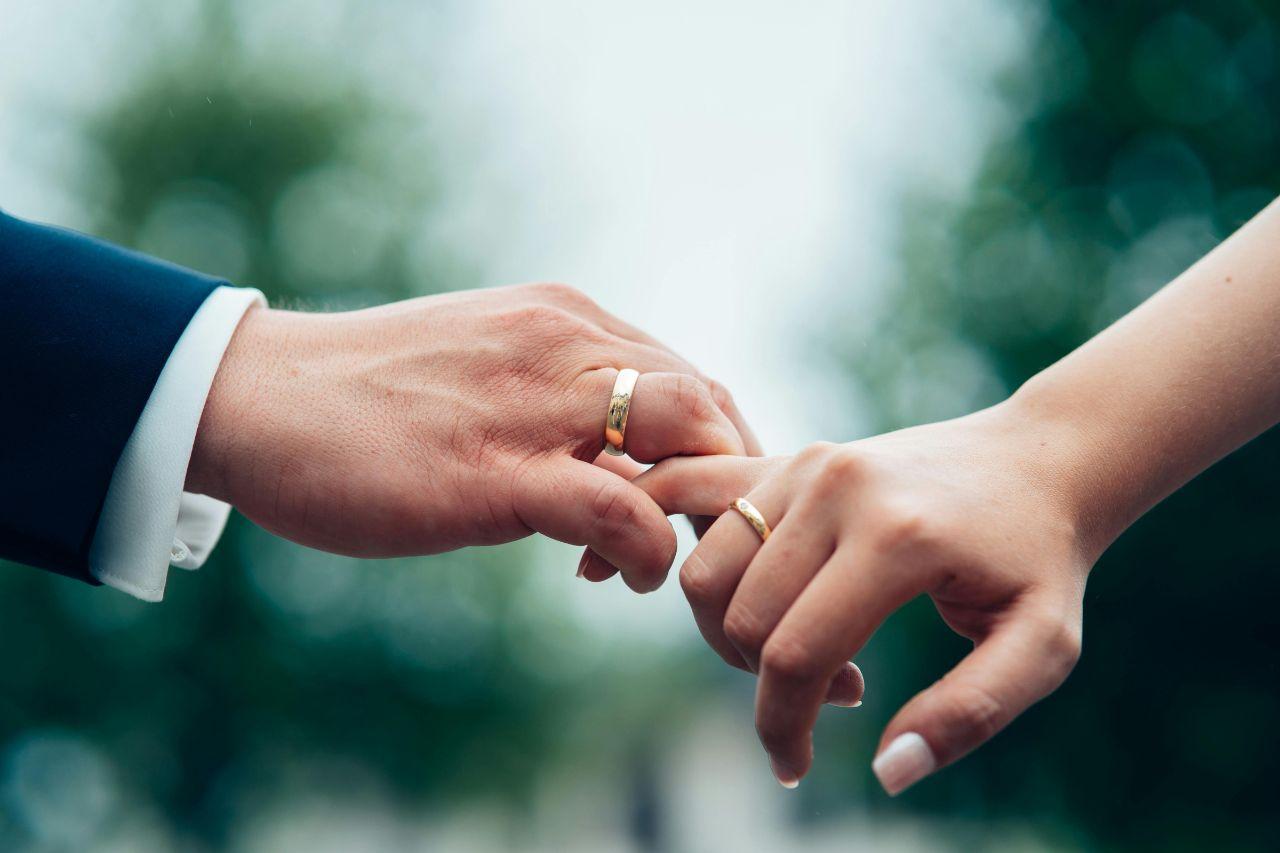
How to choose a wedding ring?
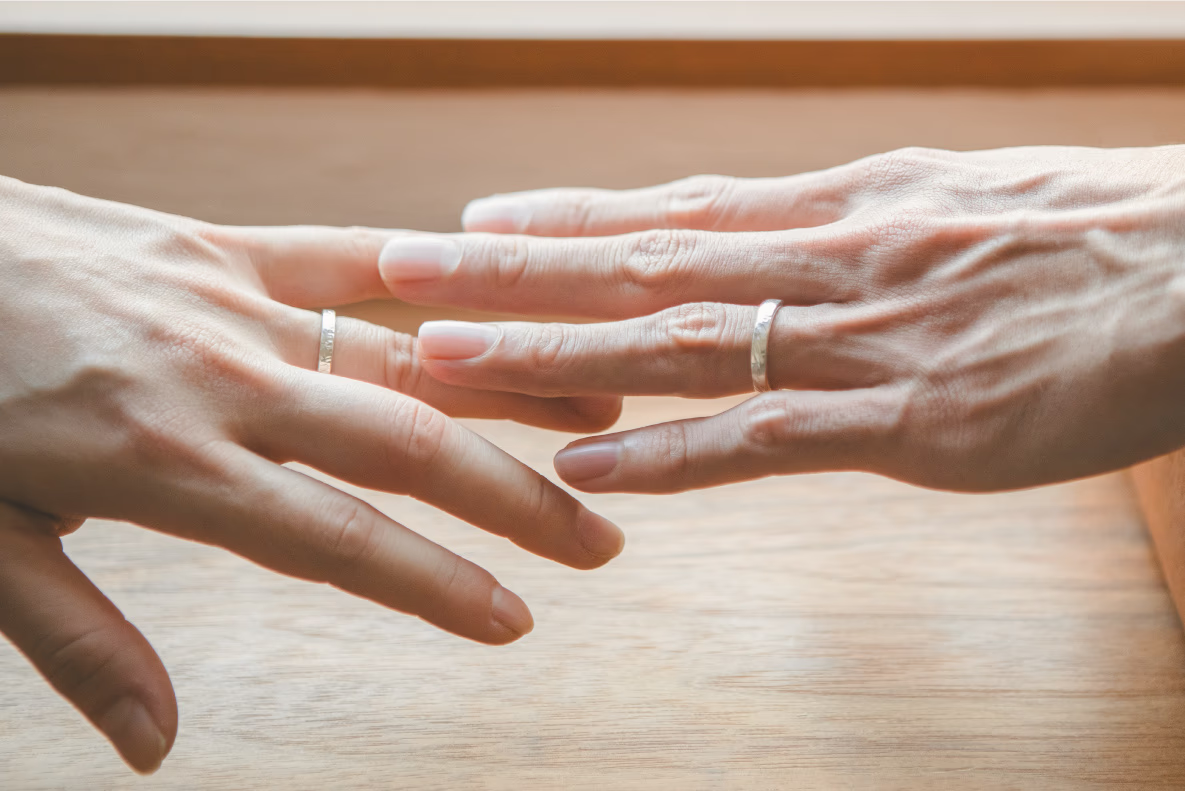
Your wedding ring isn't just about looks; it's about something that will be with you every day. The material, weight, durability, maintenance, and even the future possibility of resizing all impact how it feels to wear. If you only focus on appearance, it's easy for a ring to become uncomfortable, irritating, oxidized, scratched, or even cause allergic reactions that force you to replace it after just a few years.
There's a practical logic to choosing a wedding ring. Sunny Side Studio recommends starting with three key factors: your lifestyle, skin type, and future flexibility for adjustments. Once you've considered these, you can decide on the material. Below, we'll guide you through the simplest, clearest way to determine which material is best for you!
✦Lifestyle and Skincare Habits: Choosing Durable Materials
When choosing a wedding ring, the first question to ask yourself isn't about style, but whether you'll wear it every day.
Wedding rings are meant to be worn long-term, so if your daily life involves extensive use of your hands—such as lifting, prolonged computer work, cooking, housework, or even regular exercise—you'll need to pay special attention to the ring material's durability and stability.
In terms of hardness, 18K gold is actually slightly harder than platinum PT950, so 18K gold typically offers better scratch resistance in daily use. However, platinum PT950 has another important advantage: superior ductility and toughness. Its stable metal structure makes it less prone to breaking or deforming, often resulting in better long-term durability for daily wear.
Simply put, if you prioritize everyday scratch resistance, 18K gold is a good choice. But if you value structural stability and long-term durability, platinum PT950 remains a classic material for many wedding rings.
If you're the opposite type—you don't necessarily wear your ring every day and enjoy changing accessories weekly—K gold offers more color choices than platinum, making it more versatile for couples who love to coordinate their jewelry with trendy, refined styles. Be aware that white K gold requires periodic re-plating, so it's not ideal for those who prefer zero maintenance. Additionally, if you're considering silver jewelry as a wedding ring, remember that silver is quite soft and prone to oxidation, which might not make it the most ideal wedding ring material.
✦Skin type: Are you prone to allergies?
Wedding rings are worn against the skin, so allergy issues absolutely cannot be ignored! Many people experience redness, itching, or rashes when wearing metal jewelry, mostly due to alloys like nickel and copper in the metal. If you are prone to allergies, platinum is the top recommendation because of its high purity and stable composition, which rarely triggers allergic reactions, making it the safest material for sensitive skin. The second choice is 18K gold; although it contains alloys, the proportion is lower than in 14K gold, significantly reducing skin irritation.
It's important to note that if you have extreme sensitivities, you should always confirm the alloy composition when choosing a brand and avoid cheap metals or those from unknown sources. In contrast, silver jewelry and inexpensive plated materials have a higher chance of causing allergies and are not suitable for long-term wear, as they not only oxidize easily but also frequently cause skin discomfort. The significance of a wedding ring is its long-term wear, so allergy considerations are more important than appearance, not just for comfort but also to avoid the hassle of having to replace the ring due to allergies in the future.
✦Flexibility: Do you anticipate needing to resize it in the future?
As you wear your wedding ring for ten or twenty years, your fingers will inevitably change, so the ability to resize the material directly impacts your future comfort.
Platinum and K gold are ideal for wedding rings precisely because they can be resized. Whether your ring becomes too tight or too loose, it can be adjusted by adding or removing metal. This is especially important for those who may experience pregnancy, body changes, or shifts in their work lifestyle. In contrast, some seemingly cool or industrial-style materials on the market, such as titanium, ceramic, and tungsten steel, are incredibly scratch-resistant but are almost impossible to resize due to their extreme hardness, which prevents cutting and reshaping. If the size no longer fits, you'll have to replace the entire ring.
Therefore, if you want your wedding ring to truly last a lifetime, it's best to avoid these materials. A wedding ring symbolizes memory and commitment, and being able to preserve it or adjust it in the future is far more meaningful than buying a new ring every time it no longer fits.
What are the common materials for wedding rings?
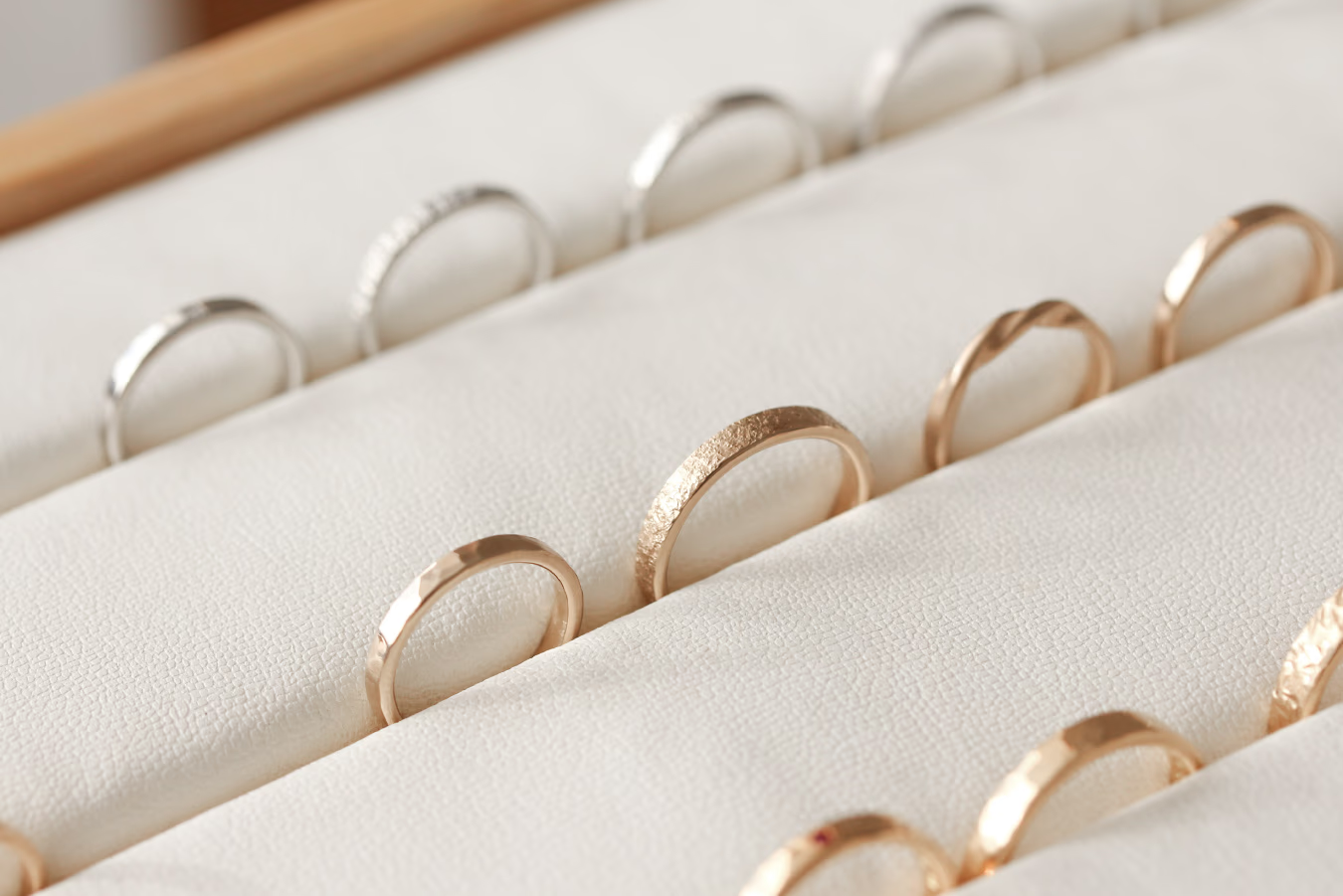
When choosing a wedding ring, the first question most people face is: "What material should I pick?" While a ring's appearance reflects your style, it's the material itself that truly determines whether you can wear it every day, for a lifetime.
Different metals vary greatly in weight, hardness, scratch resistance, oxidation potential, allergenicity, and resizeability. Everyone's lifestyle is also unique—some are constantly in contact with water, some have sweaty hands, some work long hours typing or moving heavy objects, and some have metal allergies. Sunny Side Studio offers an in-depth analysis of the metals commonly used for wedding rings, helping you understand which material is best suited for your forever ring!
✦Platinum 950
Platinum is the ultimate choice for wedding rings, and the reasons are simple. It offers a unique combination of stability and symbolism that other metals can't match. Platinum is exceptionally pure, with a simple composition that resists reactions with skin or air, making it the safest option for those with sensitive skin. Crucially, it won't discolor or oxidize; even after 10 or 20 years, its natural white color remains, without relying on plating. It's a material that truly gets better with age.
While platinum is softer than some scratch-resistant materials like tungsten or ceramic, its exceptional toughness means it won't easily break. It can withstand the bending forces of long-term wear, making it ideal for rings and diamond-set wedding bands.
Because of its higher density, platinum feels more substantial than K gold when worn, offering a solid, stable presence that many couples prioritize for their wedding rings. Its price is the only significant hurdle, but if you view your wedding ring as a lifelong commitment, platinum is a choice you'll never regret: durable, classic, and a true symbol of eternity.
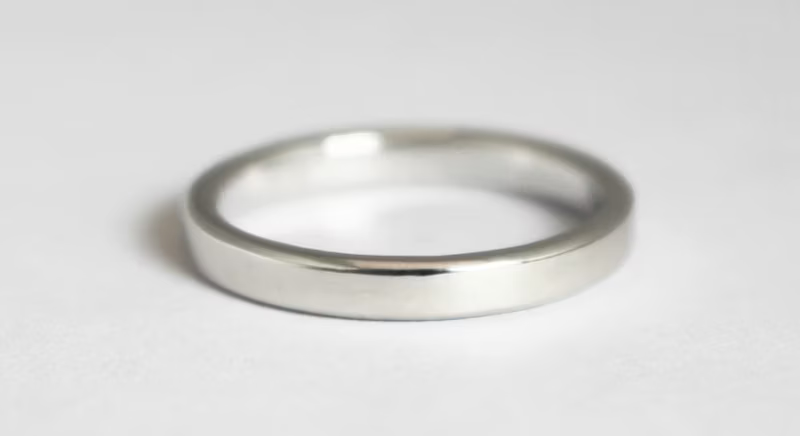
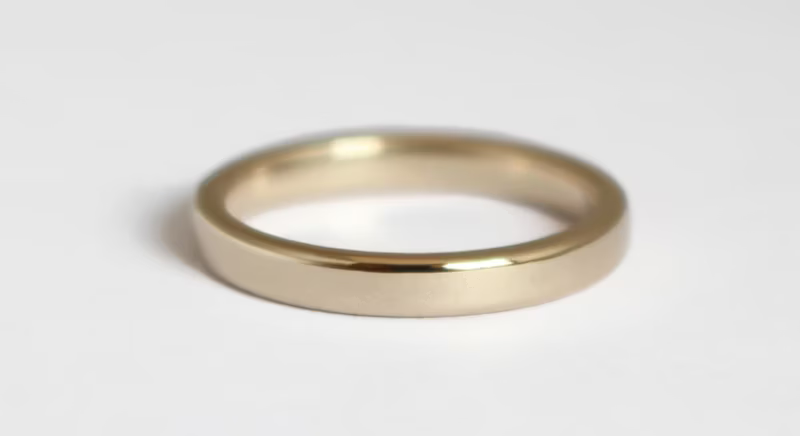
✦18K Champagne Gold
18K champagne gold is a rare and distinctive color, an 18K gold alloy with a 75% gold content. The remaining 25% is a blend of metals like silver, copper, and palladium. Unlike common yellow gold or rose gold, champagne gold's hue falls between gold and a pale beige, offering a soft, warm tone that is understated yet incredibly refined—a metal color that truly grows on you.
Notably, the champagne gold at Sunny Side Studio uses a proprietary blend developed by their sister venue, MITUBACI TOKYO, in Japan. This results in an even more elegant and subdued shade, one that beautifully complements Asian skin tones. This material offers both a sophisticated aesthetic and a harmonious feel against the skin, making it a popular choice for rings.
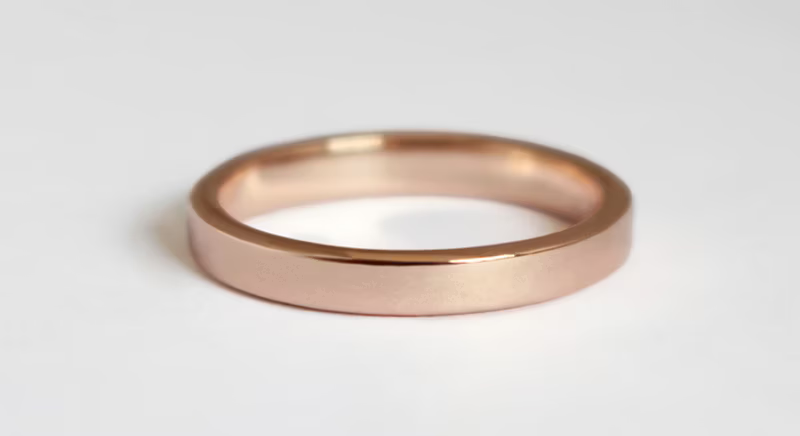
✦18K Rose Gold
18K rose gold is an 18K gold alloy that contains 75% pure gold, with the remaining 25% primarily composed of copper and a small amount of silver. It's this higher proportion of copper that gives rose gold its warm, pinkish hue, a soft metallic color that falls between yellow gold and light red. This gentle, non-glaring appearance has made it one of the most "emotionally warm" and classic materials for wedding rings.
In terms of wearability, 18K rose gold is quite stable. However, because of its higher copper content, a very small number of individuals with copper sensitivity may need to exercise caution. If you have sensitive skin, it's advisable to confirm the alloy formula with the venue before purchasing, or to try on a piece to ensure comfort.
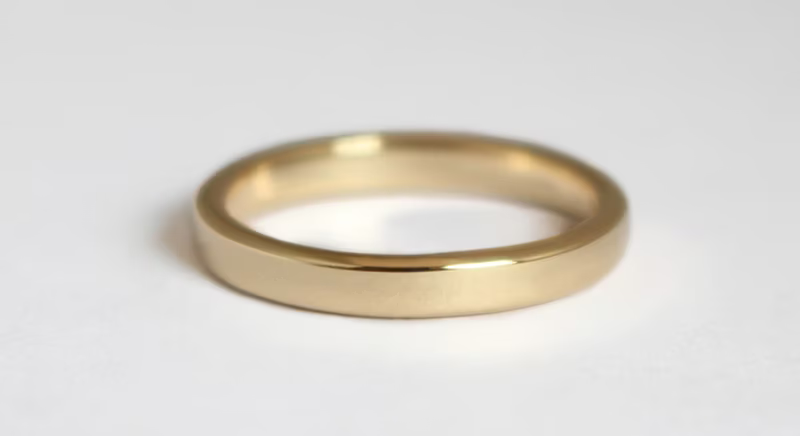
✦18K Yellow Gold
18K yellow gold refers to an 18K gold alloy with a 75% gold content. The remaining 25% is primarily a blend of silver and copper, making it the K gold type closest to traditional yellow gold in color. While pure gold (24K) is soft and prone to deformation, yellow gold retains a warm, lustrous glow while offering superior hardness and structural stability. This makes it one of the most classic and enduring choices for wedding rings and everyday jewelry.
Visually, 18K yellow gold has a bright yet soft hue, with a natural warm golden luster. This color is not easily influenced by trends; it remains timeless and elegant even after ten or twenty years, making it a favorite among couples who prefer a "traditional wedding ring aesthetic."
In terms of practicality, yellow gold, rose gold, and champagne gold all share the same alloy ratio: 75% gold + 25% other metals. Their hardness primarily comes from the "18K" designation, so their durability is virtually identical. The hardness and wear resistance of 18K gold make it ideal for long-term wear, as everyday bumps and friction are less likely to cause significant deformation. Even if minor surface scratches occur, the original luster can be restored through polishing, making maintenance relatively simple. Furthermore, due to its mature and stable alloy formula, it is safe for most people to wear and less likely to cause allergic reactions, making it a material that those with sensitive skin can confidently consider.
✦925 Sterling Silver
925 sterling silver is 92.5% pure silver, a common material for everyday jewelry. However, it's not ideal for wedding rings for very practical reasons: it's too soft, too prone to deformation, and too easily oxidized. Over time, constant wear can cause the ring to lose its perfect circular shape, and it may even develop deep scratches or dents from impacts. Additionally, silver reacts readily with sulfur in the air, forming black silver sulfide, which requires frequent cleaning and maintenance—not very convenient for a wedding ring that you hope to wear continuously.
Regarding allergies, some people react to the copper or other alloys in silver, leading to blackened or itchy fingers. While the affordability of silver jewelry is a major advantage, making it the most budget-friendly option among various materials, given the special nature of a wedding ring, it's better suited for everyday accessories rather than a piece intended for long-term wear.
What are the common wedding ring patterns?
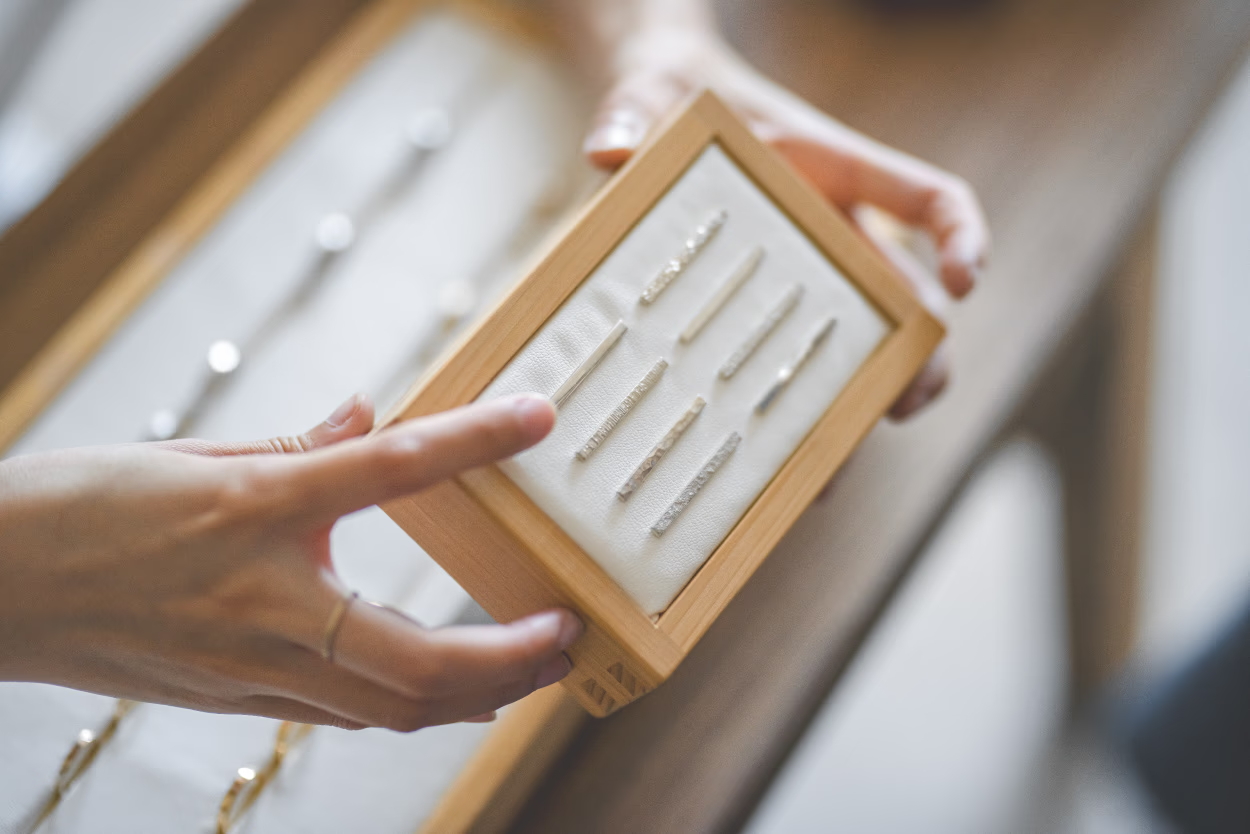
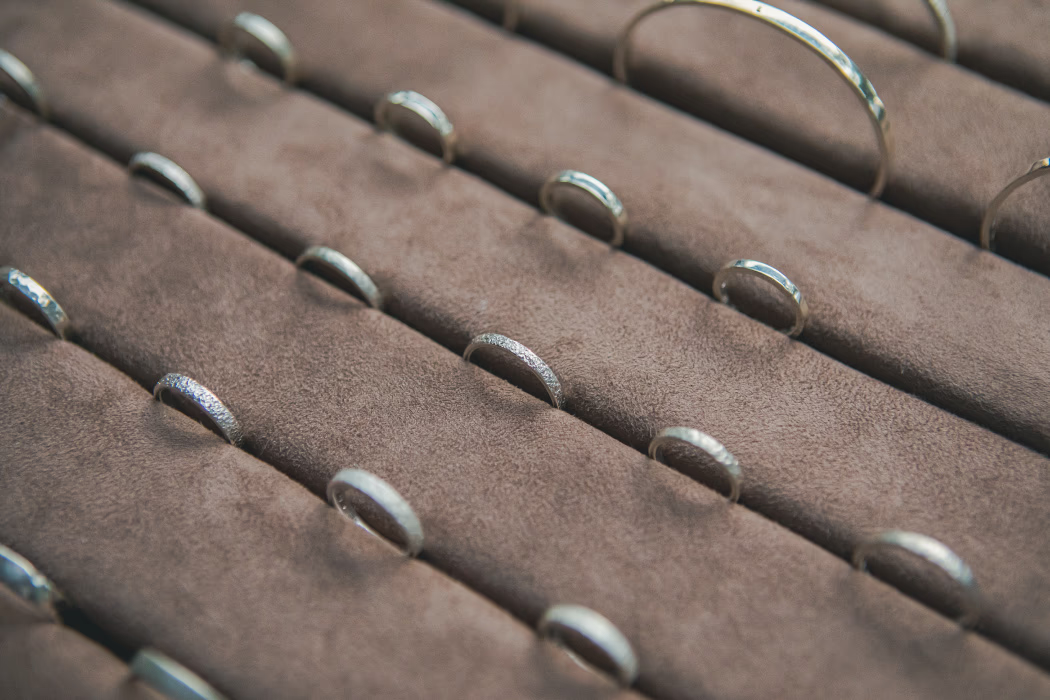
The texture of a wedding ring is more than just decoration; it's a crucial factor that influences the overall style, how it feels to wear, and even its timeless appeal. Different textures create distinct aesthetics—some are naturally warm and smooth, others sleek and avant-garde, and some even develop unique marks of wear over time. Sunny Side Studio introduces some of the most common and popular wedding ring texture types below.
✦Handcrafted Feel|Hand-hammered, hammered texture
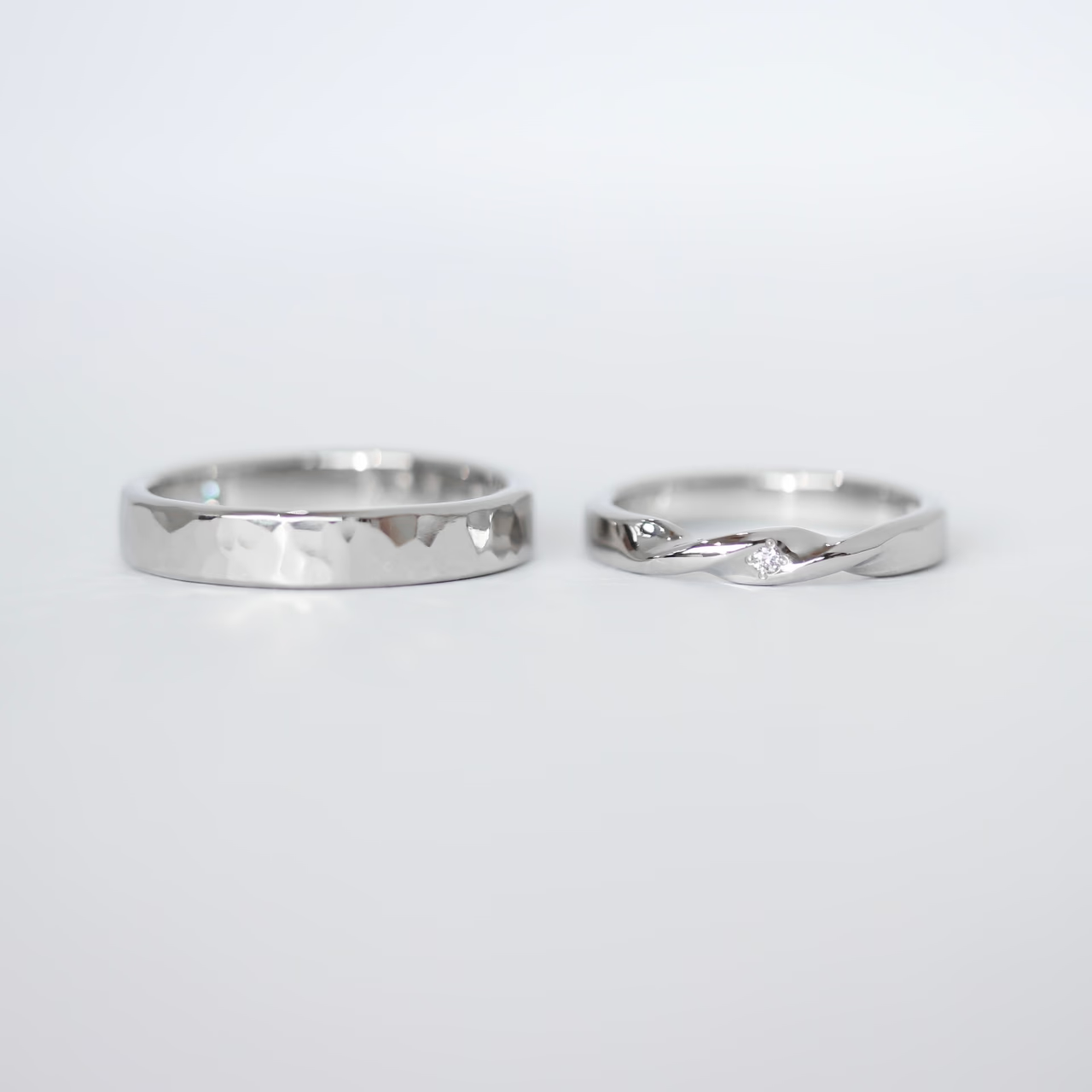
Hammered textures, like starburst or hammer-eye patterns, are created by artisans using a hammer. These showcase the metal's strength and the warmth of handmade craftsmanship. Because the ring's texture is inherently irregular, minor scratches from daily wear become less noticeable over time, naturally blending into the surface and becoming part of its story.
Natural element textures also offer a handmade feel, often inspired by elements from the natural world such as tree rings, water ripples, rocks, bark, or irregular flowing lines. These patterns don't strive for symmetry or uniformity; instead, they embrace "balance in imperfection." Such textures typically evoke a gentle, enduring, and vibrant impression, making them ideal for couples who prefer understated elegance over excessive flash.
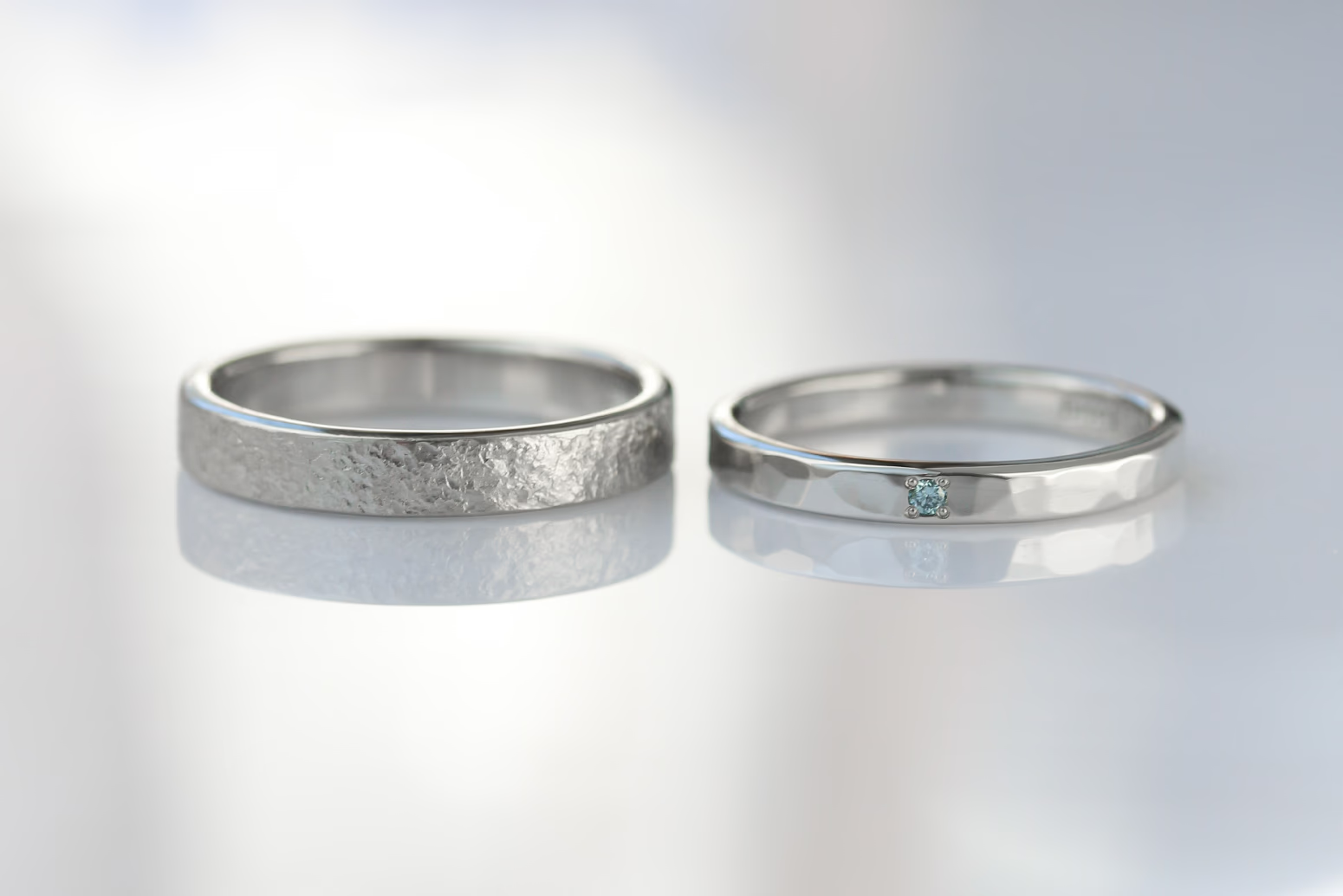
✦Glossy | Mirror, Polished
Mirrored or polished finishes are the most classic wedding ring surface treatments, achieved through meticulous buffing that gives the ring a highly reflective luster, making it appear bright, clean, and textured.
This style of ring is simple yet elegant, highlighting the metal's natural sheen, which makes it a very common choice for platinum or white gold wedding rings. If you prefer a refined, classic look, a mirrored polish is usually the safest bet.
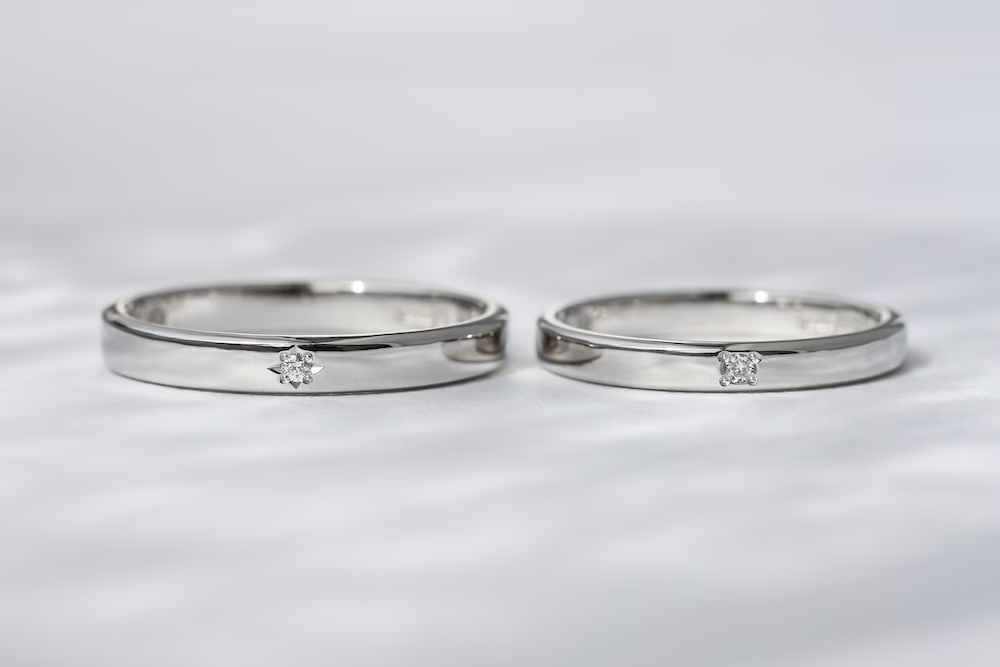
✦Understated | Matte, linear
Matte finishes give metal a soft, non-reflective texture that's more understated and sophisticated than a mirror polish, and it's also less prone to showing minor scratches.
Some designs incorporate delicate straight or intersecting lines to add depth and a modern feel. This style is often seen in minimalist or gender-neutral wedding rings, perfect for those who appreciate subtle elegance.
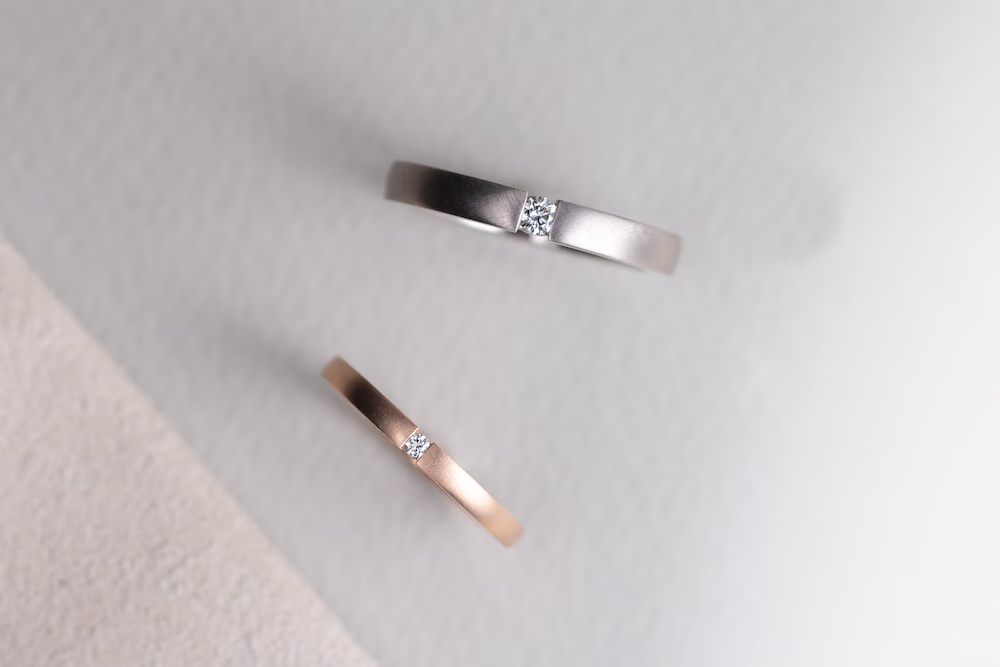
✦Structure|Mokume Gane
Mokume Gane is a Japanese metalworking technique that layers different metals, then forges, twists, and polishes them to create natural, wood-grain-like patterns. Each Mokume Gane ring has a unique pattern, making it a popular choice for wedding rings that symbolize "one-of-a-kind" love, as well as mutual support and acceptance. This technique is rich in craftsmanship and cultural significance.
✦Pattern|Engraved
Engraved patterns are created through a delicate carving process, etching floral motifs, geometric lines, or other designs onto the ring's surface. This style often features strong decorative elements, showcasing the brand's craftsmanship and design details.
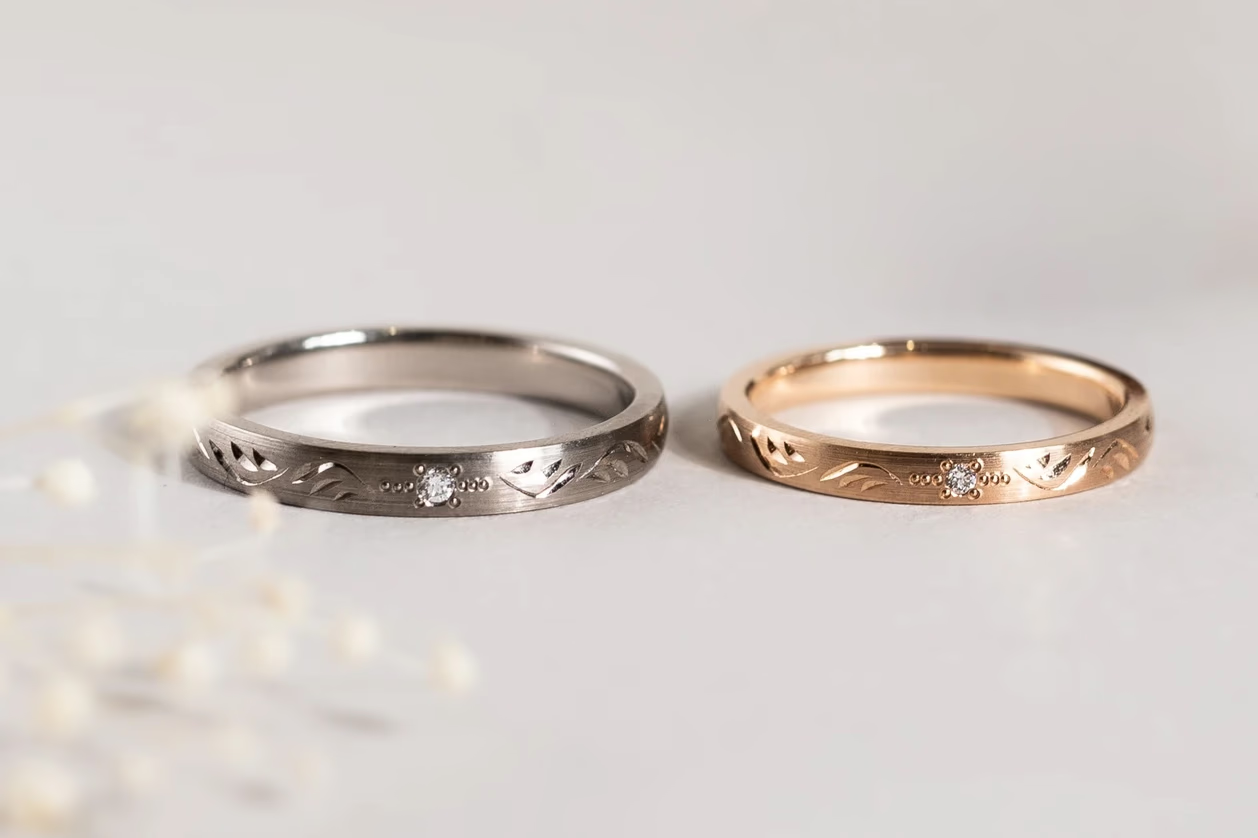
Common custom wedding ring designs include a variety of styles.
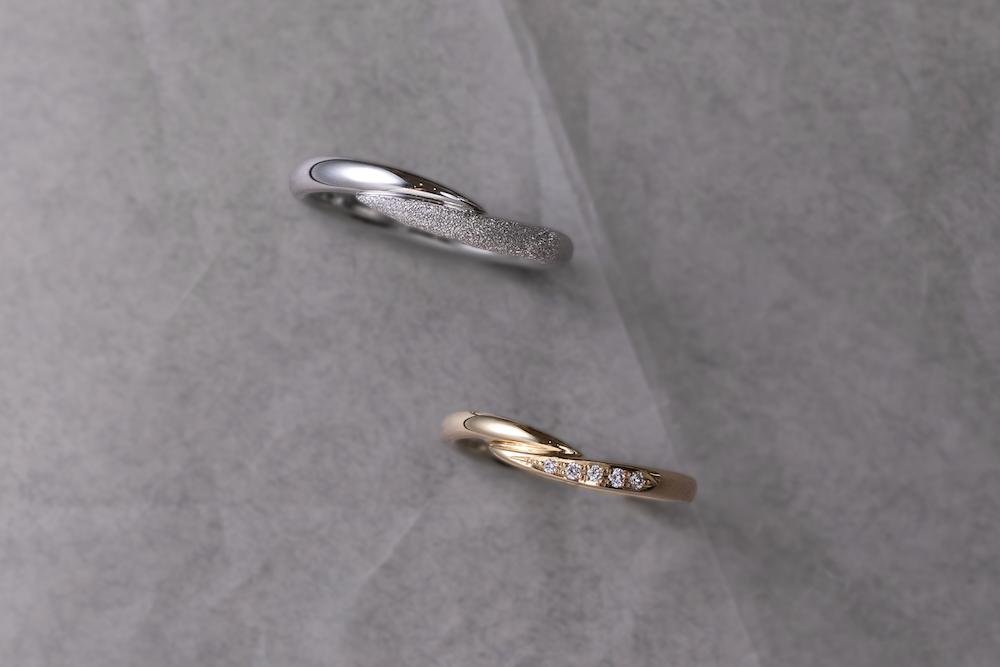
When you start thinking, "I don't want my wedding rings to be like everyone else's," custom design naturally becomes an option! Custom wedding rings don't necessarily mean they have to be flashy; in fact, most couples opt for subtle, timeless designs with details only they understand. Sunny Side Studio has compiled some of the most common and practical custom wedding ring design approaches:
✦Diamond Configuration Options
While engagement rings often feature a single prominent diamond, wedding bands can also incorporate gemstone settings based on personal preference. Common designs include single diamonds, multiple diamonds, pavé settings, or hidden diamonds (inner diamonds). You're not limited to just one main diamond, and beyond classic clear diamonds, you can choose colored gemstones like sapphires or rubies to give the rings a distinct style.
Craftsmanship-wise, popular setting methods include prong settings, which highlight the diamond's brilliance, or flush settings, where the diamond is embedded into the ring's surface for a more minimalist and understated look.
For custom wedding rings, many couples use the number of diamonds to symbolize a special meaning, such as the years they've been together or their family members. This transforms the ring from a mere adornment into a vessel for their shared story and memories!
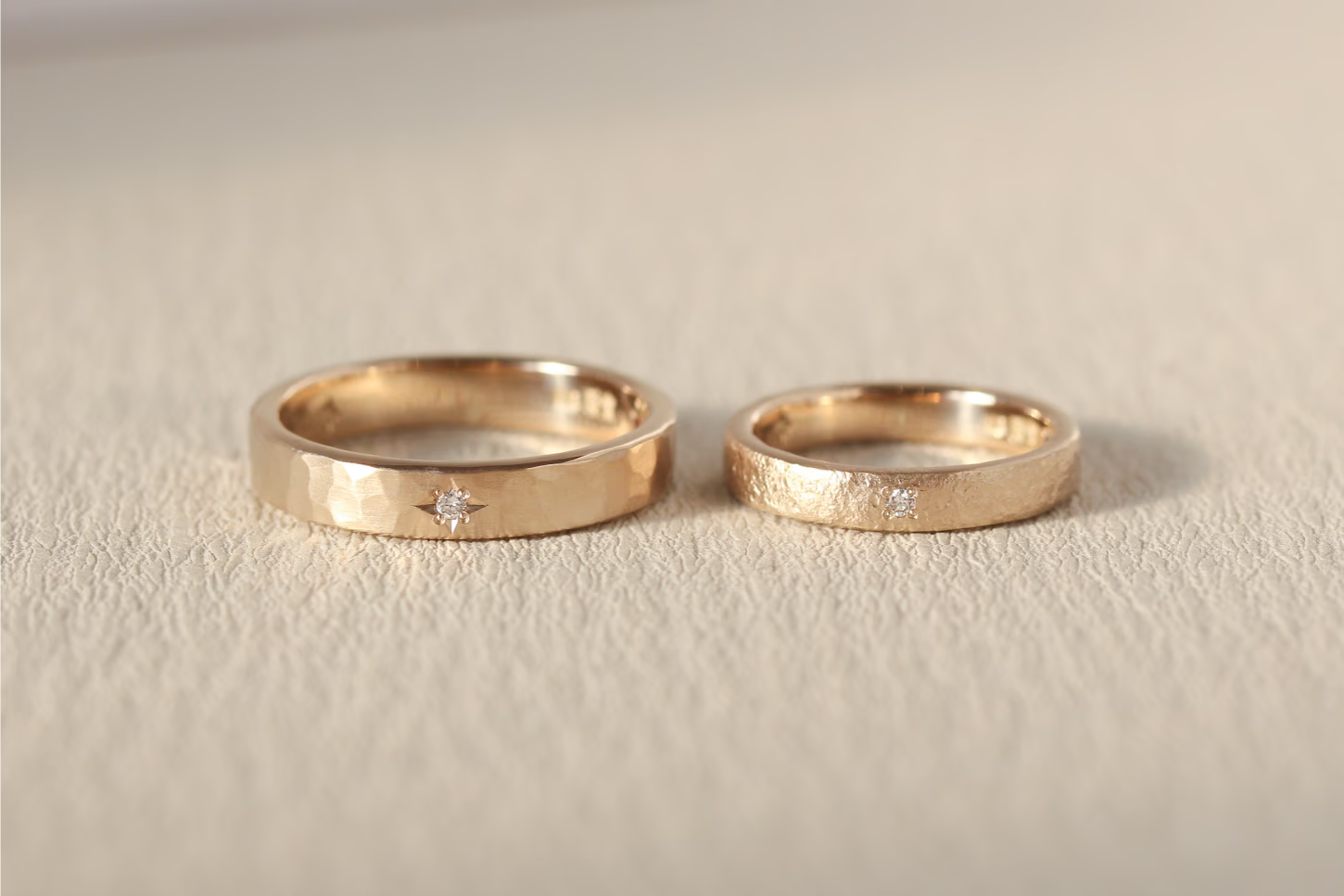
✦Two-tone ring with mixed materials
If you're unsure about style choices, consider "two-tone rings" or designs that "blend different materials."
Combining platinum with 18K gold offers a stable, durable choice for long-term wear, as both metals are resistant to discoloration and built to last. This allows for two distinct color tones within a single ring, preserving the unique appeal of each material while adding visual depth and balance. It's a versatile choice that will accompany you for years, unrestricted by changing styles.
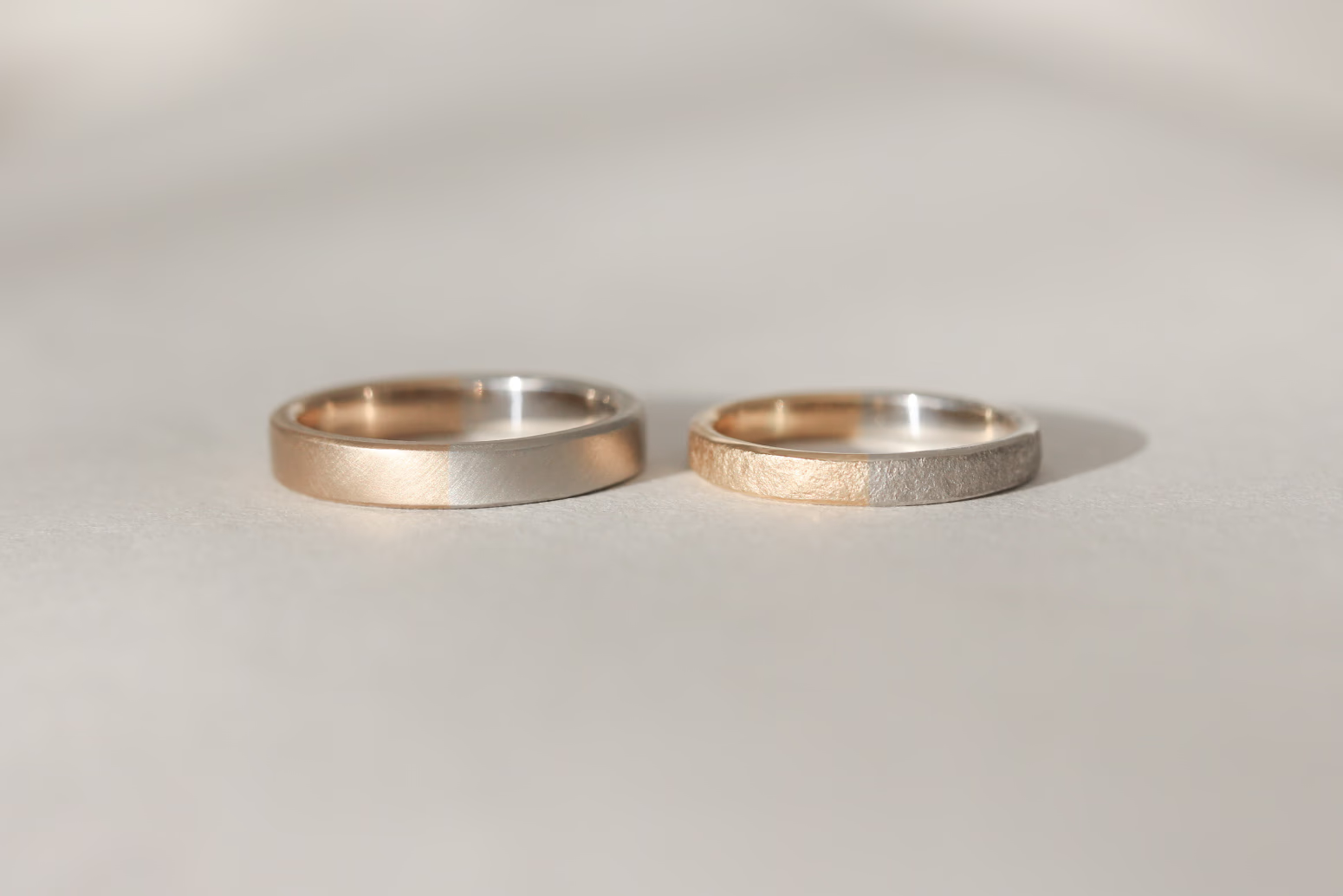
✦Asymmetrical or Paired Concept Design
More and more couples are opting for wedding bands that aren't identical but share a cohesive design concept. This might mean matching lines, similar elements with different proportions, or one simple band paired with a diamond-set one. This approach maintains a sense of unity while respecting individual style, making it ideal for couples with distinct tastes or preferences.
How to choose the right wedding ring size.
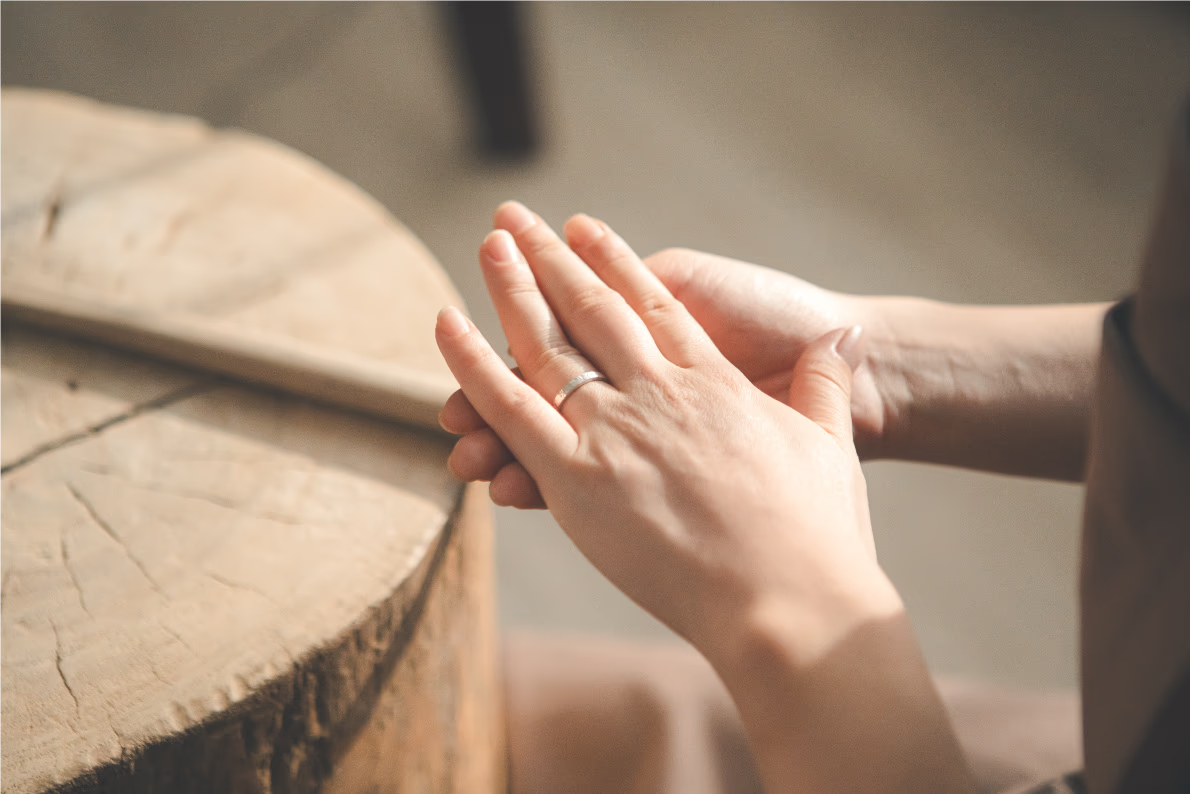
Unlike everyday jewelry, a wedding ring is worn for long periods every day. Choosing the wrong ring size can lead to discomfort and even discourage you from wearing it in the future. Therefore, when selecting your wedding ring size, don't just rely on how it feels "just right" during the initial try-on; you need to consider your lifestyle, the ring's design, and potential future changes.
How can you easily determine if a wedding ring fits properly?
- Once on: It should be able to rotate, but not slip off when you shake your hand.
- Make a fist: There should be no noticeable pressure or swelling.
- To remove: It should slide easily over your knuckle without requiring too much force.
✦How to Measure Your Ring Size
- Professional measurement: The most accurate method with the lowest error rate is to visit a metalworking studio or jewelry venue directly for measurement. Professionals will use ring sizers or mandrels to try on rings on your finger, then adjust the size based on the ring's width and style.
- Self-measurement with a ring sizer or card: Use a ring sizer set or an online ring sizer card. Try different sized circles on your finger and choose the size that "slides on smoothly but won't slip off easily."
- Paper strip/string method: Wrap a strip of paper or a piece of string around your finger, mark where it overlaps, then measure the length and compare it to a ring size chart. This is the most common method online, but it also has the largest margin of error. It's easy to measure incorrectly by pulling too tight or at the wrong angle, so it's best used only for "roughly confirming a size range."
✦Wedding Ring Sizing Tips
- Your finger size can change with time, temperature, and your physical condition. We recommend avoiding these times when measuring your finger:
- Right after waking up (fingers tend to swell)
- After exercise or in hot weather
- After feeling stressed or walking for a long time
- The best time to measure is from afternoon to early evening, when your body is in a stable state. For greater accuracy, measure at least 2–3 times and take the average.
- Finger characteristics:
- Large knuckles: Prioritize a size that can pass over your knuckle.
- Fleshy fingers: Consider going up half a size to avoid pinching.
- Prone to swelling: Choose a size between your normal and swollen measurements, or postpone wearing the ring.
- Ring style: Wider rings (>4mm) can feel tighter, so we recommend going up 0.5–1 size. This is less of an issue with thinner designs.
How much should you budget for a wedding ring?
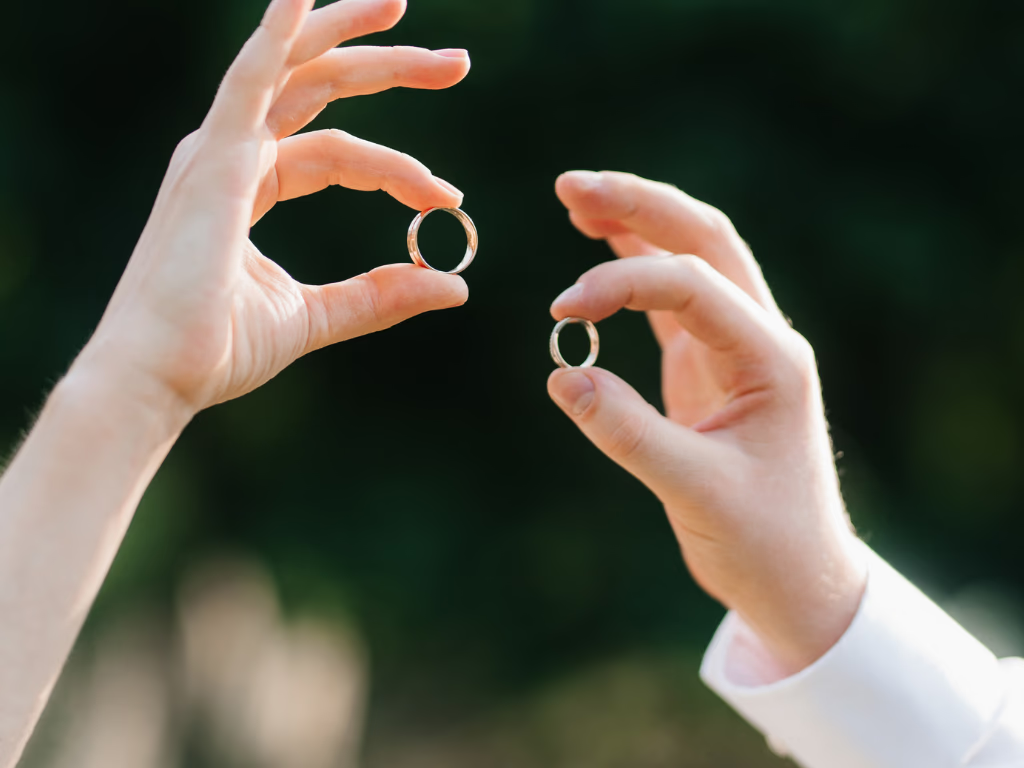
There's a huge range in wedding ring prices, from NT$30,000 a pair to over NT$300,000, but there's no single "right" answer. The core of your budget isn't "how much shows you care," but rather choosing rings within your means that you'll love wearing for a long time, without blindly comparing or over-focusing on specs. Here's a general guide to what you can expect at different price points:
- NT$20,000–NT$60,000 per pair: Durable everyday styles (silver, simple K-gold)
- NT$60,000–NT$120,000 per pair: Stylish designs, small diamond accents, artisanal metalwork brands
- NT$120,000–NT$300,000+ per pair: Diamond engagement ring + wedding bands, custom wedding rings, designer brands
✦Key factors influencing wedding ring prices
- Ring Material and Metal Weight: The most fundamental factor in a wedding ring's price is its material. Common options include 18K gold, 14K gold, platinum (PT950), and sterling silver, with significant differences in market prices for each metal. Additionally, the ring's width, thickness, and size directly impact the actual metal weight used, which is reflected in the price.
- Diamond or Gemstone Settings: If you're adding small diamonds or colored gemstones as accents, the price is typically influenced by the number of diamonds, the complexity of the ring's design, and the labor costs associated with the craftsmanship.
- Design and Craftsmanship Complexity: This includes elements like hand-carved wax models, hand-polishing, special textures, or double-layered inner and outer structures. More intricate designs that require skilled artisans naturally incur higher labor costs.
- Customization and After-Sales Service: Engraving, resizing, cleaning, maintenance, and warranty periods are all additional services that are factored into the retail price.
- Brand Premium and Distribution Costs: The price of a branded wedding ring often includes not just the ring itself, but also brand marketing, store rent, sales staff service fees, and other overheads. For the same materials and specifications, the price difference between a branded and non-branded ring can sometimes come down to the "name" rather than the "content."
Once you understand where the price comes from, you'll realize that a significant portion of the cost isn't for the ring itself, but for "who made it." This is precisely why more and more couples are turning their attention to "making their own wedding rings."
✦Buying a Brand-Name Wedding Ring vs. Making Your Own
Buying a branded wedding ring is ideal for:
- Those without an interest in DIY crafting.
- Those who value brand prestige and the in-store experience.
The advantage of classic, standard designs is a streamlined process and consistent results, along with comprehensive after-sales service. However, the price includes significant brand costs, design freedom is limited, and over time, the rings may feel less unique.
DIY wedding ring crafting is ideal for:
- Those seeking the perfect ring within their budget.
- Those who want a truly exclusive, one-of-a-kind ring.
The value of a DIY wedding ring lies not just in the finished product, but in the shared experience of hammering, polishing, and discussing together. This unique process and outcome are something no brand can offer!
If a couple wants to craft their own wedding rings, Sunny Side Studio is a top choice. Their artisans possess professional knowledge and Japanese metalworking techniques, having trained in Japan. They approach each piece with rigorous craftsmanship standards, offering one-on-one instruction and support to every customer. Rings can be completed on the same day, ensuring high-quality results whether or not the couple has prior experience.
Additionally, Sunny Side Studio provides permanent cleaning services, allowing you to take home unforgettable memories and a perfect, personalized wedding ring at a reasonable price, along with attentive after-sales service comparable to major brands!
Sunny Side Studio
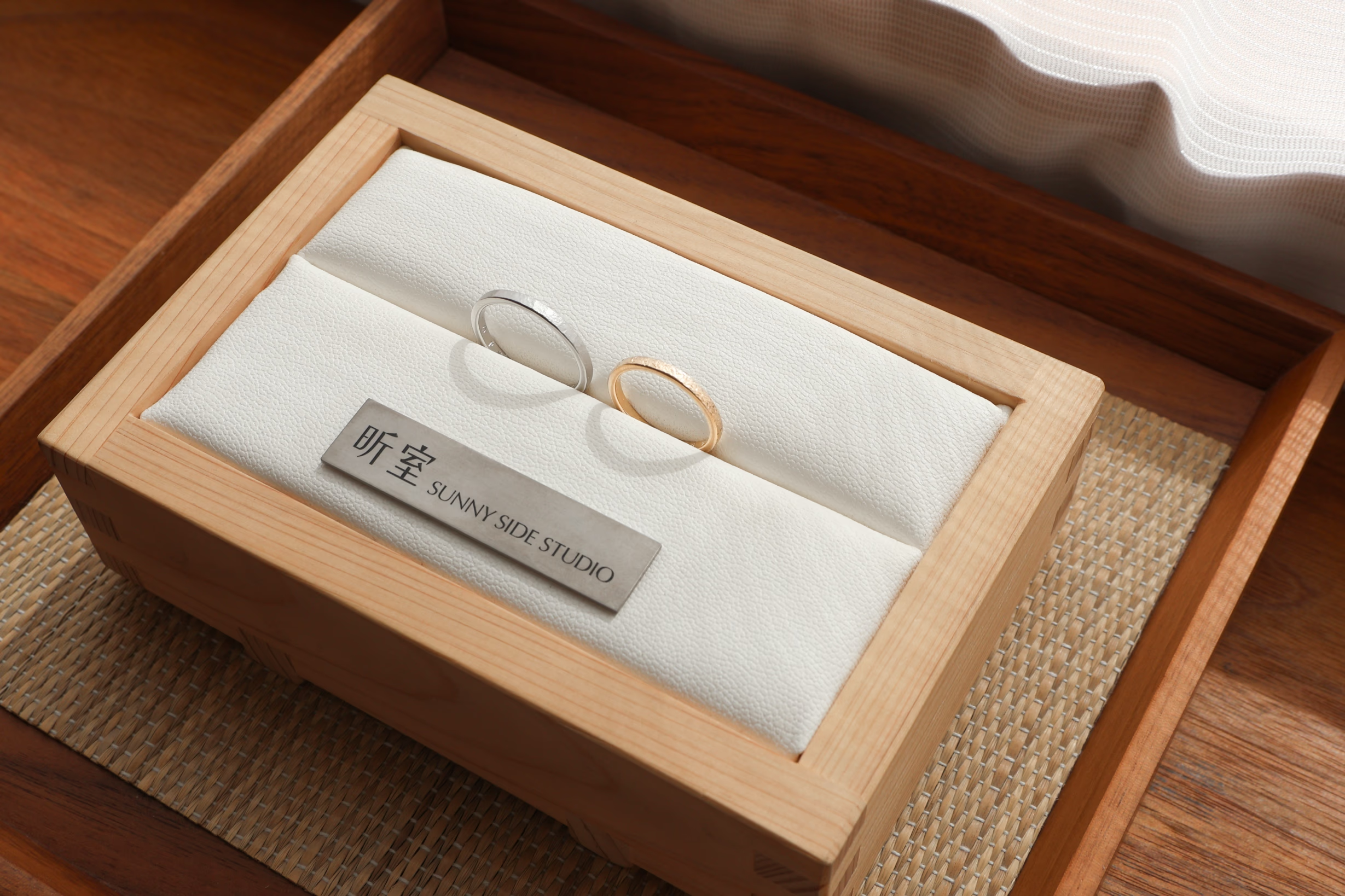
Sunny Side Studio is a metalworking experience studio on Zhongming South Road in Taichung's West Dis…
While you're here, check these out ↓
Final Thoughts
This concludes our wedding ring selection guide. Twosevenths invited Sunny Side Studio, experts in handcrafted rings, to share their advice on choosing the perfect wedding ring, covering everything from materials and styles to budget considerations.
The true value of a wedding ring is never just its price; it's the reassuring feeling of "we'll walk this path together" every time you hold it in your palm. There's no need to conform to others' standards or be swayed by brands or specifications when choosing a ring. Instead, understanding your own needs, lifestyle, and financial situation will help you find the choice that truly suits both of you!
If you're also planning a wedding soon, feel free to check out our recommendations for bridal stylists in Taichung or wedding venues in Taipei, offering helpful guidance for couples facing common dilemmas.

Reader Comments
No comments yet — be the first to share your thoughts.