Your first dive: 10 things to know for beginnersCosts, process, and key considerations
You don't need a license to try diving for the first time, and you can still go underwater even if you can't swim. This guide covers the 10 essential things beginners need to know, including costs, procedures, and important considerations, all in one place.
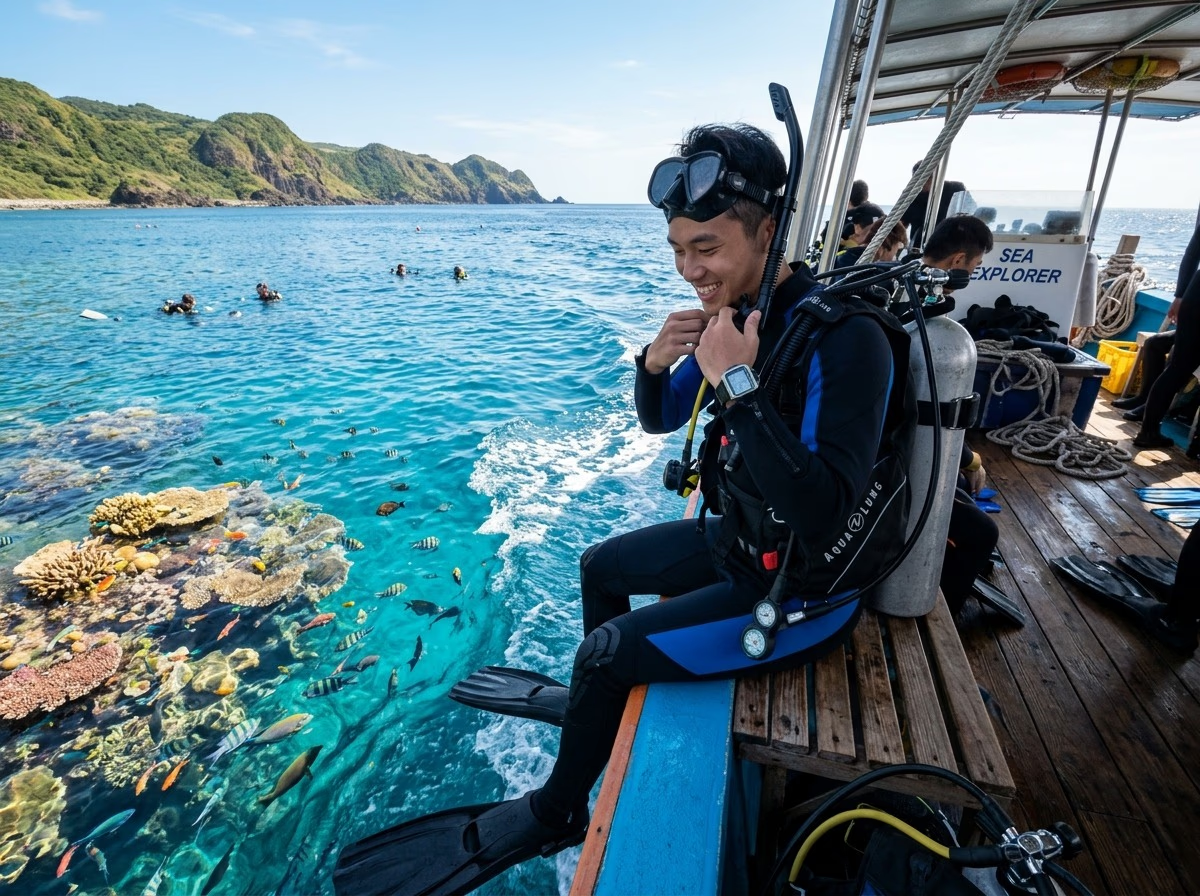
Essential Information Before You Sign Up
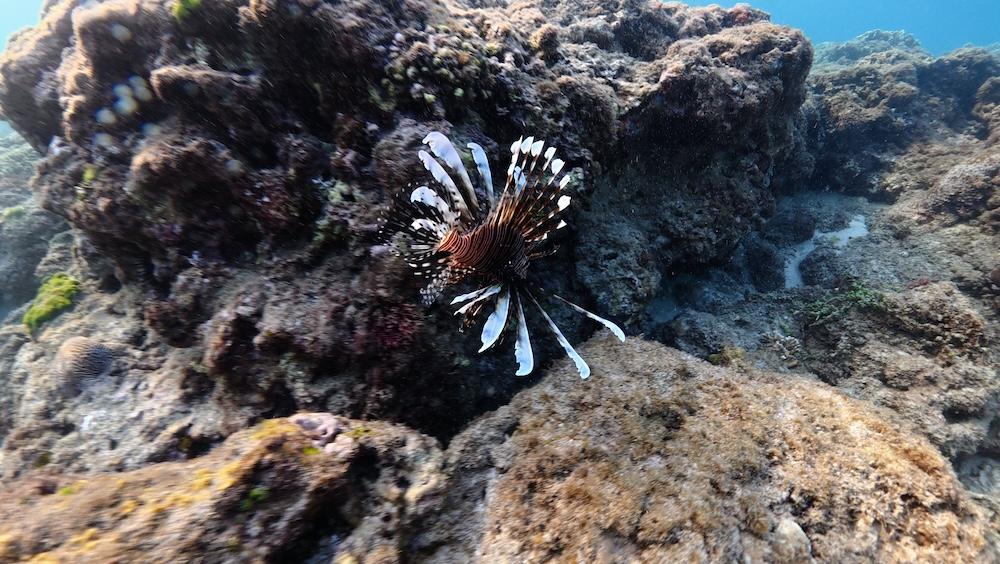
You don't need a diving certification for an introductory dive! If you're considering your first diving experience but are unsure about certifications, swimming ability, or costs, rest assured that as long as you're comfortable in the water, a professional instructor will be with you every step of the way. The table below answers 7 of the most common questions for beginners.
| Category | Snorkeling | Freediving | Introductory Dive |
| Breathing Method | Surface breathing with a snorkel | Surface breathing, then holding breath to dive | Underwater breathing with a regulator and air tank |
| Equipment Used | Mask, snorkel, fins, life vest | Mask, long fins, buoy, etc. | Mask, fins, BCD, regulator, air tank, wetsuit, weights |
| Activity Format | Floating on the surface to observe, can be guided by an instructor | Typically involves classes, followed by dive practice | Instructor-led, shallow water practice before diving deeper |
| Learning Requirements | Just need to know how to use a snorkel, no certification needed | Usually requires classes; some venues offer introductory courses | No certification needed, but requires a briefing and basic skill practice |
| Target Audience | Those who want to easily view underwater scenery without diving deep | Those who want to practice breath-holding and relaxation, and enjoy a quiet underwater experience | Beginners who want to breathe underwater and explore the marine world |
✦Experience diving is an introductory scuba diving activity, distinct from snorkeling and freediving.
Introductory diving is a license-free scuba diving activity.
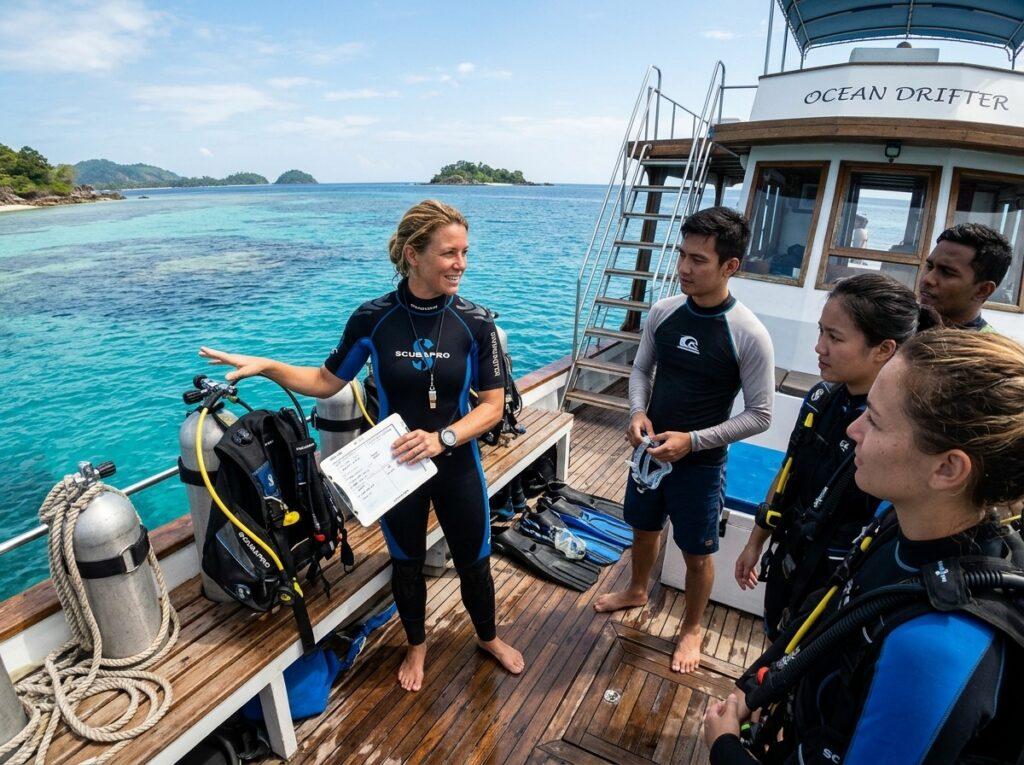
Introductory diving is all about instructor-led guidance: Before you get in the water, your instructor will explain the principles of diving, hand signals, and safety precautions. Then, they'll help you gear up with scuba equipment, including a buoyancy control device, air tank, and regulator. Next, you'll practice basic skills like underwater breathing and mask clearing in the shallow water. Once you're comfortable, you'll descend.
At Ocean Heart, for example, an instructor provides one-on-one supervision throughout the entire experience, diving to a maximum depth of 12 meters. The dive site is also chosen by the instructor. Therefore, if you wish to obtain a certification that allows you to dive independently, you'll need to enroll in a separate, formal certification training course.
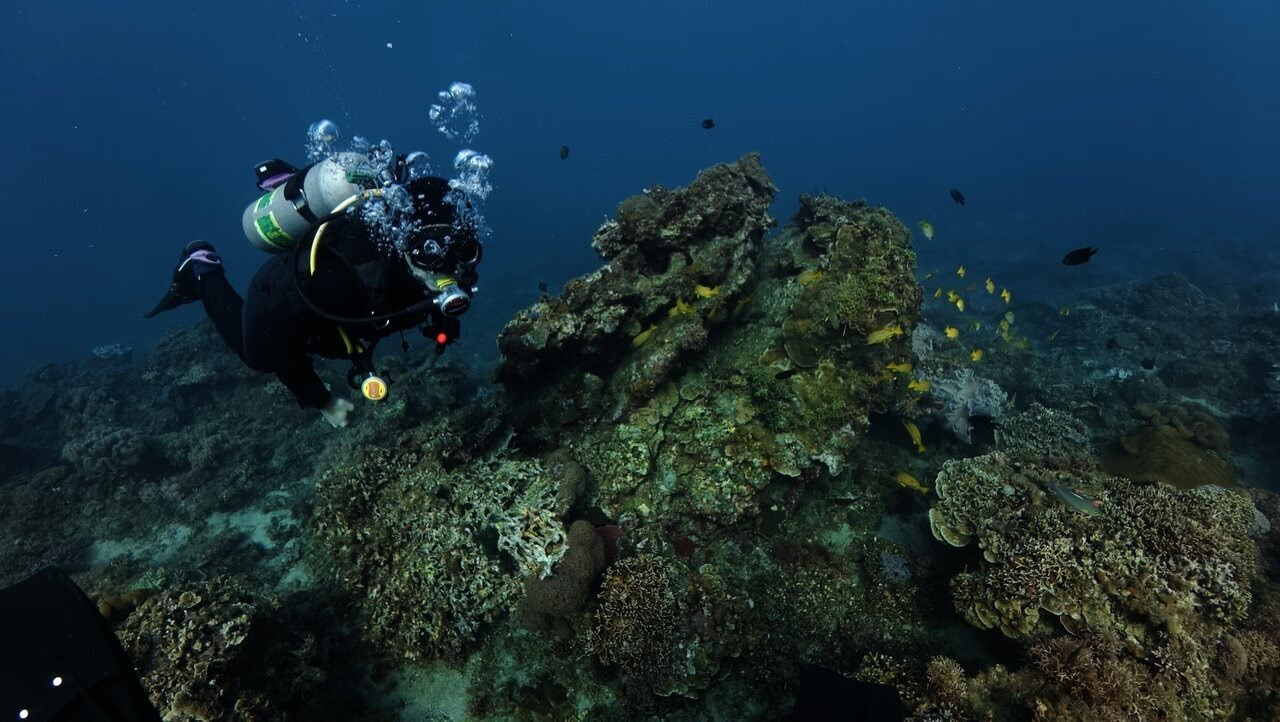
✦Comparing Scuba Diving, Snorkeling, and Freediving Experiences
While all three activities involve playing in the water, snorkeling, freediving, and introductory scuba diving offer very different experiences. Snorkeling involves breathing through a tube on the surface to observe the underwater scenery. Freediving relies on holding your breath to descend, emphasizing relaxation and breath-holding techniques. Introductory scuba diving, on the other hand, allows you to breathe directly underwater with a tank, enabling longer observation periods in the ocean.
To put it simply, if you just want to see fish from the surface, snorkeling is sufficient. If you're interested in quietly practicing breath-holding, consider freediving. But if you want to actually breathe underwater and stay submerged for an extended period, introductory scuba diving is the right choice.
| Activity | Snorkeling | Freediving | Introductory Scuba Diving |
| Breathing Method | Breathing through a snorkel on the surface | Holding breath after surfacing for air, then diving | Breathing underwater with a regulator and air tank |
| Equipment Used | Mask, snorkel, fins, life vest | Mask, long fins, buoy, etc. | Mask, fins, BCD, regulator, air tank, wetsuit, weights |
| Activity Format | Floating on the surface to observe; guided by an instructor | Typically involves classroom instruction before practicing dives | Instructor-led, starting with shallow water practice before diving deeper |
| Learning Requirements | No certification needed; just learn to use a snorkel | Usually requires a course; some operators offer introductory sessions | No certification needed; requires pre-dive briefing and basic skill practice |
| Who It's For | Those who want to easily view underwater scenery without diving deep | Those who want to practice breath-holding and relaxation, and enjoy a quiet underwater experience | Beginners who want to breathe underwater and explore the marine world |
✦You can absolutely experience diving even if you don't know how to swim.
You don't need to pass a swimming test to try discovery diving, so even non-swimmers can participate.
However, this doesn't mean "it's definitely fine if you can't swim at all." Your comfort in the water and your ability to follow the instructor's directions when nervous are the real keys to safety.
Xin Hai also mentioned that as long as you relax, listen carefully to the instructor's directions, and don't get overly nervous, most people without major health conditions can give it a try. The most important first step is to honestly tell your instructor about your swimming ability and how you feel about water when you sign up. Since comfort in the water is key, we recommend testing your comfort level in a pool or shallow water first. If you can relax and float, you'll generally be better equipped to handle the conditions once you're in the open water.
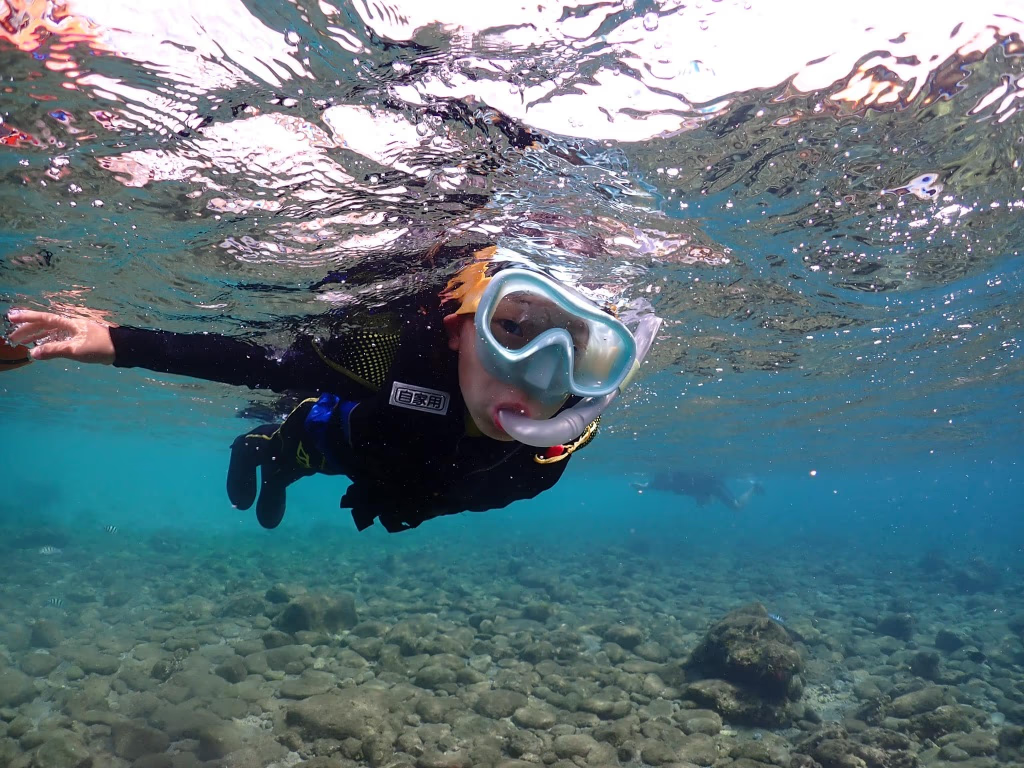
Is discovery diving suitable for people who can't swim or are afraid of water?
Being afraid of water doesn't mean you can't try discovery diving, but you do need to be honest about your comfort level. Discovery diving includes one-on-one coaching, starting with adapting to underwater breathing in shallow water. Many people who are a bit nervous about water gradually relax once they get familiar with the equipment and know there's someone right beside them.
However, if you have a significant fear of water, tend to panic as soon as you enter the water, or experience claustrophobia, it's advisable to inform your instructor beforehand. If necessary, consult a doctor first. The instructor will also observe your condition on-site, and if they determine it's not suitable for diving, they may suggest adjusting the activity. It's important to remember that no venue can guarantee everyone will successfully complete the dive, so it's always best to defer to the instructor's on-site assessment.
Do I need a diving certification if I have no prior experience?
No, you don't. Introductory dives are specifically designed for uncertified individuals, so as long as you meet the age and health requirements, you can sign up directly. The main difference between an introductory dive and a formal PADI Open Water (OW) certification course lies in their purpose: an introductory dive is a "taste test," allowing you to descend to a maximum depth of 12 meters under the direct supervision of an instructor. OW, on the other hand, is a systematic training program that includes knowledge development, confined water training, and open water dives. Upon completion, you can independently plan and execute dives with a buddy to a depth of 18 meters.
For example, an OW course at Xinhai typically takes 3 to 4 days and costs NT$16,500. If you simply want to get a glimpse of the underwater world and see if diving is for you, starting with an introductory dive is a more accessible option.
Diving Eligibility and Pre-Dive Considerations
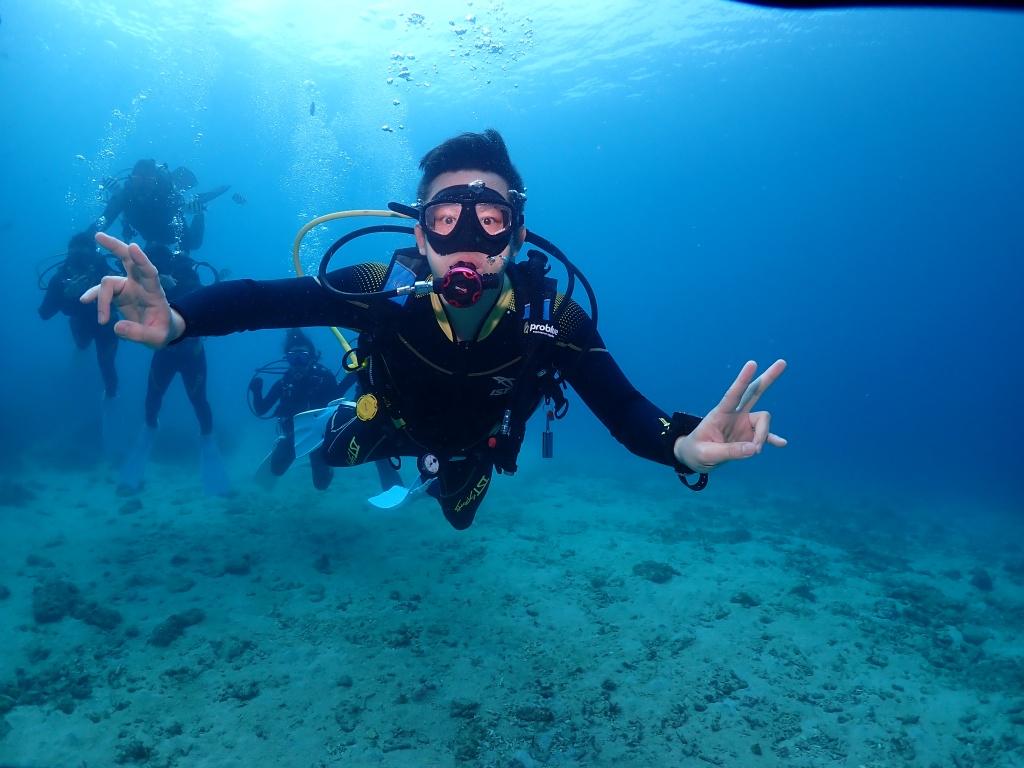
✦Experience diving has age and health restrictions.
Yes, and these are for your safety. Regarding age, each venue may set different minimum and maximum limits. For health, all reputable venues will ask you to complete a health declaration form, and if you have specific medical conditions, you must first be evaluated by a doctor.
These regulations might seem a bit cumbersome, but underwater pressure affects the ears, lungs, and cardiovascular system. Confirming your physical condition beforehand ensures your first dive is both safe and enjoyable. If you're unsure about your health, it's better to inform the venue about your age and medical history before booking, rather than being turned away on arrival. This allows them to assess your situation in advance and saves you a wasted trip.
Can children or seniors participate in an introductory dive?
For introductory dives, participants must be at least 10 years old. For those aged 10 to 14, a parent or guardian must be present on-site and sign a consent form. Participants aged 15 to 17 do not require a parent or guardian to be present, but parental consent is still required. These examples are based on the regulations at Xinhai.
Regulations at other venues may vary. For instance, some island dive shops listed on travel platforms require participants to be between 12 and 60 or 65 years old, so always confirm before booking. For seniors, Xinhai's official website does not list an age limit; participation primarily depends on health status and a doctor's assessment. If you have any concerns, it's advisable to discuss your physical condition with the instructor beforehand to determine if it's safe to participate.
What health conditions are not suitable for a diving experience?
Heart disease, high blood pressure, diabetes, epilepsy, and pregnancy are listed on the Heart Ocean official website as conditions that preclude participation. If you still wish to participate, you will need a doctor's approval and a signed consent form. Additionally, conditions such as asthma, lung disease, or recent surgery also require a doctor's assessment to determine if diving is safe for you.
Some conditions are only temporarily unsuitable, such as a cold, nasal congestion, otitis media, or a hangover from drinking the night before. These can affect ear pressure equalization and physical reactions, so it's best to reschedule rather than push through. Please be honest when filling out the health declaration form; this is not to make things difficult for you, but to ensure the instructor knows how to keep you safe. If you have had any of these conditions but they are now stable, please obtain written consent from your doctor for the venue to make a final decision.
Can I go diving if I have a cold, stuffy nose, or ear discomfort?
No, it is not recommended. When you dive, water pressure compresses your eardrums from the outside, requiring you to equalize the pressure in your middle ear. If you have a cold, a stuffy nose, or otitis media, the passages may be blocked, making ear equalization very difficult and potentially causing ear pain, or even barotrauma to your ears or sinuses.
Therefore, if you experience a stuffy nose, runny nose, or ear pain a day or two before your scheduled dive, it's best to contact the venue to discuss rescheduling. While rescheduling might be disappointing, it's strongly advised not to force yourself to dive. If you only have mild nasal allergies, it's still recommended to inform your instructor beforehand, who can then assess your ear equalization ability on the day of the dive and decide whether it's safe for you to go in the water. Remember to clarify the specific rescheduling or cancellation policies when you sign up.
✦The depth of your dive will depend on the experience you choose. For beginners, the maximum depth is usually around 5-10 meters, which is generally safe and comfortable. You might experience some pressure in your ears as you descend, similar to what you feel on an airplane, but it shouldn't be painful. Your instructor will teach you techniques to equalize the pressure, such as pinching your nose and gently blowing, to prevent ear discomfort or ringing.
Introductory dives have a clear depth limit: According to PADI's guidelines for introductory dives and the publicly available information from Xinhai, the maximum depth is 12 meters, which is roughly the height of a four-story building. This is the maximum depth allowed by the course regulations, but not everyone will dive that deep; the actual depth will be adjusted based on your adaptation to the conditions on the day, the sea conditions, and the dive site.
Some venues also advertise introductory dive depths between 5 and 12 meters. As for ear pain, it's the most common discomfort experienced by beginners due to increased water pressure during descent. This can usually be managed with ear equalization techniques, and the key is to do it early, not to wait until the pain becomes unbearable.
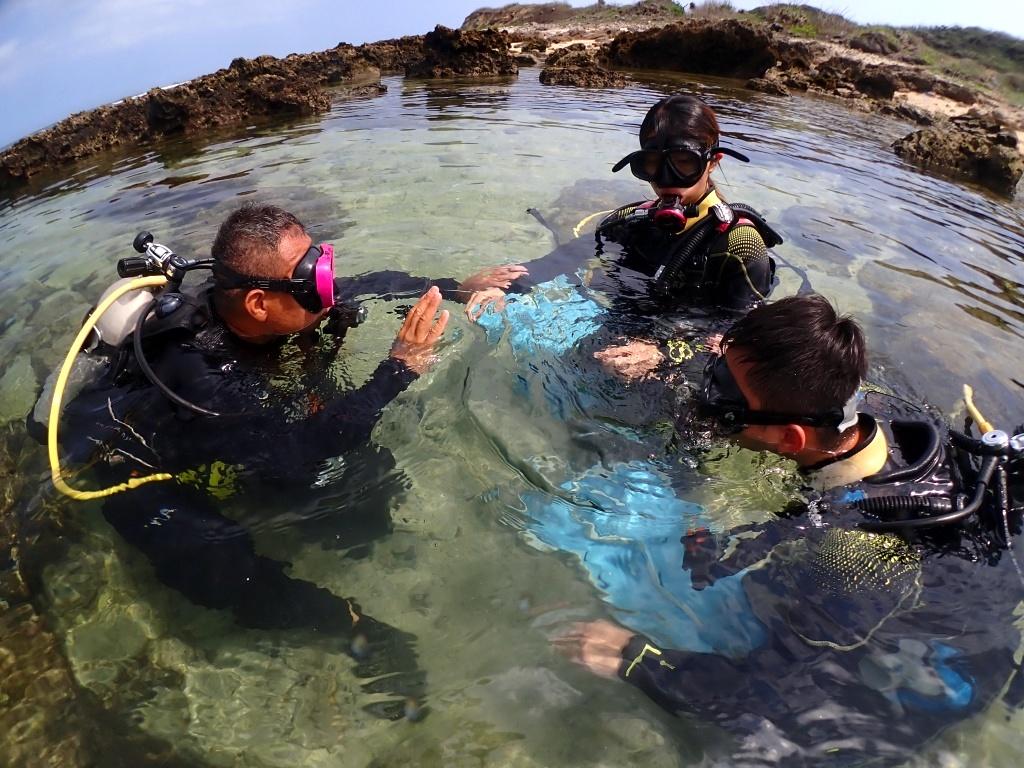
How do you equalize ear pressure? What should you do if your ears hurt?
The most common method for equalizing ear pressure is the Valsalva maneuver: pinch your nose with your hand and gently exhale into your nasal cavity as if blowing your nose, until you hear a "pop" in your ears.
Coach Xinhai's tip is to "do it early, do it gently, and do it often." Equalize as soon as you feel any pressure in your ears; don't wait until it hurts. If your ears still don't clear after trying, do not force yourself to descend further. Immediately stop your descent, ascend slightly, and try again, signaling your coach with hand gestures.
If you experience ear pain, it means the pressure is not properly equalized. Be sure to inform your coach to prevent damage to your eardrum or middle ear. It might be difficult to get the hang of it the first time, so coaches usually guide you through several practice attempts in shallow water. This is why it's not recommended to skip the pre-dive practice session.
✦Here's what to expect on your discovery dive.
Many first-timers worry about feeling clumsy underwater, but the process for a discovery dive is quite structured, with an instructor guiding you through every step from check-in to surfacing. The entire activity, from arriving at the venue to showering afterward, takes about 2.5 to 3 hours. The actual time spent underwater is only a small portion; most of the time is dedicated to safety briefings, gear fitting, and skill practice.
These preparatory steps are actually the most crucial safety aspects of the entire experience, so we recommend not rushing. Arrive at the venue early for check-in and take your time to ease any nervousness. If you feel uncomfortable or have any questions at any point in the process, you can raise your hand or use hand signals to tell your instructor—there’s no need to wait until the very end. Your instructor’s job is to ensure you keep up with every step.
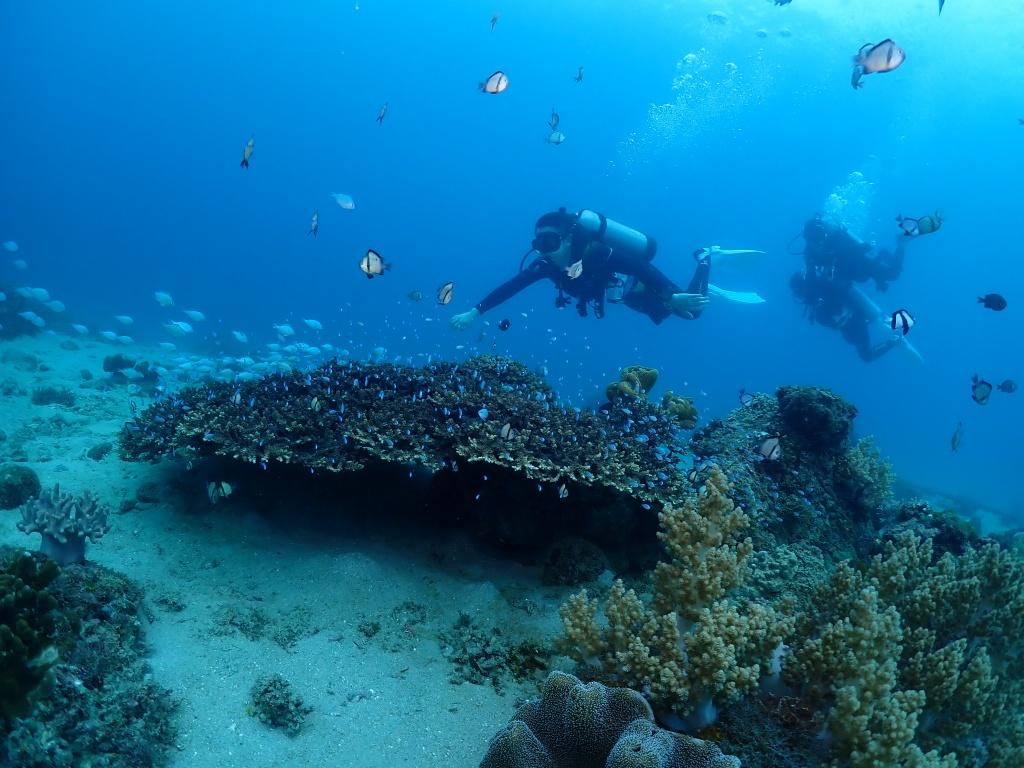
Your First Scuba Diving Experience: The Process
The typical flow for a first-time diving experience, using Xinhai's published process as an example, generally proceeds from check-in to completion as follows: registration and form submission → health confirmation → safety briefing → equipment fitting → shallow water practice → underwater exploration → surfacing and showering. The approximate time spent at each stage is detailed in the table below. It's crucial to fill out the health declaration form honestly, as your instructor will reconfirm your physical condition before you enter the water. The shallow water practice is not just a formality; it's a vital step for the instructor to ensure you can breathe, clear your mask, and communicate effectively underwater. If you're still getting comfortable, the instructor will take extra time to practice with you and won't rush you into a deep dive. While actual time allocations may vary slightly between venues, Xinhai's public information serves as a useful reference.
| Step | Approximate Time | Details |
| Check-in, Registration, and Health Declaration Form | Arrive early | Confirm physical condition, sign relevant documents |
| Safety Briefing and Equipment Introduction | Approx. 30 minutes | Diving principles, techniques, safety precautions, and equipment uses |
| Gearing Up and Preparation | Approx. 15 minutes | Instructor assists with fitting diving equipment |
| Shoreline or Shallow Water Skill Practice | Approx. 15 minutes | Practice underwater breathing, mask clearing, and hand signal communication |
| Underwater Exploration | Approx. 30 to 40 minutes | One-on-one guided dive with instructor to admire corals and fish |
| Return, Rinse, and Debrief | Approx. 20 minutes | Remove equipment, quick rinse, and share your experience with the instructor |
How long is the actual underwater time?
The total duration of a course and the actual underwater time are two different things, a common misconception for many beginners. Take Xinhai as an example: the entire activity lasts about 2.5 to 3 hours, but the underwater time is approximately 30 to 40 minutes. This duration depends on your learning pace, adaptation, and air consumption. In other words, those with higher air consumption or faster breathing might have slightly shorter underwater time.
Packages in other regions are similar: Green Island's advertised itinerary is about 2 hours total, with actual diving lasting around 40 minutes. For Xiaoliuqiu, it's common to have about 15 minutes of shallow water practice followed by approximately 30 minutes of formal diving. Therefore, when comparing packages, it's advisable not to just look at the total "hours," but to clarify the exact underwater time and practice time.
✦Preparing for your first dive is simple.
You don't need to bring much for your first dive; the venue will provide most of the diving equipment. You'll mainly need to prepare your personal items and what you'll wear.
Things that are often overlooked include sunscreen, warm clothing, and a change of clothes. After diving, your hair and body will be wet, and if it's winter or a windy day, you'll be uncomfortable after surfacing without warm clothes.
Below, we've divided the information into two sections: "What to Bring" and "Who Provides the Equipment," so you can pack directly from this list before you go. We also recommend avoiding alcohol and late nights the day before your dive. Get plenty of sleep and maintain a good mental state, as fatigue can affect your focus and ear pressure equalization during the dive, and make you more prone to nervousness.
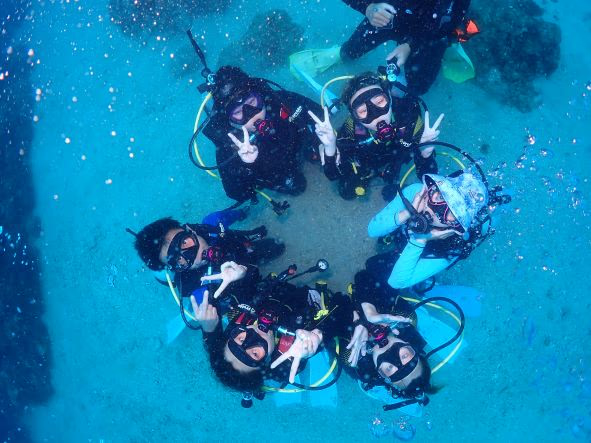
What to Wear for a Discover Scuba Diving Experience: Swimwear, Sunscreen, and Personal Item Recommendations
The dressing principle is simple: wear your swimsuit or water-friendly attire underneath, then layer with an easy-to-remove outer jacket to make changing at the venue quicker.
The Heart Ocean official website lists items you need to bring, including swimwear, a water bottle, a towel, a change of clothes, and a plastic bag. Below, we've compiled a complete checklist to ensure a more comfortable experience.
- Swimsuit or water-friendly attire
- Towel and a change of clothes (including underwear)
- Flip-flops
- Warm jacket (for autumn/winter or windy days)
- Waterproof bag or plastic bag for wet clothes and phone
- Ocean-friendly sunscreen
- Water bottle
- ID (minors also need a consent form signed by a parent)
- Motion sickness medication
- For those with myopia: soft contact lenses, or inquire with the venue beforehand if they can provide prescription masks
Do I need to buy my own diving gear? What's usually provided by the dive shop?
You do not need to buy your own diving gear. Introductory dive packages typically include all necessary equipment, with the dive shop providing everything you need from head to toe. For example, Heart Ocean provides wetsuits, booties, masks, fins, BCDs (buoyancy control devices), regulators, tanks, and weights—you just need to show up.
Some venues also welcome you to bring your own mask or snorkeling gear if you have a preferred set. If you require prescription lenses, inquire with the venue beforehand about the availability of prescription masks to avoid visibility issues on site. As for personal equipment, you can gradually acquire your own gear once you're sure you'll continue diving; there's no need to rush into purchases for your first experience.
Budget and Location
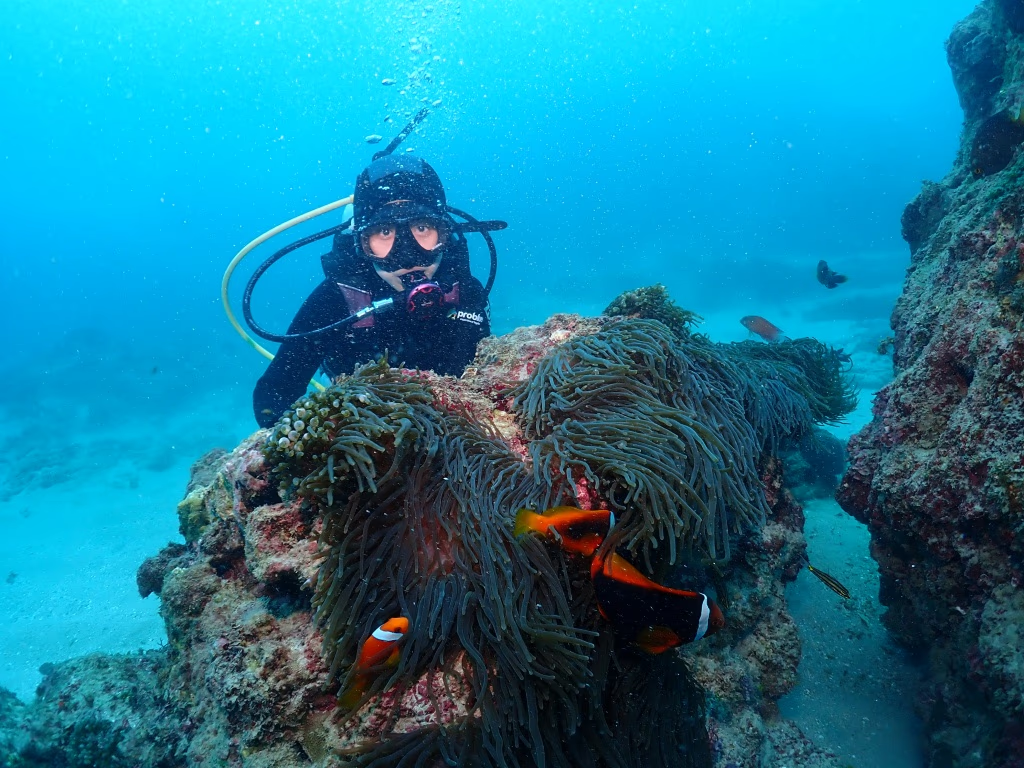
✦The cost of a discovery dive typically includes equipment rental, professional coaching, and insurance.
In Taiwan, the cost of a diving experience typically hovers around NT$2,500, with some regional or package variations. When comparing prices, it's more important to look at "what's included" rather than just the number: this usually covers instructor fees, a full set of diving equipment, air tanks, and diving insurance, with some packages also including transportation and underwater photography.
If a price seems significantly lower, it's advisable to confirm whether there are additional charges for equipment, insurance, or photos. Common inclusions are listed below, though actual content varies by venue:
- Instructor fees (including briefing and one-on-one or small-group guidance)
- Full set of diving equipment and air tanks
- Diving insurance
- Transportation
- Underwater photography or videography
- Snacks or shower facilities
Taiwan Discovery Dive Price Guide
Here's a summary of publicly available prices from popular regions to help you estimate your budget. Note that package contents may vary between different venues. Prices are based on public information from venues and travel platforms and are subject to change with time and seasonality; please confirm the actual amount with the venue directly before booking.
The prices for discovery dives in Taiwan are generally quite similar, so key details like instructor-to-diver ratio, underwater photography, and transportation are the most important factors to consider when comparing options.
| Region/Venue | Public Price (Approx.) | Age Restriction | Total Time & Underwater Time | Includes |
| Kenting / Xinhai Diving | Approx. NT$2,500 | 10 years and up | Total 2.5–3 hours, underwater approx. 30–40 minutes | Full equipment, air tank, one-on-one instruction |
| Xiaoliuqiu | Approx. NT$2,300–2,550 | Mostly 10 years and up | Total approx. 2 hours, underwater approx. 30–40 minutes | Instructor, equipment, insurance, underwater photography (varies by venue) |
| Green Island | Approx. NT$2,500 | Mostly 10 years and up | Total approx. 2 hours, underwater approx. 30–40 minutes | Instructor, equipment, air tank, underwater photography, some include insurance and video |
| Northeast Coast | Approx. NT$2,500 | Confirm with venue | Total approx. 2–3 hours, underwater approx. 30–40 minutes | Full equipment, air tank, insurance, underwater photography, tea and snacks |
| Taichung | Approx. NT$2,500 | Confirm with venue | Total approx. 90 minutes | Instructor guidance, equipment, experience certificate, underwater photos |
✦Taiwan's Top Scuba Diving Spots: Xiaoliuqiu, Green Island, or Kenting—Which to Choose?
Taiwan is surrounded by ocean, and each diving area has unique characteristics, ideal seasons, and varying levels of accessibility. There isn't one "best" spot; it's about finding the perfect fit for your trip.
If you don't have a specific destination in mind, start by considering three factors: your departure location, the number of days you can take off, and what you hope to see underwater. This approach is more efficient than simply comparing prices.
| Location | Highlights | Best Months | Transportation |
| Kenting | Coral reef dive sites like Houbihu and Wanlitong, with chances to see tropical fish and sea turtles | Almost year-round; summer water temperature 28-30°C, autumn/winter 23-26°C | Take HSR to Zuoying Station, transfer to Kenting Express Bus to Hengchun Transfer Station; Xin Hai offers pickup |
| Xiaoliuqiu | Famous for sea turtles; small island perfect for circumnavigation | Year-round, less affected by northeast monsoon | About 1.5 hours from Kaohsiung, including ferry ride |
| Green Island | Rich coral reefs, excellent visibility, and geothermal hot springs | Year-round | About 50 minutes by ferry from Taitung Fugang Fishing Port, or 15-20 minutes by small plane from Taitung |
| Orchid Island | Clear waters, rich ecosystem, but stronger currents | April to September is peak season; winter has strong winds and frequent transportation disruptions | About 2-2.5 hours by ferry from Taitung Fugang, or about 2 hours from Houbihu (winter service suspended); also 20 minutes by plane |
| Northeast Coast | Most accessible diving area in northern Taiwan, Longdong area is best known | Primarily summer diving season; some operators' 2026 discovery dive bookings are for June-August | Relatively close to Taipei and New Taipei; many choose day trips |
| Penghu | Island diving, also offers diverse water activities like snorkeling and freediving | Summer is peak season for water activities | Fly from Taiwan main island, or take a ferry from Chiayi Budai |
Kenting, Xiaoliuqiu, Green Island, and Northeast Coast Scuba Diving Comparison
If you're looking to try scuba diving for the first time, choose your destination based on how you envision your trip. Kenting offers straightforward travel and seasonal flexibility, making it ideal for multi-day itineraries. Xiaoliuqiu and Green Island require a ferry, but the island atmosphere, sea turtles, and coral reefs are major draws. The Northeast Coast is closest to Taipei and New Taipei City, perfect for those with limited time who want a day trip.
Consider your available vacation days and departure location when deciding where to go. Also, factor in the uncertainty of ferry schedules and weather: if an island trip is canceled due to rough seas, your entire itinerary might need to change. For those with tight schedules, it's usually best to prioritize areas with simpler transportation and build in an extra day for flexibility.
| Region | Accessibility | Season | Environmental Features | Recommended Trip Combinations |
| Kenting | High-speed rail + Kenting Express Bus; rent a car or scooter on the island | Almost year-round | Coral and fish in Houbihu Protected Area; sea turtles are common | Coastal attractions, night markets, or other water activities like SUP and snorkeling |
| Xiaoliuqiu | Requires a ferry; subject to weather conditions | Year-round | Sea turtles are the main highlight; multiple dive sites along the coast | Island tour by electric scooter, snorkeling with sea turtles |
| Green Island | Ferry or plane; book tickets in advance | Year-round | Rich coral reefs; excellent visibility | Seaside hot springs, island tour by scooter, stargazing |
| Northeast Coast | Closest to Taipei and New Taipei City; suitable for day trips | Primarily summer diving season | Rocky coast and bay topography | Combine with nearby attractions like Jiufen and Gold Museum |
Nervous about diving into the open ocean? Start with an indoor scuba diving experience.
If you're concerned about waves, currents, or visibility, consider trying an indoor diving pool first. Take Taichung's [A1]Divecube[A1] as an example: it's a rare heated indoor deep-diving pool, maintaining a consistent temperature year-round regardless of the weather. The pool depths range from 1.3 meters to 21 meters, with various sections including shipwreck and cave features. You can arrange scuba diving and freediving experiences here.
The advantages of an indoor environment are flexible scheduling and no need to worry about ocean conditions, making it ideal for those who are wary of the sea or want to practice adapting to underwater breathing. Fees and packages are subject to official announcements, so it's recommended to inquire and confirm before heading out.
✦Choosing a dive shop for your first dive experience means confirming these 5 things before you sign up.
When choosing from so many dive venues for the first time, don't just look at prices or pretty online photos. Instead, confirm these five points one by one. If a venue can clearly answer all of them, you can generally feel more at ease. Use these points to compare different venues, then check Google reviews and actual photos to see what real students say before making your choice.
- Coach Qualifications and Actual Ratio: Confirm that coaches hold valid certifications from systems like PADI or SSI, and ask whether it's truly one-on-one or one-to-many. The fewer people per coach, the better the coach can attend to each individual's needs.
- Pre-Dive Safety Briefing and Skill Practice: A good venue will first explain hand signals, ear equalization, and mask clearing, then practice these in shallow water, rather than just getting geared up and jumping straight in.
- Clear Inquiry About Health Status and Activity Restrictions: A responsible venue will ask you to fill out a health declaration form and explain which conditions are unsuitable for participation.
- Price Inclusions for Equipment, Insurance, and Photography: Ask clearly if there are any additional charges to avoid unexpected costs upon arrival.
- Cancellation and Rescheduling Policy for Poor Sea Conditions or Illness: Coastal and island activities are highly susceptible to weather changes. Knowing the rules beforehand will help you avoid disadvantages.
If asking each venue individually feels too time-consuming, we've used these five standards to recommend a dive venue that scores full marks for safety: [A1]Heart Ocean Diving Center[/A1] (心海潛水中心), located near Houbihu.
Heart Ocean is not only a PADI-certified 5-Star Dive Center (No. S-28565), but it also insists on one-on-one coach accompaniment throughout discovery dives. We've directly compared our five standards with Heart Ocean's actual practices:
| Checklist Item | Heart Ocean Diving's Public Information |
| Coach Qualifications and Ratio | PADI 5-Star Dive Center; discovery dives are one-on-one with a coach throughout |
| Safety Briefing and Skill Practice | Approximately 30 minutes before diving for principles, skills, and safety; then about 15 minutes on shore or in shallow water to practice underwater breathing, mask clearing, and hand signals |
| Health Inquiry and Restrictions | Health declaration form required upon registration; unsuitable for individuals with heart disease, high blood pressure, diabetes, epilepsy, or pregnant women; those insisting on participation require a doctor's consent form; under 18s require parental consent form |
| Price Inclusions | NT$2,500 per person, includes full equipment, air tank, dive site transfer, dive insurance, underwater photography, and snacks |
| Cancellation and Rescheduling Policy | Explained in the official website's FAQ; in case of typhoon warnings or unsuitable sea conditions, customers will be proactively notified for rescheduling or offered a refund; details for discovery dives are best confirmed upon booking |
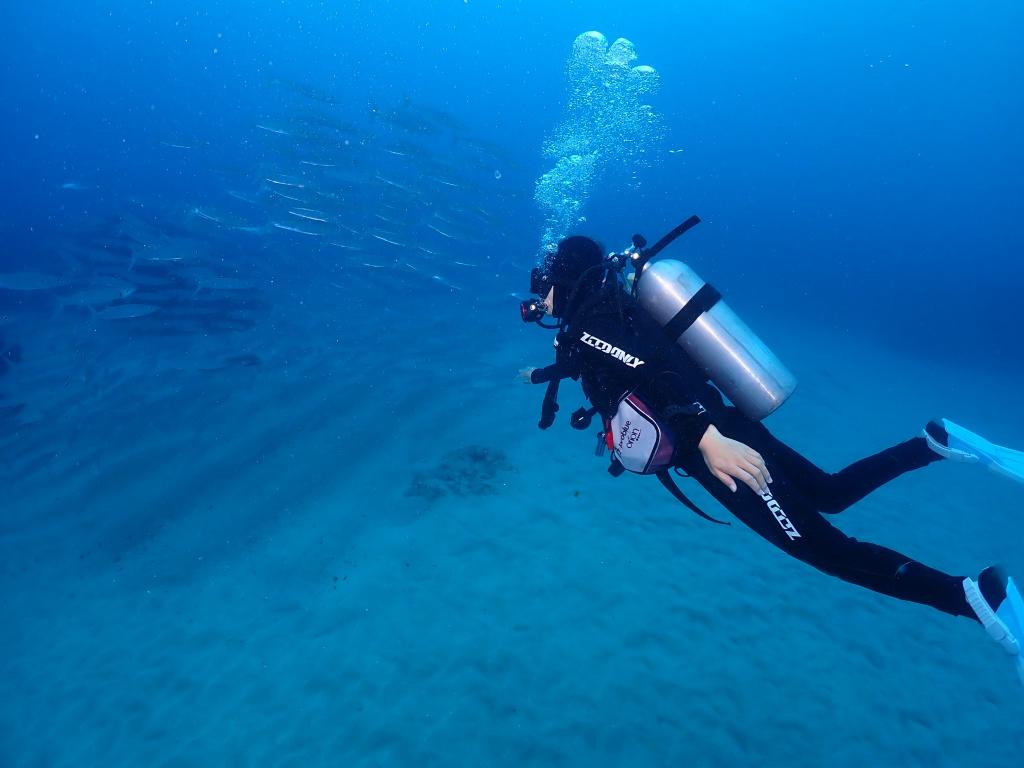
Post-Dive Precautions
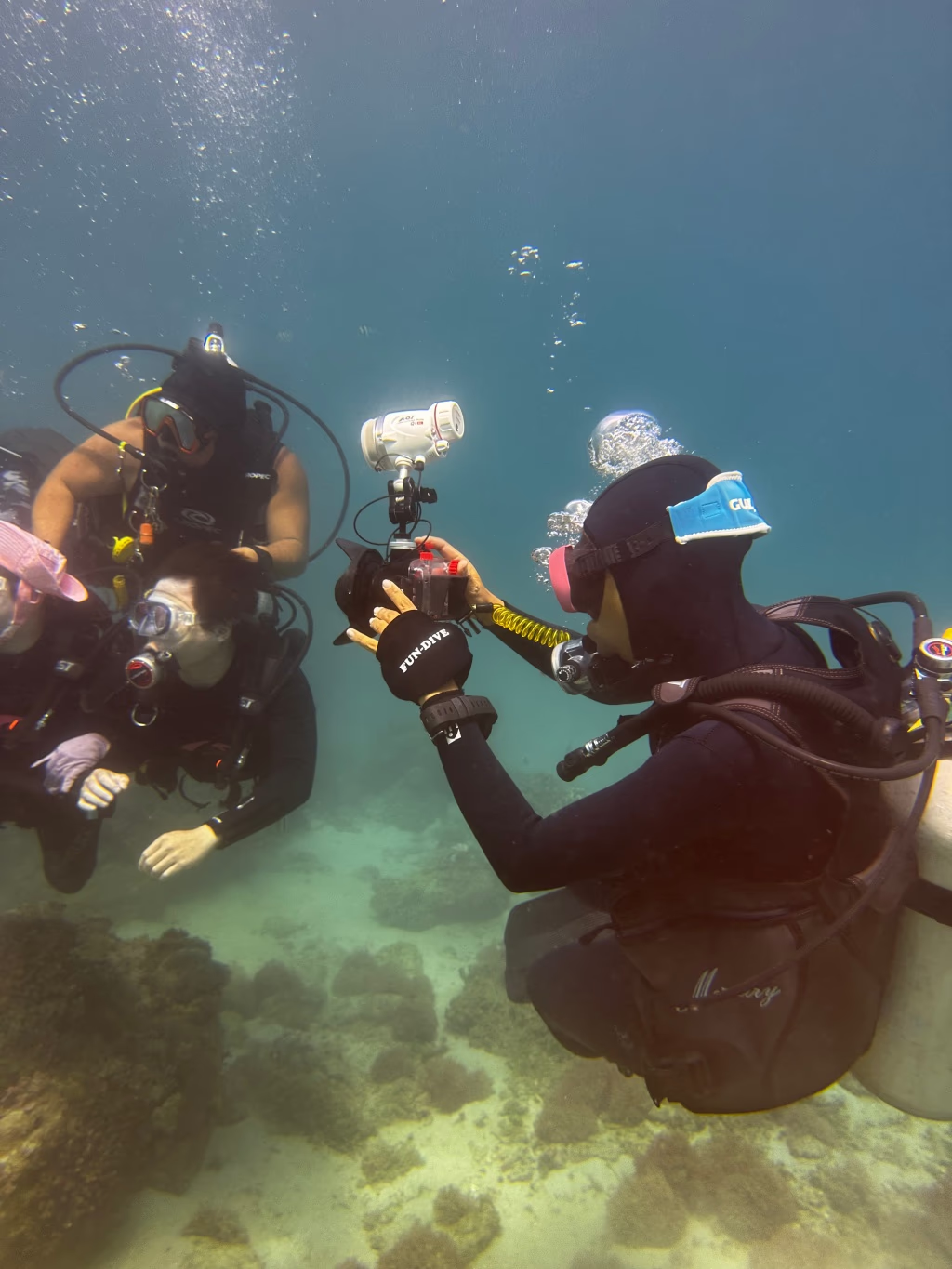
✦After your dive experience, there are a few important things to keep in mind.
Many people assume they're safe once they surface, but for several hours after a dive, your body is still slowly releasing nitrogen dissolved in your tissues. If you immediately fly or drive up a mountain, the drop in ambient pressure can increase your risk of decompression sickness (commonly known as "the bends").
In Taiwan, dive trips often involve flying home afterward, especially from outlying islands, or include plans to go up a mountain for night views or hot springs. That's why it's crucial to plan your schedule carefully in advance.
How long after diving can I fly?
According to DAN and PADI recommendations, for a single dive that does not exceed no-decompression limits, you should wait at least 12 hours before flying. For multiple dives in one day, or diving on consecutive days, wait at least 18 hours. If your dive included decompression stops, you should wait even longer. Always follow the no-fly time displayed on your dive computer if it indicates a longer interval.
Introductory dives are typically single dives, but many people schedule them on the last day of their trip. We recommend a more conservative 24-hour buffer, which is also PADI's ideal interval. It's important to remember that no interval guarantees complete prevention of decompression sickness, as individual physiology and daily conditions vary. A more conservative approach generally offers greater peace of mind.
Can I drive into the mountains after diving?
PADI advises allowing your body sufficient buffer time, ideally 24 hours, before driving to high-altitude areas after diving, or consider an alternative route. This is because the drop in atmospheric pressure at higher elevations has an effect similar to flying. Similarly, high-altitude activities like mountain climbing, cable car rides, or zip-lining should also be avoided within 24 hours of diving.
If your itinerary involves both diving in the Northeast Coast or an outlying island and then heading into the mountains, it's best to adjust the sequence to go to the mountains first and then dive. Before your trip, you can also consult your instructor or dive shop to confirm the highest elevation of your return route.
What symptoms after diving require medical attention?
If you experience any of the following symptoms after diving, do not assume it's just post-exercise soreness or fatigue; inform your instructor immediately and seek medical attention: unusual fatigue, itchy skin or patchy red rashes, joint or muscle pain, dizziness, tinnitus, tingling or numbness in hands and feet. In severe cases, you might also experience shortness of breath, muscle weakness, or changes in vision or hearing.
Most general symptoms appear within 15 minutes to 12 hours after diving, though they can sometimes be delayed up to 24 hours. When seeking medical care, proactively inform them that you have been diving and note the time and depth of your dive. If symptoms are severe, such as difficulty breathing or loss of consciousness, call 119 immediately. During the period you are experiencing symptoms, do not dive again or fly, and it is not advisable to take painkillers to mask the symptoms.
Experience Diving FAQ
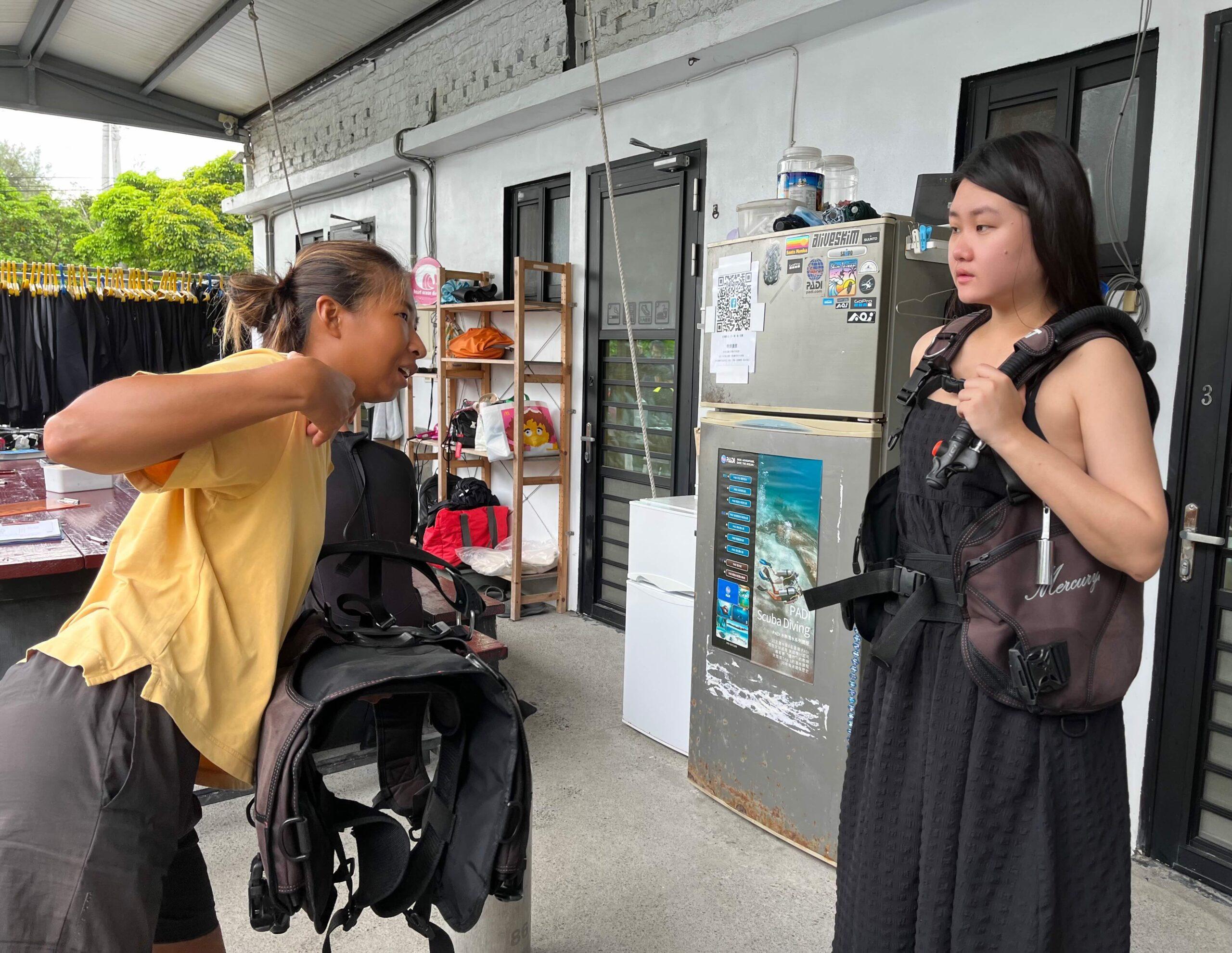
✦First-Time Diving: FAQs
We've already covered age, health, process, and costs in detail, so here are some of the most common questions new participants ask, each with a direct answer for quick reference.
If you have a special condition, such as a chronic illness, are taking medication, or are particularly nervous about getting in the water, we still recommend discussing it directly with the venue when you book. Let the instructor and doctor advise you based on your specific situation, rather than relying solely on general information found online.
Can I go diving if I wear glasses or contact lenses?
Yes, you can. However, we recommend wearing soft contact lenses. You can also ask the venue if they rent prescription masks, and be sure to provide your prescription in advance.
Can I go diving during my period?
Yes, you can go diving during your period as long as you feel comfortable. You can use a tampon or menstrual cup. However, if you experience abdominal pain or discomfort on the day of your dive, it's best to discuss rescheduling with the venue rather than forcing yourself to go into the water.
Can I sign up for a diving experience alone?
Yes, you can. Most venues accommodate solo participants, and an instructor will provide one-on-one guidance. You don't need to worry about not having a companion. Please confirm the specific session availability and group formation conditions with the venue when booking.
Can I take photos or videos during my dive?
Yes, you can. Heart Ocean Diving provides underwater photography services, with your instructor capturing your experience. If you bring your own camera, it must be in a waterproof case and secured with a safety lanyard. For beginners, we recommend focusing on the experience first.
Will I get a diving certification after a discovery dive?
No. A discovery dive is not a certification course; you can only dive under the direct supervision of an instructor. If you wish to dive independently, you will need to take an Open Water (OW) course, which typically takes 3 to 4 days.
How to choose between a discovery dive and an Open Water (OW) certification course?
If you want to try diving for the first time and see if it's for you, choose a discovery dive. If you're serious about picking your own dive sites and diving with a buddy, then get your Open Water certification.
Final Thoughts
Your first diving experience doesn't require a certification or even exceptional swimming skills, but it's crucial to consider your physical condition, pre-dive preparations, and post-dive plans. Key takeaways from this article include: confirming your age and health meet the requirements, avoiding diving if you have a cold or nasal congestion, clarifying what's included in the price before you go, and refraining from flying or ascending to high altitudes for 12 to 24 hours after your dive. Addressing these details will ensure a much safer and more enjoyable first dive.
If you're considering a diving experience in Kenting and want to see how Heart Ocean Diving typically guides students, you can refer to our previous review: Heart Ocean Diving Review|The Most Welcoming Houbihu Dive Venue: A Passionate Family Guides You Through Kenting's Ocean. It details the instructor's teaching methods, the experience flow, and insights from family snorkeling and SUP experiences. After reading it, you'll have a better idea of whether this venue is the right fit for you when you chat with them about your situation.
If you fall in love with the underwater world after your experience and want to pursue a diving certification, you can check out Kenting Diving Certification Recommendations|Experience the Thrill of Deep Diving: 6 Kenting Scuba Diving Venues Reviewed and Xiaoliuqiu Diving Recommendations|Learn to Dive, Experience Deep Diving + Get Certified! 7 Xiaoliuqiu Scuba Diving Certification Courses Reviewed. To understand how far your diving journey can take you, we also recommend reading PADI Diving Instructor Certification Guide: Qualifications, Courses, Exams, and Fees Explained.
Don't miss these either


Reader Comments
No comments yet — be the first to share your thoughts.