Your ultimate guide to skiing in JapanWhere are the best beginner slopes? How much do ski instructors cost? We answer 5 key questions about skiing in Japan.
Twosevenths and潛雪 have teamed up to bring you a complete guide to skiing, covering everything from travel planning and lessons to gear, destinations, and essential safety tips. This guide makes it easy for anyone to grasp the basics of skiing and be fully prepared before hitting the slopes. So get ready, and let's go carve up Japan's legendary powder!
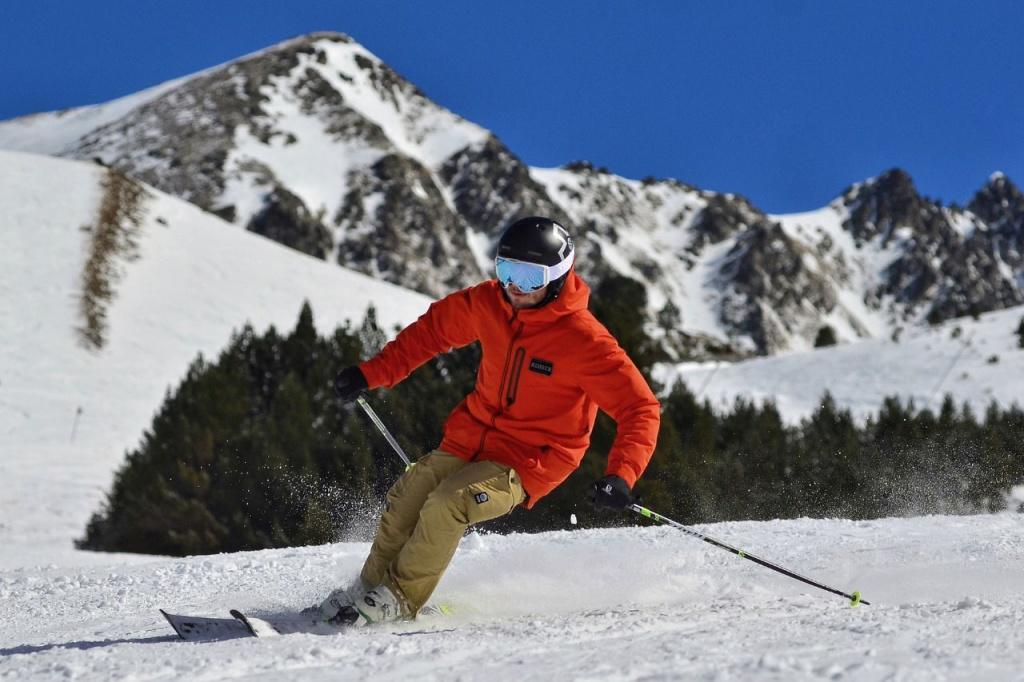
Essential Information for Learning to Ski in Japan
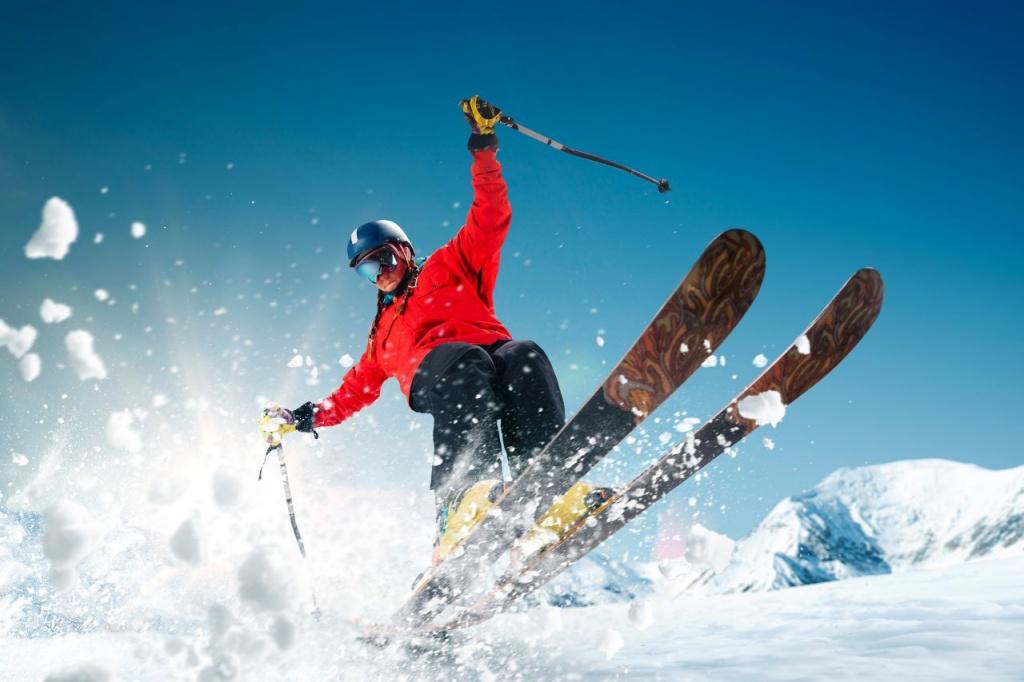
As winter travel gains popularity, skiing has become one of the most sought-after outdoor activities. Whether it's the thrill of gliding freely down snow-covered slopes or the relaxation of a post-ski hot spring, a ski trip is incredibly appealing. For beginners, learning to ski can seem both unfamiliar and challenging, raising many questions: Why is learning to ski in Japan so popular? Do you need to practice in Taiwan beforehand? Should you choose skis or a snowboard? This guide will answer these questions from a beginner's perspective, helping you prepare thoroughly before hitting the slopes and enjoying all the fun skiing has to offer.
✦Japan is a popular destination for learning to ski because it offers a unique combination of excellent snow conditions, diverse resorts, and a rich cultural experience.
Japan is a world-renowned powder snow paradise, often called JAPOW, thanks to its proximity to Taiwan, drier climate, and consistently abundant winter snowfall. Compared to ski resorts in Europe and America, Japanese ski passes are significantly more affordable, which is why many Taiwanese choose Japan to learn how to ski.
✦For a ski trip to Japan, both independent travel and group tours have their advantages.
If you're an experienced independent traveler, you can certainly arrange your own itinerary for maximum flexibility. Group tours are generally more expensive, but they offer the convenience of having everything pre-arranged, and you can split the instructor fees with other participants, making them a good option depending on your preferred travel style and budget.
✦Learning to ski in Japan is not difficult.
With a professional instructor guiding you through the basics of skiing, slope etiquette, and safety awareness, you'll undoubtedly discover the allure of "white opium" for yourself.
✦Yes, you should practice at a ski school in Taiwan before going abroad to ski.
Taiwan offers two types of indoor ski venues: artificial snow venues (like Hsinchu's Ding-Dong Science Park) and indoor ski machines.
The first type, artificial snow, provides an environment closer to real snow, but the venues are smaller, and you have to climb uphill yourself to ski down, which can be more tiring.
The second type, indoor ski machines, offers a conveyor-belt-like practice environment. While the margin for error is smaller, you don't have to constantly climb uphill.
Both types, whether artificial snow or ski machines, offer significant benefits for actual on-snow skiing. However, skiing also requires constant adjustments based on snow conditions, so it's worth trying either before heading to Japan for a ski trip!
✦For beginners, it's best to learn skiing (two-plank) rather than snowboarding (single-plank).
If you have only a day or two for skiing, or if your coordination isn't quite as strong, consider starting with SKI. It's easier to pick up, less prone to falls, and you'll be able to get on the lifts and explore the mountain's simpler slopes much faster.
If you have more days available, are confident in your athletic ability, or have prior experience with other board sports (skateboarding, surfing, etc.), then SB might be a good option for you.
✦The difference between skiing (two skis) and snowboarding (one board) is primarily in the equipment and technique.
| Feature | Ski | Snowboard |
| Photo |
 |
 |
| Stance | Facing forward, each foot fixed to a separate ski | Facing sideways, both feet fixed to a single board |
| Turning Method | Controlled separately by each foot, allowing for more flexible turns. Beginners use weight shifts between left and right feet to turn. | Facing sideways, both feet fixed in the same direction. Beginners use shifts in body weight (forward/backward) and toe-side or heel-side edges to turn. |
| Balance | Feet are separate, providing more stable balance. | Both feet are fixed to the board, making balance more challenging. Turns are controlled by body weight and board angle. |
| Difficulty | Easier to learn, especially for turning and stopping. | Both feet are fixed together, requiring more body coordination. |
Planning Your Ski Trip to Japan
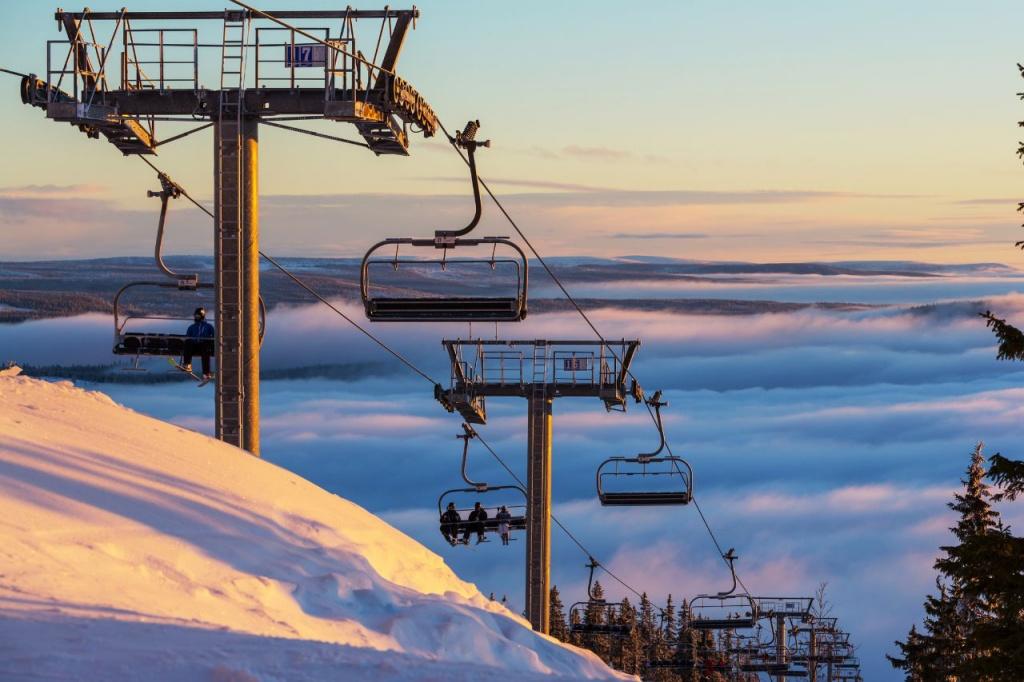
Planning a perfect ski trip requires careful consideration, whether you're a beginner hitting the slopes for the first time or an experienced enthusiast seeking thrills. Beyond choosing the right ski resort, you'll need to factor in accommodation, transportation, equipment rental, and many other details. Thoughtful ski trip planning not only ensures a smoother journey but also enhances your enjoyment on the snow. Here's a comprehensive guide to planning a worry-free ski adventure from start to finish, so you can make the most of your time in the snow.
✦How to plan your ski trip to Japan
For your first ski lesson in Japan, we recommend a 5-day trip. Taking Snowdiving lessons at Myoko Kogen as an example, here's a suggested 5-day itinerary. If you're a complete beginner aiming to master basic ski techniques, plan for 3 days of lessons on the slopes. Experienced skiers can opt for 1-2 days of refresher lessons with an instructor, then spend the remaining 1-2 days skiing independently.
| Day | Itinerary |
| Day 1 | Arrive in Tokyo on an early flight, travel to the ski resort, and check into accommodation near the slopes. |
| Day 2 | Rent equipment, begin ski lessons, and enjoy an evening hot spring bath. |
| Day 3 | Morning and afternoon ski lessons, followed by an evening hot spring bath. |
| Day 4 | Free skiing and practice. |
| Day 5 | Return to Tokyo. |
✦How much does a ski trip to Japan cost? What budget should you prepare?
Here's a simple breakdown of a Tokyo ski trip budget for four people, based on a five-day, four-night itinerary that includes three days of instruction from a professional ski instructor team.
| Item | Description | Total Budget |
| Airfare | Round-trip Taipei-Tokyo flights: NT10,000~20,000 | NT.10,000/ person |
| Accommodation | NT 2,000/ person per night | NT.8,000/ person |
| Transportation | Round-trip from airport to Myoko-Kogen Station | NT.4,500/ person |
| Lift Tickets | Varies by ski resort | NT.2,000/ person |
| Instructor Fees | One ski instructor costs NT15,000 per day, split among up to 4 people. Calculated for 4 people. | NT.11,250/ person |
| Equipment Rental | NT2,000 per day, discounts may apply | NT.6000/ person |
| Meals | Basic meals: NT300/ person per meal; BBQ or other large meals: NT1,800/ person per meal. Calculated for 15 meals (3 large meals + 12 basic meals). | NT.9,000/ person |
| Total Budget | NT.50,750/ person | |
✦When you're learning to ski in Japan, travel insurance is essential.
Travel insurance + specific accident insurance.
✦The best months for skiing in Japan are December through April.
Highly recommended for January through March.
✦For first-time skiers in Japan, we recommend planning a trip of at least 3 days and 2 nights.
We recommend setting aside three days for skiing, not including travel time.
✦Here's how to dress for skiing in Japan.
When not skiing:
- Dress in layers.
When skiing:
- Base layer (moisture-wicking and breathable)
- Mid-layer for warmth (sweatshirt or light down jacket)
- Ski jacket (ideally with a waterproof rating of at least 10K)
✦Choosing a ski resort for your first trip to Japan can be tricky.
- Transportation: We recommend choosing a venue closer to Tokyo (Nagano, Niigata, Gunma) to minimize travel time and maximize your energy for learning to ski.
- Difficulty: Pay attention to the difficulty levels of the slopes. Ski resorts categorize slopes as beginner, intermediate, and advanced. Beginners should choose venues with a higher proportion of beginner slopes.
- Accommodation: To save time and effort, we recommend that beginners stay at a ski resort hotel rather than a guesthouse. Hotels offer more comprehensive services and amenities, providing a comfortable place to rest—or even soak in a hot spring—after a tiring day of skiing.
While you're here, check these out ↓
- 01Your ultimate guide to skiing in Japan's Tohoku region|Top ski resorts in Iwate, Aomori, Fukushima, and Miyagi: 11 Tohoku ski resort recommendations→
- 02Hokkaido Ski Guide | 16 Day-Trip Ski Resorts Near Sapporo, Niseko, and Hakodate→
- 03Osaka Ski Guide | Popular Ski Resorts in Kyoto, Shiga, and Hyogo: 14 Ski Resorts Near Osaka→
An Introduction to Ski Lessons in Japan
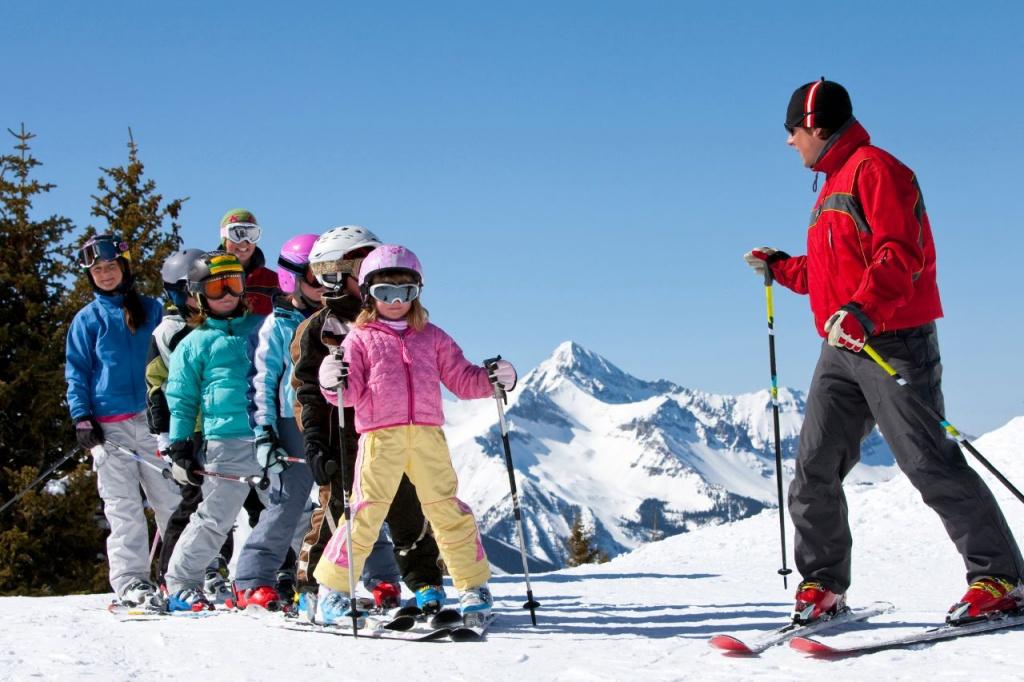
While skiing may seem simple, taking a ski lesson is the best and fastest way to truly master the techniques. Whether you're a beginner just starting out or an advanced skier looking to refine your skills, choosing the right ski lesson will help you experience the freedom and joy of the snow more quickly. However, new skiers often don't know much about ski lessons—whether they really need an instructor or what the course fees are. Below, we'll detail everything you need to know about ski lessons before you head to Japan.
✦You absolutely should hire an instructor when learning to ski.
We highly recommend hiring a coach to learn faster and more safely.
✦How much do Japanese ski lessons cost?
It varies by venue. Some charge per person. At Snowdiving, one instructor costs NT$15,000 and can teach a maximum of four students.
✦Ski instructor lesson fees include the instructor's time, equipment rental, and lift tickets.
This includes coaching fees and insurance, but does not cover personal equipment rental, lift tickets, or lunch.
✦For your first ski lesson, we recommend a three-day course.
We recommend a three-day itinerary. Most ski lessons are structured roughly as follows:
- Day 1: Gear familiarization, walking on flat ground, gliding on flat ground, braking technique practice, learning to safely ride the ski lift
- Day 2: Safety drills, turning, changing direction, basic skiing
- Day 3: Leaving the beginner area and practicing on the main slopes
Japanese Ski Gear: Preparation and Rental
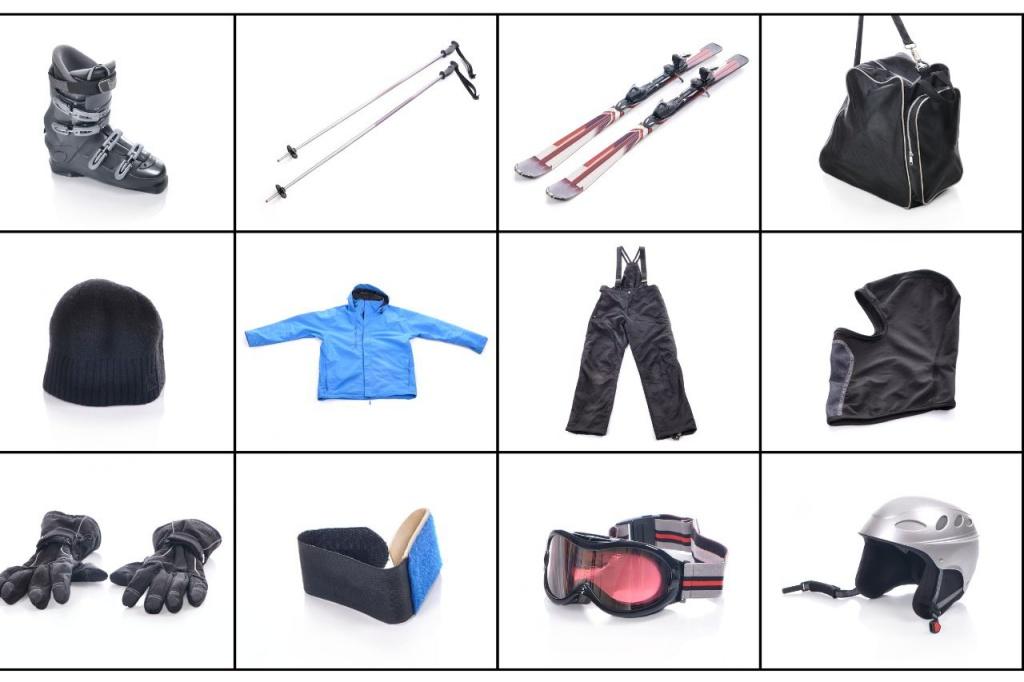
When you're ready to hit the slopes, the right gear is just as crucial as your technique. Snowdiving has compiled a comprehensive guide to all the essential equipment you'll need to stay warm and protected while skiing. For beginners, understanding the basics of ski gear can help you choose the best equipment for your needs, avoiding unnecessary hassle and expense. This article will take you through everything you need to know about ski equipment, from whether to rent or buy, to selecting the right brands, ensuring your ski trip is smooth and worry-free.
✦To go skiing in Japan, you'll need the following gear.
| Gear | Function |
| Skis/Snowboard | Choose twin-tip or snowboard based on your style and preference |
| Ski/Snowboard Boots | Specialized boots that pair with your skis/snowboard, offering excellent support and comfort |
| Ski Poles | Help with balance and propulsion, suitable for skiing |
| Ski Helmet | Protects your head from injury. Choose a helmet that meets safety standards |
| Ski Goggles | Protects eyes from snow glare and wind, improving visibility |
| Ski Suit | Protects eyes from snow glare and wind, improving visibility |
| Touchscreen-Compatible Inner Gloves | Warm and waterproof, keeping hands dry and comfortable |
| Ski Socks | Specialized ski socks (must extend above the shin) provide comfortable support and reduce friction |
| Protective Gear | Impact shorts, knee pads to protect your body and lessen the pain of falls |
| Beanie | For warmth and extra protection, suitable for wearing under a ski helmet |
| Ski Arm Guards | Protects arms and shoulders, especially when performing tricks |
| Neck Gaiter | Enhances warmth and prevents cold wind from entering your clothes while skiing |
| Clothing | Base layer (moisture-wicking top and bottom), mid-layer (long-sleeve shirt or light down jacket) |
| Sunscreen | Protects skin from high-altitude UV damage |
- It's recommended to have several sets of the above gear (except for the beanie) for easy washing and changing.
- Beginners can find affordable and practical options at Decathlon.
- When not skiing, you can wear a snow jacket or your own waterproof jacket, pants, and shoes for the outer layer. Make sure they are all waterproof!
✦When you go skiing in Japan, you can rent a variety of equipment on-site.
- Ski jacket / ski pants
- Ski outer gloves
- Helmet
- Goggles
- Snowboard + bindings
- Snowboard boots
✦Renting ski equipment in Japan costs between ¥3,000 and ¥5,000 per day.
Each ski resort has different pricing, and you'll get a discount for continuous rentals. While some resorts accept electronic payments or credit cards, we recommend bringing cash.
If you book your Japan ski trip through Snowdiving, equipment rental costs approximately ¥8,000 per day. You'll receive an additional discount when checking out at designated venues if you mention your instructor's name!
Popular Ski Destinations in Japan
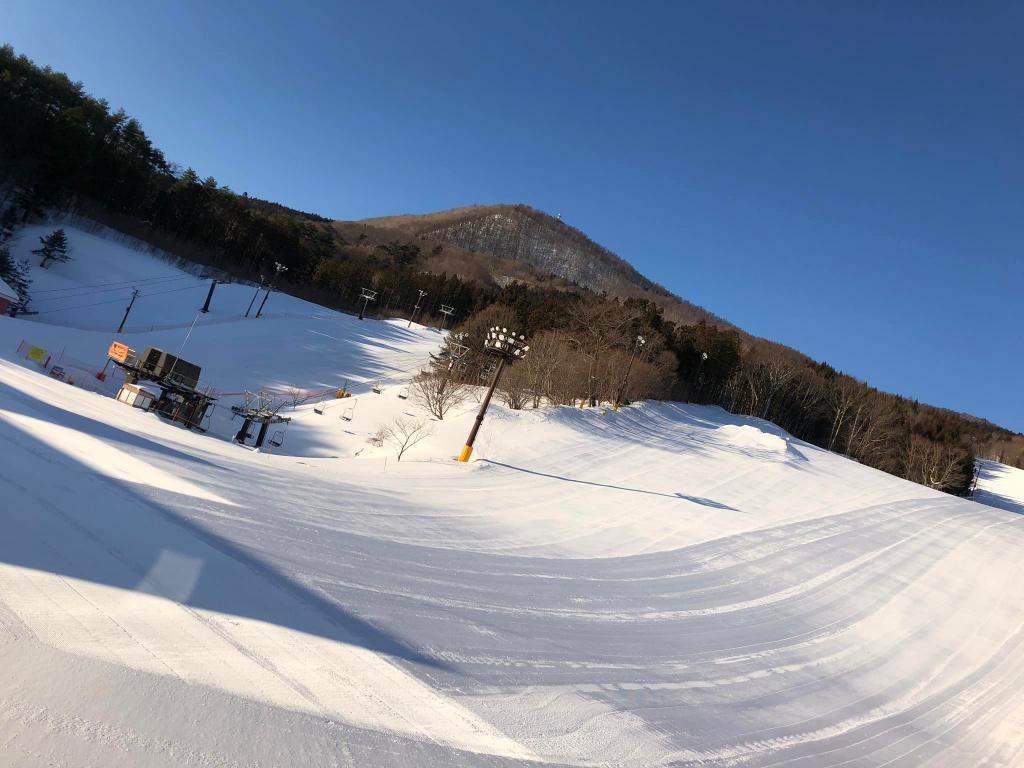
Japan is renowned as one of the world's great snow countries, thanks to its abundant annual snowfall. Areas with heavy snowfall, particularly Hokkaido and Niigata Prefecture, have become a paradise for ski and snowboard enthusiasts. Furthermore, regions along the Sea of Japan coast are directly impacted by winter monsoons, bringing high-quality powder snow that is free of excess moisture. This fine, soft snow attracts countless ski fans to pilgrimage here. Let's introduce ten famous ski resorts in Japan!
✦Nagano Prefecture
Japan's premier ski destination boasts over 70 ski resorts, all conveniently located near Tokyo with easy access and diverse slopes, making it a favorite among skiers and snowboarders from both Japan and abroad.
Recommended Ski Resorts
✦Gunma Prefecture
Gunma Prefecture, located in the Tokyo suburbs, is just a three-hour journey from Tokyo and offers a massive snowy area with nearly four meters of accumulation, plus built-in hot spring facilities. It's perfect for a day trip from Tokyo, or even better if you have more time to enjoy both skiing and hot springs.
Recommended Ski Resorts
✦Niigata Prefecture
Beyond Nagano and Gunma, Niigata Prefecture offers another easily accessible ski region from Tokyo, featuring mostly large-scale ski resorts like GALA, Maiko, and Kandatsu Kogen. If you're looking for a premium ski experience, this is the place to be.
Recommended Ski Resorts
✦Hokkaido
Hokkaido boasts Japan's top ski resorts in terms of number, scale, and snow quality, set against a backdrop of magnificent natural scenery. It's home to the world-renowned Niseko Resort, and you can easily combine your ski trip with a relaxing hot spring soak.
Recommended Ski Resorts
✦Aomori Prefecture
Aomori Prefecture is one of Japan's snowiest regions, with nearly 15 meters of snowfall in the coldest months, making it a true winter wonderland. Beyond its abundant slopes, Aomori also boasts many remote mountains, offering an even more immersive, nature-centric skiing experience.
Recommended Ski Venues
✦Iwate Prefecture
Surrounded by the high peaks of the Ou Mountains, Mt. Maemori, and Mt. Iwate, the temperatures here are extremely low, with some nearby ski resorts boasting slopes with up to six meters of snow. The snow itself is the most distinctive feature: with less water content than regular powder, it's known as "diamond powder snow"—fine-grained, smooth, and utterly addictive!
Recommended Ski Resorts
✦Yamagata Prefecture
The most famous sight in the area is the "snow monsters" (樹冰), trees frozen solid by the low temperatures and mist. This unique landscape sets it apart from other ski areas. Next to the ski slopes, you'll find Zao Onsen, a hot spring with over 1,900 years of history, making it perfect for travelers who want to combine skiing with a relaxing onsen experience.
Recommended Ski Venue
✦Miyagi Prefecture
This area sees snow depths of 5-7 meters, offering a diverse range of ski slopes suitable for children, beginners, and experts alike. With nearby hot springs to enjoy, it's no wonder this is one of Japan's most renowned ski destinations!
Recommended Ski Resorts
✦Fukushima Prefecture
The ski resorts in this area are surrounded by stunning natural landscapes, including mountains, forests, and rivers. Skiers can enjoy beautiful scenery while hitting the slopes. The most famous of these is the FW ski run, where you can ski while admiring the rare sight of frost-covered trees!
Recommended Ski Resorts
✦Gifu Prefecture
This area is also home to the famous Gassho-zukuri village. While the snow isn't particularly deep, its gentle slopes are perfect for beginners! With over 10 hot springs nearby, it's an ideal destination for combining skiing with a relaxing soak.
While you're here, check these out ↓
- 01Your ultimate guide to skiing in Japan's Tohoku region|Top ski resorts in Iwate, Aomori, Fukushima, and Miyagi: 11 Tohoku ski resort recommendations→
- 02Hokkaido Ski Guide | 16 Day-Trip Ski Resorts Near Sapporo, Niseko, and Hakodate→
- 03Osaka Ski Guide | Popular Ski Resorts in Kyoto, Shiga, and Hyogo: 14 Ski Resorts Near Osaka→
Final Thoughts
This Japan skiing guide covers common questions and important considerations for skiing in Japan, with expert answers from professional ski instructors based in Japan, specially invited by Twosevenths.
Skiing is more than just a physical challenge; it's a wonderful experience that brings you closer to nature. Whether you choose to travel independently or with a tour group, and whether you prefer skis or a snowboard, proper planning and professional instruction can make your skiing adventure safe and fun. This Japan skiing guide aims to equip beginner skiers with essential knowledge and skills, help you understand budget allocation, and plan a complete ski vacation so you can fully enjoy the thrill of skiing. Now, it's time to bravely hit the slopes and embrace your skiing adventure!
If you still have questions about skiing in Japan or want to learn more details, you can consult the instructors at Snowdiving. Detailed course information is available on the Snowdiving official website! For more skiing information, please refer to our Tokyo Ski Resort Recommendations, Osaka Ski Resort Recommendations, Hokkaido Ski Resort Recommendations, Tohoku Ski Resort Recommendations, Taipei Ski School Recommendations, and Taichung Ski School Recommendations.
Don't miss these either
Yingge Day Trip Itinerary|From the Ceramics Museum to Old Street Cafes: A Relaxed Getaway
Penghu Freediving Recommendations|Professional and attentive instructors ensure your safety! A review of 3 Penghu freediving venues.
Hana Diving Resort Review|Dive and Work: A Digital Nomad-Friendly Diving Resort

Reader Comments
No comments yet — be the first to share your thoughts.