Surfing for Beginners: A GuideHow to Choose from 3 Major Surf Lesson Styles for an Awesome First Ride
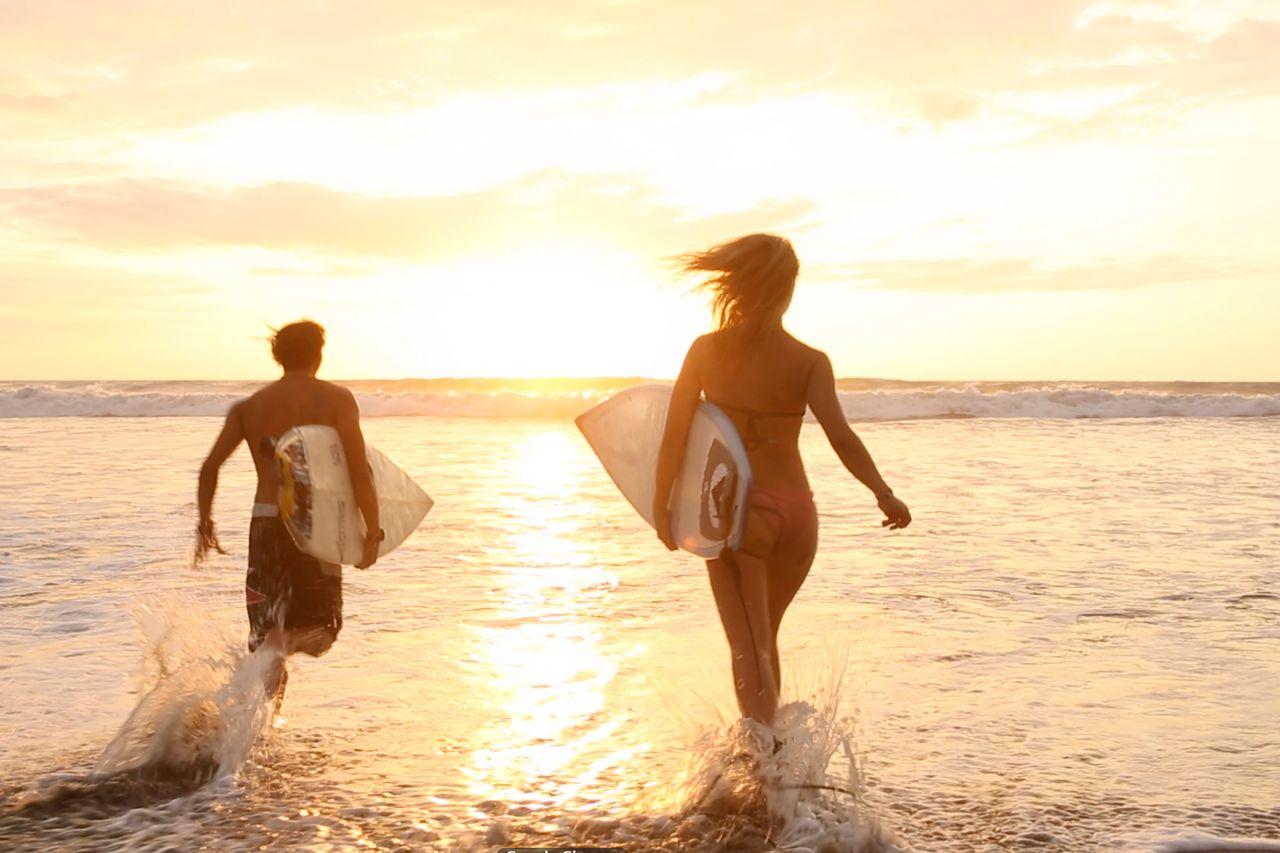
Summer is here, and if the scorching sun has you stuck indoors, it's time to break free! Instead of a boring summer, why not hit the waves and experience the thrill of surfing? Even if you're a complete beginner with no idea about surfing, there's no need to worry! Join Twosevenths as we dive into the three main types of surfing: longboard surfing, bodyboarding, and skimboarding. This summer, you'll be transformed into a beach surfer, ready to embrace the waves!
Surfing Basics
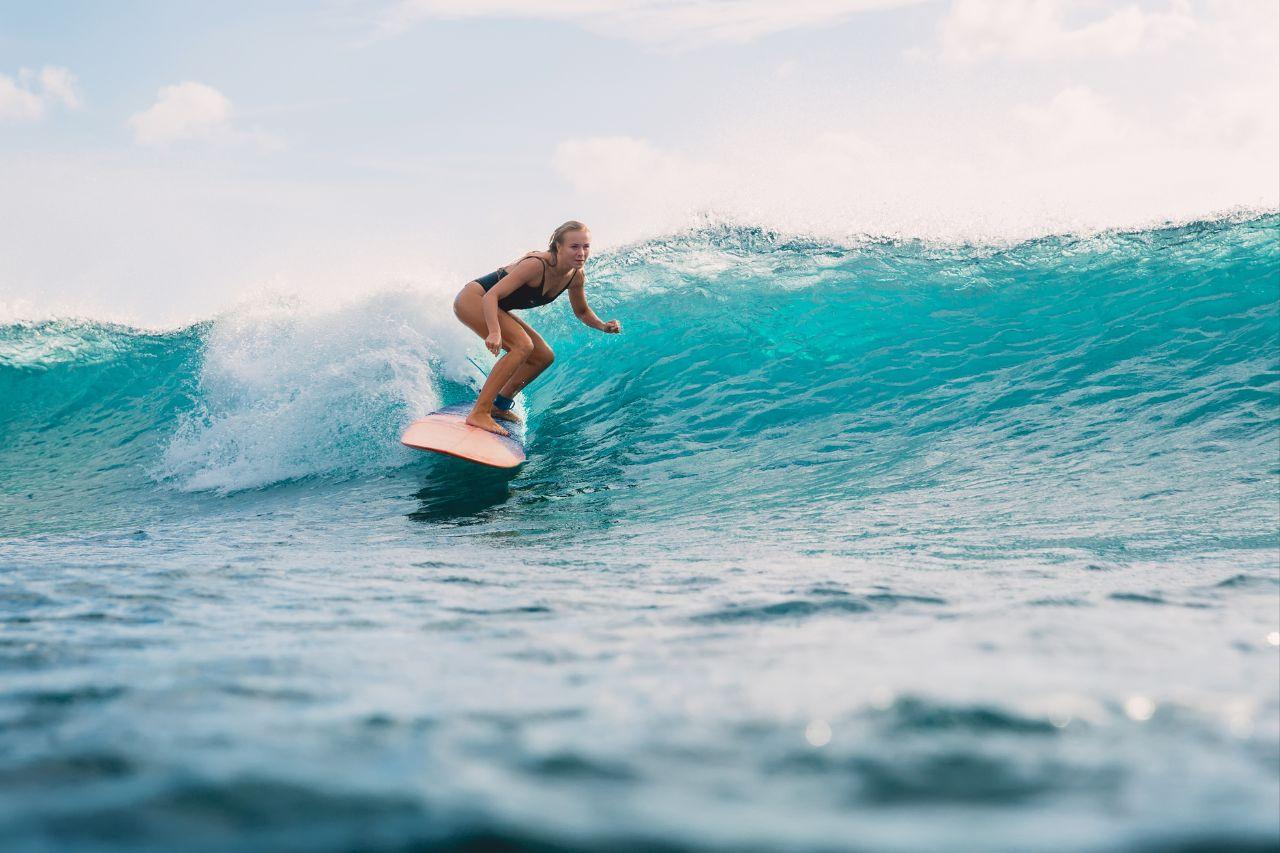
Surfing, an activity first recorded in Polynesian cave paintings as early as the 12th century, was brought to Hawaii and popularized during the Age of Discovery. Today, the three most popular styles of surfing are longboarding (the most common), bodyboarding, and skimboarding. Some people wonder, "Can you surf if you can't swim?" The truth is, surfing relies more on core strength and balance, and with the buoyancy of the board, even non-swimmers can ride the waves.
Longboard Surfing Guide
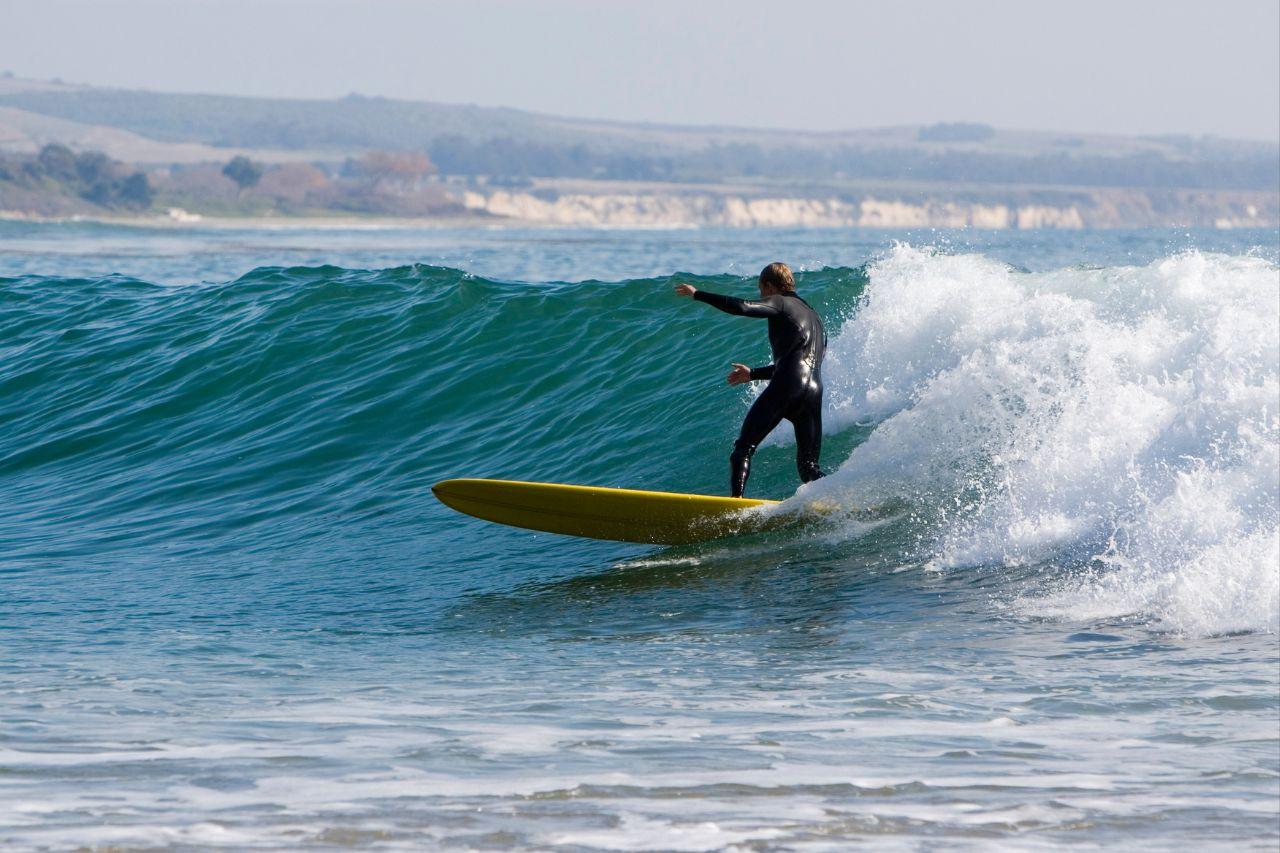
Longboarding is the most classic way to surf. As its name suggests, a longboard is the longest and widest type of surfboard, typically 8-12 feet long, with the most common and beginner-friendly sizes being 9-10 feet; thickness ranges from 2.5-3 inches. Longboards offer superior stability and balance, helping beginners enjoy surfing from their very first attempts.
Longboards usually have a wide, rounded nose and a smooth overall outline, making them ideal for beginners to build confidence and technique in smaller waves. Once you've mastered the basics, you can move on to a more agile shortboard. Shortboards are under 7 feet long and, while less buoyant, offer greater maneuverability for riding waves, making them an excellent choice for advanced surfers looking to enhance their experience.
✦Longboard Surfing
Once you've warmed up on shore, grab your longboard and hit the water! There are four basic steps to standing up on a surfboard: paddling, popping up, riding the wave, and returning to the outside. First, get your body onto the board: push up your upper body, then smoothly bring your whole body onto the board, followed by your feet. Avoid hooking your feet first to climb on, as this can cause you to lose balance.
Next, carefully observe the waves for a suitable one, then paddle towards it with both hands. Remember to follow surfing etiquette and yield to the surfer closest to the peak of the wave. Once you've chosen your wave, place your hands on either side of the board, quickly push up, and stand. Then comes the exhilarating part: riding the wave and enjoying a free-spirited interaction with the ocean! When you're done surfing and returning to the outside, be sure to watch out for other surfers.
✦Pros and Cons of Longboarding
Longboard surfing is a sport that truly tests your fundamentals, with four key elements: core strength, balance, body coordination, and quick reflexes. Master these, and you'll be out of the beginner's zone in no time. Fortunately, most people can experience the thrill of surfing after some practice, making longboard surfing both a classic and an ideal entry point. You'll easily find venues offering surfing lessons across Taiwan.
✦Looking for longboard surfing lessons?
Northern Taiwan
Yilan Toucheng — Pirate Surf: Enjoy one-on-one or small-group lessons with flexible scheduling, and continue practicing with the surfboard after class for maximum fun! (One-on-one NT$1,600; two people NT$1,200/person; three people NT$1,100/person)
Central Taiwan
Taichung Dajia Songbo Port — 61-SURF Taichung Aloha Surf: Located in a beginner-friendly area with a flat seabed, this venue is perfect for new surfers to master the basics. They also sell a variety of cool surfboards. (Two people NT$2,000/person)
Southern Taiwan
Tainan Anping — Surfing Coconut Studio: Offering both introductory and basic advanced surfing courses, this studio caters to different skill levels with systematic instruction to get you efficiently riding the waves! (Introductory one-on-one NT$2,500; introductory group class NT$2,000; basic advanced (three lessons) NT$5,000)
Pingtung Kenting — Lawa Surfing Studio: In addition to single surfing lessons, they offer intensive training courses for a more solid learning experience. (One-on-one NT$2,500; two people NT$2,000/person; three or more people NT$1,500/person)
Bodyboard Introduction
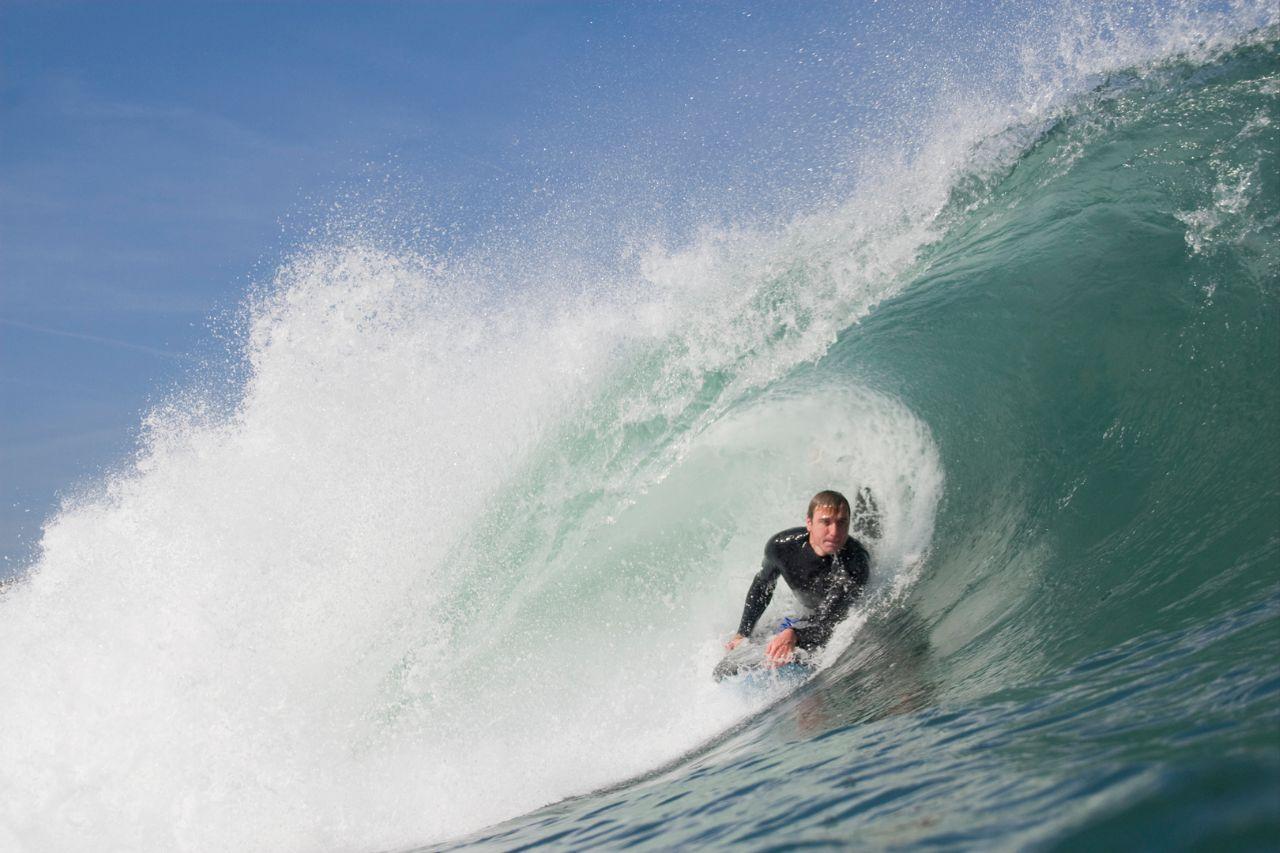
If you're not confident in your balance, consider bodyboarding (also known as a Boogie Board). In 1971, bodyboard inventor Tom Morey cut a leftover piece of soft foam from his garage into a 4.5-foot board, took it into the waves, and found it worked surprisingly well! The board was flexible and lightweight yet safe, and it quickly became widely recommended for beginners and children.
Bodyboards typically range from 2.5 to 4 feet in length. A leash connects the rider to the board, and fins are worn to help accelerate and catch waves. Compared to longboard surfing, bodyboarding has a much faster learning curve because you don't have to master standing up on the board, making it an excellent choice for beginners.
✦Bodyboarding
Bodyboarding is similar to longboarding, but it's much easier to pick up since you don't need to stand. After warming up and getting in the water, you lie on the board, using your hands and fins to paddle. Once you find a suitable wave, you can push up your upper body, kick your feet, and glide along the wave. It sounds simple and fun, right? Bodyboarding helps more people build confidence, and it's a great stepping stone for learning to stand-up surf later on.
✦Bodyboarding: Pros and Cons
Bodyboarding is undoubtedly an excellent entry point into surfing, with its ease of learning attracting many beginners. Once you're comfortable with the ocean's rhythm, you can practice turning and jumping over waves, elevating bodyboarding into a richer sport. Even experienced longboard surfers can try bodyboarding for a fresh experience, especially when they want to conserve energy while chasing waves!
✦You can find bodyboarding lessons at many surf shops and schools.
【Northern Taiwan】
Yilan Toucheng — muiiclub: This experience is exclusively for women, welcoming groups of women aged 18-60 for bodyboarding lessons. Before heading into the water, instructors provide thorough guidance on surfing knowledge, ensuring even beginners with limited water experience can quickly pick it up. (One-on-one $1,500 / Two-on-one $2,800)
【Southern Taiwan】
Kenting Nanwan — Ocean Shepherd and the Sea: A parent-child bodyboarding class designed to help children feel more comfortable in the water! This is an excellent learning experience for kids new to the ocean. We recommend enrollment for children aged 6 and up, but the venue also welcomes parents to accompany children under 6. (Two-on-one $1200/person / Three-on-one $800/person / Four-on-one $600/person)
An Introduction to Skimboarding
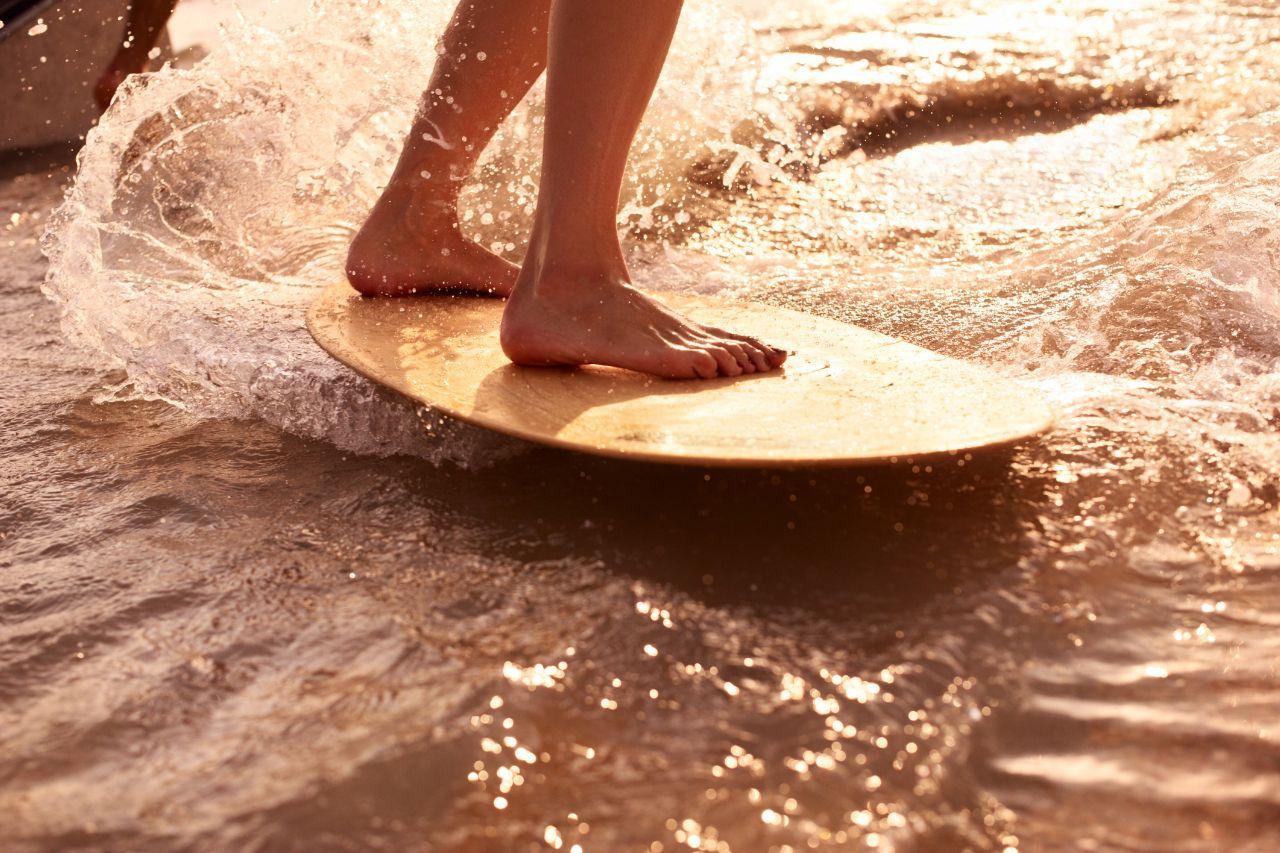
Skimboarding, the newest of the three board sports, was invented in 1920. Lifeguard George Griffeth and his friend Jimmy crafted the first skimboards from redwood to quickly traverse the beach. After refinements, today's common skimboards are about 5 feet long, the thinnest of the three types, with a flat, finless, symmetrical design.
Skimboarding takes place in the shallows: riders run towards the waves, drop their board, step on, and enjoy the thrill of gliding. Because skimboards aren't suitable for deep water, some consider this activity more "sand surfing" than "wave surfing." Skimboarding in the shallows requires almost no swimming skills; it's more akin to extreme skateboarding.
✦Skimboarding
Skimboarding has two main styles: flatland and wave riding. Flatland skimming is best done on the thin layer of water left behind after the tide goes out, while wave riding requires a beach with small waves.
You can master skimboarding in three easy steps: First, the "run-up." The distance you run depends on your speed and skill, but 3-5 meters is a good starting point. Second, "get on the board." Throw the board about one step ahead of you, then jump onto it vertically, making sure to land in the center to maintain balance. Third, "skim." Keep your knees slightly bent and your body's center of gravity low. Steadily control the board's direction, adjust your body with the water's flow, and you'll be enjoying the thrill of skimboarding in no time!
✦Pros and Cons of Skimboarding
Skimboarding may look simple, but riding the board at speed requires skill and practice.
However, skimboarding requires relatively little gear, making it a lightweight and convenient sport. As your skills improve, you can learn cool tricks and stylish moves. It also provides a full-body workout that combines running, jumping, and gliding, noticeably improving your flexibility. As the youngest member of the surfing family, skimboarding continues to grow in popularity!
✦You can find skimboarding lessons at various locations.
【Northern Taiwan】
Taipei, New Taipei, etc. — DB SKIMBOARDS: Offers skimboard sales and lessons. No swimming skills required to experience the thrill of the beach! (Introductory lesson: $1,500/person)
【Central Taiwan】
Zhunan, Miaoli County — SPOT Taiwan: This venue offers not only surfing lessons but also backpacker accommodation, making it a one-stop shop for your weekend getaway! (One-on-one: $3,000; One-on-two: $2,000/person; One-on-three or more: $1,700/person)
【Southern Taiwan】
Cijin, Kaohsiung — Mad Dog Skimboard Factory: Taiwan's original custom skimboard brand. Book a small-group lesson to ensure everyone has a blast, with immediate posture corrections after each wave to help you learn quickly and effectively! (Introductory lesson: $1,500/person)
Longboard, bodyboard, skimboard: A guide to the differences
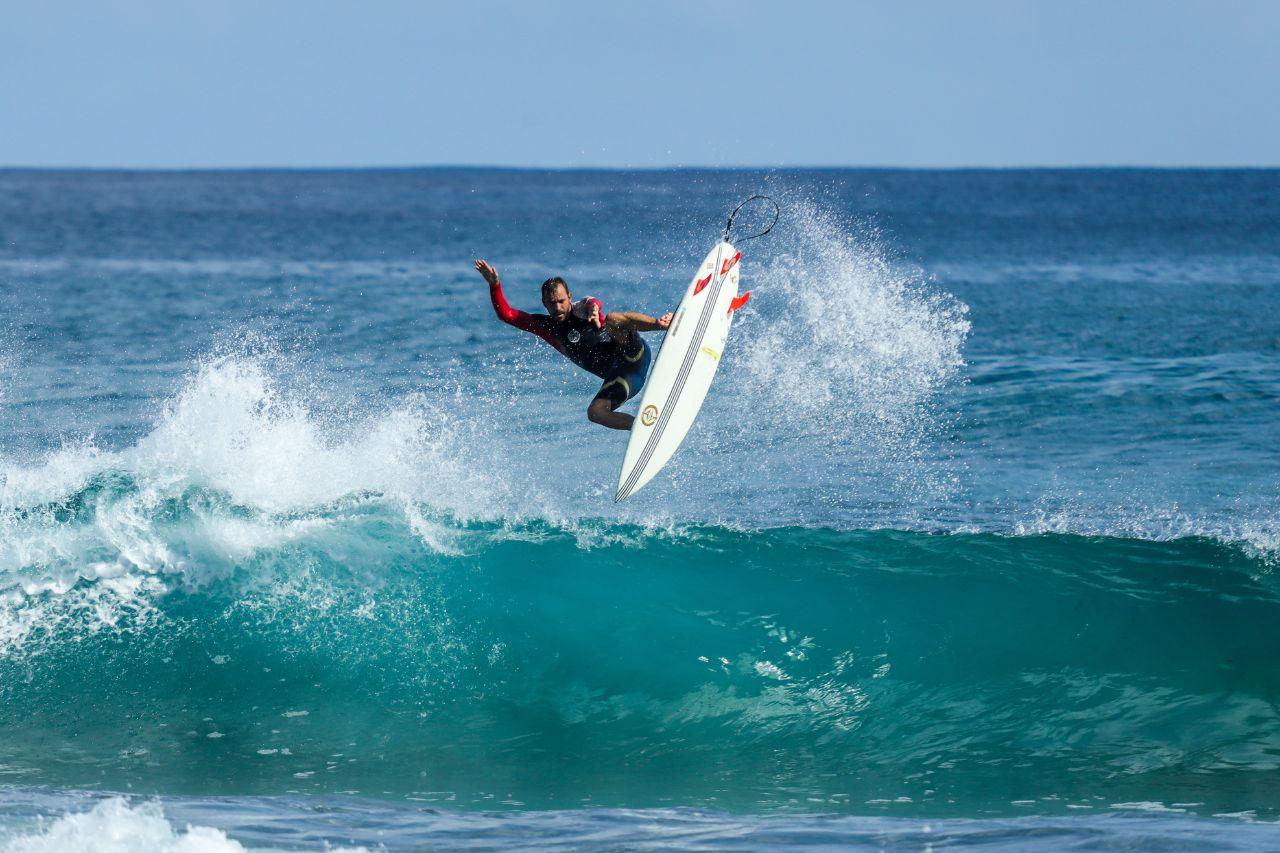
Here's a quick recap of the three surfing styles we've covered. Choose your surfing lesson based on your preferences and skill level, and make the most of your summer!
| Longboarding | Bodyboarding | Skimboarding | |
| Length | 8-12 feet | 2.5-4 feet | 3-6 feet |
| Board Shape | Long and wide, rounded nose, flat bottom | Short and wide, thick nose | Flat and finless, symmetrical front and back |
| Surfing Stance | Standing | Prone or kneeling | Standing |
| Surfing Environment | Various waves | Various waves | Shallow beach break |
| Advantages | Easy to balance, suitable for small to medium waves | Easy to learn, simple to operate | Can be played in shallow water, trains full-body coordination |
| Disadvantages | Less agile than shortboards; less efficient than the other two | Fewer tricks possible once mastered | Requires suitable beach conditions; beginners can easily fall |
| Beginner-Friendliness | Suitable for beginners to advanced surfers | Most suitable for beginners | Advanced surfers |
| Lesson Price | $1,100-$2,500 | $600-$1,500 | $1,500-$3,000 |
Final Thoughts
Now that you've read Twosevenths' surfing tips, are you ready to hit the waves? There are many surfing schools across Taiwan, and as a beginner, you might want to try an introductory lesson first. This is a great way to see if you enjoy the sport and to understand different instructors' teaching styles, so you can choose the surfing course that's best for you! This summer, let's put on our most confident bikinis or shorts, grab our coolest surfboards, and head to the beach!
If you're interested in other water activities, check out our SUP Stand-Up Paddleboarding Guide, Scuba Diving Beginner's Guide, and Freediving Beginner's Guide to become a true water master!
Don't miss these either

Yingge Day Trip Itinerary|From the Ceramics Museum to Old Street Cafes: A Relaxed Getaway
Penghu Freediving Recommendations|Professional and attentive instructors ensure your safety! A review of 3 Penghu freediving venues.
Hana Diving Resort Review|Dive and Work: A Digital Nomad-Friendly Diving Resort

Reader Comments
No comments yet — be the first to share your thoughts.