Dog Bathing GuideStill Itchy After a Bath? 9 Common Dog Bathing Questions Answered
When you're welcoming a new puppy into your home, it's natural to feel a little overwhelmed about dog bathing. For first-time dog owners, learning how to properly bathe your dog can seem challenging. Twosevenths has compiled answers to common questions from new pet parents, covering everything from bathing frequency and essential supplies to the correct steps and how to help your dog adapt. This guide will help you keep your furry friend clean and healthy, and also help you choose the right pet grooming venue.
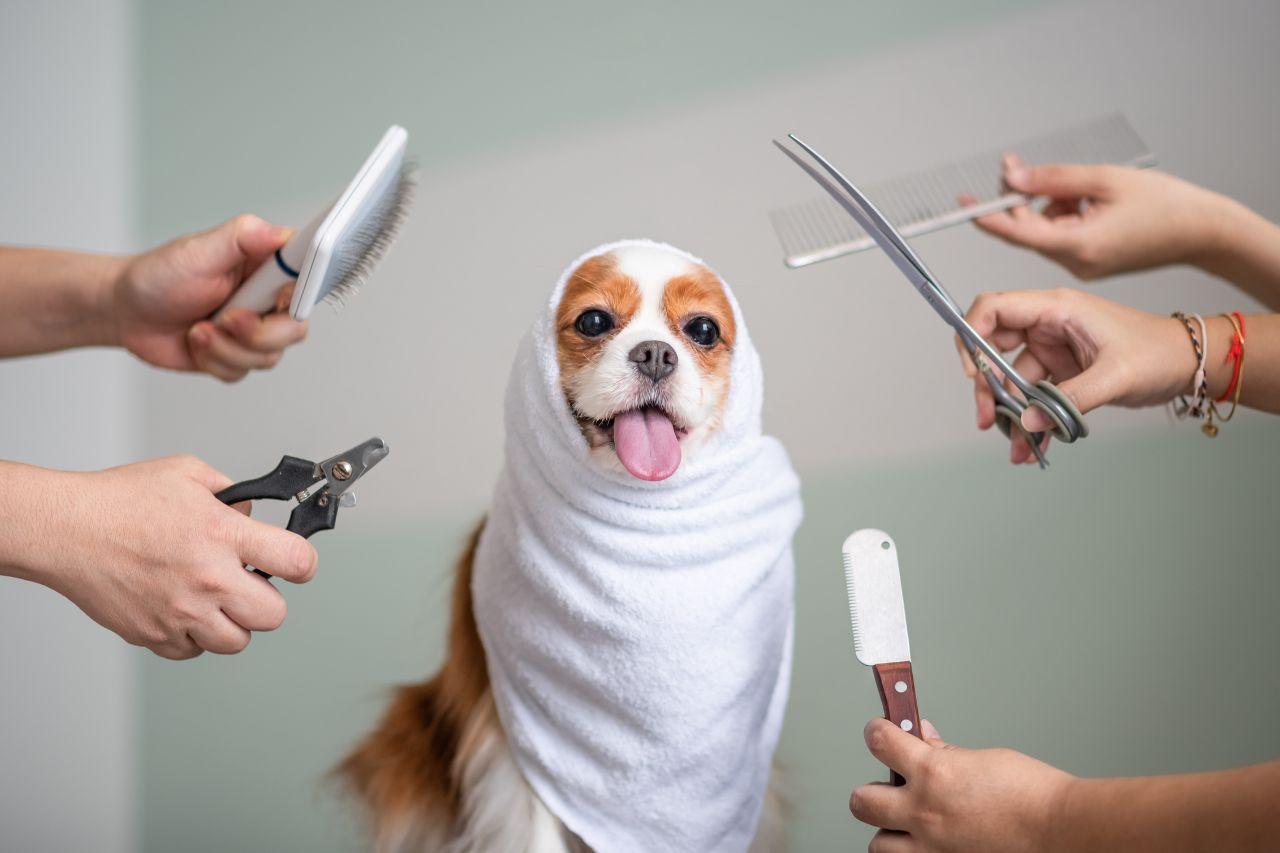
How often should you bathe your dog?
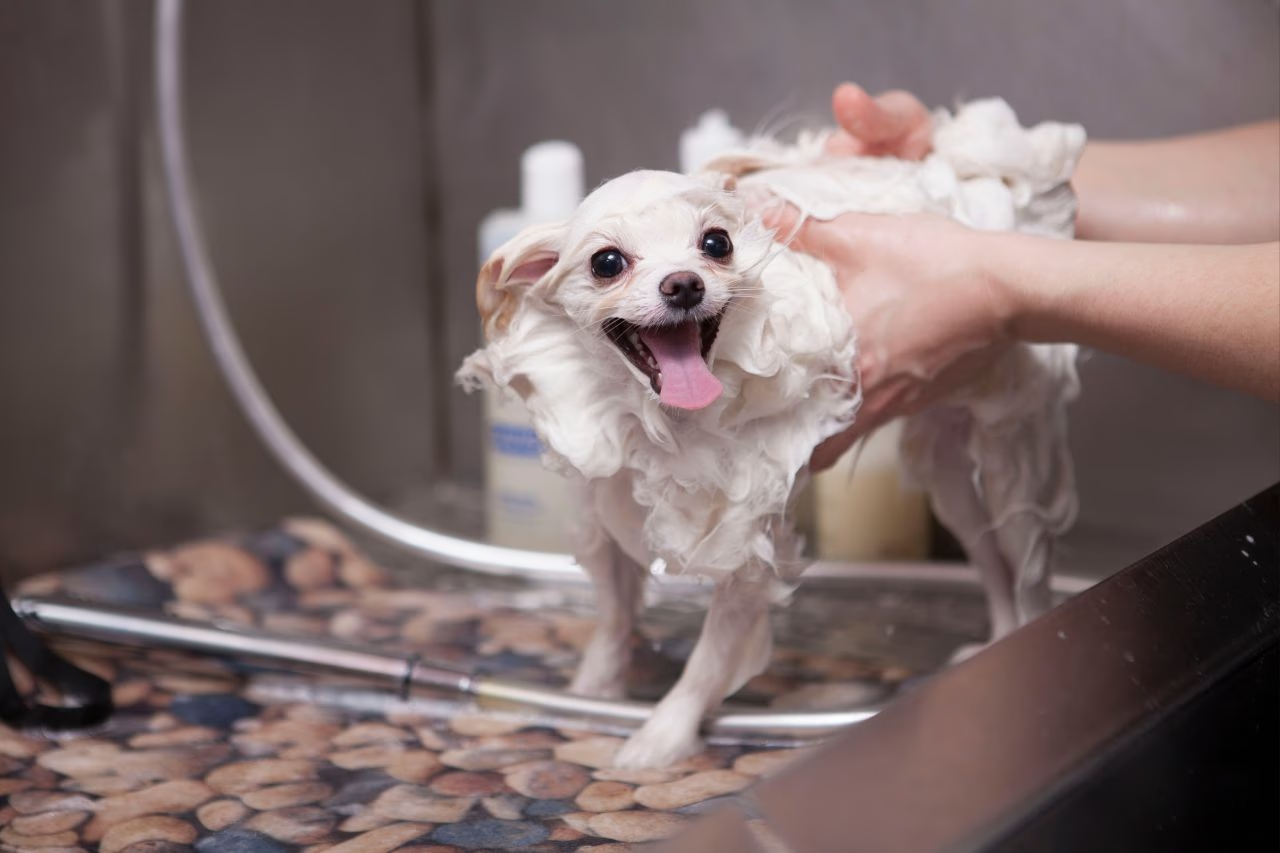
Dogs don't need daily baths like humans do. Bathing frequency varies depending on the dog's age, the season (summer vs. winter), and whether they have skin conditions, but the most important factor is always their individual skin health. For long-haired breeds like Poodles or Bichon Frises, regular grooming is essential even if they don't need frequent baths, to prevent parasites and matting.
Bathing a dog too often can dry out their skin, stripping away protective oils and leading to sensitivity and redness. Conversely, bathing too infrequently can result in matted fur, bacterial growth, external parasites, damp and stuffy coats, ear infections from lack of cleaning, or overgrown nails. Therefore, finding the right bathing frequency is crucial.
✦Bathing frequency: summer vs. winter
During the hotter summer months, we recommend bathing your dog once a week, especially if they're often out walking or have oily skin. In winter, when the weather is less humid, bathing every 7–10 days is usually sufficient.
✦How often should dogs with skin conditions be bathed?
Because every dog's condition is different, we recommend consulting a veterinarian. However, during the general treatment phase, it's usually recommended to bathe your dog once every 3-7 days.
✦Bathing frequency for puppies versus adult dogs
Puppies should be bathed one week after their third round of vaccinations. Healthy adult dogs can be bathed every 7–10 days.
Professional dog grooming typically includes a bath, blow-dry, ear cleaning, nail trimming, and anal gland expression.
Many pet grooming venues offer professional services to pamper your furry friend, but a first visit can be overwhelming with so many options. It's often unclear which services are best for your dog. Here, we'll explain the differences between "full grooming" and "mini grooming," what anal gland expression entails, and the pros and cons of machine drying versus hand drying.
✦Full beauty treatments include a facial, back massage, and body exfoliation.
A full grooming session typically includes nail trimming, paw pad trimming, anal gland expression, teeth brushing, ear hair plucking, shaving the belly and rear, and a full-body styling.
✦A mini facial includes cleansing, exfoliation, a facial mask, and basic skincare.
A basic grooming session typically includes nail trimming, paw pad trimming, anal gland expression, teeth brushing, ear hair plucking, shaving the belly and rear, and a light trim around the eyes.
✦Anal gland expression is a service that helps pets empty their anal glands.
Anal glands are a pair of sac-like glands found in mammals, located on either side of and inside the anus. In dogs and cats, they serve to mark territory, identify individuals, and aid in defecation.
If dogs and cats do not have their anal glands expressed regularly, it can lead to inflammation and swelling around the anus, and in severe cases, even rupture.
✦The difference between machine-drying and hand-drying a dog's fur after a bath lies in the technique and results.
Machine drying usually involves a drying cabinet. Some venues will hand-dry a dog until it's 80% dry before placing it in the cabinet.
If a dog is dried entirely by machine, its fur may appear more disheveled and dry, and it's harder to check for skin abnormalities.
Hand-drying to 80% before cabinet drying prevents dampness from returning, results in fluffier, neater, and shinier fur, reduces static electricity, and allows for a full skin check.
How much does it cost to bathe a dog at a pet groomer?
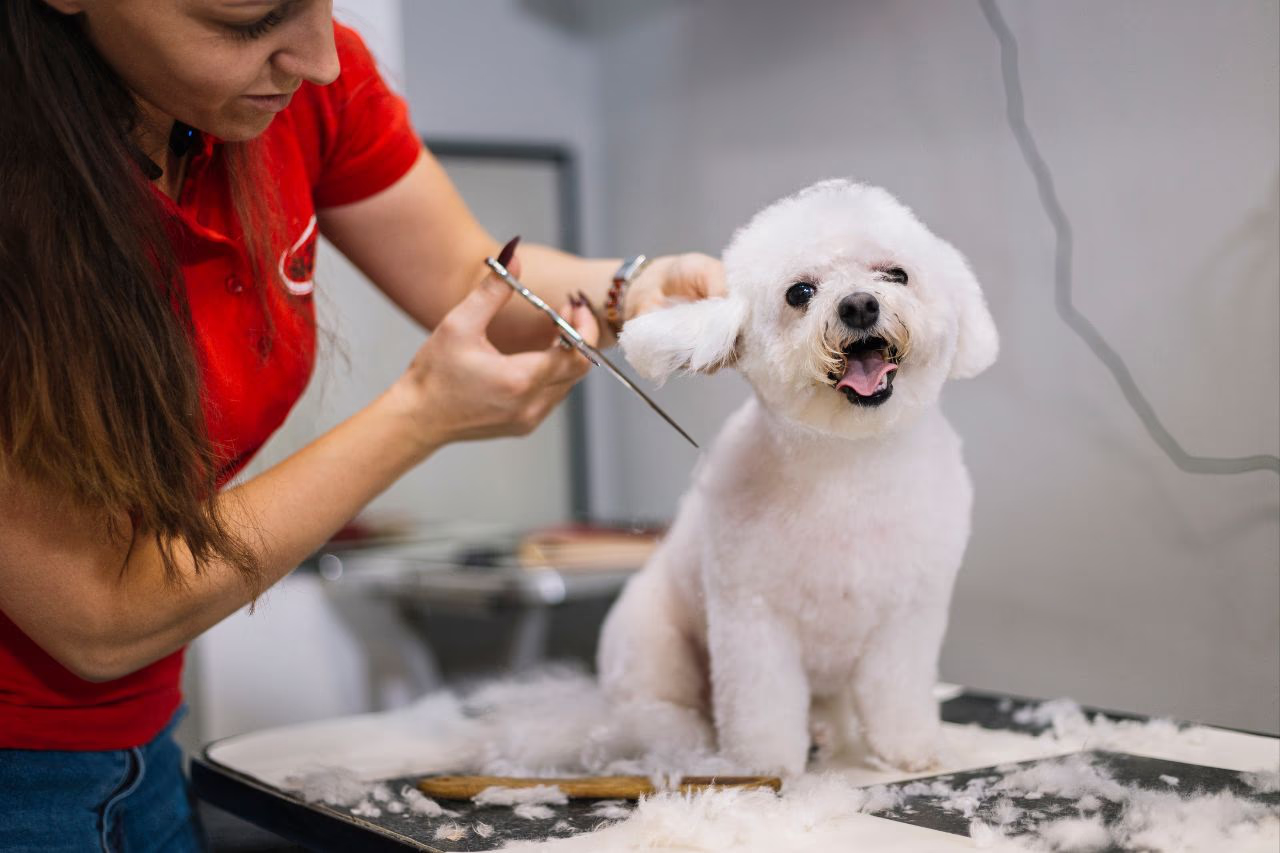
Pet grooming venues vary widely in service quality and offerings, with pricing typically based on pet size and whether pickup/drop-off is included. Some venues list detailed price ranges or monthly packages on their official websites. We recommend inquiring online and clarifying the services before your visit to avoid unexpected charges.
While you're here, check these out ↓
- 01Woof & Meow Pet Grooming Review|A top choice for pet grooming in Nantun, where even highly sensitive pets can enjoy a stress-free bath.→
- 02Taichung Pet Boarding Recommendations|Cage-Free Dog Boarding: 4 Taichung Venues Reviewed→
- 03Taichung Pet Grooming Recommendations|Dog Grooming with Shuttle Service! 7 Taichung Pet Bathing Salons Reviewed→
Here's what to keep in mind when bathing your dog yourself.
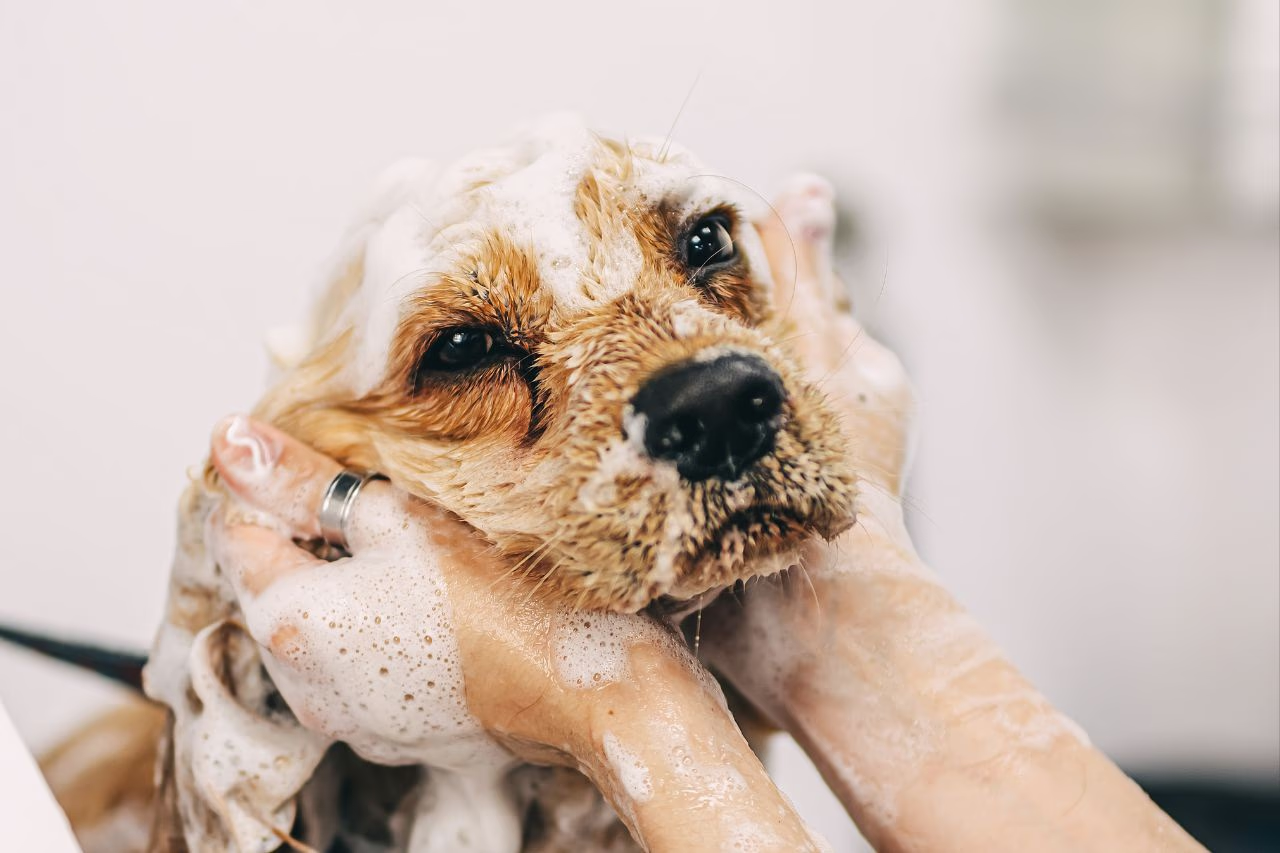
If you're on a tighter budget or want to bond with your dog while bathing them, here are a few things to observe and keep in mind during the process:
✦Mind your mental state
If your dog is lethargic, coughing, or sneezing, it may have a cold or a weakened immune system, and should not be bathed.
✦Keep water out
Just as humans don't like getting water up their nose during a shower, it's important to prevent dogs from inhaling or ingesting water through their nose and mouth during bath time.
✦Shower duration
For example, leaving detergent on too long can irritate and sensitize skin, while staying in a drying oven for too long can lead to overheating and dehydration.
Here's how to bathe your dog yourself.
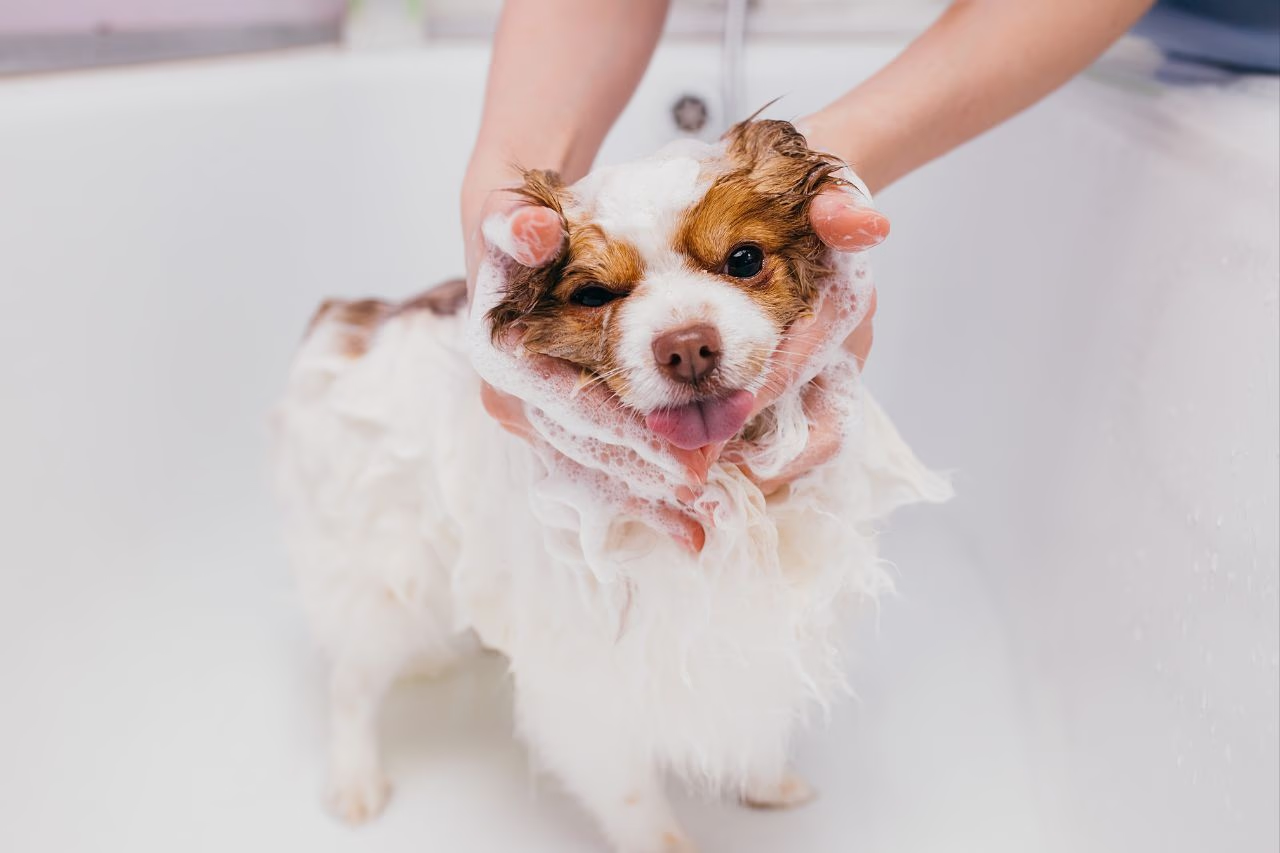
If you have a long-haired dog, first check for any mats and trim if the fur is too long.
The grooming process then follows these steps: nail clipping ⮕ nail grinding ⮕ ear cleaning ⮕ ear hair plucking ⮕ shaving paw pads, belly, and rear ⮕ wetting the body ⮕ shampooing twice (leaving each application on for 5-10 minutes) ⮕ brushing teeth ⮕ rinsing thoroughly ⮕ towel and blow-drying ⮕ minor touch-ups around the eyes ⮕ paw care.
This is the general process for bathing your dog at home. However, if your dog is very dirty, you can bathe them first before proceeding with nail clipping and other grooming activities.
No, dogs cannot use human shampoo.
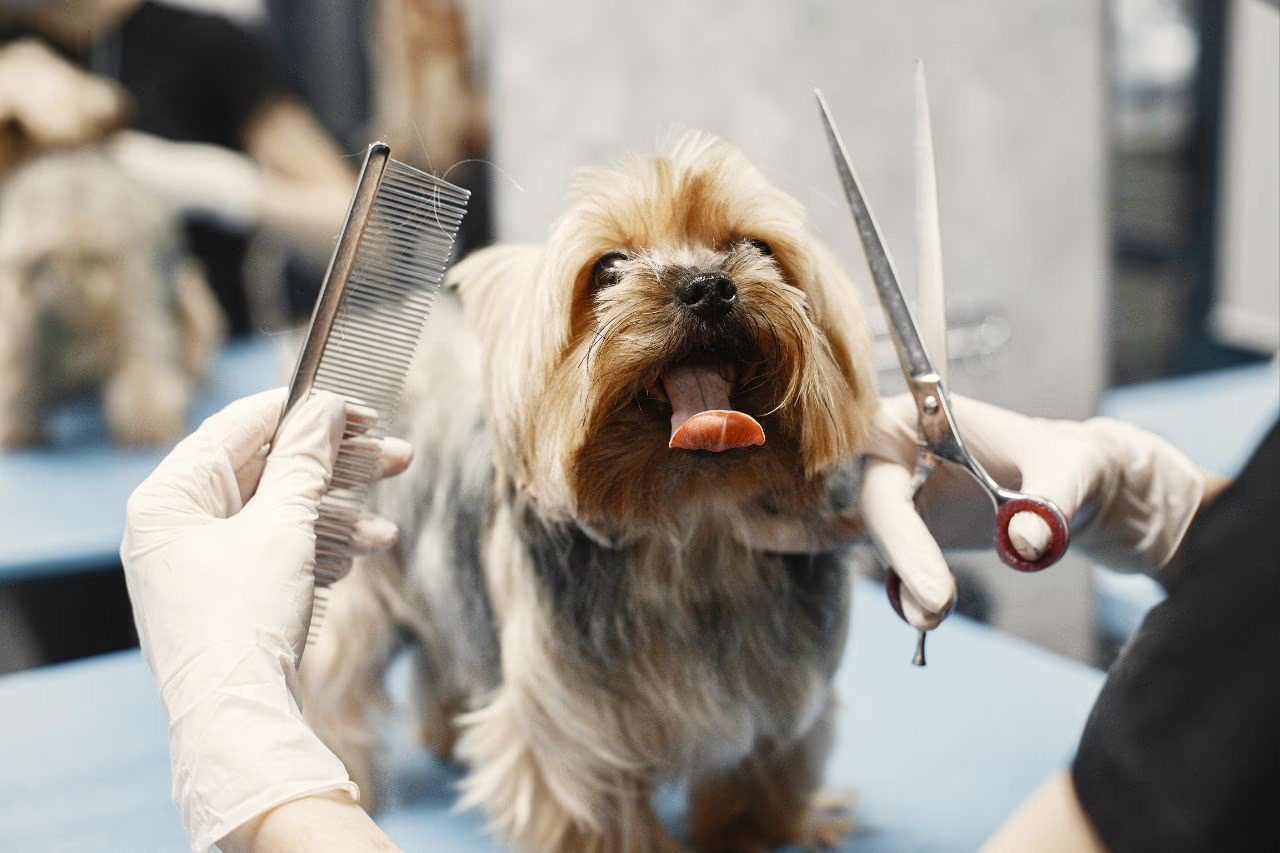
No!
Dogs and cats have different skin layers than humans. Human and pet skin pH, structure, and oil content vary significantly. Human shampoos, in particular, may contain fragrances, dyes, and certain chemicals that can cause dryness, sensitivity, and itching in pets. Therefore, it's essential to choose natural, pet-specific shampoos.
Dogs dislike baths for several reasons.
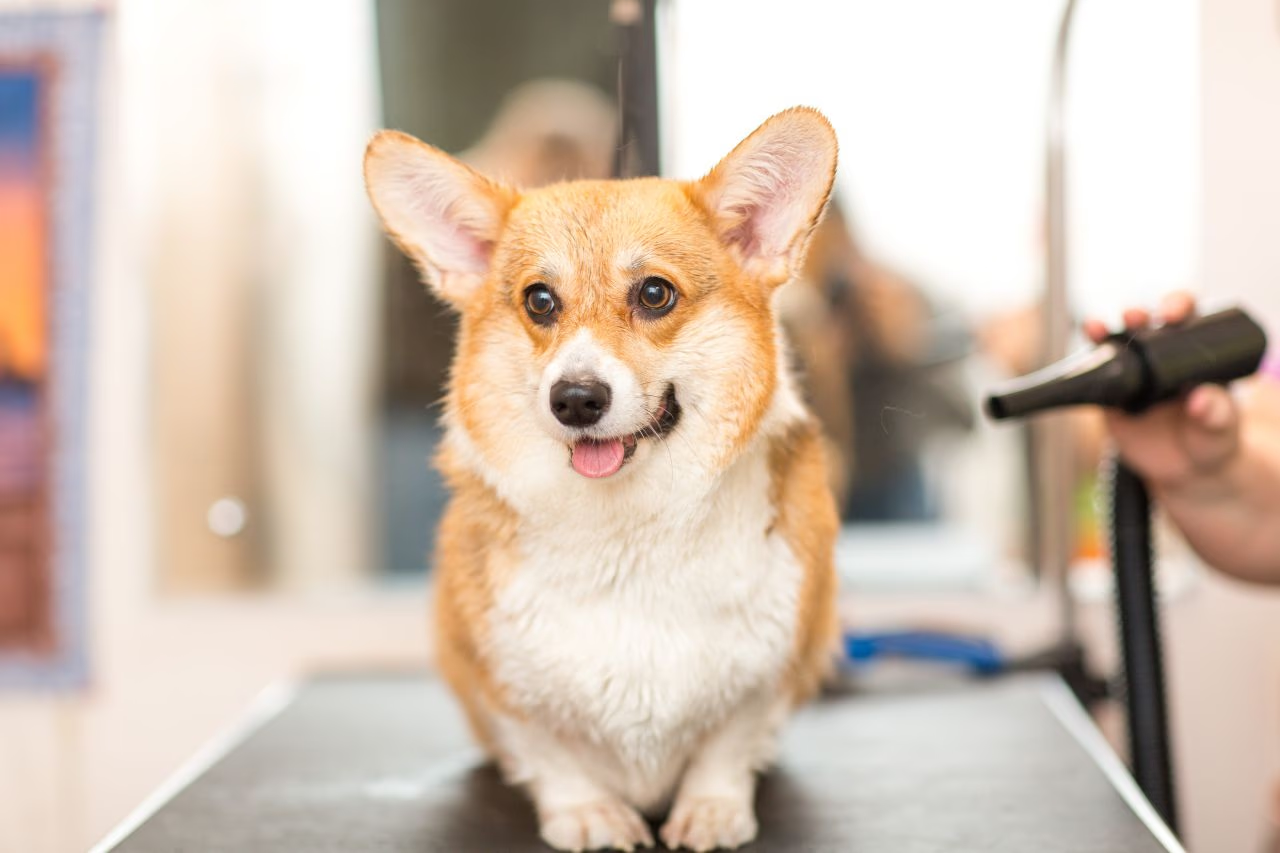
If your dog hates baths, you're not alone. But you can turn things around by understanding why your dog dislikes bath time and then patiently guiding them through the process. Dogs typically dislike baths for three main reasons:
✦Bad memories
Some dogs may have had bad experiences during past baths, such as choking on water or experiencing pain from rough handling.
✦Highly Sensitive People
Some pets may feel anxious or uneasy about the sounds or sudden movements during bathing or blow-drying, or find the scent of pet shampoos irritating.
✦Afraid of water
Some dogs are naturally afraid of or uncomfortable with water.
If your dog bites during bath time, you'll need to take a few steps to address the behavior.
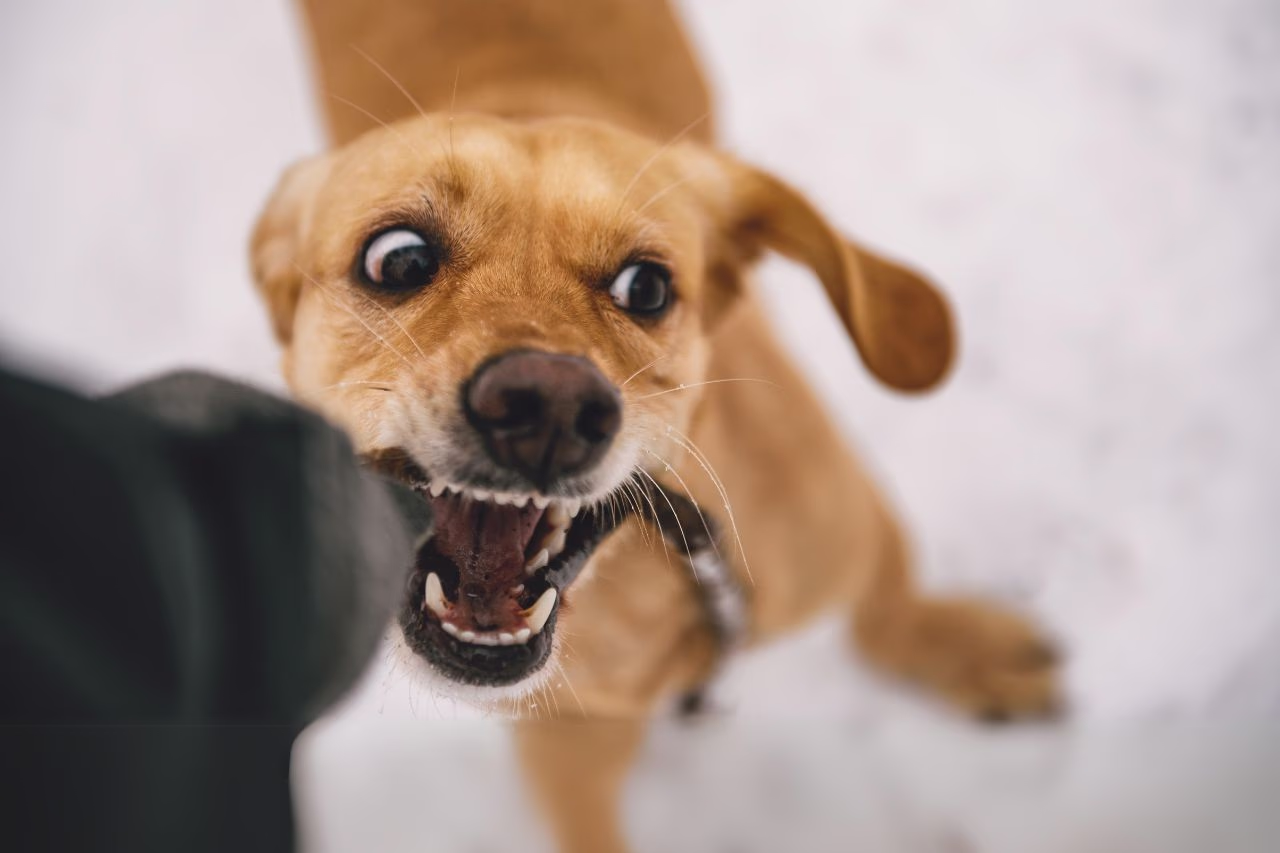
Highly sensitive dogs can become anxious in new environments or during baths, and rough handling can cause pain, all of which may lead to biting during grooming.
If you're taking your dog to an external grooming venue, we recommend observing whether the staff first plays with your dog to help them adapt to the environment and smells. Building an emotional connection and using treats can effectively reduce anxiety and prevent biting during baths.
Dogs may scratch after a bath for several reasons.
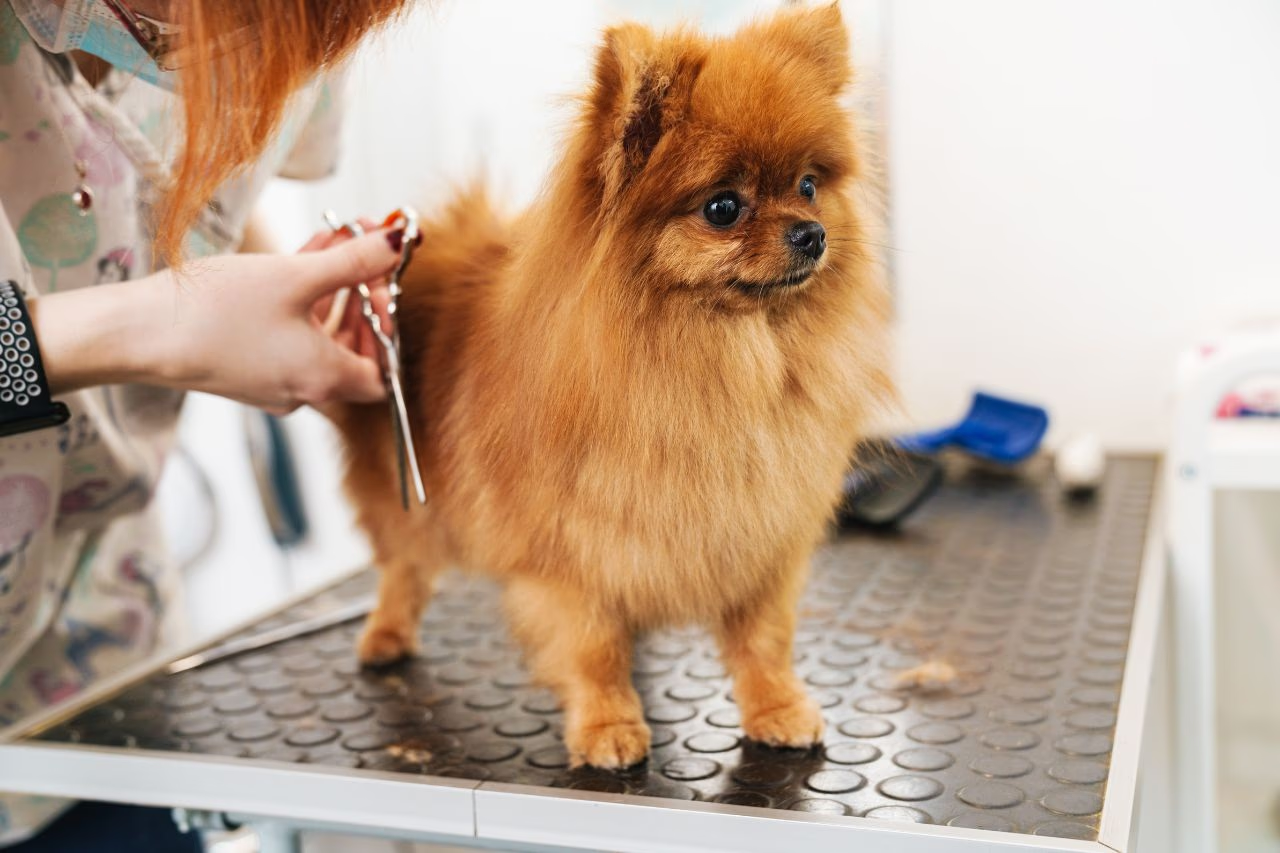
If your dog is still scratching after a bath, first check for any existing skin conditions. If their skin is healthy, the next time, pay attention to whether the shampoo ingredients are causing sensitivity, or if the shampoo was left on too long or used in excess, as these can all lead to your dog feeling itchy.
Final Thoughts
This concludes our dog bathing guide, where Twosevenths invited a professional pet grooming venue to share insights into all things pet beauty.
First-time dog owners should now have a solid grasp of practical knowledge and techniques. From choosing the right bathing frequency and using proper shampoos to avoiding common bathing mistakes, these tips will help keep your beloved dog healthy and clean. If you notice any abnormalities while bathing your dog, we recommend consulting a vet or professional pet groomer promptly to safeguard your family's health!
Don't miss these either
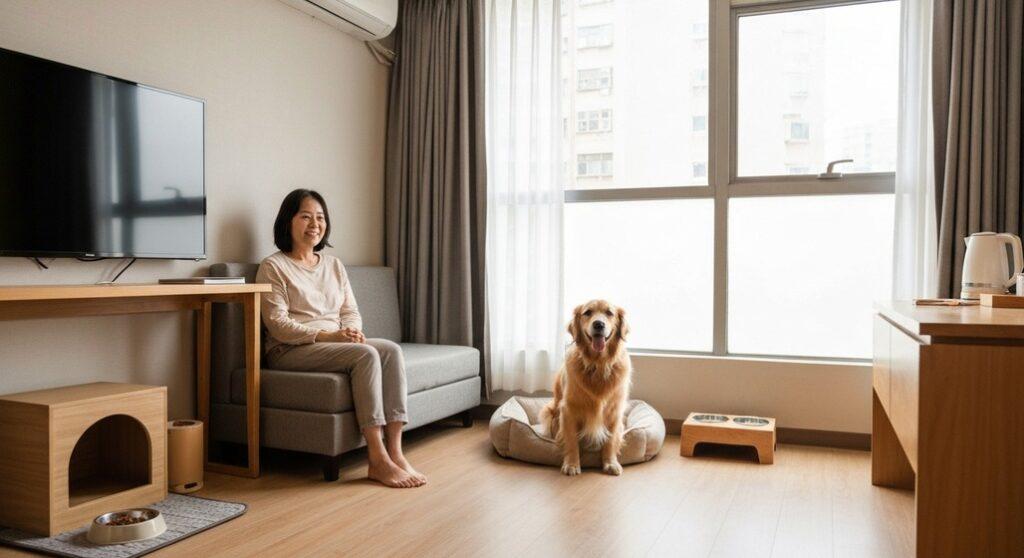
Kaohsiung Pet-Friendly Accommodations|No more boarding your furry friends when you travel! One Kaohsiung pet-friendly inn reviewed.

Taichung Pet Funeral Services: A Gentle Farewell for Your Beloved Pet | One Taichung Pet Funeral Service Reviewed
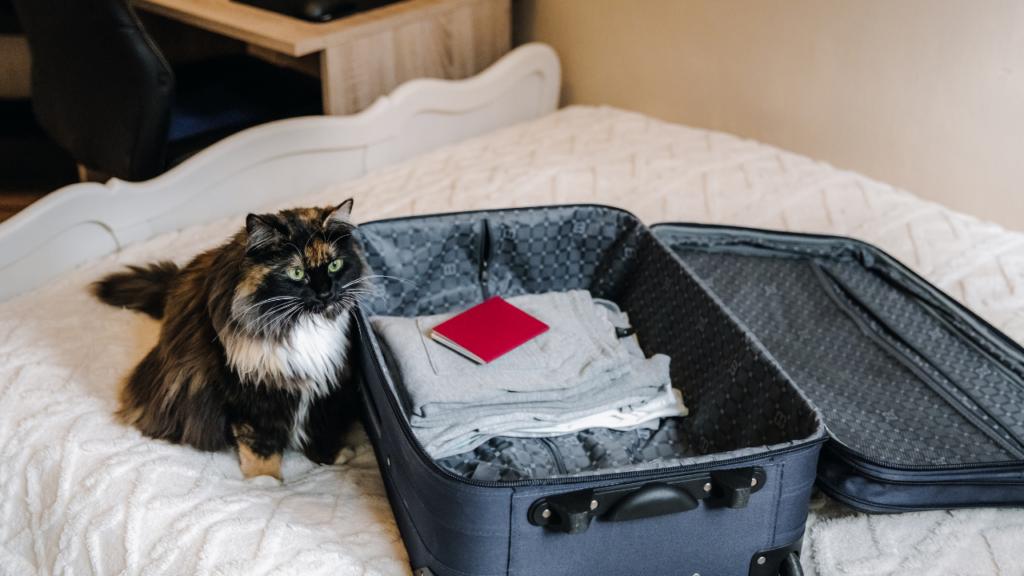
Cat Boarding Checklist|First-Time Pet Parents: What to Know Before Boarding Your Cat

Reader Comments
No comments yet — be the first to share your thoughts.