The Ultimate Ear Piercing GuideAvoid Bad Luck and Scarring: 10 Ear Piercing Taboos and Must-Knows
Ear piercings are a fashion trend for everyone, regardless of gender, adding versatility to any outfit. Many people are curious about getting their ears pierced, but before you decide, it's crucial to understand some essential information. This includes how long you need to wait before changing earrings, whether getting pierced hurts, and important aftercare tips. Knowing these details ensures both style and safety. Twosevenths has compiled a guide to common myths and precautions related to ear piercings, answering 10 key questions for first-timers.
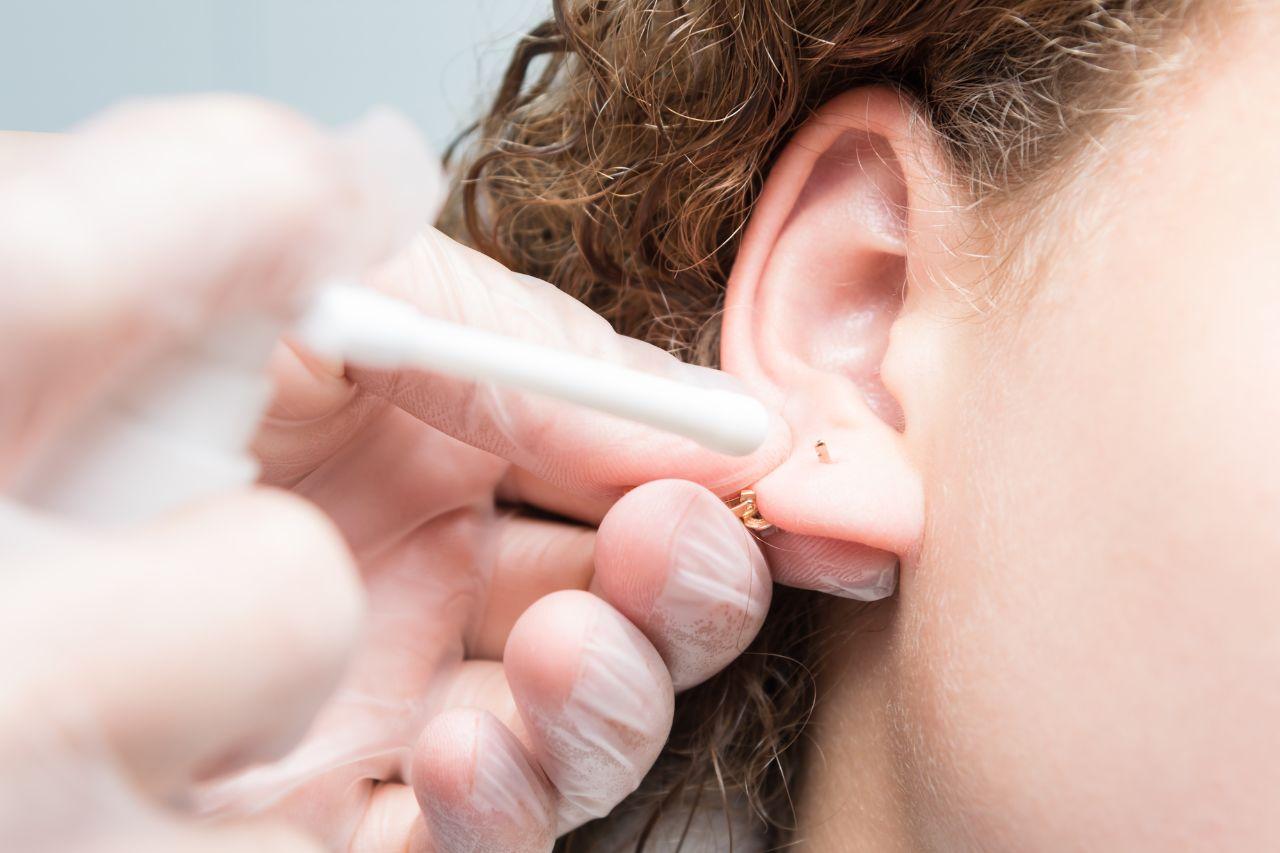
There are two main methods for ear piercing.
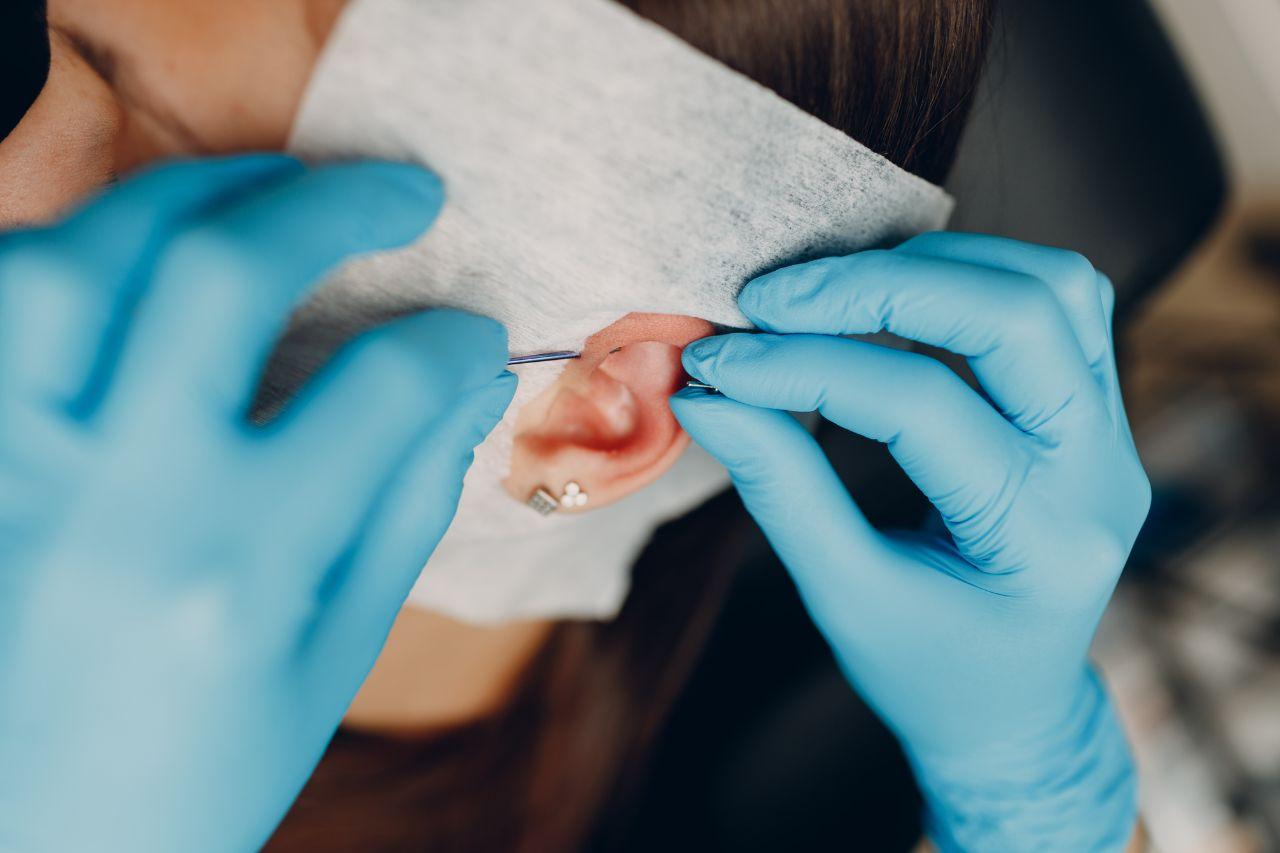
The most common ear piercing methods available today are ear gun piercing, manual piercing, and laser piercing. You can choose the method that best suits your personal preferences and considerations.
✦Ear Piercing
Ear piercing guns are the most common method available, offering quick and simple operation. However, there's a risk of inaccurate placement or hygiene concerns, so choosing the right venue is crucial.
✦Hand-Pierced Earlobes
A few venues and clinics offer ear piercing by hand, using a disposable piercing needle to create the hole in the earlobe. This method relies heavily on the piercer's skill, but the use of a disposable needle ensures hygiene.
✦Laser Ear Piercing
Laser ear piercing is currently only available at medical clinics, where it must be performed by a doctor. This method ensures precise piercing and a low risk of infection, though it is typically more expensive and time-consuming.
Does getting your ears pierced hurt?
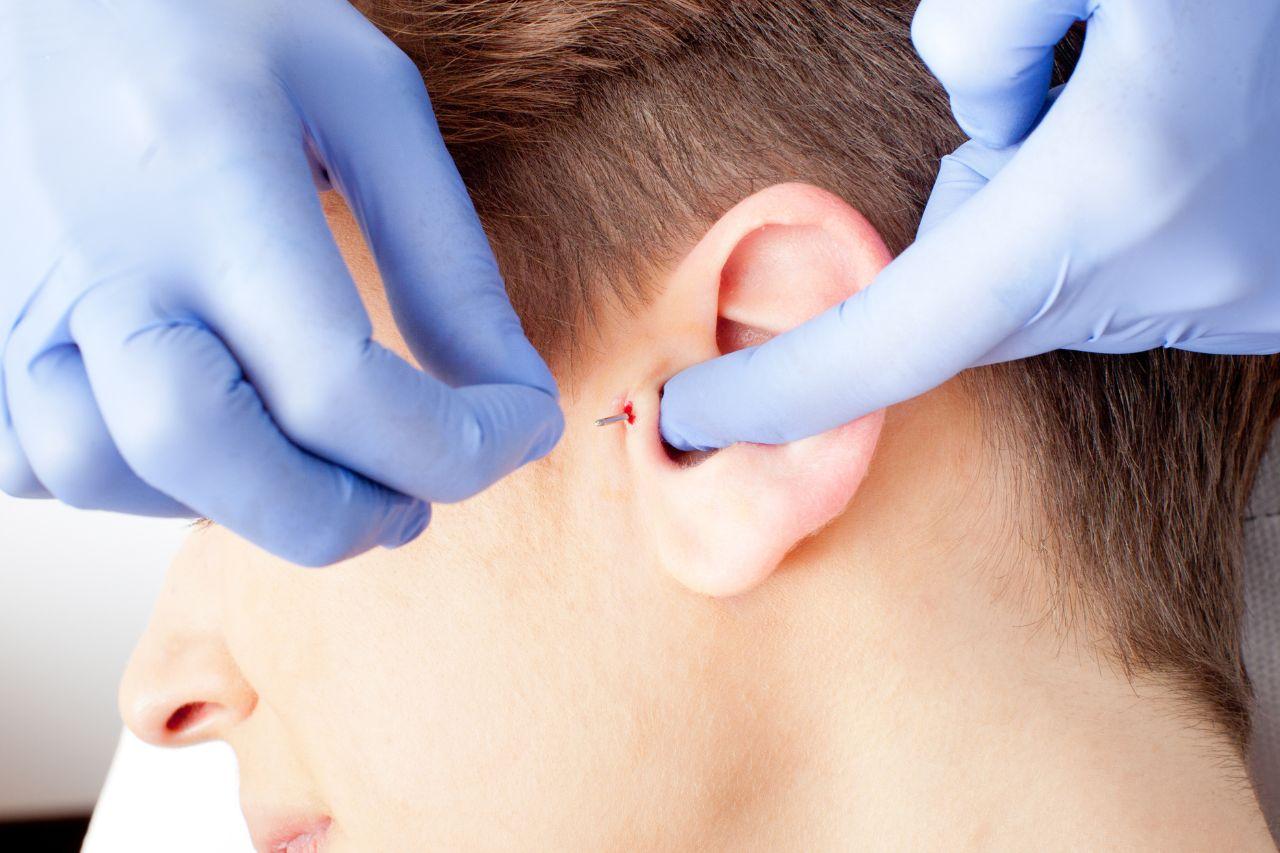
Pain tolerance varies from person to person, so some may feel a sharp sting while others feel nothing at all. Generally, cartilage piercings tend to be more painful, while earlobe piercings, with their fleshier tissue, are less painful and ideal for first-timers. It's normal to experience warmth and swelling within 24 hours of getting a piercing; as long as there's no pus or inflammation, you're good to go!
People with certain medical conditions should not get ear piercings.
Individuals with a history of metal allergies, keloids, autoimmune diseases such as lupus, coagulation disorders, diabetes, or those undergoing dialysis are not recommended for ear piercing. These conditions can compromise the body's resistance, making it difficult for piercing wounds to heal properly.
Additionally, those with myocarditis or heart valve defects should avoid ear piercing, as skin bacteria can easily enter the body through the wound, potentially triggering a flare-up of their condition. It is strongly advised that anyone with chronic or blood-related diseases consult their doctor before getting their ears pierced to ensure their safety.
✦What are the taboos of ear piercing?
Ancient legends say that getting your ears pierced will bring bad luck, financial loss, or even mean you'll be reborn as a woman. But in today's open society, as long as you're healthy, there aren't so many taboos! As long as you're happy and not bothering anyone, ear piercings open up a world of fashionable styling options.
If you're truly concerned about those old piercing taboos, there are plenty of clip-on or magnetic earrings available. However, since they clip or stick to your ears, they can often become uncomfortable after extended wear.
Here's how to care for your new ear piercing:
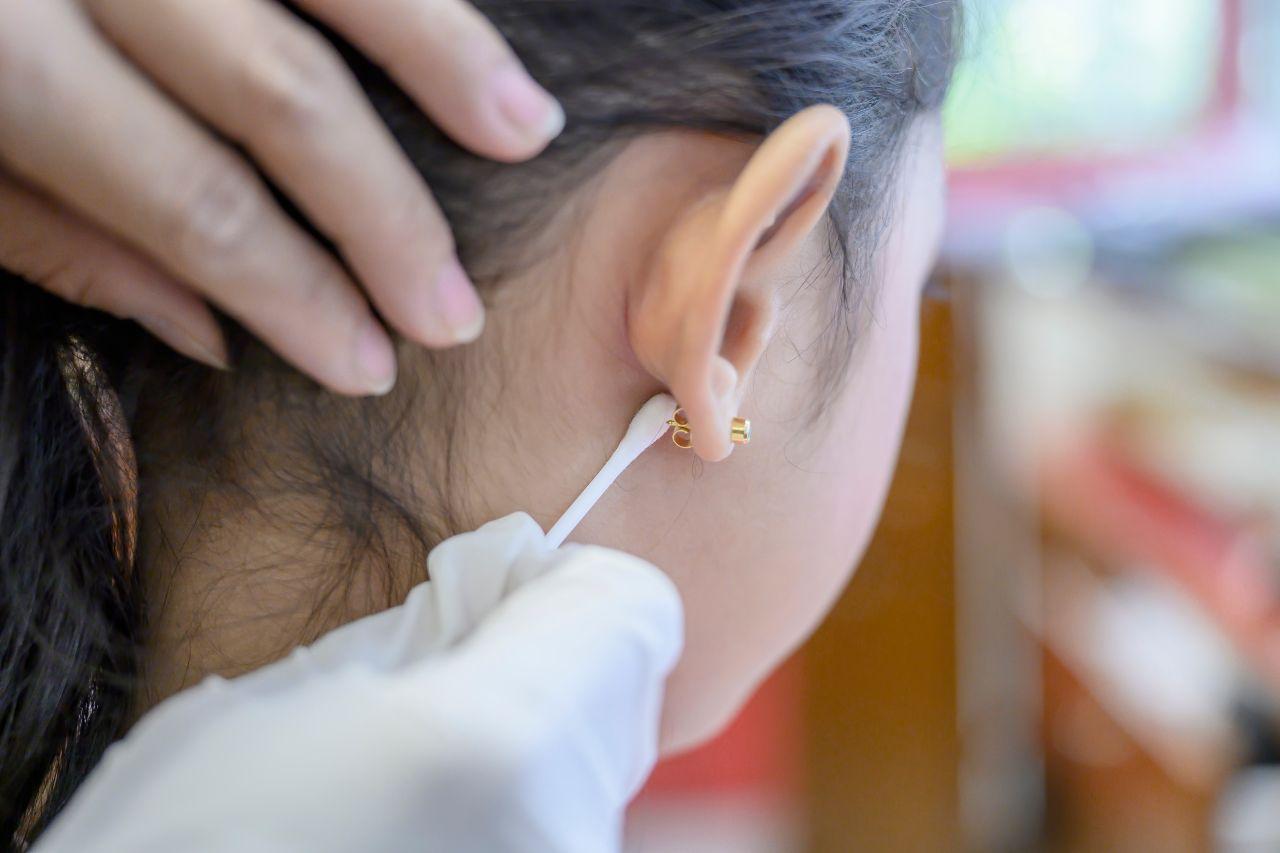
After getting your ears pierced, you can shower and sleep normally, but after contact with water or showering, you must first dry the piercing and then use a hairdryer on a cool setting to dry the ear area. Keep it dry, avoid pulling, and always wash your hands before touching the area around the piercing to ensure hygiene. If you're wearing medical-grade steel studs, they won't stick to your skin, so there's no need to rotate the piercing.
✦How to Clean Your New Piercing
If you're particularly concerned about cleanliness, you can regularly clean the area around your ear piercing with alcohol or saline solution; for sensitive skin, saline solution is recommended. However, be aware that you should avoid swimming or other water sports for two weeks after getting your ears pierced to prevent hindering the healing process!
What are the risks of getting your ears pierced?
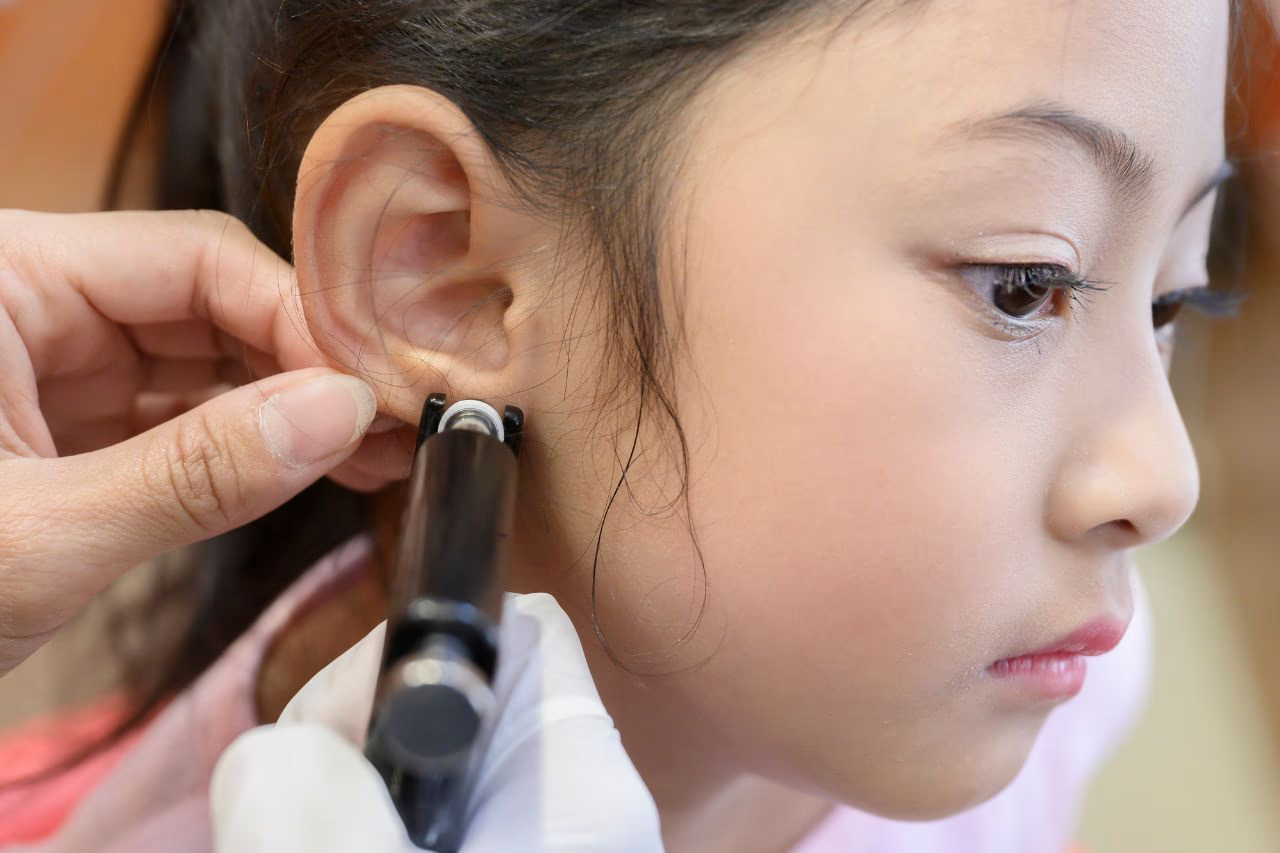
Ear piercing is generally safe, but there are potential risks and side effects such as infection, allergic reactions, or rejection. To minimize these issues, it's best to choose a qualified venue. If you experience any unusual symptoms after piercing, such as redness, pain, or discharge, seek immediate medical attention to prevent further complications.
You can change your earrings after your ear piercing has fully healed.
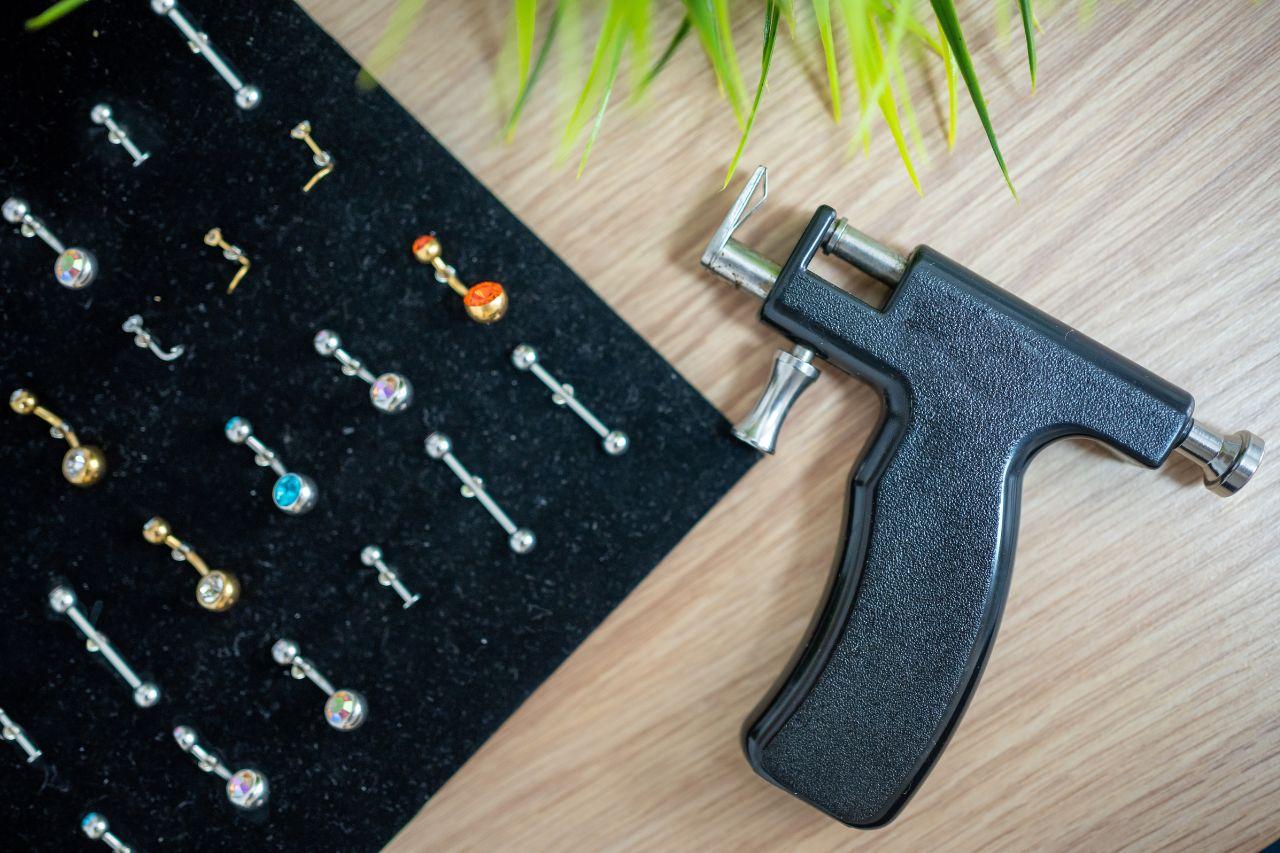
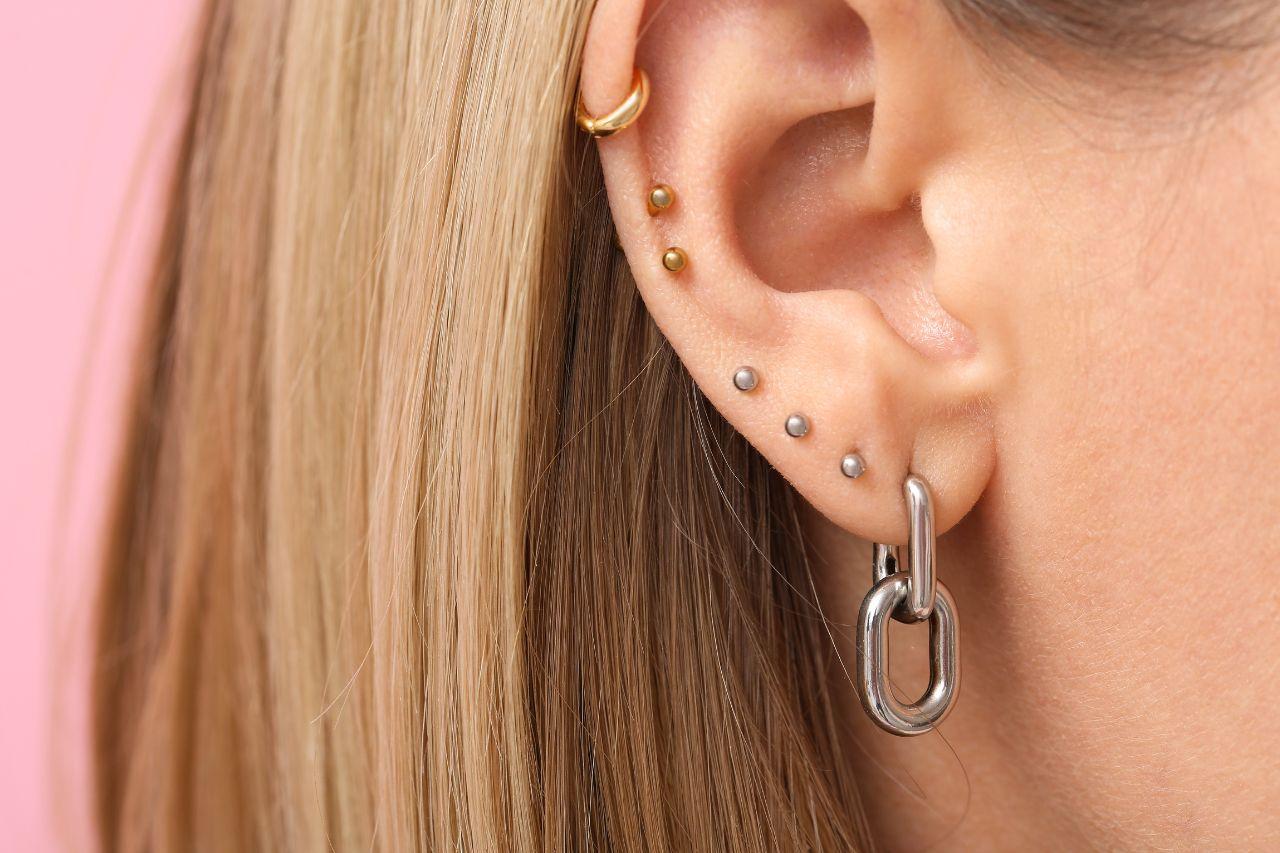
For earlobe piercings, you can change your earrings in about a month. For cartilage piercings, you'll need to wear medical-grade steel studs for three months until the piercing is fully formed before switching to regular earrings.
Choosing the right earring material for a new piercing is crucial.
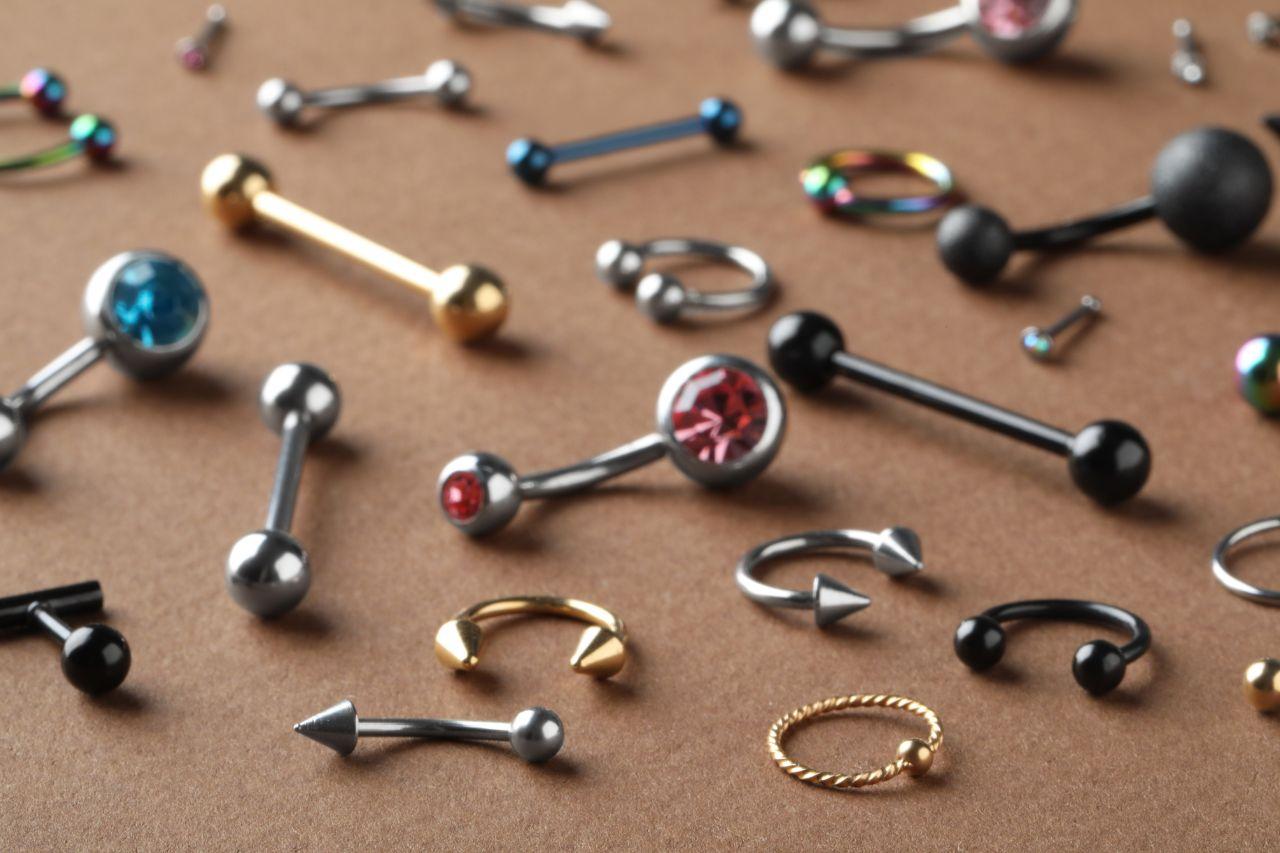
After getting your ears pierced, it's generally recommended to wear earrings made of either sterling silver or medical-grade stainless steel. Both materials are highly hypoallergenic and less likely to cause ear irritation.
✦Sterling Silver Ear Piercing Earrings
Sterling silver is a common material for earrings, often referred to as 925 sterling silver, meaning it contains 92.5% pure silver and 7.5% other metal alloys. Sterling silver earrings are typically affordable and less likely to cause allergic reactions.
✦Medical-grade steel earrings
Surgical steel, also known as 316L steel, is used in many medical products like bone screws and braces due to its rust-resistant and wear-resistant properties. Because it's used in so many medical devices, it's also the most hypoallergenic material for earrings.
The key difference between professional piercing studios and general piercing venues lies in their approach to safety and hygiene.
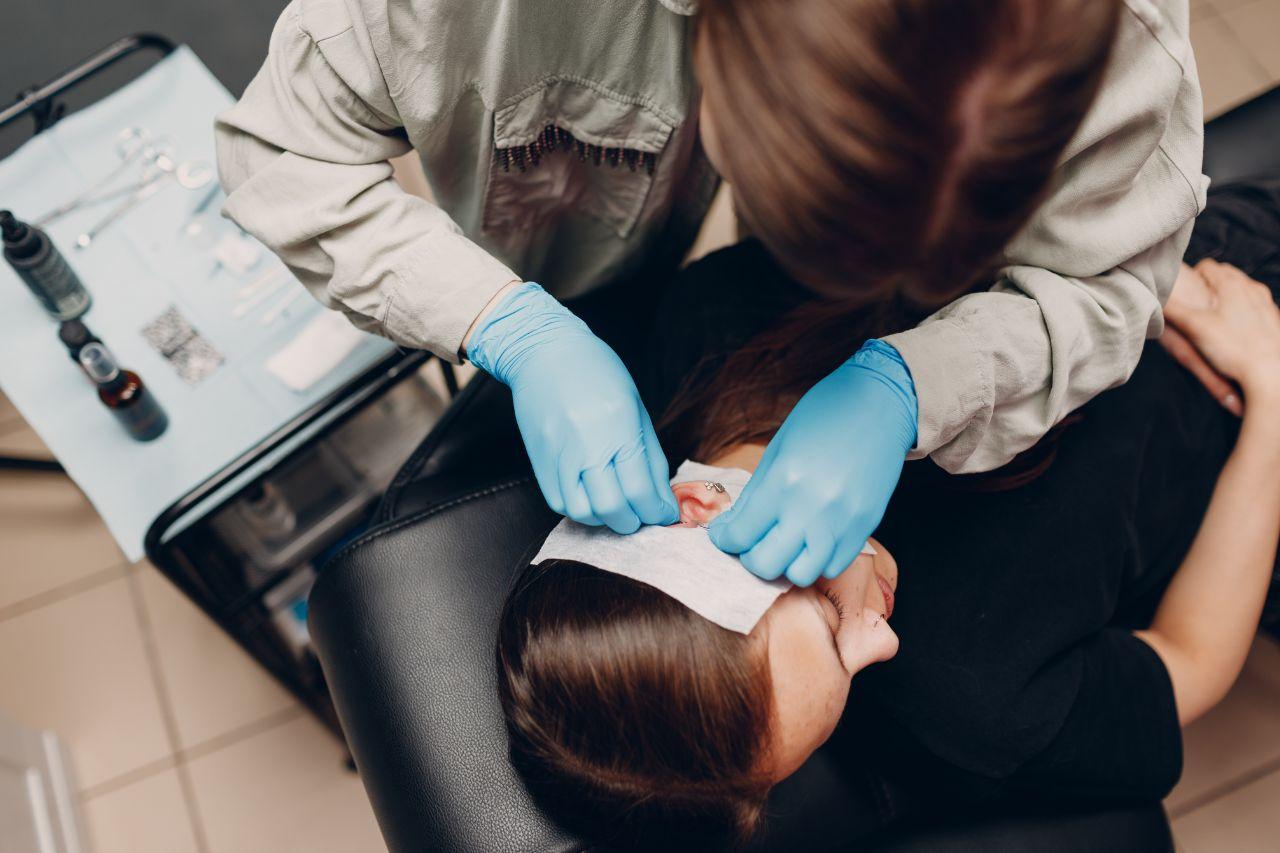
Choosing a venue for ear piercing requires careful consideration, as the piercer's skill, hygiene, and service quality all impact the outcome. Never compromise on these factors to save money, as it could lead to ear damage. When getting your first ear piercing, consider these six aspects to help you choose the right venue:
✦Professional Certifications and Qualifications
Ensure the chosen venue has safety and hygiene guarantees, and that staff have received professional training. This ensures they possess sufficient knowledge and skills to perform the piercing process and handle any unexpected situations.
✦Hygiene
Hygiene is paramount, encompassing the venue's cleanliness, sanitation protocols, and the hygienic condition of all tools and materials used. Poor hygiene can significantly increase the risk of infection and other health concerns.
✦Equipment and Tools
Ensure the venue uses professional-grade ear-piercing tools and equipment that are properly sterilized and cleaned; never accept piercing with old or unsterilized tools.
✦Reviews and Word-of-Mouth
Before choosing a venue, check its online reviews and reputation on platforms like Google and Dcard. Understanding other customers' experiences and feedback can help you assess the venue's credibility and service quality.
✦Piercer Experience and Technique
Prioritize piercers with extensive experience and professional expertise, as they can provide more accurate, swift, and safe piercing services, and are equipped to handle any potential issues that may arise.
✦Services and Pricing
While the price of an ear piercing is an important factor, it shouldn't be the only consideration, as costs vary depending on the materials, size, and services offered.
Here are some recommended venues for ear piercings.
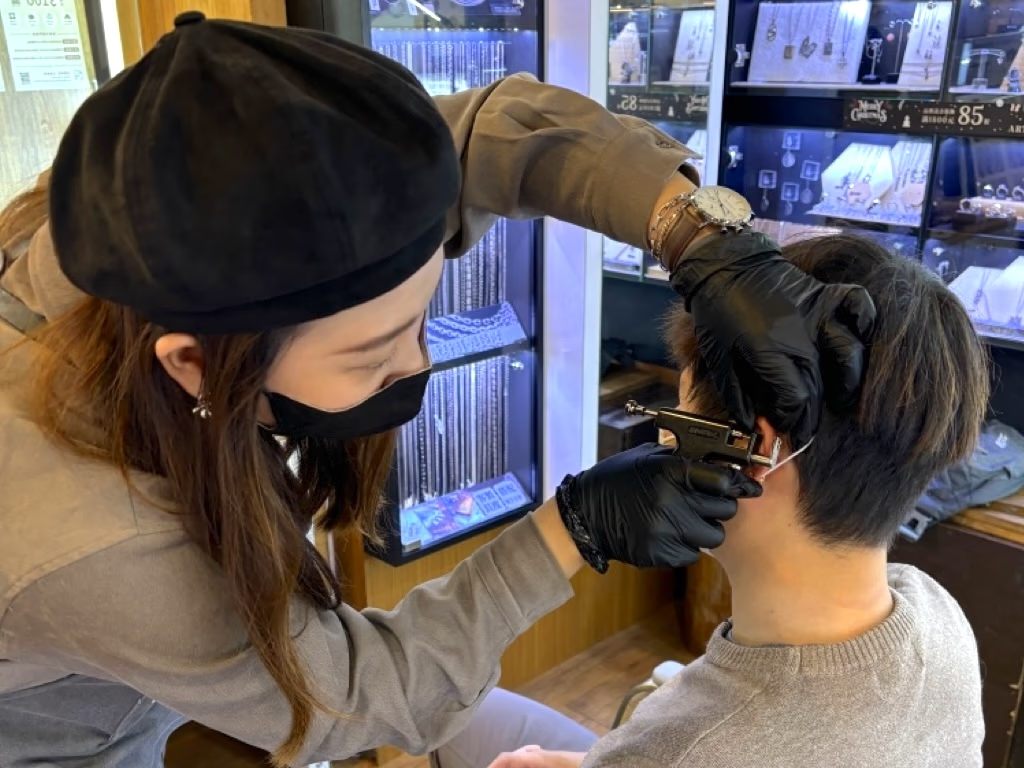
ART64, with venues across Taiwan, is renowned for its professional ear piercing service. ART64 uses STUDEX professional equipment from the US, which meets FDA and EU EC inspection standards, ensuring impeccable hygiene. The STUDEX earrings provided after piercing are medical-grade and hypoallergenic, with each pair individually sterilized and packaged for complete peace of mind.
After your piercing, ART64 also provides a comprehensive aftercare kit, including alcohol swabs, saline solution, and cotton swabs — a thoughtful touch. The venue even carries Shin Kong product liability insurance, covering every concern a piercing novice might have. Should you have any questions about your piercing or need help choosing earrings later on, you can visit any ART64 venue for assistance!
While you're here, check these out ↓
Ear piercing prices range from NT$300 to NT$1,000.
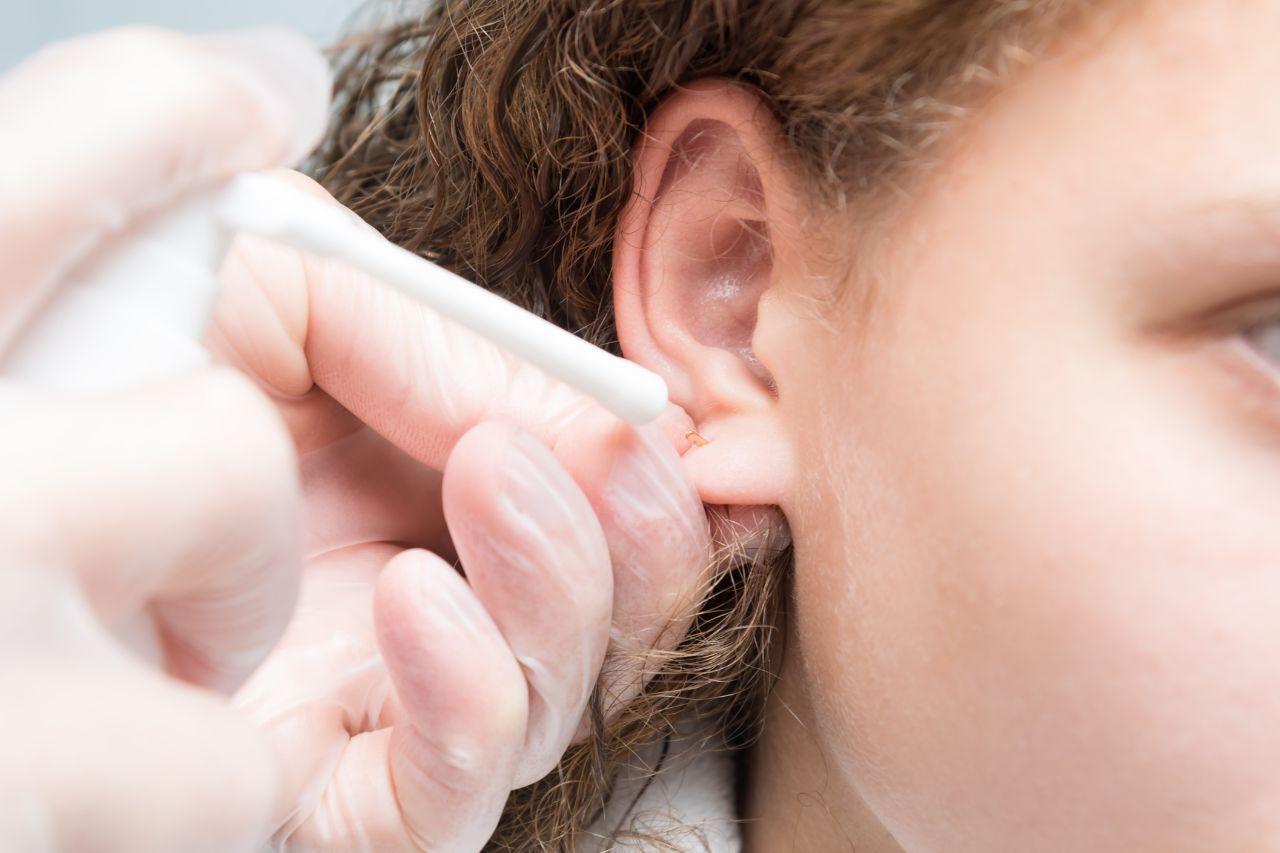
Ear piercing prices vary widely, ranging from $200 to $1,600. Night market or street vendors typically charge under $500, while professional piercing venues charge $500 or more, sometimes exceeding $1,000. This significant price difference is due to several factors.
Beyond variations in hygiene, service, equipment, and technique, the cost of the earrings themselves after the piercing also plays a major role. Venues that provide high-hypoallergenic materials like sterling silver or medical-grade stainless steel will naturally have higher prices.
Final Thoughts
This is Twosevenths' beginner's guide to ear piercing, covering 10 essential tips for first-timers, including precautions, taboos, how long to wait before changing earrings, and even recommended venues. If you've been eyeing beautiful earrings but lack the piercings to show them off, we hope this article answers all your questions and helps you feel more beautiful and confident!
Beyond ear piercings, we know beauty enthusiasts are also interested in other beauty services! We recommend checking out our mystery shopper guides to body spas, nail salons, lash extensions, scalp care, and teeth whitening to enhance your beauty even further.
Don't miss these either

Jiaoxi Hot Spring Private Baths: Relax and Recharge! A Review of 3 Top Venues
Taichung Dragon Tendon Massage: Privacy and cleanliness combine for a truly relaxing, stress-free experience! We review one top venue.

Handsome Guy Beauty Review|Gentle care from head to face! An affordable and therapeutic botanical essential oil massage experience

Reader Comments
No comments yet — be the first to share your thoughts.