Whey Protein ExplainedConcentrates, Isolates, and Hydrolysates: Your Top 10 Protein Questions Answered
Whey protein is a popular supplement, but with so many types and brands, it's easy to get confused. Twosevenths offers the most comprehensive guide to recommended protein powders, answering 10 common questions about whey protein, including what it is, the difference between whey protein concentrate and isolate, the various types available, whether added "cool" ingredients are truly beneficial, and popular recommended brands.

What is whey protein?
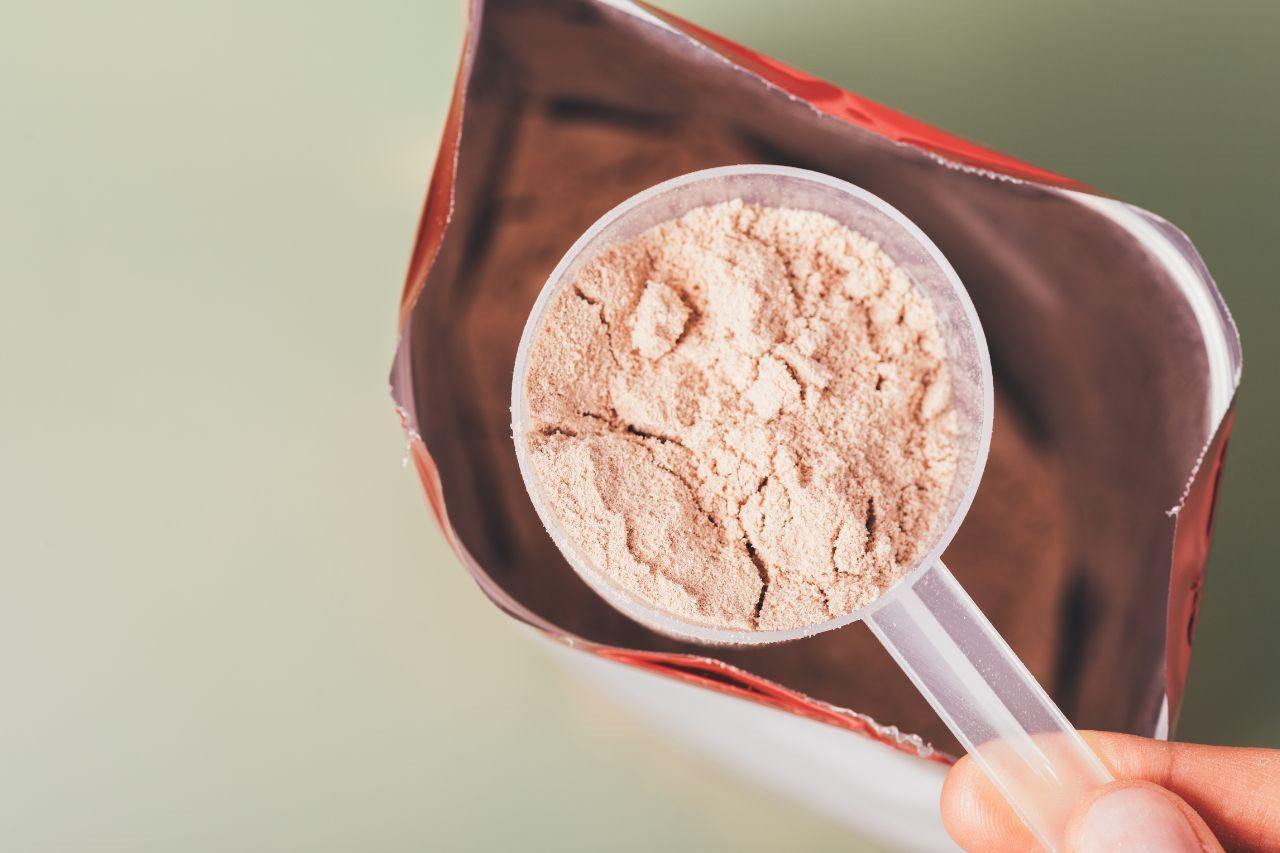
Milk protein is primarily divided into two categories: 80% casein and 20% whey. During the cheese-making process, rennet is added to milk, causing the casein to coagulate. The remaining liquid is mostly whey. Historically, whey was considered an unimportant byproduct of cheese production. However, it was later discovered that whey is rich in diverse proteins, including alpha-lactalbumin, beta-lactoglobulin, bovine serum albumin, immunoglobulins, and lactoferrin. These proteins are easily absorbed and utilized by the human body and are highly nutritious. This discovery led to the development of the common whey protein products we see today.
There are three main types of whey protein.
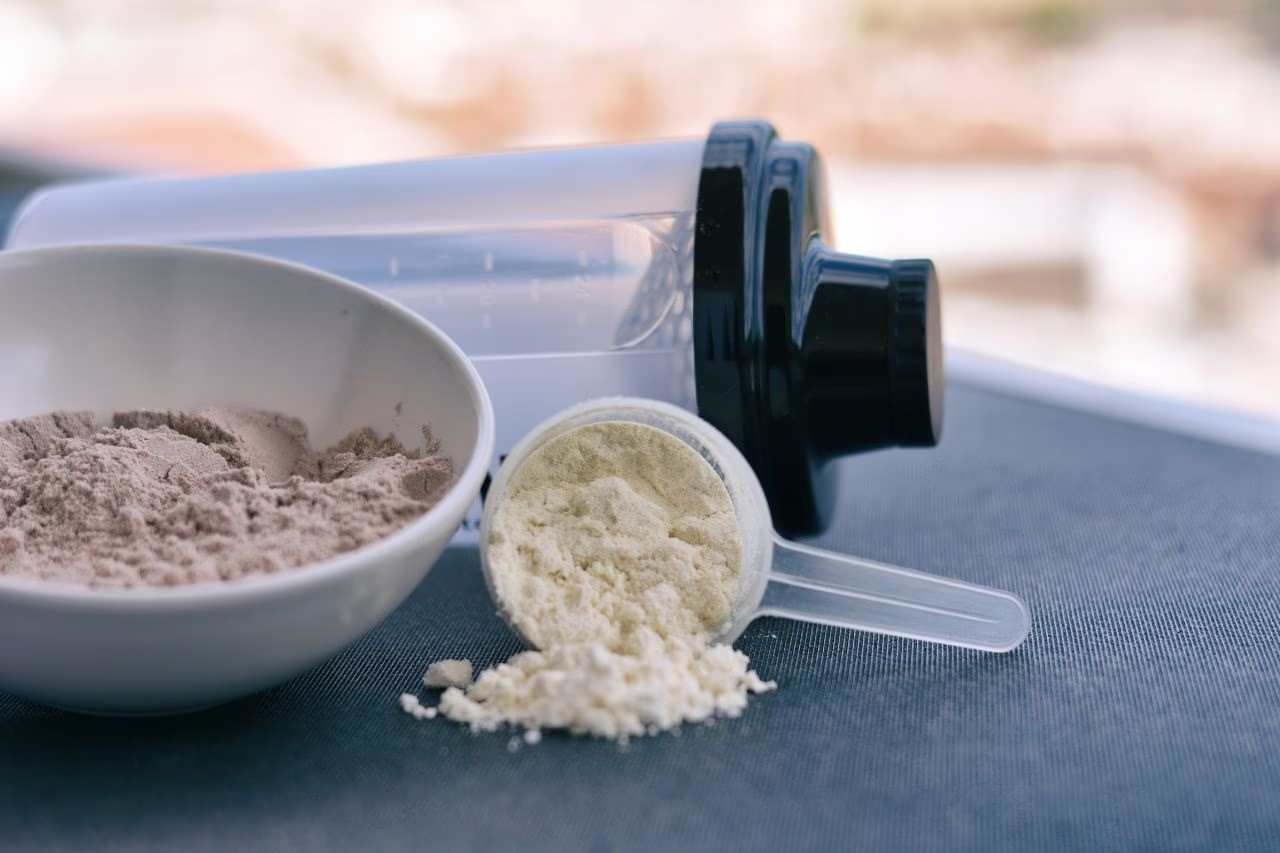
Raw whey typically contains about 0.3% fat, 0.8% whey protein, 4.9% lactose, 0.5% minerals, and 93.5% water, though these proportions can vary depending on the processing and milk source. The most common product, Whey Protein Concentrate (WPC), is created by separating whey using specialized membrane filtration techniques. WPC usually has a protein content of 66% to 80%, along with lactose, fat, and minerals.
Because whey retains a high amount of lactose from milk, advanced techniques can be used to remove lactose from the whey and further concentrate the protein, resulting in Whey Protein Isolate (WPI). WPI has extremely low carbohydrate and lactose content, making it particularly suitable for individuals with lactose intolerance. Additionally, if enzymes are added to pre-hydrolyze whey protein into smaller "peptide" molecules, the protein powder is broken down into smaller molecules before it even reaches the digestive system, allowing for more efficient absorption. This process creates the more expensive Whey Protein Hydrolysate (WPH).
✦Whey Protein Types Chart
| Whey Type | Whey Protein Concentrate | Whey Protein Isolate | Hydrolyzed Whey Protein |
| Characteristics | Extracted from milk, the most common type of whey protein | Whey protein with lactose and carbs filtered out, suitable for those with lactose intolerance | Enzymes added, pre-hydrolyzed for smaller, more easily absorbed protein molecules |
| Protein Ratio | 70-80% | Over 90% | Over 90% |
| Lactose Ratio | 1-5% | 0.5% | 0-0.5% |
| Fat Ratio | 1-9% | 0.5-1% | 0.5-8% |
| Absorption Speed | Slow | Medium | Fast |
| Processing Level | Low | Medium | High |
| Price | Low | Medium | High |
The benefits of drinking whey protein include:

Whey protein is essentially just protein, and some might wonder why they need to supplement it when they can get protein directly from meat and milk. However, not all proteins are created equal. Here are some of the benefits and effects of whey protein:
✦Fast-absorbing
The fundamental difference between whey protein and casein, both found in animal milk, lies in their absorption rates. Casein molecules are larger and solidify in the stomach when they interact with rennet, leading to slower absorption and release into the bloodstream. Whey protein, on the other hand, consists of smaller molecules that are highly water-soluble and easily absorbed by the human body.
Studies indicate that whey protein is digested within one to two hours after consumption, while casein takes approximately six to eight hours. These distinct characteristics make whey protein powder particularly suitable for post-workout consumption, as it can quickly replenish protein levels.
✦Helps build muscle
All muscles in the human body are made of protein. After exercise and training, the body expends a lot of energy and urgently needs carbohydrates and protein to help repair the body and promote muscle growth. Whey protein is an excellent substitute for this, quickly replenishing energy deficits.
✦Body Restoration
It's not just after exercise; when your body is in a weakened state (such as after surgery or injury), it also needs a significant amount of protein to repair tissues. That's why doctors often recommend increasing protein intake after a major illness—it can accelerate wound healing and shorten recovery time. Whey protein can help you meet your protein needs when your appetite is low and you can't get enough from food alone.
✦As a nutritional supplement
Taiwanese diets tend to be heavy in carbohydrates and fats, with protein intake often falling short. For those engaged in athletic training, consuming up to 2 grams of protein per kilogram of body weight daily can be quite challenging to achieve through food alone. Therefore, supplementing with whey protein as a nutritional boost can be highly beneficial for both daily life and exercise routines.
When should you drink whey protein?

The hour after a workout is a golden window for nutritional replenishment. During this time, it's recommended to consume carbohydrates and protein in the specified ratio and total protein amount to maximize the body's recovery.
Additionally, before bed is an excellent time to supplement protein. A typical serving of around 25-30g of protein can help your body continue to receive nourishment during sleep. Since casein protein is suitable for pre-sleep supplementation, consider adding some milk when preparing your whey protein shake to boost your casein intake. Adding soy milk is also a good option for supplementing with plant-based protein.
It's best to mix whey protein with foods that are rich in carbohydrates and healthy fats.

Many studies suggest a carbohydrate-to-protein ratio of 3-4:1 for maximum absorption. For example, after a morning workout, you could grab 100-150g of roasted sweet potato from a convenience store along with a serving of protein powder for breakfast. The reason is that if carbohydrate intake is insufficient, the body tends to use protein for fuel rather than for repairing tissues. At the same time, protein is a less efficient energy source and won't generate enough heat for the body, ultimately leading to suboptimal results. Therefore, remember not to just drink protein powder and forget to replenish carbohydrates.
The recommended daily intake of whey protein is 20-40 grams.
The recommended daily protein intake is typically calculated based on an individual's weight and activity level. Generally, it can be categorized as follows:
- Normal Activity Level: Consume 0.8g-1.2g of protein per kilogram of body weight daily. This applies to most general individuals.
- Moderate Activity Level: Consume 1.2g-1.6g of protein per kilogram of body weight daily. This is suitable for individuals who require higher protein intake, such as those with sarcopenia, middle-aged and older adults preventing muscle loss, pregnant women, teenagers, and people with regular exercise habits.
- High Activity Level: Consume 1.6g-2.0g of protein per kilogram of body weight daily. This is recommended for fitness enthusiasts, endurance athletes, professional athletes, and similar groups.
✦We recommend consuming whey protein once or twice a day.
If you're getting enough nutrients from your meals but still have a protein deficit that requires whey protein supplementation, it's best to take a set amount of whey protein between meals, typically 1-3 times a day. Individuals with specific health conditions should follow their doctor's or nutritionist's advice.
However, keep in mind that the human body can only digest 20-30g of protein at a time, so a single small packet or one scoop of protein powder is usually sufficient for a single serving. If you're taking it in the afternoon, consider pairing it with fruit for a healthy boost of minerals and vitamins.
How to Mix Whey Protein
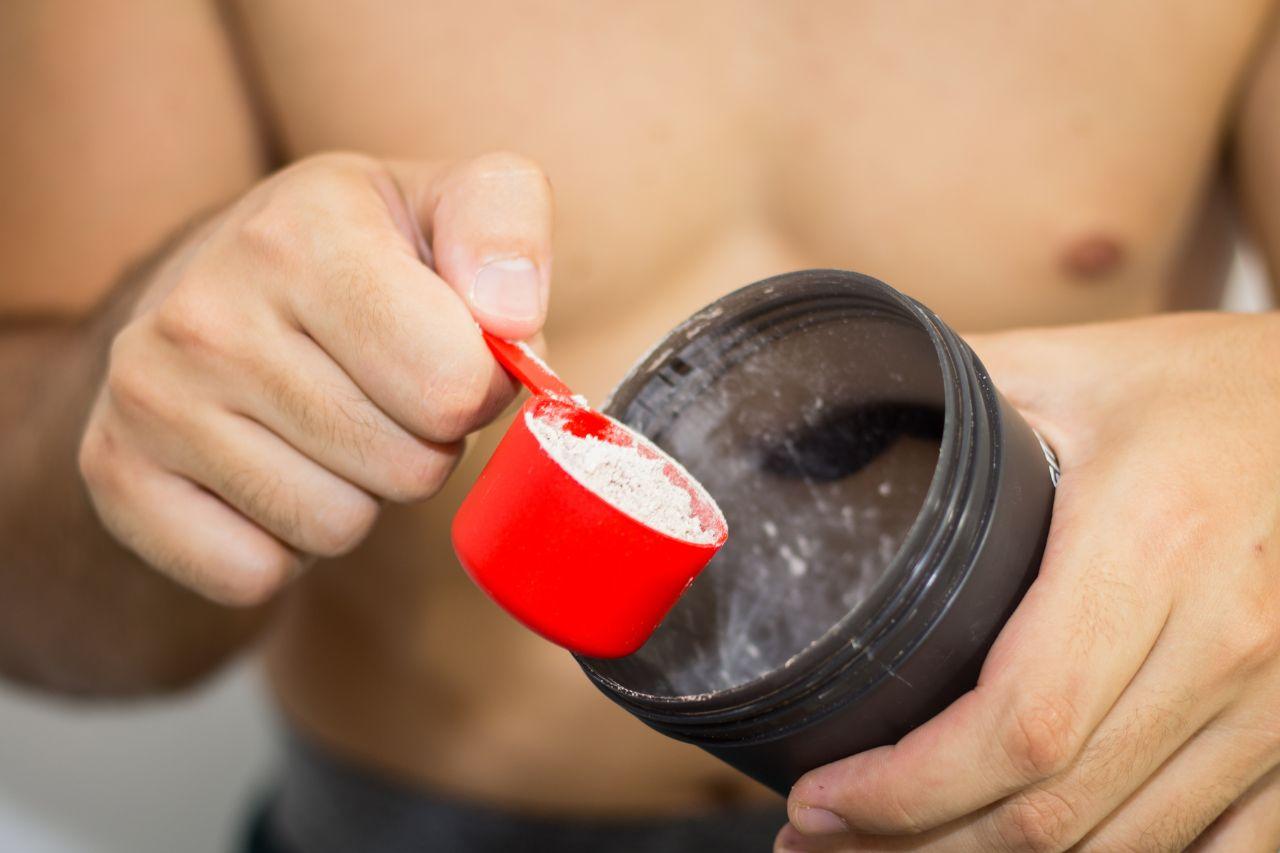
When preparing whey protein powder, it's best to use water below 40 degrees Celsius or cold water, and always pour the water into the cup before adding the protein powder. Standard concentrated whey protein often has lower solubility and can clump easily. To prevent this and improve mixability, consider using a shaker bottle with a mixing ball to ensure the protein powder and water are thoroughly combined, enhancing palatability.
What are the side effects of whey protein?
Whey protein offers numerous benefits, but you may have heard rumors that high-protein diets can harm the kidneys. In fact, for individuals with normal kidney function, a high-protein diet poses no risk. However, for those already suffering from high blood pressure, high blood sugar, high cholesterol, or kidney disease, the kidneys may not be able to efficiently metabolize and reabsorb protein. Therefore, these individuals should avoid excessive protein intake. Twosevenths strongly advises anyone in this group to seek professional guidance from a doctor and nutritionist to prevent further kidney deterioration. For those on long-term high-protein diets, annual health check-ups are also recommended to monitor kidney health!
Here's what to look for when choosing whey protein.
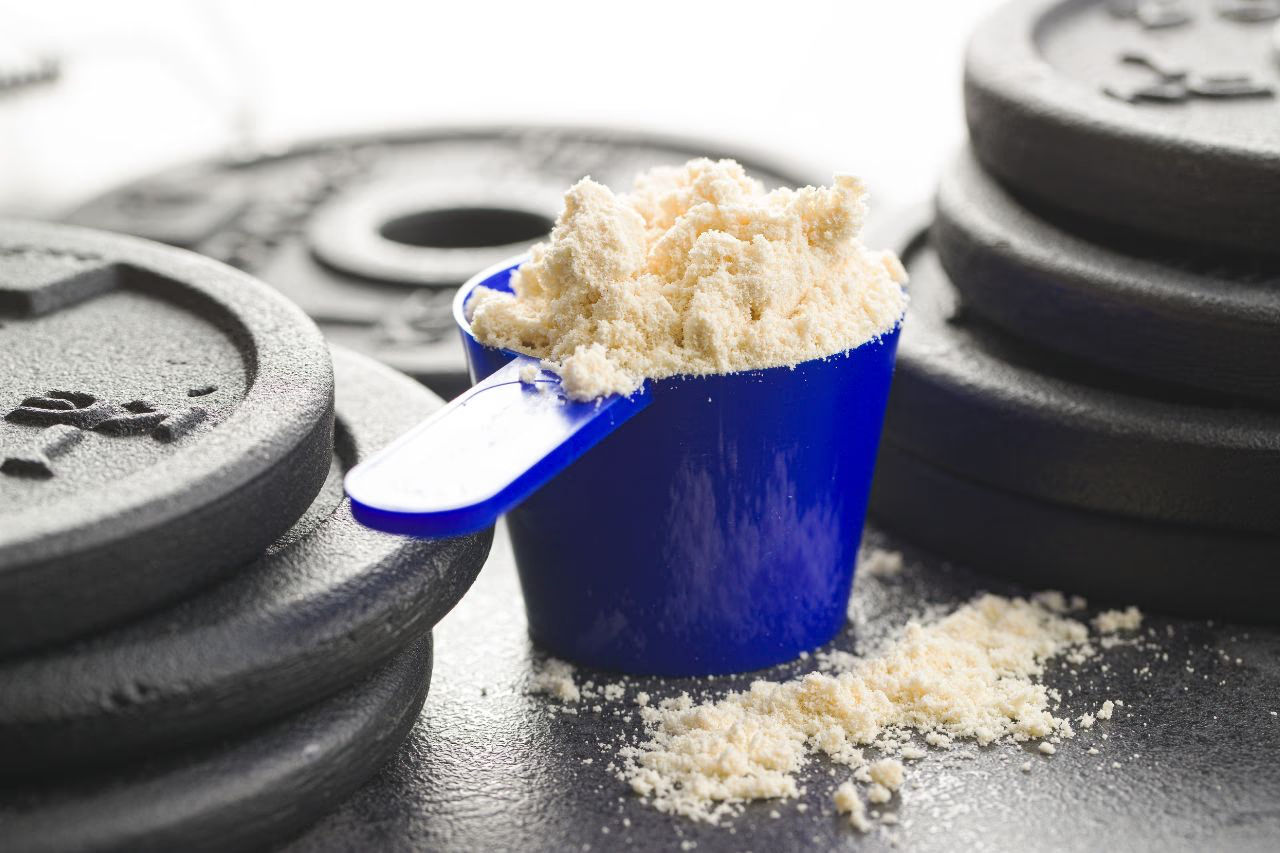
With so many types of whey protein available, finding the right brand for you can be a challenge. Twosevenths offers the following recommendations:
✦Protein Content
Protein content varies slightly across different types, with hydrolyzed whey protein generally having more than isolate, which in turn has more than concentrate. However, this isn't absolute; always check the specific product's ingredient label for precise information.
✦Solubility
Another key factor is how easily the whey protein powder dissolves, ensuring you don't end up with clumps. Fortunately, most recommended protein powders mix easily with water when using a shaker bottle. If you don't have a shaker bottle, we suggest trying smaller packets of whey protein powder first to test its solubility.
✦Other Beneficial Ingredients
BCAAs have gained significant recognition in sports science in recent years. This is a collective term for three branched-chain amino acids, which are essential for muscle repair. Therefore, in addition to protein content, the presence of BCAAs is an important consideration. Some brands also include other ingredients like papain and probiotics to aid digestion, or fiber to promote gut motility.
✦Palatability
With an ever-growing array of whey protein flavors, a key factor in choosing a brand is finding one that tastes good enough to finish a whole glass without feeling nauseous. Twosevenths also recommends that consumers try new flavors with small sample packs first, to avoid wasting a large container if they don't like it.
✦Do you have any special requests?
For example, those with lactose intolerance can opt for whey protein isolate, while those seeking the fastest absorption can choose hydrolyzed whey protein. If you're on a budget, the most common option, whey protein concentrate, will suffice. Regardless of the type, all whey protein powders offer significant benefits for the human body.
You can buy whey protein at various places.
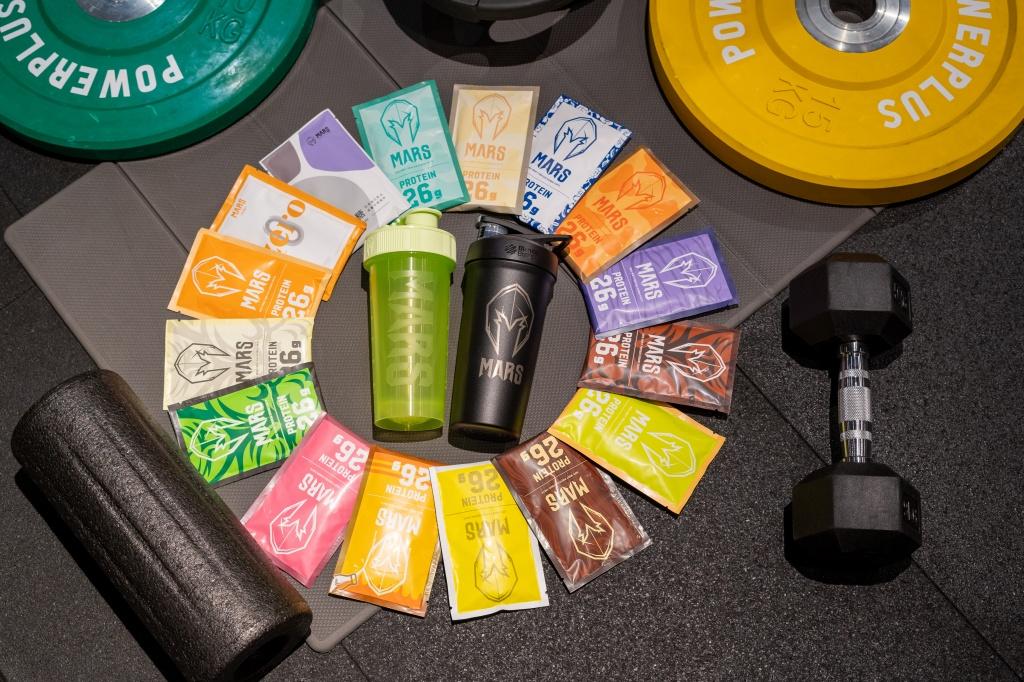
Whey protein is incredibly easy to buy, available from a wide range of online e-commerce platforms, major chain stores, and drugstores. Of course, all the major whey protein brands also offer direct sales on their official websites. This article compiles a list of common whey protein brands, complete with hands-on reviews and unboxings, to help you find the perfect protein powder for your needs.
While you're here, check these out ↓
Final Thoughts
This concludes our basic guide to whey protein. Now that you've reviewed the fundamental concepts and knowledge about whey protein, you should have a deeper understanding of the various types of whey protein powders and how to choose the right one.
We want to reiterate that whey protein is a nutritional supplement. The best way to get protein is always through natural foods; whey protein should be used to supplement your intake if you're not getting enough. Twosevenths also recommends finding a whey protein brand that suits your activity level and specific needs. And remember, simply drinking whey protein won't make you strong; it must be combined with appropriate weight training or specialized exercise to achieve a healthier body!
Don't miss these either

Kaohsiung Private Personal Trainers: Real Experiences to Help You Choose the Right Coach! | 4 Kaohsiung Personal Training Studios Reviewed

Taichung Indoor Golf Recommendations|Play World-Famous Courses Without Leaving Taiwan! 3 Indoor Golf Driving Ranges Reviewed

KOSHA Pilates Review|Hsinchu East District: Full-Equipment Pilates with AI Posture Analysis for Precise Training

Reader Comments
No comments yet — be the first to share your thoughts.