The Beginner's Guide to FitnessYour Beginner Workout Plan: 10 FAQs Answered
As health awareness grows, a fitness craze has swept the nation. Strong muscles aren't just for aesthetics; they're an investment in your future, slowing aging and improving overall health. However, improper form and muscle activation during weight training can lead to injuries, making the effort counterproductive. This Twosevenths article answers 10 common questions for fitness beginners, covering everything from choosing a gym and planning your workout routine to dietary advice.
New to fitness? Here's how to kickstart your training.
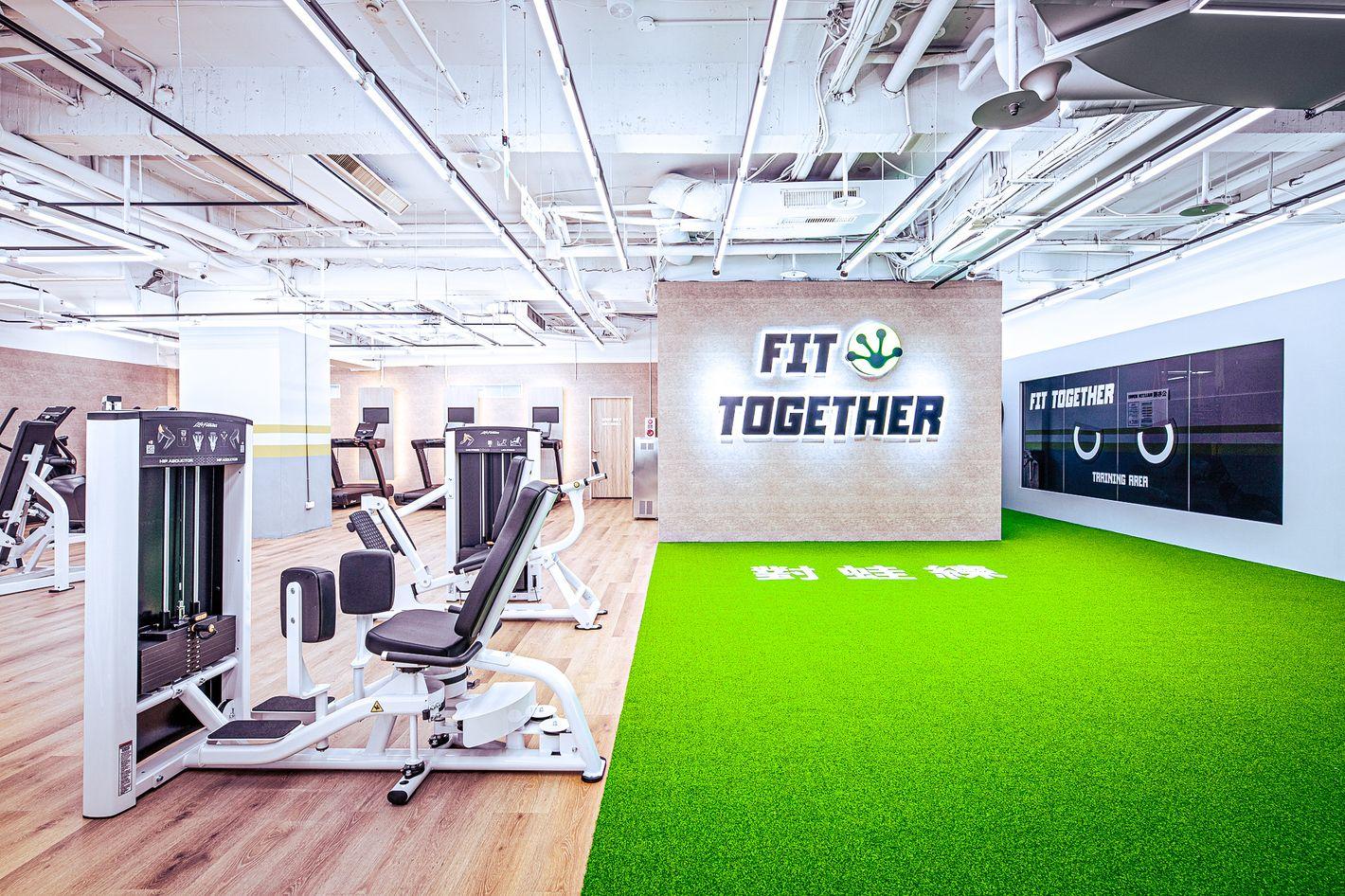
When you're new to fitness, the first thing to do is define your goals. Are you aiming for fat loss, muscle gain, better health, or improved athletic performance? Clear goals will motivate you to maintain good fitness habits and help you effectively plan your workouts and choose the right training methods.
Once your goals are set, the next step is to select a suitable gym, choose your workout attire, and consider whether to hire a personal trainer.
✦Choosing a Gym
Choose a well-equipped, conveniently located gym that aligns with your fitness goals. It's a good idea to check online reviews to ensure the gym's environment and services meet your needs, but above all, convenience is key to staying motivated and avoiding excuses.
✦Activewear
There's no strict dress code for working out; just choose comfortable, sweat-wicking, and breathable athletic wear and shoes. Men often opt for running shorts, while women typically wear yoga pants, ensuring comfort and safety throughout their training.
✦Personal Trainers
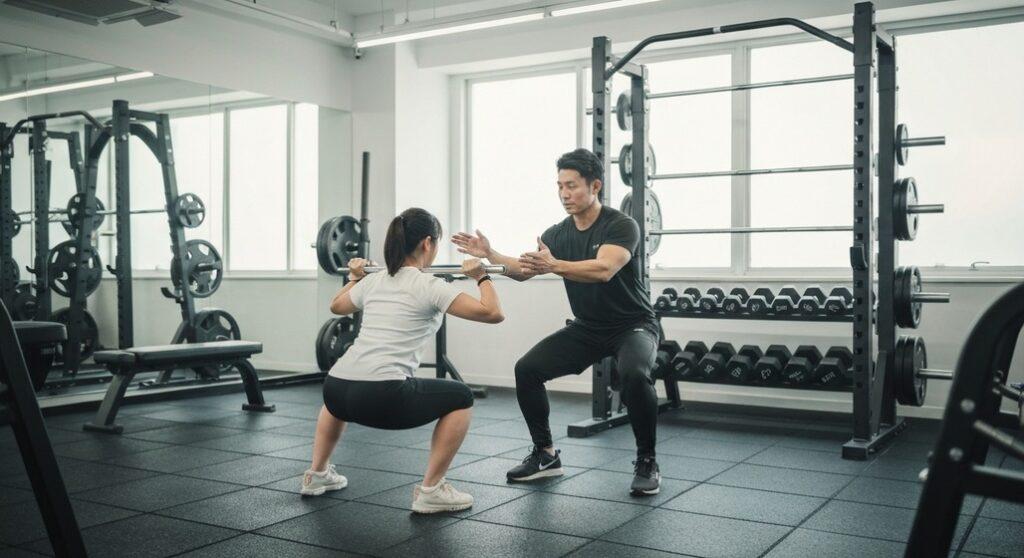
For beginners, if your budget allows, hiring an experienced fitness coach can guide you in proper exercise techniques, help you understand how your muscles work, prevent injuries, and enhance your training results.
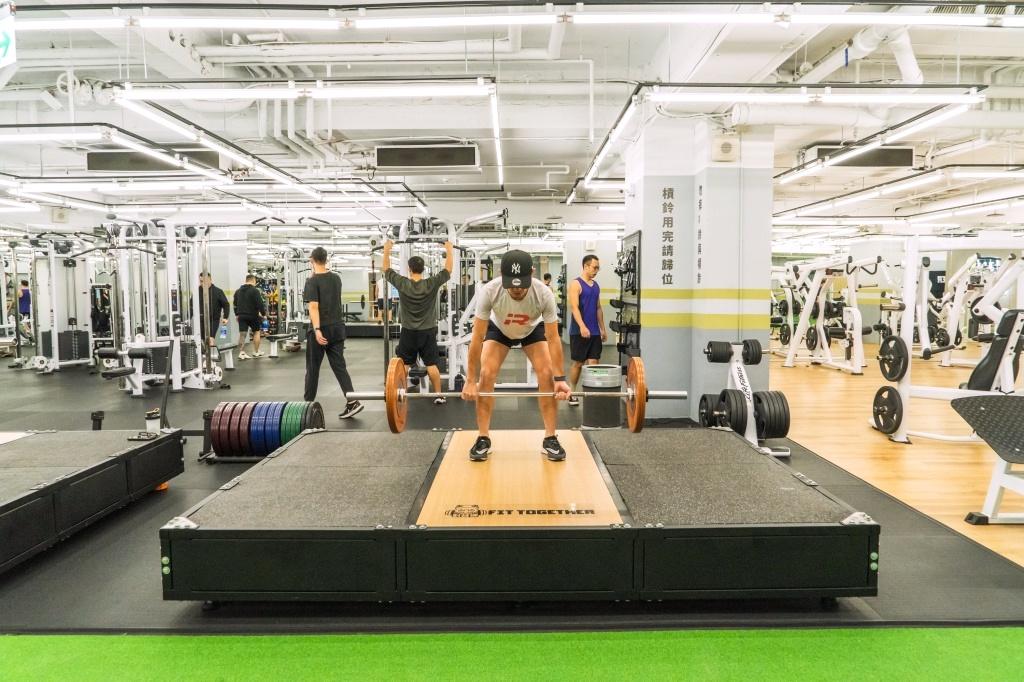
對蛙練 is near Xinpu Junior High School, about a 10-minute walk from either Xinpu or Xinpu Minsheng MRT…
While you're here, check these out ↓
- 01Ray’s Fitness Review|Taipei Women’s Body Sculpting Studio: Core Training, Butt Sculpting, and Pilates All in One→
- 02Switch ON Your Workout Space Review|Small-Group Classes: A Recommended Women's Gym in Yongchun→
- 03Eros Fitness Review|A women-only gym for confident workouts, just 2 minutes from Zhongxiao Fuxing Station→
The difference between fat loss and muscle gain is that fat loss focuses on reducing body fat, while muscle gain aims to increase muscle mass.
Generally, fat loss and muscle gain are two distinct fitness goals. Fat loss primarily involves reducing body fat through diet control and exercise, while muscle gain focuses on increasing muscle mass through weight training and appropriate nutrition. Therefore, the training and dietary approaches for each are typically different, though beginners may be able to achieve both simultaneously in the short term.
✦You can build muscle and lose fat simultaneously as a fitness beginner.
To understand how to reduce body fat, you first need to know the methods available:
- Dietary Control: By managing calorie intake through diet, you create a caloric deficit, leading to fat loss.
- Exercise and Calorie Burn: Exercise increases calorie expenditure, burning off the calories consumed and resulting in fat loss. Exercise here is divided into aerobic exercise and weight training. Aerobic exercise elevates heart rate and breathing, putting the body into a state where it consumes calories and body fat, examples include running and dancing. Weight training, on the other hand, increases muscle mass, which in turn boosts your basal metabolic rate. This creates a high-metabolism cycle in the body, subtly increasing your daily calorie burn limit, using equipment like dumbbells, kettlebells, and various gym weight training machines.
When you first start working out, you enter what's known as the "newbie gains" period. During this time, your body hasn't yet adapted to the sudden training, so muscle gain is more pronounced. With proper diet and low-intensity aerobic exercise, it's certainly possible to achieve both muscle gain and fat loss simultaneously. However, after this initial period, a more precise training and dietary plan is required to continue achieving both muscle gain and fat loss.
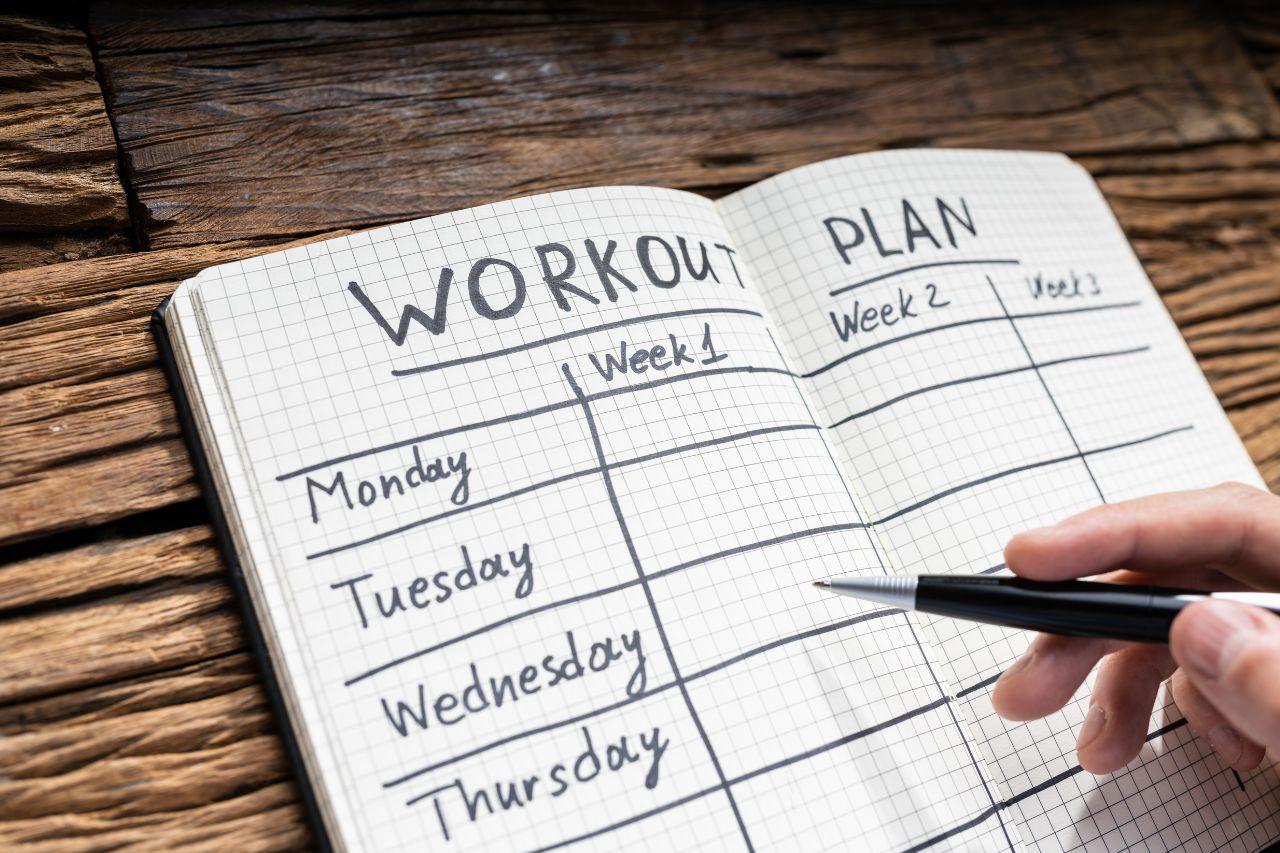
How should a fitness beginner plan their workout routine?
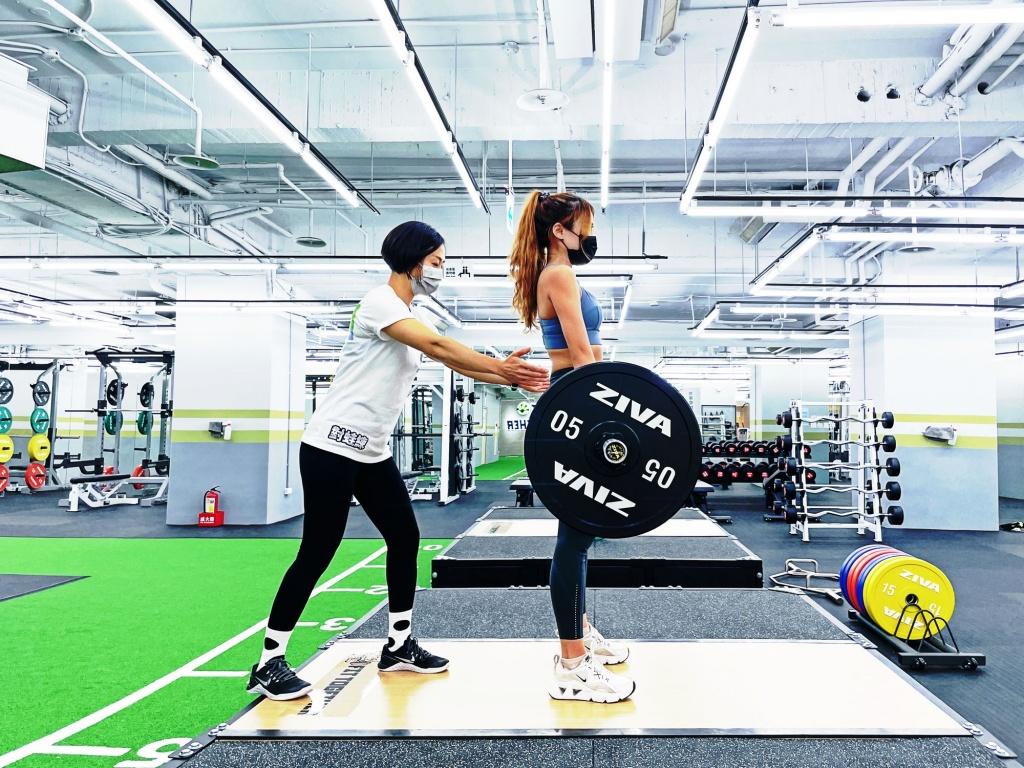
Beginners should focus on full-body movements that engage all major muscle groups: chest, shoulders, back, legs, biceps, triceps, and core. Aim for 3-5 training sessions per week, each lasting 60 minutes.
Here’s a recommended workout plan for beginners, focusing on fundamental strength training and core exercises.
✦Recommended Basic Strength Training Workout
- Squats
- Bench Press
- Deadlift
- Rows
- Dumbbell Shoulder Press
Perform 3-4 sets of 8-12 repetitions for each exercise, gradually increasing weight and intensity as your training experience and physical condition improve.
✦Recommended Core Workout Routine
Core training should focus on improving stability, which helps develop strength for subsequent weight training and ensures proper, safe execution of movements.
- Deadbug
- Plank
- Side Plank
- Copenhagen Plank
- Bear Crawl
- Bird Dog
The core exercises listed above increase in difficulty from top to bottom. You can select 2-3 core exercises for each weight training session. Core training is best done based on time; beginners can start with 30 seconds per set and gradually increase the duration as their strength improves.
Perform 3-4 sets of each core exercise, holding for 30-60 seconds per set. Gradually increase the duration per set as your training experience and physical condition improve.
✦Beginner Glute and Leg Workout Recommendations
- Leg press: 4 sets of 10-15 reps (weight setting: 80% to failure, challenging)
- Hip thrust: 4 sets of 8-10 reps (weight setting: 80% to failure, challenging)
- Leg extension: 3 sets of 8-10 reps (weight setting: complete failure)
- Leg curl: 3 sets of 8-12 reps (weight setting: 80% to failure, challenging)
- Leg abduction: 3 sets of 10-15 reps (weight setting: complete failure)
- Leg adduction: 3 sets of 10-15 reps (weight setting: complete failure)
✦Beginner Upper Body Workout Routine (Chest, Back, Shoulders)
- Barbell Bench Press (Mid-Chest) 10-15 reps x 4 sets (Weight: 80% to failure, challenging)
- Seated Cable Row (Horizontal Grip) 8-12 reps x 4 sets (Weight: 80% to failure, challenging)
- Overhead Press 10-15 reps x 3 sets (Weight: 80% to failure, challenging)
- Lat Pulldown (Overhand Grip) 8-12 reps x 3 sets (Weight: 80% to failure, challenging)
- Pec Deck Fly 8-10 reps x 3 sets (Weight: Complete failure)
- Reverse Pec Deck Fly (Rear Delts) 10-15 reps x 3 sets (Weight: Complete failure)
There are no fundamental differences in workout routines for beginner men and women.
In the early stages of fitness training, the fundamental principles for both men and women are the same, focusing on full-body movements. However, based on common aesthetic preferences, most women tend to prioritize lower-body exercises like glutes and legs, while men often focus more on developing upper-body definition.
From a professional standpoint, both men and women should emphasize balanced, full-body workouts in the initial training phase. Prematurely favoring specific body parts can lead to neglected areas and uneven muscle development, potentially causing plateaus in training intensity later on and even increasing the risk of injury.
Therefore, it's recommended to start with a full-body training program to ensure every muscle group receives balanced attention. In the intermediate to advanced stages, you can then adjust the proportions of your training regimen according to your individual needs and goals. This approach allows for more effective achievement of personal fitness goals and reduces the risk of injury.
Here are some dietary recommendations for fitness beginners.

Diet plays a crucial role in fitness, and the first step is to calculate your Total Daily Energy Expenditure (TDEE) to create an effective meal plan. There are two main approaches based on your fitness goals:
- For weight loss and fat reduction: Consume calories equal to or slightly below your TDEE to achieve a caloric deficit.
- For weight gain and muscle building: Consume calories above your TDEE to achieve a caloric surplus.
We recommend using this online calculator to quickly determine your TDEE and Basal Metabolic Rate (BMR).
[button open_new_tab=”true” color=”accent-color” hover_text_color_override=”#fff” image=”default-arrow” size=”small” url=”https://www.fittogetherfrog.com/tdee/” text=”Recommended TDEE and BMR Calculator” color_override=””]
✦Important Considerations for a Fat-Loss Diet
When you're in a calorie deficit for fat loss, many people worry about eating too much, but your daily calorie intake should never drop below your basal metabolic rate (BMR). Doing so can easily send your body into a negative cycle.
When the body lacks energy, all its metrics decline, leading to reduced physical performance and mental state. Long-term calorie restriction also increases stress on the body. If you're also working out, you might not have enough energy for recovery, and you could hit a weight-loss plateau in the future.
Therefore, for fat loss, your diet's calorie intake should ideally fall between your BMR and your Total Daily Energy Expenditure (TDEE).
✦Notes on Muscle-Building Diets
When you're in a caloric surplus for muscle gain, adjust your calorie intake based on your training intensity and frequency.
If your caloric surplus is too high without a corresponding increase in exercise intensity and frequency, you risk gaining fat instead of muscle. The goal is always to maximize muscle mass, not fat, during a bulk.
However, for individuals with very low body fat, a moderate increase in body fat is essential, as excessively low body fat can lead to hormonal imbalances or a weakened immune system.
✦The Ratio of Macronutrients in Your Diet
Once you've determined your daily calorie intake, the next step is to reasonably allocate the proportions of the three macronutrients: protein, carbohydrates, and fats. Protein is extremely important for fitness enthusiasts, so the following dietary ratios will be set with protein as the focus.
Here are some common example ratios:
- Protein : Carbs : Fats
- 4 : 4 : 2
- 4 : 3 : 3
- 5 : 3 : 2
- 5 : 2.5 : 2.5
The key is to choose the dietary approach that best suits you based on your body's condition and your specific goals, using the ratios above as a guide.
✦Macronutrient Calculation Example
The formula for calculating nutrient intake is: Daily Calorie Intake × Ratio / Calories per Gram of Nutrient = Grams of Nutrient Needed.
Let's say Male A has no prior fitness experience and is just starting to work out. His basal metabolic rate (BMR) is 1800, and his total daily energy expenditure (TDEE) is 2340. He aims to lose weight, build muscle, and reduce body fat. His daily calorie intake is set at 2000 (creating a 340-calorie deficit).
Using a macronutrient ratio of 4:4:2, the calculations are as follows:
- Protein intake: 2000 × 0.4 / 4 (4 calories per gram of protein) = 200 grams
- Carbohydrate intake: 2000 × 0.4 / 4 (4 calories per gram of carbs) = 200 grams
- Fat intake: 2000 × 0.2 / 9 (9 calories per gram of fat) = 44.4 grams
✦Choosing a Whey Protein
Protein is essential for maintaining and building muscle mass. Many whey protein products are available on the market, offering a convenient way to supplement protein and an ideal solution for fitness enthusiasts who struggle to consume enough protein-rich foods.
Whey protein generally comes in three types, each with its own advantages and disadvantages, allowing you to choose based on your individual needs:
- Concentrated Whey Protein: Contains 35-80% protein, retaining some lactose and fat. It is not suitable for those with lactose intolerance due to slower absorption, but it is the most affordable option, offering excellent value.
- Isolated Whey Protein: Contains over 90% protein, with very low lactose and fat content and fewer calories. It is suitable for those with lactose intolerance and is absorbed more quickly by the body, though it is more expensive than concentrated whey protein.
- Hydrolyzed Whey Protein: Contains over 90% protein, with very low lactose content (fat content varies). It is the fastest-absorbing type, breaking down protein into smaller molecules to reduce allergic reactions. However, it is also the most expensive of the three.
Today's whey protein market offers a wide range of flavors. When choosing, always check the ingredient list to avoid products with excessive sugar, artificial sweeteners, flavorings, or additives. For more recommended whey proteins, refer to this whey protein review.
Fitness Newbie Terminology

New to fitness? You'll often encounter a dizzying array of specialized terms in online workout plans and articles. Here are some common fitness terms to help you get started!
- 1. PR (Personal Record): Your best single lift (weight), typically measured across three main exercises: squats, deadlifts, and bench presses.
- 2. Set: A specific number of repetitions of an exercise completed during a workout.
- 3. Rep (Repetition): The number of times an exercise is repeated within a set, also known as RM (Repetition Maximum).
- 4. BMR (Basal Metabolic Rate): The daily calorie amount your body burns at rest, at a normal temperature, simply to maintain basic life functions like breathing.
- 5. TDEE (Total Daily Energy Expenditure): Your total daily calorie expenditure, calculated by adding your BMR to your activity level.
For fitness beginners, aim for a workout frequency of 3-5 times per week.
Beginners should aim for 3-4 workouts per week, each lasting 60-90 minutes. This frequency allows for adequate recovery while maintaining consistency and effectiveness in your training.
Weight training and cardio training differ in their primary goals and physiological effects.
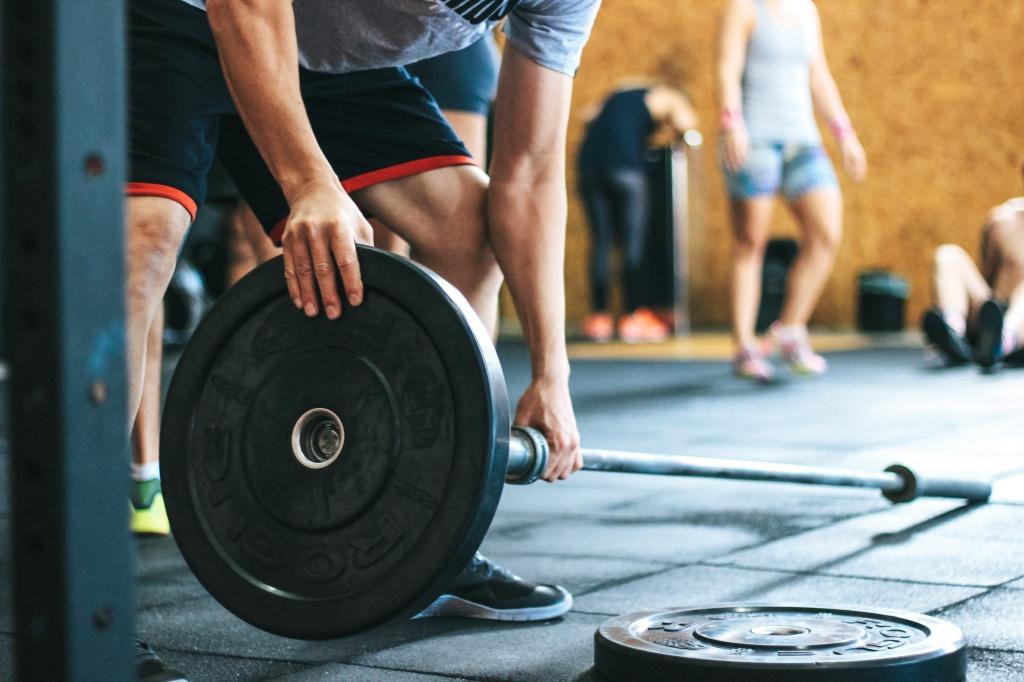
As mentioned, strength training primarily aims to build muscle strength and mass, while cardio training improves cardiovascular health and aids in fat loss.
✦For beginners, it's best to alternate between weight training and cardio.
Fitness beginners should combine both training methods, performing strength training 2-3 times a week and cardio 1-2 times a week for comprehensive fitness results. Later, you can adjust the frequency of both based on your training goals.
How to structure your fitness routine:
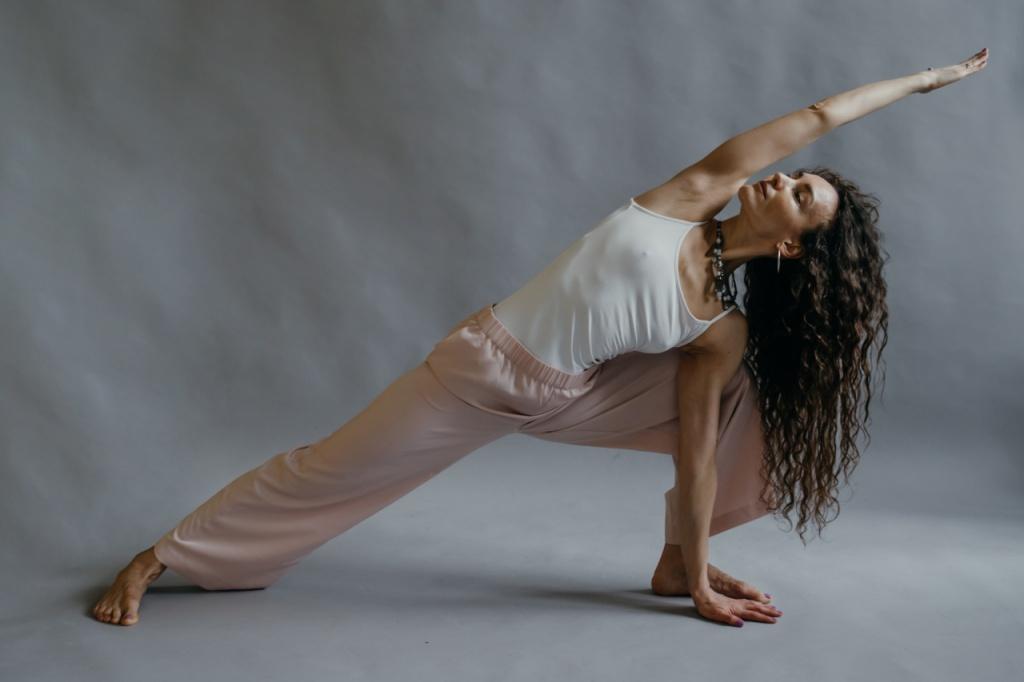
Before starting your weight training, warm up for 5-10 minutes with dynamic stretches or light cardio. This increases muscle temperature and joint mobility, helping to prevent injuries. After your workout, static stretching aids muscle relaxation, promotes blood circulation, and speeds up muscle recovery. Therefore, the three steps of dynamic stretching, weight training, and static stretching are crucial for fitness beginners and should not be overlooked.
To prepare for your fitness journey, focus on these key mindset shifts.
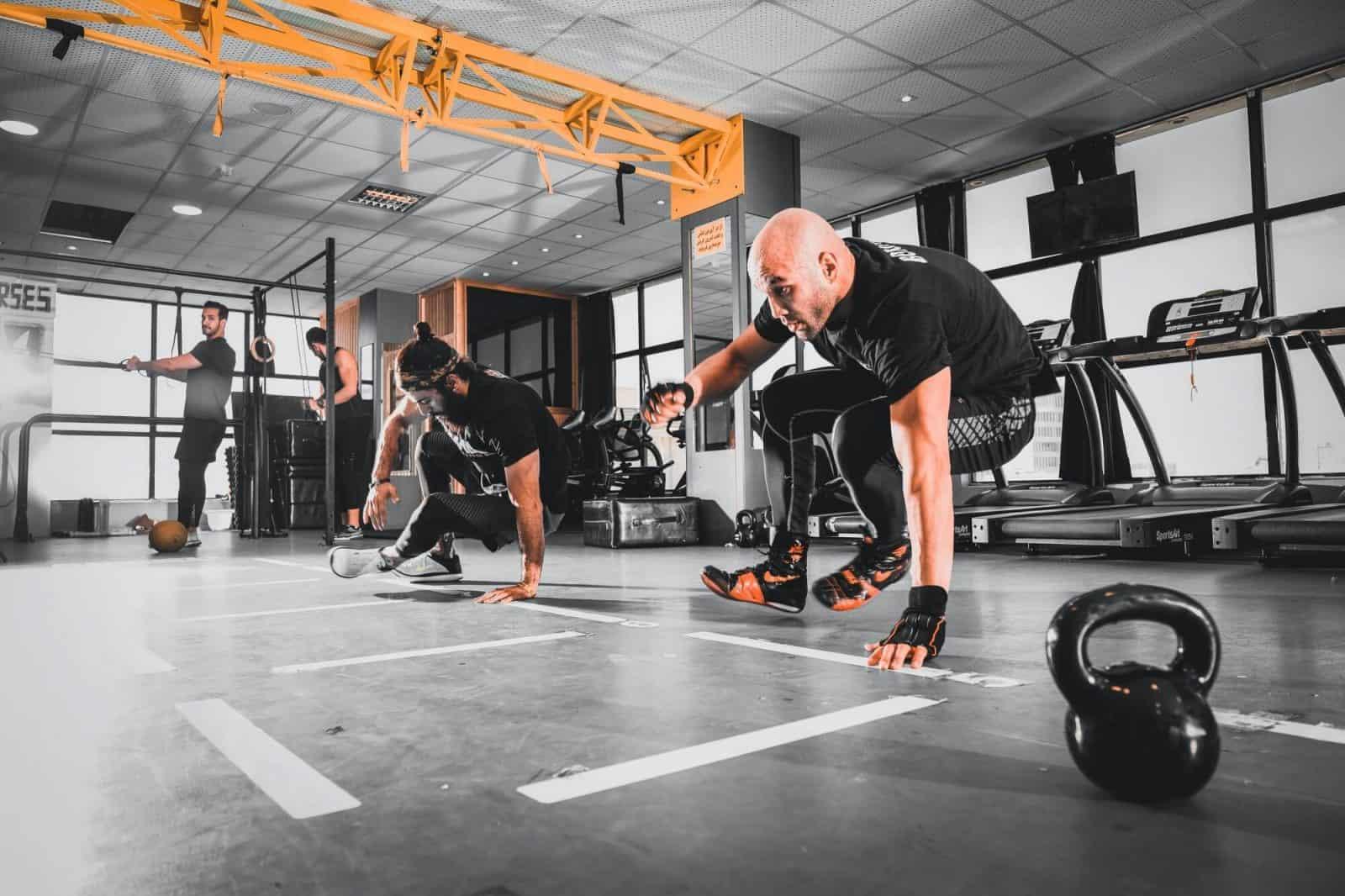
For fitness newcomers, mindset is everything.
Changes in your physique are more important than the number on the scale. Focus on your progress and overall health, because fitness is a long-term journey. Don't rush; consistency is the key to seeing results. We've put together five tips, hoping all fitness beginners can maintain a healthy, positive attitude and keep striving on this path!
✦Focus on body composition changes, not just the number on the scale.
Many beginners focus too much on weight fluctuations when they first start working out, but changes in body composition are far more important than the number on the scale.
Muscle is denser than fat, so even if your weight doesn't drop significantly, your body will become firmer and more toned as your muscle mass increases. You'll find your clothes fit better, and your overall energy will improve. Don't let the scale dictate your mood; focusing on your progress and health is what truly matters.
✦Fitness is a long-term battle.
Fitness isn't a quick fix; it requires long-term commitment and persistence. Whether your goal is fat loss, muscle gain, or improved stamina, it all takes time to achieve.
You might hit plateaus early on, but that's completely normal. Don't give up just because you don't see immediate results—success belongs to those who persevere.
✦Optimism and Self-Encouragement
Maintaining an optimistic mindset is crucial for your fitness journey; every workout is an opportunity to challenge yourself and improve.
Set small goals and reward yourself when you achieve them to stay motivated and engaged. When you encounter difficulties, remember your initial goals and motivations to keep yourself going.
✦Professional Guidance and Correct Methods
For beginners, learning proper training methods and posture is crucial for both maximizing results and preventing injuries.
Consider hiring a professional fitness coach or joining fitness classes to help you quickly master the correct techniques.
✦Balancing Life and Fitness
Fitness is important, but it shouldn't consume your entire life. Learning to balance work, family, and fitness is key to maintaining long-term commitment and passion.
Smart time management, adequate rest, and proper nutrition are essential to staying in peak condition throughout your fitness journey.
Final Thoughts
This has been our beginner's guide to fitness, with Twosevenths specially inviting WuaLian Fitness to compile answers to the 10 most common questions for fitness newbies.
Ultimately, fitness is a long and challenging journey, but as long as you maintain the right mindset, focus on changes in your physique, persevere, and train under professional guidance, we believe everyone can achieve their goals and gain a healthy, confident body!
Don't miss these either
Kaohsiung Private Personal Trainers: Real Experiences to Help You Choose the Right Coach! | 4 Kaohsiung Personal Training Studios Reviewed

Taichung Indoor Golf Recommendations|Play World-Famous Courses Without Leaving Taiwan! 3 Indoor Golf Driving Ranges Reviewed

KOSHA Pilates Review|Hsinchu East District: Full-Equipment Pilates with AI Posture Analysis for Precise Training

Reader Comments
No comments yet — be the first to share your thoughts.