Yoga Teacher Training GuideYoga Certifications: 10 Steps to Becoming a Yoga Instructor
If you're looking to become a yoga teacher, Twosevenths has answers to the top 10 questions about yoga teacher training. With yoga's growing popularity and the rise of diverse styles, more and more people are interested in becoming instructors. We'll help you easily navigate the path to yoga teacher training!
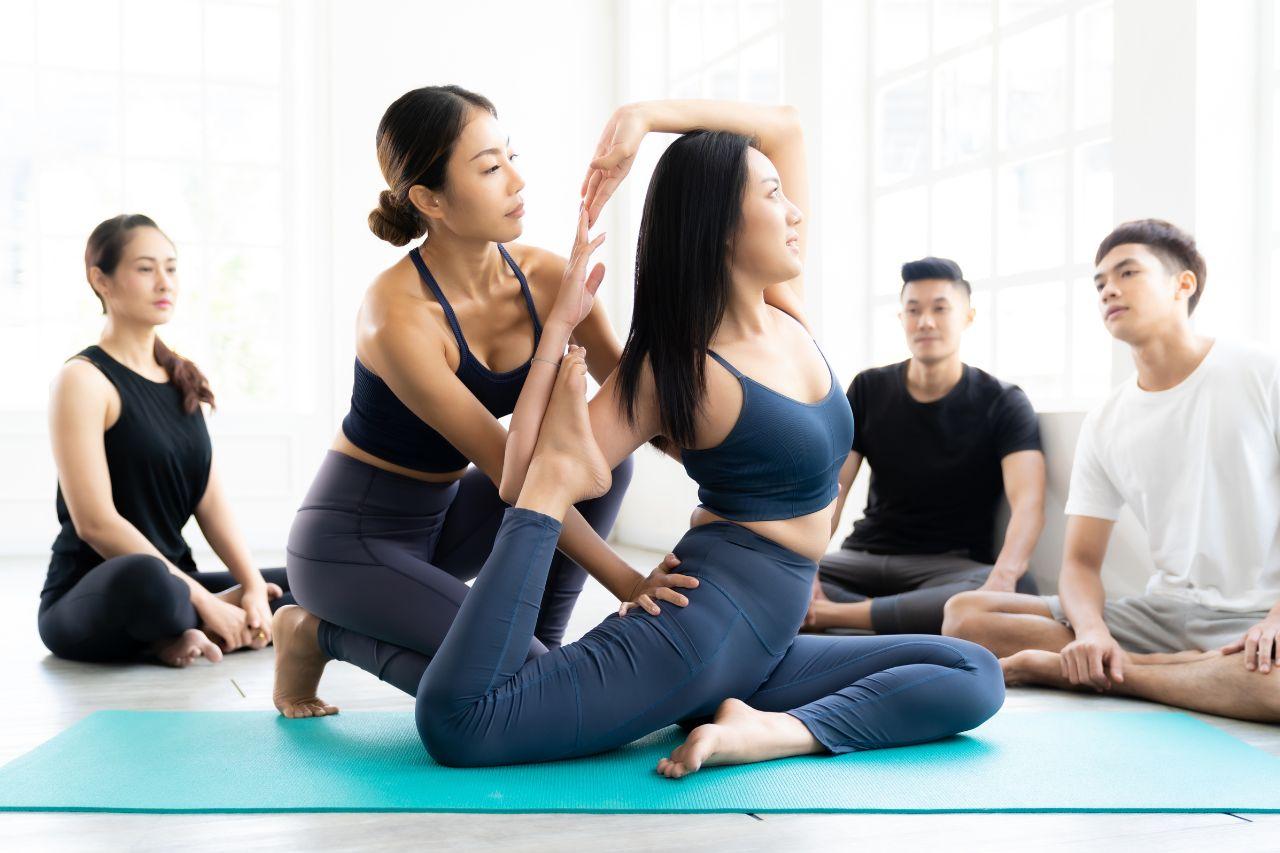
To become a yoga teacher, you'll need to complete a Yoga Alliance-certified teacher training program.
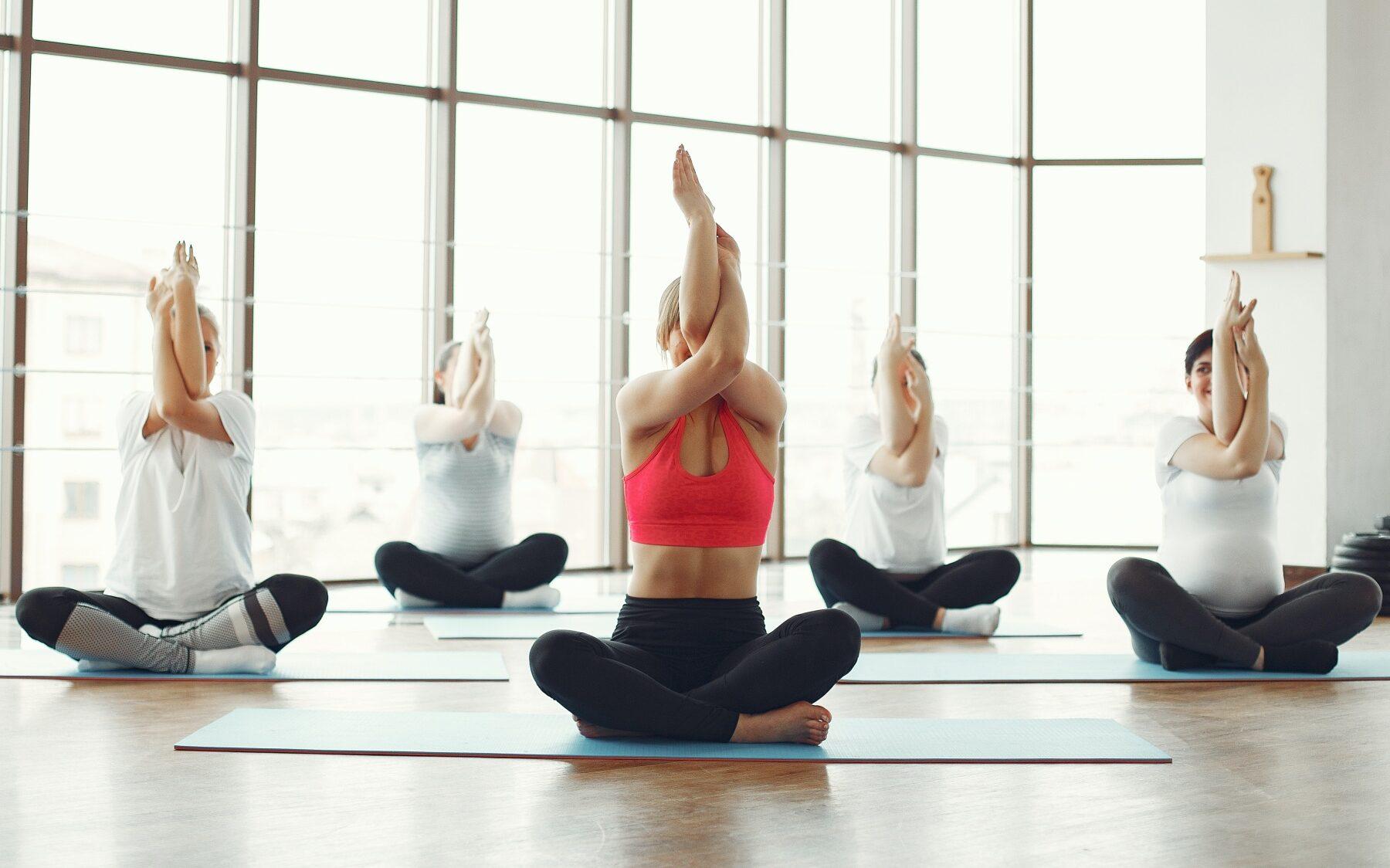
To become a yoga instructor, you typically need to complete yoga teacher training (RYT is recommended) and obtain certification. However, before enrolling in training, jn studio advises having one to two years of foundational yoga practice. This ensures you have sufficient physical fitness and strength before pursuing certification, which will be more beneficial in the long run.
A yoga instructor should possess several key qualities.
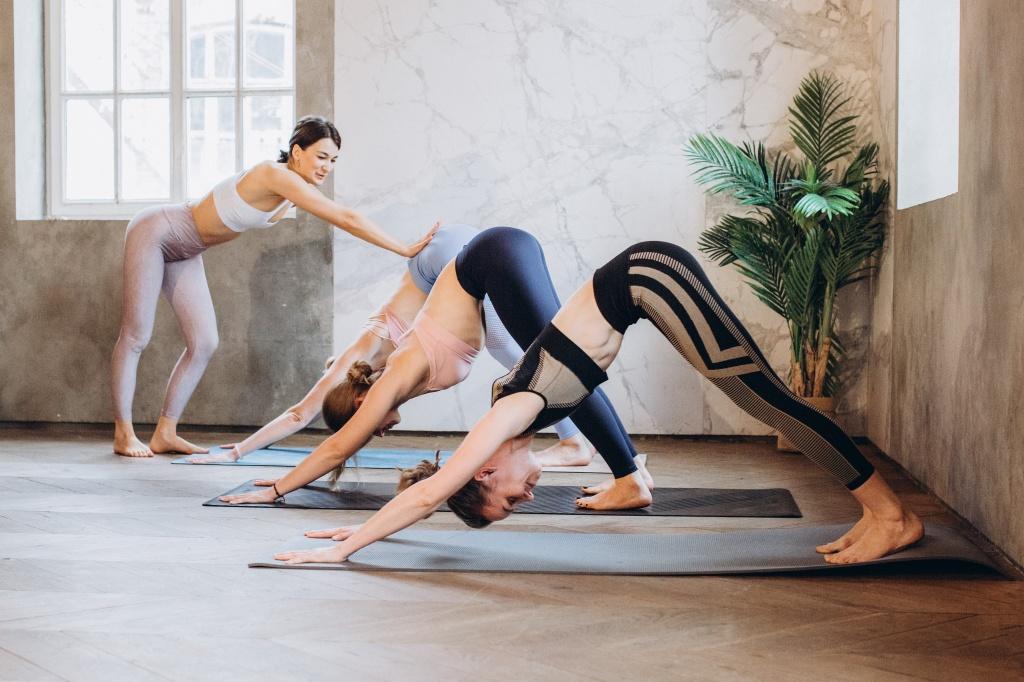
A yoga instructor needs a certain level of professional knowledge, including muscle engagement and which body parts each pose targets, to teach students correct yoga postures and techniques. They also need clear articulation and logical communication skills to ensure smooth classes and maintain good rapport with students. Finally, patience is essential to observe each student's physical characteristics and tailor instruction accordingly. And most importantly, instructors must always maintain a passion for yoga and teaching, selflessly sharing their knowledge to convey the beauty of yoga.
There are several certifications available for yoga teacher training.
Yoga certifications are currently divided into two main categories: domestic and international. Domestic yoga certifications include Class B and Class C yoga instructor training, while international yoga certifications are primarily RYT (Registered Yoga Teacher) and YAI (Yoga Alliance International). Below, we'll introduce domestic yoga certifications, RYT certifications, and YAI certifications one by one:
✦Taiwan Yoga Certifications
The "Class C Yoga Instructor Certificate" and "Class B Yoga Instructor Certificate" are issued by the Taiwan Sports Federation Yoga Association. They require 60 and 100 hours of training, respectively, and allow certified instructors to teach yoga in public institutions.
These certificates require fewer training hours than international certifications, making them relatively easier to obtain and more affordable, typically costing around NT$50,000 to NT$60,000. However, they are not internationally recognized.
✦RYT
The Registered Yoga Teacher (RYT) certification, issued by the American Yoga Alliance, is an internationally recognized and highly respected credential. Due to its widespread acceptance, it's considered an essential certification for most yoga instructors.
There are many RYT yoga teacher training programs available, with tuition fees varying significantly, often around NT$100,000.
✦YAI
YAI certification is an international yoga credential approved by Yoga Alliance International (YAI) in India. While less common in Taiwan, it offers both 200-hour and 500-hour courses.
Because YAI is issued by a different organization than RYT, the course content also differs.
✦Comparing 3 Yoga Teacher Training Certifications
| Certification Name | Domestic Yoga Certification | RYT | YAI |
| Issuing Organization | Taiwan Sports Federation Yoga Association | American Yoga Alliance | Yoga Alliance International |
| Certification Type |
|
|
|
| Pros |
|
|
|
| Cons |
|
|
|
You do not need an RYT certification to become a yoga teacher.
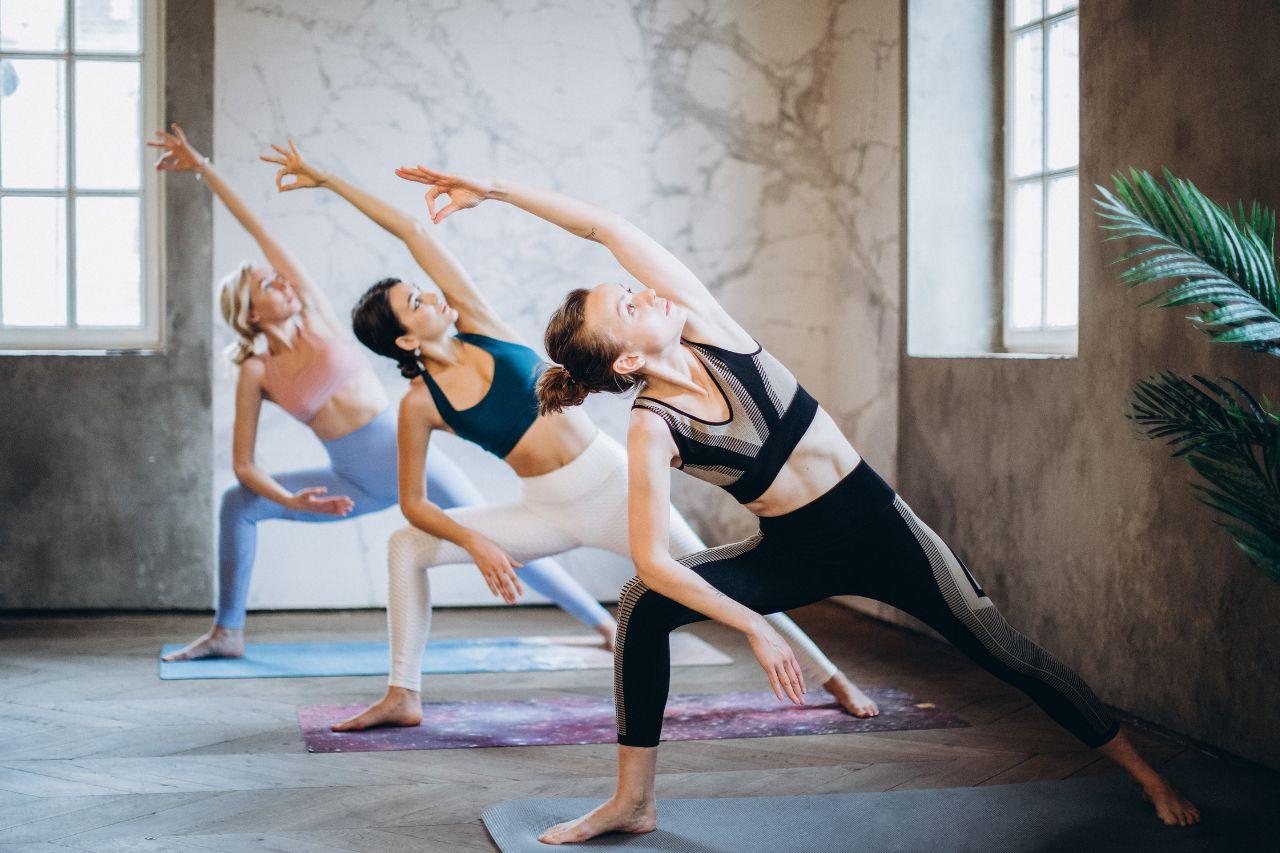
While RYT certification isn't strictly required to become a yoga instructor, it's often a key consideration for venues when screening potential teachers.
The American Yoga Alliance is currently the most representative and authoritative international yoga organization. As such, its foundational yoga courses and valid certifications are the industry and international standard for assessing a teacher's professionalism. In other words, obtaining RYT200 certification is generally the basic threshold for yoga instructors to begin their teaching careers.
✦There are several types of RYT yoga certifications.
You can earn RYT500 certification by completing both the foundational RYT200 and advanced RYT300 courses.
✦Meet RYT200
The RYT200 is a foundational yoga teacher training program, totaling 200 hours, established by the Yoga Alliance. Its curriculum covers anatomy, physiology, yoga philosophy, yoga lifestyle, and yoga etiquette.
Crucially, it provides opportunities for practical yoga practice, instruction in teaching methodology, and hands-on experience teaching students. As an introductory teacher training, it focuses on fundamental content and is a standard certification for yoga instructors.
✦Meet RYT500
RYT500 is a more advanced certification than RYT200, requiring a total of 500 training hours and meeting both "training hours" and "teaching hours" requirements.
To accumulate 500 hours, you can complete additional teacher training at an RYT-certified institution or complete 300 hours of advanced yoga teacher training at another certified institution. However, it's important to note that this certification requires at least 100 hours of accumulated teaching experience, making it a higher hurdle to achieve.
To choose an RYT instructor, consider their teaching style, experience, and personal connection.
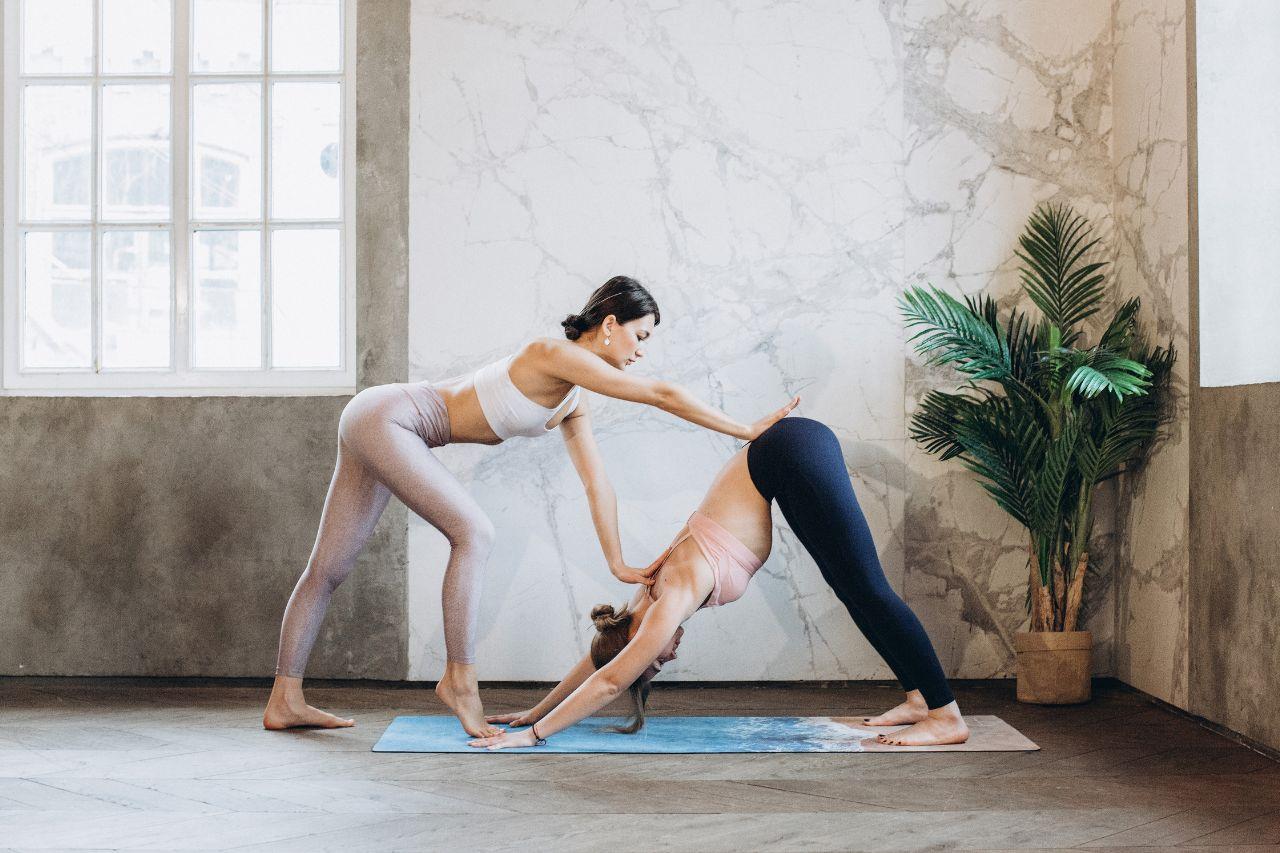
With so many yoga styles and teachers, each with their own teaching methods, specialties, and guidance styles, jn studio recommends first identifying the yoga style you wish to master and exploring your preferences before choosing a teacher.
When selecting a teacher, you can check their experience on the Yoga Alliance website. Also, observe their teaching style and how they break down cues and poses to see if it suits your learning style. Additionally, confirm whether there will be opportunities to stay in touch with your instructor after training to discuss any questions about your practice.
You can begin teaching yoga as soon as you receive your RYT certification.
Earning RYT certification means you've passed the exams and are a qualified yoga instructor, but it doesn't automatically make you a true yoga teacher.
To start teaching classes, jn studio recommends that new instructors begin by teaching friends and family to gain experience and build a reputation. If you want to expand your client base, you can seek referrals from teachers and friends, or actively apply to small community studios, yoga studios, or gyms to explore various opportunities.
Yoga instructor training typically costs between NT$60,000 and NT$100,000.
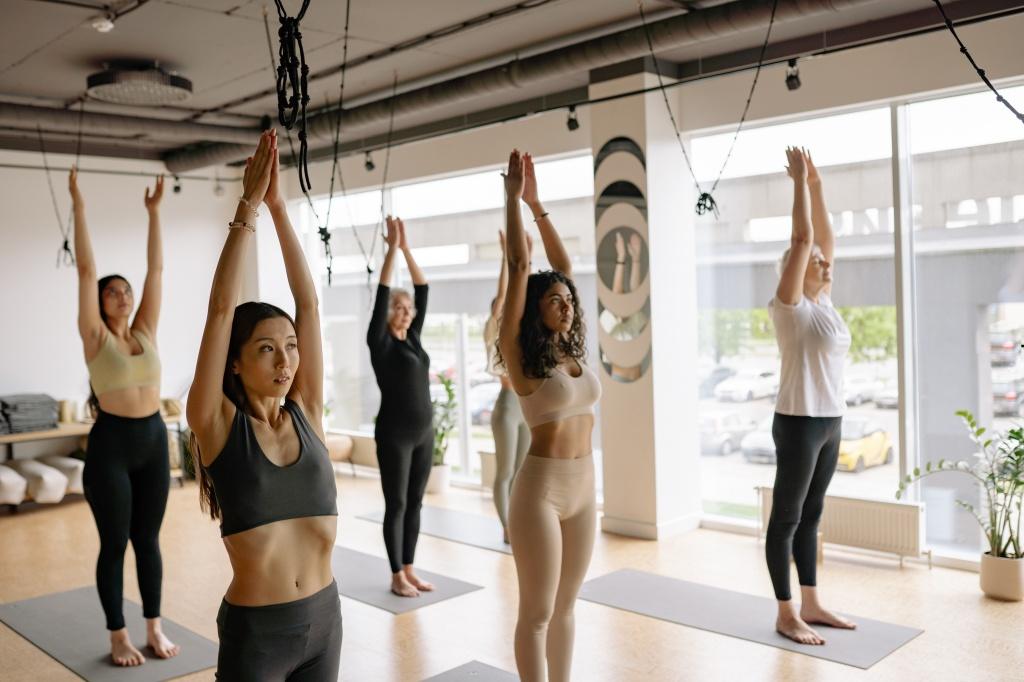
Domestic Class B or C yoga certifications are more affordable, costing only NT$50,000–60,000. The internationally recognized RYT200, however, typically costs around NT$100,000.
jn studio offers a 2-stage international instructor training program, totaling 20 hours over 3 days, priced at NT$31,800. An early bird discount is available for NT$28,800. Additional instructor courses for yoga wheel and aerial hoop are also offered, with children's yoga instructor training, singing bowl instructor training, and RYT200 programs to be launched soon.
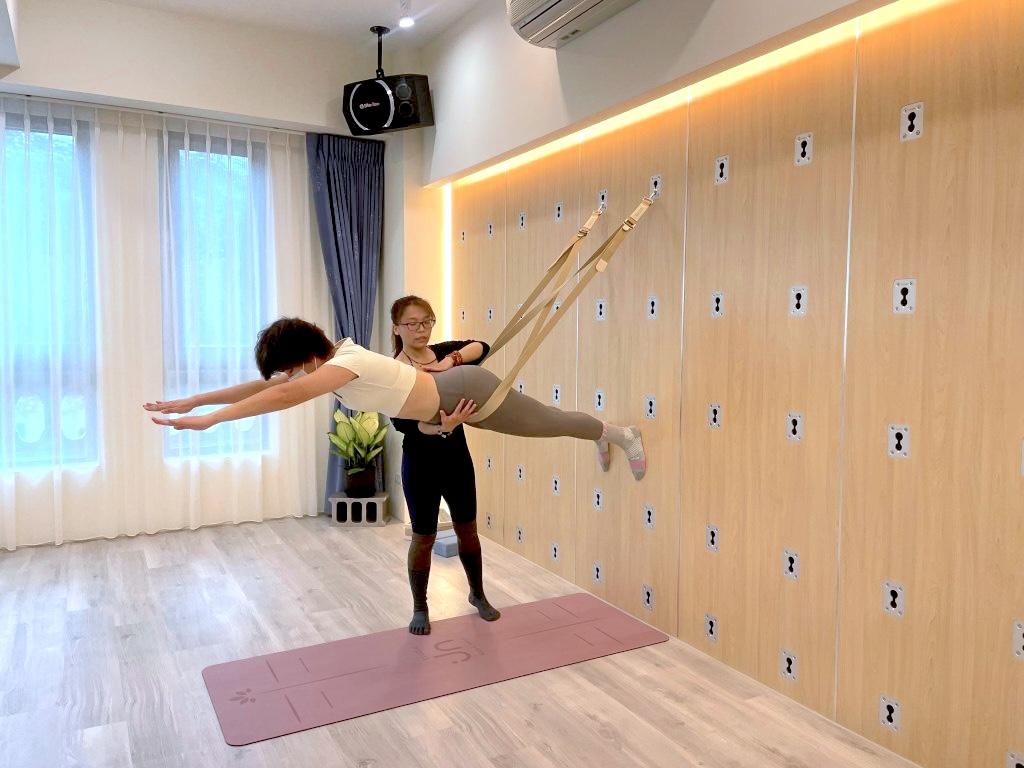
Located near Triangle Park next to Dadong Night Market, jn studio Yoga is a professional yoga and Pi…
Choosing the right yoga teacher training program requires careful consideration of several factors.

Yoga teacher training programs are more diverse than ever, with options ranging from intensive courses to weekend and online classes designed for working professionals. Since class locations and teaching styles vary, we recommend considering your needs and budget to choose the yoga teacher training that's right for you.
When selecting a yoga teacher training program, pay attention to details like institutional accreditation, instructor teaching style, and curriculum structure. Twosevenths has compiled four essential self-assessment questions to ask before enrolling in a yoga teacher training course:
✦Yes, we are certified by relevant organizations.
With so many yoga teacher training programs available, always check with the relevant certification body to confirm that your chosen training provider is accredited.
✦What are the course content and teaching style?
You can start by trying out a teacher's public class to see if their teaching style and yoga lineage align with your needs. Also, pay attention to whether the class focuses on a specific area, such as the proportion of theoretical content versus asana instruction.
If you're unsure how to choose, you can start by referencing venues verified by Twosevenths mystery shoppers:
✦Here's how to schedule and attend classes:
Yoga teacher training programs now offer a variety of schedules and teaching methods, so you can choose the one that best fits your practice. Some programs are intensive, culminating in graduation after a concentrated period of study, while others cater to working professionals with weekend classes or online courses, though these typically extend the learning period.
✦The prices are reasonable.
Yoga teacher training programs come in a dizzying array of options, and none are cheap. Before you commit, make sure the program's price fits your budget. If you're unsure, attend information sessions from different providers to compare and clarify your needs, ensuring you invest your money wisely.
How much do yoga instructors earn?
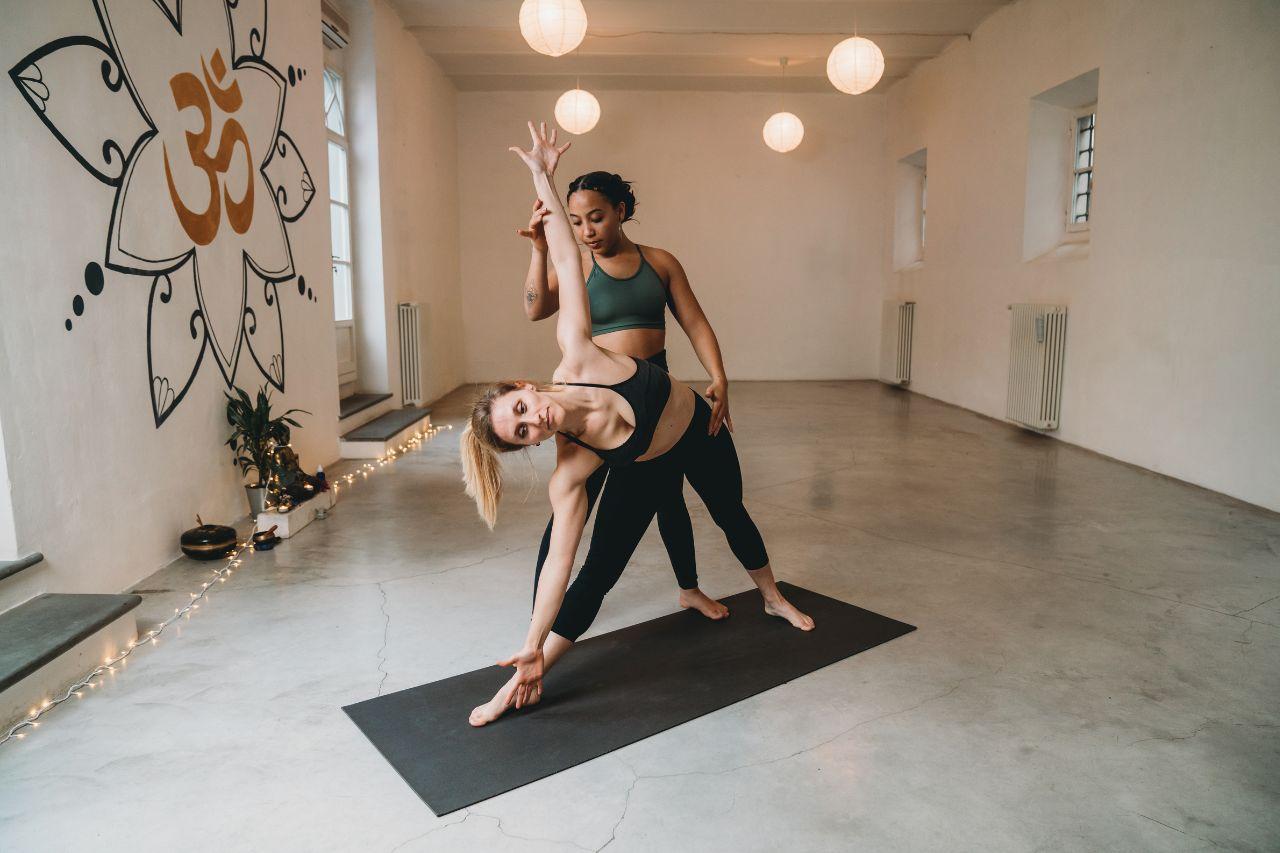
There are many career paths for yoga instructors, including opening a personal studio, teaching group classes at yoga studios or gyms, or offering online instruction. Salaries are typically calculated hourly, with new instructors earning around $500-800 per hour, though income can be less stable at this stage. As you gain experience and build a reputation, your hourly rate can increase based on your performance, and specialized classes like prenatal or children's yoga often command higher rates.
Building a personal brand allows you to attract your own students once your reputation grows, leading to more exposure and higher hourly fees. If you're invited to teach at external yoga events, pricing will vary depending on the event's scale and theme.
✦You don't need to be a full-time yoga instructor.
When you're starting out as a yoga instructor, your income might be inconsistent, leading to a period of lower earnings. It's best to begin with part-time work, and once you've built up enough experience and a steady client base to ensure full-time work is sustainable, then you can confidently transition to teaching full-time.
To become an aerial yoga instructor, you'll need to complete a certified training program.
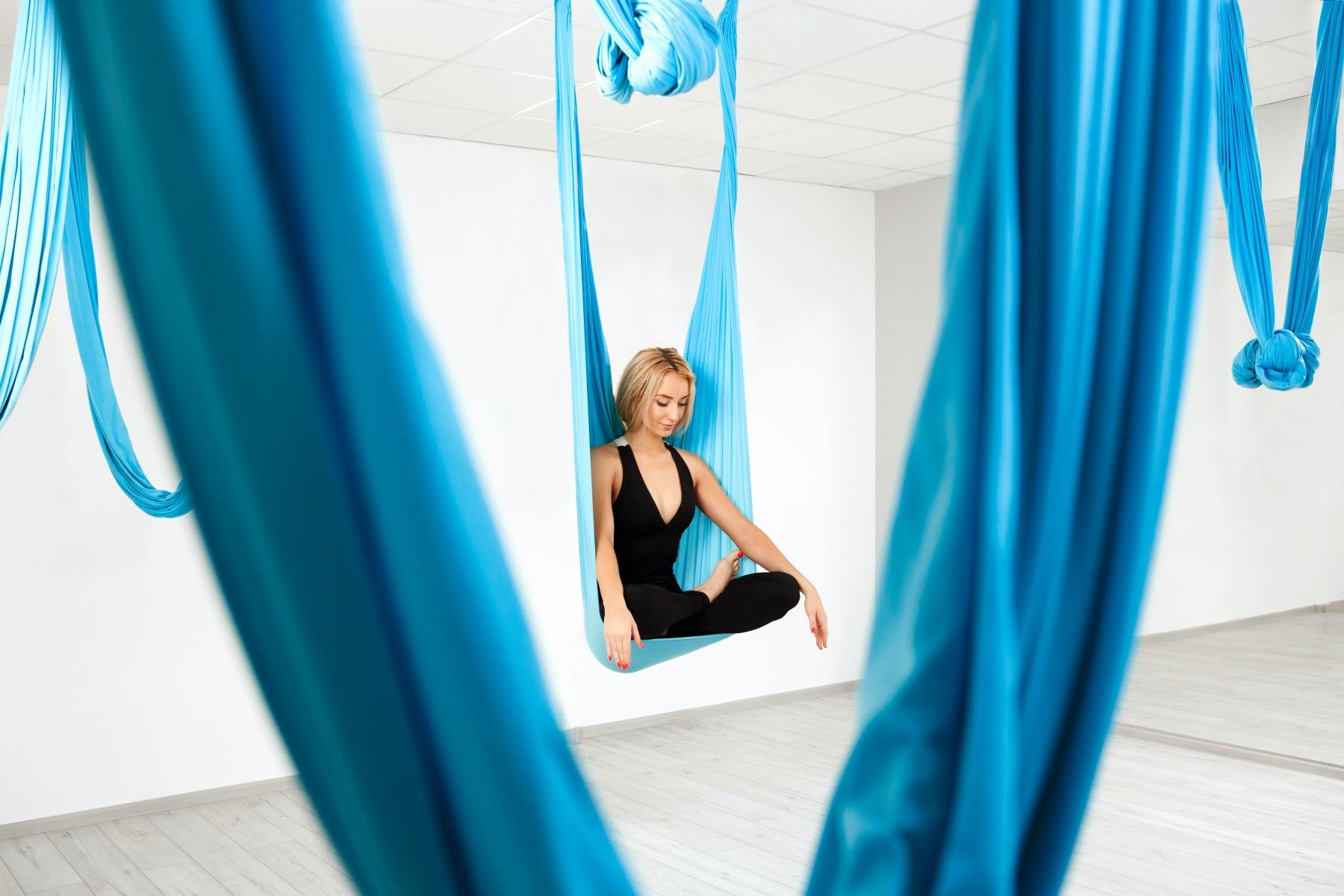
Aerial yoga is an evolution of traditional yoga, using suspended fabric to provide different stimuli and training while maintaining yoga's relaxing spirit. For this reason, jn studio recommends at least six months of consistent practice to build a solid foundation before enrolling in instructor training. Once certified, you can become an aerial yoga teacher.
jn studio offers an introductory aerial yoga workshop (regular price $15,800, early bird $13,000) to help you determine if becoming an instructor is the right path. After completing the assessment, if you wish to become a certified international instructor, you can then proceed to the Level 2 training.
Final Thoughts
This has been our comprehensive guide to yoga teacher training. Twosevenths collaborated with jn studio, a professional yoga instruction venue in Tainan, to highlight key aspects of yoga teacher training and answer 10 common questions, providing all the essential information for aspiring yoga instructors.
Beyond teacher training, if you want to learn more about yoga as an exercise, you can also refer to our Yoga Benefits Guide to discover its many advantages!
Don't miss these either

Kaohsiung Private Personal Trainers: Real Experiences to Help You Choose the Right Coach! | 4 Kaohsiung Personal Training Studios Reviewed

Taichung Indoor Golf Recommendations|Play World-Famous Courses Without Leaving Taiwan! 3 Indoor Golf Driving Ranges Reviewed

KOSHA Pilates Review|Hsinchu East District: Full-Equipment Pilates with AI Posture Analysis for Precise Training

Reader Comments
No comments yet — be the first to share your thoughts.