Bouldering and Rock Climbing GuideBouldering vs. Top-Rope Climbing: Differences Explained! Gear, Levels, and Routes for Beginners
Rock climbing has become a hugely popular sport in recent years. Unlike more standardized workouts, the varied routes at each climbing gym make every session a fresh challenge, not only building physical strength but also sharpening mental fortitude. Twosevenths is here to answer all your beginner questions, covering everything from the difference between bouldering and rock climbing, essential climbing techniques, choosing the right gear, understanding climbing grades, and the cost of climbing courses.
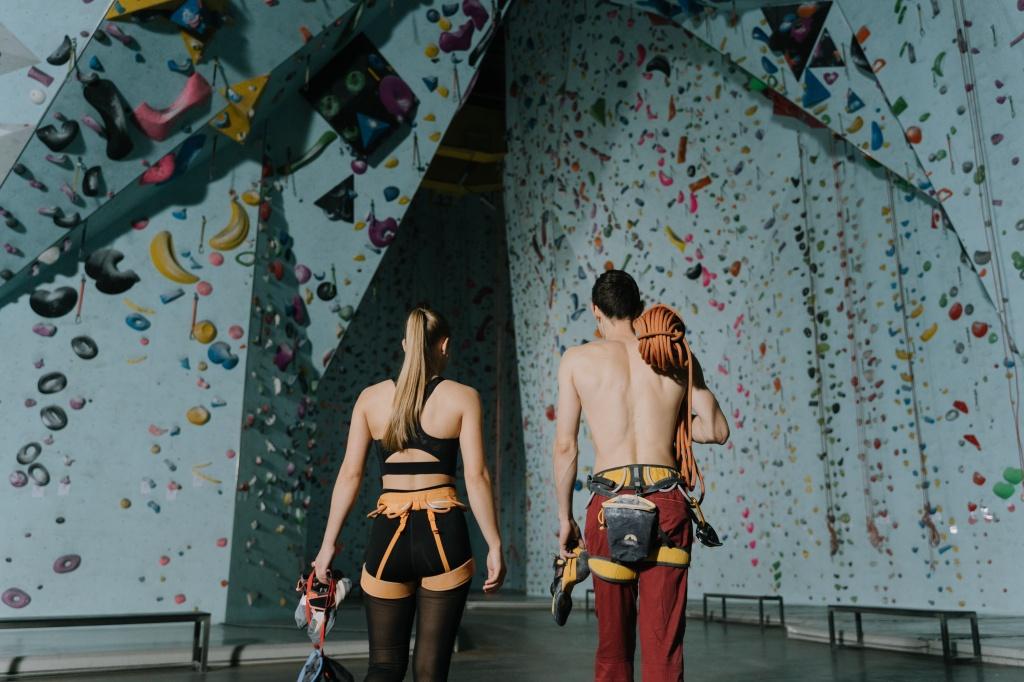
Bouldering and top-roping are two distinct types of climbing.
Climbing, often referred to as rock climbing, most commonly takes the form of bouldering and top-roping. Newcomers often confuse rock climbing with bouldering, but the easiest way to tell them apart is by whether a safety rope is used. Here's a detailed breakdown:
✦Sport Climbing
- What's commonly known as rock climbing requires two people: one to climb and one to belay (secure the rope). The belayer needs a belay certification. If the climbing gym has an "auto-belay" machine, then no second person is needed for belaying.
- Climbing locations are divided into indoor and outdoor, and there's also ice climbing, among other forms of extreme sports.
- There's generally no height limit for climbing, especially outdoors, where many routes reach three to four stories high. For indoor climbing, Taiwan's indoor climbing venues are typically about 12-25 meters tall.
- You can communicate with your belayer during the climb and pause mid-air to rest.
- Because climbing can be lengthy and involves navigating irregular natural rock formations, it's a significant test of a climber's muscular endurance and decision-making skills.
✦Bouldering
- A form of rock climbing.
- In Taiwan, bouldering is primarily done indoors. Climbers are not secured by ropes; instead, bouldering gyms provide crash pads to ensure safety.
- Climbing height is also limited, typically to about 3–4 meters.
- Compared to top-roping, bouldering routes are shorter, and route setters often design dynamic, jumping movements that severely challenge a climber's explosive strength and body coordination.
✦Climbing vs. Bouldering Comparison
| Top-Roping | Bouldering | |
| Climbing Style | Requires two people (one belaying, one climbing) unless an auto-belay system is in use | Can be done alone |
| Climbing Surface | Natural outdoor rock formations | Artificially shaped holds, available in various materials |
| Equipment | Climbing shoes, helmet, belay device, chalk bag, harness, rope, quickdraws | Climbing shoes, chalk bag |
| Rope Safety | Yes | No |
| Climbing Height | Unlimited | Under 5 meters |
| Route Length | Long | Short |
| Physical Demands | Muscular endurance, climbing rhythm | Explosive power, body coordination |
What are the benefits of rock climbing?
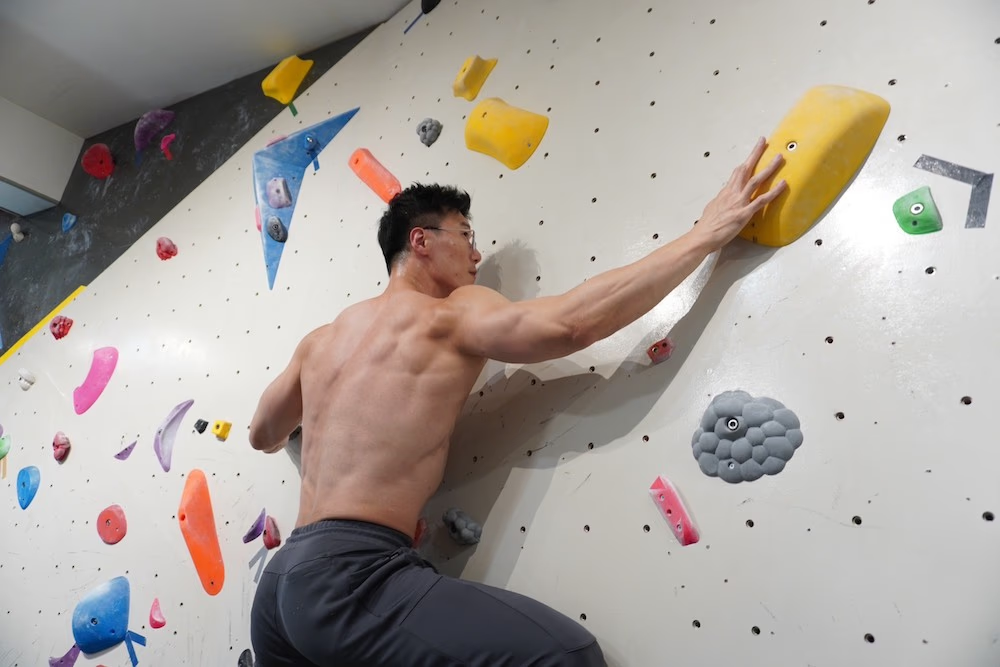
There are many benefits to rock climbing. At its most basic, it’s a great way to get exercise and break a sweat. Compared to traditional, repetitive workouts like swimming or jogging, climbing offers high variability, so each session feels fresh and never monotonous.
Those new to climbing might think it’s just a simple sport of "pulling yourself up." But whether it's bouldering or top-roping, climbing demands a wide range of physical abilities. While beginner routes might be tackled with brute force, intermediate and advanced routes require various "techniques" like jumping, balancing, shifting your center of gravity, and specific holds. It’s far from boring—it’s actually quite engaging. Dedicate a few hours each week to train with friends, and you'll definitely see growth in many areas over time!
✦Build Muscle Endurance
Rock climbing constantly engages your muscles — your calves, forearms, back, and shoulders — and to ensure safety and stability, your body gradually builds up muscular endurance.
✦Build explosive muscle power
Climbing sports, especially bouldering, don't require consistent effort throughout the climb; sometimes you need a sudden burst of power to reach the next hold.
✦Body Coordination
Bouldering and top-roping often require a continuous flow of movement: stepping up, grabbing a hold, switching feet simultaneously, and executing many actions in a short time while shifting your center of gravity and maintaining balance. This demands significant body coordination.
✦Logical Thinking Skills
Climbing routes are inherently diverse, and each person's physical attributes—height, weight, and arm span—influence the techniques they can use on a specific route. This means that each route presents a unique "solution" for climbers to discover.
✦Strengthen Your Mental State
Climbing isn't just about conquering a fear of heights or the challenge of finding a grip; it's about trusting your body to achieve seemingly impossible moves. The more you climb, the bolder you become!
✦Body Control
Certain routes present many restrictions, such as not being able to exert too much force or needing to grip a tiny hold. This really tests a climber's body control, requiring them to use just the right amount of strength to ascend.
✦Body Flexibility
Climbing often requires you to lift your feet onto higher holds or spread your legs wide to exert force, all of which can directly or indirectly improve your flexibility.
What are the techniques for lead climbing and bouldering?
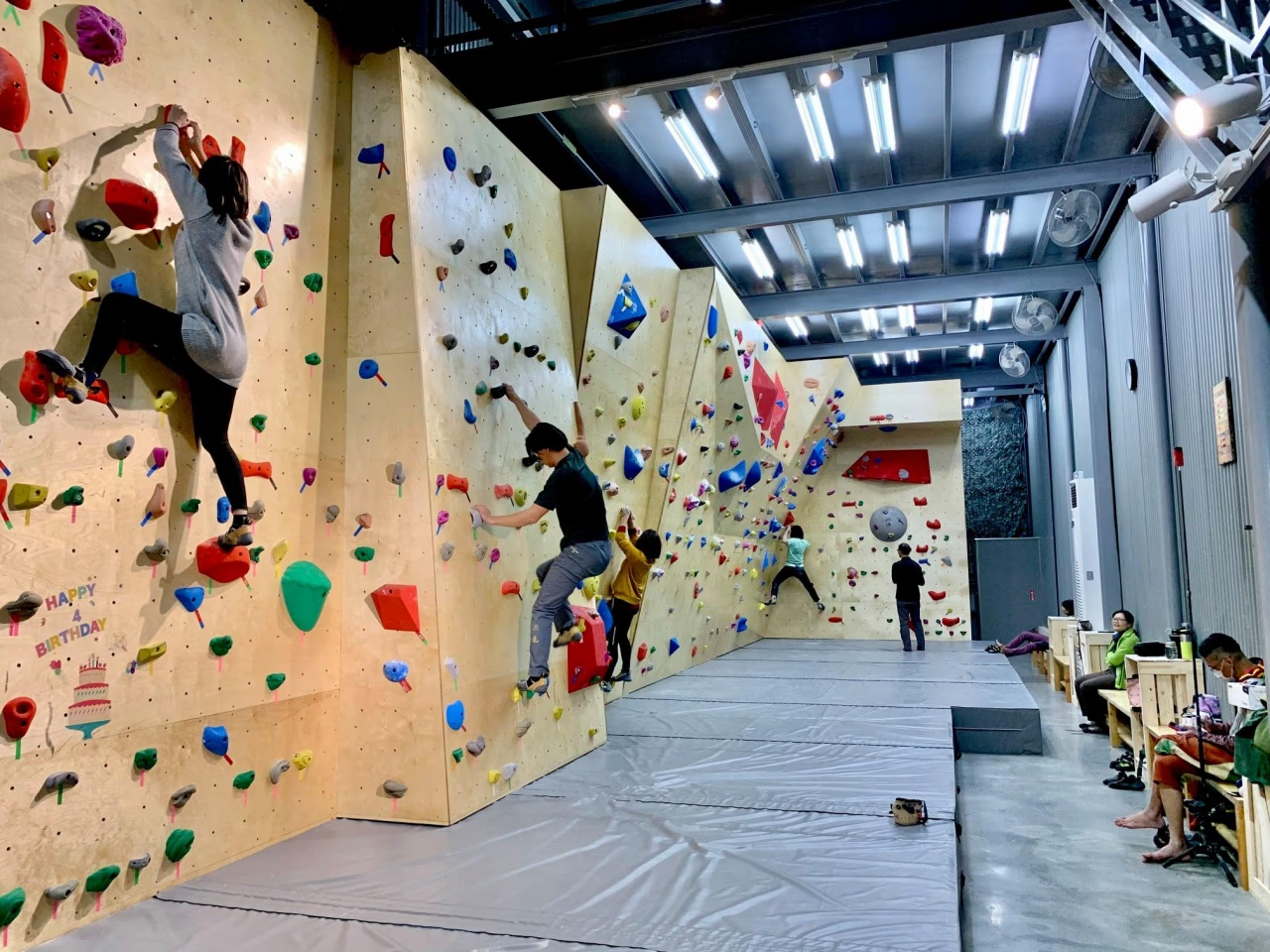
While lead climbing and bouldering use identical techniques, lead climbing emphasizes rhythm and endurance, whereas bouldering tests a climber's explosive power and coordination.
However, for climbing beginners, it's more important to focus on the feel of being on the wall and mastering fundamental movements like using your toes to step on holds, switching feet, hold gripping techniques, and body positioning, rather than chasing specific "skills" or "moves." These basic 10 tips will help you get familiar with climbing movements faster. After practicing at a climbing gym for a while, you can then train for specific techniques such as heel hooks and toe hooks, drop knees, dynos, cross-throughs, and flags.
✦Is rock climbing difficult?
Rock climbing is actually quite easy to pick up, and it's a sport for everyone. While physical fitness and comfort with heights vary from person to person, the initial experience and perceived difficulty will differ even among first-time climbers.
If you already engage in other sports, you'll likely find yourself performing well in rock climbing. For instance, weight training (muscle endurance and grip strength), boxing/combat sports (good muscle endurance), yoga (flexibility), skateboarding/wakeboarding/surfing (balance), and dancing (coordination) all provide excellent foundations.
✦There's no age limit for climbing or bouldering.
There are no age restrictions for rock climbing, but for safety reasons, children under seven years old are not permitted. Younger children are advised to start with bouldering indoors, accompanied by their parents. After an instructor's assessment, they may then be cleared for outdoor top-rope climbing.
✦Yes, you need a coach for rock climbing.
If you've never tried outdoor rock climbing, we highly recommend hiring a coach. Not only will you avoid having to prepare your own gear, but a professional will also introduce you to the sport, ensuring a higher level of safety. If you plan to train with climbing partners in the future, you can then decide whether to hire a coach as needed.
For bouldering, similar to rock climbing, if you don't have experienced friends to guide you, we suggest that beginners take an introductory class to get familiar with the sport. The "safe fall" technique, used when descending from a height, is essential for every boulderer to learn. Having a coach teach you this from the start will provide greater safety and assurance.
Bouldering and top-roping require different climbing gear.
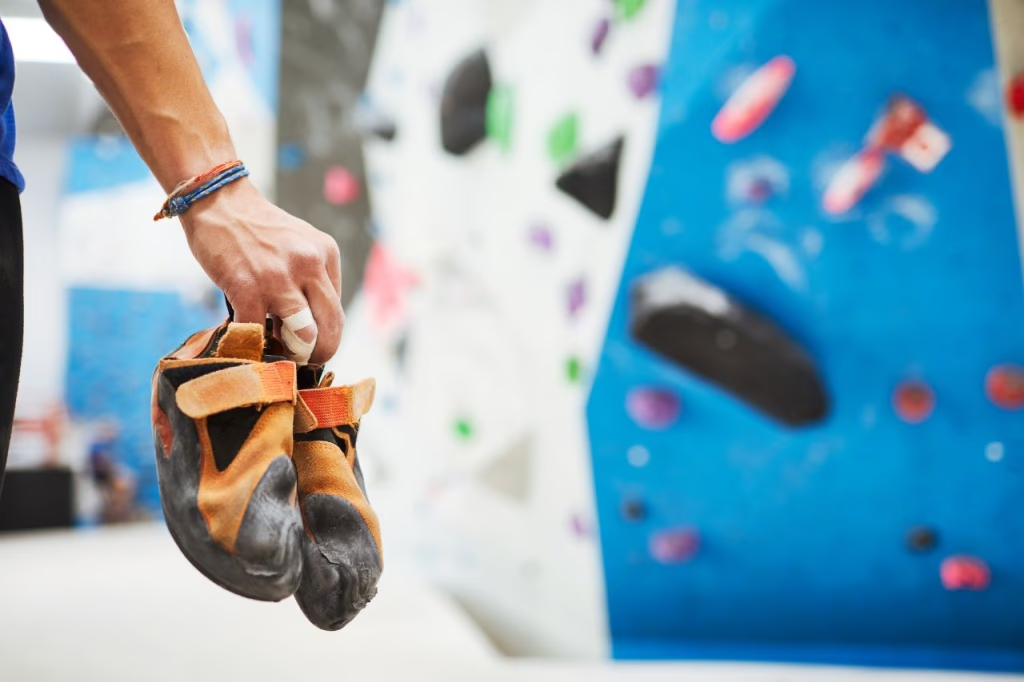
Bouldering gear is very simple: all you need are climbing shoes and a chalk bag to get started. Some indoor bouldering gyms in Taiwan offer free or rental chalk, which helps absorb sweat and improve grip, though not everyone uses it. Climbing shoes are essential; if you plan to pursue climbing long-term, it's advisable to buy your own pair. This makes it easier to get a feel for the wall, and your own shoes will offer better grip than rentals.
Top-roping, on the other hand, requires more comprehensive gear. In addition to basic climbing shoes and a chalk bag, depending on the type of top-roping you choose, you might also need to purchase a belay device, a main rope, a helmet, belay equipment, a climbing harness, and quickdraws. If you're a beginner and not ready to buy gear directly, you can rent it from the climbing gym.
✦What to wear for rock climbing? Can you wear shorts for rock climbing?
For outdoor rock climbing, we recommend wearing loose-fitting athletic shorts and a T-shirt in hot weather. If you're concerned about sun exposure or insect bites, long sleeves and pants are a good option.
For indoor climbing, a T-shirt and shorts are fine. If you're worried about scrapes or scars on your legs, you can wear long pants or yoga pants. Women can wear a sports bra with yoga pants for a cool and comfortable workout. However, we advise against wearing expensive clothing, as friction against the rock can damage your garments, which can be a real pain.
Choosing entry-level climbing gear is straightforward.
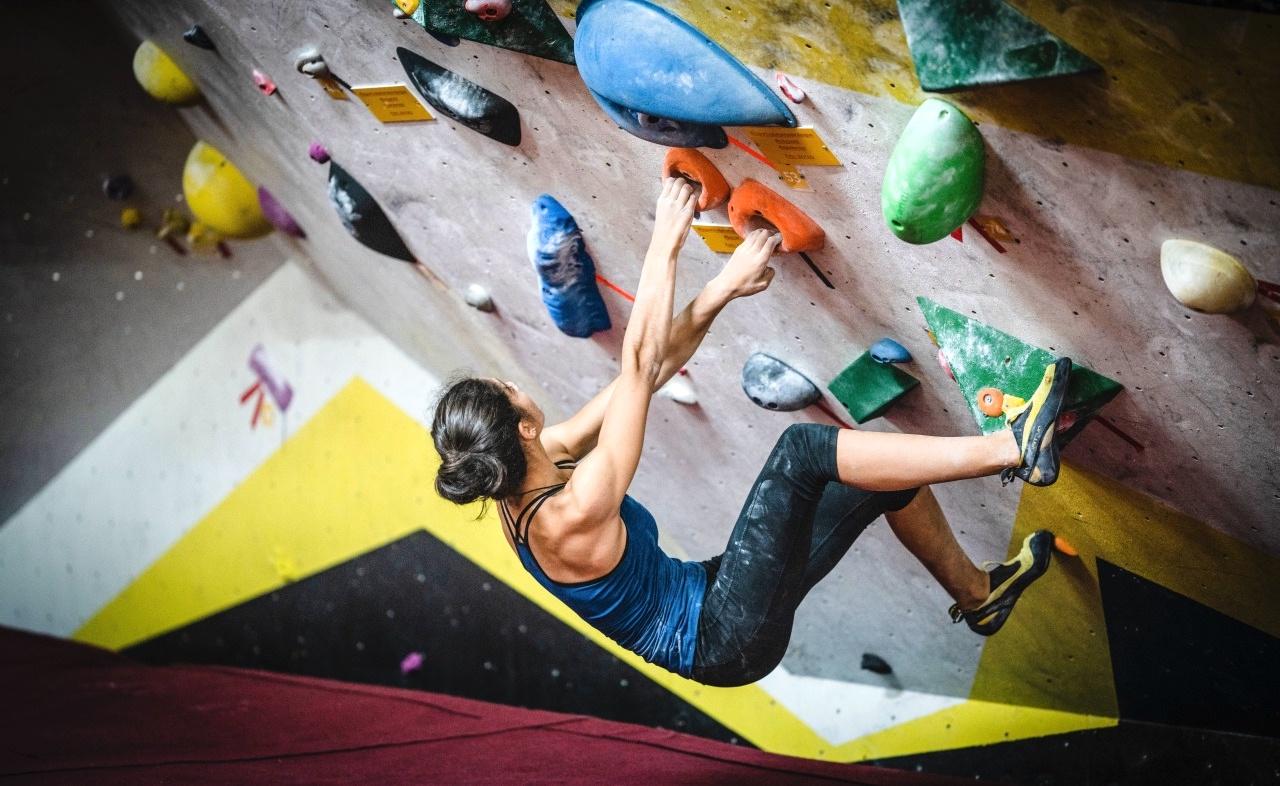
Taiwan's major climbing gear shops and larger climbing gyms sell a wide range of climbing equipment, but there's a significant price difference between entry-level and professional gear. We recommend that climbing beginners start with entry-level equipment: a pair of beginner climbing shoes (around NT$1,000-2,000), a chalk bag (NT$200-1,000), and some chalk (available at climbing gyms and on Shopee, priced around NT$100-300). After completing a comprehensive climbing course and establishing a routine, you'll have a better understanding of which climbing products suit you best.
Take climbing shoes, for example. For a beginner, there are usually two scenarios after about six months: either they discover climbing isn't for them and no longer need the shoes, or they improve and find their shoes no longer fit, requiring a new pair. That's why we don't recommend buying overly expensive gear at the start! Additionally, professional climbing shoes, designed for specific functions, can sometimes be less comfortable, making it easier for beginners to mistakenly buy ill-fitting shoes.
Climbing difficulty ratings vary by type of climb, and bouldering and top-roping use different grading systems.
Climbing Difficulty Grading
Taiwan uses the Yosemite Decimal System (YDS), expressed as 5.X, where higher numbers indicate greater difficulty. Beyond 5.10, a/b/c/d are added for finer distinctions; for example, 5.10b is slightly harder than 5.10a. The world's most difficult climbing route is currently 5.15c.
Bouldering Difficulty Grading
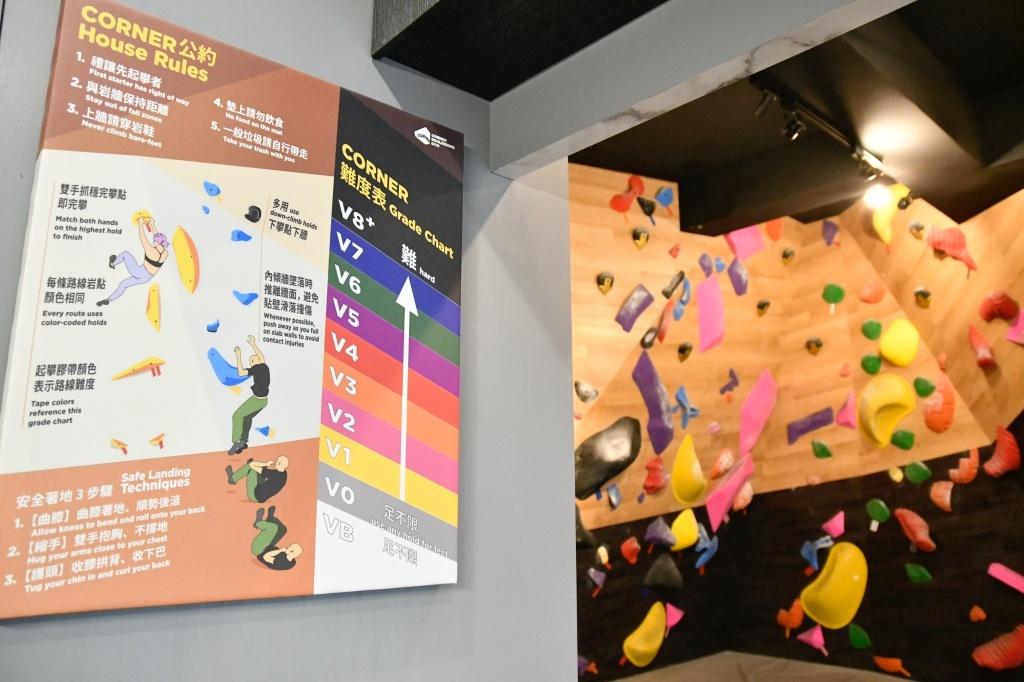
The V-system is the most common bouldering difficulty system used in Taiwan. An Arabic numeral follows the letter V, with higher numbers indicating greater difficulty. Routes typically found in indoor climbing gyms range from VB (Below V0) to V8, while the world's most difficult bouldering route is V16.
Climbing difficulty is distinguished on the wall by "tape color." For example, at Corner Climbing, beginners start with white and gray, then progress to yellow and pink, and those seeking further challenge can climb other colors.
How much does rock climbing cost?
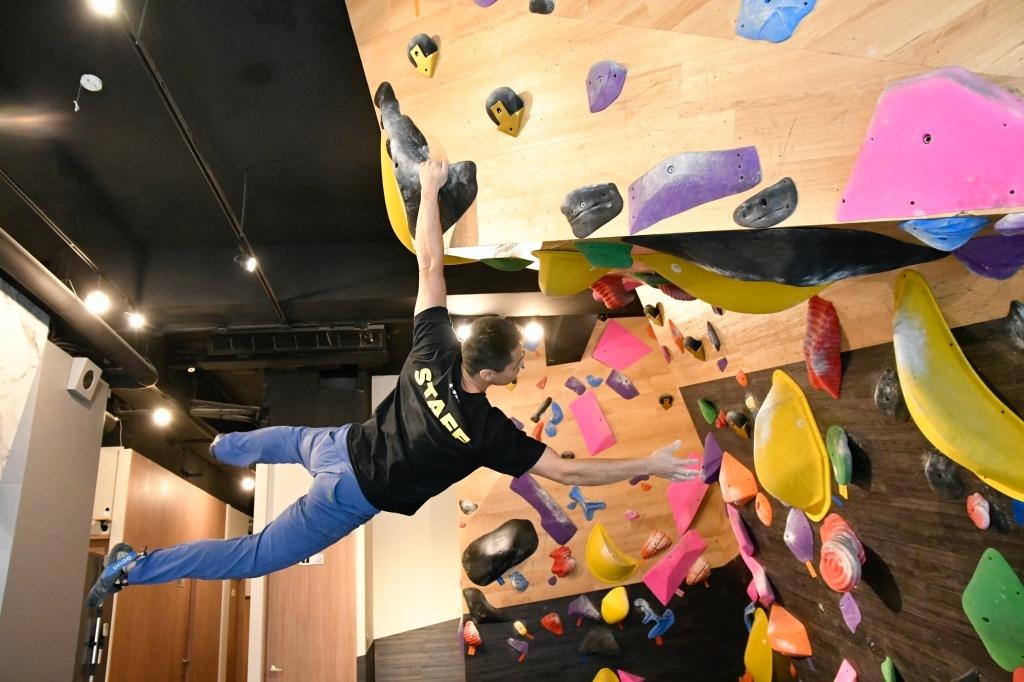
Indoor rock climbing in Taiwan typically offers various pricing structures, including "Introductory Courses," "General Admission," "Ticket Packages," "Monthly Passes," and "Annual Passes." A single general admission usually costs between $250 and $500. Some climbing venues also provide "Night Passes," which are more affordable than general admission. These options primarily cover venue usage.
Any necessary climbing equipment rentals are subject to additional fees:
- Top-rope equipment rental: $10-$300
- Climbing shoe rental: $80-$100
- Chalk bag rental: $50-$100
For beginners, we recommend starting with an introductory course. These courses are specially designed for first-timers, typically lasting about an hour, and can accommodate multiple participants. They include professional coaching and complimentary equipment use, with an average price of $500-$1,000 per person. Different climbing venues may offer varying promotions. For example, Taipei's 角·攀岩館 (Corner Climbing Gym) includes same-day admission with its introductory course, allowing you to stay and practice after the class, plus a complimentary return admission for future practice.
There are several types of climbing classes available.
Top-Rope Climbing Courses
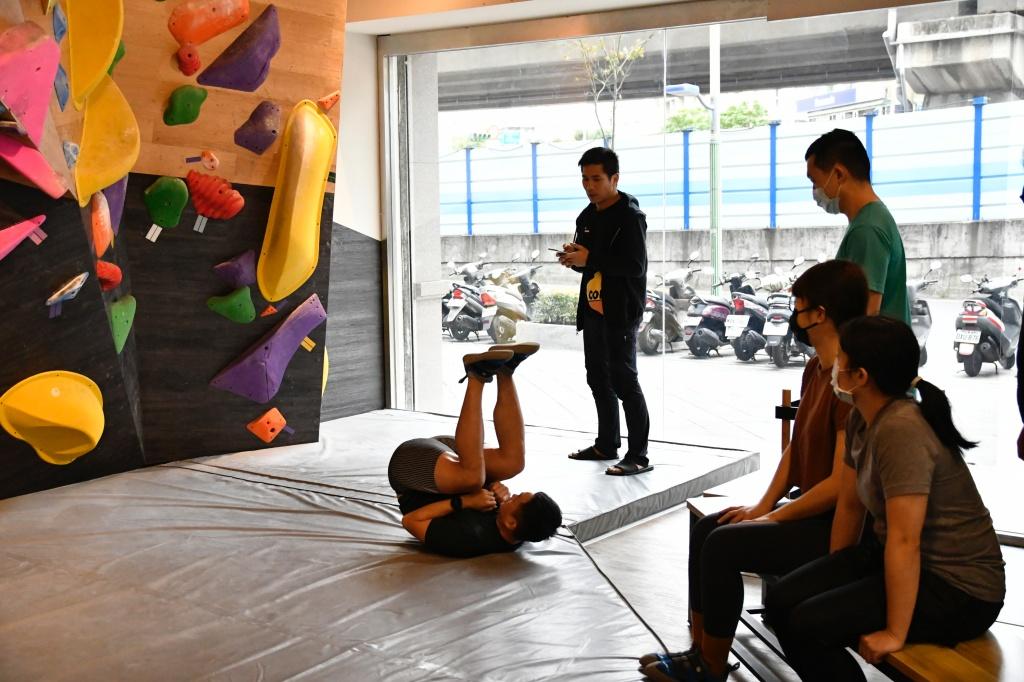
These are divided into climbing technique courses and belaying courses. Climbing technique courses focus on teaching climbing methods and skills, while belaying courses primarily practice the correct use of belaying equipment. Beginners are generally advised to start with technique courses to build their fundamental climbing ability. If you're interested in top-roping after that, you can then learn belaying techniques. Courses are available one-on-one or in group classes.
Bouldering Courses
Bouldering courses vary between climbing venues, but they mainly focus on technique instruction. For example, Corner Climbing Gym offers a four-session bouldering course for $3900, with each session lasting 1.5 hours. Instruction can be tailored to the student's skill level.
CORNER Bouldering Gym
86, Section 1, Xinsheng North Road, Zhongshan District, Taipei City
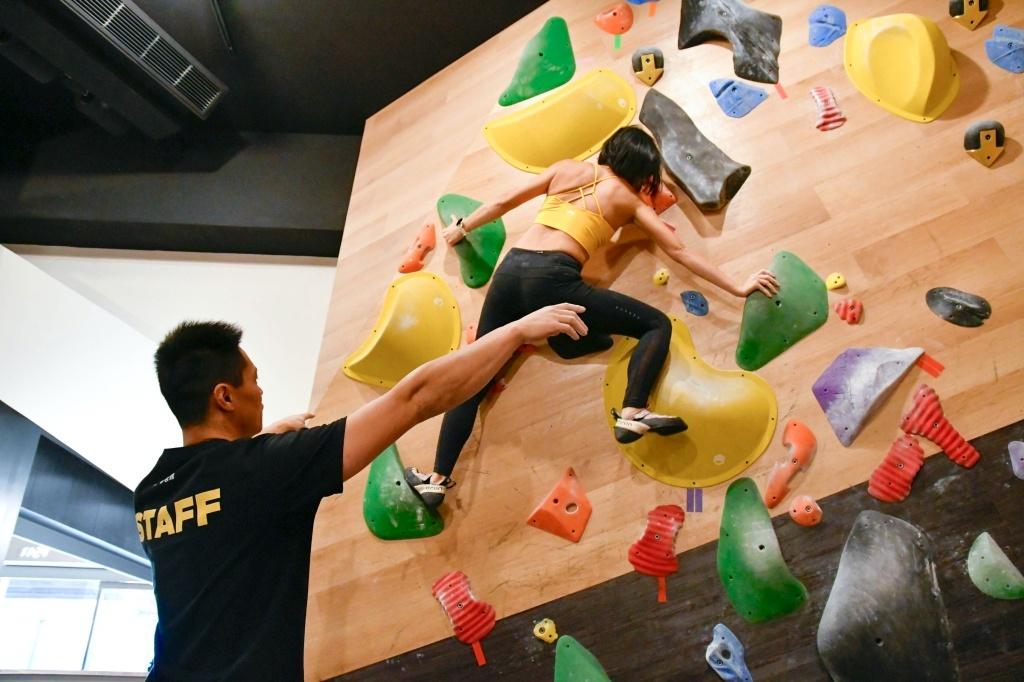
CORNER Bouldering Gym, with locations in Taipei's Huashan and Zhongshan districts, offers a high-qua…
MegaSTONE Climbing Gym
No. 5, Lane 56, Zhongzheng Road, Xinzhuang District, New Taipei City
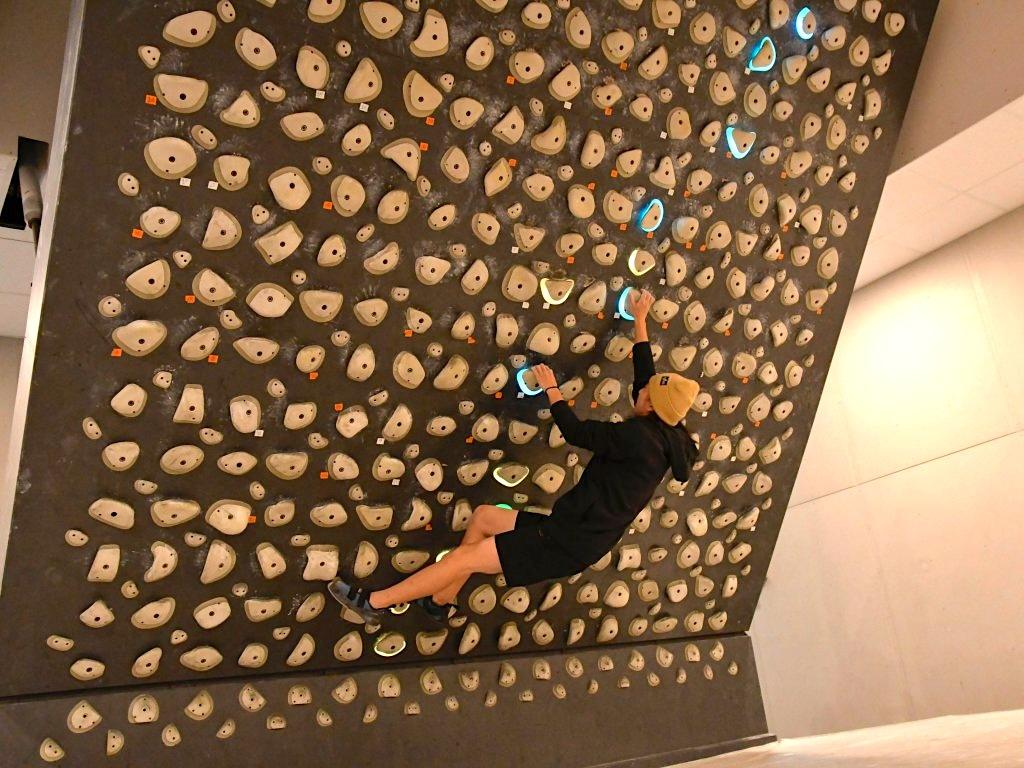
MegaSTONE Climbing Gym, located near Touqianzhuang MRT Station, is one of the few comprehensive clim…
While you're here, check these out ↓
- 01Taipei Kids' Climbing Recommendations|From Parent-Child Classes to Camps! Top 10 Bouldering and Climbing Courses for Kids in Taipei→
- 02Taipei Student Couple Date Ideas: A Guide|What Do Student Couples Do? 10 Activity Recommendations for Student Couples→
- 03Indoor Team Building Activities Guide|10 Indoor Team Building Ideas for Companies: Have Fun Without Sun or Rain!→
There are several climbing certification systems.
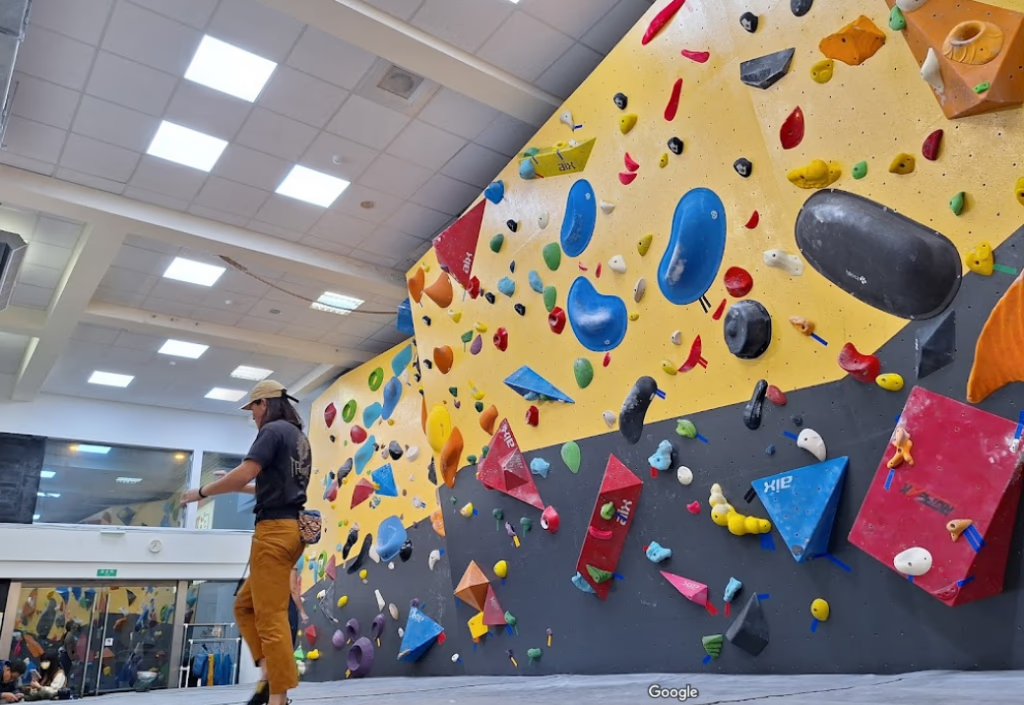
If you're deeply interested in climbing, you can pursue more advanced certifications. Currently, the highest-level quasi-official body in Taiwan is the Sport Climbing Department under the Chinese Taipei Alpine Association (CTAA), and its climbing certifications are highly recognized within the industry. While other local associations also offer certifications, their recognition is lower.
The CTAA issues three types of climbing-related certifications: Sport Climbing Coach, Sport Climbing Judge, and Sport Climbing Route Setter. Aside from the Coach certification, the other two are more relevant to climbing competitions. To obtain a certification, you must first pass the CTAA's regularly held CBT (Climbing and Belay Test). Passing the CBT qualifies you to register for various certification workshops. After passing the workshop assessment, you must complete an internship to receive the certification.
You can go rock climbing at these venues.
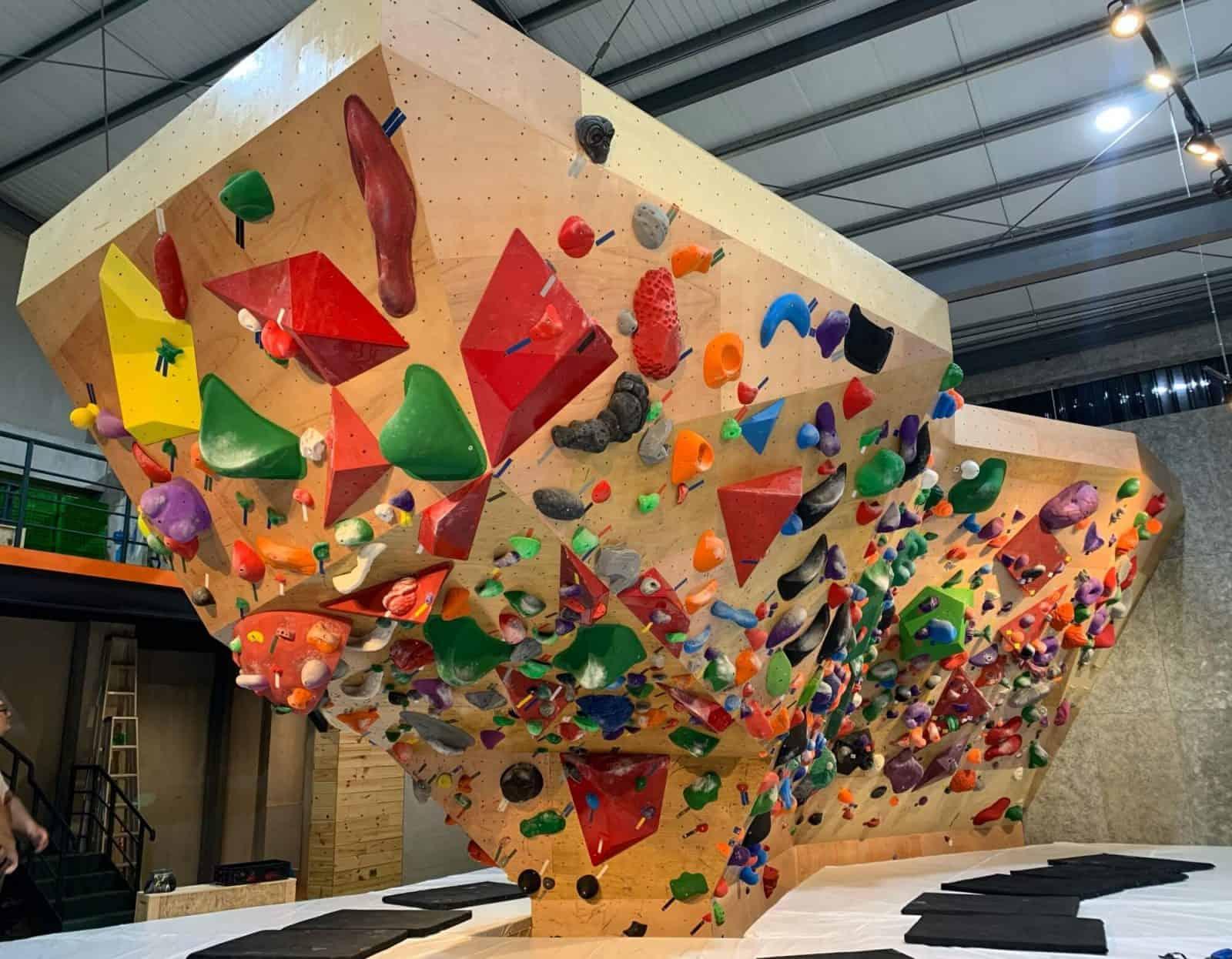
Climbing gyms for top-roping are available both indoors and outdoors, while bouldering is mostly an indoor activity. You can find climbing gyms by searching "climbing gym" online or on Google Maps. If you already know whether you want to do top-roping or bouldering, you can search directly for "top-rope climbing gym" or "bouldering gym." You can also refer to our guide: Taiwan Climbing Gym Guide: 27 Indoor Bouldering and Rock Climbing Venues Across North, Central, South, and East Taiwan, which lists climbing venues available throughout Taiwan.
✦Taiwan offers several outdoor rock climbing venues.
While indoor climbing gyms are great, don't forget the thrill of outdoor climbing. However, outdoor climbing takes place in natural environments, which aren't designed with the same safety considerations as indoor gyms. Always assess your own abilities and go with a coach or experienced climbing partner who knows the outdoor venue well to ensure safety.
Taiwan's most developed natural climbing venues are Longdong in the north and Guanziling in the south, both offering top-rope climbing. Other smaller venues like Dapao Rock, Rehai, Shoushan, and Qianguang Temple also feature top-rope climbing.
As for natural bouldering, Taiwan's terrain means most large boulders are found by rivers or the sea. However, after major typhoons or other natural disasters, the landscape can change, making the development of natural bouldering venues more challenging in Taiwan. Despite this, groups are actively working to develop new natural bouldering venues, and we hope to see some beautiful ones emerge in Taiwan soon.
Final Thoughts
This beginner's guide to rock climbing answers 10 common questions for new climbers, helping you prepare for your first climb.
Rock climbing is a profound and captivating sport, offering endless variations and challenges. Indoor climbing venues provide a weather-proof experience, while outdoor venues offer diverse scenery and new challenges to conquer. For information on climbing venues and course fees in Taiwan, check out our guides to bouldering gyms across Taiwan, recommended climbing venues in Taipei, Taichung climbing venues, or Kaohsiung climbing venues.
Don't miss these either
Kaohsiung Private Personal Trainers: Real Experiences to Help You Choose the Right Coach! | 4 Kaohsiung Personal Training Studios Reviewed

Taichung Indoor Golf Recommendations|Play World-Famous Courses Without Leaving Taiwan! 3 Indoor Golf Driving Ranges Reviewed

KOSHA Pilates Review|Hsinchu East District: Full-Equipment Pilates with AI Posture Analysis for Precise Training

Reader Comments
No comments yet — be the first to share your thoughts.