Freediving Starter PackWhat Can You Do with a Freediving Certification? 10 Things to Know Before You Get Certified
Freediving is simply holding your breath underwater. If you're looking to explore the underwater world with just one breath, without the hassle of heavy gear, then this freediving beginner's guide is for you. Let Twosevenths be your guide as we answer the top 10 most common questions for new freedivers!
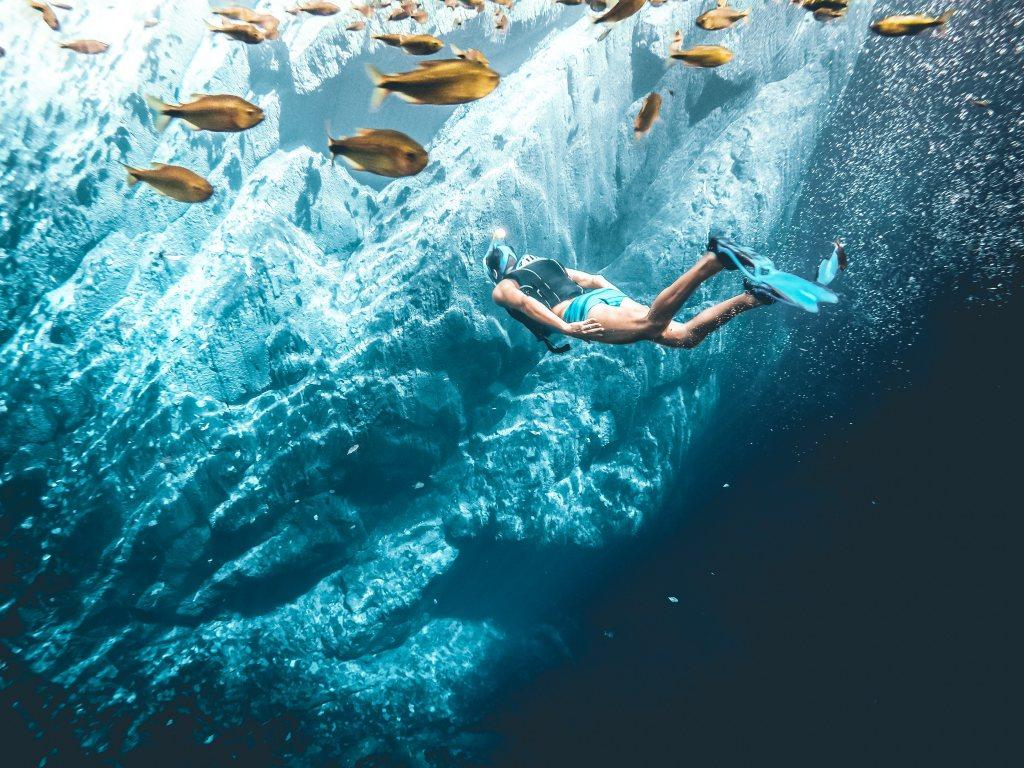
Freediving and scuba diving differ in several key ways.

Diving is divided into two types: freediving and scuba diving. While both are forms of diving, they are completely different sports. Think of basketball and billiards: both are ball sports, but played in entirely different ways with different pleasures. Freediving and scuba diving are much the same.
The simplest and clearest distinction between freediving and scuba diving lies in "breathing." Scuba diving involves carrying a tank underwater, which provides about an hour of air, allowing you to breathe slowly and explore the seabed at leisure. Freediving, on the other hand, relies on a single breath to descend. The depth, breath-hold duration, and overall experience are closely linked to an individual's physical and mental training, offering a way to experience the ocean most like a fish.
Breathing is the easiest difference to grasp, but there are many other distinctions, including descent methods, ascent methods, equalization techniques, equipment operation, and the buddy system. Scuba diving and freediving are conducted in very different ways.
✦Freediving vs. Scuba Diving Comparison
| Scuba Diving | Freediving | |
| Dive Time | 30-60 minutes or more, depending on tank usage | 60-120 seconds or more, depending on individual breath-hold capacity |
| Equipment | Air tank, regulator, BCD (buoyancy control device), mask, snorkel, fins, weights | Mask, snorkel, fins, weights |
| Breathing System | Regulator, air tank | Breath-holding |
| Depth | Varies by certification: typically 18m for Open Water (OW), up to 30m for Advanced Open Water (AOW) | No absolute maximum depth limit; depends on individual limits, typically 10-40m |
✦Yes, here's a more detailed introduction to scuba diving.
To learn more about scuba diving, check out our Scuba Diving Basic Guide: How to Get Certified and Answers to 10 Common Beginner Questions.
Freediving is not inherently dangerous.
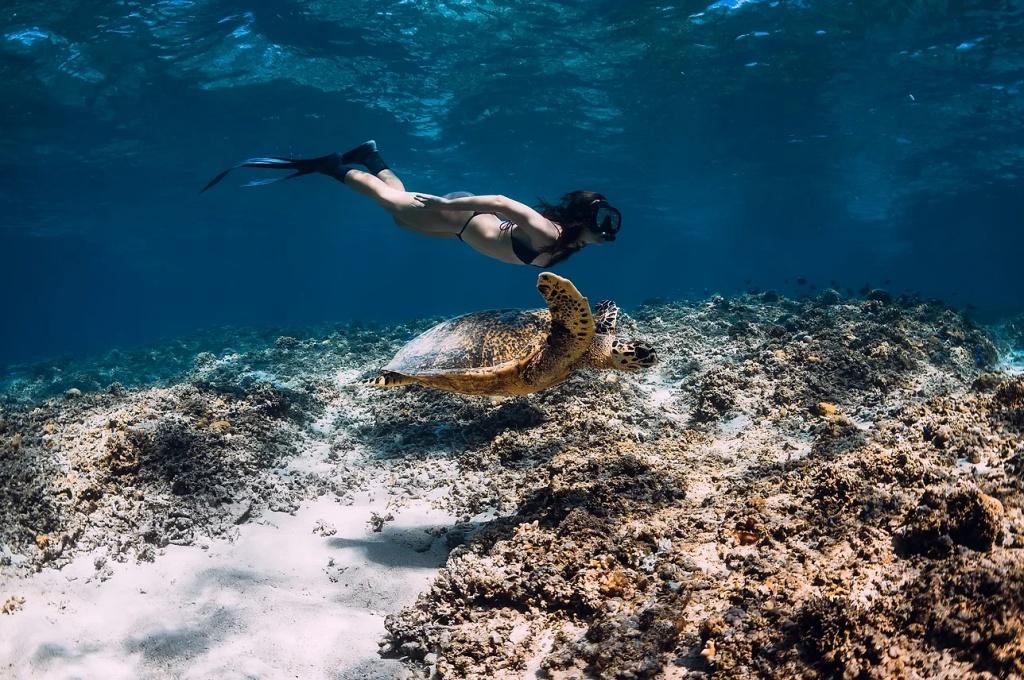
Freediving is often called the world's second most dangerous sport, a statement that might deter many from even considering it. But the truth is, every sport carries inherent risks, and we navigate various risks in our daily lives. Precisely because of these risks, it's crucial to enroll in a freediving course and acquire professional knowledge. Once you take a class, you'll realize that as long as you adhere to safe diving guidelines and the buddy system, freediving isn't as dangerous as it seems.
Beyond the knowledge gained in class, remember this: never dive alone. Many might think it's fine to just play in shallow water or practice breath-holding without a buddy. However, a blackout (BO) can occur at any depth, especially during ascent near the surface where pressure changes are significant. Not only should you never dive alone, but even practicing breath-holding without a buddy can lead to tragedy. The safer a situation seems, the more likely people are to underestimate the risk of an accident. Freediving without a buddy exposes you to high risk. "Dive alone, die alone." Adhering to the buddy system is the absolute first commandment of freediving.
✦No, freediving does not carry the risk of decompression sickness (DCS), also known as "the bends."
Freediving involves holding your breath, so nitrogen absorption is quite low; as long as you allow sufficient surface recovery time between dives, you can avoid decompression sickness.
Yes, you can learn freediving even if you don't know how to swim.
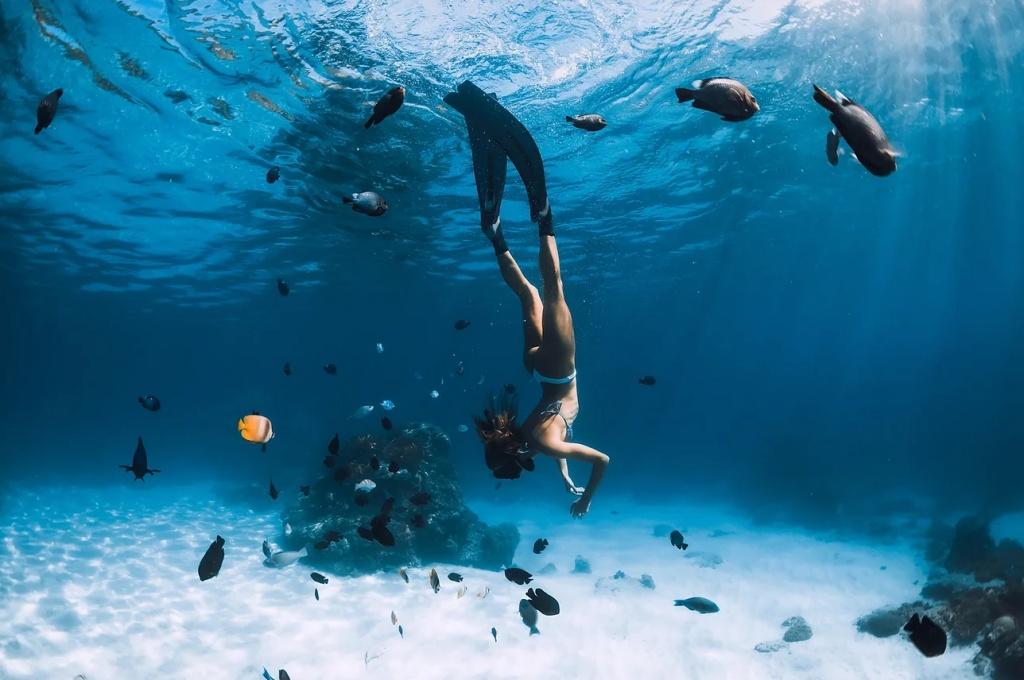
You absolutely can learn freediving even if you don't know how to swim. This is probably the number one question beginners ask, but not knowing how to swim is definitely not a barrier to learning freediving — in fact, many scuba and freedivers don't know how to swim! However, swimming is still very important in freediving, as it's an ocean activity. If you ever encounter an unexpected situation in the sea, having an extra self-rescue skill will make you much safer. Even if you don't plan to try freediving, it's still a good idea to learn to swim. After all, when you're just playing in the water, you might encounter that classic dilemma of your mom and girlfriend both falling into the sea, and you'll have to jump in to save one.
✦You can absolutely learn freediving even if you can't hold your breath for long.
Many beginners worry about holding their breath for freediving, and breath-holding is indeed a crucial part of freediving training. However, freediving breath-holding is different from simply holding your breath with brute force. During the course, instructors teach relaxation and breathing techniques that significantly extend your breath-hold time. So, don't worry if you can't hold your breath for long; it's something you can improve with practice.
A freediving certification allows you to freedive at greater depths and explore more dive sites.
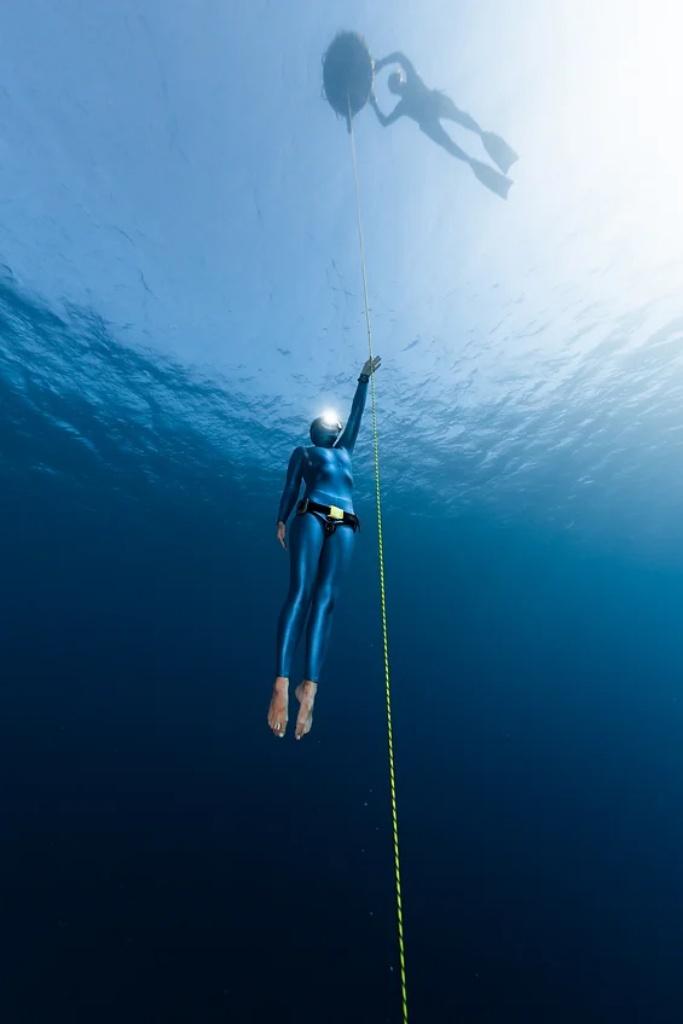
Freediving certifications are tiered by skill level; once you complete a course and pass the required threshold for that level, you'll receive your freediving certification. In Taiwan, if you want to practice in a deep pool or rent freediving gear from a dive venue, you'll typically need to present a freediving certification to do so.
✦您不需要任何自由潛水證照。
Freediving certifications differ significantly from scuba diving certifications. While freediving doesn't strictly require a specific certification level to participate, taking a freediving course is still incredibly important. It's through these courses and hands-on rescue practice that you can efficiently and thoroughly learn about freediving. The knowledge gained during the certification process is far more valuable than the certificate itself!
While you're here, check these out ↓
- 01Langyu Qianxing Review|Penghu Day Trip: Freediving, SUP, and Escape Room All in One!→
- 02Heyhey Dive Xiaoliuqiu Flagship Store Review|Experience an international dive vibe without leaving Taiwan — it's chill above and below the water.→
- 03Om Space Review|All-inclusive courses and accommodation make you a Little Liuqiu freediving VIP→
There are several types of freediving certifications available.
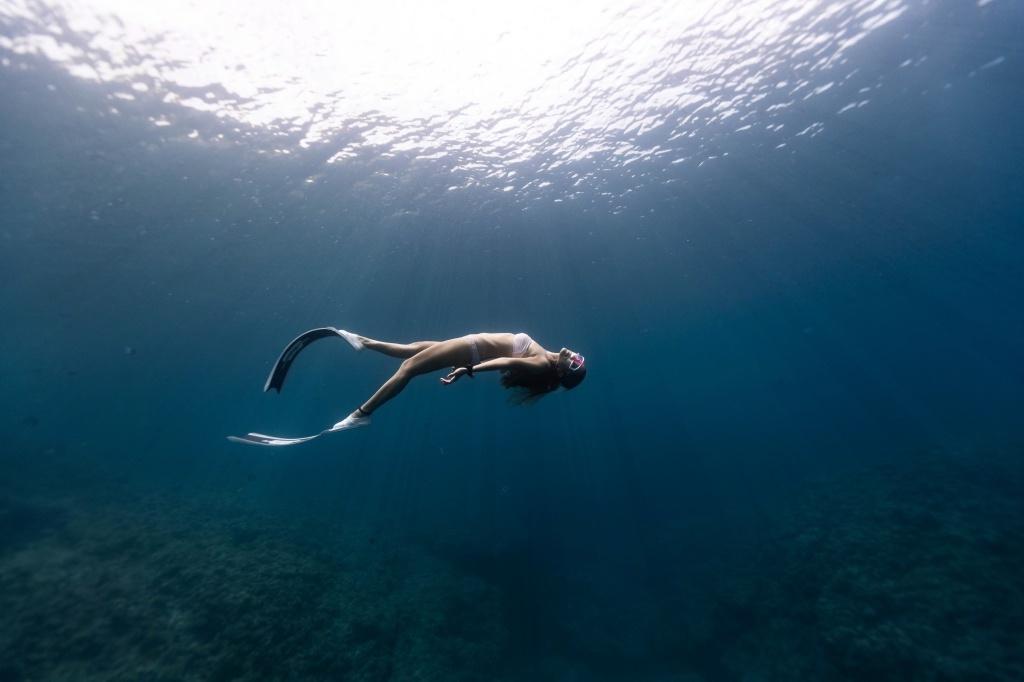
Taiwan currently has several popular freediving certification systems, including AIDA, PADI, SSI, and Molchanovs (Matcha), each with different certification levels and assessment standards. You can think of these freediving systems as different universities, each with its own graduation requirements. Some are well-established institutions with specific specializations and numerous branches worldwide. Freediving certifications are similar: the main differences between systems lie in their levels, course completion standards, and teaching materials, but you'll essentially learn all the necessary freediving techniques regardless of the system.
Both AIDA and PADI offer entry-level certifications: AIDA 1 and PADI Basic Freediver. These primarily focus on confined water (mostly pools) and are best suited for those who simply want to try freediving. If you want to learn freediving techniques that allow you to dive in the ocean, it's recommended to go directly to the next level: AIDA 2, PADI Freediver, SSI Level 1, or Molchanovs Wave 1.
✦Freediving Certifications Comparison Chart
| Certification Name | AIDA 2 | PADI Freediver | SSI Level 1 | Molchanovs Wave 1 |
| Age Requirement | 16 years or older (parental consent required for those under 18) | 15 years or older (parental consent required for those under 18) | 12 years or older (parental consent required for those under 18) | 16 years or older (parental consent required for those under 18) |
| Swimming Requirement | Ability to swim 200m continuously or 300m with snorkel gear | Sufficient swimming skills and good health | None | Ability to swim 200m continuously |
| Course Duration | 18-20hr | 18-20hr | 18-20hr | 18-20hr |
| Theory Exam | 75 points | 75 points | 80 points | 80 points |
| Static Apnea | 2 minutes | 1 minute 30 seconds | None | 1 minute 30 seconds |
| Dynamic Apnea | 40 meters | 25 meters | 30 meters | 30 meters |
| Constant Weight Freediving | 12-20 meters | 10-16 meters | 10-20 meters | 12-20 meters |
| Underwater Rescue | 5-10 meters | 5 meters | 10 meters | 6-10 meters |
The best freediving certification depends on your goals and preferences.
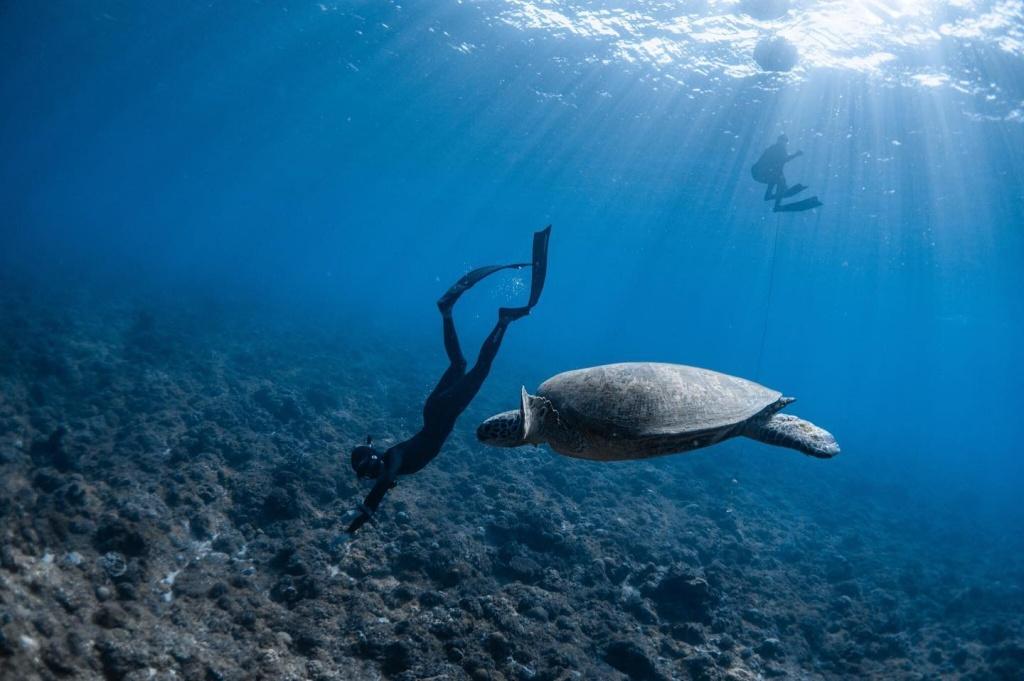
The specific freediving system or certification you choose isn't all that important.
Even top schools can have unmotivated instructors, and lesser-known schools can have incredibly dedicated ones. But even with a great instructor, if you don't put in the effort and skip classes, you might still fail. So, when signing up for a freediving course, finding a professional and attentive instructor and being willing to commit yourself are the primary considerations, rather than focusing on the system. The only exception is if you plan to pursue freediving professionally, as some dive venues might require specific freediving systems (though you can always transfer later). If you're just looking to freedive recreationally, there's no need to worry too much about whether you get an AIDA, SSI, or PADI freediving certification.
Here's how to get your freediving certification.
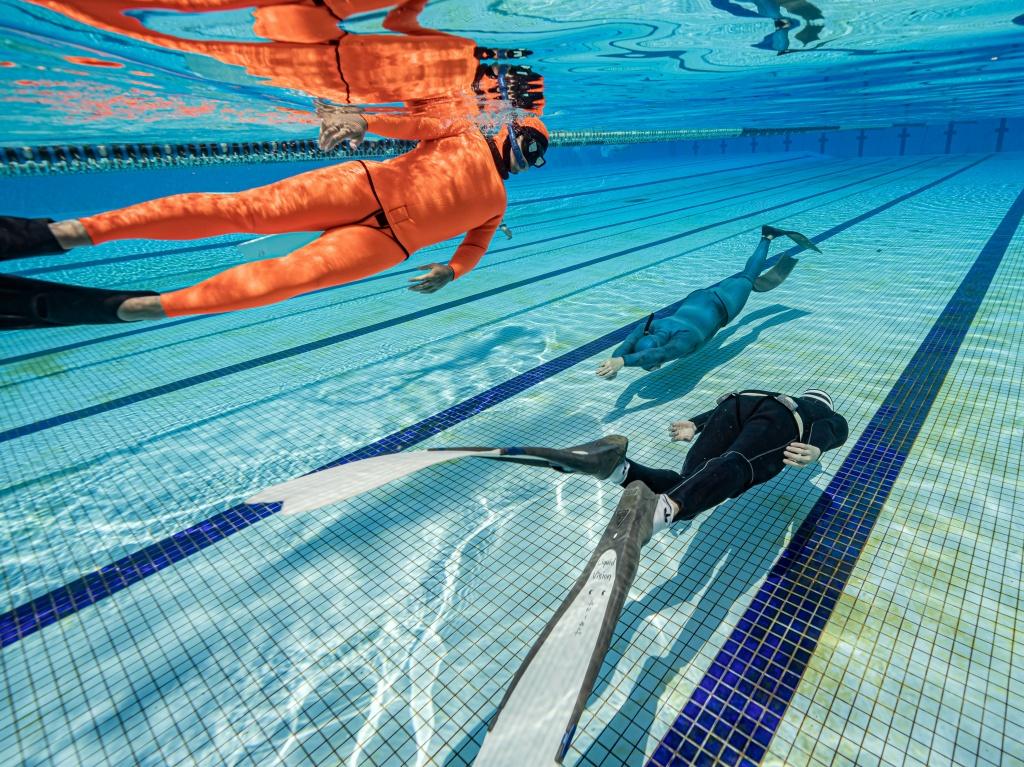
The freediving certification process typically involves three types of courses: confined water (pool sessions), open water (ocean training), and academic lessons. After completing all courses, you'll take both academic and practical exams. The passing thresholds vary slightly across different freediving systems, but once you meet the requirements set by your chosen system, you'll successfully complete the course.
✦If you don't pass the exam, you can retake it.
It's rare for students to pass their freediving certification on the first try; most will encounter a sticking point in at least one area. But there's no need to worry, as freediving exams generally allow for retakes. The retake process varies by instructor, so before you sign up for a course, be sure to ask your instructor about their retake policy and whether there are any associated fees.
Choosing a freediving school can be a challenge.
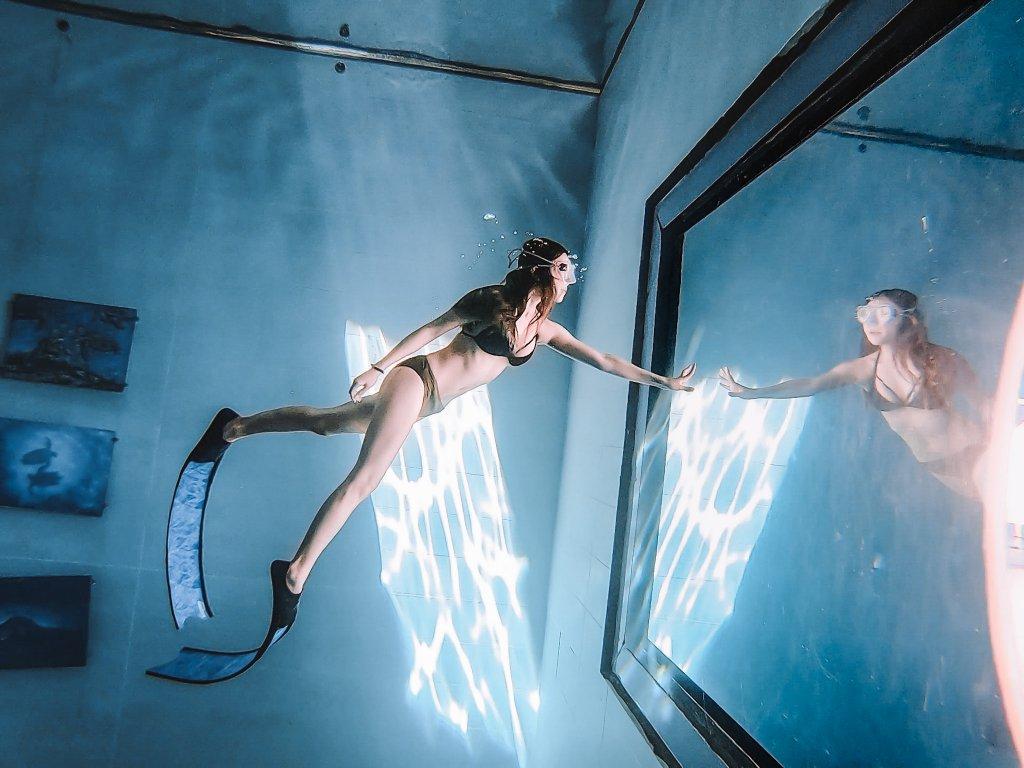
Freediving courses typically take three to four days, so we recommend starting your search in an area convenient for you, and checking out student reviews for different venues. Also, remember to ask if you can return to practice with the instructor after your certification period, what the practice fees are, and how equipment rental is charged. Here are some key points to consider when choosing a freediving venue:
✦Class Location
- Where is the classroom located?
- Which pool is used for practical training?
- What are the options for open water training locations?
✦Course System
- Which freediving system is used?
- Does the system allow cross-certification?
- What is the student-to-instructor ratio?
- How long is the total course duration?
✦Course Fees
- Is equipment rental included?
- Is there an additional venue fee?
- Does the ocean training include transportation and accommodation?
- Are there group discounts?
✦Practice System
- Is there practice time outside of class?
- Can I schedule private practice sessions with a coach?
- Are there regular group practice sessions?
- Is there an additional charge for extra practice?
✦How to Retake
- Is there a limit to the number of retakes?
- Is there an additional fee?
✦Other
- Underwater photography is available.
Freediving course fees typically range from NT$8,000 to NT$15,000.
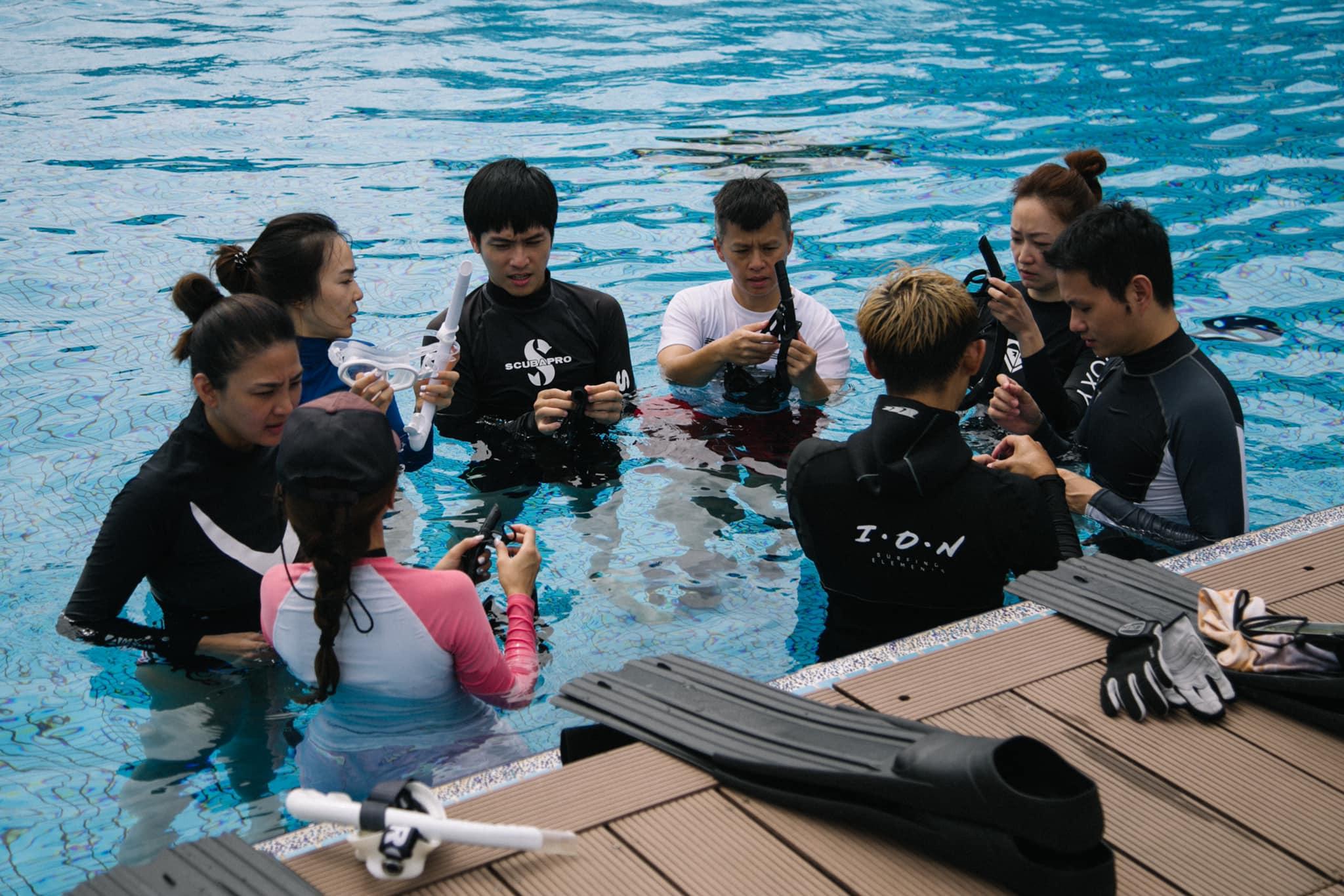
In Taiwan, freediving course fees generally range from NT$10,000 to NT$15,000. However, some courses may require additional charges for accommodation or pool entry fees on top of the freediving course itself. If you're looking to combine your certification with a popular island getaway to Xiaoliuqiu or Orchid Island, the costs will vary further. Additionally, most venues offer group discounts, so it's worth inquiring and comparing prices.
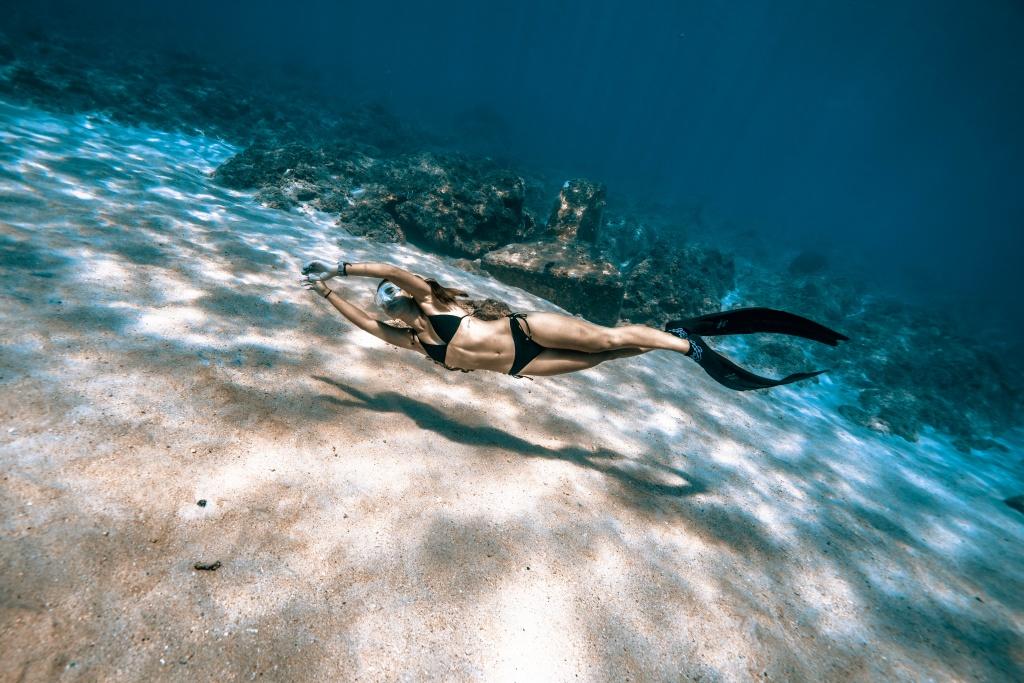
Om Space has locations in both northern and southern Taiwan, offering courses in the northern Northe…
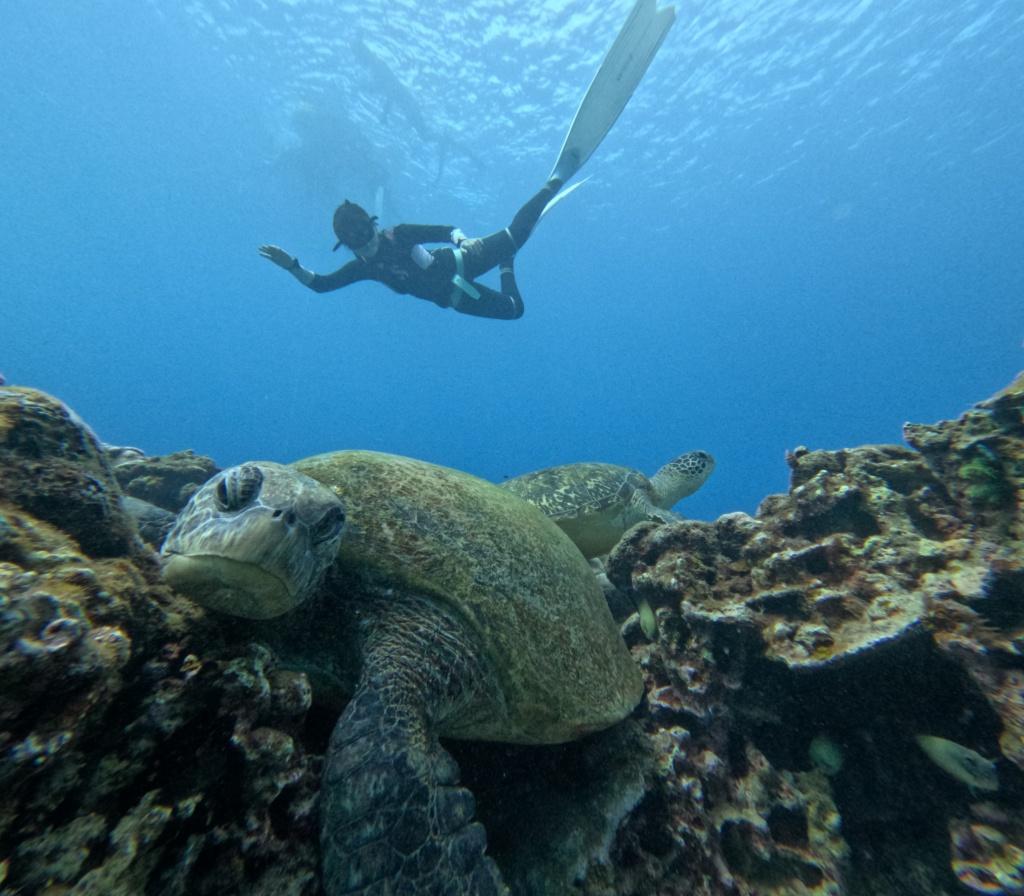
Ofucos was founded by Ou Fu, an adventurer with a passion for extreme sports, who created the Ofucos…
While you're here, check these out ↓
- 01Penghu Freediving Recommendations|Professional and attentive instructors ensure your safety! A review of 3 Penghu freediving venues.→
- 02Xiaoliuqiu Water Activities Guide|Unlock Island Fun! 10 Recommended Water Activities in Xiaoliuqiu→
- 03Xiaoliuqiu Scuba Diving Experiences|No Swimming Skills or Certification Needed! Top 10 Xiaoliuqiu Dive Shops→
You can learn freediving in any season.
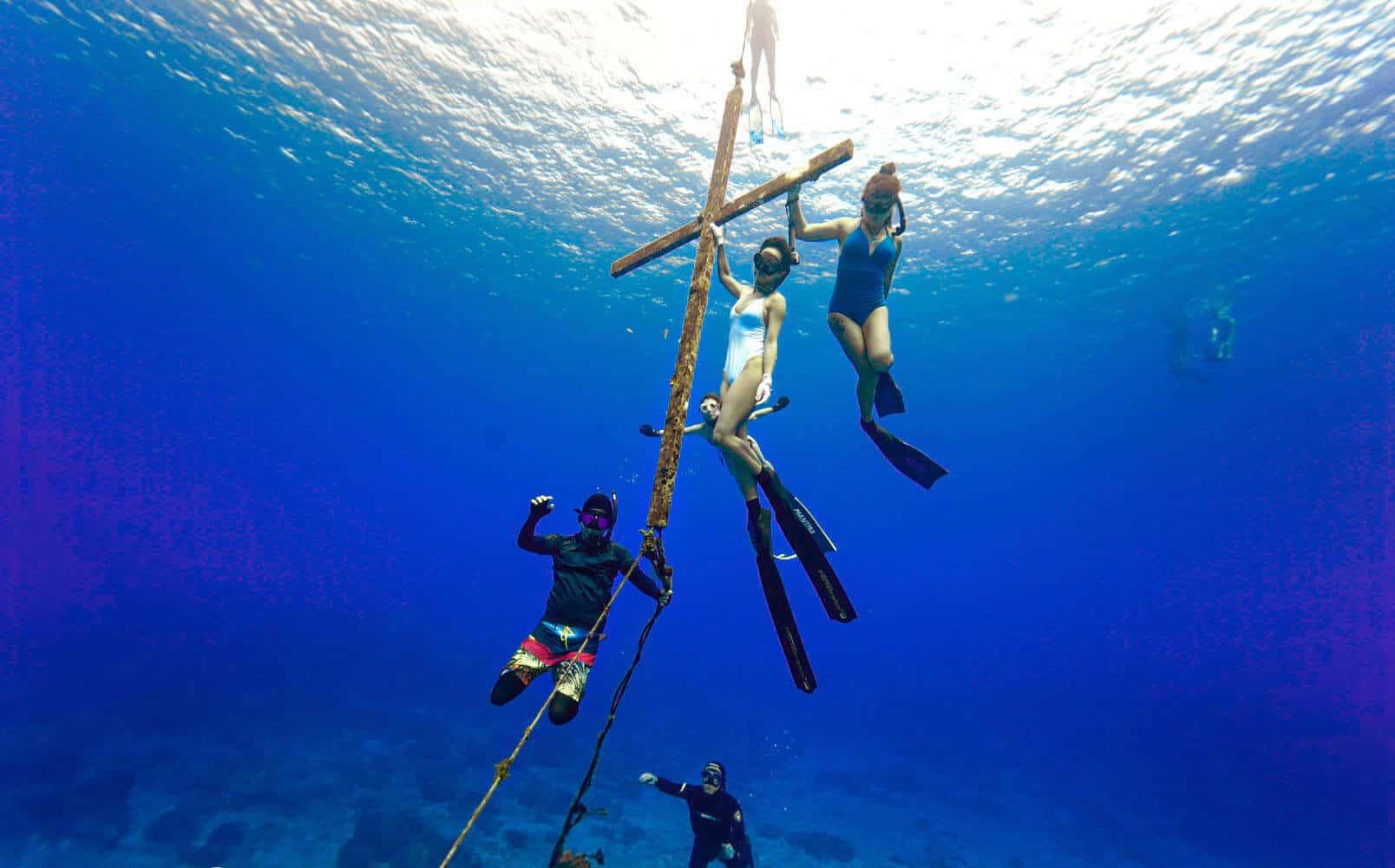
If you're going to hit the water, you might as well fully embrace a summer of sun, sand, and bikinis! Most people worry that learning to dive in winter is too cold, so they opt for summer lessons. However, freediving courses usually provide wetsuits, and if you're not particularly sensitive to the cold, avoiding the crowded summer months can actually be a great option.
✦Beyond the season, are there other factors to consider when scheduling classes?
When choosing a dive spot, consider visibility and weather conditions. For example, the Northeast Coast, Green Island, and Orchid Island are affected by the northeast monsoon, so winter brings unstable waves and temperatures; spring and summer are the best times to visit. By contrast, Xiaoliuqiu and Kenting are influenced by southwest air currents, resulting in poorer visibility in summer, making autumn and winter more suitable for diving.
Final Thoughts
This has been Twosevenths' essential guide to freediving. We've answered the 10 most common and challenging questions for beginners, so you can dive into the sport with a deeper understanding.
Whether you dream of becoming a graceful mermaid or pushing your personal limits, a solid foundation in safe freediving knowledge is crucial. It's the only way to truly enjoy this sport in the ocean, worry-free. And remember, consistent practice after your lessons is key to improving your water skills. The more you practice, the more confident and joyful your dives will be.
- Discover the most beautiful dive sites: Kenting Dive Sites, Penghu Dive Sites, Xiao Liuqiu Dive Sites.
- Combine diving with travel: Xiao Liuqiu Dive Travel Guide, Penghu Travel Guide.
- Learn freediving: Penghu Diving, Xiao Liuqiu Freediving, Kenting Freediving, Taipei Freediving, Taichung Freediving.
Don't miss these either
Yingge Day Trip Itinerary|From the Ceramics Museum to Old Street Cafes: A Relaxed Getaway
Penghu Freediving Recommendations|Professional and attentive instructors ensure your safety! A review of 3 Penghu freediving venues.
Hana Diving Resort Review|Dive and Work: A Digital Nomad-Friendly Diving Resort

AIDA 跟 PADI的門檻相反了
感謝回報,已更正資訊。