Scuba Diving Starter PackWhat Can You Do With an Open Water Scuba Diving Certification? Top 10 FAQs About Getting Certified
Scuba diving is a dream for many, offering the freedom to breathe underwater with an oxygen tank and explore marine life for extended periods. But how does a beginner become a certified diver? Twosevenths has compiled a fundamental guide for new scuba divers, covering 10 common questions, including the differences between scuba and freediving, and the various types of scuba diving certifications available, to answer all your queries.
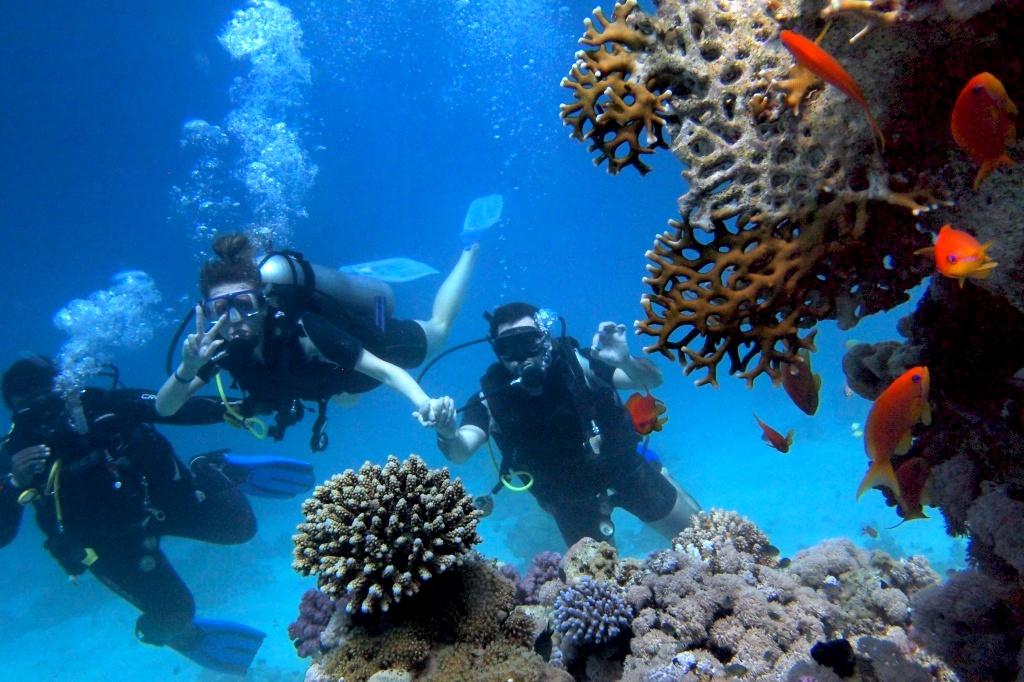
Here's how scuba diving and freediving differ.
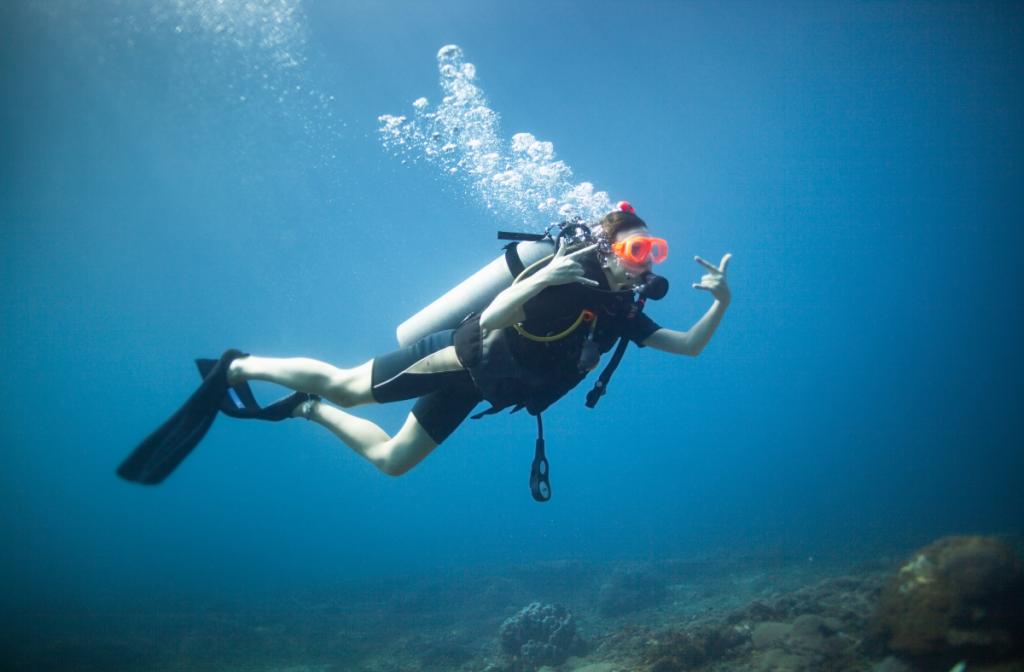
Freediving and scuba diving are both forms of diving, but beginners often struggle to differentiate between them or decide which to learn first. The easiest way to tell them apart is by the diving gear each diver wears.
Scuba diving involves carrying equipment that supplies air, allowing you to breathe smoothly underwater and stay submerged for about 30-60 minutes, depending on your breathing habits and depth. This makes it ideal for observing marine life. Freediving, on the other hand, relies on a single breath to descend, allowing you to stay underwater for about 60-120 seconds, depending on your breath-hold duration and depth. It requires less equipment and offers a more fish-like experience of gliding through the ocean.
Additionally, scuba and freediving have significant differences in breathing techniques, diving skills, and equipment operation. Neither is inherently better or worse; it simply comes down to which way you prefer to explore the underwater world!
✦Scuba Diving vs. Freediving: A Comparison
| Scuba Diving | Freediving | |
| Dive Time | 30-60 minutes or more, depending on tank usage | 60-120 seconds or more, depending on individual breath-hold capacity |
| Equipment | Air tank, regulator, BCD (buoyancy control device), mask, snorkel, fins, weights | Mask, snorkel, fins, weights |
| Breathing System | Regulator, air tank | Breath-holding |
| Depth | Varies by certification: typically 18m for Open Water (OW), up to 30m for Advanced Open Water (AOW) | No absolute maximum depth limit; depends on individual limits, typically 10-40m |
✦Yes, here's a more detailed introduction to freediving.
To learn more about freediving, check out our Freediving Basic Guide: Certifications and 10 FAQs for Beginners.
Recommended Freediving Venues Across Taiwan:
Xinhai Diving Center
Heart Ocean Diving Center is conveniently located near Houbihu, about a 10-minute drive from Hengchu…

Located near the Xiaoliuqiu ferry terminal, Liuqian is just a five-minute walk away. The dive venue …
While you're here, check these out ↓
- 01Langyu Qianxing Review|Penghu Day Trip: Freediving, SUP, and Escape Room All in One!→
- 02Heart Ocean Diving Review|The most welcoming Houbihu dive venue, where a passionate family guides you to explore Kenting's ocean→
- 03Heyhey Dive Review|Explore the underwater world with AIDA-certified freediving instructors in Taipei→
What scuba diving gear do you need?
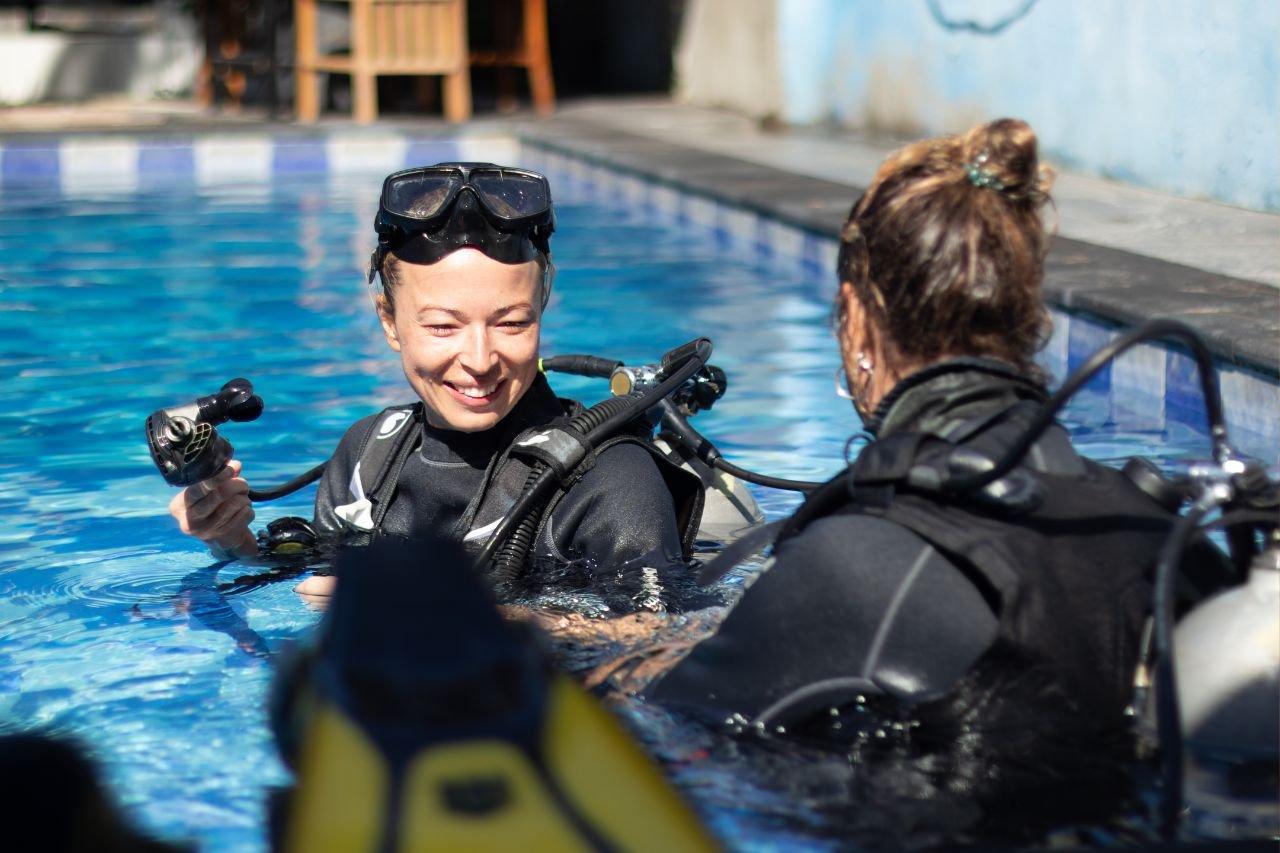
While freediving requires only light gear like a mask, snorkel, fins, and weights, scuba diving demands a full set of both light and heavy equipment. In addition to the mask, snorkel, fins, and weights, the essential heavy gear includes a tank, regulator, and BCD (buoyancy control device). The entire scuba setup weighs around 20 kilograms, which is considerably heavier than freediving gear. However, once you're in the water, the buoyancy of the ocean makes it feel much lighter. On land or when boarding a boat, though, it can certainly be a significant physical challenge for some.
✦Understanding Light Diving Gear
Dive Mask:
- Allows divers to see clearly underwater. Choosing a mask that fits your face is crucial to prevent leaks.
Snorkel:
- Primarily used for breathing on the surface, saving air in your tank. Use a snorkel to breathe when surfacing instead of your air tank.
Fins:
- Fins help divers move more efficiently underwater, reducing energy expenditure. Choose the right size and stiffness to suit different water conditions.
Wetsuit or Drysuit:
- Wetsuits keep your body warm, while drysuits are completely waterproof and suitable for colder waters.
Weight Belt:
- Used to help divers descend. The amount of weight needed should be adjusted based on the wetsuit's buoyancy and the diver's body weight.
✦Understanding Scuba Gear
Scuba Tank:
- Provides compressed air for divers to breathe underwater. Tank capacity and material are chosen based on dive depth and duration.
Regulator:
- Connects the tank to the diver's mouthpiece, converting high-pressure air to a breathable, safe pressure. Regulators typically have first and second stages.
Buoyancy Control Device (BCD):
- A BCD allows divers to control their buoyancy in the water, making it easy to ascend, descend, or maintain neutral buoyancy underwater.
Dive Computer:
- Monitors crucial information such as dive depth, time, gas consumption, and no-decompression limits to ensure a safe dive.
Dive Watch:
- While many divers now rely on dive computers, a traditional dive watch remains a backup device for monitoring time and depth.
Dive Compass:
- Used for underwater navigation, helping divers stay on course and avoid getting lost.
You do not need to know how to swim to get a scuba diving certification.
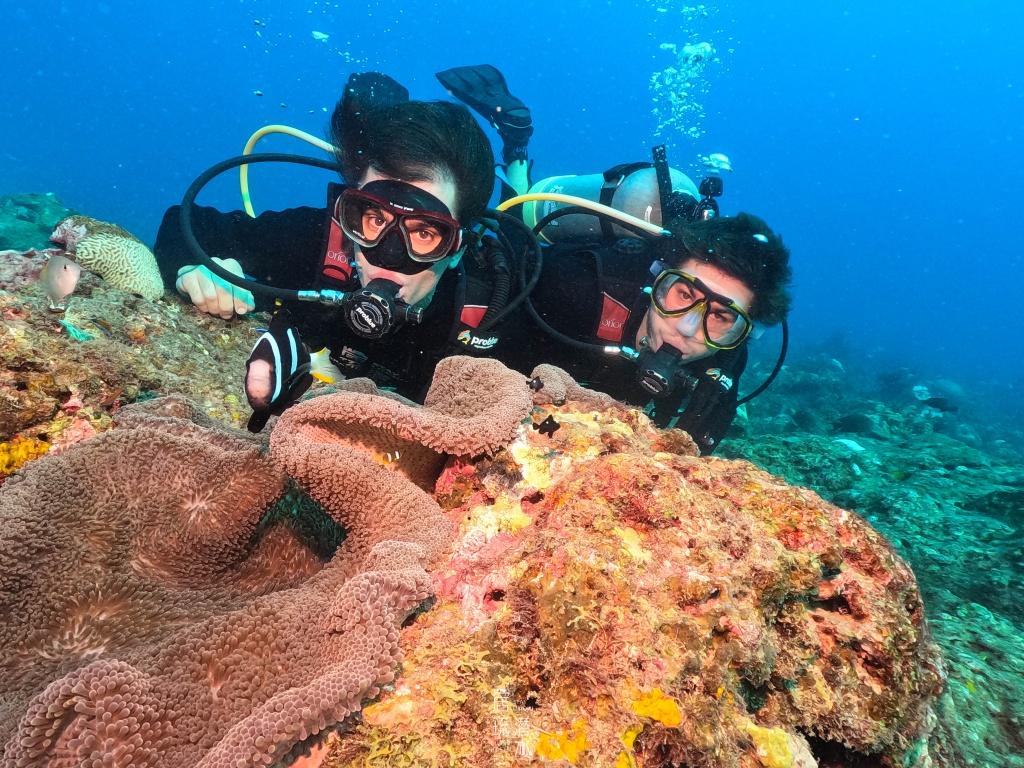
You don't need to know how to swim to learn scuba diving. This is a common question for beginners, but swimming skills actually have no direct bearing on scuba diving; many divers with hundreds of dives under their belt are still "landlubbers." Scuba diving uses the gear on your back to "float" you in a weightless underwater world, much like astronauts floating in outer space—which is why the underwater world is sometimes called "inner space." So, whether or not you can swim doesn't affect your success in learning scuba diving.
What has a greater impact is a fear of water. If you normally tremble when you go to a pool, you'll need more time to confront your fear and relax when you're at the beach, where conditions are less predictable. But as long as you overcome that, you can still successfully complete a diving course.
✦Scuba diving is not suitable for individuals with certain medical conditions.
People with certain health conditions should not dive.
People with cardiovascular disease:
- Individuals with heart conditions such as heart disease, arrhythmia, arteriosclerosis, or high blood pressure are not suitable for diving. The pressure changes during diving can increase cardiac strain and trigger cardiovascular events.
People with respiratory problems:
- Those with conditions like asthma, chronic obstructive pulmonary disease (COPD), or impaired lung function may find it difficult to regulate their breathing while diving, increasing the risk of lung issues such as lung overexpansion or pneumothorax.
Pregnant women:
- Diving during pregnancy may lead to fetal hypoxia or decompression sickness. Although there is no definitive evidence, most doctors advise pregnant women to avoid diving.
People with ear, nose, and throat (ENT) problems:
- Conditions such as otitis media, poor ear pressure equalization (tinnitus or ear pressure issues), or sinusitis can make it difficult for the ENT area to withstand pressure changes, potentially leading to eardrum rupture or sinus pain.
People with neurological disorders:
- For individuals with neurological conditions like epilepsy, diving can increase the risk of seizures. A seizure during a dive could have severe consequences, such as drowning.
Diabetic patients:
- Especially those with insulin-dependent diabetes, may experience dangerous situations like loss of consciousness due to fluctuating blood sugar levels during a dive. Blood sugar management is more challenging underwater, requiring careful consideration.
People with mental health or psychological issues:
- Conditions such as anxiety disorders, panic disorders, or claustrophobia can be exacerbated by diving. The underwater environment might trigger panic or impair rational responses to emergencies, compromising safety.
People with uncontrolled health conditions:
- Any uncontrolled health condition, such as anemia or thyroid dysfunction, could pose additional risks during a dive.
Individuals with extreme obesity:
- Diving requires a certain level of physical fitness and mobility. Extremely obese individuals may find it harder to control their buoyancy and breathing underwater, and dive gear may not fit properly.
People without dive training or with a fear of diving:
- Individuals who have not undergone professional dive training or have a strong fear of the underwater environment should not dive, as they would be unable to handle underwater emergencies, which could lead to danger.
A scuba diving certification allows you to explore the underwater world, travel to dive destinations, and participate in various aquatic activities.
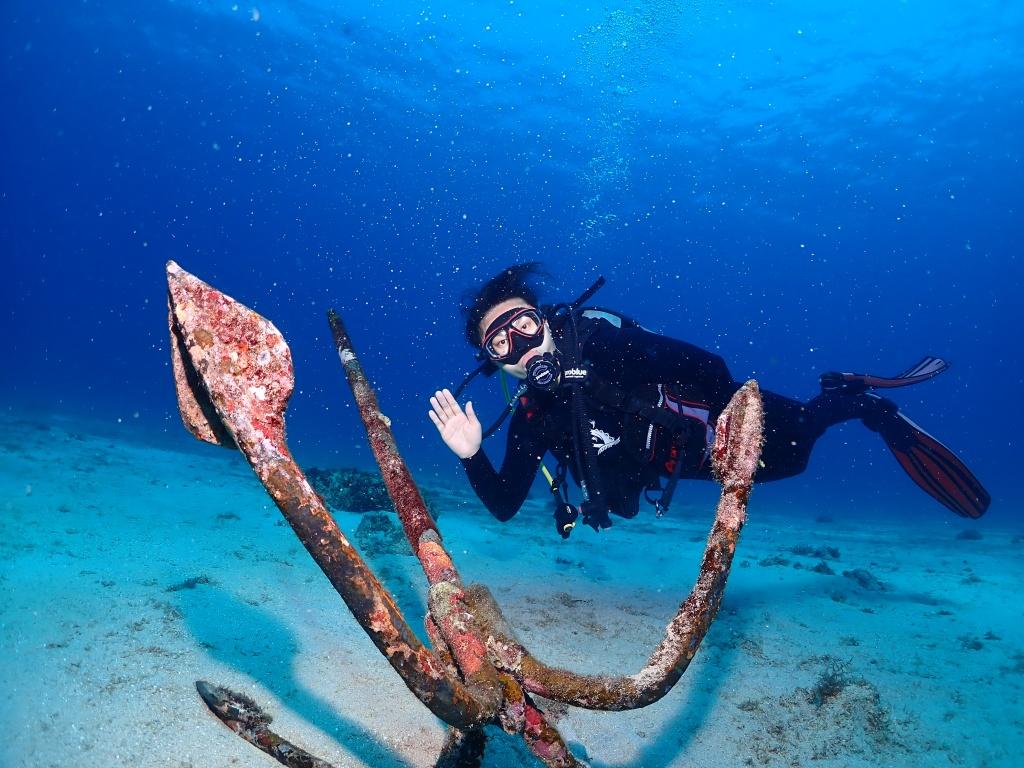
A scuba diving certification is your ticket to the underwater world. With an Open Water (OW) certification, you can join scuba diving activities at dive venues both domestically and internationally. Without a scuba diving license, you're limited to introductory "discovery dives." For those with an Advanced Open Water (AOW) certification, deeper, more challenging, and unique dive sites become accessible. If you're serious about scuba diving, we recommend getting at least an AOW certification. This will deepen your knowledge of marine environments and various diving techniques, better equipping you to protect yourself and your dive buddy, and most importantly, expanding your choice of dive sites.
✦Yes, you can go diving without a scuba diving certification.
You can enjoy scuba diving without a certification. This is called "Discover Scuba Diving" (DSD), and it only requires a brief knowledge session and a few basic skill practices with an instructor. Then, a professional diver will lead you throughout the experience, allowing you to immerse yourself in the ocean's magic.
Many scuba diving venues offer Discover Scuba Diving. Before committing to a full scuba course, this experience allows you to quickly determine if you enjoy scuba diving within just a few hours. This is especially helpful for those who are "afraid of water," as it helps you decide if the activity is a good fit, potentially saving you money and effort later on.
An Open Water Diver (OW) certification allows you to dive to a maximum depth of 18 meters, while an Advanced Open Water Diver (AOW) certification extends this limit to 30 meters.
Xinhai Diving Center
Heart Ocean Diving Center is conveniently located near Houbihu, about a 10-minute drive from Hengchu…
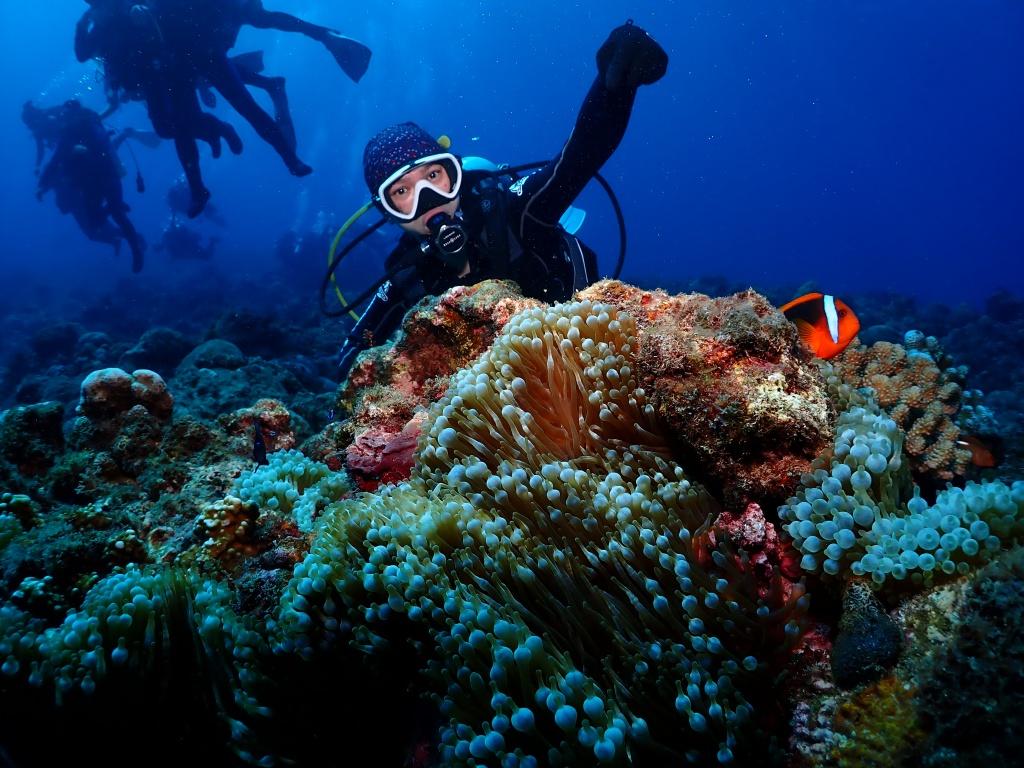
SNOWDIVING dive shop is located on Fuxing Road, about a 6-minute scooter ride from Baishawei Ferry T…
The maximum depth for recreational scuba diving is 40 meters (130 feet).
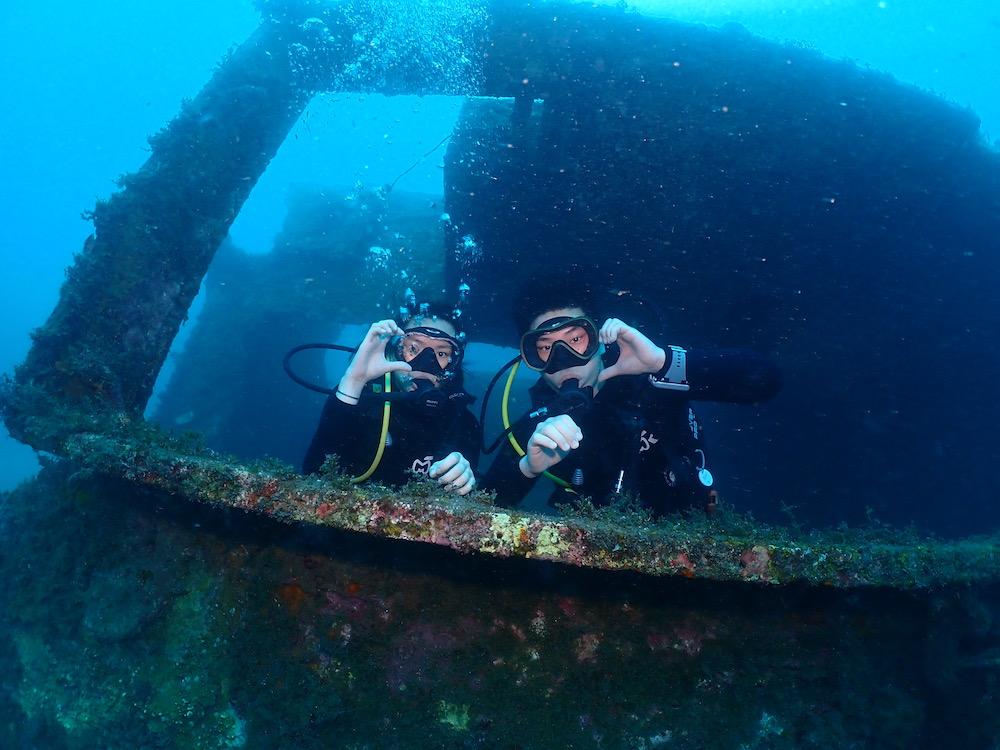
Divers can reach different depths depending on their experience and ability. An Open Water Diver (OW) certification allows dives up to 18 meters, while an Advanced Open Water Diver (AOW) certification extends that limit to 30 meters. For recreational and tourism diving, the general depth limit is 40 meters; anything deeper falls into the realm of technical or industrial diving. But don't let that discourage you, as most corals and marine life thrive in shallow waters no deeper than 30 meters, offering plenty to captivate your gaze!
✦Diving too deep can indeed lead to decompression sickness (DCS), commonly known as "the bends."
It's true that the deeper you dive, the higher the chance of decompression sickness (DCS), but depth isn't the only factor; dive time and ascent speed also play a role. To prevent DCS, all scuba diving certification courses teach the concept of a safety stop. By consistently performing safety stops on every dive and ensuring sufficient surface interval time, you can effectively avoid the risk of decompression sickness.
There are several types of scuba diving certifications available.
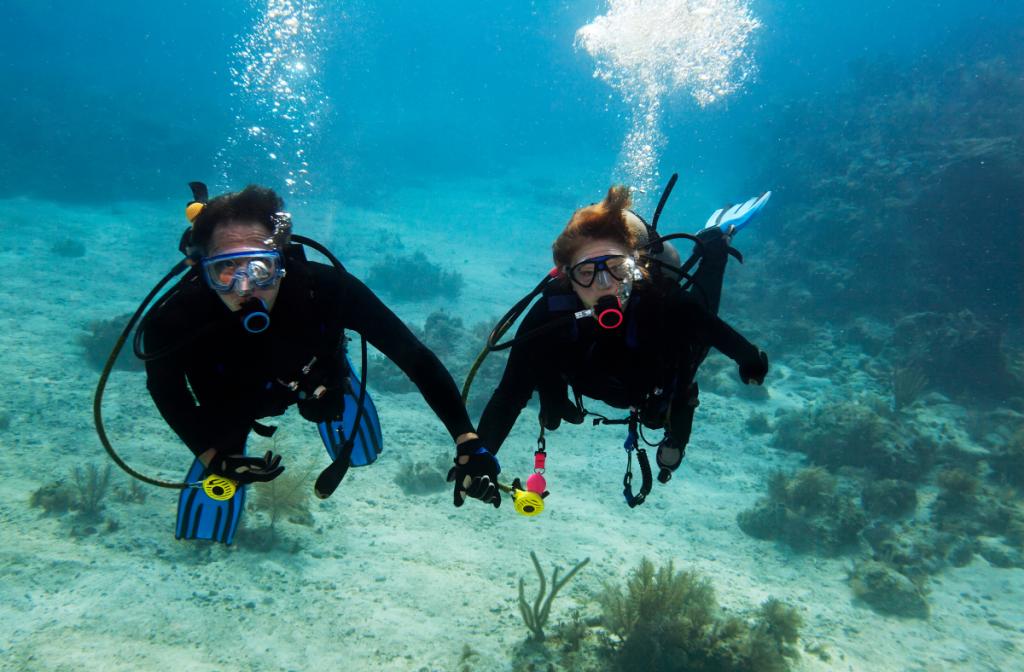
The four main scuba diving certification systems recognized worldwide are PADI, CMAS, NAUI, and SSI. A significant portion of the knowledge and skills taught by these four systems is similar, and no single system is definitively superior. You can use a scuba certification from any of these systems to join diving excursions at any dive venue. However, PADI is currently the most mainstream international scuba diving certification system, and because its assessment standards are similar to SSI, the two certifications are mutually interchangeable.
✦Comparison of Four Scuba Diving Systems
| Certification Name | PADI | CMAS | NAUI | SSI |
| Full Name | Professional Association of Diving Instructors | World Confederation of Underwater Activities | National Association of Underwater Instructors | Scuba Schools International |
| Year Established | Founded in 1966 in California, USA | Founded in 1958 in Italy | Founded in 1959 in Florida, USA | Founded in 1970 in Germany |
| Features | The world's largest and most dominant scuba system, issuing over 500,000 diving certifications annually. Essentially, anyone involved in scuba diving will recognize this system. | The oldest diving system, it is the only official diving system recognized by the Olympic sports organization and the only system qualified to organize international diving competitions. | The only non-profit diving education association, offering greater teaching flexibility in scuba courses. Its teaching principles rely heavily on instructor experience, allowing instructors to design course content and exercises and adjust content based on student ability. | Currently the second-largest diving system by certifications issued. Its course content is similar to PADI's, and certifications from both systems are mutually recognized, eliminating the hassle of redundant testing and certification. |
| Levels |
|
|
|
|
Yanshen Lingyu Base
No. 81-8, Lane 21, Benyu Road, Liuqiu Township, Pingtung County
Erbase is a comprehensive dive center in Xiaoliuqiu's Yufu Village, just a 5-minute drive from Baish…
The PADI Open Water Diver course covers three main sections: knowledge development, confined water dives, and open water dives.
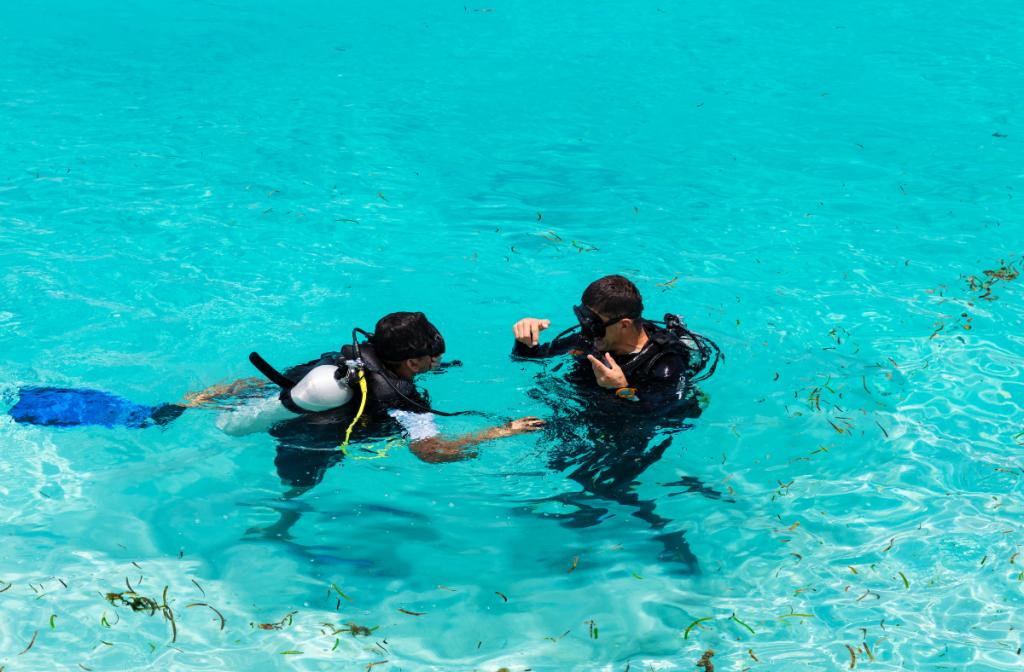
The Open Water (OW) Diver certification course, the entry-level scuba diving qualification, is divided into three parts: academics, confined water training, and open water training.
- Academics: This segment uses physical or online materials, supplemented by instructor explanations, to cover fundamental scuba concepts and principles. Topics include equipment introductions, pressure principles and calculations, and diving safety guidelines and risks. The course concludes with an exam, which most students pass easily with a reasonable effort.
- Confined Water Training: Typically conducted in a deep swimming pool or calm ocean area, this part begins with one tank of air to practice equipment assembly, basic scuba skills, and emergency procedures. The goal is to familiarize students with their gear before entering open water, preventing fumbling at sea.
- Open Water Training: The final stage involves actual ocean dives. You'll complete four dives, each lasting about 30 minutes, to apply the scuba skills, knowledge, and emergency responses learned previously. A maximum of two dives can be completed per day.
Completing these three parts generally takes a minimum of three days, though this can vary by a day depending on individual ability and circumstances. Upon successfully passing all scuba course assessments, you will be a certified OW Diver!
Each of the four major scuba systems has its own certification types and levels. However, to participate in scuba diving activities, you must at least obtain the entry-level certification for that system. Below are the initial certification requirements for the four main systems. The assessment processes are largely similar, all ensuring that fundamental scuba diving skills and knowledge are acquired.
✦Scuba Diving Certification Assessment Criteria
| Certification Name | PADI Open Water Diver | CMAS One Star Diver | NAUI Scuba Diver | SSI Open Water Diver |
| Eligibility | Age 15+ | Age 14+ | Age 15+ | Age 15+ |
| Course Duration | 3-4 Days | 3-4 Days | 3-4 Days | 3-4 Days |
| Academics | Classroom Theory + Written Exam | Classroom Theory + Written Exam | Classroom Theory + Written Exam | Classroom Theory + Written Exam |
| Confined Water | Complete 1 Dive Training Session | Complete 1 Dive Training Session | Complete 1 Dive Training Session | Complete 1 Dive Training Session |
| Open Water | Complete at least 4 Dive Training Sessions | Complete at least 4 Dive Training Sessions | Complete at least 4 Dive Training Sessions | Complete at least 4 Dive Training Sessions |
Yanshen Lingyu Base
No. 81-8, Lane 21, Benyu Road, Liuqiu Township, Pingtung County
Erbase is a comprehensive dive center in Xiaoliuqiu's Yufu Village, just a 5-minute drive from Baish…
Choosing a dive center for your scuba diving course is a big decision.
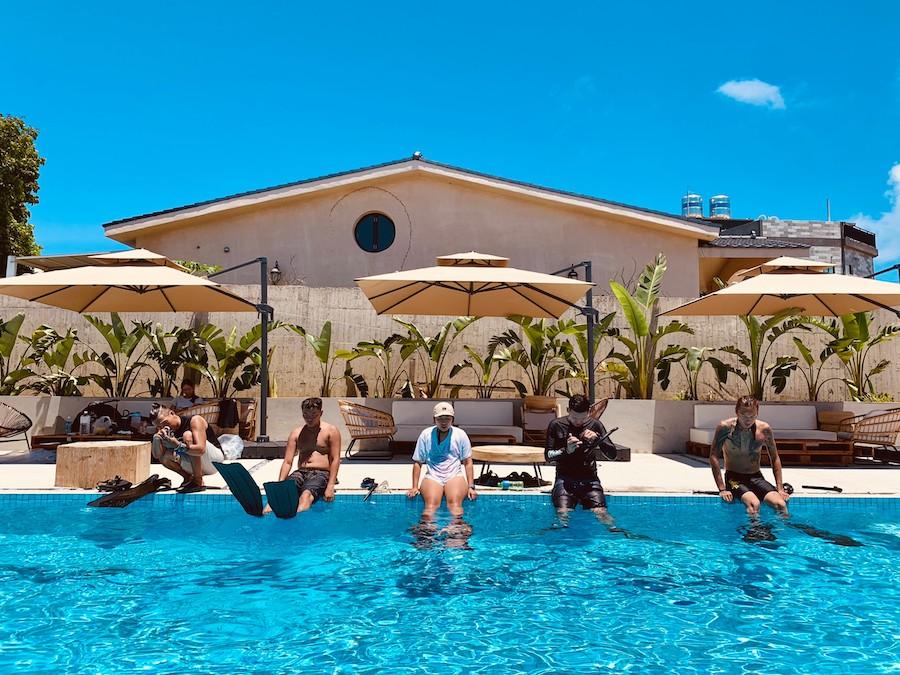
Open Water scuba courses typically take 3–4 days. To decide where to get certified, consider the location, your available time, and your budget. You can choose a convenient location close to home or travel to a more distant island or resort area to combine your certification with a vacation. Once you've picked a location, select a suitable local scuba venue. Here are some factors to consider when choosing a scuba diving venue, along with online reviews and recommendations from friends and family, which can also be very helpful.
✦Your Needs
- Where do you want to get certified?
- How much time do you have available?
- Can you afford the course fees?
✦Dive Venue Location and Schedule
- Which scuba diving system is used?
- What is the total course duration?
- Are there multiple branches across Taiwan?
- How often are courses offered?
✦Scuba Diving Course Fees
- Does the tuition include other expenses?
- Are there group discounts available?
✦Safety of the Class
- Is insurance provided for the course?
- What is the student-to-teacher ratio?
✦Post-Dive System
- Is there a free retest mechanism?
- Are there fixed group session times?
- Is there an additional fee for practice?
Xinhai Diving Center
Heart Ocean Diving Center is conveniently located near Houbihu, about a 10-minute drive from Hengchu…
Scuba diving courses typically cost around NT$8,000 to NT$18,000.
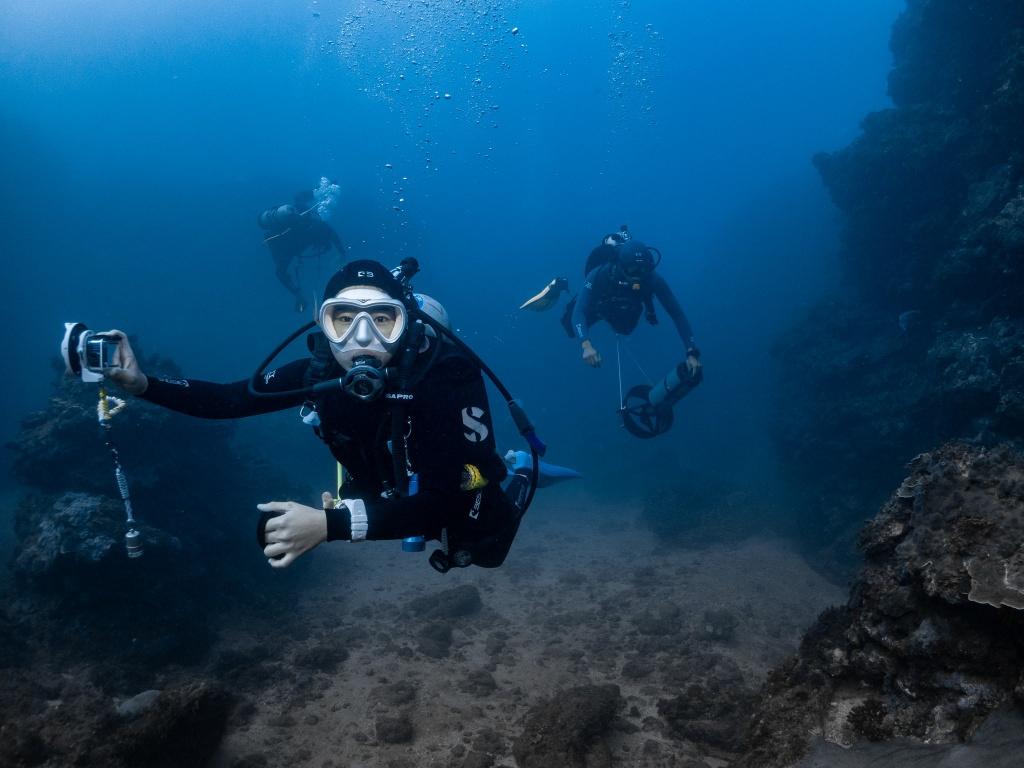
Popular places to learn scuba diving in Taiwan include Xiaoliuqiu, Kenting, Penghu, Green Island, and Taipei. The cost of scuba diving certification courses varies depending on the system and location where you get certified. In Taiwan, an OW scuba certification typically costs around $11,000-$15,000, which usually includes the cost of five dives and certification fees. However, some expenses like transportation, pool or venue fees, and meals may be extra. If you travel to an outlying island or resort area to get certified, you'll also have additional costs for accommodation and other expenses. Dive venues often offer package deals or group discounts, so it's a good idea to compare prices from several places to ensure you get the best value.
Xinhai Diving Center
Heart Ocean Diving Center is conveniently located near Houbihu, about a 10-minute drive from Hengchu…
While you're here, check these out ↓
What's next after getting your scuba diving certification?
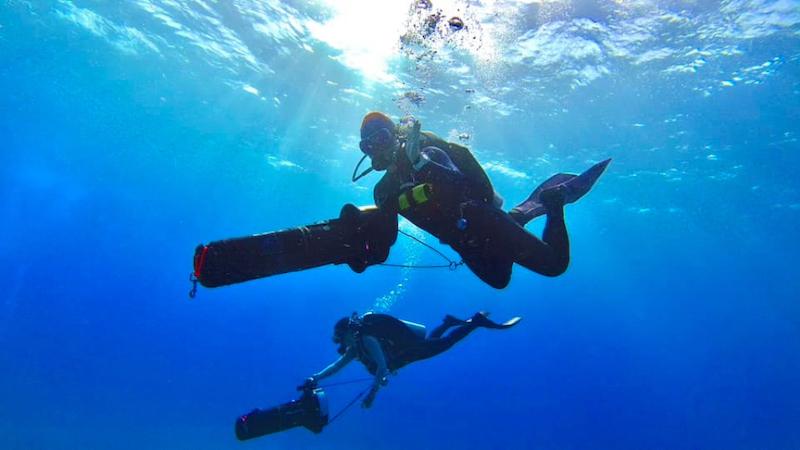
Getting your Open Water (OW) scuba certification is like receiving a ticket to the underwater world, but the real key is consistent practice and building experience. Skills like neutral buoyancy, air consumption control, and dive buddy safety all require regular practice to master. The easiest and fastest way to do this is by joining Fun Dives (FDs) or organized dive trips. Through repeated FDs, you can explore more dive sites, broaden your scuba horizons, accumulate dive experience, and connect with other divers.
If you obtain a more advanced Advanced Open Water (AOW) certification (or an equivalent certification from another system), you can participate in a wider variety of dive experiences, including night dives, wreck dives, and deep dives. Night diving, in particular, offers a completely different environment from daytime diving and requires distinct skills and knowledge.
Recommended dive sites in Taiwan: Kenting Dive Sites, Penghu Dive Sites, Xiao Liuqiu Dive Sites.
✦No, your scuba diving certification does not expire.
Scuba diving certifications never expire; once you pass, your license is valid for life. However, if you've already earned your Open Water (OW) scuba certification but haven't dived in a while, we recommend taking a Re-Activate Course. This refresher course, typically lasting half a day to a full day, will quickly bring your diving skills and memory back up to speed.
Xinhai Diving Center
Heart Ocean Diving Center is conveniently located near Houbihu, about a 10-minute drive from Hengchu…
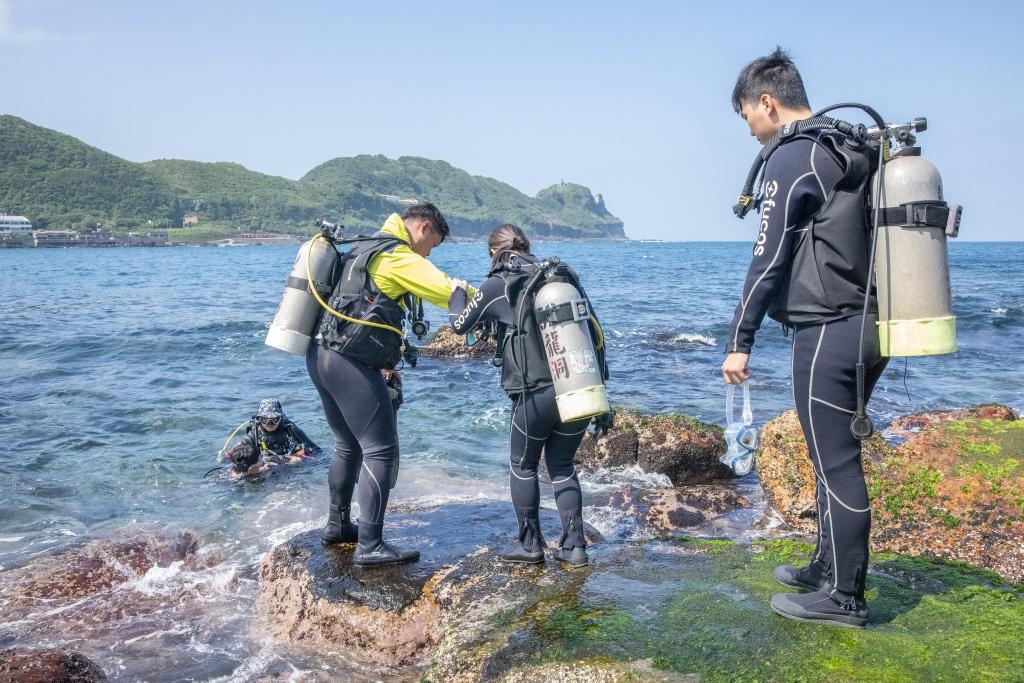
Ofucos, a PADI 5-star dive center in Longdong, Northeast Coast, offers convenient diving experiences…
Final Thoughts
This concludes our beginner's guide to scuba diving. Twosevenths has compiled the top 10 most common questions for new divers, helping you gain a deeper understanding of this incredible activity.
Scuba diving, with the aid of an oxygen tank, allows you to spend extended periods underwater, swimming alongside marine life. With practice, even non-swimmers can become at home in the water. Taiwan boasts many dive sites that rival those abroad, so once you've earned your scuba certification, remember to keep logging dives, observing more ocean creatures, and unlocking more underwater secrets. We hope to see you diving in the deep!
- Discover the most beautiful dive sites: Kenting Dive Sites, Penghu Dive Sites, Xiaoliuqiu Dive Sites.
- Combine diving with travel: Xiaoliuqiu Diving & Travel Guide, Penghu Travel Guide.
- Learn to scuba dive: Penghu Scuba Diving, Xiaoliuqiu Scuba Diving, Green Island Scuba Diving, Kenting Scuba Diving, Taipei Scuba Diving.
Don't miss these either

Yingge Day Trip Itinerary|From the Ceramics Museum to Old Street Cafes: A Relaxed Getaway
Penghu Freediving Recommendations|Professional and attentive instructors ensure your safety! A review of 3 Penghu freediving venues.
Hana Diving Resort Review|Dive and Work: A Digital Nomad-Friendly Diving Resort

想了解一下。。可以在那裡報讀課程及連同考取潛水証書的報名資料?
需要這資料:(水肺潛水證照像是潛入水下世界的入場券,只要擁有合格 OW 證照,便能去國內外的潛店參加當地的水肺潛水活動)
需要的是,水肺潛水證 PADI、CMAS、NAUI、SSI。。這其中一種資料及因為身處亞洲(中國香港)所以想了解在最近的位置可以在那裡考取証書。。?