




Whey Protein Quick Guide: Instantly Understand Concentrate, Isolate, and Hydrolyzed Whey—Answering 10 Common High-Protein Questions
Whey Protein Lazybones Catalog
- What is whey protein?
- What are the types of whey protein?
- What are the benefits of drinking whey protein?
- When should I drink whey protein?
- What are the best foods to drink with whey protein?
- What is the recommended intake of whey protein?
- How do you make whey protein?
- What are whey protein side effects?
- What are the highlights of whey protein selection?
- Where to buy whey protein?
What is whey protein?
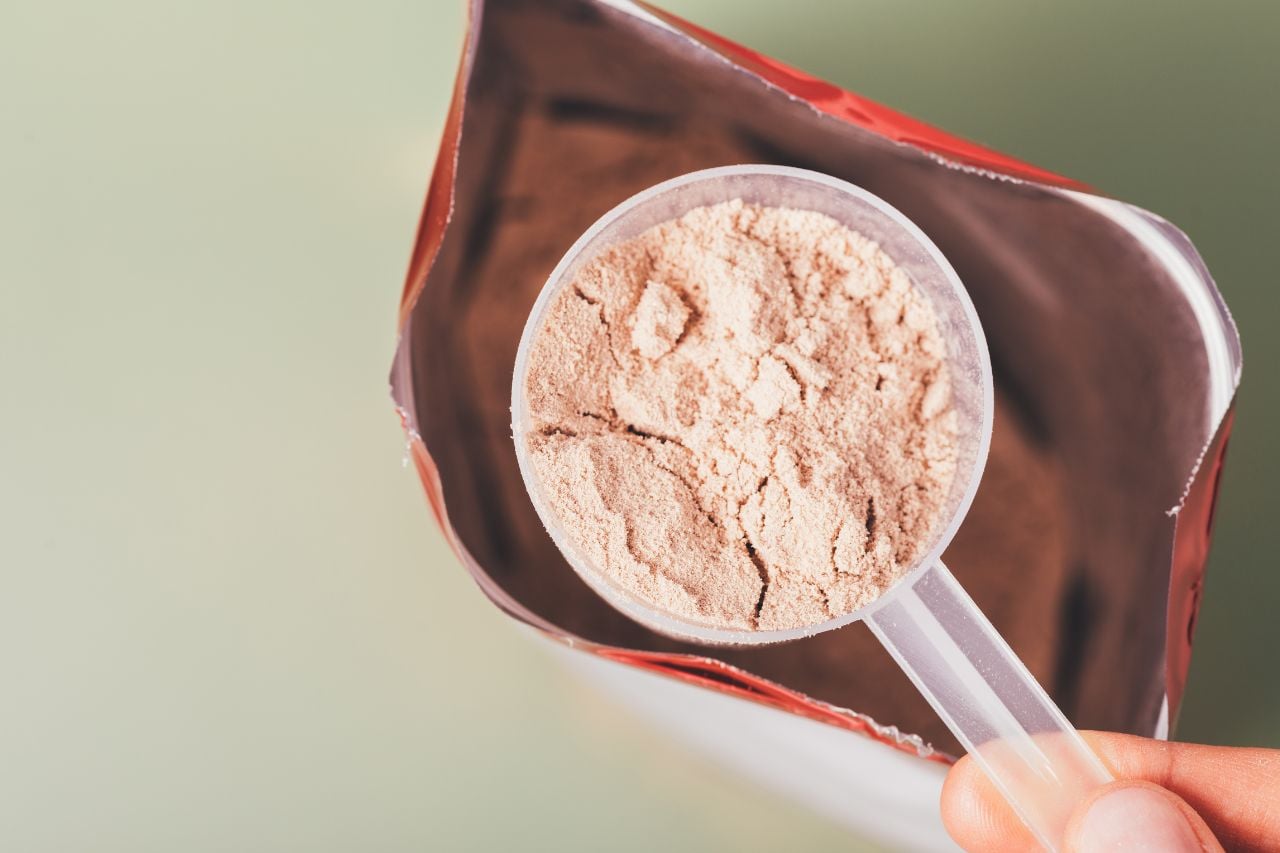
Proteins from cow's milk are divided into two main groups: casein, which accounts for 80%, and whey, which accounts for 20%. Rennet, the enzyme that coagulates casein, is added to cow's milk during the cheese-making process, and whey makes up the majority of the remaining liquid composition. In the past, whey was considered a by-product of the cheese-making process and was not emphasized. Later, it was found that whey contains rich and diverse proteins such as α-lactalbumin, β-lactoglobulin, bovine serum albumin, immunoglobulin, bovine lactoferrin, etc., which are easily absorbed and utilized by human beings and are of great nutritive value, and then it was further developed into the whey protein that is commonly seen nowadays.
What are the types of whey protein?
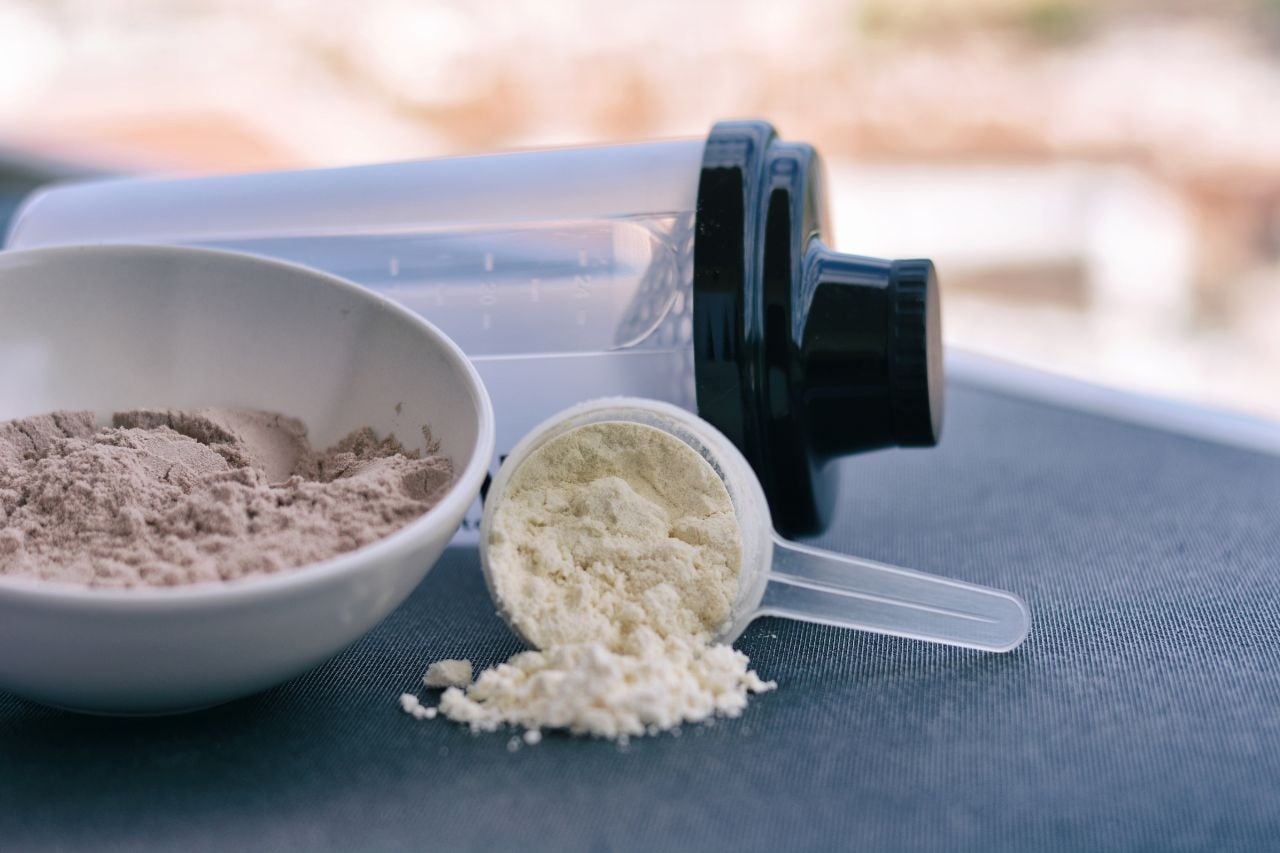
Raw whey contains approximately 0.3% of fat, 0.8% of whey protein, 4.9% of lactose, 0.5% of minerals, and 93.5% of water, although there are some differences with the production process and the raw materials of the milk source. After the whey is separated through some specialized membrane filtration technology, the finished product is the most common Whey Protein Concentrate (WPC), which usually has a protein content of 66% to 80%, and also contains lactose, fat, minerals and other components.
Since whey highly retains the lactose in cow's milk, if advanced technology is used to remove the lactose from whey and further concentrate the whey protein, the finished product is Whey Protein Isolate, which has extremely low carbohydrates and lactose, and is especially suitable for people with lactose intolerance. In addition, by adding enzymes to make whey protein pre-hydrolyzed into smaller molecules "peptides" technology, so that the high protein powder into the stomach before entering the smaller molecules, so that the stomach to absorb the more efficient, that is, the more expensive hydrolyzed whey protein (Whey Protein Hydrolysate).
Whey Protein Type Form
| whey name | Whey Protein Concentrate | Isolated Whey Protein | hydrolyzed whey protein |
| feature | Extracted from milk, it is the most common whey protein. | Whey protein with lactose and carbohydrates filtered out, suitable for lactose intolerant people. | Enzymes are added to make whey protein molecules smaller and better absorbed through pre-hydrolysis technology. |
| Protein Ratio | 70-80% | 90% Above | 90% Above |
| Lactose ratio | 1-5% | 0.5% | 0-0.5% |
| Fat percentage | 1-9% | 0.5-1% | 0.5-8% |
| Absorption rate | slowly | center | plain-spoken |
| degree of processing | lower (one's head) | center | your (honorific) |
| Price | lower (one's head) | center | your (honorific) |
What are the benefits of drinking whey protein?

The nature of whey protein is just a bunch of proteins, and some people may think that eating meat and drinking milk directly can achieve this, so why do we need to take extra supplements? However, there are many differences between whey proteins. Here are a few examples of the benefits of whey protein:
Fast absorption
The fundamental difference between whey protein and casein, which is found in animal milk, is the rate of absorption. Casein is a larger molecule and becomes solid in the stomach when it interacts with rennet, so it is absorbed and released into the bloodstream at a slower rate. Whey protein is composed of smaller molecules and is easily soluble in water, so it is easily absorbed by the human body.
According to research, whey protein can be digested within one to two hours of consumption, while casein protein takes about six to eight hours. This difference makes whey protein powder especially suitable for post-workout consumption, which can fill the protein gap in a short period of time.
Helps muscle growth
All muscles in the human body are made of protein. After a workout or a training session, the body suffers a lot of wear and tear, and it needs to replenish carbohydrates and proteins in order to help the body repair and promote muscle growth. Whey protein is a great substitute for protein and can fill the energy gap in a very short period of time.
Helping to repair the body
In fact, not only after exercise, if the body is in a weak condition (such as after surgery or injury), it also needs a lot of protein to repair the tissues. Therefore, after a serious illness, doctors usually recommend protein supplementation to speed up the progress of wound healing and shorten the recovery period, and whey protein can supplement the amount of protein that cannot be achieved by food because of a small appetite.
As a nutritional supplement
Nutritional sources for Chinese people are heavily weighted towards carbohydrates and fats, while protein intake is on the low side. For sports training, the maximum daily intake of protein is 2 grams per kilogram of body weight, which is actually quite hard to consume from food. Therefore, the timely use of whey protein as a nutritional supplement, whether for daily life or sports training, are very beneficial.
When should I drink whey protein?

The hour after exercise is a golden time for nutritional supplementation, during which it is recommended to consume the above mentioned carbohydrate-to-protein ratios plus the correct amount of protein to maximize the body's recovery.
Bedtime is also a good time to take a protein supplement, and a serving of 25-30g of protein is usually enough to keep the body replenished during sleep. Since casein is a good supplement before bedtime, you may want to add some milk to your whey protein to replenish the casein. Soymilk is also a good choice for a timely supplement of plant-based protein.
What are the best foods to drink with whey protein?

Many studies recommend a 3-4:1 ratio of carbohydrates to protein for maximum absorption. For example, after training in the morning, you can go to the supermarket and buy 100-150g of roasted groundnuts with a high protein powder for breakfast. The reason is that if the carbohydrate intake is insufficient, the protein is easy to be taken by the body as fuel, rather than as a nutrient to repair the body; at the same time, the efficiency of protein as a source of energy is poor, not enough to allow the body to generate enough calories, and ultimately the effect of both ends are empty. So don't just drink protein powder and forget to supplement with carbohydrates.
What is the recommended intake of whey protein?
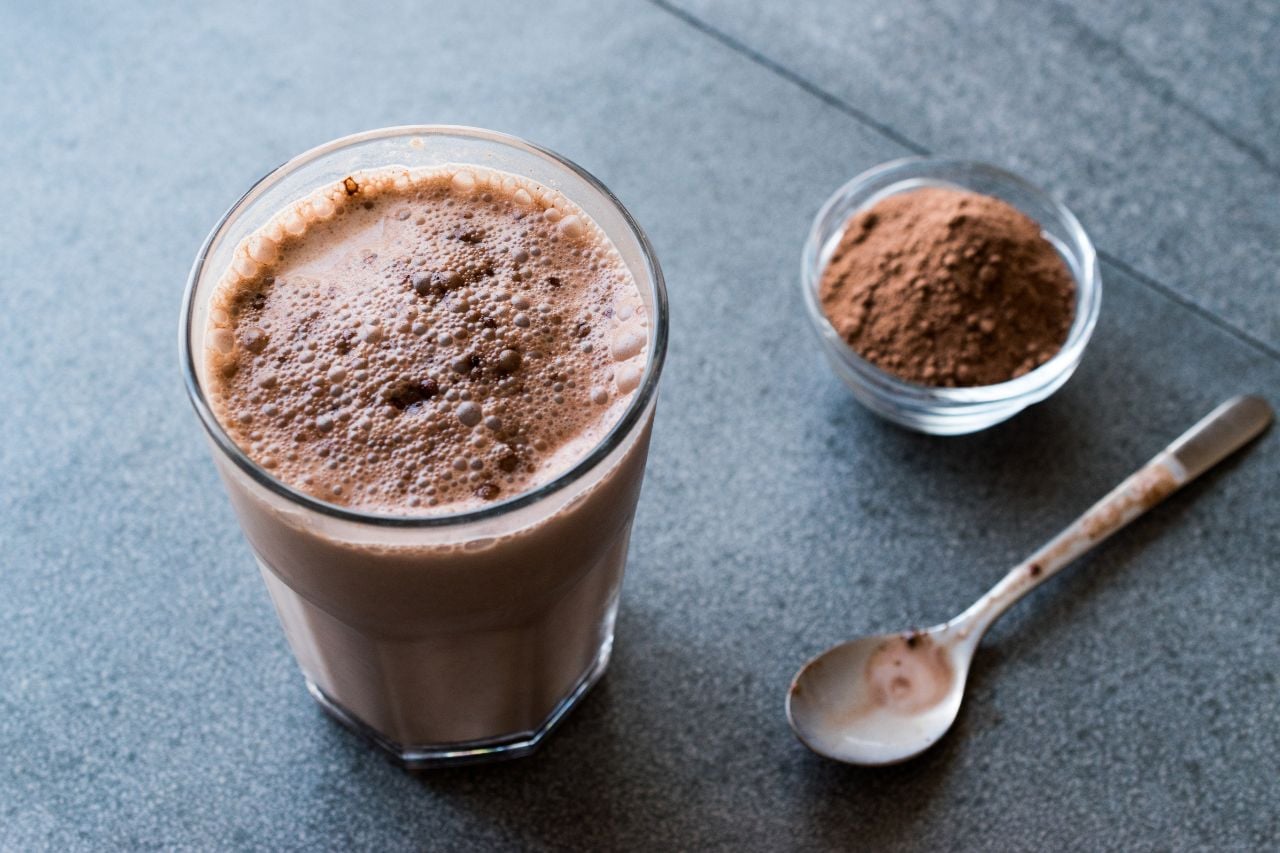
The recommended daily intake of protein per person is usually calculated based on body weight and activity level. Generally speaking, it can be categorized as follows:
- Normal Activity Level: 0.8g-1.2g of protein per kilogram of body weight per day for all individuals.
- Moderate Activity: 1.2g-1.6g of protein per kilogram of body weight per day, suitable for patients with sarcopenia, middle-aged and elderly people who need to prevent muscle loss, pregnant women, adolescents, and those with a regular exercise routine who need to consume a large amount of protein.
- High activity level: daily intake of 1.6g-2.0g of protein per kilogram of body weight, suitable for fitness groups, endurance athletes, professional athletes, etc.
How many times a day is whey protein recommended?
In the three meals from the food intake of sufficient nutrients under the premise, if there is a protein deficit needs to be supplemented by whey protein, it is recommended that arrangements can be made between meals to take a quantitative amount of whey protein, usually 1-3 times a day, if there is a special physical condition of the person, then need to listen to the doctor or dietitian recommended intake.
However, it should be noted that since the human body can only digest 20-30g of protein at one time, a small packet or a tablespoon of high protein powder is usually enough for a single serving. For afternoon supplementation, it is recommended to take it together with fruits for a healthy dose of minerals and vitamins.
How do you make whey protein?

When brewing whey protein powder, it is recommended to use lukewarm or cold water below 40 degrees, and the water should be poured into the cup before the protein powder. Common whey protein concentrates are prone to clumping due to their poor solubility, so when brewing high-protein powders, products such as shakers can be used to help whey protein powders mix well with water through the steel balls in the shaker to enhance palatability.
What are whey protein side effects?

Whey protein has many benefits, but you may have heard some rumors that high protein can harm your kidneys. In fact, as long as kidney function is normal, a high protein diet will not cause any harm. However, for those who are already suffering from high blood pressure or kidney disease, it is likely that their kidneys are unable to metabolize and recycle protein efficiently, so they should avoid consuming too much protein. For this group, two out of seven people suggested that they should consult their doctors and dietitians for professional advice to avoid further changes in their kidney function. For those who have been on a high-protein diet for a long time, it is also recommended to schedule annual health checkups to see if there are any problems with the kidneys!
What are the highlights of whey protein selection?
There are hundreds and hundreds of different types of whey proteins, what is the recommended brand of whey protein for you? Two out of seven explore the recommendations below:
Protein content
There are some differences in the protein content of different items, generally speaking, hydrolyzed whey protein > separated whey protein > whey protein concentrate, but this is not absolute, or depending on the brands in the product ingredients labeling.
Solubility
It is also important that the whey protein powder dissolves easily and does not make it easy to consume a large mass of powder. Luckily, with the existence of a shaker, most of the recommended high protein powders can be easily mixed with water. If you don't have a shaker with you, we suggest you test the whey protein powder with a small packet first.
Other beneficial ingredients
In recent years, BCAA has been highly regarded by the sports science community as a group of three branched-chain amino acids, which are essential amino acids that promote muscle repair; therefore, in addition to the protein content, whether or not it contains BCAA is an important consideration. In addition to protein content, the presence of BCAA is an important consideration. Some brands also include other ingredients such as papaya enzymes, lactobacilli to aid digestion, or fiber to help with bowel movements.
palatability
With more and more whey protein flavors available nowadays, it is important to know whether a good whey protein recommended brand can make you drink a whole cup without getting sick to your stomach. Two-sevenths Quest also recommends that consumers try new flavors in small packets first, so that they don't buy too big a packet and not be able to drink it, resulting in wastage.
Are there special needs
For example, those with lactose intolerance can choose isolated whey protein, those who want to absorb it as fast as possible can choose hydrolyzed whey protein, and those with budgetary constraints can just choose the most common whey protein concentrate. Regardless of the type of whey protein powder, it has significant benefits for the human body.
Where to buy whey protein?
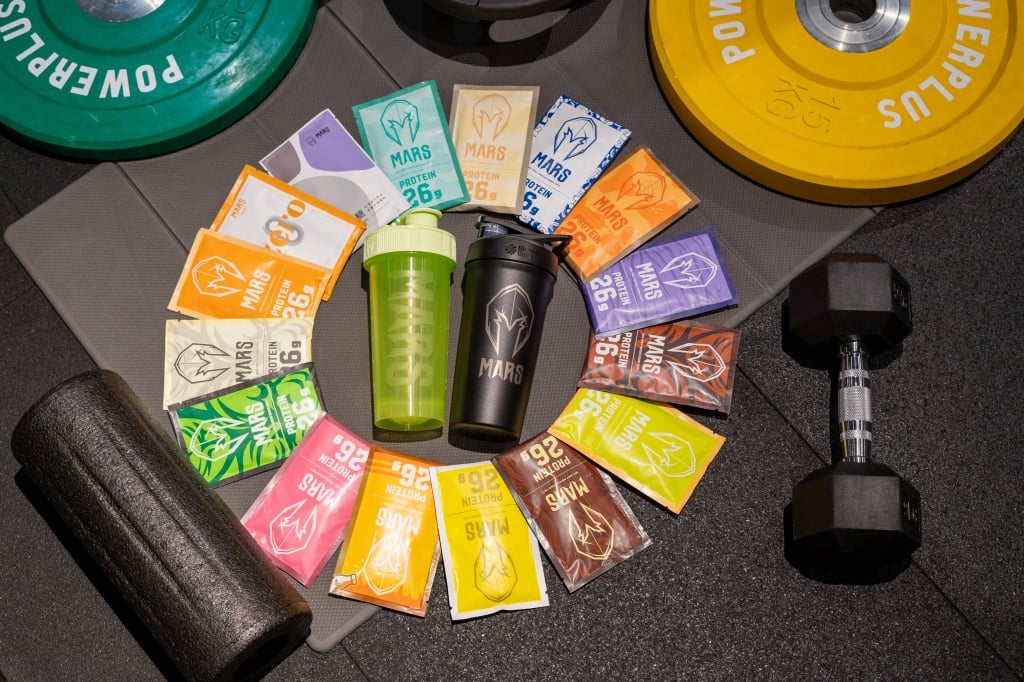
Whey protein can be purchased quite easily, in addition to various online e-commerce platforms, common chain stores, cosmetic stores are also channels to buy high protein powder; of course, the official website of the major whey protein brands also have the function of direct sale. The following article organizesCommon Whey Protein BrandsThe product is available in a wide range of colors and sizes, and comes with a real-world unboxing to help you find the best high protein powder for your needs.
Conclusion
The above is the whey protein basic guide, after reading the basic concepts and knowledge about whey protein, is not it a deeper understanding of the various types of whey protein powder and how to choose?
We would like to remind you again that whey protein is a nutritional supplement, and the best way to get it is through natural foods, and if you don't have enough, then through whey protein to get the right amount of protein. Two-sevenths Discovery also recommends that you find the right whey protein brand for you, depending on your level of activity and specific needs. Also, don't just sit around drinking whey protein and think that you'll grow stronger, but pair it with the right weight training or specialized exercise to get healthier and healthier!