Body Dampness GuideHow to Get Rid of Body Dampness: 10 Quick Tips
Taiwan's weather is hot and humid, with only a few dry days all year. Does your body feel the same way? If your body is both damp and hot, you'll often feel tired and weak, and it can lead to other health issues that shouldn't be ignored. This time, Twosevenths will discuss the causes and symptoms of excess internal dampness, and we've invited experts to share 10 methods for expelling dampness from your body, helping you regain a light and comfortable feeling.
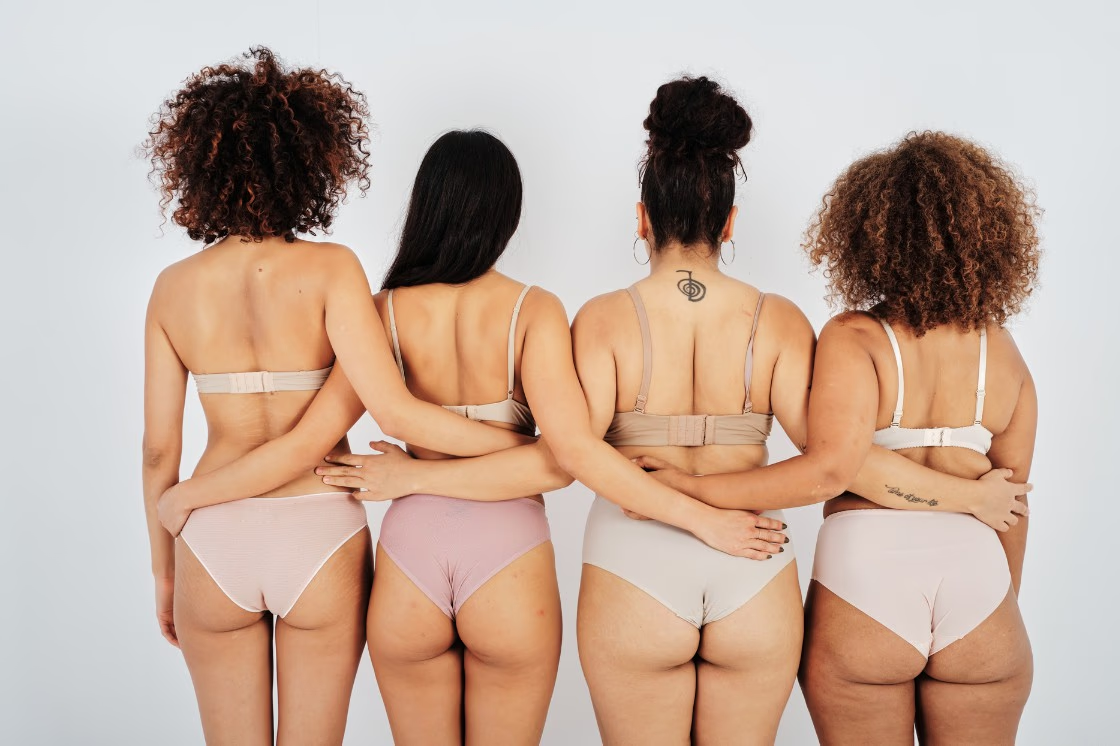
You may be experiencing excess dampness in your body for several reasons.
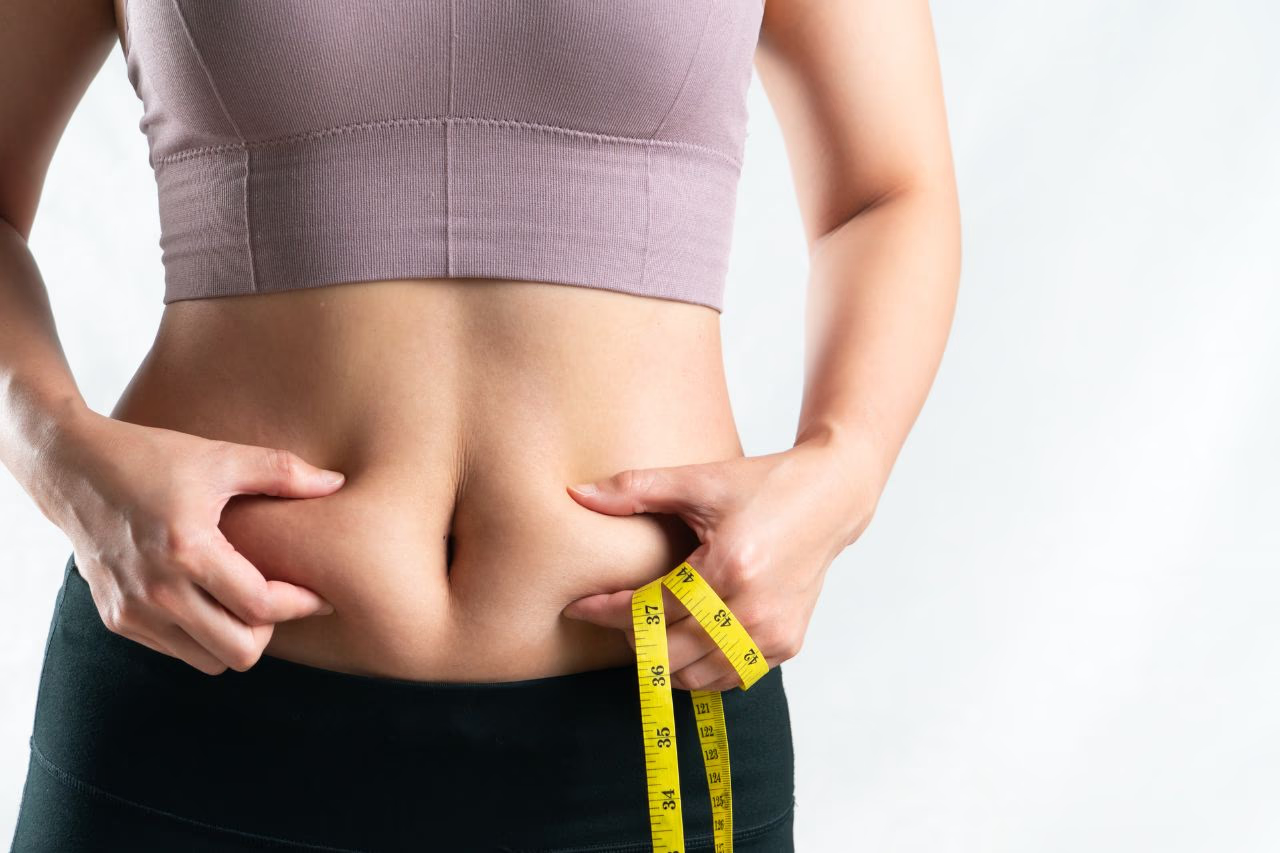
In Traditional Chinese Medicine (TCM), "heavy body dampness" refers to the body's inability to properly expel metabolic waste and fluids, leading to their retention within the system.
According to TCM physician Wang Hsin-mei, "dampness" can be categorized into two types: one caused by a humid environment, which increases dampness in the body; and another caused by diet. Frequent consumption of iced drinks, raw, cold, or fried foods can damage the spleen and stomach, impairing the spleen's function of metabolizing water and leading to fluid stagnation and heavy body dampness.
Living in Taiwan, an island surrounded by the sea, means we are constantly exposed to pervasive humidity and muggy heat. Combined with a lack of exercise, insufficient water intake, or a preference for fried foods, icy treats, and bubble tea, all these factors contribute to the accumulation of dampness. This heavy body dampness can cause fatigue, dry mouth, bad breath, and even impact daily life.
Symptoms of excess dampness in the body include a heavy, sluggish feeling, fatigue, bloating, poor digestion, and a sticky tongue coating.
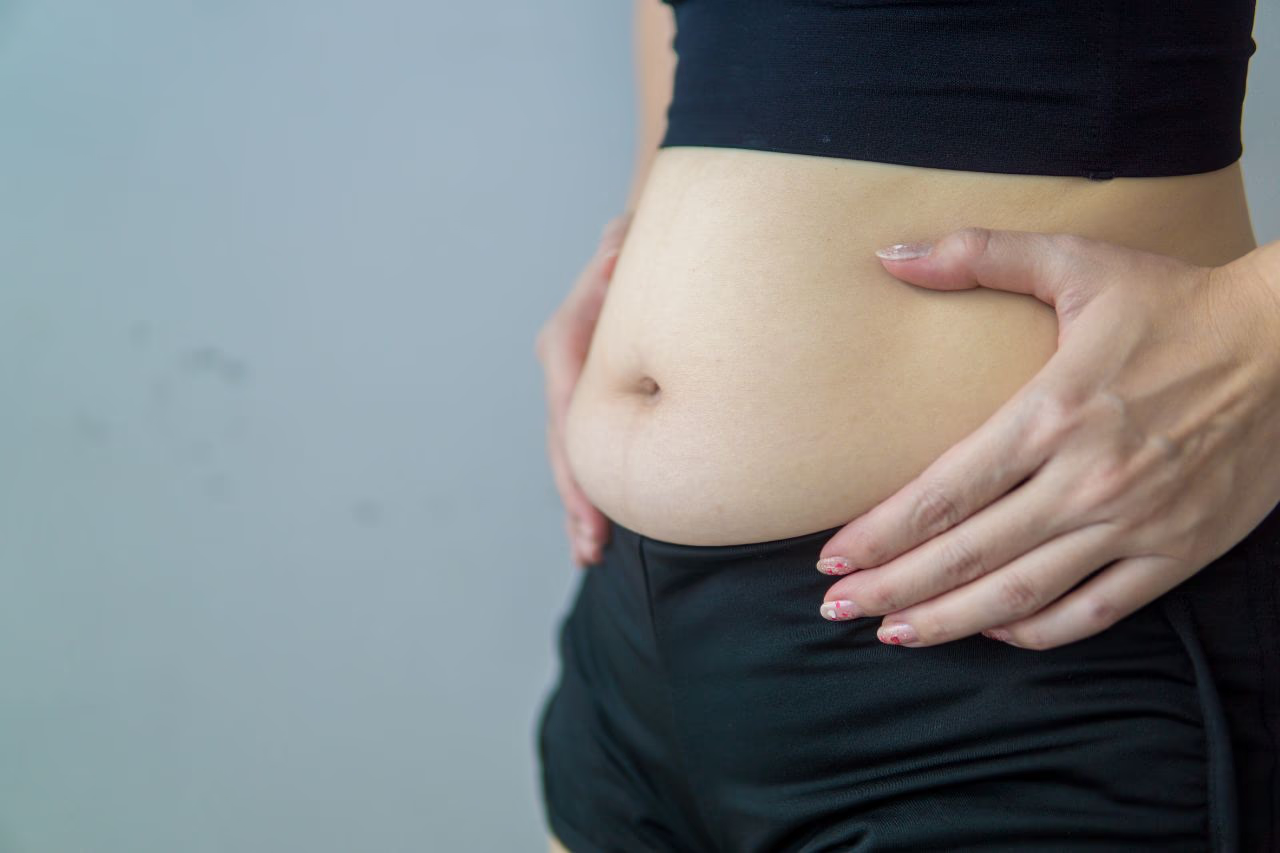
Once you understand the causes of excess dampness in the body, you'll naturally wonder about its symptoms. Dampness in the body typically manifests in two forms: cold-dampness and damp-heat.
- Cold-dampness: This can lead to fatigue, heavy limbs, easy water retention, aversion to cold, and even loose stools.
- Damp-heat: This causes thirst without a desire to drink, a bitter or sticky taste in the mouth, acne breakouts, dry or sticky stools, and bothersome bad breath.
In addition, excess dampness can trigger various other health issues, including general weakness, mental fogginess, persistent tiredness, loss of appetite, diarrhea, edema, skin problems, joint pain, and gynecological conditions. All in all, it's a sign that your body is flashing many red flags.
How to remove dampness from the body 1: Gua Sha
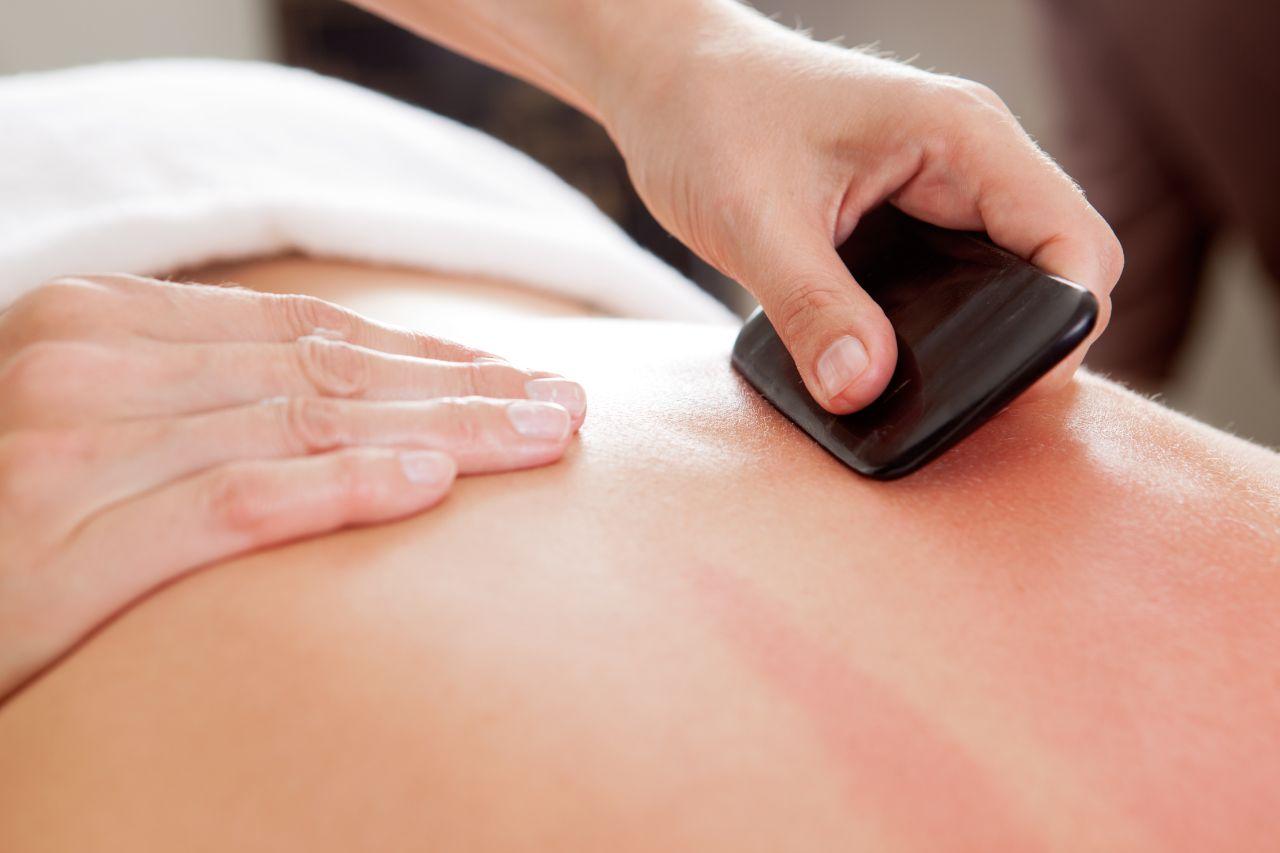
Gua sha is a traditional Chinese medicine therapy that effectively expels dampness from the body, promoting blood circulation, dispelling stasis, and detoxifying. During gua sha, a scraping tool is used on specific acupoints or meridians to enhance qi and blood flow and alleviate muscle and bone soreness.
Additionally, gua sha can relieve the dizziness, thirst, and limb weakness caused by heatstroke. By expelling internal dampness, it opens up the body's pores, creating a refreshing sensation similar to post-exercise relief. It's a traditional and multifaceted way to remove dampness.
However, after gua sha, remember to drink warm water, avoid immediate bathing, and try not to consume raw or cold foods for three days to ensure the long-lasting effectiveness of the treatment.
Duojia Traditional Massage

Duo Jia Traditional Rehabilitation Massage, located near Kaohsiung Cultural Center MRT Station, offe…
While you're here, check these out ↓
- 01Taipei Gua Sha Recommendations|Relieve Fatigue and Boost Your Complexion: Top 10 Gua Sha Massage Venues in Taipei→
- 02Kaohsiung Gua Sha Recommendations|Boost Circulation, Relieve Aches: Top 9 Gua Sha and Cupping Venues in Kaohsiung→
- 03Taichung Gua Sha Recommendations|Relieve Headaches, Heatstroke, and More: Top 10 Taichung Gua Sha and Cupping Venues→
How to Get Rid of Dampness in Your Body, Part 2: Korean Saunas
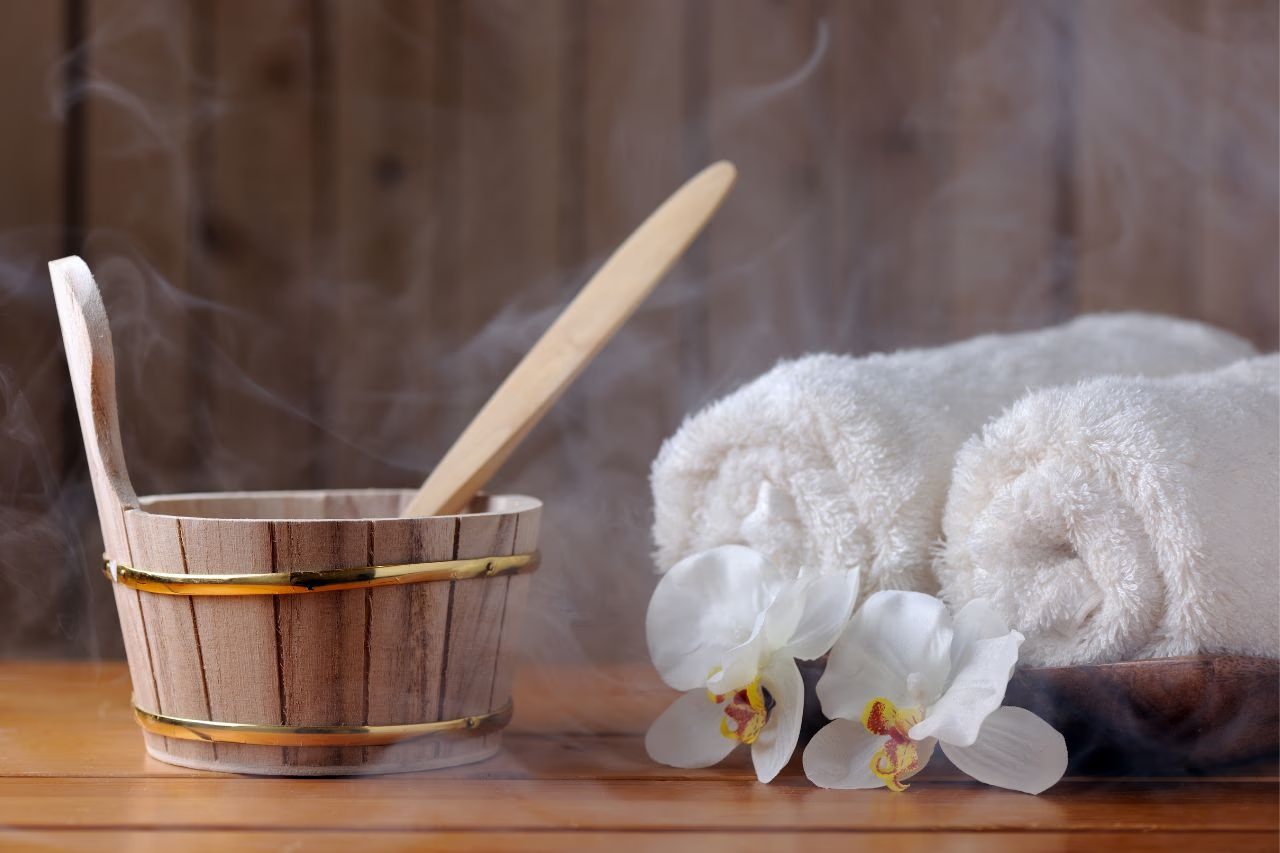
Hanjeungmak, a popular wellness practice, uses far-infrared heat and temperatures slightly above body temperature to gently open pores and promote sweating.
During a hanjeungmak session, the opening of sweat glands helps expel dampness from the body, dispelling wind-cold-dampness and promoting qi and blood circulation. This is especially beneficial for individuals with a phlegm-dampness constitution, who tend to have higher internal dampness and can benefit from hanjeungmak to help dissipate it and prevent accumulation.
However, those with a yin-deficient constitution should exercise caution. Since they naturally lack yin fluids and are prone to dryness, it's crucial to monitor the duration of their hanjeungmak session and ensure adequate hydration. Similarly, individuals with a qi-deficient constitution, who often experience shortness of breath and fatigue, should also be mindful of their session length, as excessive sweating can deplete qi and body fluids, potentially worsening their qi deficiency.
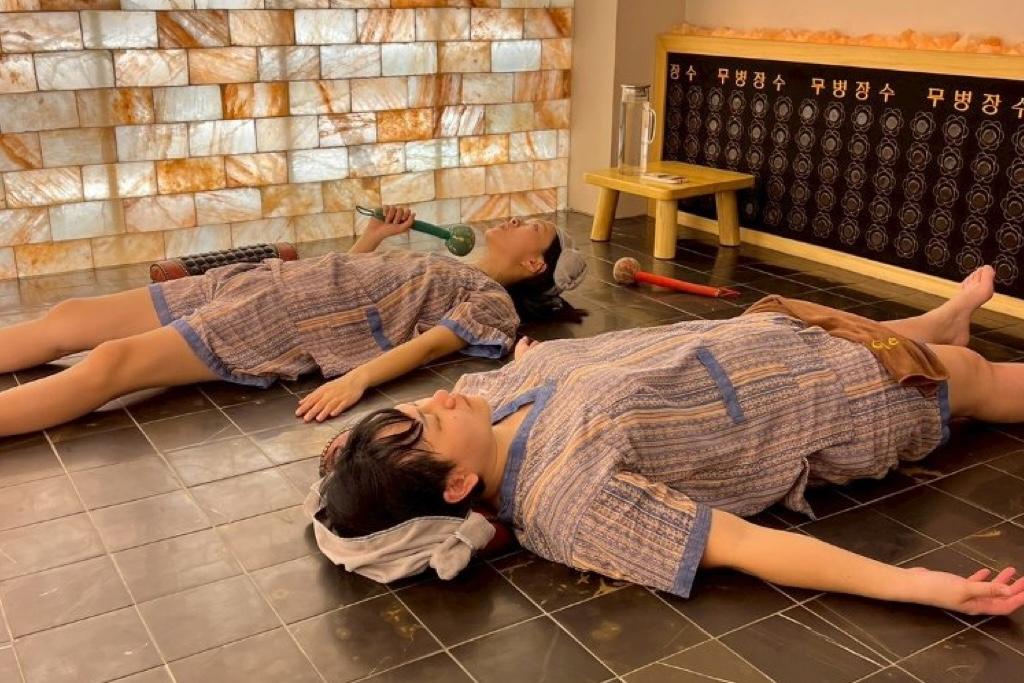
Lajoie Health offers a Korean-style jjimjilbang experience, utilizing natural minerals and high conc…
Light Stone Energy Steam House
No. 26, Alley 56, Lane 245, Section 4, Bade Road, Songshan District, Taipei City
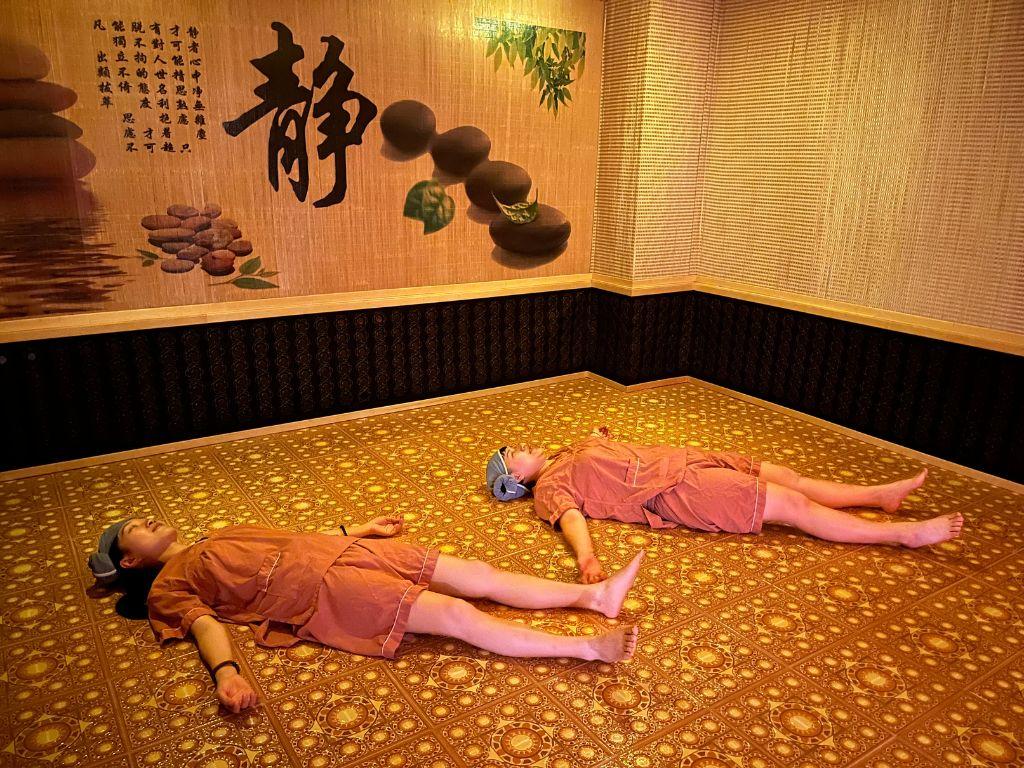
Tucked away in a quiet lane in Taipei’s Songshan District, Litestone Sauna is a stress-relief sanctu…
While you're here, check these out ↓
- 01Lele Hanjeungmak Review|Recharge in an hour: The urban hanjeungmak quick-fix for office workers→
- 02Kaohsiung Couple's Chill-Out Itinerary Guide|Effortless Relaxation! 10 Everyday Date Ideas for Couples in Kaohsiung→
- 03Here's a Taipei itinerary for couples who want to relax and unwind without getting bored: 10 Taipei date ideas for a chill day out.→
3 Ways to Banish Dampness: Acupressure
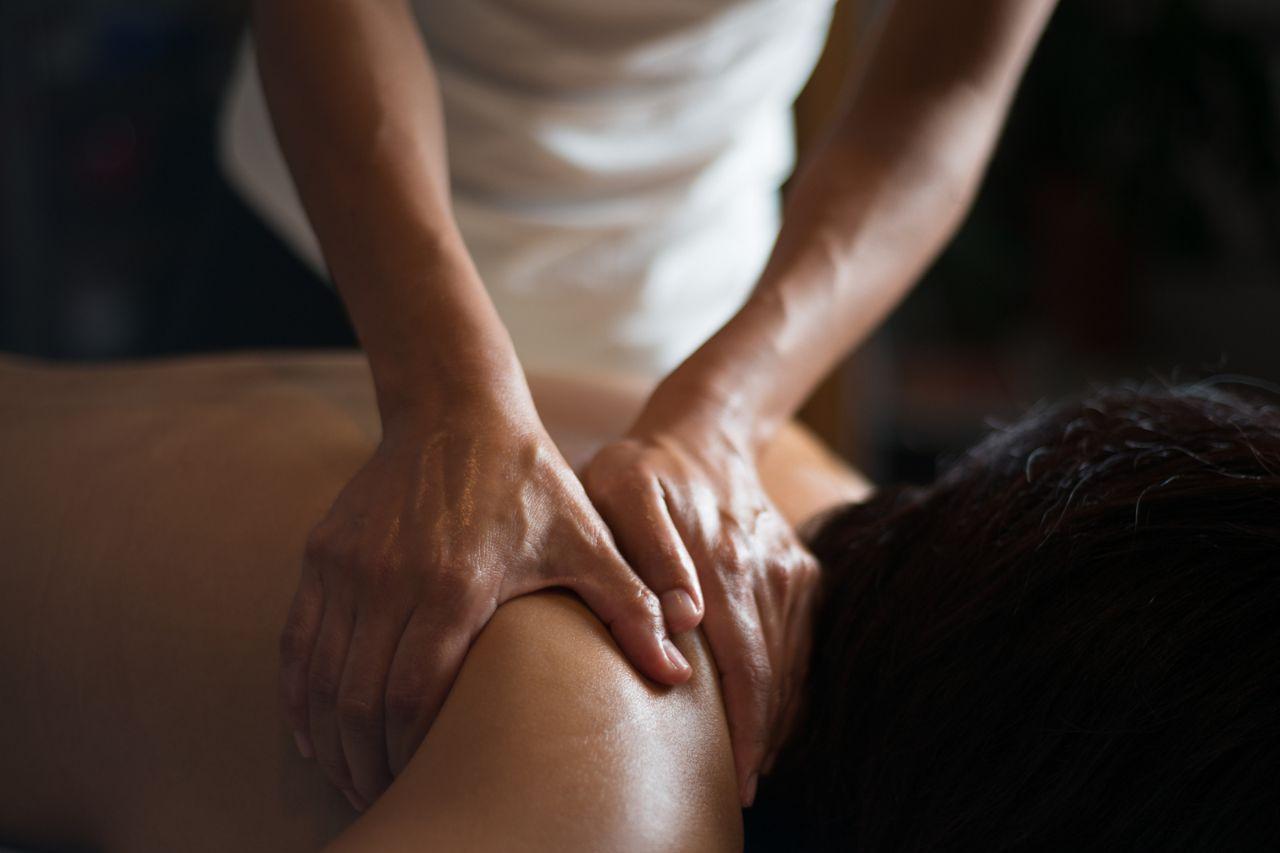
If you find it difficult to visit a venue for adjustments, massaging acupoints at home is the simplest and most convenient way to dispel dampness. Here are some acupoints that can help eliminate internal dampness:
- Zusanli (Stomach 36): Located three finger-widths below the outer side of the knee, this point belongs to the Stomach Meridian and helps strengthen the spleen and stomach while dispelling dampness.
- Sanyinjiao (Spleen 6): Located three finger-widths above the inner ankle on the calf, this is the intersection of the Spleen, Kidney, and Liver Meridians. It strengthens the spleen and kidneys, improving conditions caused by excessive internal dampness.
- Fenglong (Stomach 40): Located three finger-widths below the knee on the outer side of the calf, this point belongs to the Stomach Meridian and helps strengthen the spleen and stomach, aiding in the expulsion of internal dampness.
When massaging acupoints at home, press each point for about 1-2 minutes. There's no need for vigorous rubbing; simply aim for a sensation of soreness, numbness, or distension. Most importantly, combine this with a balanced diet and regular routine to maximize the benefits.
While you're here, check these out ↓
- 01Kaohsiung Gay Massage Recommendations|Relaxing and Comfortable Massage Spaces! Reviews of 1 Kaohsiung Gay Spa Studio→
- 02Thai Massage in Taoyuan: Authentic Techniques Without Flying to Thailand! | Top 5 Venues Reviewed→
- 03Thai Somsong Review|Authentic Thai Massage Techniques: Feel the Difference from Thai Therapists!→
4. Dietary Adjustments to Reduce Internal Dampness

The most fundamental way to eliminate dampness from the body at home is through diet. If your body has excess dampness, it's best to reduce fried, greasy, and spicy foods, as well as sweets and raw, cold items. Instead, incorporate more Job's tears, adzuki beans, mung beans, winter melon, and cucumber to help expel dampness.
However, when considering what to eat for excess dampness, the first step is to understand your body constitution, specifically whether your dampness is "damp-heat" or "cold-damp." For a "damp-heat" constitution, avoid pungent, stimulating, and heavily flavored foods, as these can exacerbate damp-heat retention. Instead, consume more fresh fruits and vegetables to balance your constitution. Conversely, a "cold-damp" constitution should reduce raw and cold foods or drinks, such as sashimi, salads, watermelon, pears, and bubble tea. Foods like ginger and pepper, or traditional Chinese medicinal ingredients like Euryale ferox seeds, Poria mushrooms, lotus seeds, and yam, can effectively strengthen the spleen and dispel dampness.
Additionally, Sze Shen Tang (Four Herbs Soup) is a common and excellent remedy for dispelling dampness. Its traditional Chinese medicinal ingredients and components can help improve conditions of excess dampness, making it suitable for both cold-damp and damp-heat constitutions.
✦What to eat when your body feels heavy and damp?
Overall:
- Job's tears
- Adzuki beans
- Mung beans
- Winter melon
- Cucumber
- Sì Shén soup
For damp-heat body types:
- Fresh fruits and vegetables
For cold-damp body types:
- Ginger
- Pepper
- Euryale ferox seeds
- Poria mushroom
- Lotus seeds
- Chinese yam
✦If you have a heavy dampness constitution, you should avoid certain foods.
Overall:
- Fried foods
- Greasy foods
- Spicy foods
- Sweets
- Raw and cold foods
For damp-heat body types:
- Spicy and stimulating foods
- Heavily flavored foods
For cold-damp body types:
- Sashimi
- Salads
- Watermelon
- Asian pears
- Bubble tea and other sugary drinks
5 Ways to Reduce Dampness in the Body: Lifestyle Adjustments
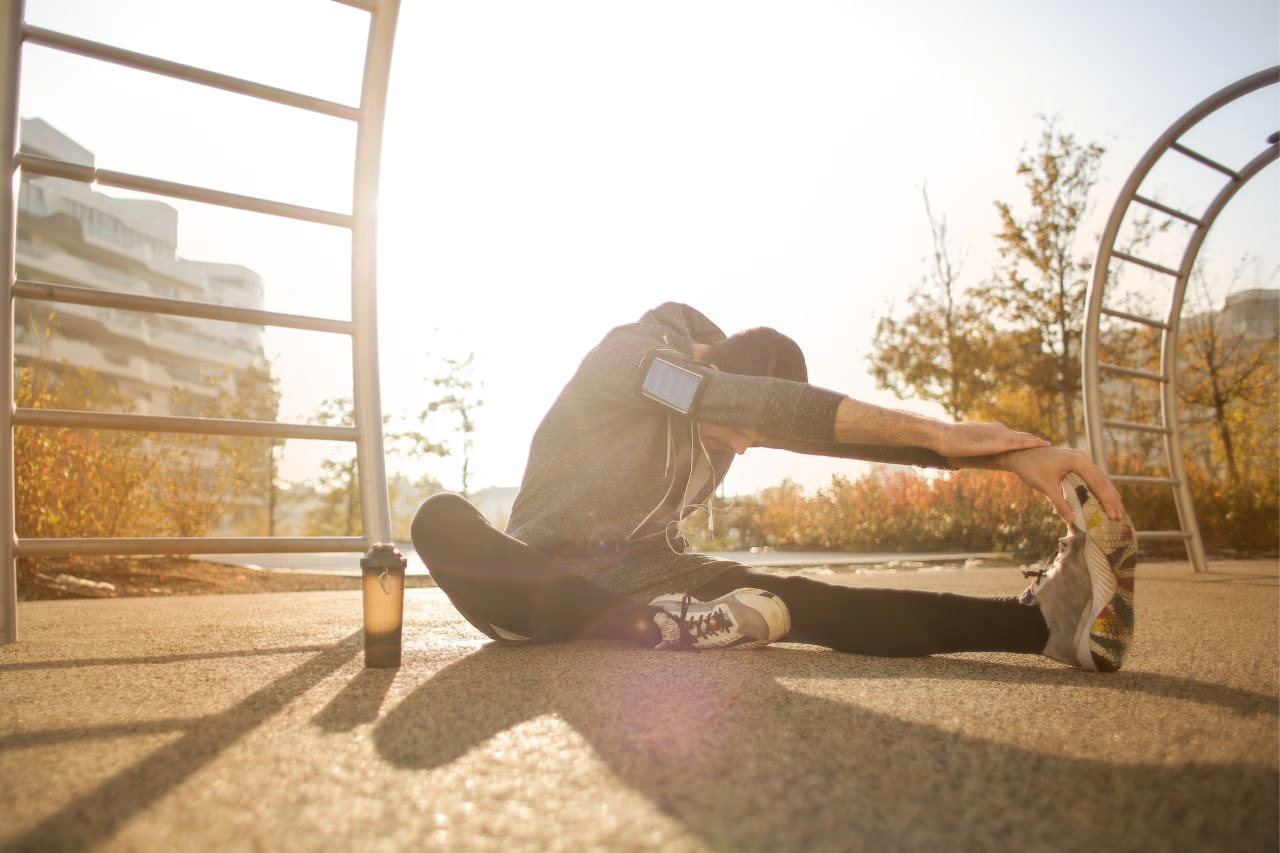
To improve your body's moisture balance, beyond at-home acupressure and dietary changes, it's crucial to pay attention to your daily habits. Many small, often overlooked actions can accumulate over time, leading to excess moisture buildup in the body.
Therefore, consistently adjusting your lifestyle is key. This includes staying warm to avoid catching a chill, avoiding prolonged sitting, and engaging in regular exercise to maintain good blood circulation. It's also important to quit smoking and alcohol to protect your health. Most importantly, maintain a cheerful mood every day; only a relaxed state of mind can ensure smooth blood flow and proper expulsion of internal moisture, preventing its retention.
Method 6 for Expelling Dampness: Traditional Chinese Medicine
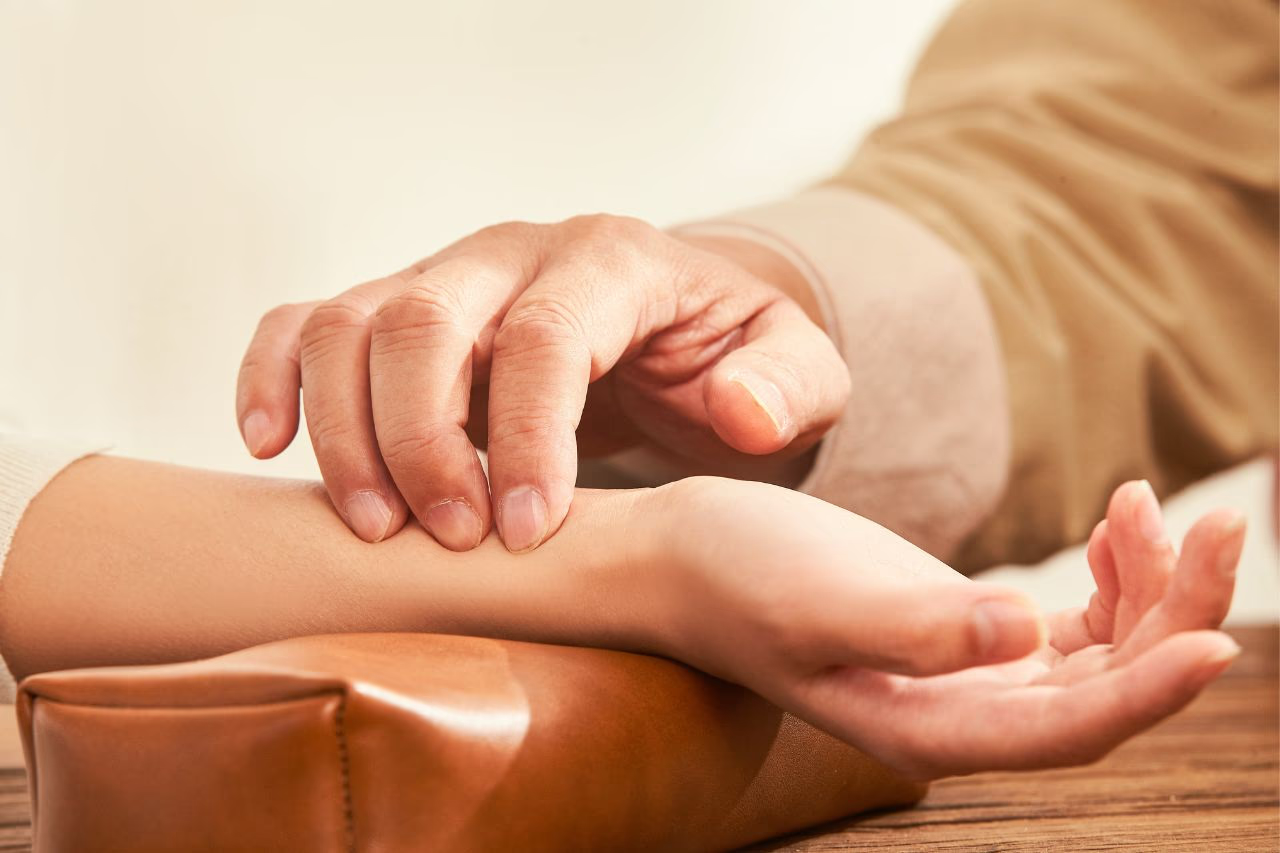
If you're experiencing heavy dampness, in addition to adjusting your lifestyle and diet, you can also consult a doctor or Chinese medicine practitioner for herbal treatment. A personalized herbal prescription from a Chinese medicine practitioner, combined with long-term lifestyle changes, will effectively help eliminate dampness from your body.
How to Get Rid of Dampness in Your Body, Part 7: Exercise
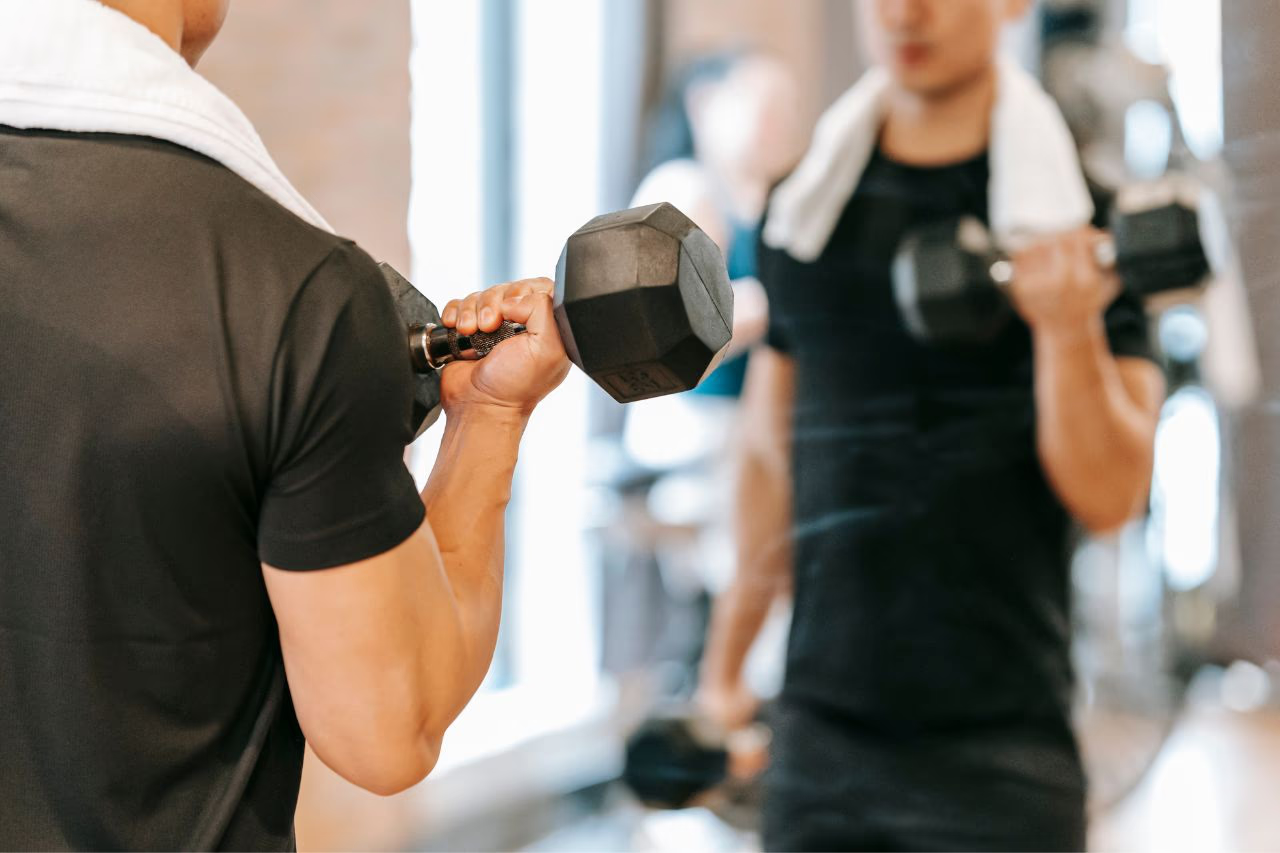
Exercise is a well-known remedy for many ailments, and it's also effective for expelling dampness from the body. In fact, exercise boosts metabolism and eliminates waste, which helps alleviate symptoms of excess internal dampness.
Among the many types of exercise, activities like running, swimming, and yoga are particularly good for dispelling dampness. Not only do they help you sweat out excess moisture, but they also promote dopamine production, leaving you feeling lighter and happier. It’s a win-win for improving internal dampness.
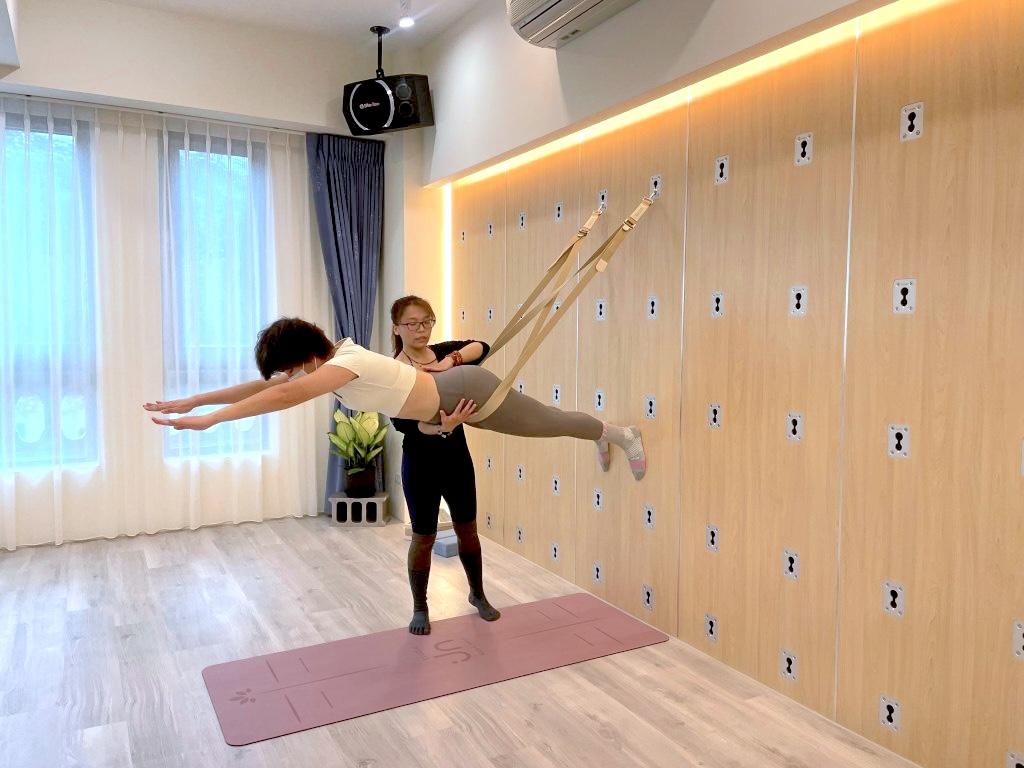
Located near Triangle Park next to Dadong Night Market, jn studio Yoga is a professional yoga and Pi…
While you're here, check these out ↓
- 01Kaohsiung Private Personal Trainers: Real Experiences to Help You Choose the Right Coach! | 4 Kaohsiung Personal Training Studios Reviewed→
- 02Ray’s Fitness Review|Taipei Women’s Body Sculpting Studio: Core Training, Butt Sculpting, and Pilates All in One→
- 03Wuxin Yoga Studio Review|Yongkang Yoga Class Experience: Feel the Burn with Strength Training→
8 Ways to Expel Dampness: Cupping
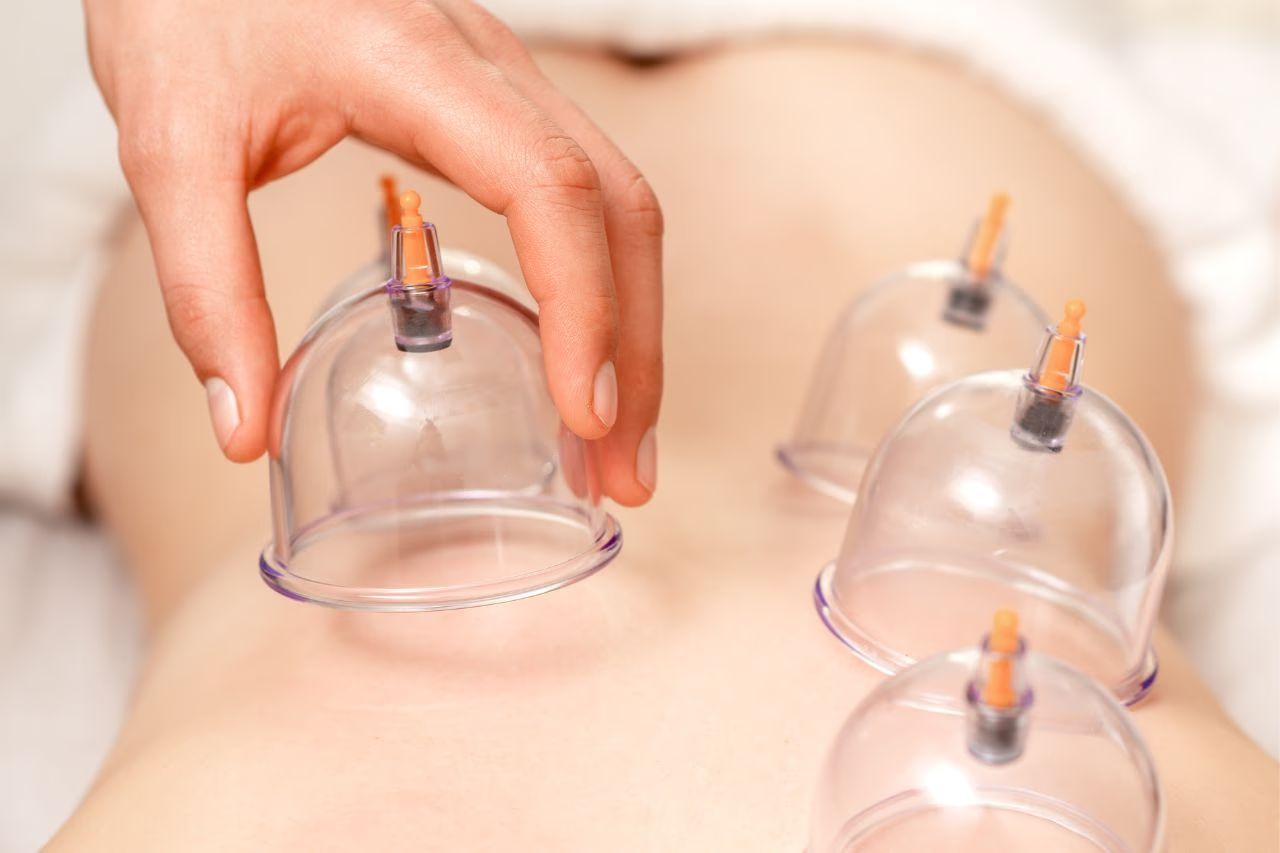
Cupping therapy uses negative pressure to stimulate acupoints, creating a vacuum inside the cups that allows them to adhere to the skin. After 5-10 minutes, the skin shows bruising, which ultimately helps to invigorate blood circulation, dispel stasis, and remove dampness and toxins.
Cupping helps regulate the expansion and contraction of blood vessels, promoting smooth local blood flow and improving overall circulation. This process can clear meridians, activate qi, reduce swelling, and effectively eliminate dampness from the body, leaving you feeling refreshed and revitalized.
Lixue Traditional Massage
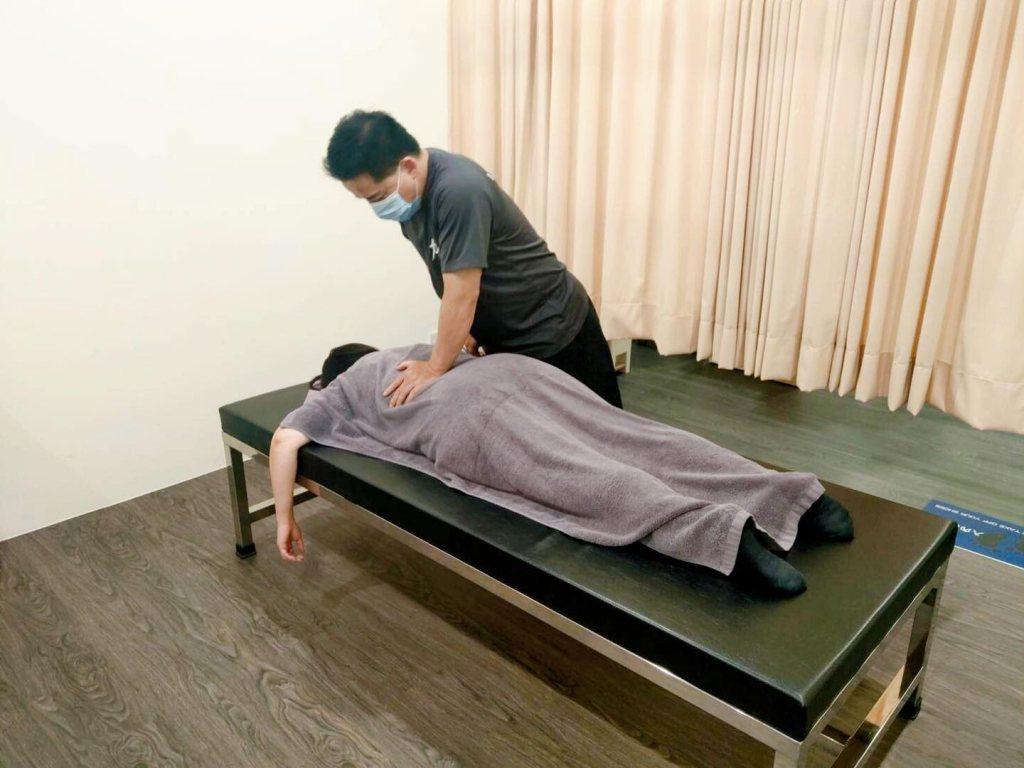
Lixue Traditional Rehabilitation Massage is conveniently located near the National Theater and Conce…
While you're here, check these out ↓
- 01Baiching Traditional Rehabilitation and Tui Na Clinic Review|Lingya District Rehabilitation Recommendation: Scientific Concepts for Safer Adjustments→
- 02Wanshengheng Spinal Adjustment & Rehabilitation Review|Shilin one-on-one deep conditioning: perfect for desk workers and athletes→
- 03Banchiao Chiropractic Recommendations|10 Top-Rated Banchiao Chiropractic and Massage Venues for Tension and Pain Relief→
9 Ways to Expel Dampness from the Body: Moxibustion
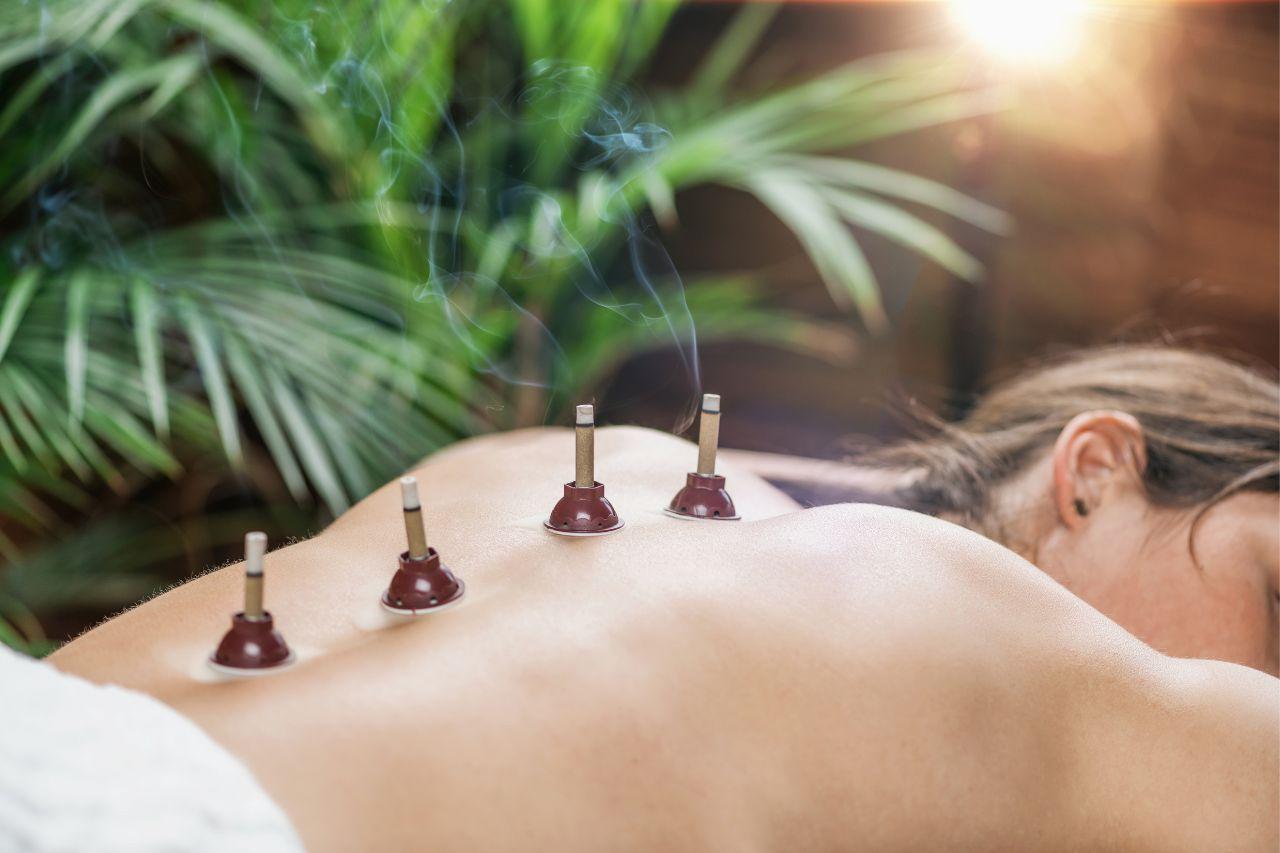
Moxibustion is a traditional therapy that uses moxa sticks to warm acupoints. The heat and medicinal properties generated during burning help to clear meridians, warm the channels to stop bleeding, and dispel cold and pain. Most importantly, it also helps to expel dampness from the body, making it a traditional method for health preservation and healing.
Moxibustion is especially suitable for use in cold weather, helping to warm and clear channels for those with yin deficiency constitutions and promote blood circulation. However, it's crucial that moxibustion is performed by a professional, and the area must be well-ventilated. First-timers should avoid excessive stimulation to effectively expel dampness from the body.
While you're here, check these out ↓
10 Ways to Expel Dampness from the Body: Acupuncture
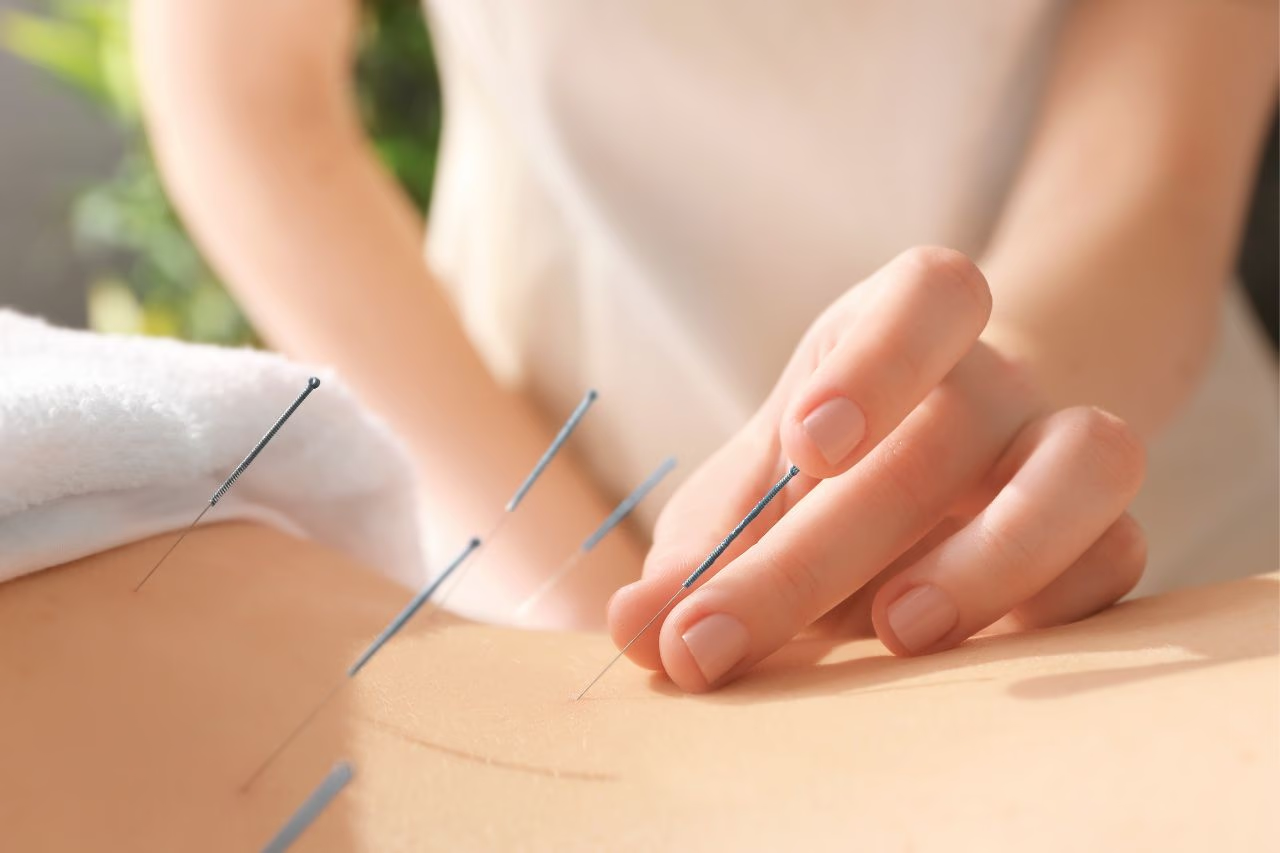
Acupuncture is a therapeutic technique that involves inserting needles into specific acupoints to stimulate them, promoting the flow of qi and blood to achieve meridian activation, improved circulation, and relief from dampness and pain.
Acupuncture can also alleviate various conditions such as lower back pain, general aches, and joint discomfort, offering multiple benefits. However, it is crucial that acupuncture is performed by a qualified professional. By connecting acupoints to organs, it ensures smooth blood circulation, clears meridians, and effectively expels dampness from the body.
Final Thoughts
This has been Twosevenths' guide to body dampness, with 10 ways to improve your body's internal dampness. Each method has its own unique characteristics and can effectively eliminate internal dampness, leaving you feeling refreshed and comfortable.
While Taiwan's weather is hot and humid, the most important thing is to take good care of your body and pay attention to your internal dampness. When undergoing various therapies, always ensure they are performed by professionals to guarantee safety and efficacy. Take good care of yourself and improve your body's internal dampness!
Don't miss these either
Jiaoxi Hot Spring Private Baths: Relax and Recharge! A Review of 3 Top Venues
Taichung Dragon Tendon Massage: Privacy and cleanliness combine for a truly relaxing, stress-free experience! We review one top venue.
Handsome Guy Beauty Review|Gentle care from head to face! An affordable and therapeutic botanical essential oil massage experience

Reader Comments
No comments yet — be the first to share your thoughts.