InBody Analysis: A Quick GuideHow to Read Your InBody Results: 7 Key Points to Understand Your Body Composition Score
InBody is a body composition analyzer that many gym-goers and office workers who've had full health check-ups may have encountered. But what exactly is InBody? How do you interpret its scores? And how can InBody analysis help you? Here, Twosevenths breaks down the InBody machine, its data, and where you can get measured, with 7 key points to help you better understand your body and assess how your fitness and health change after a workout.
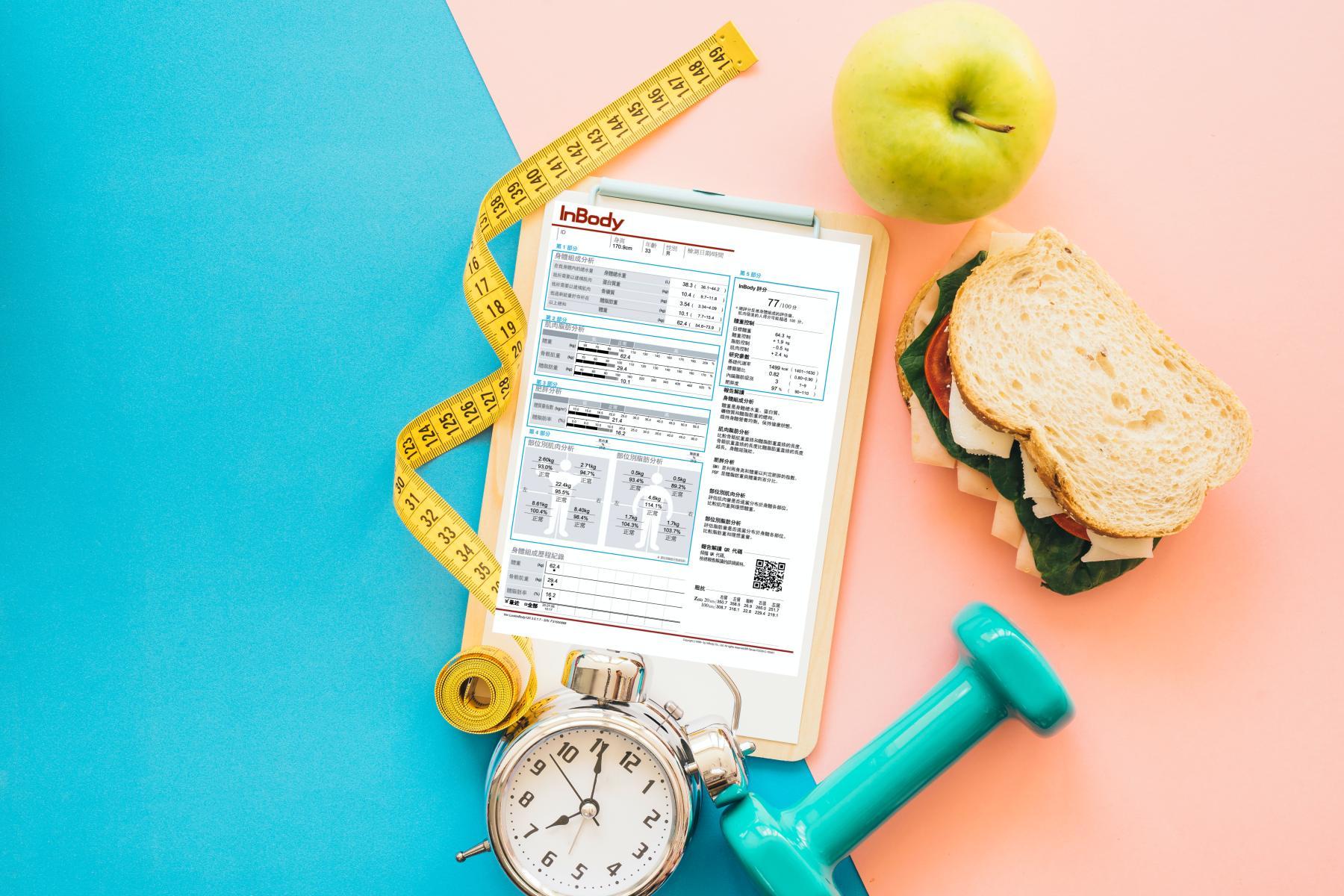
InBody is a professional body composition analyzer.
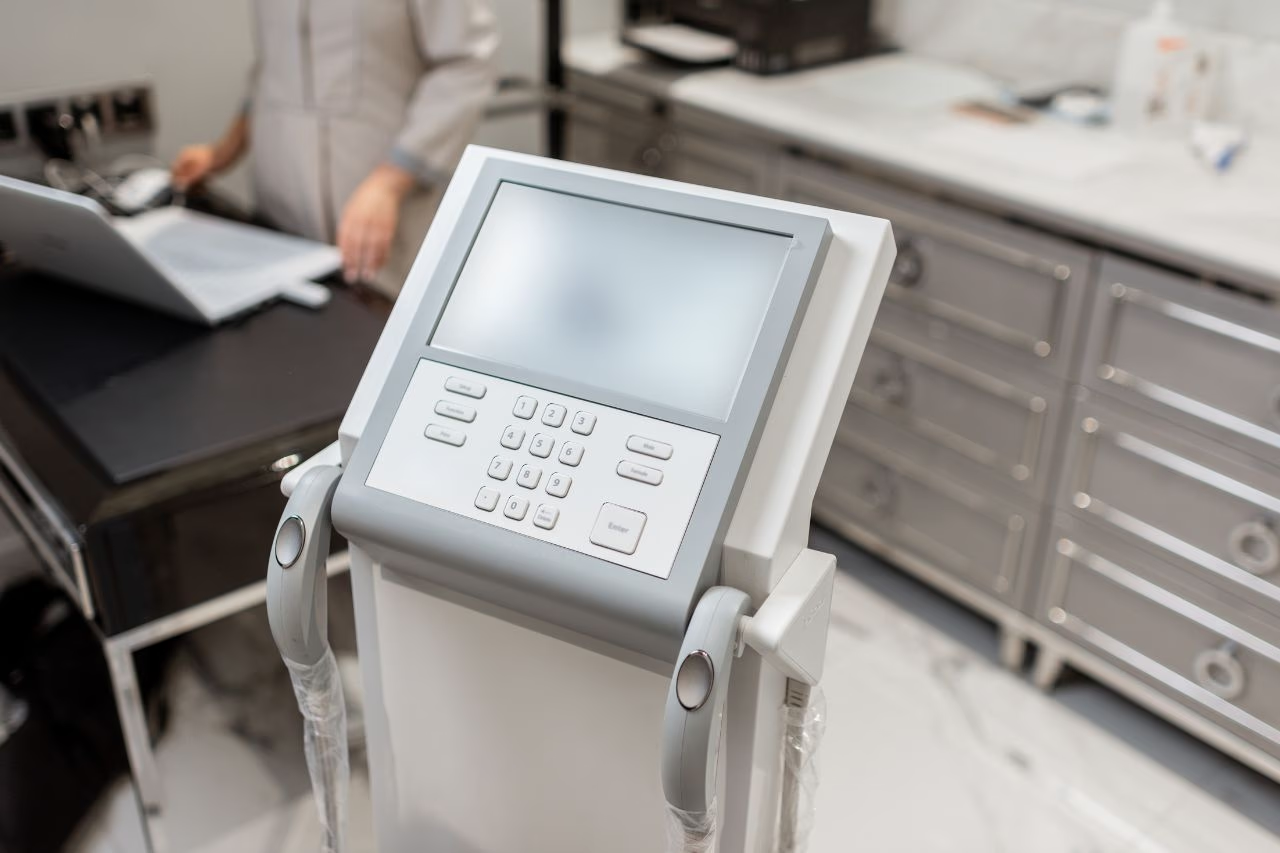
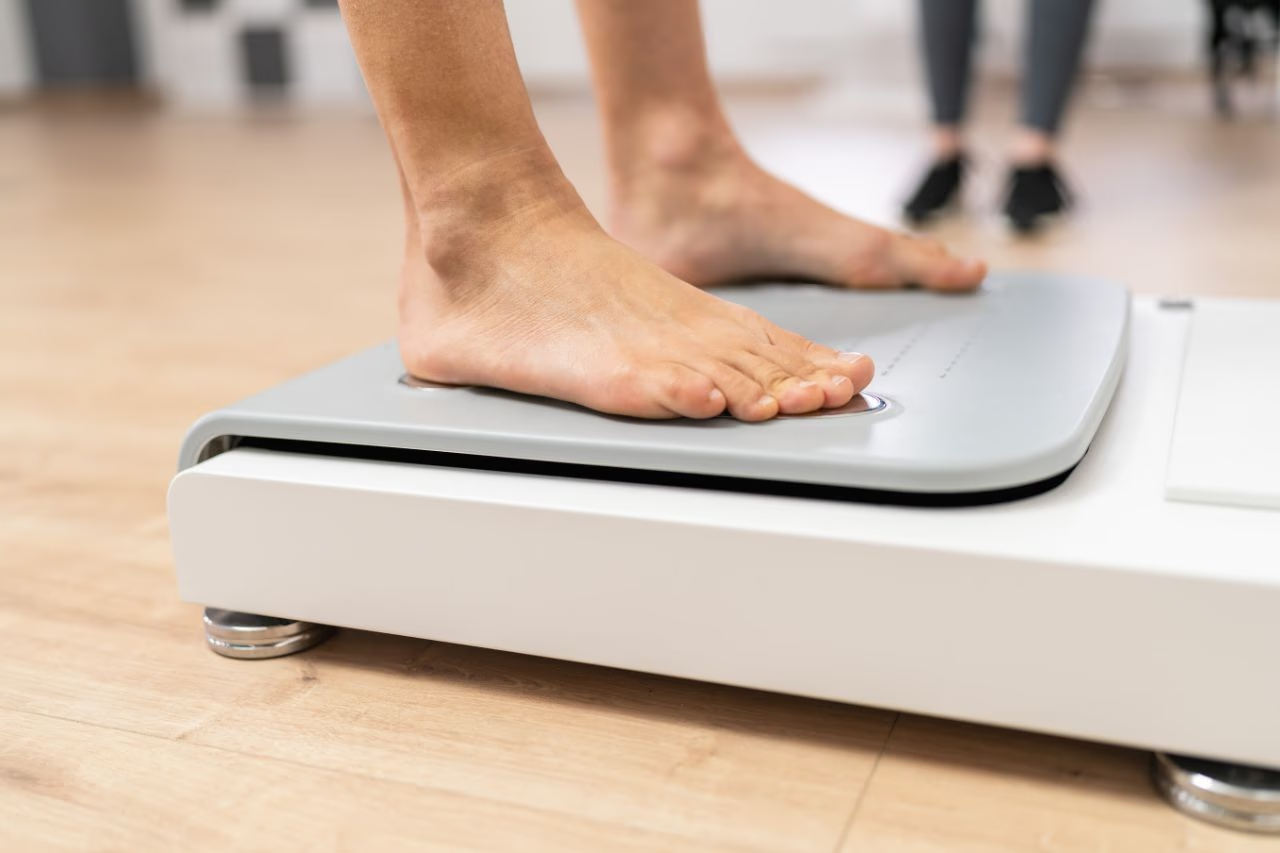
InBody is a body composition analyzer developed by a South Korean company. It uses bioelectrical impedance analysis (BIA), which involves sending a small electrical current through the body and measuring its resistance to estimate the proportions of different body components. Fat has high electrical resistance, allowing the device to first separate body weight into fat mass (including subcutaneous and visceral fat) and fat-free mass. Muscles and bones contain a large amount of water, which has relatively low resistance. By measuring the body's water content through resistance values, InBody can then calculate data such as protein content, mineral content, and skeletal muscle mass. Additionally, InBody can measure the composition of individual body parts—the trunk, two upper limbs, and two lower limbs—to help users create more detailed fitness plans.
InBody has become so widespread that the brand name has gradually become synonymous with body composition analyzers. Much like Walkman or Coke, people commonly refer to any body fat scale as "InBody," regardless of the actual manufacturer.
InBody differs from typical home body fat scales in several key ways.

Both InBody machines and consumer body fat scales (like common OMRON or TANITA models) use the same bioelectrical impedance principle for measurement. However, InBody's method is more accurate: it employs multiple current frequencies and has eight current and voltage electrode contact points on the limbs, allowing for individual measurements of five body segments and providing more detailed data analysis.
Household body fat scales typically use only a single or fewer current frequencies, and usually have four or fewer electrode contact points, resulting in a larger measurement error compared to commercial InBody devices.
The InBody machines differ in their features and target users.
The commercial InBody machines come in models 270, 370S, 570, and 770; the higher the number, the more advanced the model and the higher the price. While higher-end InBody models offer more measurable data, research published by the U.S. National Institutes of Health indicates that any InBody machine provides comparable accuracy for measuring general body composition data. Therefore, if you don't have specific measurement needs, the InBody 270 is sufficient for most people.
The main differences between InBody machine models lie in the measurement items and the number of current frequencies used. Detailed introductions to each InBody machine are as follows:
✦InBody 270
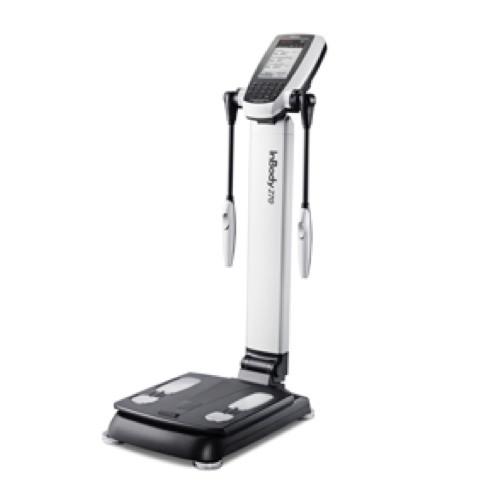
The entry-level InBody 270 is the model most commonly found in hospitals and gyms, using two current frequencies to measure all the body composition data mentioned above.
✦InBody 370S
The InBody 370S uses three current frequencies, adding the ability to measure circumference for various body parts, wireless Wi-Fi/Bluetooth transmission, and a function to calculate body type based on BMI.
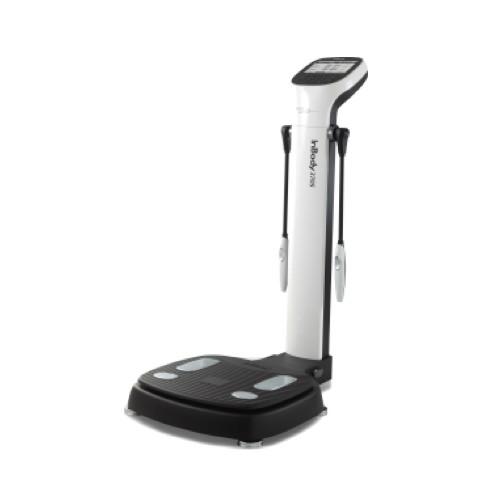
✦InBody 570
The InBody 570 adds intracellular and extracellular water detection, along with a personal history of up to eight previous measurements, allowing you to track changes in your data over time.
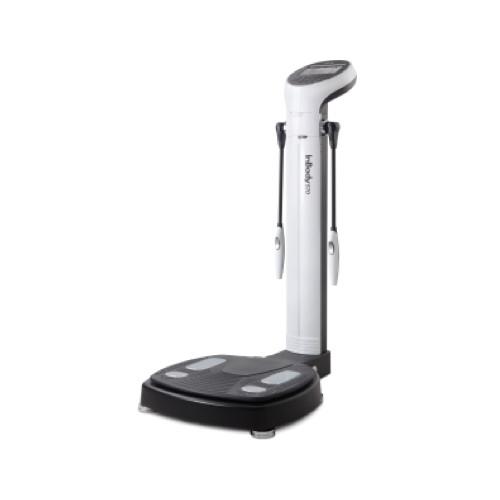
✦InBody 770
The top-tier InBody 770 offers the most precise measurements, utilizing up to six different current frequencies to shorten measurement time and minimize error.
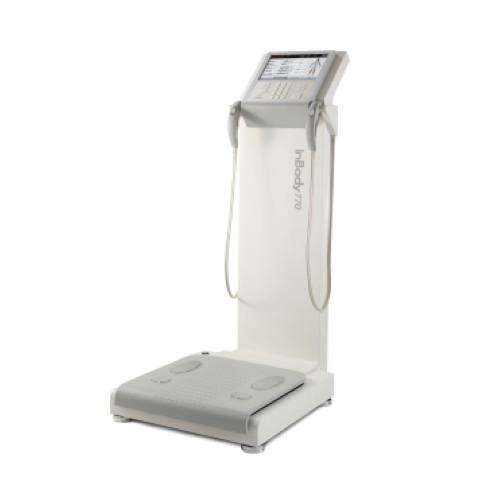
Here's how to interpret your InBody report.
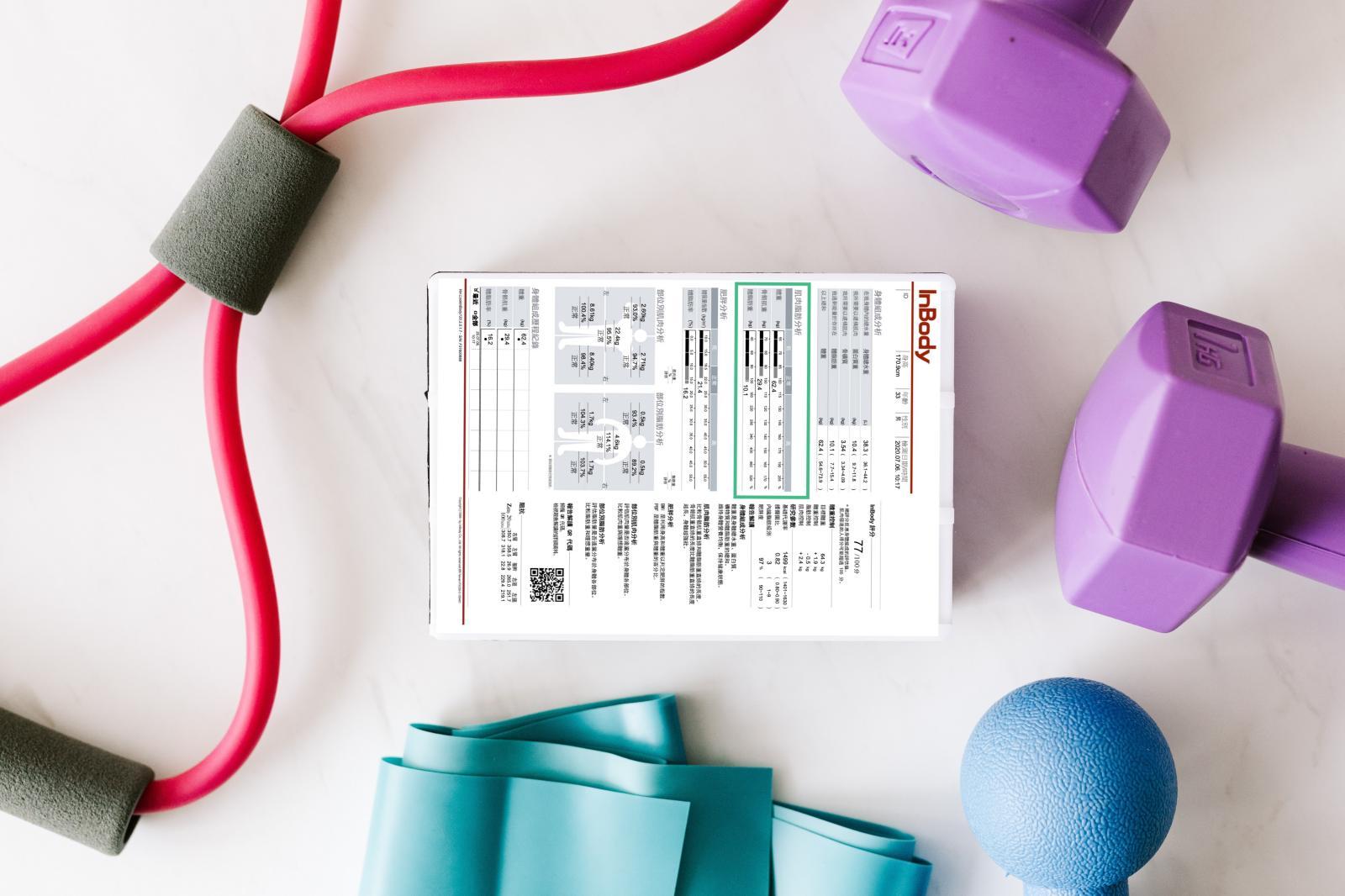
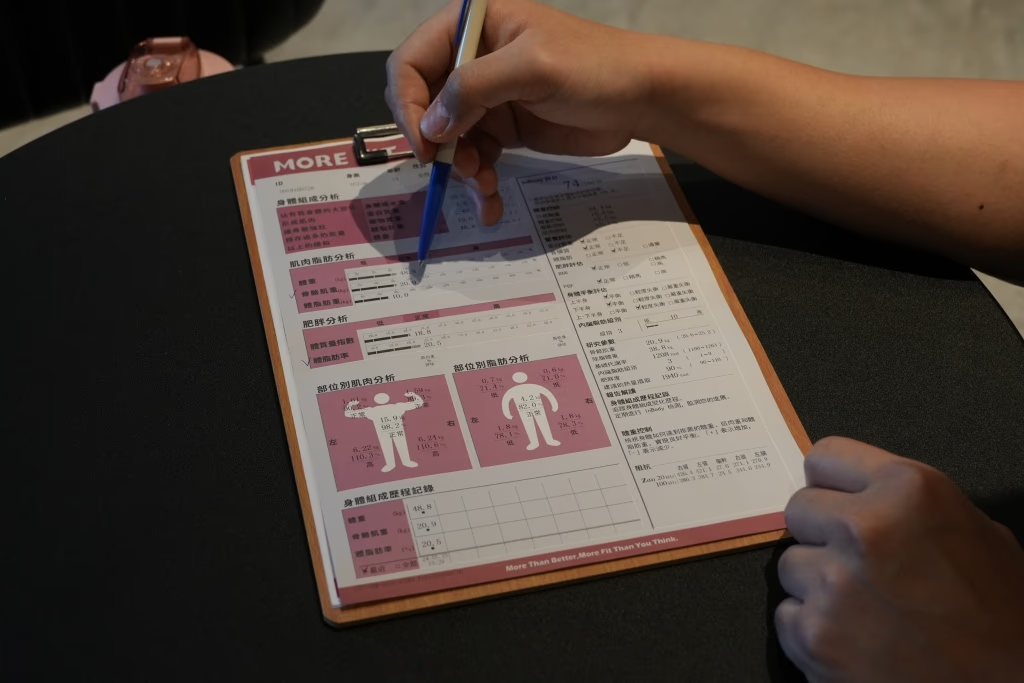
Understanding your InBody score helps you assess your physical condition and track how exercise and training impact your fitness and physique over time. To interpret your InBody report, you can break it down into five main sections, detailed below:
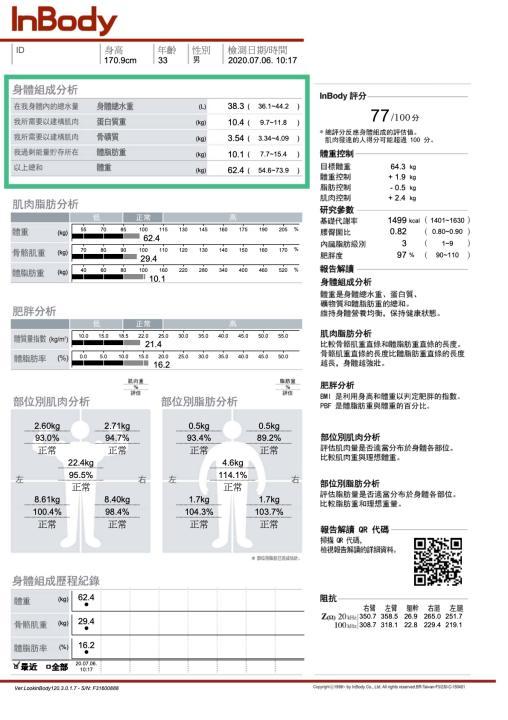
✦Body Composition Analysis
This section shows you the weight of your body's water, protein, bone minerals, and fat, which together make up your total body weight.
Notably, the protein weight here refers to the total weight of all muscles in your body, including skeletal muscle (the muscles you can consciously move and train), smooth muscle (muscles in organs and blood vessels, controlled by the autonomic nervous system and untrainable), and cardiac muscle (the self-regulating muscle of the heart).
To focus on skeletal muscle mass, refer to the second section.
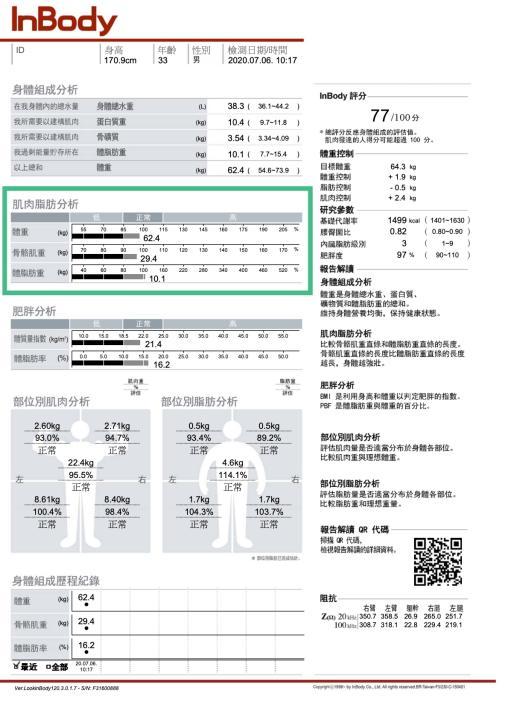
✦Muscle and Fat Analysis
Skeletal muscle mass refers to the weight of protein after subtracting smooth and cardiac muscle—essentially, the weight of all the muscles you can train at the gym! We also assess a person's obesity status by observing this component.
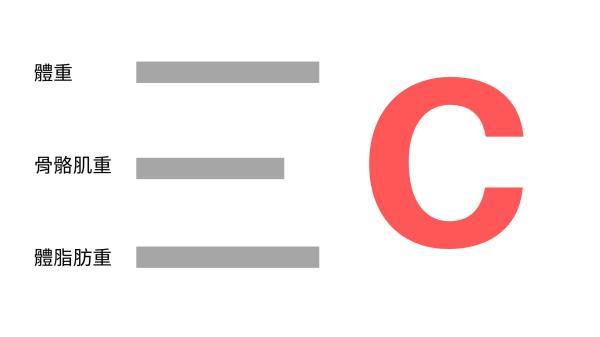
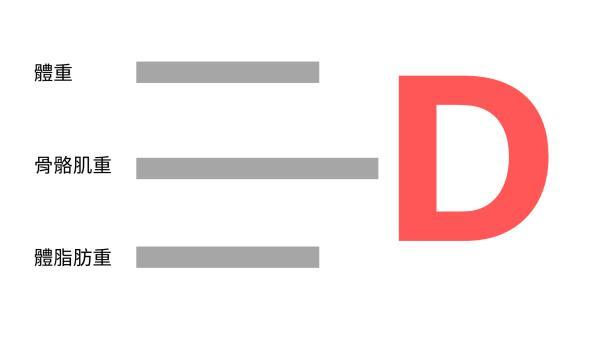
Based on your weight, skeletal muscle mass, and body fat mass, body types can be categorized into three types: I, C, and D. Here's a detailed breakdown:
Type I
All three data points are normal, indicating a normal physique. However, if your weight and body fat percentage are on the higher end of normal, you should still monitor future changes in your physique. It's generally recommended to focus on building muscle.

Type C
Type C indicates a lower skeletal muscle mass relative to overall body weight and body fat. This means higher body weight and body fat, with insufficient muscle mass. This body type requires increased exercise and dietary changes, focusing on both muscle gain and fat loss.
Type D
This is the ideal body composition, with high skeletal muscle mass relative to body weight and low body fat. Congratulations — now keep up the great work!
✦Obesity Analysis
BMI and body fat percentage are common metrics, but body fat percentage is more important because it represents the proportion of body fat to total body weight. According to the Health Promotion Administration, the standard body fat percentage is 14-23% for men and 17-27% for women; exceeding these numbers indicates a need to address obesity concerns.
Of course, a lower body fat percentage isn't always better. Excessively low body fat can lead to endocrine disorders, dull skin, and even conditions like osteoporosis and amenorrhea. Additionally, fat-soluble vitamins require fat for absorption, and long-distance exercise relies on stored body fat for energy. So, don't view fat as useless; maintaining a healthy body fat percentage is key to overall well-being!
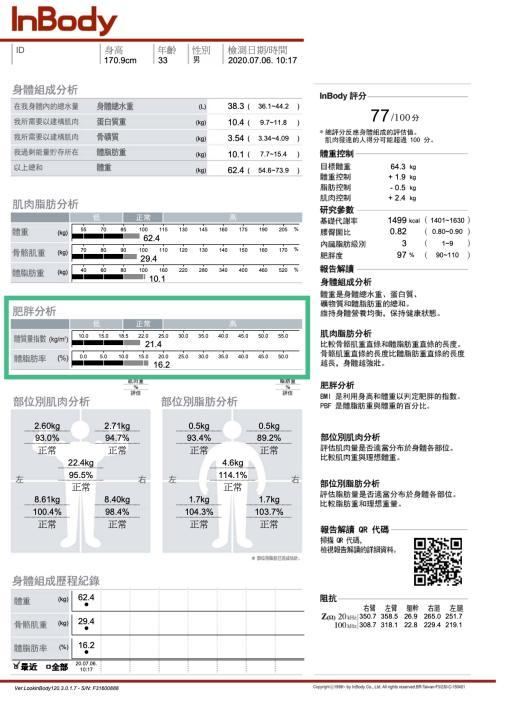
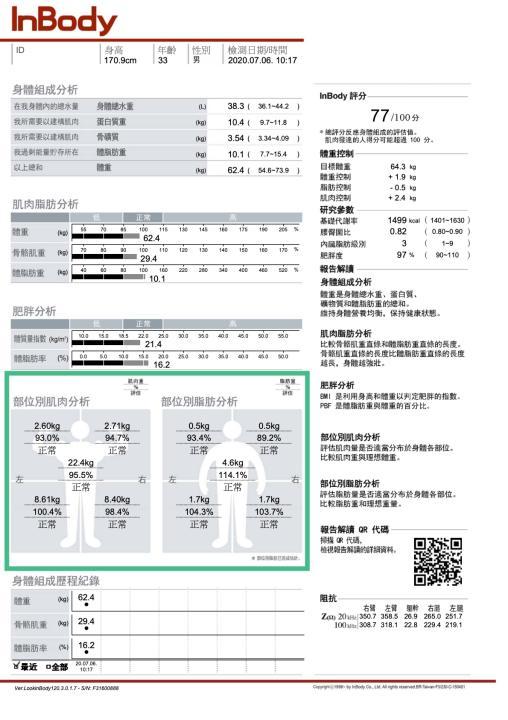
✦Individual Muscle and Fat Analysis
The report details muscle and fat distribution across five major body areas, so you can see which parts might need more muscle building.
However, if you're hoping to target fat loss in a specific area, that's not possible. Each person's fat distribution is determined by their genetics—some naturally carry more fat around their waist, while others store it in their glutes. We can't choose to slim down just our arms or just our backside (if we could, half the aesthetic clinics would go out of business!). But we can still burn off excess fat through consistent cardio exercise, which will naturally lead to an overall reduction in body fat.
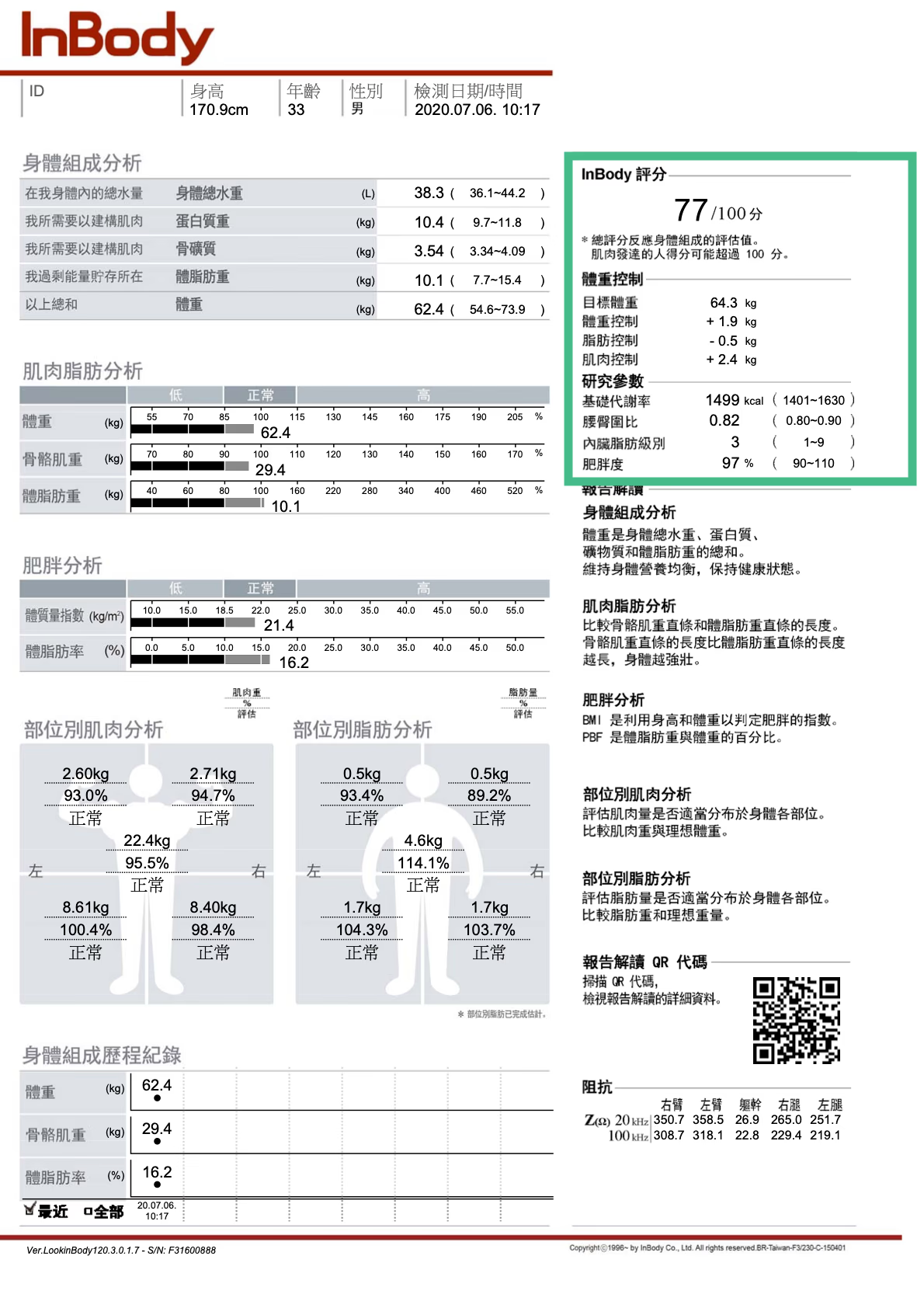
✦InBody Score / Weight Control / Research Parameters
Beyond the initial InBody metrics, the remaining data can be broken down into three sections:
I. InBody Score: This represents your body's overall score. Individuals with highly developed muscle mass may even score over 100 points.
II. Weight Control: This section lists your ideal weight, calculated by formula, and suggests areas for improvement. Recommendations may include increasing muscle mass or reducing body fat, depending on your body's analysis.
III. Research Parameters: Several key metrics are detailed below:
- Basal Metabolic Rate (BMR): BMR indicates the calories your body needs to maintain basic physiological functions (heartbeat, breathing, heat dissipation, etc.). It is directly proportional to muscle mass and decreases with age and muscle loss. A higher BMR means more calories are burned, making it easier to maintain a healthy weight.
- Waist-Hip Ratio (WHR): WHR represents the ratio of your waist circumference to your hip circumference, indicating the amount of visceral fat. Typically, WHR increases with age, which can elevate the risk of chronic diseases such as cardiovascular disease, hypertension, arteriosclerosis, diabetes, and hyperlipidemia.
- Visceral Fat Level: This final metric indicates the level of visceral fat. Visceral fat is often overlooked because it's hidden within organs and cannot be felt from the outside. Even individuals who don't appear overweight can have dangerously high levels of visceral fat, making it crucial to monitor closely.
What to know before your InBody measurement:
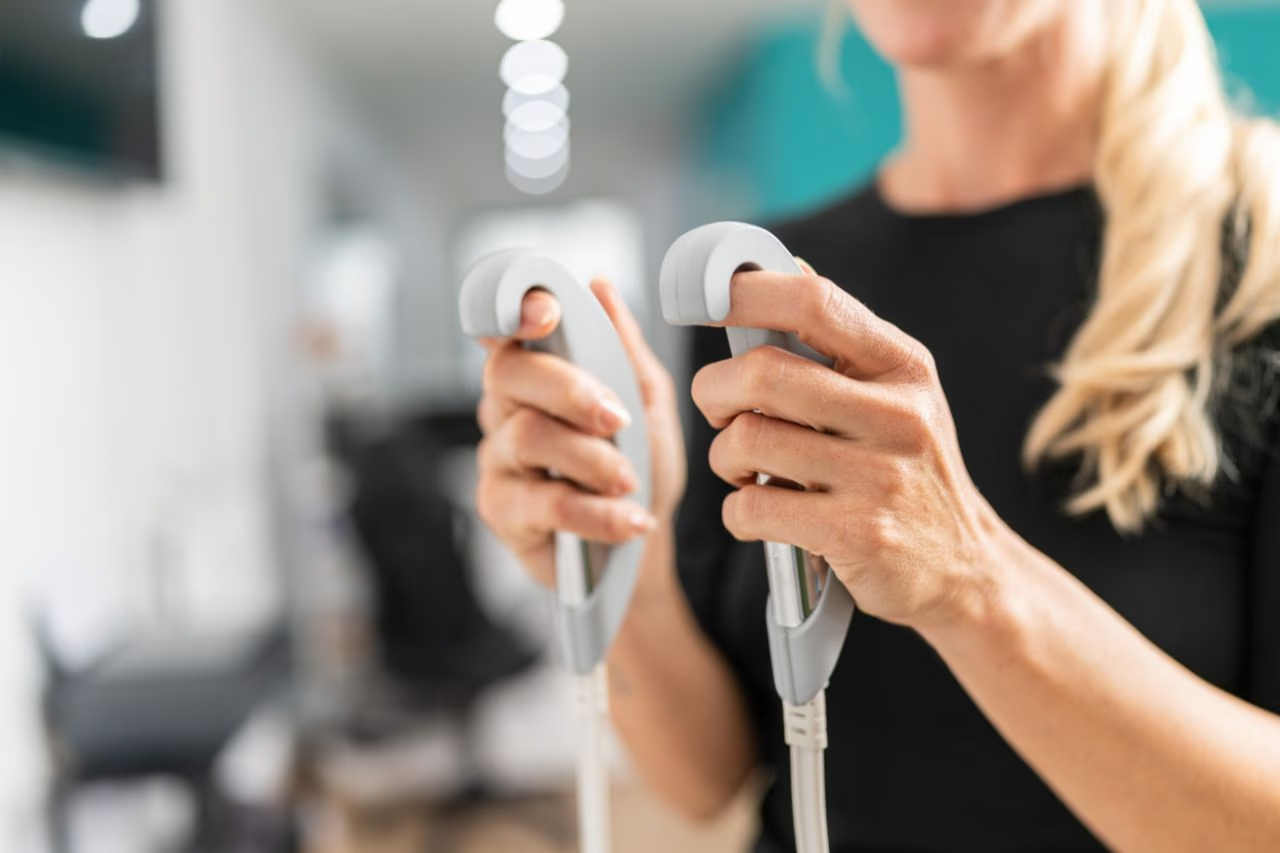
For consistent InBody measurements, we recommend a standardized time, such as first thing in the morning, and at least two hours after meals or exercise. Additionally, view InBody data not as absolute figures, but as long-term trends to objectively monitor your body's condition.
However, to ensure the most accurate InBody measurements, please avoid the following times:
✦Avoid dehydration, drink plenty of water, or measure when wet.
InBody's BIA principle is affected by hydration levels; dehydration during an InBody test will result in higher resistance and an overestimation of body fat, while increased hydration will lead to an underestimation of body fat.
✦Avoid post-meal measurements
After eating, a large amount of food accumulates in the stomach, which impedes electrical current and increases resistance, potentially leading to an overestimation of body fat.
✦Avoid measuring after exercise.
After exercise, your heart rate increases, blood circulates rapidly, body temperature rises, and you sweat profusely, which can lead to an underestimate of body fat. Conversely, the significant water loss after a workout can cause an overestimate of body fat.
✦Avoid measuring after bathing.
Your body temperature rises after a shower or bath, which lowers electrical resistance and can lead to an underestimated body fat percentage.
Who needs to know their InBody data?
InBody is suitable for everyone.
For example, those embarking on a fitness plan with goals of muscle gain or fat loss can schedule measurements before and after their program to track progress. If you're looking to shed a beer belly, combining a proper diet and exercise with InBody data—like body fat percentage, basal metabolic rate, visceral fat index, and waist-to-hip ratio—can help you assess your improvement.
You can measure your InBody at a variety of locations.
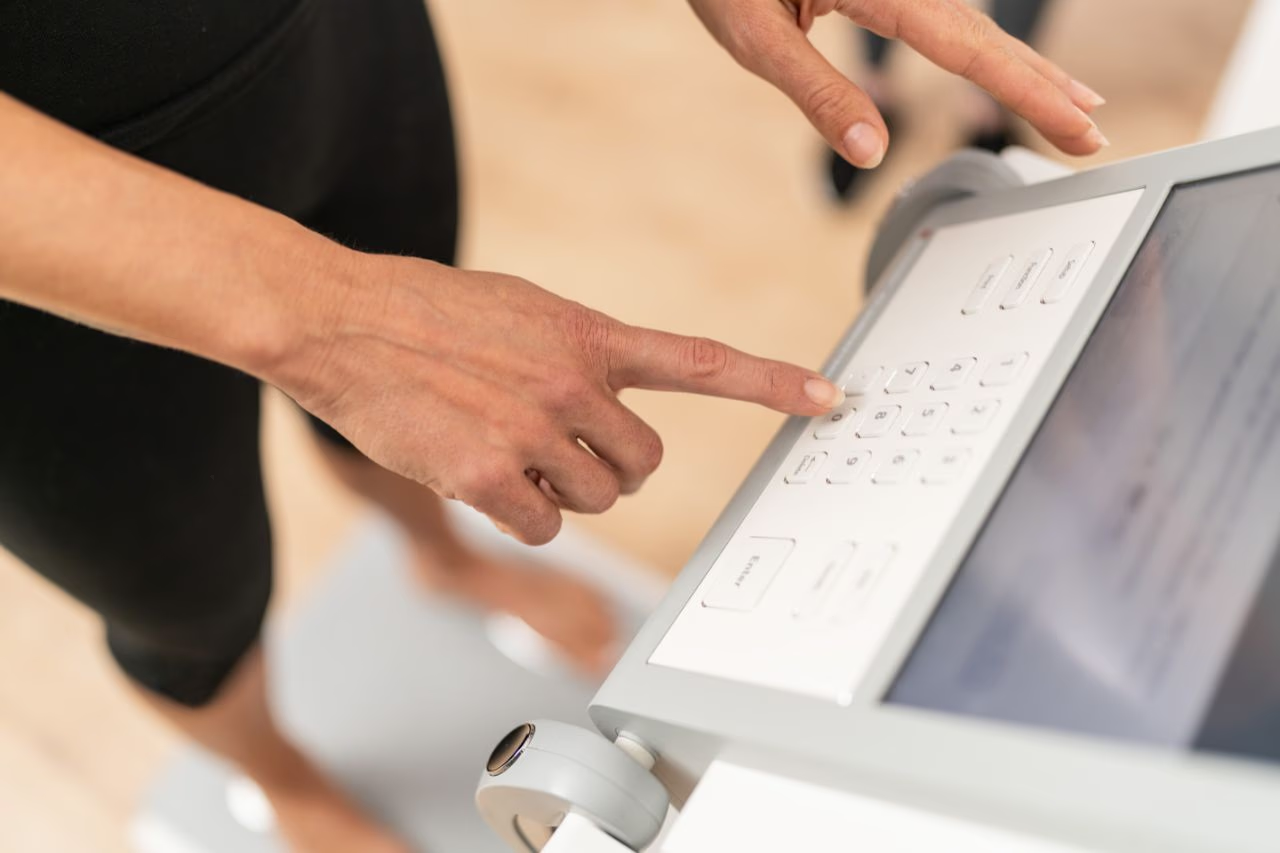
The InBody test is widely available in schools, health checkup centers, hospitals, and sports training facilities because it's convenient and the equipment is relatively affordable for a professional device (the InBody 270 costs around NT$200,000). With the rise of fitness culture, many gyms have also purchased InBody machines for their members. For example, major chain gyms like WorldGym and Fitness Factory across Taiwan offer free InBody use for members, while non-members can get a single InBody measurement for $200-$300.
While you're here, check these out ↓
- 01Where to get an InBody scan in Kaohsiung: The ultimate guide|Beyond hospitals and clinics: A complete list of free and paid InBody scans in Kaohsiung→
- 02Here's your ultimate guide to InBody measurements in Taipei|Find free and paid InBody testing locations across Taipei, including sports centers and hospitals!→
- 03Where to Get an InBody Scan in Taichung|Beyond Gyms and Hospitals: Your Guide to Free and Paid InBody Scans in Taichung→
Final Thoughts
This concludes Twosevenths' guide to InBody, covering key measurement points, how to interpret InBody scores, differences between InBody models, and where to find InBody measurements and pricing in major cities like Taipei, Taichung, and Kaohsiung.
InBody measurement fees don't vary much between venues, so we recommend choosing a nearby clinic for convenience. Alternatively, consider gyms that offer free InBody measurements for members. With a clear plan and goals, proper exercise, and diet control, regular monitoring of your InBody data will help you achieve your ideal physique! For post-workout protein supplements, check out our latest whey protein brand review.
Most gyms across Taiwan also have InBody equipment, which you can use for a fee or as part of a personal training session. For gym recommendations, see our guides to Kaohsiung gyms, Tainan gyms, Taichung gyms, Taoyuan gyms, Hsinchu gyms, Taipei gyms, Banqiao gyms, and nationwide chain gyms in Taiwan.
Don't miss these either

Kaohsiung Private Personal Trainers: Real Experiences to Help You Choose the Right Coach! | 4 Kaohsiung Personal Training Studios Reviewed

Taichung Indoor Golf Recommendations|Play World-Famous Courses Without Leaving Taiwan! 3 Indoor Golf Driving Ranges Reviewed

KOSHA Pilates Review|Hsinchu East District: Full-Equipment Pilates with AI Posture Analysis for Precise Training

請問內文中所列出的Inbody站立式機型和家用便攜式機型,在測量上有何差別?都一樣精準嗎?謝謝🙏😊